
Reviews & Guides · Kitchen & Dining
BOOKOO Motto80: fine-grind stalls on one of two early units
Reviewed: BOOKOO Motto80Regional reference: BOOKOO Motto80 (US)
I tested two early BOOKOO Motto80 units: one sometimes jammed at a 150 µm gap and maximum feed, while my later 3.0II did not.
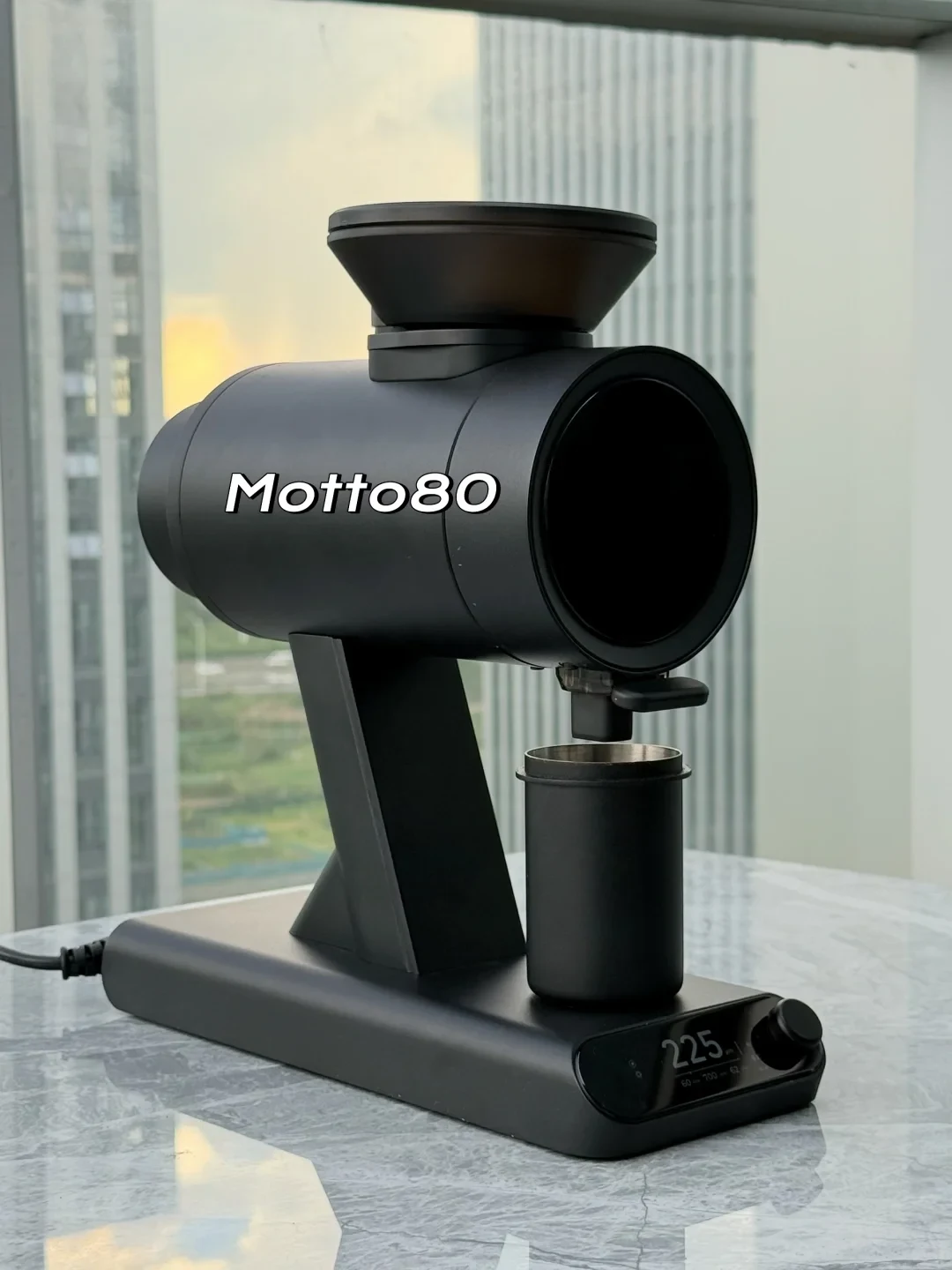
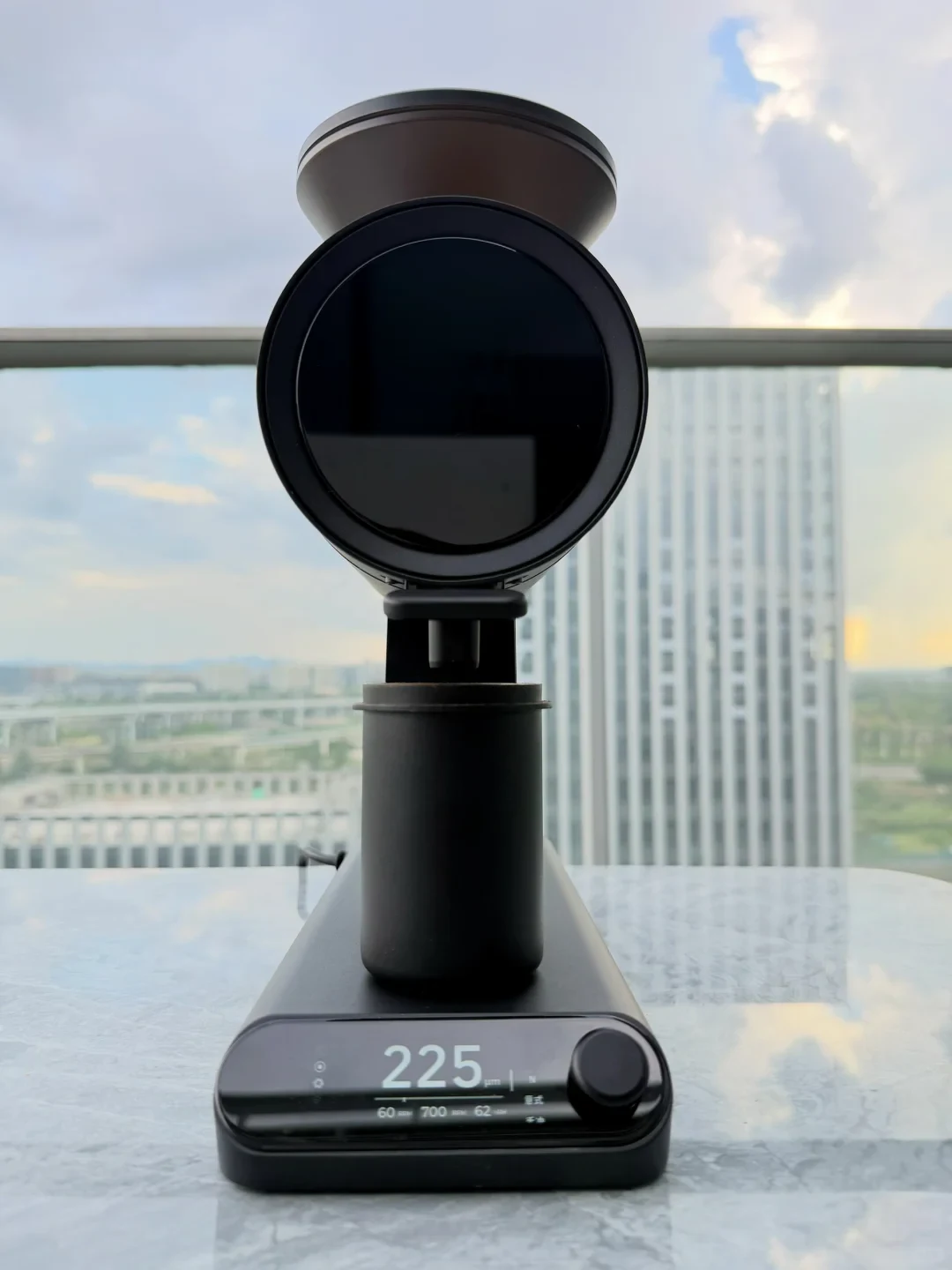
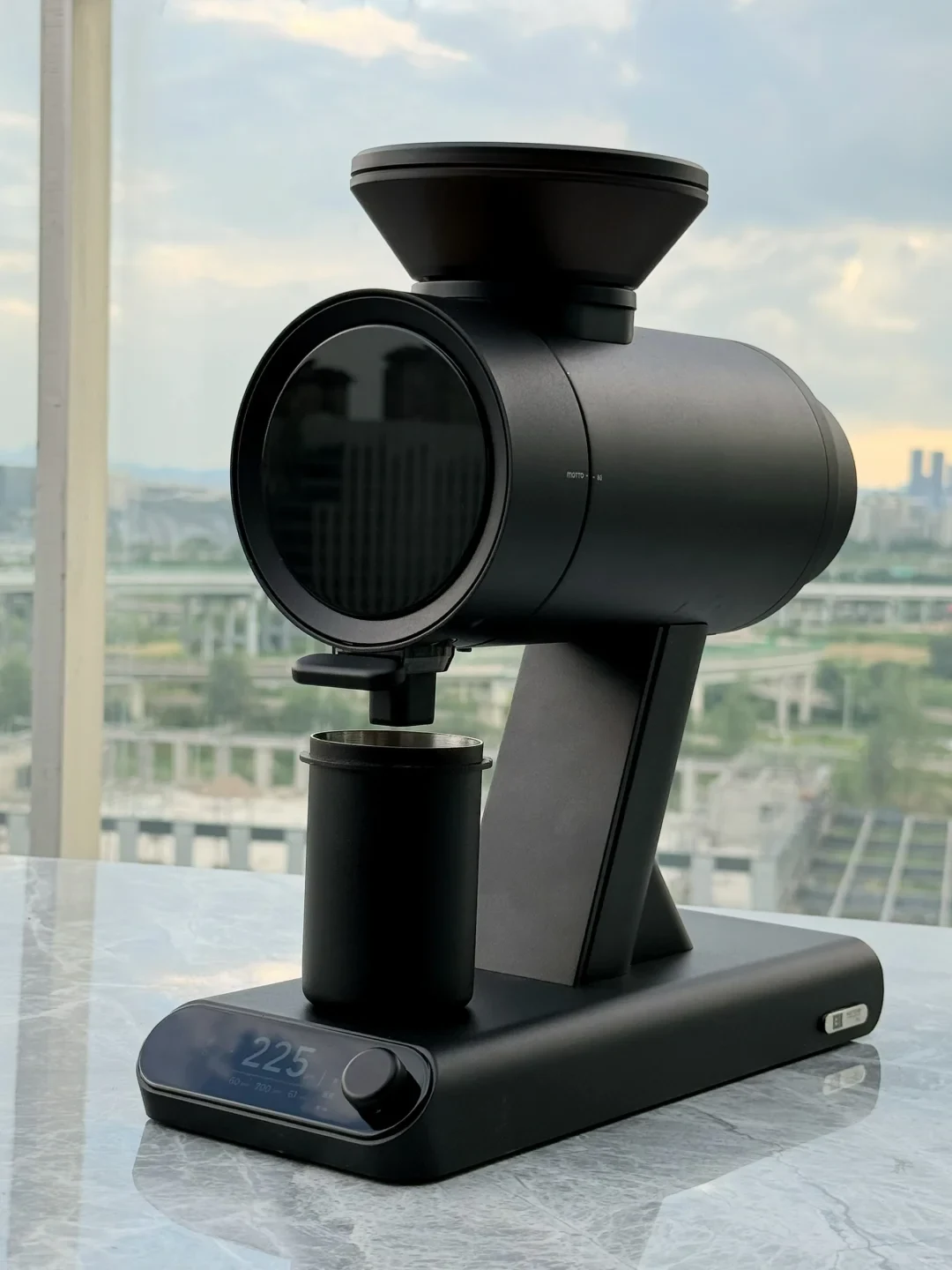
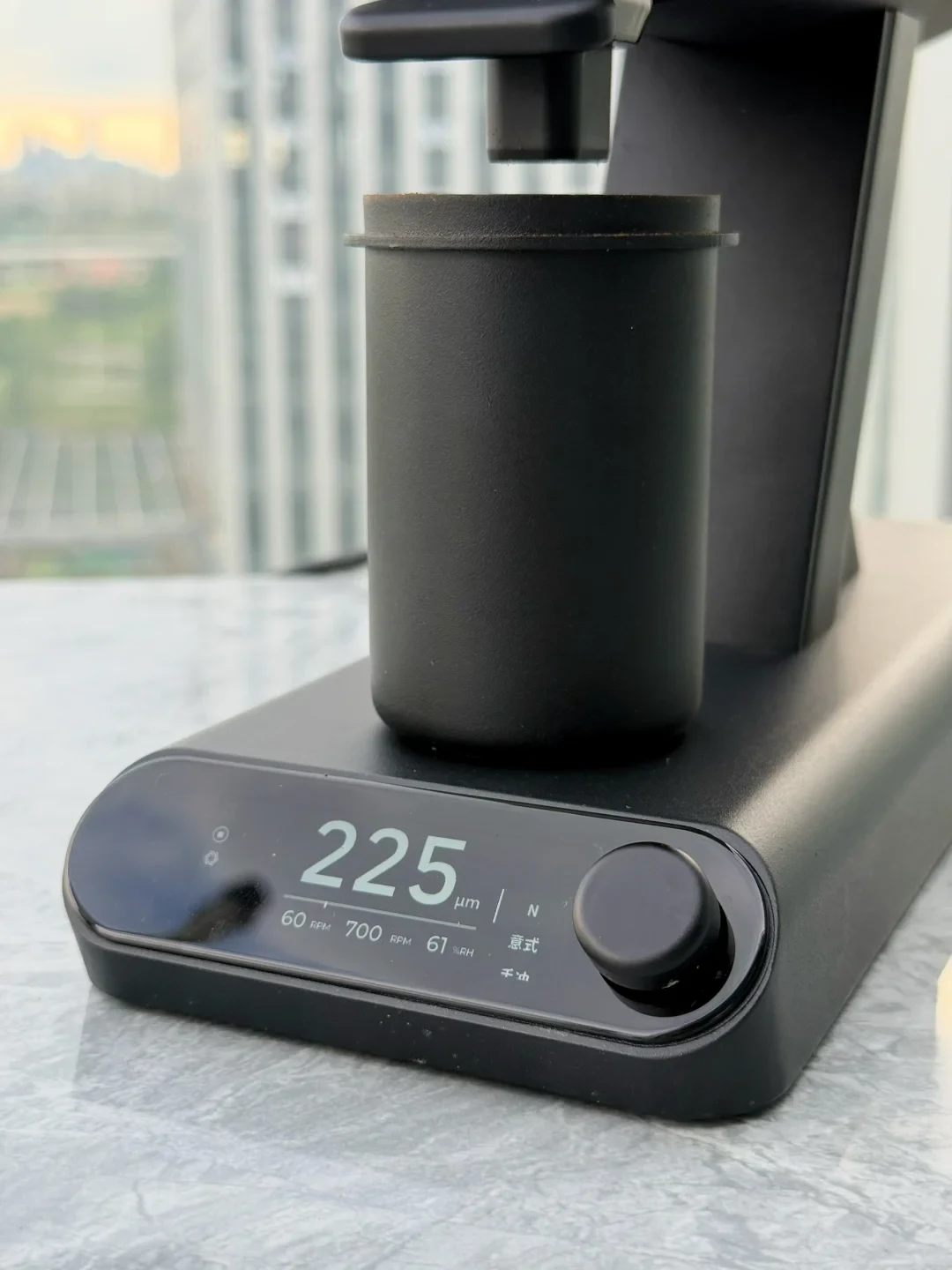
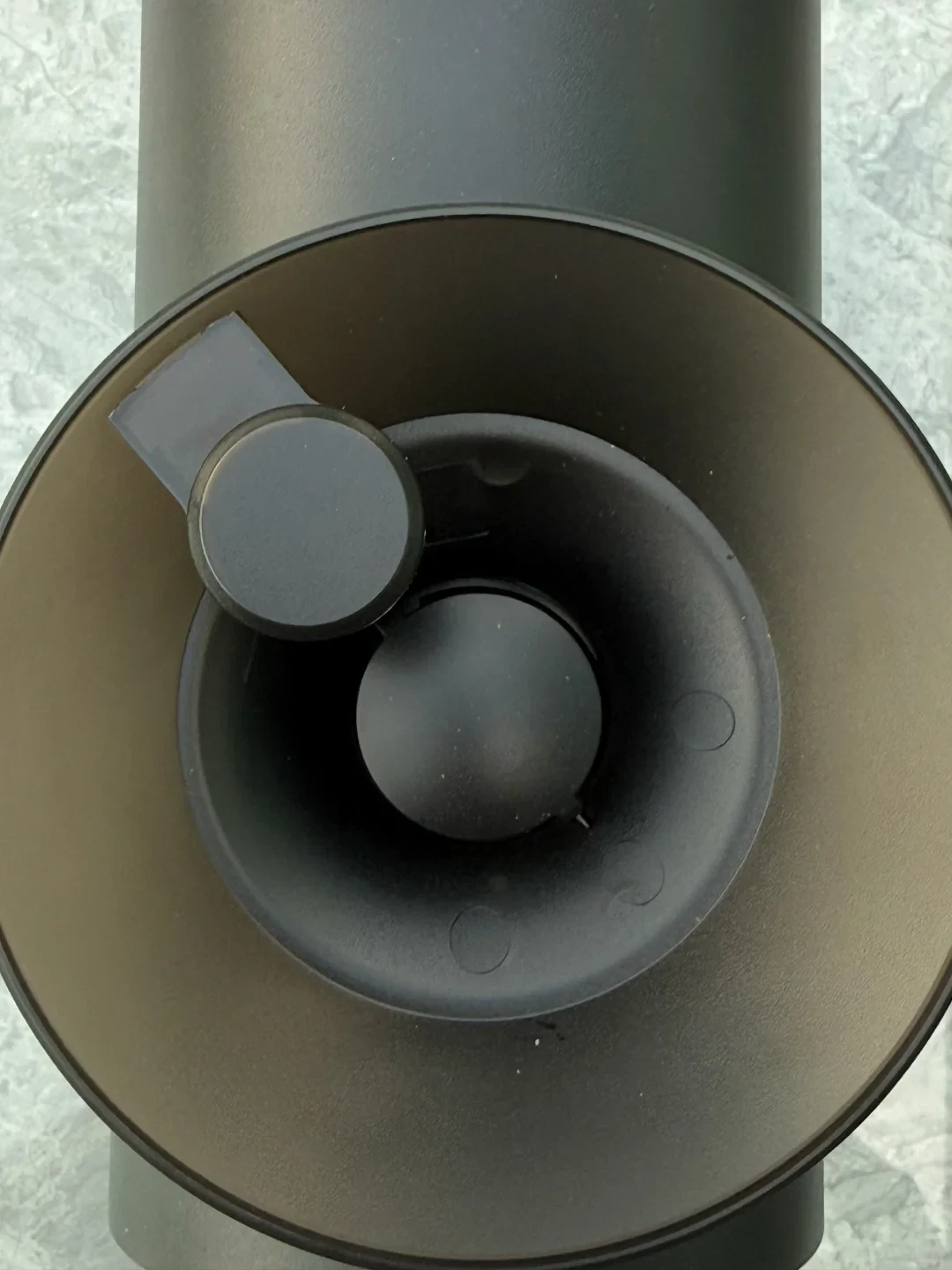
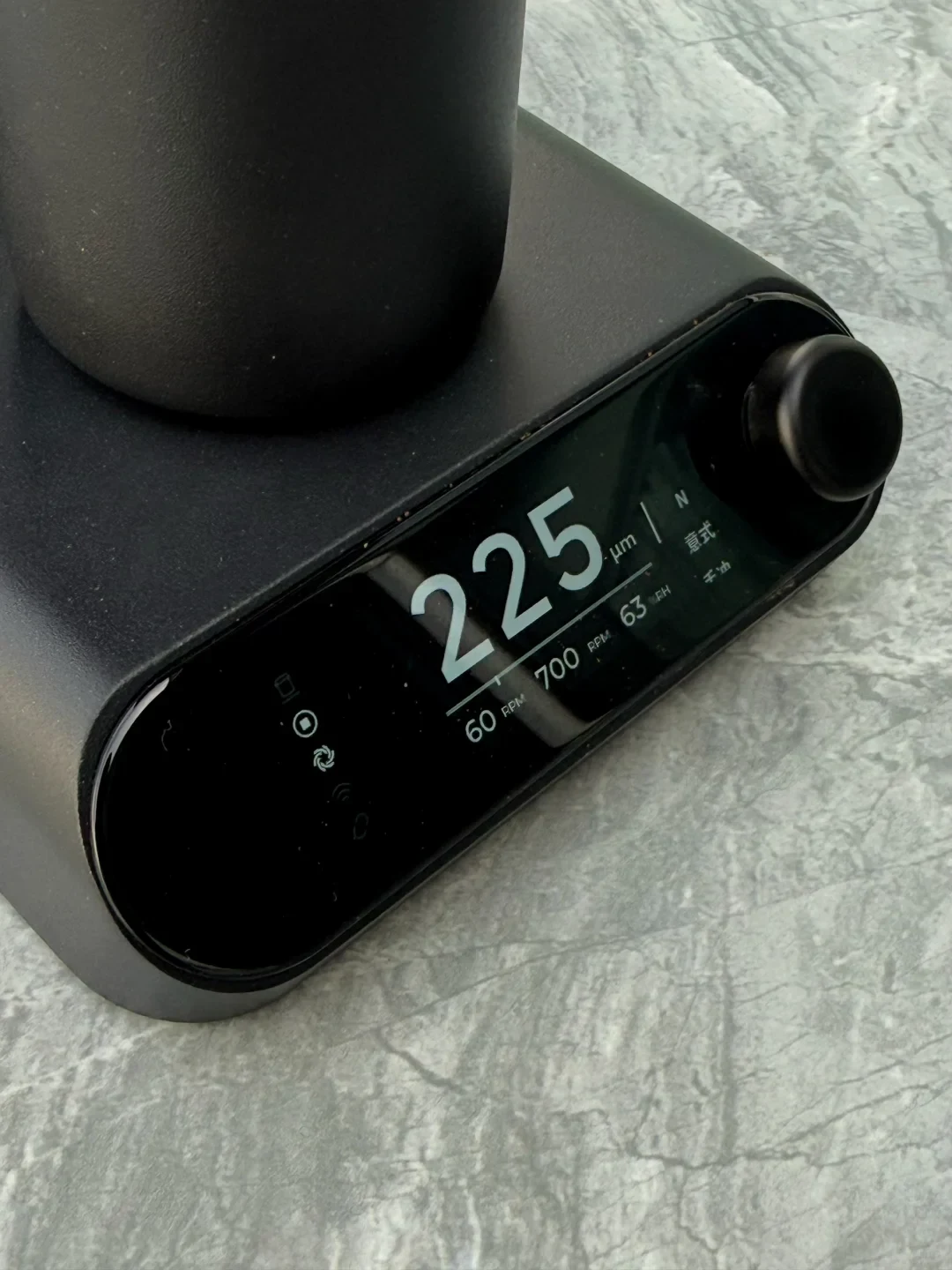
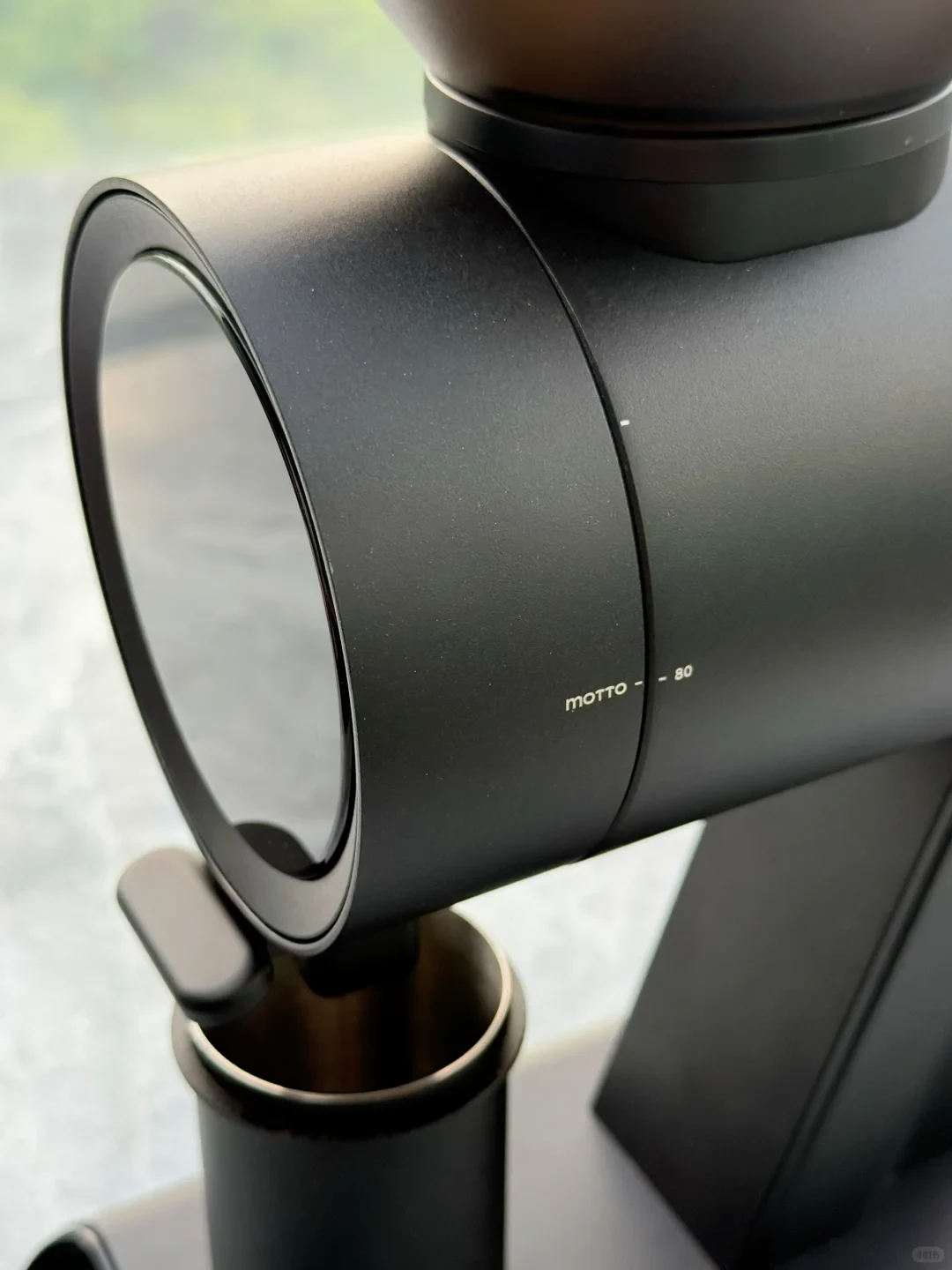
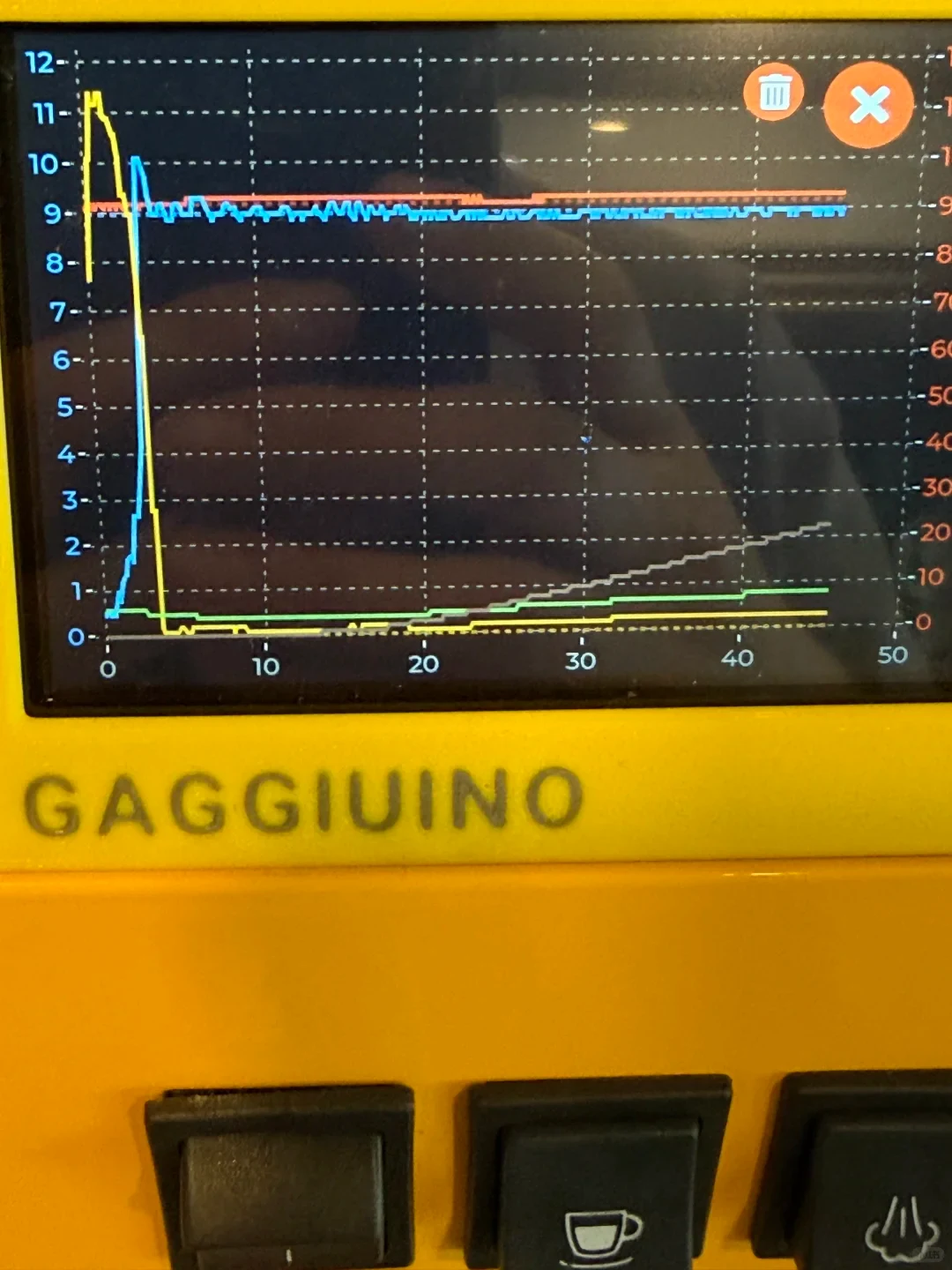
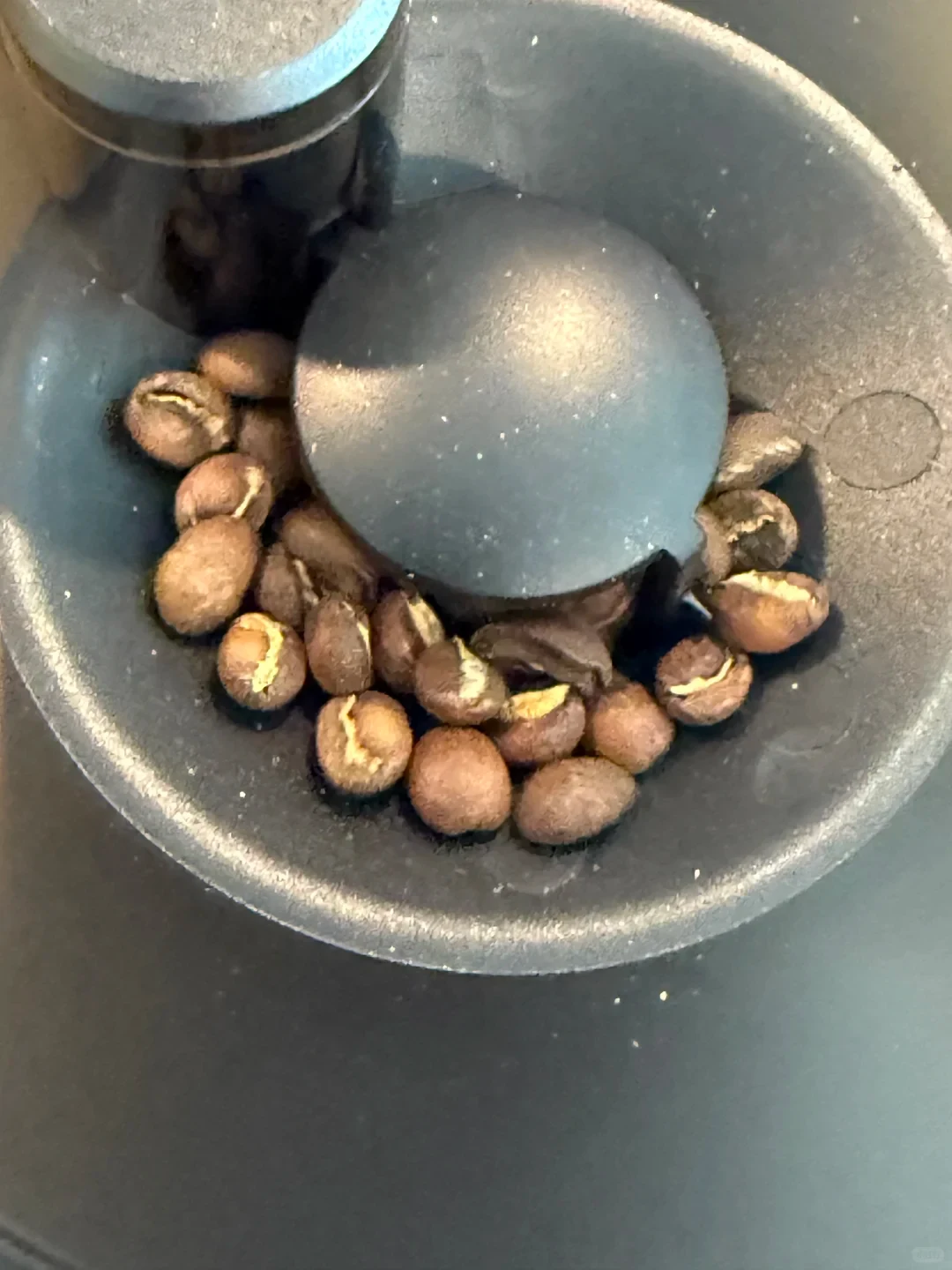
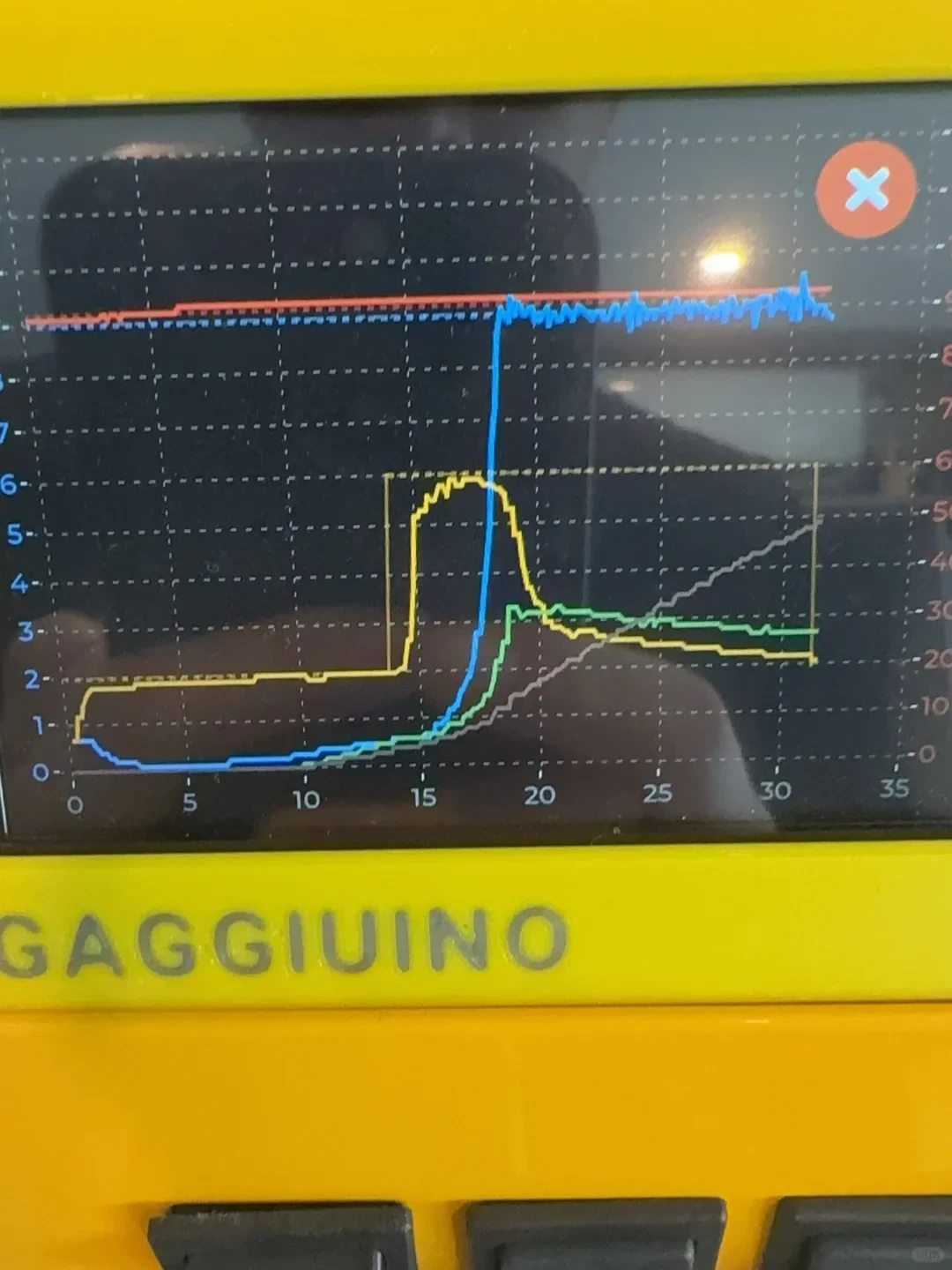
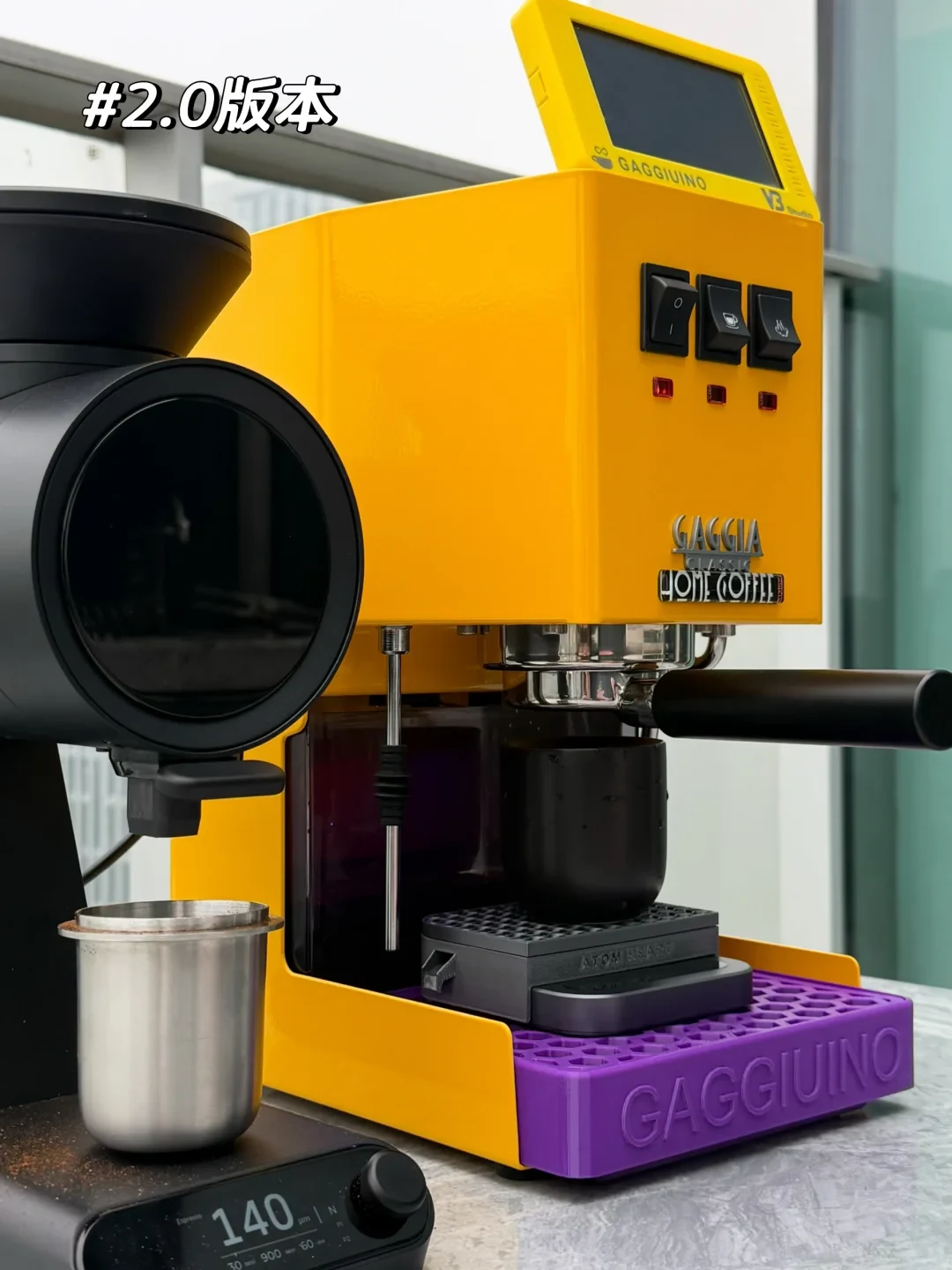
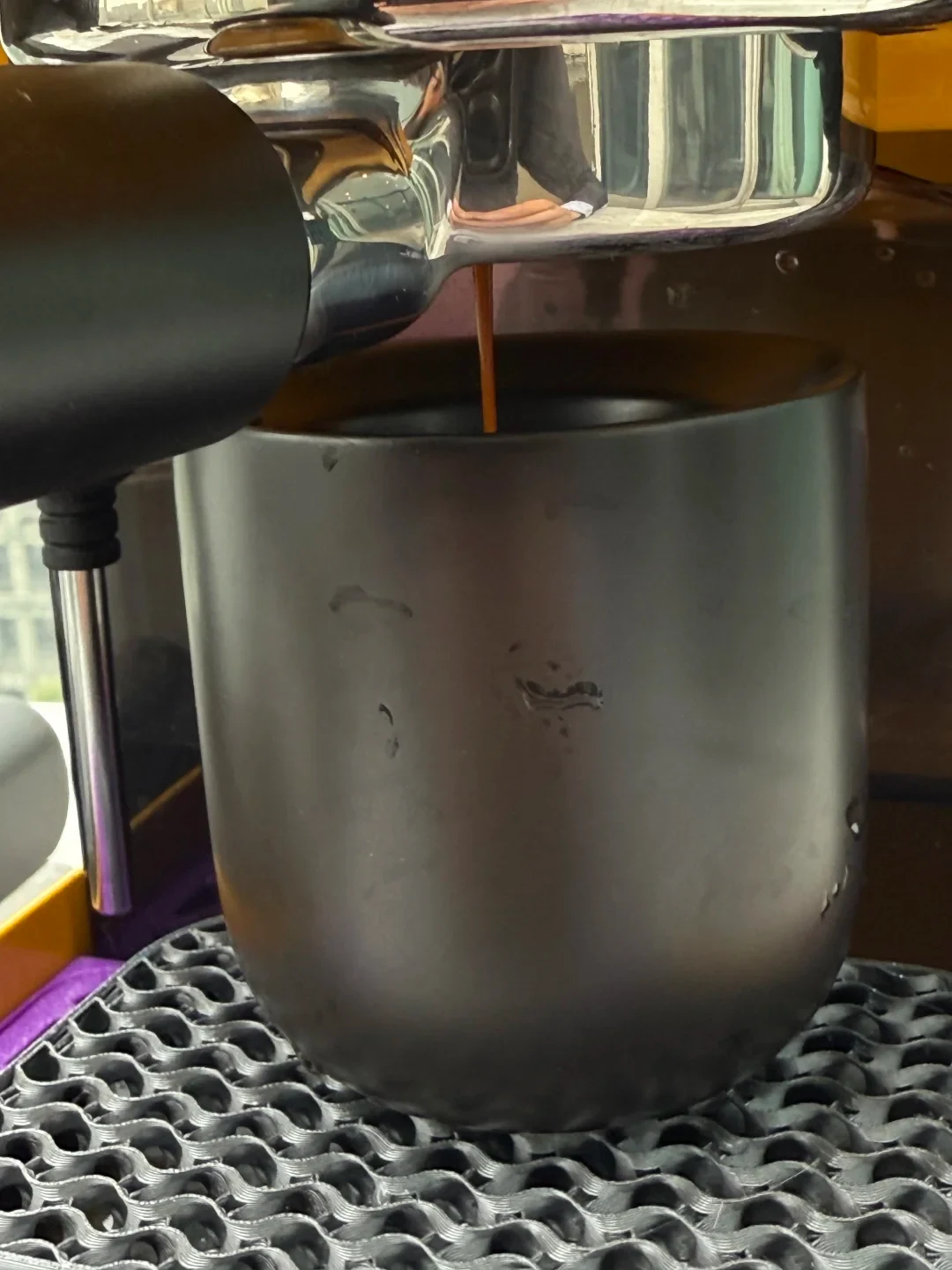
Approving of a product is really about approving of the people behind it and their attitude. That applies to this Motto80 grinder, too, so the review below may be somewhat biased.
I first saw the machine in person at @Retronasal’s everyday-life sharing event late last year (1.0). In March, I grabbed an exhibition unit at the Shanghai show (2.0), and eventually received a first-batch co-creation unit (which I’d call 3.0II). After testing the 2.0, I gave feedback; by the time this 3.0II arrived, it was already a highly finished product. The M80’s standout strengths are:
- High burr parallelism and overall precision: It’s hard to believe that even with AGI nearly here, burr parallelism is still such a major challenge. The M80’s burrs use a tapered connection, with good parallelism at the mating surface. That helps keep the burrs parallel even when grinding as fine as flour.
- Adjustable bean-feed speed and motor speed: Both can be adjusted, giving users fine control over the proportion of fines and the particle-size distribution to suit different coffees.
- Visible burr-gap setting: This helps users communicate grind settings more precisely, but note that the burr gap is not the same as the main particle size.
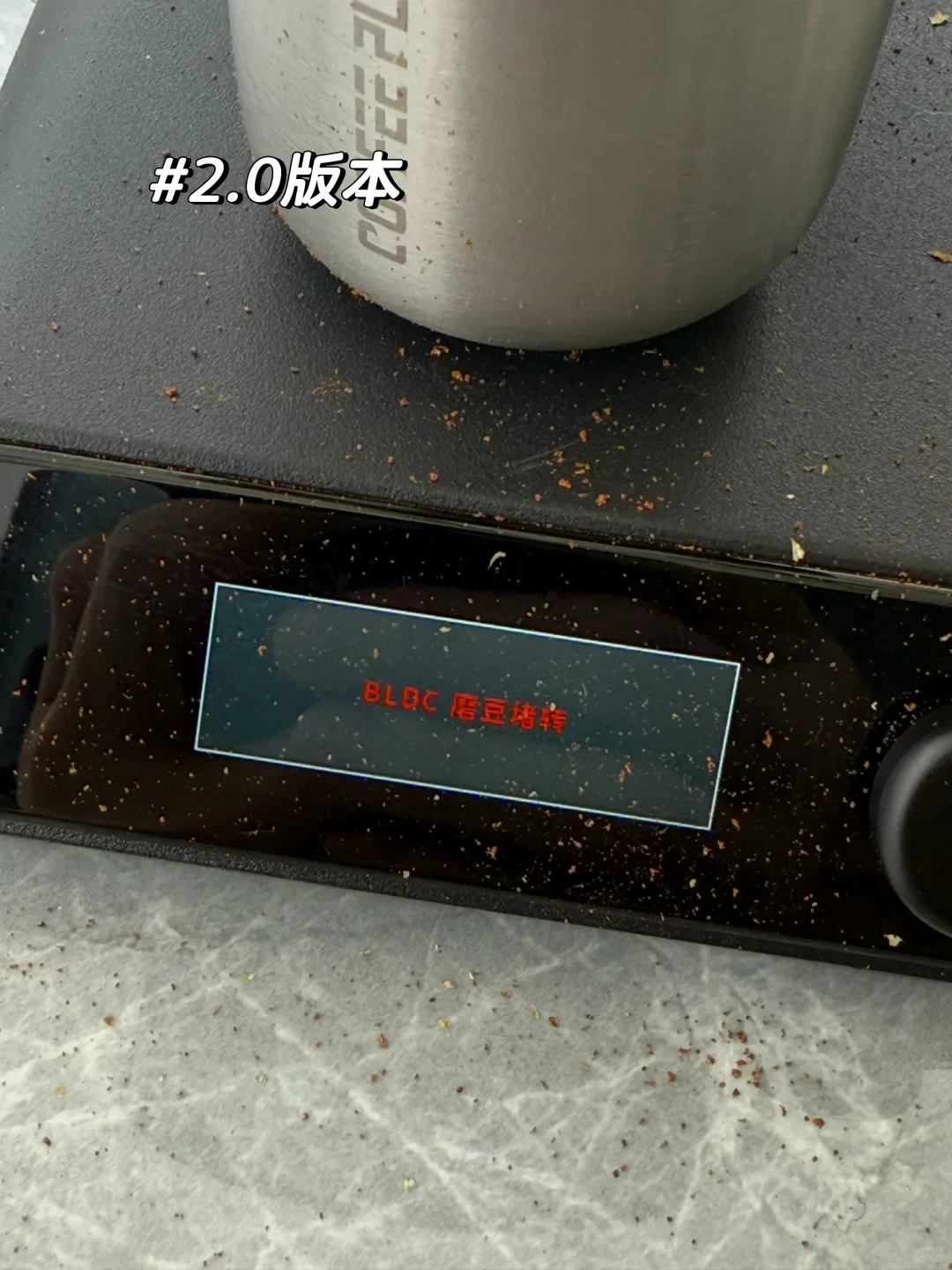
In terms of grinding, it ran smoothly at burr gaps below 150 µm with various feed speeds. On the 2.0 version (starting with image 11), testing a 150 µm gap at maximum feed sometimes caused a jam or error. I haven’t encountered that again on the 3.0II.
Overall, the controls feel comfortable to use. Combined with the powder-channel vibration mechanism, there’s little residual coffee, and the rotating bean feeder also prevents beans from bouncing around. Before grinding ends, the machine detects a drop in resistance, reverses to shake out the grounds, and then stops.
In terms of mechanical quality, this is a product I’m very happy with.
Next, the burrs. The Omni burr is described as all-purpose. To me it leans toward coarser grinding, with its strengths in high-extraction shots and pour-over.
For high-pressure, slow extractions in the 200–250 µm range commonly used for classic recipes, the FGR isn’t especially high, and the flow curve’s upward bend is fairly normal. But the coffee felt a little heavy on the tongue and the flavors weren’t as clean. That suggests extraction efficiency is relatively high, so the water temperature needs to come down by 2–3 degrees to compensate.
For high-extraction shots, the flavor is cleaner and more balanced, with more pronounced sweetness. Apparently a SweetCore basket may also be coming later, aimed at the 200–250 µm range.
Finally, a thought on market trends: after 64 mm and 98 mm, 80 mm seems to be becoming the next shared benchmark for manufacturers. SSP, Weber, and LeBrew have all followed suit, so variety in 80 mm burrs looks inevitable. I’ve also bought a Weber DB2 and will see how it performs after installation. For the Motto80, the next challenge is to improve the variety and grinding quality of its built-in or optional burrs.
Source: pedantry coffee lab · Xiaohongshu · 2026-07-24 · Motto80: 精密向西装暴徒?. Search this Chinese title in Xiaohongshu to find the original post.
Before You Buy
Models in your region
The author’s early China units are identified as an exhibition 2.0 and a first-batch co-creation unit called 3.0II; the supplied official regional listings identify the production BOOKOO Motto80. Those listings confirm production features and configurations, but do not establish the early units’ firmware or voltage. The grinding and tasting observations therefore apply to the author’s specific early units, not automatically to every regional configuration.
| Model in this review | Related regional model | What to know |
|---|---|---|
| BOOKOO Motto80 (early exhibition unit labeled 2.0 and first-batch co-creation unit called 3.0II) | BOOKOO Motto80 (US) | The US listing identifies the same production Motto80 and offers Omni80 or SweetCore burrs, adjustable bean feed and motor speed, and voltage and plug options. The author’s burr configuration is not established for both early units; the tasting section specifically discusses Omni. The 2.0 sometimes jammed or showed an error at a 150 µm gap and maximum feed, an issue not encountered on the author’s 3.0II. |
- Model in this review
- BOOKOO Motto80 (early exhibition unit labeled 2.0 and first-batch co-creation unit called 3.0II)
- Related regional model
- BOOKOO Motto80 (US)
- What to know
- The US listing identifies the same production Motto80 and offers Omni80 or SweetCore burrs, adjustable bean feed and motor speed, and voltage and plug options. The author’s burr configuration is not established for both early units; the tasting section specifically discusses Omni. The 2.0 sometimes jammed or showed an error at a 150 µm gap and maximum feed, an issue not encountered on the author’s 3.0II.
Choose the correct voltage, plug, and burr set
The US and UK BOOKOO Motto80 listings describe production grinders with Omni80 or SweetCore burr choices and adjustable bean feed and motor speed. BOOKOO lists 300–1500 RPM for motor speed. Choose the voltage version for the local supply; the US listing offers a Type B plug option, while the UK listing offers Type G. The UK page notes that voltage and plug should be selected separately, so check both before ordering.
Treat the burr choice as a production configuration, not as proof of what was fitted to the early units in this account. The author discusses the Omni burr’s taste and says a SweetCore basket may be forthcoming, but does not confirm the burr set on each tested unit. BOOKOO’s production guide identifies Omni and SweetCore as separate burr sets for the Motto80; it does not establish that the author tested SweetCore.
Adjust feed and speed with the burrs and coffee in mind
The 3.0II ran smoothly below a 150 µm gap at the feed speeds the author tried. On the 2.0 exhibition unit, a 150 µm gap and maximum feed sometimes led to a stall warning. BOOKOO’s production explanation points to several interacting variables, including the burr geometry, gap, coffee, motor speed and feed.
BOOKOO Motto80 · Manufacturer documentation
If a setting stalls during fine grinding, note the burr gap, both speeds and the coffee. Keeping those details together helps compare a later trial with the same setup. The early-unit account leaves the firmware and cause of the stall unspecified.
Use the gap display as a setting reference, not a particle-size reading
The displayed burr gap can help you communicate and repeat a grinder setting, but it does not equal the coffee’s main particle size. The author makes that distinction explicitly; a displayed gap should therefore not be treated as a direct measurement of the resulting grind distribution.
The author also describes a vibration mechanism in the powder channel, a rotating bean feeder, and automatic reversal before shutdown when the grinder detects falling resistance. In this particular experience, those features accompanied little residual coffee and helped prevent beans from bouncing. The source does not provide measured retention or a broader test of how consistently the mechanism performs.
Match the Omni burr and recipe to the brewing style
For the Omni burr, the author preferred the cleaner, sweeter flavor of high-extraction shots to the heavier taste of high-pressure, slow extractions at 200–250 µm. They suggested lowering the water temperature by 2–3 degrees for that slower setup. The account gives tasting impressions from one setup.
BOOKOO’s production guide also presents different dialing-in examples for Omni and SweetCore. Because the author’s tasting discussion concerns Omni and does not establish that SweetCore was tested, use the manufacturer’s guidance for the specific production burr set rather than transferring this tasting result to SweetCore.
Related Reading
Reviews & Guides · Kitchen & Dining
Breville Bambino after three and a half years: why I switched to Gaggia Classic E24
After three and a half years, my Bambino seemed to run cooler; I switched to a Gaggia Classic E24 for the beans we buy and roast at home.
Reviews & Guides · Kitchen & Dining
Gaggia Classic E24 daily routine: 18 g in, 36 g out
I make two coffees most mornings with my Gaggia Classic E24, weighing 18 g in and 36 g out. Pairing it with a Sculptor 064S helped me dial in.
Reviews & Guides · Kitchen & Dining
Gaggia Classic E24: 16-second shots and a changed temperature routine
I pulled roughly 26 g shots from 16 g of dark-roast coffee in my Gaggia Classic E24; a new flush routine seemed to slow them slightly, but I did not measure the change.