
Reviews & Guides · Kitchen & Dining
BOOKOO Motto80 first look: visible static and grounds clinging to the cup
Reviewed: BOOKOO Motto80Regional reference: BOOKOO Motto80 (US); BOOKOO Motto80 (UK)
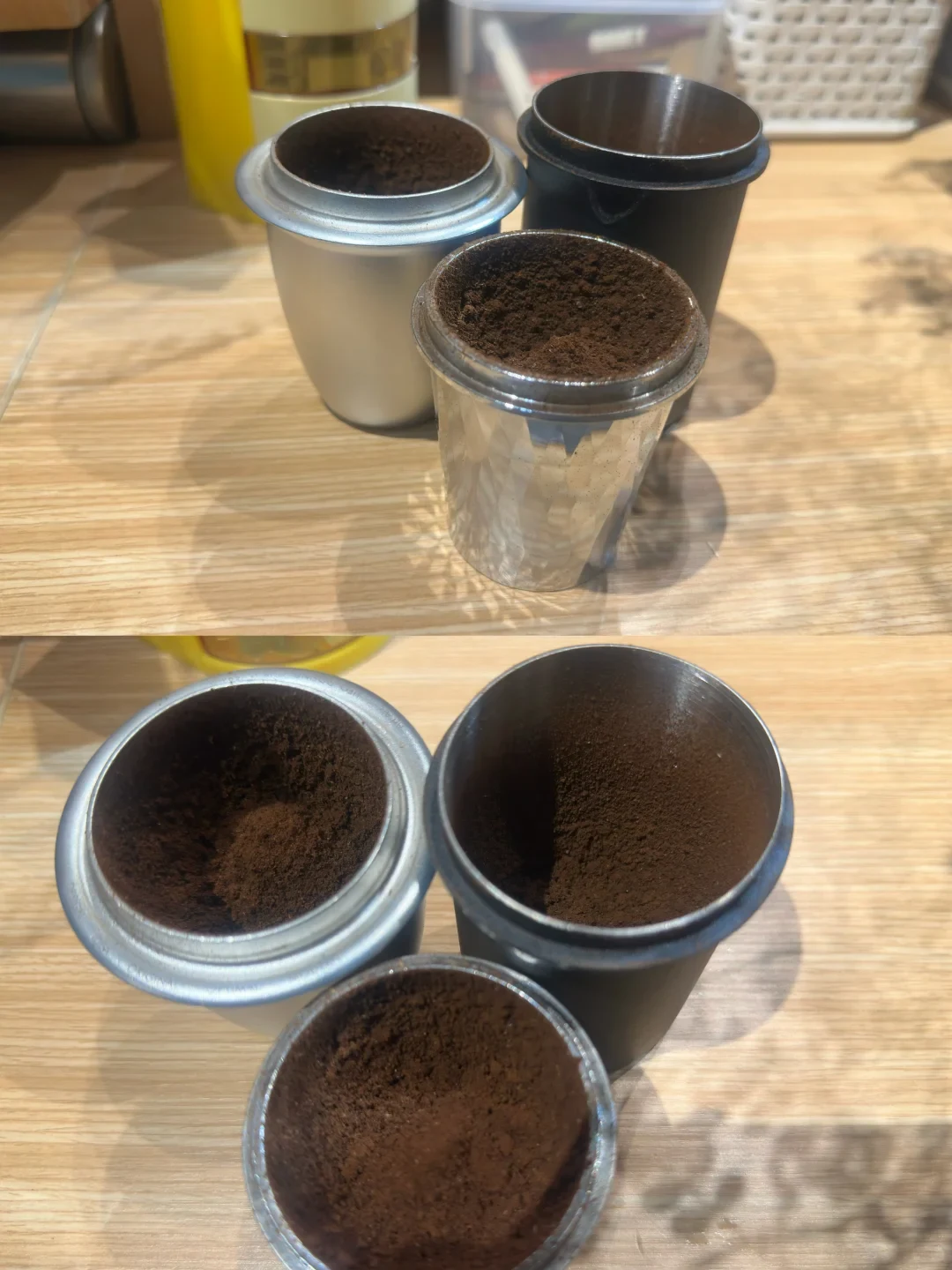
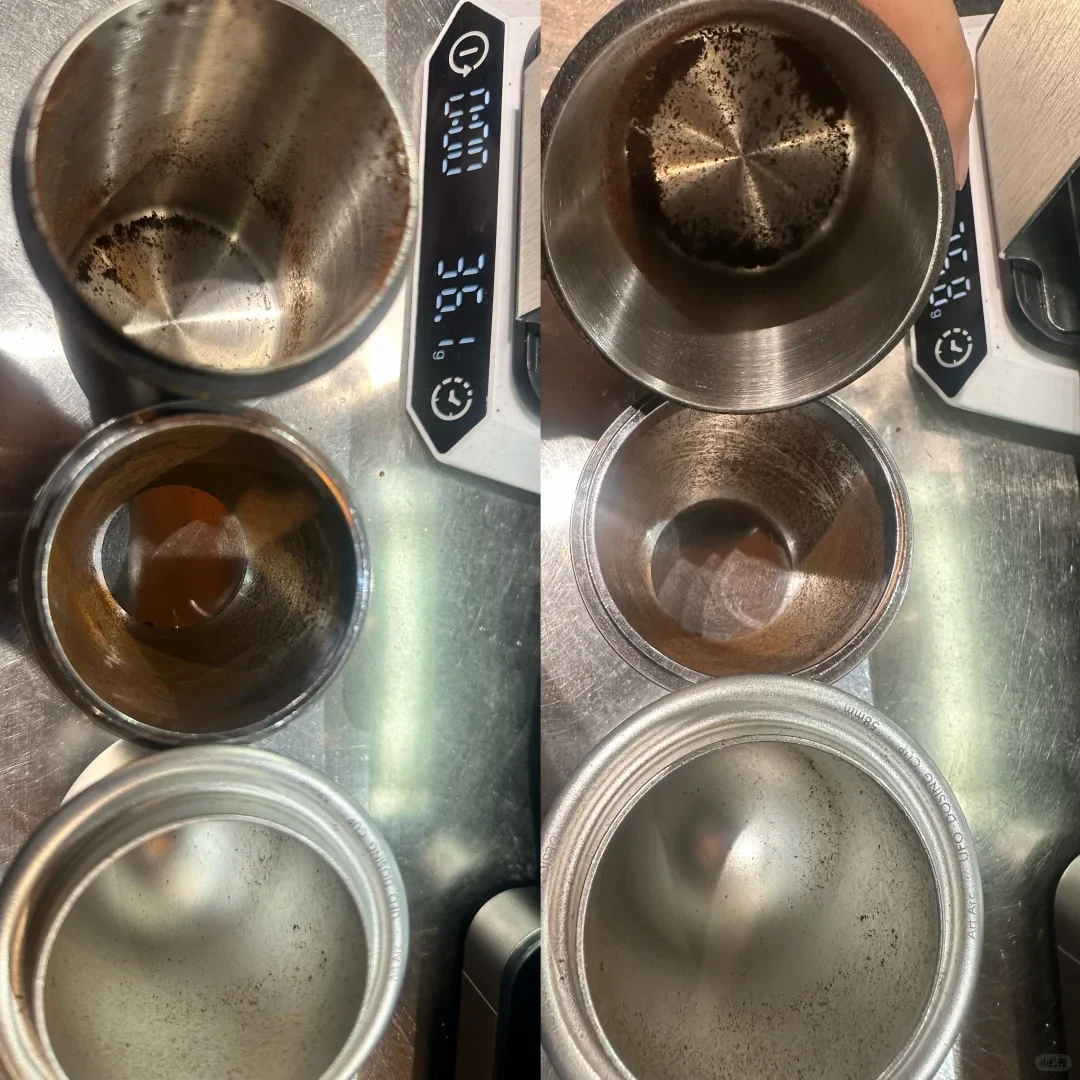
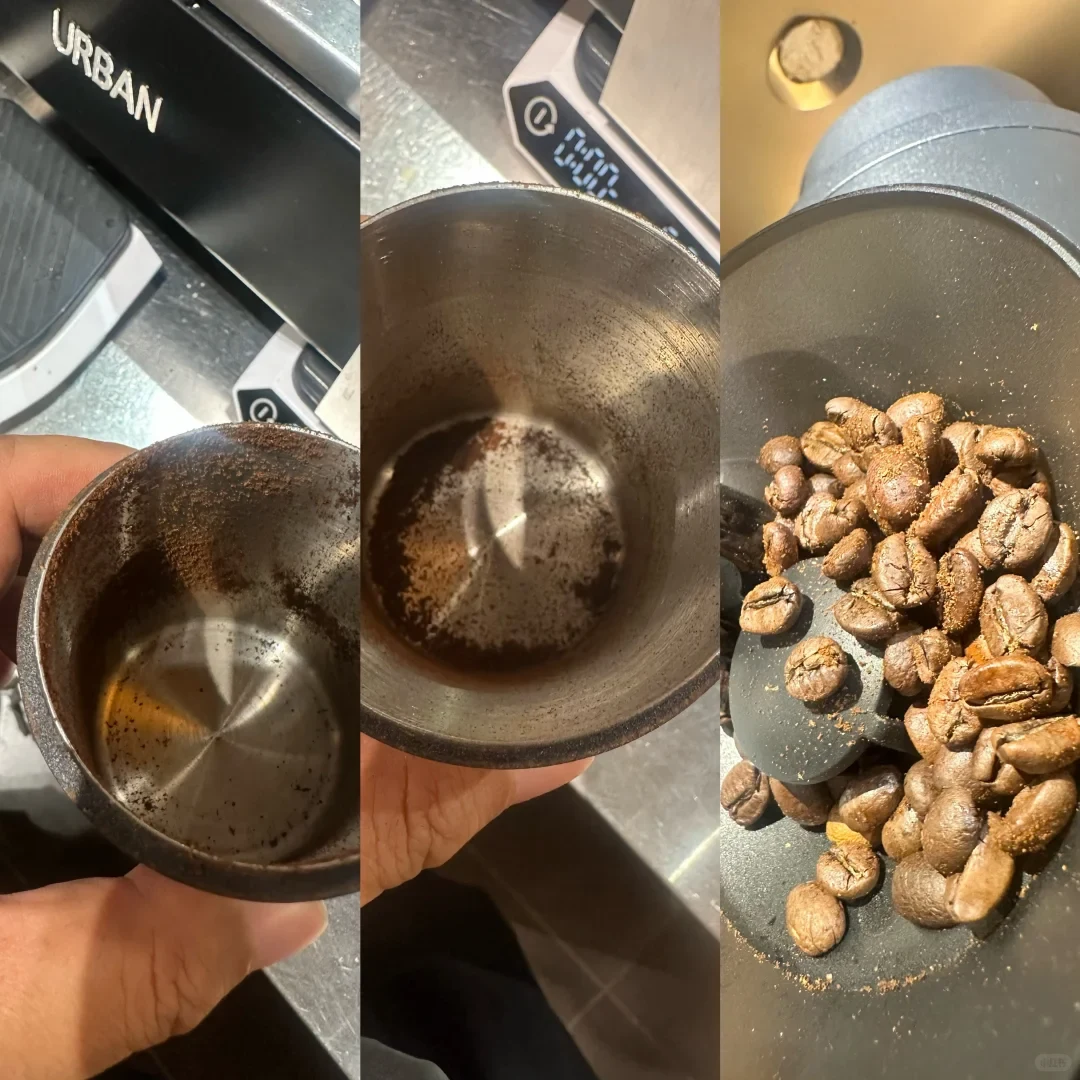
I compared my second-batch BOOKOO Motto80 with two other cups: all showed static, but more fine grounds clung to the Motto80 cup after transfer.
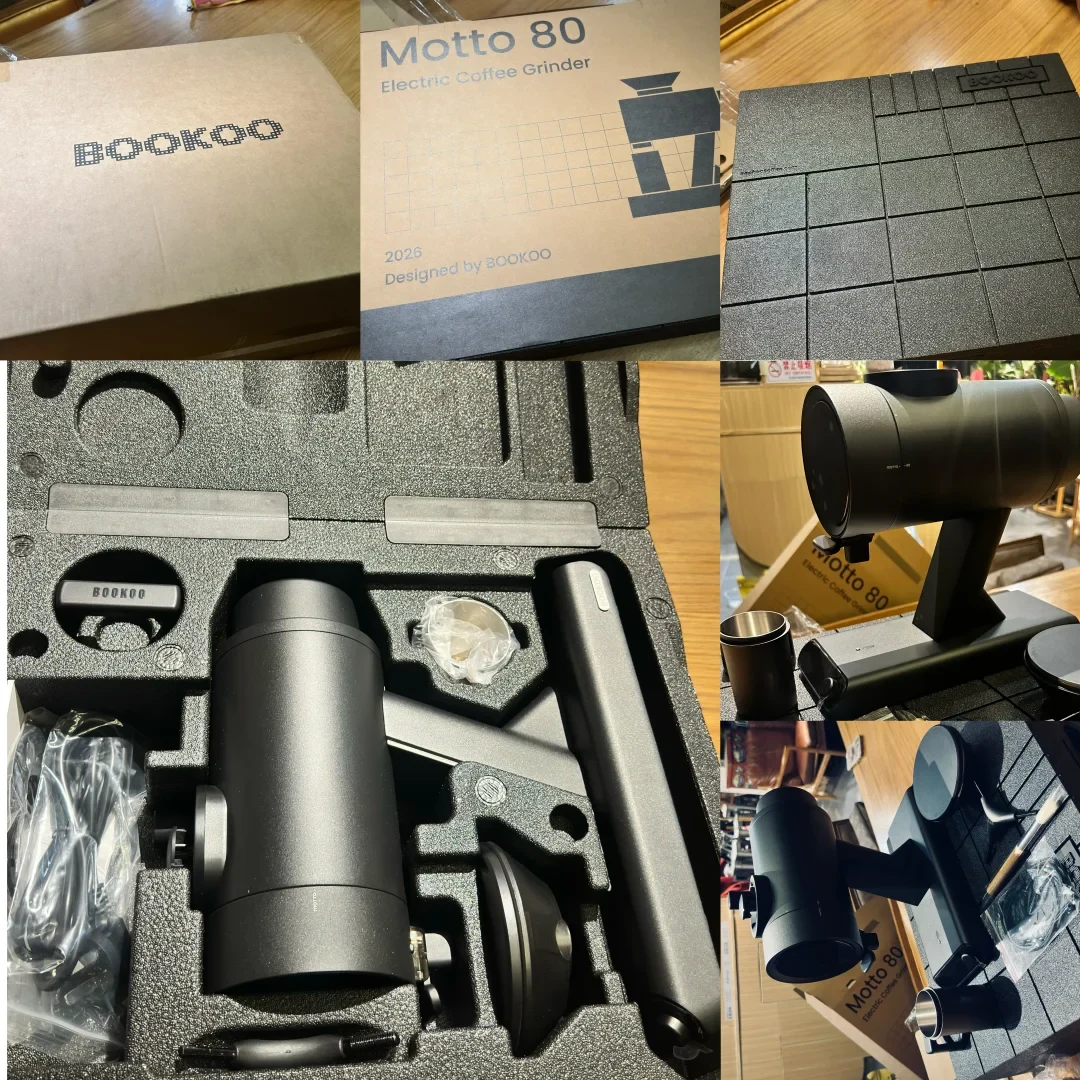
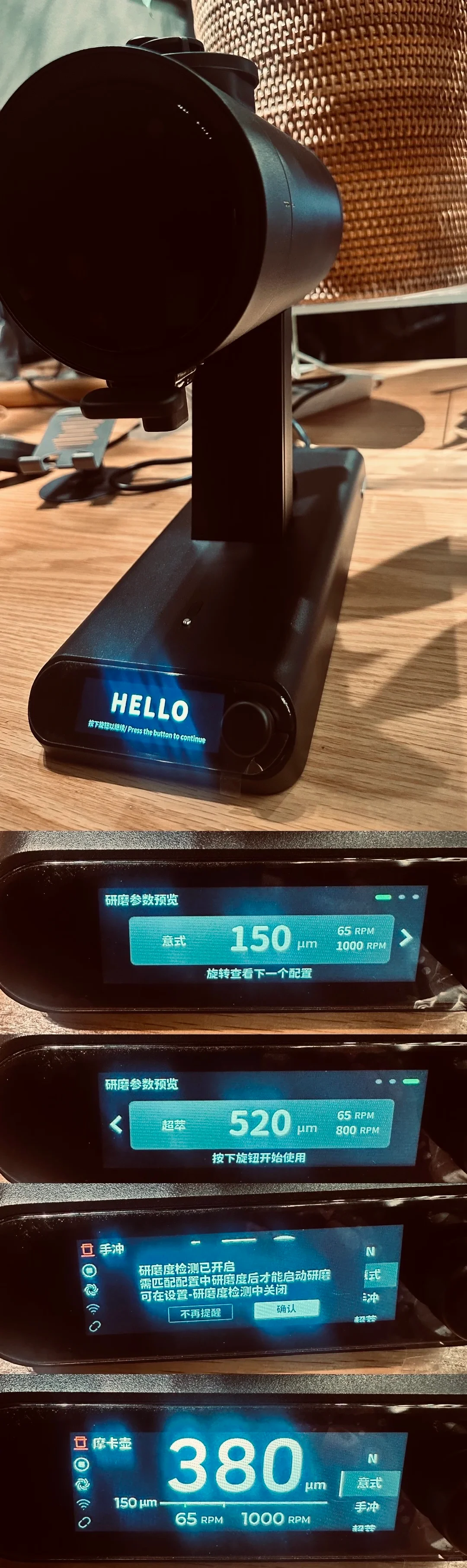
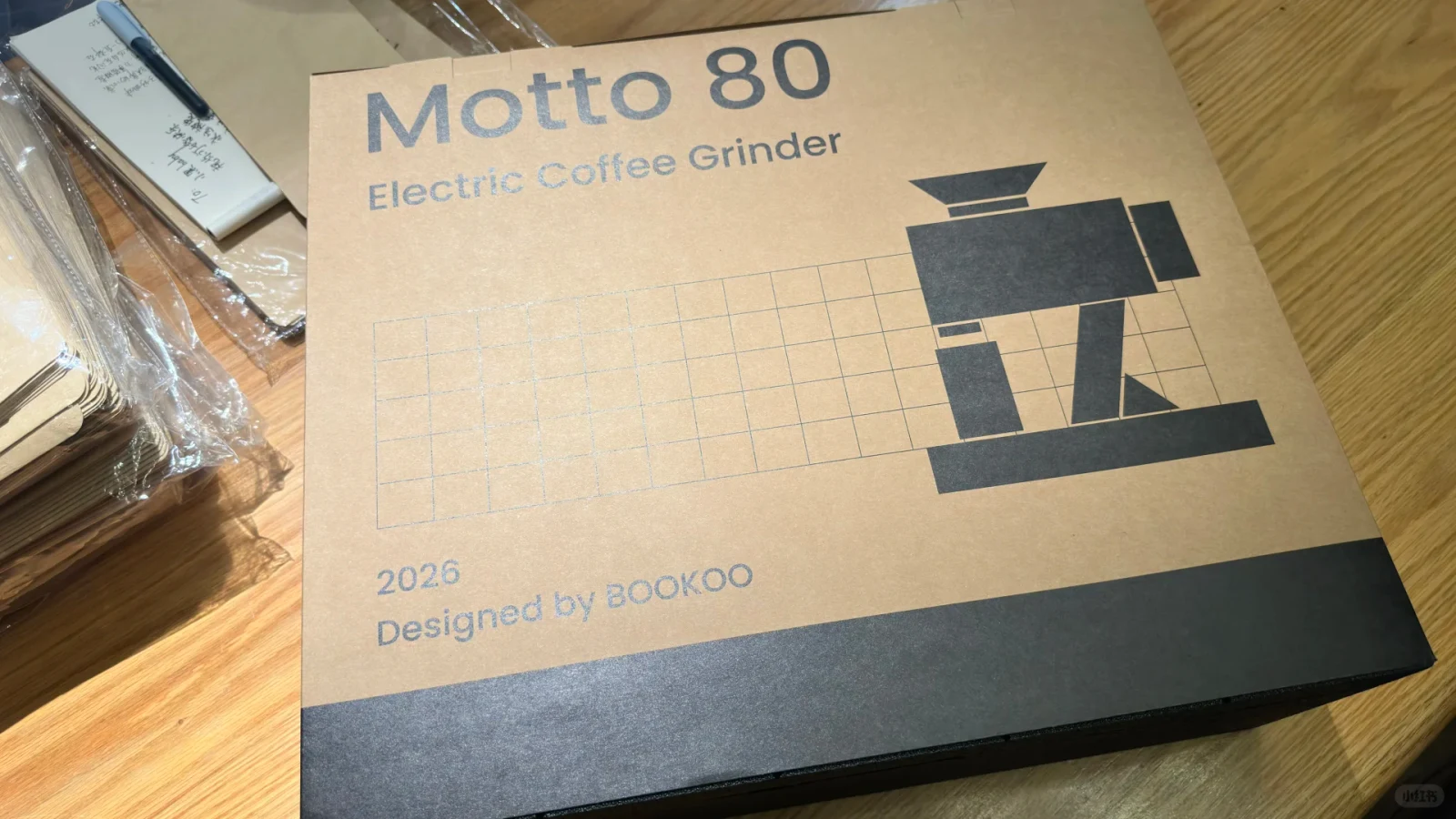
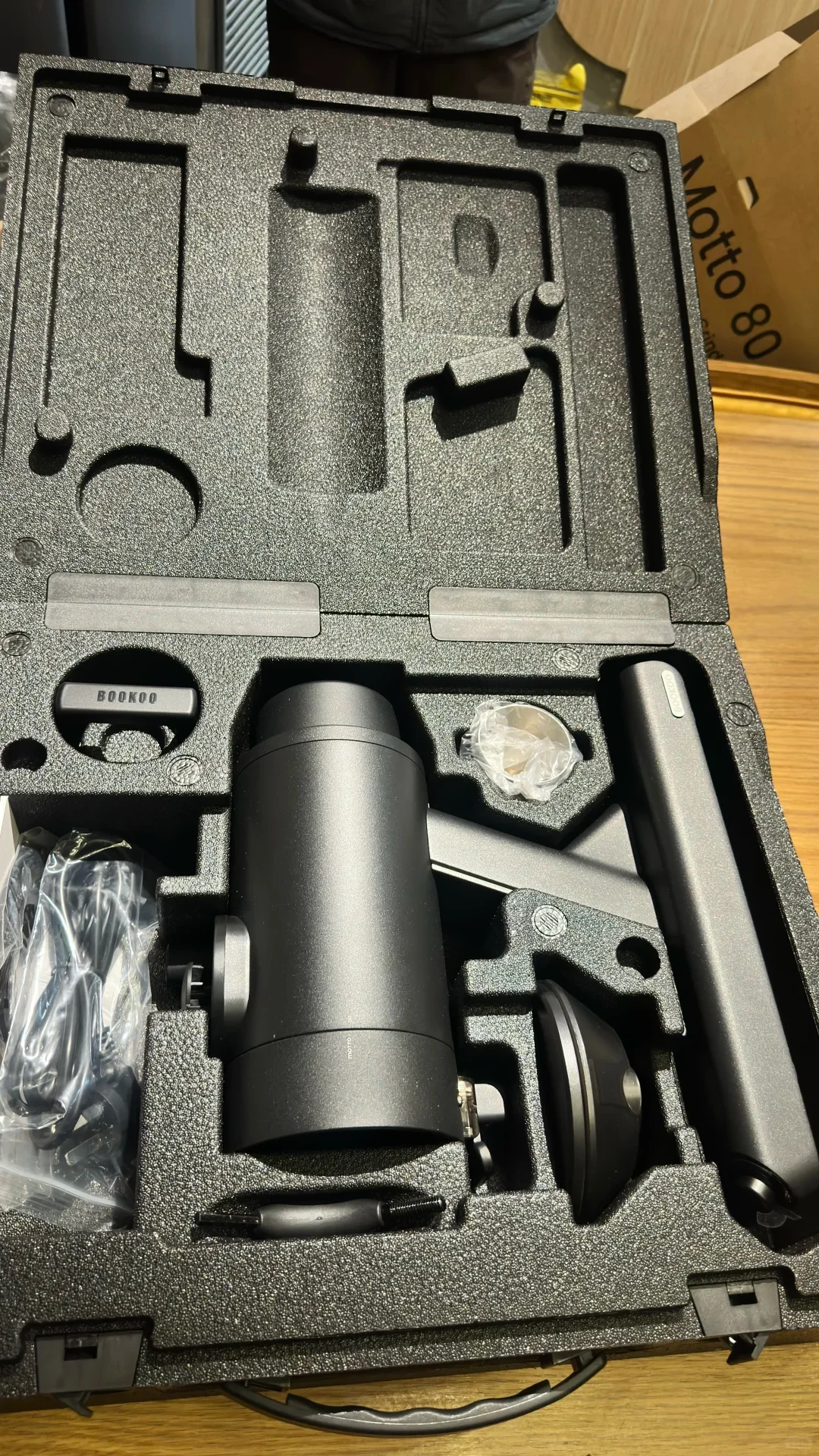
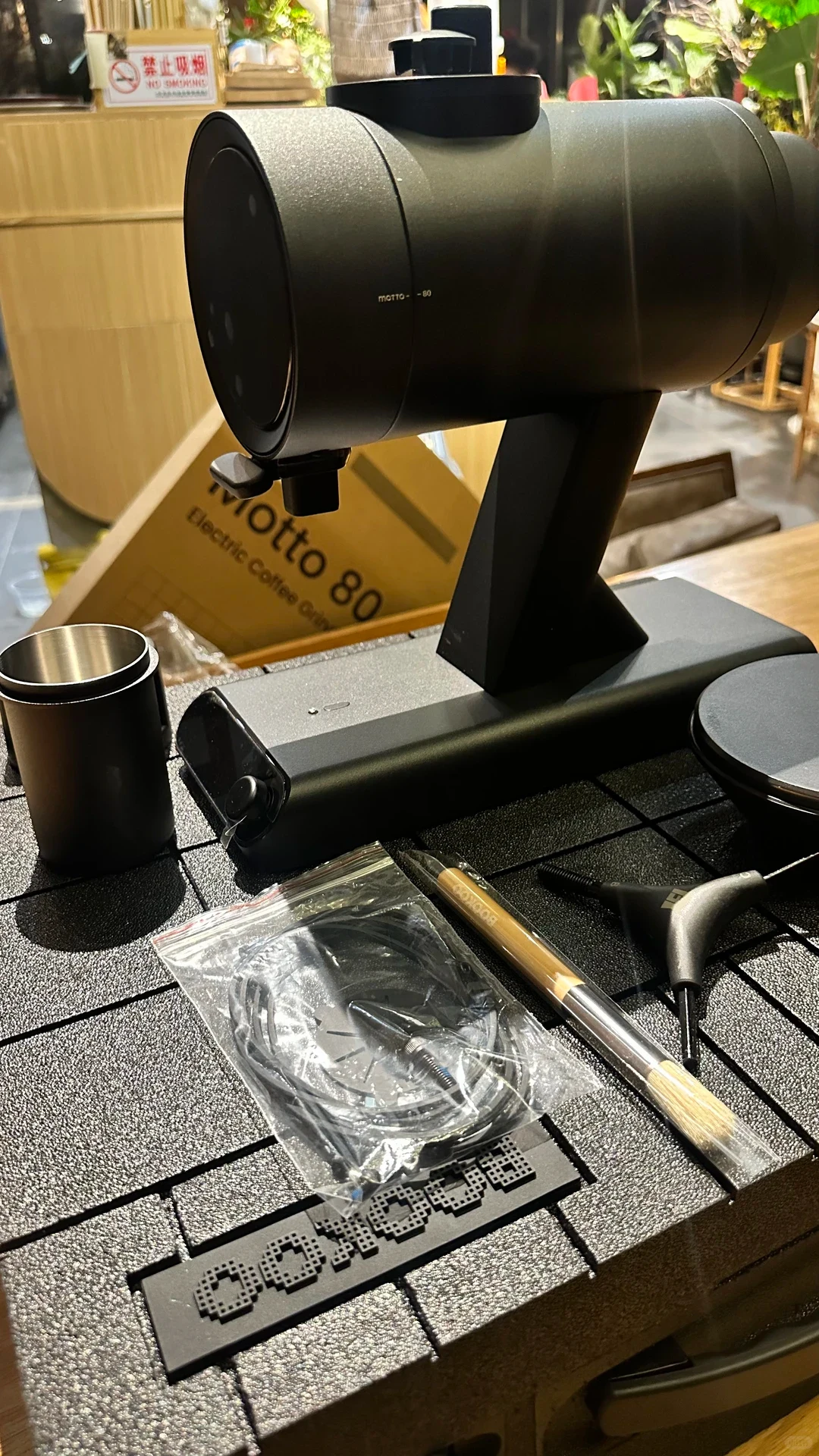
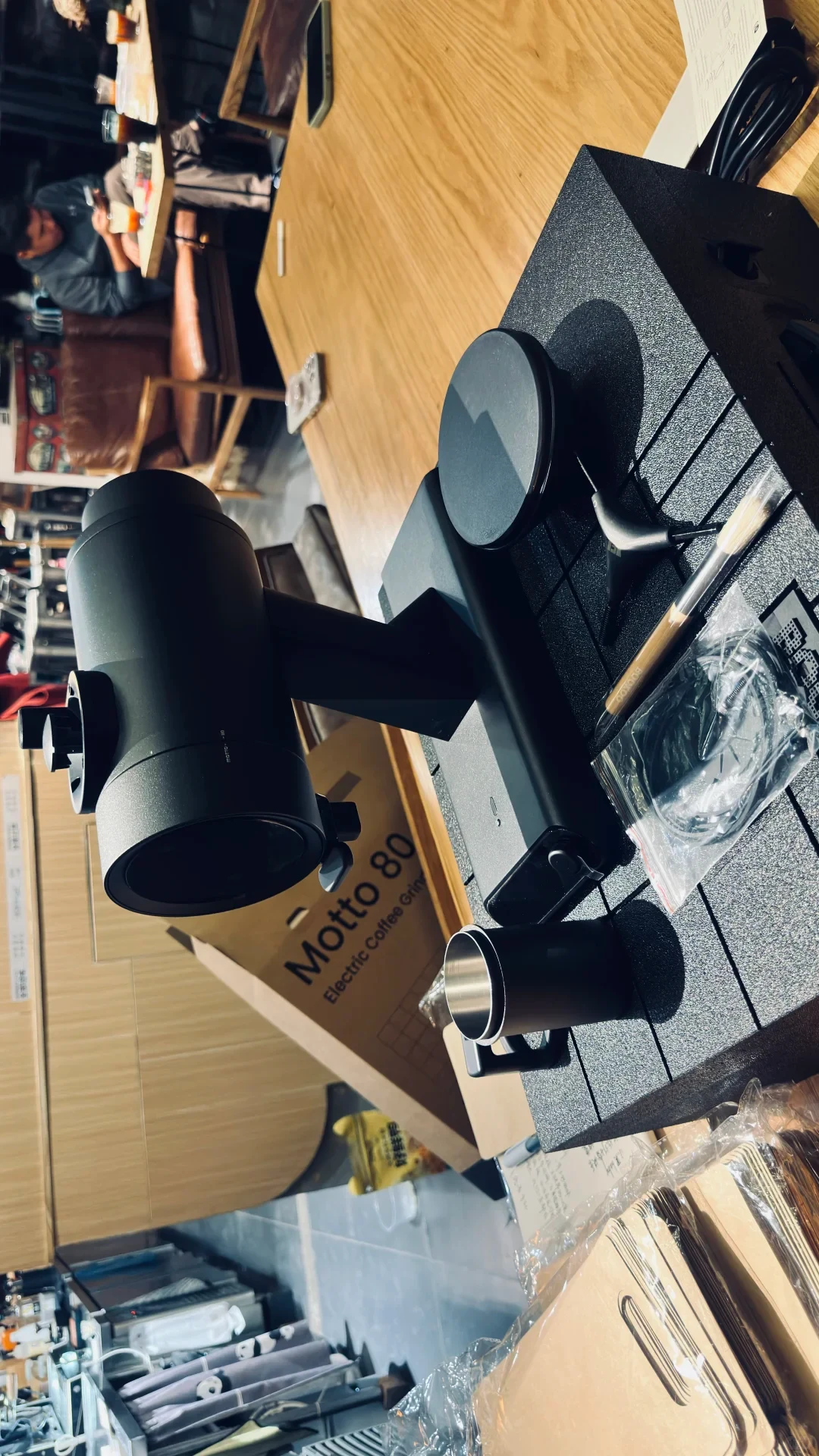
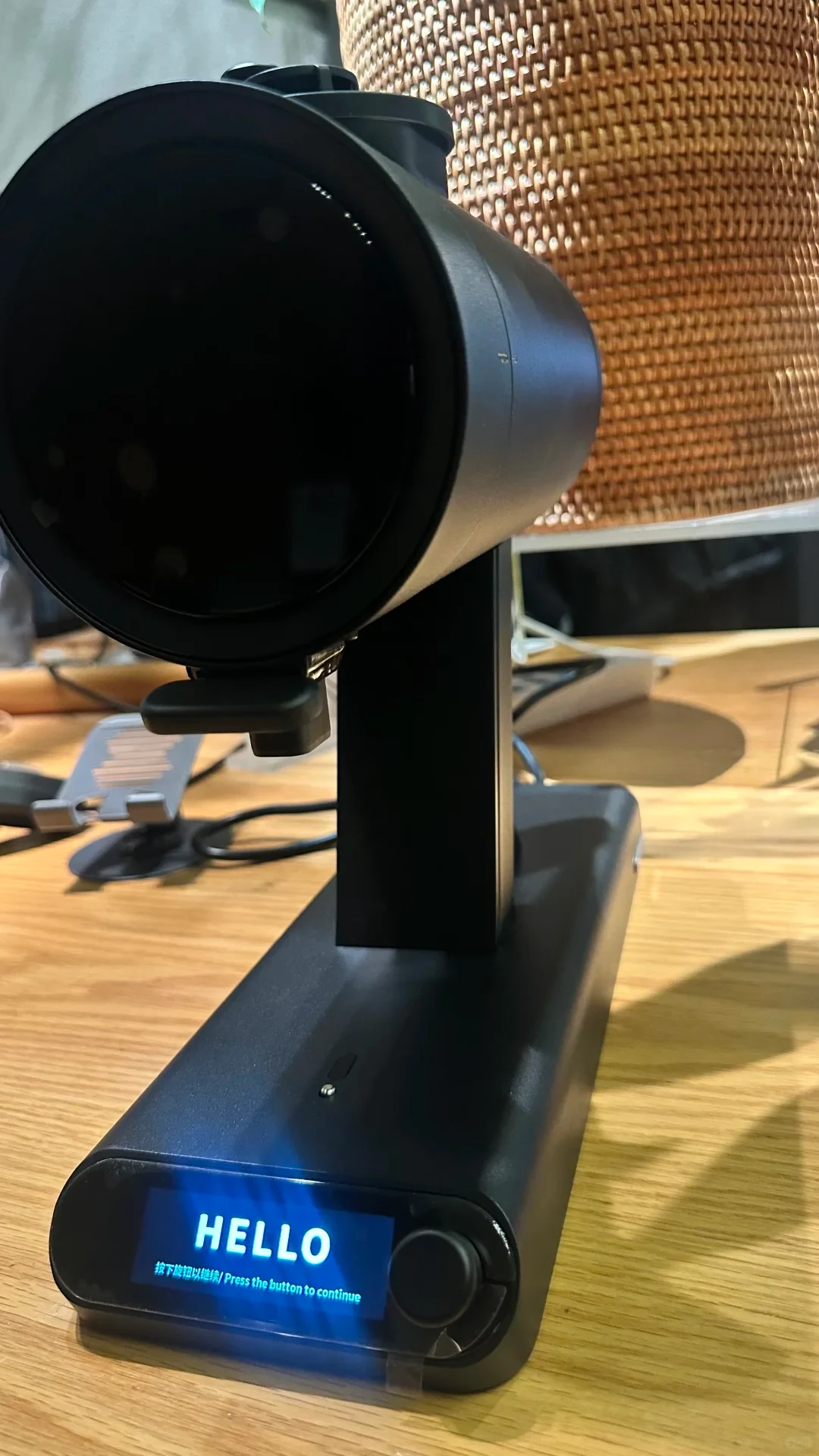
Part 1: A quick look at the design and my first impressions without taking it apart, plus a small suggestion.
Part 2: A closer comparison of grind quality and consistency, plus a subjective taste comparison of a similarly sized conical burr grinder and another brand’s large flat-burr grinder. (In progress…)
This is the second production batch. It was offered for preorder in December 2025 and shipped in October 2026. As of today, I think the white version is still being shipped and fulfillment is not complete. For information about buying the retail version or when it will be available, interested readers can contact the person I mentioned in the comments.
——————————— Divider ———————————
BOOKOO is the manufacturer’s brand, Motto is its grinder product line, and 80 refers to the burr size. I’ll call it the Bookoo grinder for short.
The Motto80’s design, construction and materials would still put it among the top grinders in the 10,000-yuan price range even in 2027. If you go back to the first collaborative batch in early 2025, it was unbeatable under 10,000 yuan. What a shame—it took too long, and the moment has passed.
Pros
The design is simple, substantial and clean. White costs extra (300 yuan) and ships later.
The burr-gap display is clear. The reading varied by no more than 3 µm when I checked it. That is the variation in the reading and doesn’t tell you whether the burrs are loose.
The bean-feed speed and burr-speed controls look complicated, but their logic is simple and easy to adjust. They’re easy to pick up.
I can turn auto stop, cup detection and the grind-setting check on or off.
The retained grounds really are very low. After grinding dark-roast beans continuously and using the knocker, I had less than 2 g left. If you find more, check whether beans are caught in the hopper.
What didn’t feel convenient
Static and grounds flying around are every grinder’s lifelong enemies. They’re especially bad on the Motto80 right now.
I ground coffee with two other brands’ catch cups at the same time (photo 8). Static made all of them attract grounds, but there was a difference (photo 9): after I tipped the grounds into the basket, the bottoms of the other two cups were basically clean. The Motto80 cup’s walls held a lot of fine grounds, and even knocking it firmly didn’t clear them. That makes it easy for grounds from one coffee to get into the next. It’s a significant nuisance when switching beans; brushing the cup clean after every dose isn’t realistic.
Ultimately, I think the inside of the catch cup isn’t smooth enough. I’ve heard it’s being redesigned, and I hope they get on with it.
The grind-size adjustment is manual, not electronic. You have to turn the back of the grinder, which is more effort and less convenient than a typical adjustment button. I have mixed feelings about electronic adjustment because of the cost.
Source: 恐龙扛狼抗狼浪 · Xiaohongshu · 2026-11-03 · 不苦磨豆机motto80、它还爆吗?夯吗?甜吗!. Search this Chinese title in Xiaohongshu to find the original post.
Before You Buy
Models in your region
The author’s early look concerns a second-production-batch BOOKOO Motto80, but the exact burr set and electrical configuration of that unit are not identified. BOOKOO’s US and UK listings both call the product Motto80 and offer Omni80 or SweetCore burr choices; check the voltage and plug options for your market before buying. The owner’s observations apply to the unit they used, not automatically to every listed configuration.
| Model in this review | Related regional model | What to know |
|---|---|---|
| BOOKOO Motto80 | BOOKOO Motto80 (US) | The US Motto80 lists Omni80 and SweetCore burr options and 100–120 V and 220–240 V versions. The author identifies the machine as from the second production batch and leaves its burr set unspecified. |
| BOOKOO Motto80 | BOOKOO Motto80 (UK) | The UK listing identifies the same Motto80 product line, with Omni80 or SweetCore burr choices and a UK Type G plug option. Select the voltage and plug for your outlet; the owner’s account does not identify the electrical version used. |
- Model in this review
- BOOKOO Motto80
- Related regional model
- BOOKOO Motto80 (US)
- What to know
- The US Motto80 lists Omni80 and SweetCore burr options and 100–120 V and 220–240 V versions. The author identifies the machine as from the second production batch and leaves its burr set unspecified.
- Model in this review
- BOOKOO Motto80
- Related regional model
- BOOKOO Motto80 (UK)
- What to know
- The UK listing identifies the same Motto80 product line, with Omni80 or SweetCore burr choices and a UK Type G plug option. Select the voltage and plug for your outlet; the owner’s account does not identify the electrical version used.
Choose the burr set and electrical version
BOOKOO lists Omni80 and SweetCore burr options for the Motto80, as well as 100–120 V and 220–240 V versions. The US listing offers a Type B plug option; the UK listing offers Type G. Confirm the burr choice, voltage and plug for the specific unit before ordering, because the owner’s second-batch grinder is not identified by those configuration details.
The grinder offers adjustable bean feed and motor speed. The owner also describes switching auto stop, cup detection and the grind-setting check on or off. The setup screen shows that the check can require the dial to match the selected preset before grinding starts.
Expect a catch-cup cleanup trade-off
The owner’s first-use comparison found visible static on all three catch cups, with more fine grounds clinging to the Motto80 cup’s wall after transfer than to the two other cups. The exact grinding and transfer method and comparable coffee weights were not specified, so this is a qualitative comparison of that setup, not a measured retention rate.
The owner attributed the cup’s residue to an insufficiently smooth inner surface and had heard that a redesign was underway; neither the cause nor a redesign is confirmed by the supplied official listings. If switching beans, the reported residue may mean extra brushing between doses, but whether a later cup revision changes this is unknown.
Treat the retention figure as one use report
After using the knocker while continuously grinding dark-roast beans, the owner reported less than 2 g of residue and advised checking the hopper for trapped beans if more remained. The dose size and measurement method were not given, so this figure does not establish a general retention specification or predict results with other beans and settings.
Account for manual grind adjustment
Grind adjustment on the Motto80 is manual. This owner found the rear dial took more effort than a conventional adjustment button. That matters if you change grind settings often.
Related Reading
Reviews & Guides · Kitchen & Dining
Breville Bambino after three and a half years: why I switched to Gaggia Classic E24
After three and a half years, my Bambino seemed to run cooler; I switched to a Gaggia Classic E24 for the beans we buy and roast at home.
Reviews & Guides · Kitchen & Dining
Gaggia Classic E24 daily routine: 18 g in, 36 g out
I make two coffees most mornings with my Gaggia Classic E24, weighing 18 g in and 36 g out. Pairing it with a Sculptor 064S helped me dial in.
Reviews & Guides · Kitchen & Dining
Gaggia Classic E24: 16-second shots and a changed temperature routine
I pulled roughly 26 g shots from 16 g of dark-roast coffee in my Gaggia Classic E24; a new flush routine seemed to slow them slightly, but I did not measure the change.