
Breville Barista Touch 880: six months in, why I wish I’d chosen the Dual Boiler BES920
After six months with my Breville 880, I enjoy the all-in-one routine. But inconsistent shots and weak steam make me wish I'd chosen a dual-boiler setup.
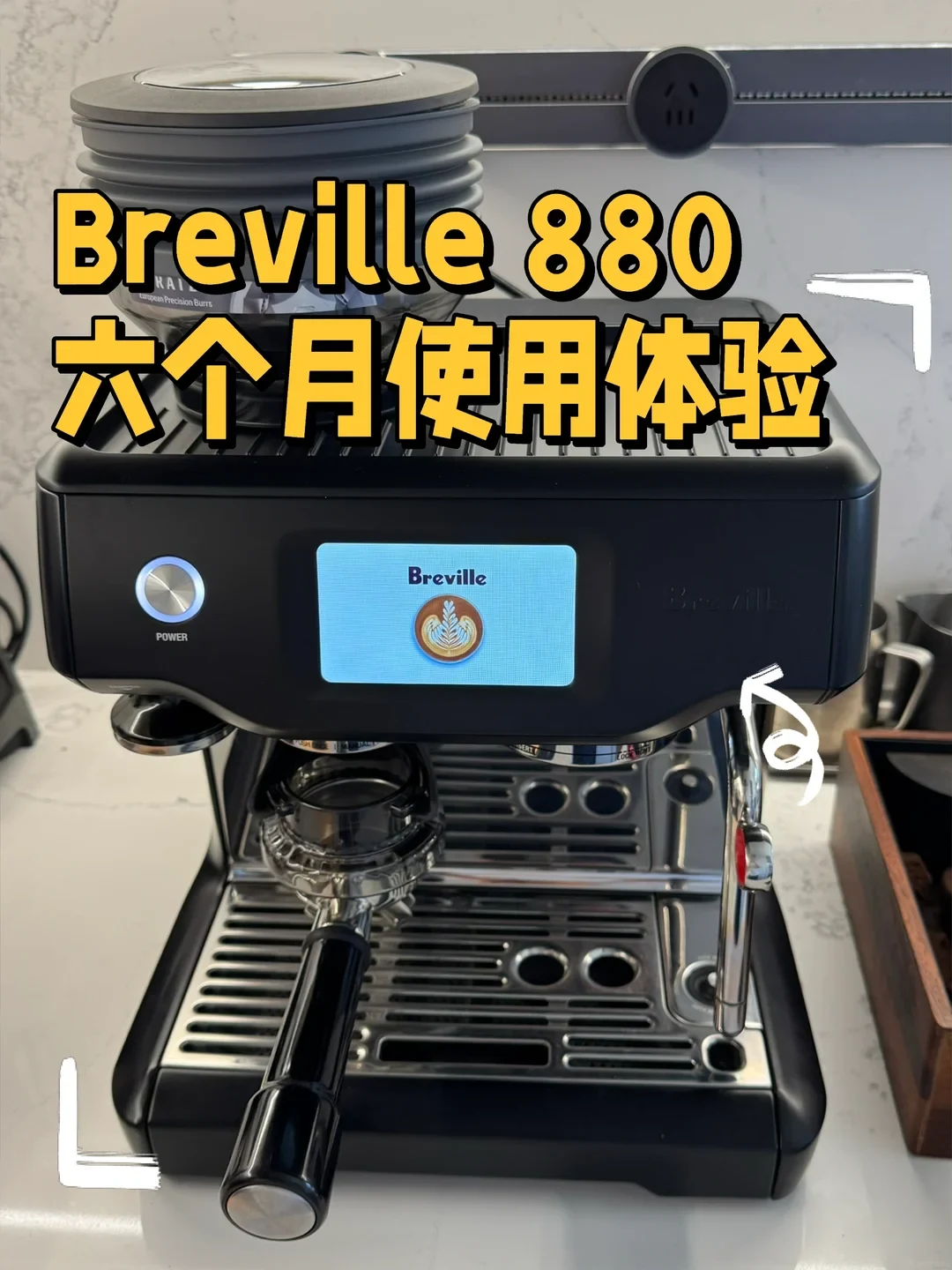
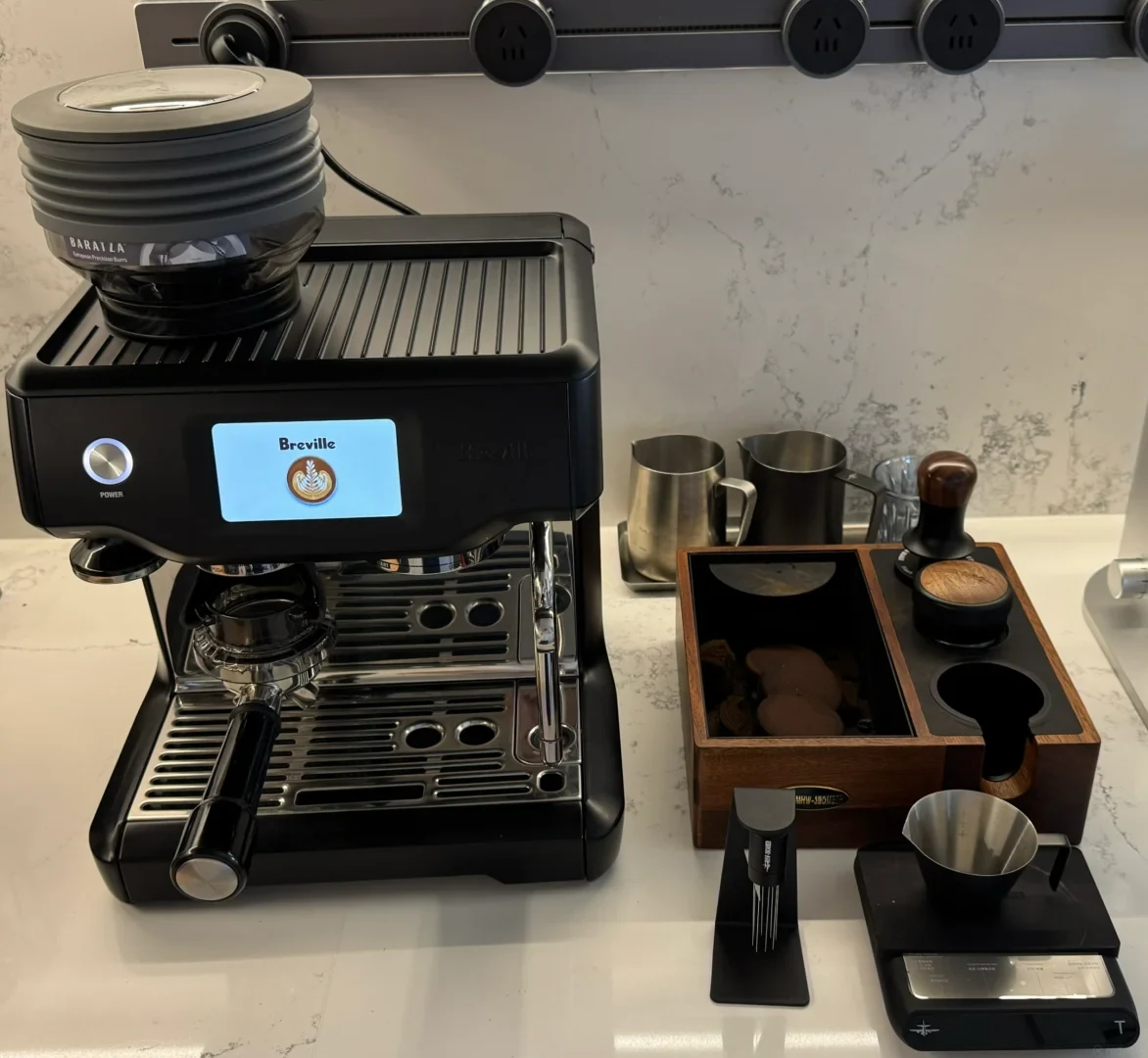
I bought a Breville 880 at JB Hi-Fi during a promotion at the end of May and have used it for about six months. Black Friday offers have been particularly good lately, and many people are buying the machine, so I’m sharing my view based on my own experience.
Pros
- All in one: It grinds the beans, extracts the espresso and steams the milk, so one machine does everything. You do not need to buy a separate grinder. It is a beginner-friendly semi-automatic espresso machine.
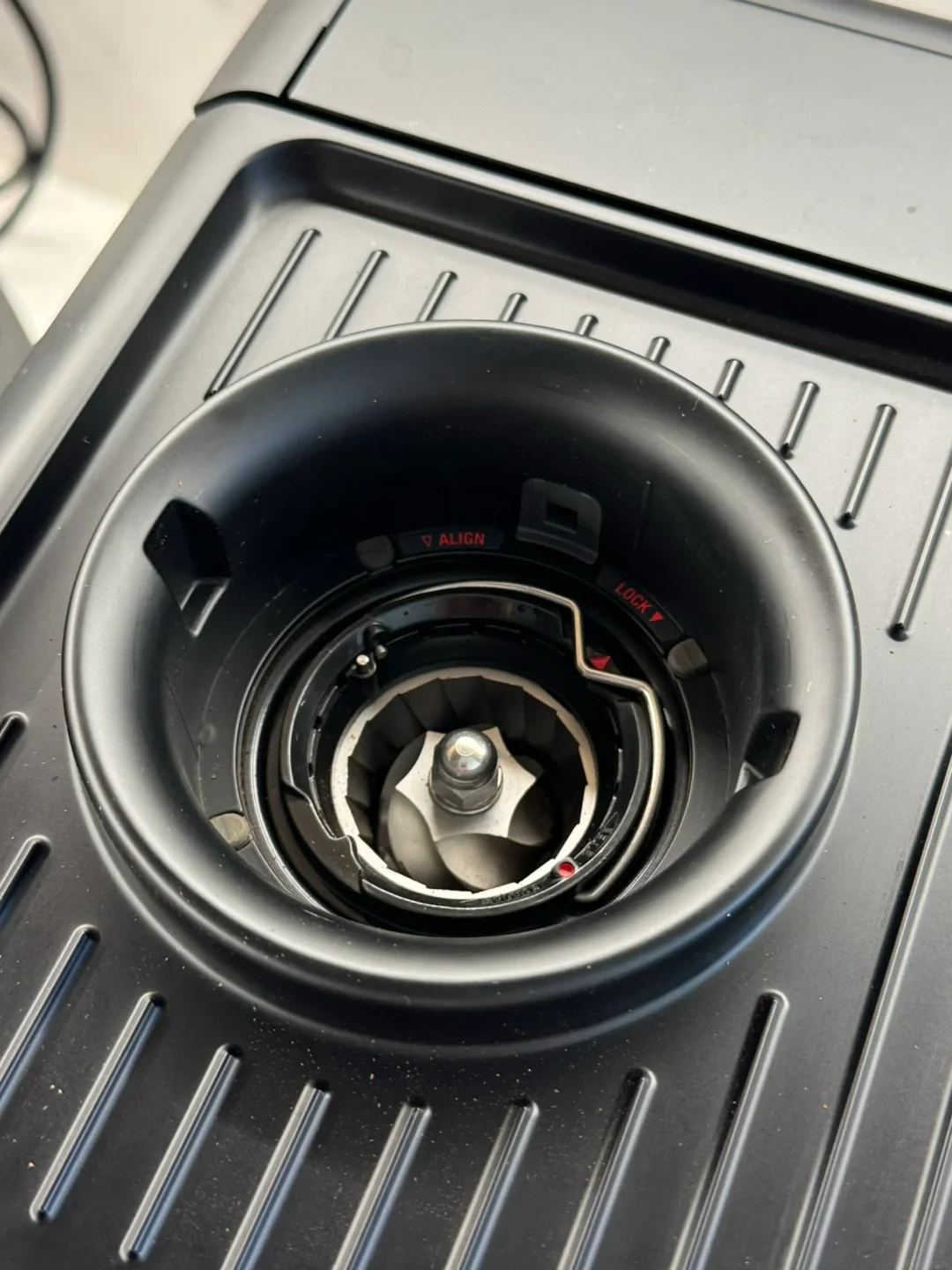
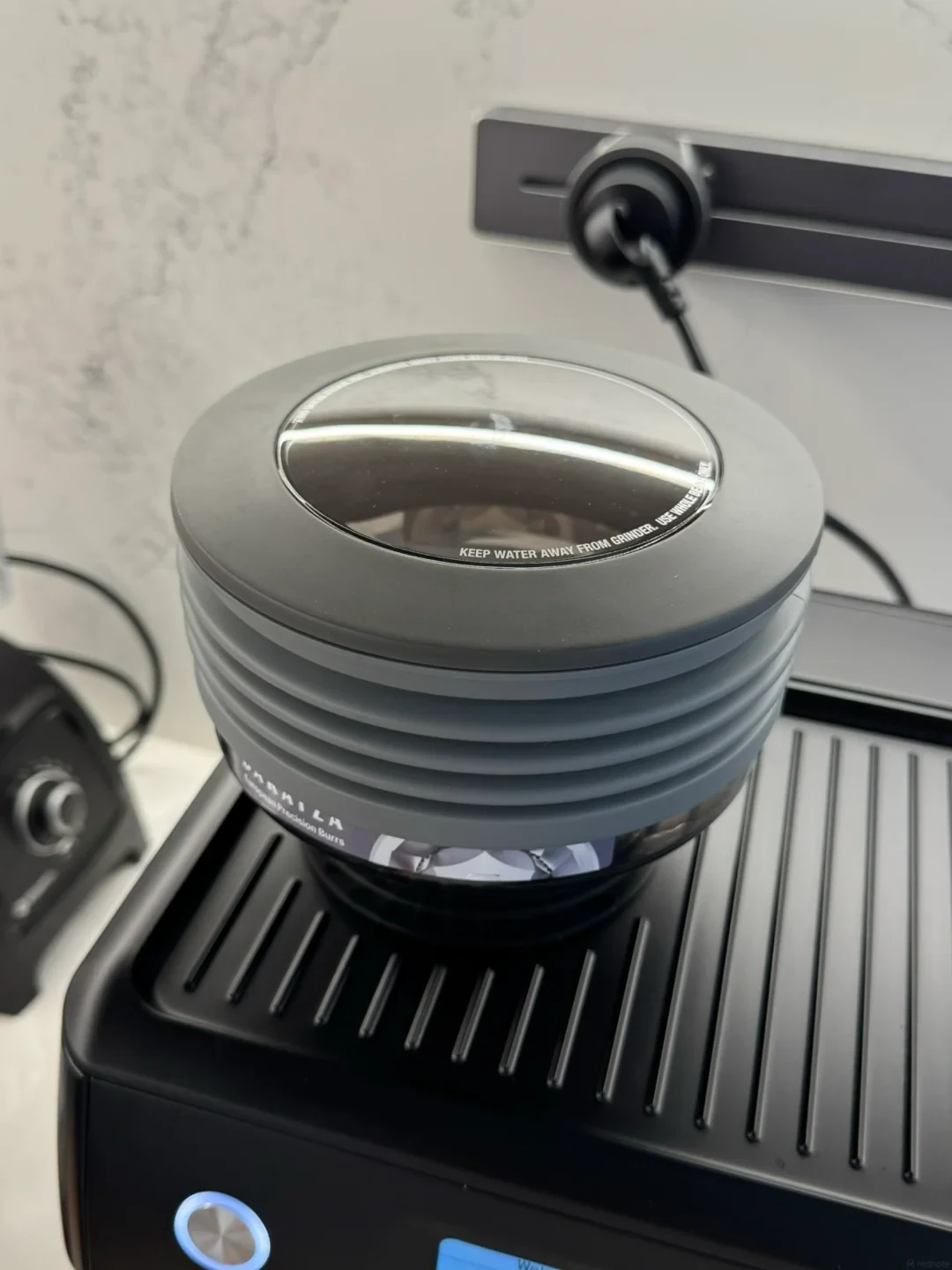
- The conical burr grinder works well with medium-dark-roast espresso and milk drinks.
- The water tank is large enough, and the bean hopper is also adequate.
- Its size is moderate and it does not take up much space.
- Compatible consumables are widely available, convenient to buy and not expensive.
- It can steam milk automatically.
- I thought it would hold its value. Black Friday proved me wrong, haha.
Cons
- It has only one boiler, so it cannot extract and steam milk at the same time, which makes it less efficient.
- The temperature at the group head is unstable, and it is difficult to keep it at 93°C.
- The steam pump’s power is not very stable; after several consecutive cups, the temperature drops noticeably.
- The grind setting often changes by itself. For example, if it is set to 16, it may jump to 17 when I am not paying attention.
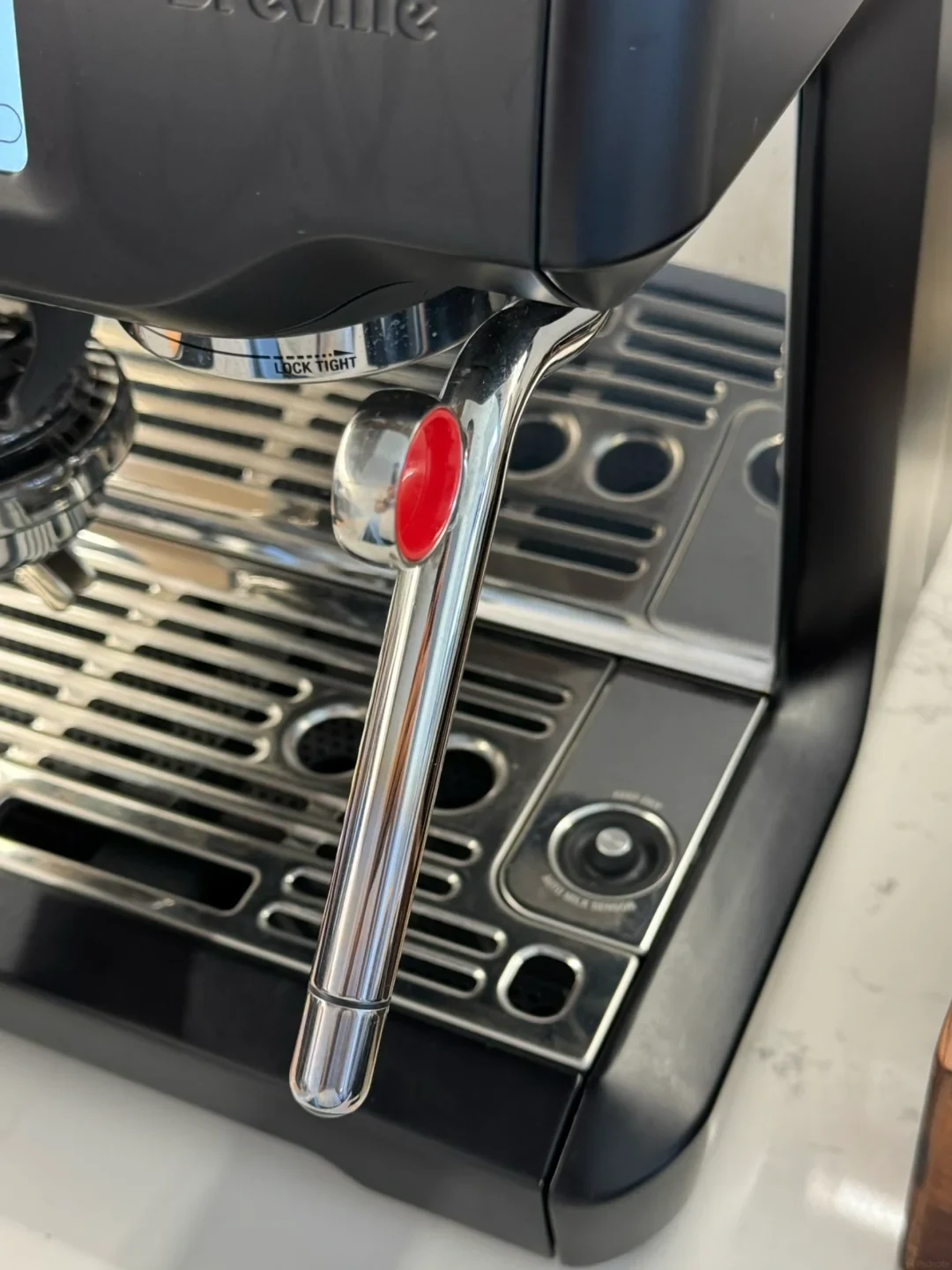
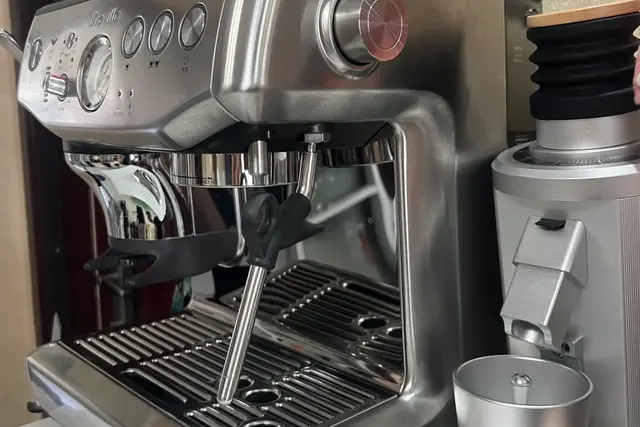
- The steam wand can only be pulled upward along one path and cannot swing sideways, which is inconvenient when steaming milk manually.
- The conical burr grinder retains a lot of coffee. When I put in 18 g of beans, it often produces only 17.8 g of grounds, so I need to use a bellows attachment.
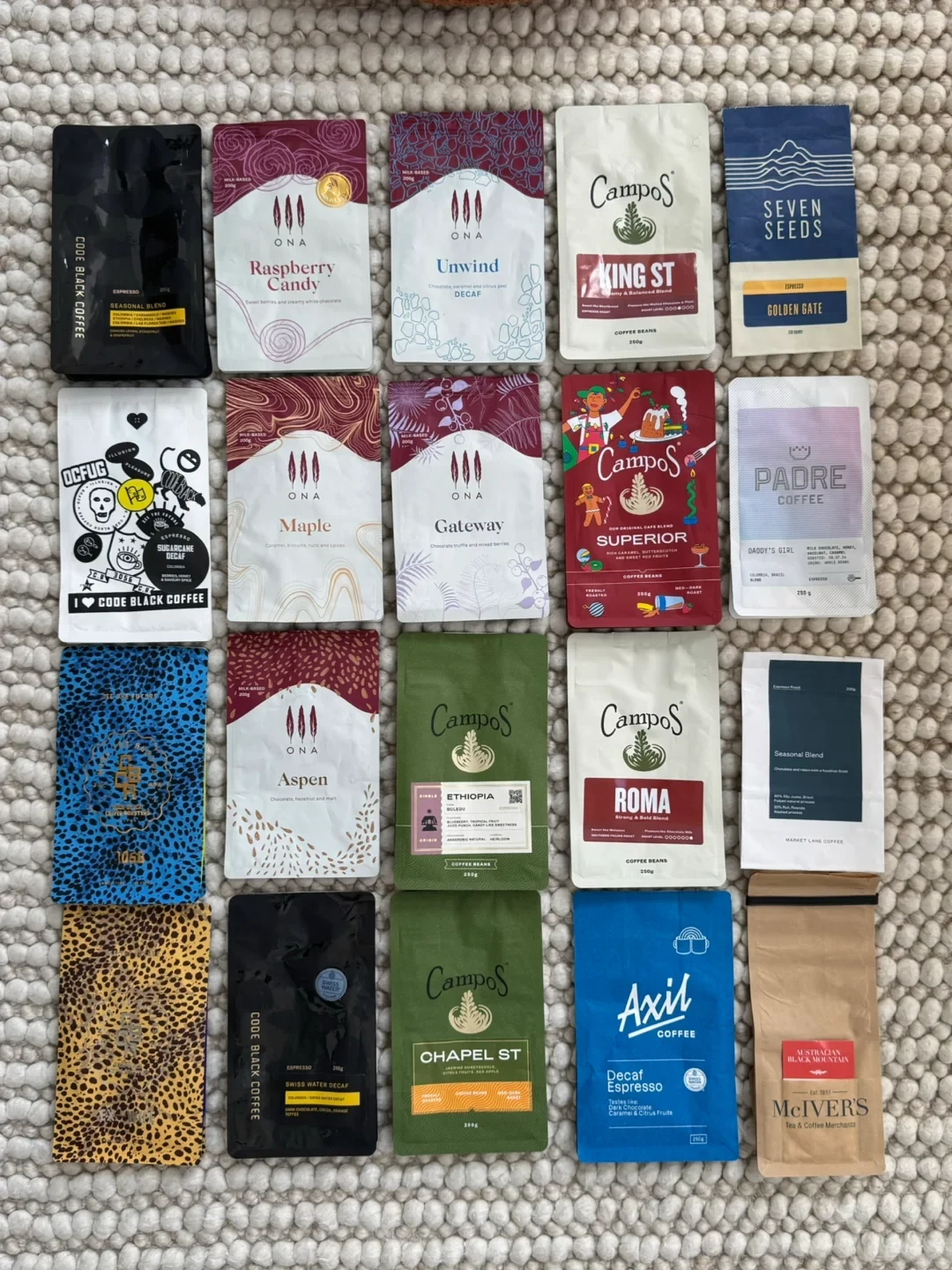
In previous years I used a capsule coffee machine. This year I originally wanted to switch to a fully automatic machine, but I became overwhelmed by the choices and could not decide. When the price dropped at the end of May, I ended up jumping onto the semi-automatic path. I gradually added a distributor, tamper, knock box, coffee scale, milk pitcher, WDT tool and other accessories. I have also tried around 20 kinds of coffee beans from Melbourne. My latte art is still a mess, but the coffee already tastes as good as, or better than, that from more than half of cafés, in my view, haha.
After using it overall, I feel the 880 is only an entry-level machine. The steam volume is insufficient, and extraction is generally inconsistent: the extraction results can differ considerably even when the parameters are the same. If I were choosing Breville again, I would buy the dual-boiler 920 and pair it with a separate grinder. That would keep the budget under control and ensure drink quality.
Source: NothingBut_ · Xiaohongshu · 2024-11-28 · 铂富Breville 880 六个月使用体验. Search this Chinese title in Xiaohongshu to find the original post.
Before You Buy
Models in your region
The owner identifies the machine only as a Breville 880 bought in Melbourne, not by a complete suffix. The North American and Australian version is sold as the Breville the Barista Touch BES880BSS, while the UK counterpart is sold as the Sage SES880; the BES880 uses one heating system for sequential brewing and steaming. The Dual Boiler BES920XL is a separate comparison product, not the machine the owner used.
| Model in this review | Related regional model | What to know |
|---|---|---|
| Breville Barista Touch 880 | Breville the Barista Touch (BES880BSS) (North America, Australia & UK (Sage SES880)) | The owner gives the 880 designation without a full model number. The corresponding Barista Touch is sold as Breville BES880BSS in North America and Australia and Sage SES880 in the UK. Confirm the local suffix, branding and power requirements before buying. |
| Breville the Dual Boiler BES920XL | Breville the Dual Boiler (BES920XL) (North America & Australia) | The BES920 is the owner’s suggested alternative to the BES880 reviewed here. The BES920XL listed for North America and Australia is a dual-boiler model with separate brew and steam boilers, allowing simultaneous extraction and steaming. The owner also says they would pair it with a separate grinder, so it is not a like-for-like replacement for the integrated 880 setup. |
- Model in this review
- Breville Barista Touch 880
- Related regional model
- Breville the Barista Touch (BES880BSS) (North America, Australia & UK (Sage SES880))
- What to know
- The owner gives the 880 designation without a full model number. The corresponding Barista Touch is sold as Breville BES880BSS in North America and Australia and Sage SES880 in the UK. Confirm the local suffix, branding and power requirements before buying.
- Model in this review
- Breville the Dual Boiler BES920XL
- Related regional model
- Breville the Dual Boiler (BES920XL) (North America & Australia)
- What to know
- The BES920 is the owner’s suggested alternative to the BES880 reviewed here. The BES920XL listed for North America and Australia is a dual-boiler model with separate brew and steam boilers, allowing simultaneous extraction and steaming. The owner also says they would pair it with a separate grinder, so it is not a like-for-like replacement for the integrated 880 setup.
What the owner’s all-in-one choice provides
The owner’s main convenience is having grinding, espresso extraction and milk preparation in one countertop machine, without buying a separate grinder. Official specifications support that basic configuration: the BES880BSS has an integrated stainless-steel conical burr grinder, a color touchscreen and automatic milk texturing. The owner’s positive assessment is based on roughly six months of home use, not a controlled comparison.
The owner describes the machine as suitable for beginners and says it works especially well with medium-dark-roast espresso and milk drinks. That makes the 880 a practical starting point for someone moving from capsules into semi-automatic preparation, but the later accessory purchases show that the basic machine does not eliminate the workflow of weighing, distributing and tamping coffee.
Single-heater limitations versus the BES920
The owner’s biggest workflow complaint is that the 880 cannot extract espresso and steam milk at the same time, so preparing several milk drinks takes longer. The BES880 uses one ThermoJet heating system for brewing and steaming in sequence, which explains why those tasks cannot run simultaneously.
The owner also reports a noticeable temperature drop after several consecutive cups and says the steam volume is insufficient overall. The reported temperature drop is the owner’s repeated observation; no temperature measurements or confirmed fault diagnosis accompany it. By contrast, the BES920XL is officially described as having separate brew and steam boilers for simultaneous operation and continuous high-volume steam.
Extraction consistency and temperature
The owner says it is difficult to keep the temperature at the group head at 93°C and that shots can vary substantially even when the parameters are the same. These are the owner’s conclusions from home use, not independently measured temperature or extraction tests. They matter most to buyers who want repeatability across several drinks rather than a convenient first espresso.
The Dual Boiler BES920XL is the more directly relevant regional alternative for this concern: its listed features include active group-head heating and PID temperature control within ±1°C under the stated back-to-back-shot conditions. That specification indicates a different temperature-control architecture, but it does not prove that every drink will outperform the owner’s BES880 in every recipe.
Integrated grinder: useful, but expect retention
The owner found the integrated grinder convenient but says the setting sometimes moved from 16 to 17 and that an 18 g dose often yielded about 17.8 g of grounds. They added a silicone bellows attachment to reduce retained coffee. The official product evidence confirms an integrated conical burr grinder with 30 grind settings, but it does not verify the owner’s setting movement or retention measurement.
This creates a clear buying trade-off: the 880 saves counter space and avoids an immediate second appliance, while the owner’s proposed BES920 setup requires a separate grinder that can be chosen independently. The owner’s recommendation is personal and budget-based; a separate grinder’s performance depends on the model chosen.
Milk preparation and the growing accessory list
The owner values automatic milk steaming but finds the wand awkward for manual steaming because it can only be pulled upward and cannot swing sideways. Breville describes the BES880’s automatic milk system as offering a temperature range of 45°C to 75°C and eight foam-texture levels. Those advertised controls explain the convenience, but they do not resolve the owner’s separate complaint about manual wand movement.
After choosing semi-automatic preparation, the owner added a distributor, tamper, knock box, scale, milk pitcher and WDT tool, among other items. Buyers should expect a more hands-on workflow and may want additional accessories, even though the 880 is sold as an all-in-one machine. The owner’s latte-art result remained poor, while the brewed coffee became good enough in their view to rival more than half of cafés; that comparison is subjective and tied to their beans and technique.
Related Reading
Reviews & Guides · Kitchen & Dining
Breville 870: seven-step espresso guide with Barista Express and Breville BES870 buying context
I share a seven-step Breville 870 espresso guide covering preheating, dosing, tamping, grind changes and channeling, rather than a long-term test.
Reviews & Guides · Kitchen & Dining
Breville 876 Barista Express Impress: cleaner grounds beside my computer, weaker milk foam
I found Breville 876’s automatic tamping kept grounds from flying beside my computer, but its milk frother produced less satisfying foam.
Reviews & Guides · Kitchen & Dining
Breville 876 Barista Express Impress: one year of daily care and milk-foam practice
I’ve used my Breville 876 espresso machine daily for a year: careful cleaning keeps it looking new, while practice has made steaming milk and latte art easier.