
Reviews & Guides · Kitchen & Dining
Breville Barista Touch BES880: dialing in espresso after leaving capsules
Reviewed: Breville Barista Touch BES880Regional reference: Breville Barista Touch BES880 (Australia); Breville Barista Touch BES880 (United States); Sage Barista Touch SES880 (United Kingdom)
I left Nespresso capsules for the Breville Barista Touch BES880 and wasted more than five shots dialing in one coffee. My settings are a starting point, not a recipe.
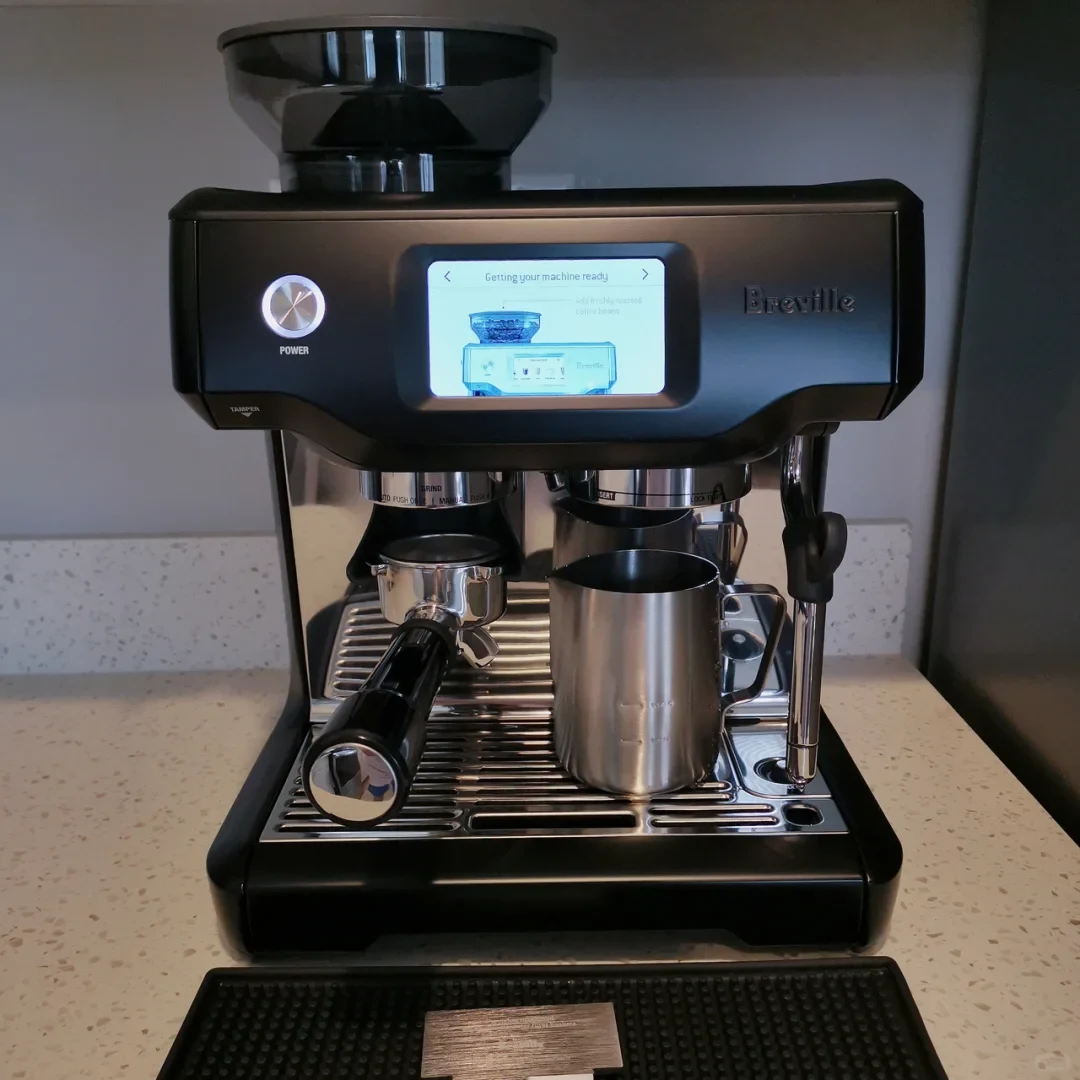
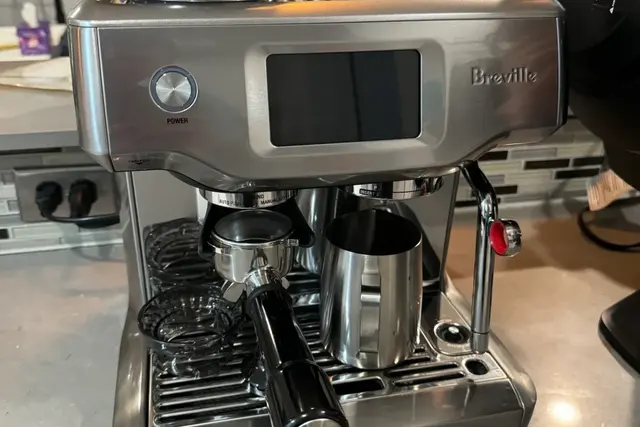
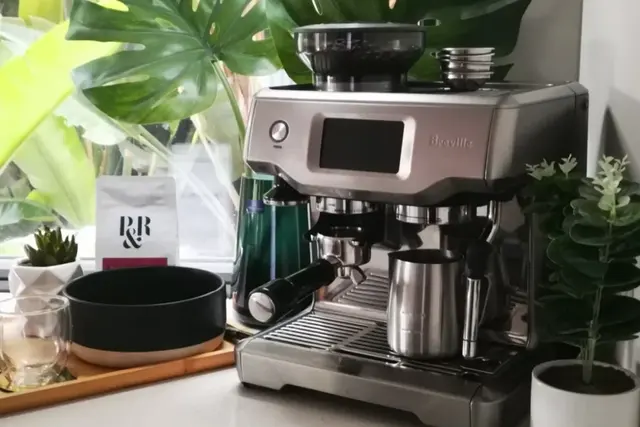
For several years, I used a Nespresso capsule machine. It was convenient and compact, often discounted, offered plenty of coffee choices, and had good customer service—well suited to a student. But after drinking capsule coffee for a long time, it all started to taste the same. With the pandemic keeping me home every day, I wanted to upgrade and try real coffee beans. I considered the Breville 870 and 880, then decided the 880 would be more helpful for someone like me who is not very handy. It happened to be C$300 off for Canadian Thanksgiving, so I bought it without hesitation; the silver one was out of stock. The real machine was much more impressive than I expected. The black panel has a matte finish that does not show water marks easily and is simple to care for. If you like it, you can feel confident buying it.
.
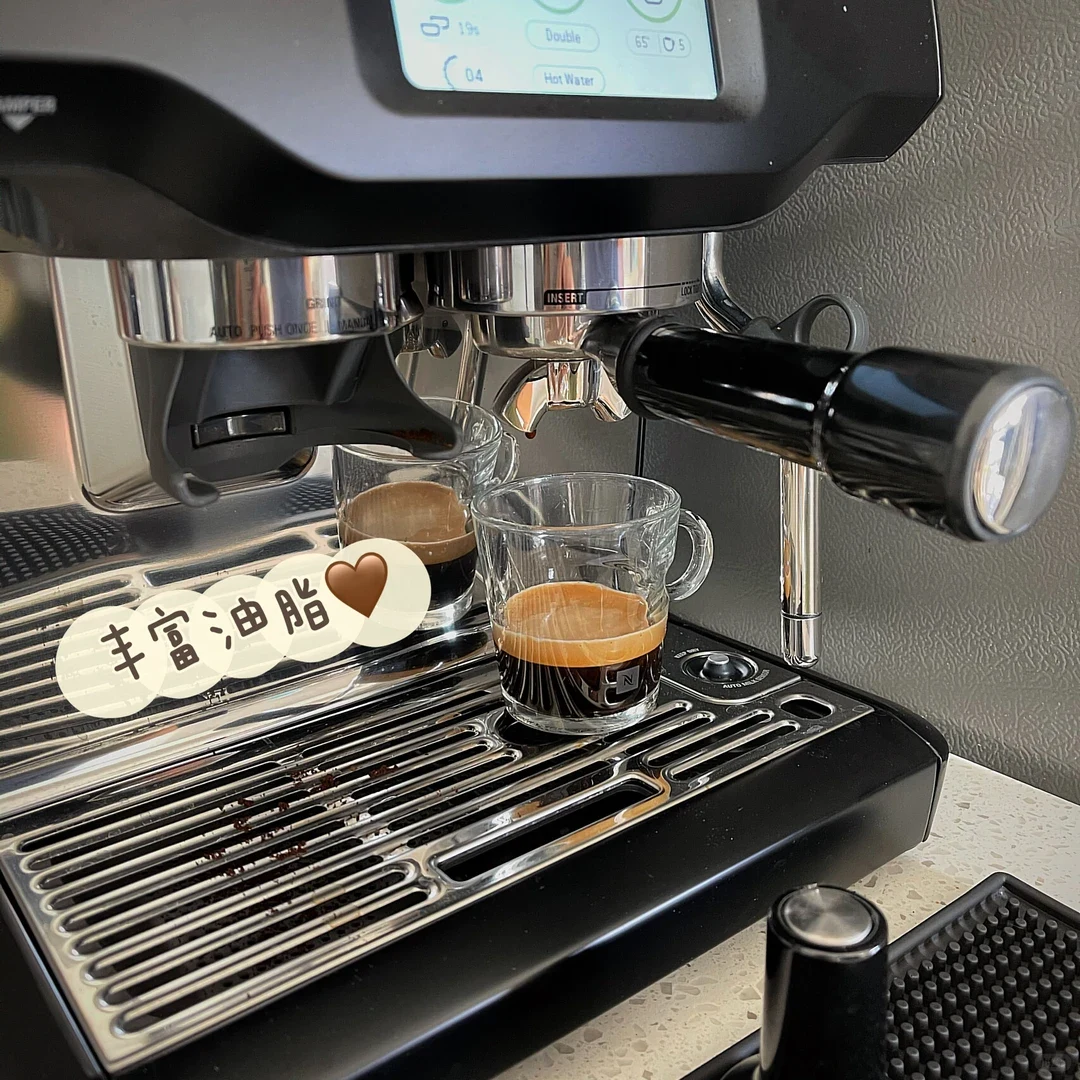
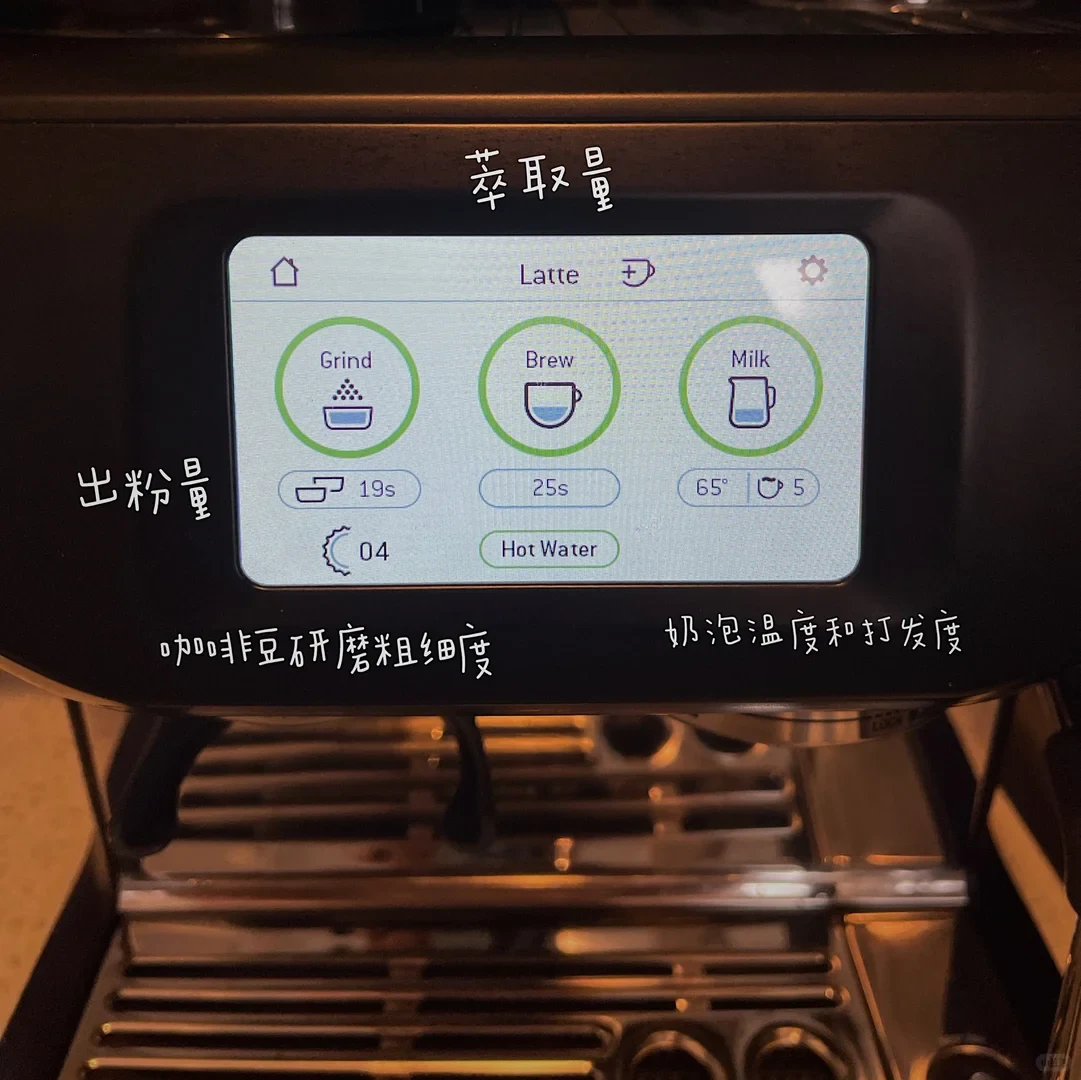
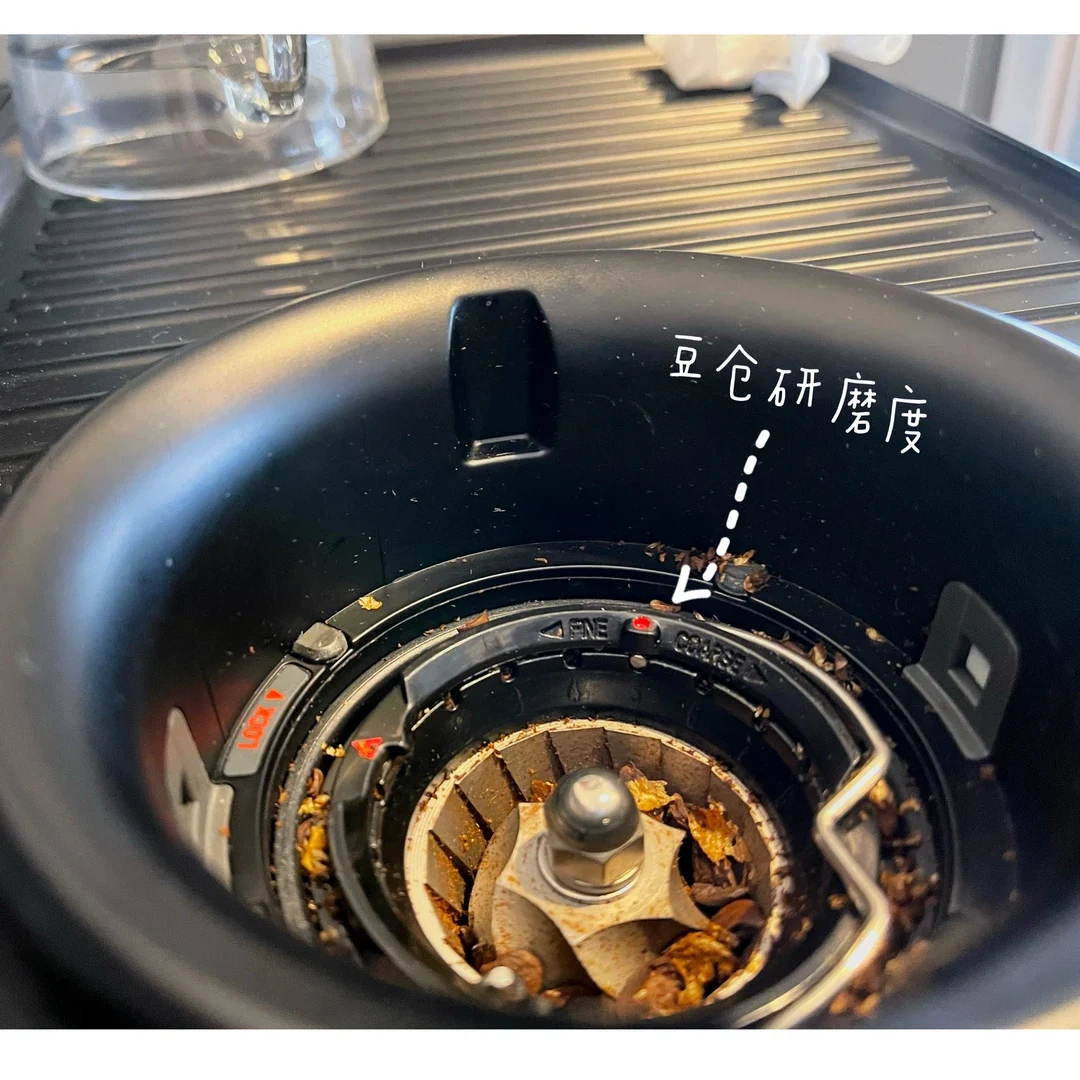
Assembly and startup were simple: I just followed the screen prompts. The machine has default settings for grind size, the bean-hopper grind setting (see image 4), dose, extraction, milk temperature, and milk texture; they need adjusting for different beans. For reference, I used the espresso guideline of extracting about 30 mL of rich, oily espresso from 9–12 g of ground coffee in 20–25 seconds. Espresso making is a process where changing one thing affects the rest. I wisely bought a large bag of ZAVIDA from Costco for dialing in and wasted more than five shots. It was a medium roast, and after extraction the room smelled of vanilla and hazelnut; I recommend it to people who do not like very acidic coffee. My final settings were: double basket, grind size 4, bean-hopper grind setting 5, 19 seconds for dosing, and 25 seconds for extraction. The puck came out easily and held together. I set the milk temperature to 65–75°C and milk texture to 5–7.
.
A few other things to keep in mind
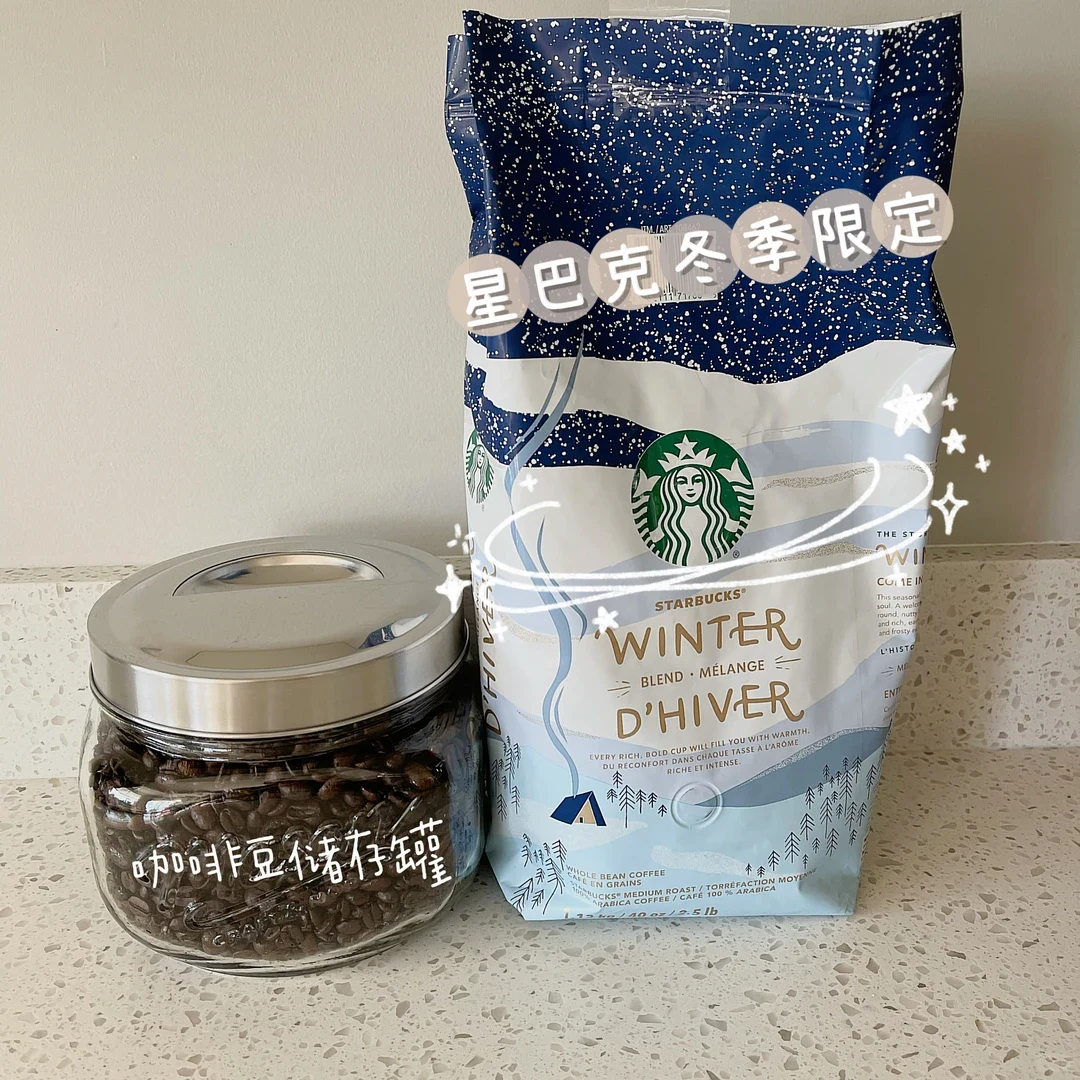
- Bean storage affects taste as well as the machine settings. I recommend keeping unused beans in an airtight container, away from light, in a cool place, and using them within half a month.
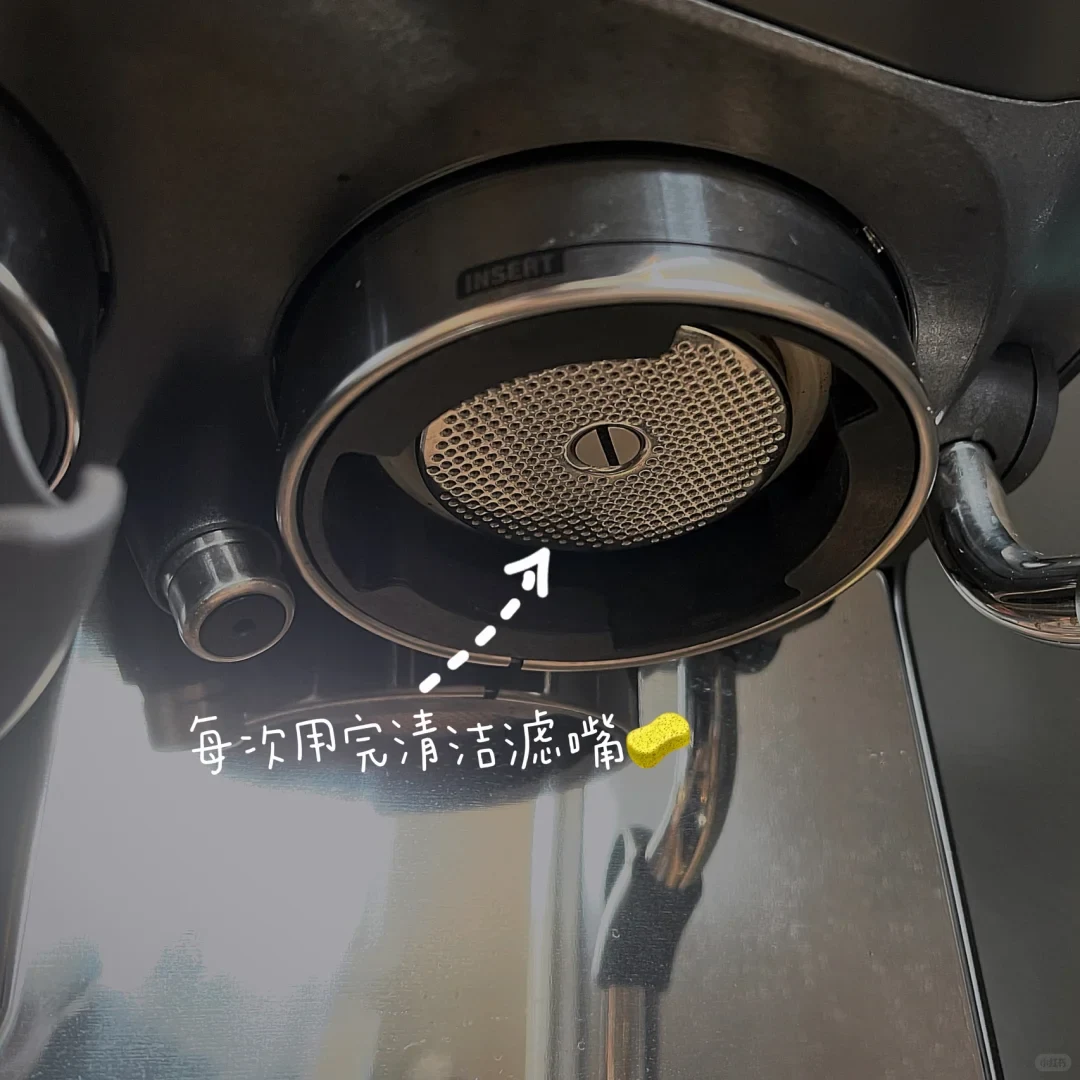
- After each extraction, clean the coffee grounds and water marks left on the shower screen.
- If the grind is too coarse, water flows through too quickly, leading to under-extraction and a weak concentration. If it is too fine, the coffee tastes sharper and more acidic.
- Apply a moderate amount of pressure when tamping. Pressing too hard can restrict water flow through the coffee bed and reduce extraction efficiency; pressing too lightly can leave the puck unable to hold together, with grounds sticking to the shower screen.
- I recommend turning the machine on early so it can warm up and preheat the cup at the same time, helping preserve the taste.
.
Everyone has different tastes, so dialing in the settings will vary. My numbers are just a reference (I am still a beginner, after all). But I really recommend this machine; even my partner is full of praise. My older brother says that two cups a day would let him give up Starbucks completely. The Bay and Best Buy often have discounts, so anyone interested can keep an eye out.
Source: Max小可爱 · Xiaohongshu · 2020-11-30 · Breville 880黑松露磨砂触屏咖啡机使用参考. Search this Chinese title in Xiaohongshu to find the original post.
Before You Buy
Models in your region
The source account concerns a Canadian Black Truffle Breville Barista Touch identified as the 880; it does not give a full Canadian SKU. Breville lists the BES880 in Australia and the United States, while Sage lists the regional SES880 in the United Kingdom. Those official pages establish the product family and regional naming, but do not verify the Canadian unit’s exact electrical rating, bundled accessories, or every setting. The owner’s espresso and milk adjustments therefore apply to their Canadian unit, not as a tested result for every regional configuration.
| Model in this review | Related regional model | What to know |
|---|---|---|
| Breville Barista Touch BES880, Canadian Black Truffle unit (full SKU unspecified) | Breville Barista Touch BES880 (Australia) | The Australian Barista Touch BES880 is the same named model family as the source machine. The source reports a matte black finish, but the Australian listing does not establish that its colour, voltage, or included accessories match the Canadian unit. |
| Breville Barista Touch BES880, Canadian Black Truffle unit (full SKU unspecified) | Breville Barista Touch BES880 (United States) | The US BES880 is a regional version of the source model. Its official page specifies a 54 mm portafilter, saved drinks, a 30-setting grinder, and automatic or manual milk texturing; those details do not confirm the Canadian unit’s exact configuration. |
| Breville Barista Touch BES880, Canadian Black Truffle unit (full SKU unspecified) | Sage Barista Touch SES880 (United Kingdom) | The UK Sage Barista Touch SES880 is the regional counterpart under the Sage name, with an integrated grinder, touchscreen, ThermoJet architecture, and automatic milk texturing. Check the local listing for electrical rating and bundled accessories. |
- Model in this review
- Breville Barista Touch BES880, Canadian Black Truffle unit (full SKU unspecified)
- Related regional model
- Breville Barista Touch BES880 (Australia)
- What to know
- The Australian Barista Touch BES880 is the same named model family as the source machine. The source reports a matte black finish, but the Australian listing does not establish that its colour, voltage, or included accessories match the Canadian unit.
- Model in this review
- Breville Barista Touch BES880, Canadian Black Truffle unit (full SKU unspecified)
- Related regional model
- Breville Barista Touch BES880 (United States)
- What to know
- The US BES880 is a regional version of the source model. Its official page specifies a 54 mm portafilter, saved drinks, a 30-setting grinder, and automatic or manual milk texturing; those details do not confirm the Canadian unit’s exact configuration.
- Model in this review
- Breville Barista Touch BES880, Canadian Black Truffle unit (full SKU unspecified)
- Related regional model
- Sage Barista Touch SES880 (United Kingdom)
- What to know
- The UK Sage Barista Touch SES880 is the regional counterpart under the Sage name, with an integrated grinder, touchscreen, ThermoJet architecture, and automatic milk texturing. Check the local listing for electrical rating and bundled accessories.
Touchscreen setup and dialing in
The Barista Touch combines a touchscreen with an integrated grinder and milk texturing, while the Canadian owner found the on-screen setup straightforward. They adjusted grind, dose, extraction, and milk settings for one medium-roast coffee and discarded more than five shots before settling on personal settings. Those numbers describe that coffee and that unit; they are not a universal recipe.
The owner’s figures include grind size 4, bean-hopper grind setting 5, 19 seconds for dosing, 25 seconds for extraction, and milk texture 5–7 at 65–75°C. The account does not report measured dose weight or espresso yield from the resulting shots, so those timer settings alone cannot reproduce a particular cup.
Grind, tamp, and routine care
Clean the shower screen after each extraction and store unused beans in an airtight container away from light in a cool place. These are the author’s care recommendations; the suggested two-week use period for opened beans is their advice, not a manufacturer specification.
The owner advises adjusting grind and tamp pressure with the shot in mind: in their description, a coarse grind can make water run too quickly, while an overly fine grind can taste sharper and more acidic. Their tamping guidance is to use moderate pressure. These are practical starting points from the account, not measured diagnoses of every shot.
The official US BES880 listing identifies a 30-setting grinder and automatic or manual milk texturing, and the Australian and UK product pages also list an integrated grinder and automatic milk texturing. The Canadian source account does not establish its exact grinder configuration or regional accessories, so check the local SKU before relying on a particular feature or included item.
Related Reading
Reviews & Guides · Kitchen & Dining
Breville Barista Touch BES880: learning espresso and choosing manual steam
After switching from a Nespresso machine, I found the Barista Touch easy to learn, but its automatic milk foam looked poor, so I usually steamed milk by hand.
Reviews & Guides · Kitchen & Dining
Breville Barista Touch BES880 after two years: why I use automatic steam with A2 whole milk
I’ve used my Breville 880 for about two years. Automatic frothing works beautifully with A2 full-cream milk, but I switch to manual steaming for other milks.
Reviews & Guides · Kitchen & Dining
Breville Barista Touch BES880 after four years: presets and sequential steaming
I’ve used my Breville Barista Touch for four years: its presets simplify daily coffee, but I have to brew and steam milk in sequence.