
Reviews & Guides · Kitchen & Dining
Breville BES870 Barista Express: five years of espresso and milk practice
I've used my Breville BES870 for five years. A recent pressure problem needed an adjustment, while changing beans and frothing milk still keep me learning.
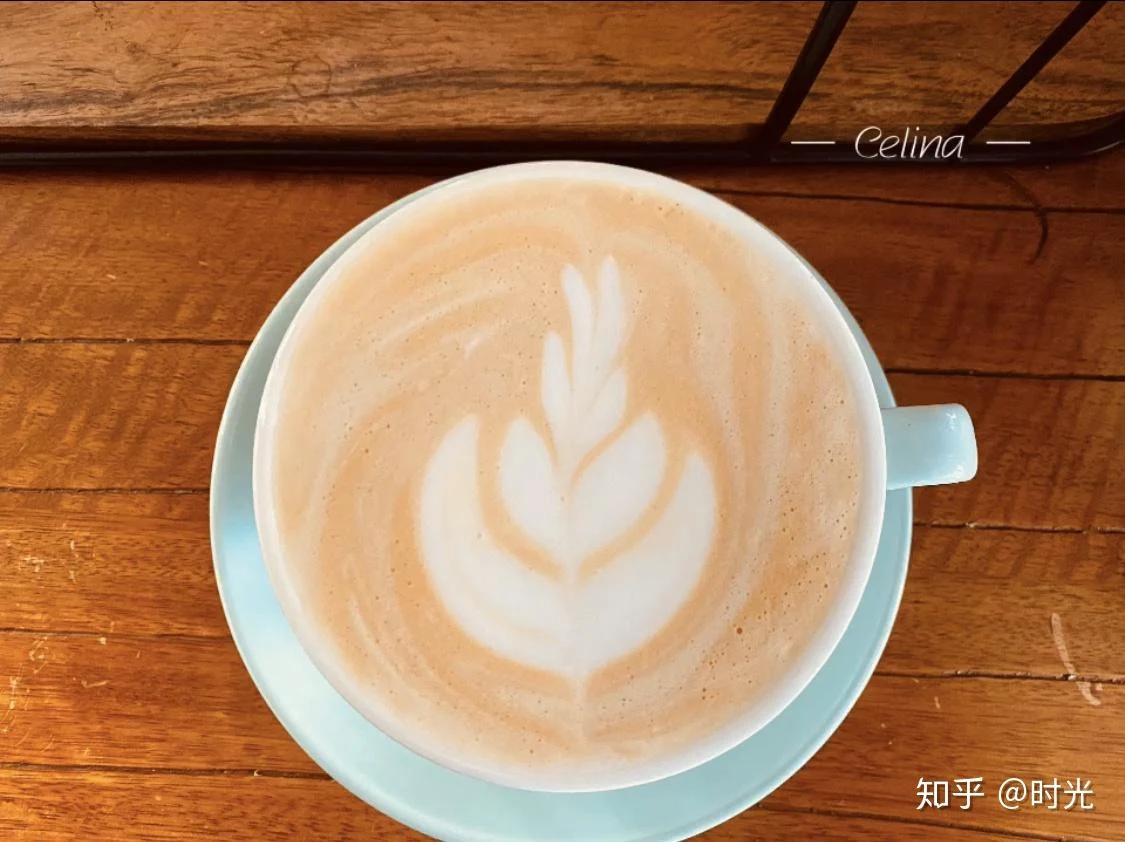
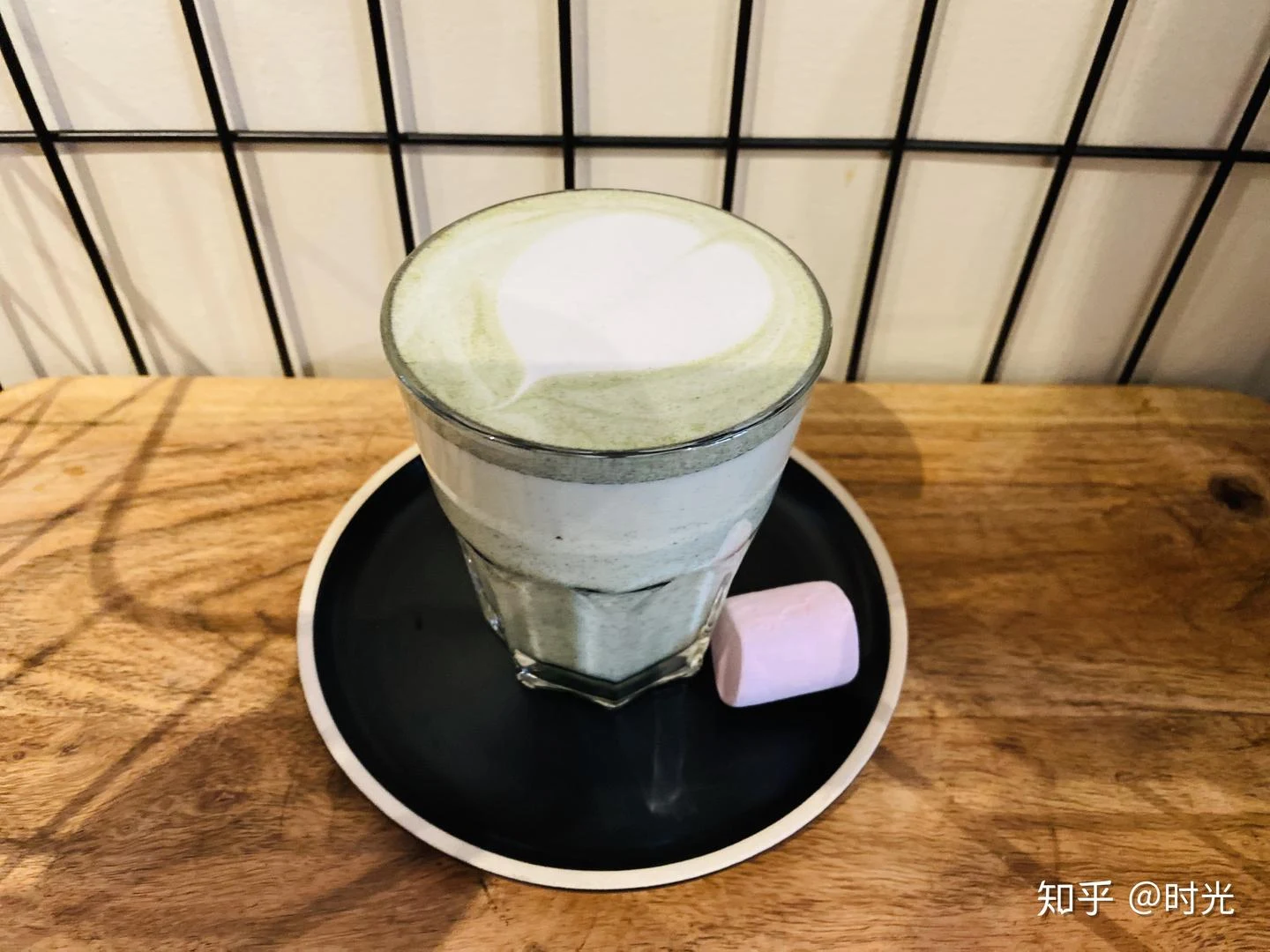
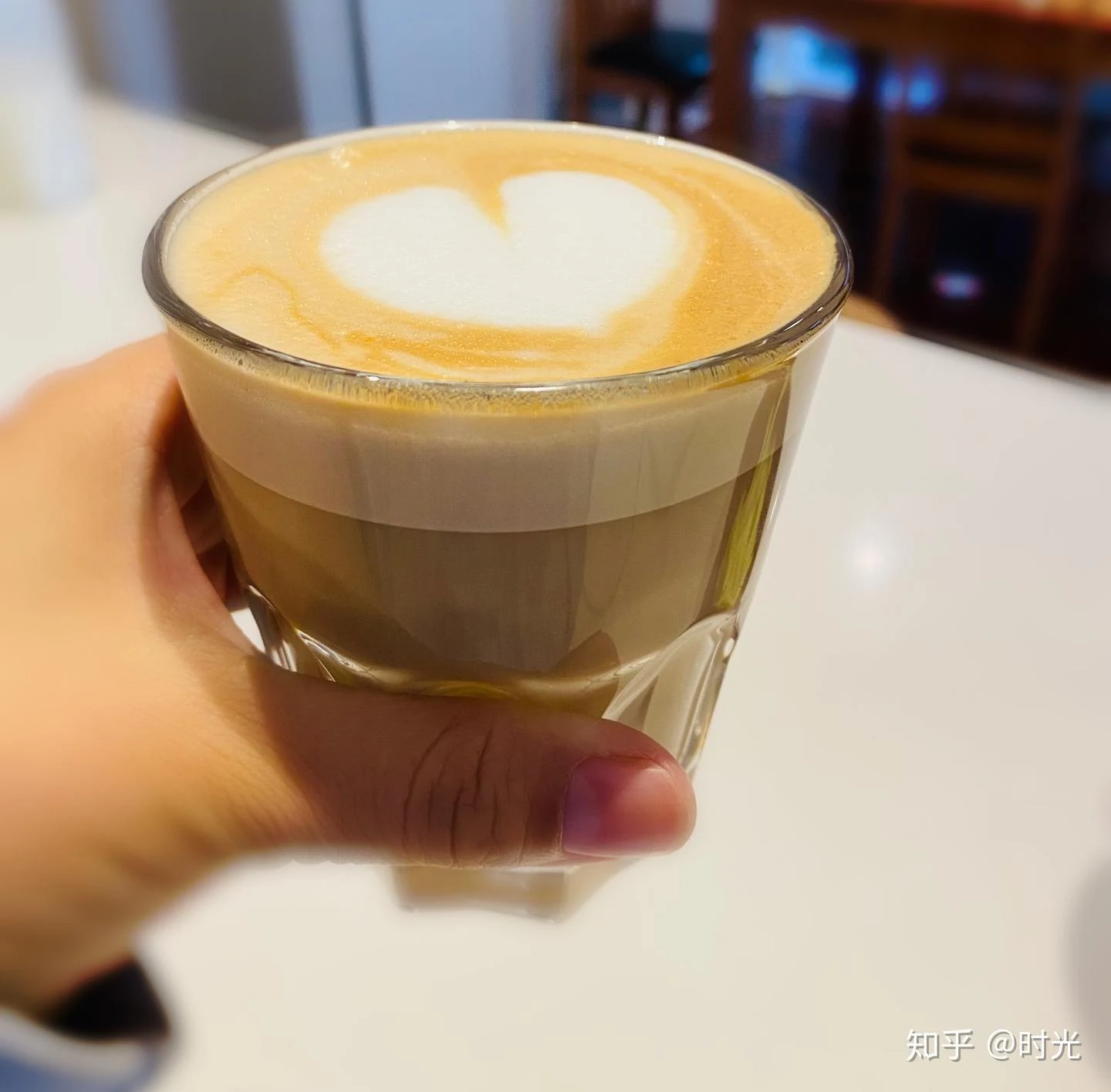
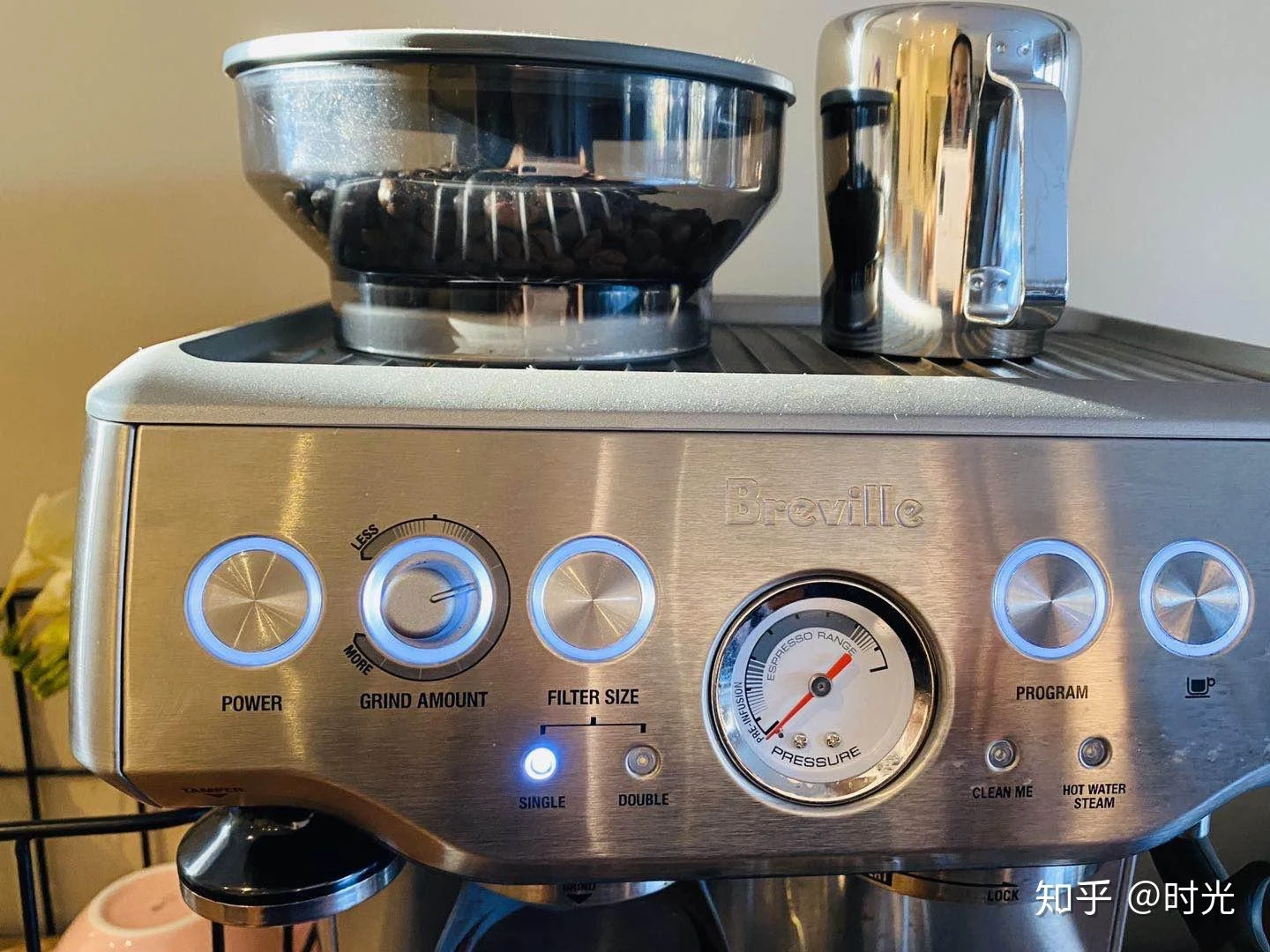
I have used my home coffee machine for five years. A few days ago, it was repaired because the extraction pressure was insufficient. After it was inspected, there was no major problem; it only needed a little adjustment before I continued using it. So, personally, I think this coffee machine is still very well built.
Can a home machine match coffee shops?
Can a home coffee machine make coffee comparable to what coffee shops sell? This is a question many people care about, and my experience is that it can. Below are several coffees I made with my home coffee machine . I am not a professional barista; I make coffee at home for myself and my family, and this is my current level. So, regarding this question, I think a home coffee machine can produce coffee similar to what coffee shops sell, and my machine can definitely do it.
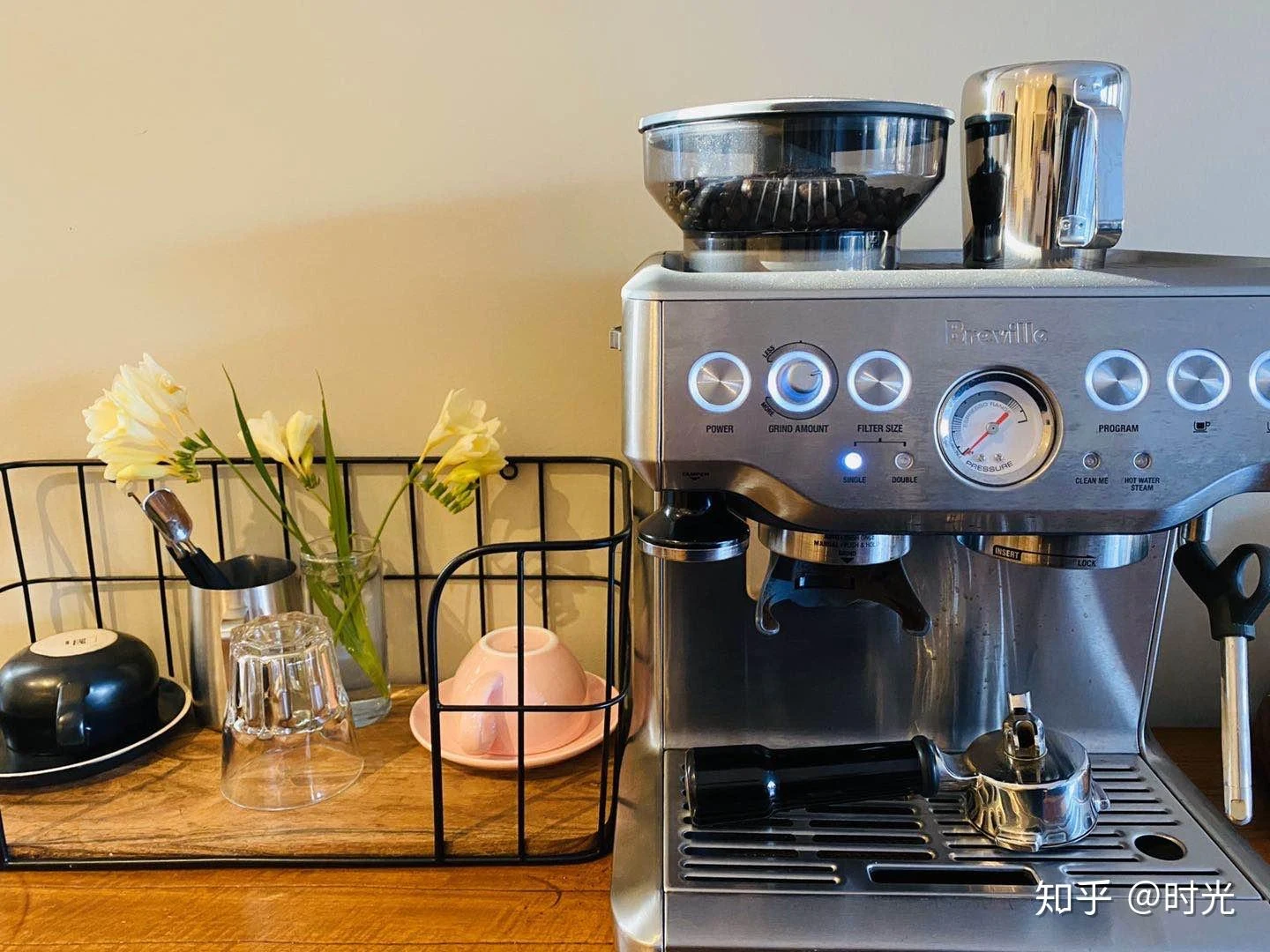
The model of my home coffee machine is the Breville BES870 semi-automatic home espresso machine .
Common extraction issues
If too much coffee is extracted, it is related to the grind size, the amount of coffee grounds, and how firmly you tamp the grounds. If the coffee is ground too coarsely, the gaps between the particles will be larger, so more coffee will be extracted. Similarly, if you tamp too lightly, the grounds will remain too loose because they are not compressed enough, and too much coffee will also be extracted. If the coffee is ground coarsely and you also use too much coffee, the extracted coffee may reach half the cup. The resulting coffee will not taste good. Therefore, after buying a new coffee machine, you generally need to adjust it several times until the extraction amount is right. I generally set the grind size of my coffee beans to 5, and for the amount, I use the position of the second control from the left in the picture above .
If too little coffee is extracted, the coffee may have been ground too finely, the amount of grounds may be too small, or you may have tamped too firmly—or all three factors may be involved. You need to adjust these three factors to suitable positions. After that, the amount extracted each time should be relatively appropriate.
Another reason that can affect the amount extracted is damp coffee beans. After opening a bag, beans that are left unused for a long time will absorb moisture from the air. If you use these beans for extraction, the amount will very likely be too large. Therefore, if your household does not consume coffee quickly, do not buy large bags of beans. If you must buy them, make sure to protect them from moisture. In addition, extraction can change after you switch coffee beans; it may even become impossible to extract because the pressure is insufficient.
Different beans can vary in how dry they are after roasting. Some sellers may even have stored the beans improperly, so the beans may already have absorbed moisture before they are sold to you. This can result in insufficient pressure and make extraction impossible.
Milk frothing
Frothing milk is definitely a technical skill. Watch videos to learn, or take half a day of training; after that, you can slowly get the hang of it through practice.
Source: 明暗间 · Zhihu · 2020-08-21 · 我家的Breville咖啡机及几个常见问题. Original post
Before You Buy
Models in your region
The owner identifies the machine as the Breville BES870. In the US, Breville lists the same integrated-grinder Barista Express platform as the Barista Express BES870XL, while its support hub uses the broader BES870 designation. The full source-market configuration is not specified, so the US listing should be treated as a regional equivalent rather than a confirmed identical unit.
| Model in this review | Related regional model | What to know |
|---|---|---|
| Breville BES870 semi-automatic home espresso machine | Barista Express BES870XL (US) | Breville’s US listing identifies the corresponding integrated-grinder platform as the Barista Express BES870XL. The source does not provide a complete regional suffix, so the owner’s exact market configuration, electrical specification, and retail-package contents are uncertain. |
- Model in this review
- Breville BES870 semi-automatic home espresso machine
- Related regional model
- Barista Express BES870XL (US)
- What to know
- Breville’s US listing identifies the corresponding integrated-grinder platform as the Barista Express BES870XL. The source does not provide a complete regional suffix, so the owner’s exact market configuration, electrical specification, and retail-package contents are uncertain.
What the US model match means
The owner's machine is identified only as a Breville BES870, while the US product page names the regional version Barista Express BES870XL. That supports a platform-level match, but it does not confirm that the owner's machine has the same plug, electrical specification, included accessories, or retail package as the US model. US buyers should confirm the exact local listing before purchasing.
The US support hub uses BES870 for the Barista Express platform and covers espresso extraction, milk texturing, and maintenance. Those topics overlap with the owner's account, but the support evidence does not independently verify the owner's five-year service history or repair result.
Expect a hands-on espresso routine
The owner's results depend on repeated adjustment rather than a one-time setup: grind size, coffee dose, and tamping pressure all affect the amount extracted. The owner reports using grind setting 5 and the position of the second control from the left for the amount, but presents these as personal settings rather than universal instructions. Buyers should expect to dial in their own beans and technique.
Bean freshness and storage are part of the owner's troubleshooting advice. The owner says damp or poorly stored beans can change extraction and may even coincide with insufficient pressure, while the US support hub confirms extraction and maintenance as relevant support topics. This is an individual observation, not a verified diagnosis for every pressure problem.
Milk frothing requires practice
The owner says the machine can produce coffee-shop-style drinks at home, while also stressing that milk frothing is a skill learned through videos, training, and repeated practice. The US support hub specifically covers milk texturing, so this is a meaningful use consideration for buyers who want milk drinks rather than espresso alone.
Related Reading
Reviews & Guides · Kitchen & Dining
Breville 870: seven-step espresso guide with Barista Express and Breville BES870 buying context
I share a seven-step Breville 870 espresso guide covering preheating, dosing, tamping, grind changes and channeling, rather than a long-term test.
Reviews & Guides · Kitchen & Dining
Breville 870 / Sage Barista Express: learning espresso with extra tamping tools
I've used the Breville 870 for a few months. A constant-force tamper helps me get a level puck, but milk foam and spilled grounds still take practice.
Reviews & Guides · Kitchen & Dining
Breville 876 Barista Express Impress: cleaner grounds beside my computer, weaker milk foam
I found Breville 876’s automatic tamping kept grounds from flying beside my computer, but its milk frother produced less satisfying foam.