
Reviews & Guides · Outdoor Gear
Gregory Nano 20 hip-belt retrofit: a removable handle makes the difference
Reviewed: Gregory Nano 20Regional reference: Gregory Nano 20 (United States)
I added a removable hip belt to my older Gregory Nano 20 using a detachable webbing handle, choosing the longer one to position it near the original belt.
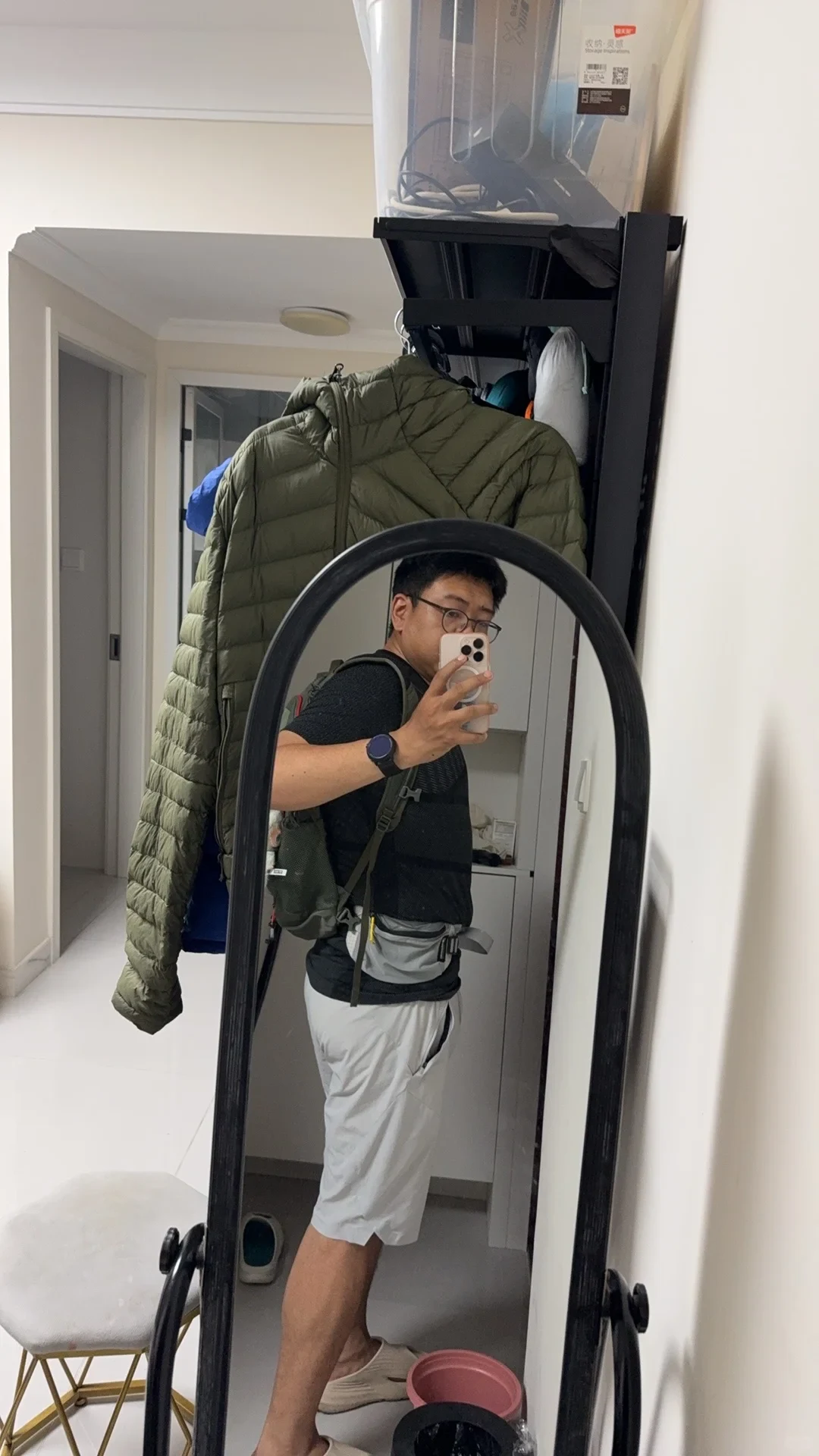
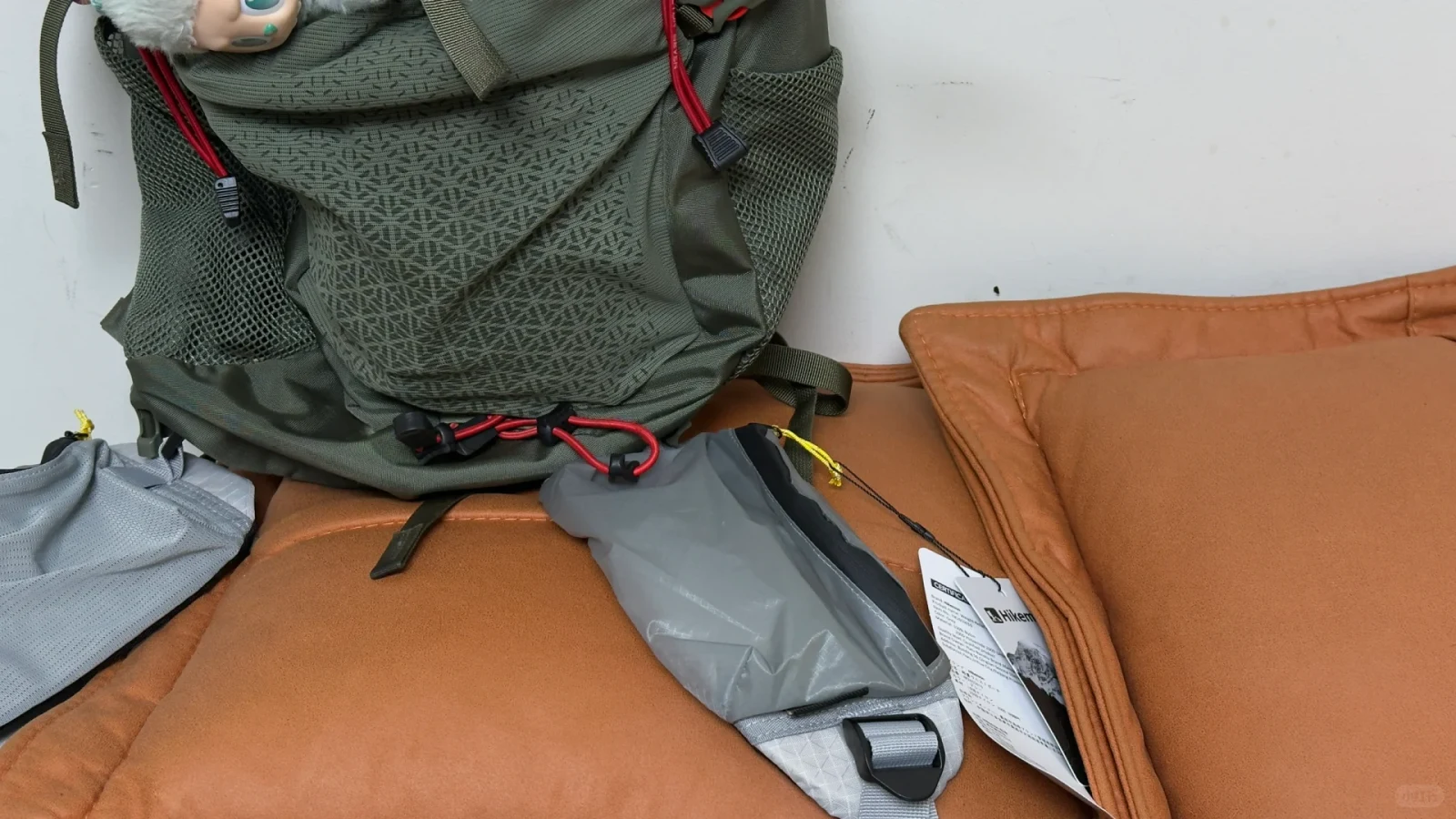
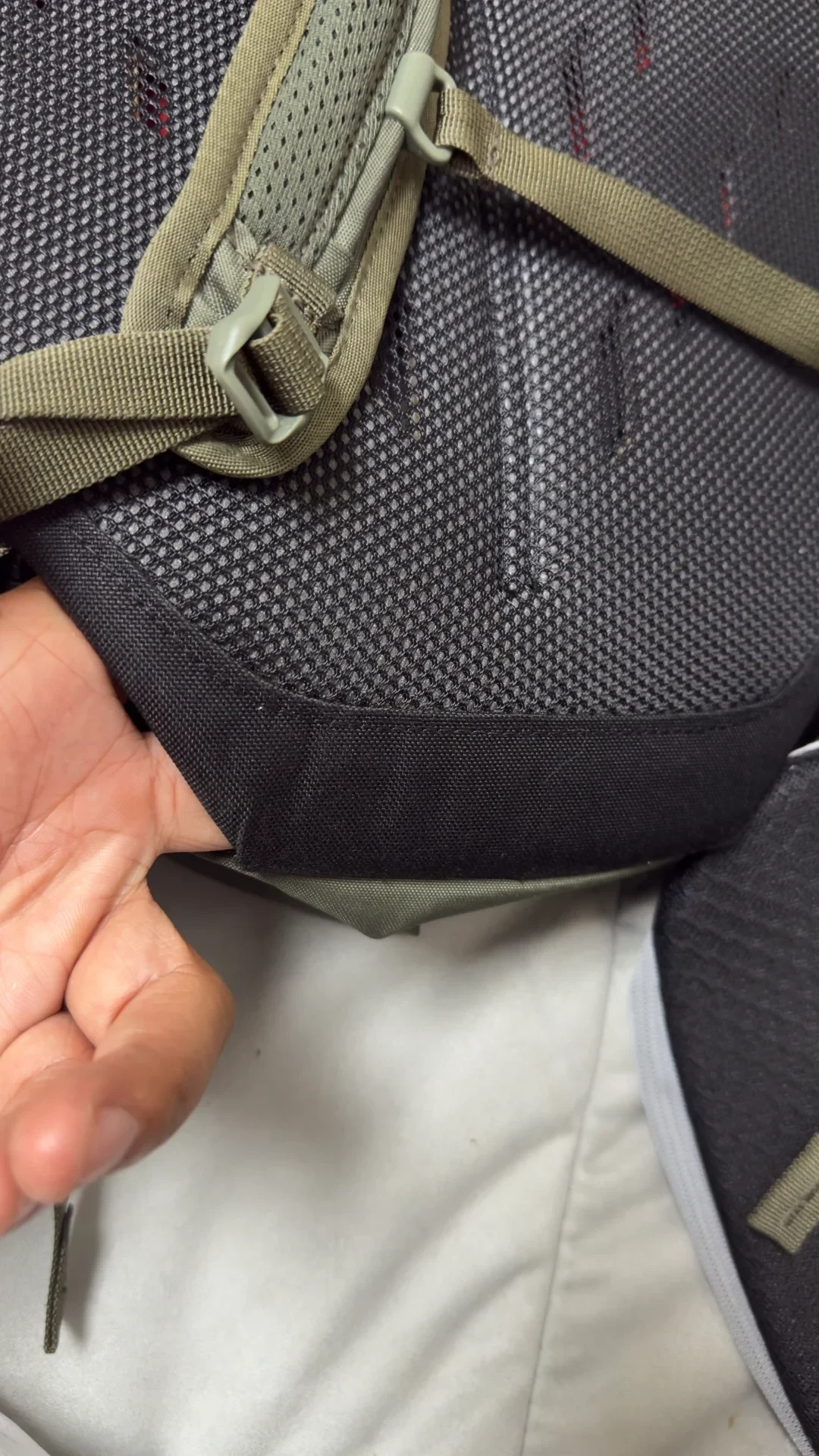
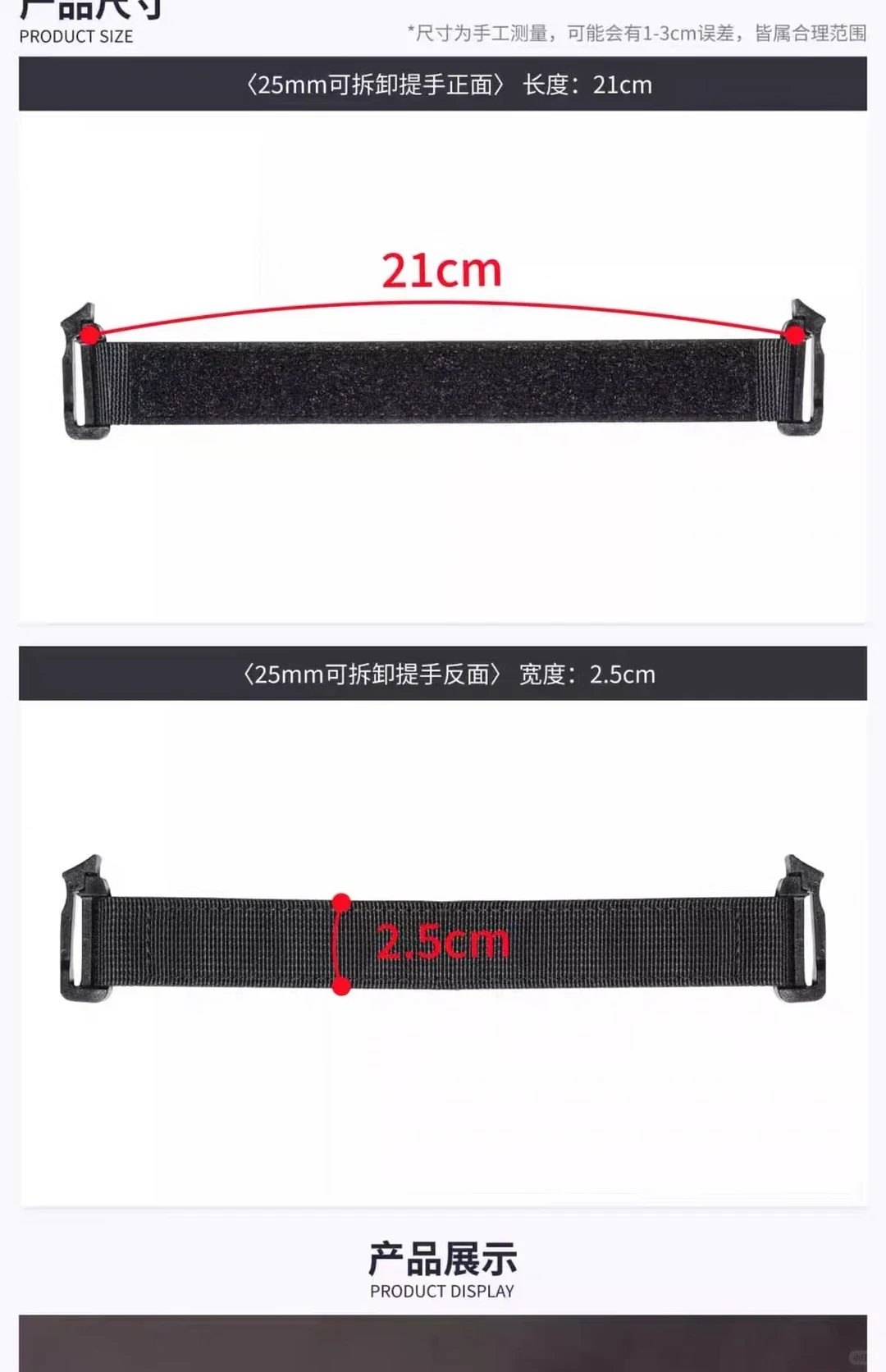
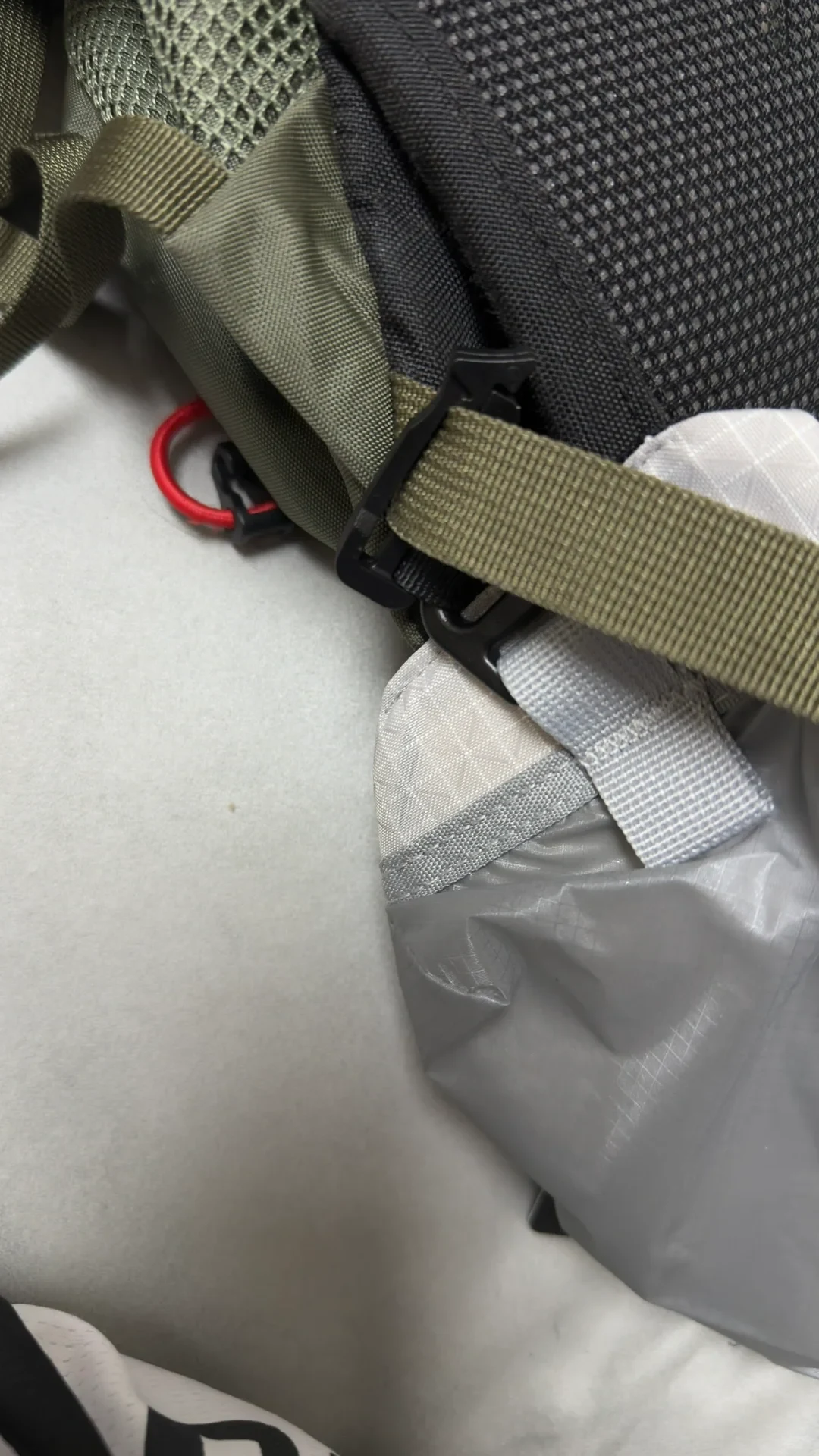
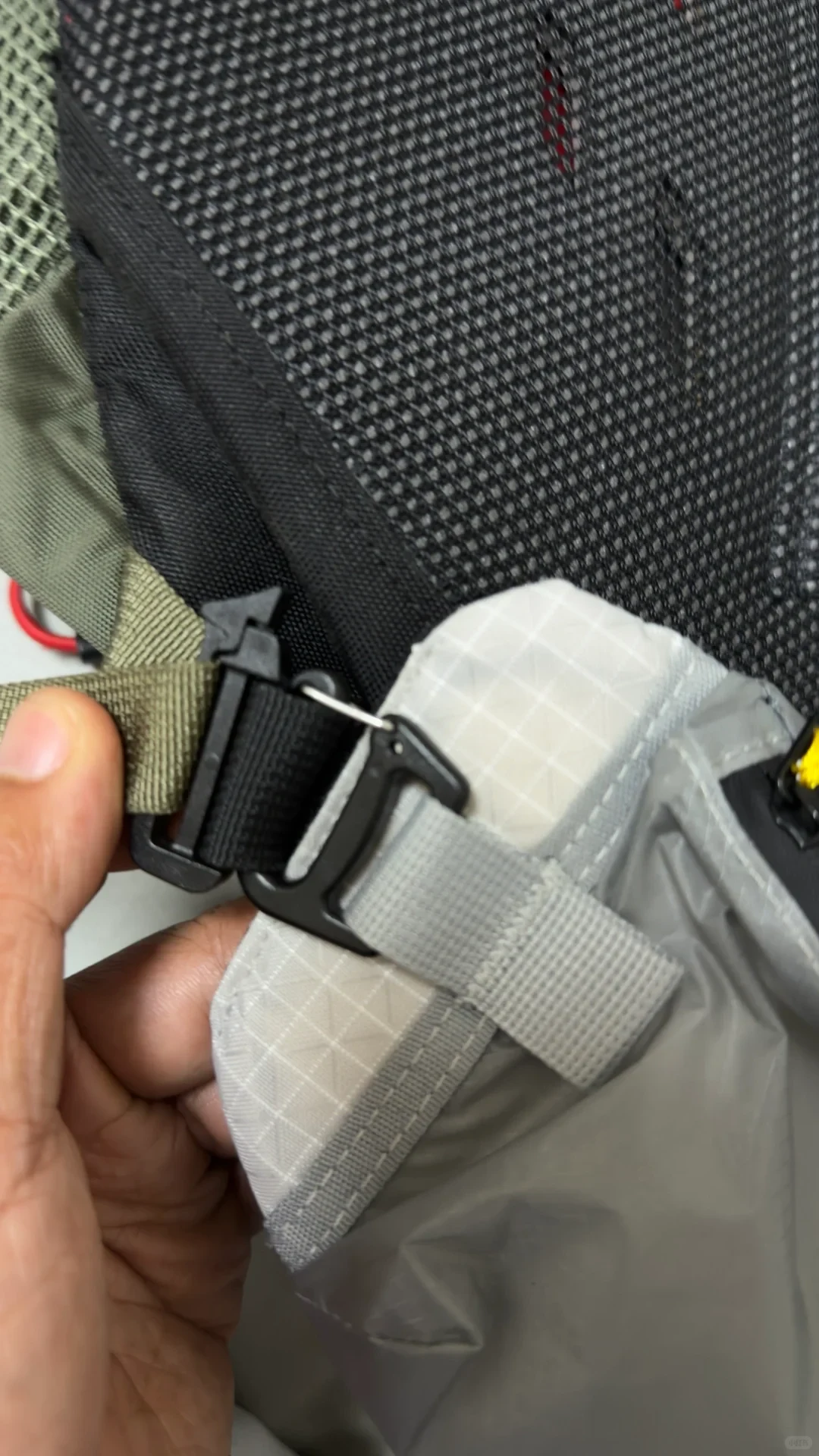
Although the Nano 20 does not really need a hip belt, adding one gives people who want one another option. My backpack is an older Gregory Nano 20 with its original stowable belt. After taking it out a few times, I still wanted to add a hip belt, but I could find almost no posts about doing this. After looking at other hip-belt modifications, I worked out a method that does not require sewing on a patch. Here is the idea and how I modified it.
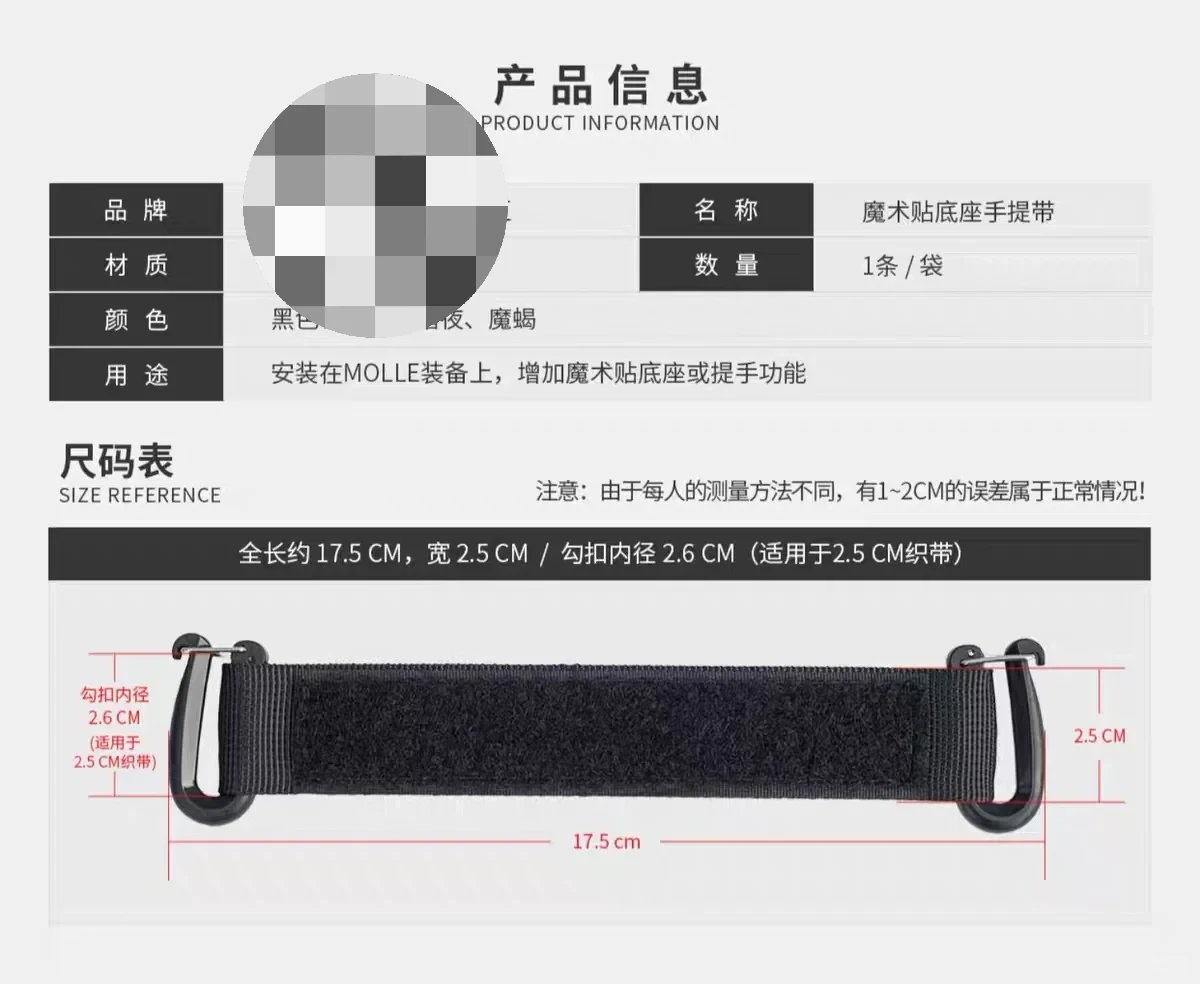
Approach: The pack has a channel that runs through the lower area where the hip belt goes (shown in P3). You just need a canvas webbing handle with holes at both ends so it can connect to the belt with buckles. I found detachable webbing handles online (P4 and P5; there are lots of listings), but note that the two options fit differently because of the pack’s construction. The shorter P5 handle can only go at the very bottom. I chose the longer P4 handle because it sits a little higher. Its construction also lets me secure it to the original belt (P6), putting it close to the original belt’s height. Then I connected a separately purchased hip belt and hip pouches with buckles, as shown in P7. The finished installation is in P2, and P1 shows how it looks when worn. This is just me sharing a modification to my own pack, not a brand endorsement or recommendation. You can search for similar items online; order a few options with return shipping and try them to find the one you like.
Source: 星期五想去玩 · Xiaohongshu · 2026-07-26 · 花点小钱改造背包腰封,格里高利nona改造. Search this Chinese title in Xiaohongshu to find the original post.
Before You Buy
Models in your region
The author modified an older Gregory Nano 20. Gregory’s current US Nano 20 is a related, updated version, but the source does not establish an exact match to that current version. Treat the modification as specific to the author’s pack and check the construction of your own model before trying it.
| Model in this review | Related regional model | What to know |
|---|---|---|
| Gregory Nano 20 (older version; exact season unspecified) | Gregory Nano 20 (United States) | The US listing identifies a current, updated Nano 20, not a confirmed identical version. The author’s retrofit depends on a channel through the lower belt area, so check that your pack has compatible construction before applying this method. |
- Model in this review
- Gregory Nano 20 (older version; exact season unspecified)
- Related regional model
- Gregory Nano 20 (United States)
- What to know
- The US listing identifies a current, updated Nano 20, not a confirmed identical version. The author’s retrofit depends on a channel through the lower belt area, so check that your pack has compatible construction before applying this method.
Check the lower belt channel before buying parts
The retrofit requires a channel through the lower part of the pack and a webbing handle with holes at both ends for buckle attachment. The author’s older Nano 20 had that channel; the current US Nano 20 is an updated related version, and the available evidence does not confirm its lower construction is the same. Inspect your own pack before buying components.
Handle length changes the attachment position
Choose the handle according to where it can sit on your pack. In the author’s setup, the shorter 17.5 cm option could only be installed at the very bottom, while the longer 21 cm option sat higher and could be secured to the original belt, near its height. These dimensions and placement results describe the parts and older pack in this account, not a confirmed fit for every Nano 20.
Connect the added belt and pouches with buckles
The author connected a separately purchased hip belt and pouches to the webbing handle using buckles, making the added setup removable. The post does not report a load test or long-term durability result, so it does not establish how the modification performs with different pack weights or during extended use.
Related Reading
Reviews & Guides · Outdoor Gear
Gregory Nano 20 on a trip: strap fit and pressure under a light load
I couldn’t get the straps to fit my 169 cm frame; with a water bottle and a few small items, the pack pressed painfully against my waist and hips.
Reviews & Guides · Outdoor Gear
Gregory Nano 20: adjustable front cord keeps the stretch pocket usable
I added adjustable shock cord to my 2025 Gregory Hummingbird 20L, keeping its stretch pocket usable while making room for taller items.
Reviews & Guides · Outdoor Gear
Gregory Nano 20 cord modification: small locks jammed
I added turquoise 5 mm elastic cord to my Gregory Nano 20, but the small round locks jammed after a few uses and risked wearing through the cord.