Why steam air fryers can cook differently
Air fryers these days can all produce steam. But don’t rush to pay extra for one just yet. They may both be called steam-crisping, but in some models the steam really does the work, while in others it barely shows up. The names sound similar, but the food they make can be completely different. Today I’m comparing two popular models across capacity, steaming and air-frying performance, materials, and cleaning to help different households choose.
Basket capacity: 7.2 L Philips vs 6 L Westinghouse
First, let’s look at the capacity everyone cares about. No. 1 holds 7.2 liters; No. 2 holds 6 liters. With the same-size chicken wings laid out in a single layer, No. 1 clearly fits more. You can cook enough for the whole family’s meal in one go. You can even fit a regular dinner plate inside. No. 2 is a little smaller, so if you’re cooking for more people, you’ll need to do two batches. For everyday family cooking, a larger capacity is more efficient.
If you’re cooking for more people, you’ll need to do two batches. For everyday family cooking, a larger capacity is more efficient. Now for the main event: steam and air-frying performance.
Steam, air-fry and pure-steam modes
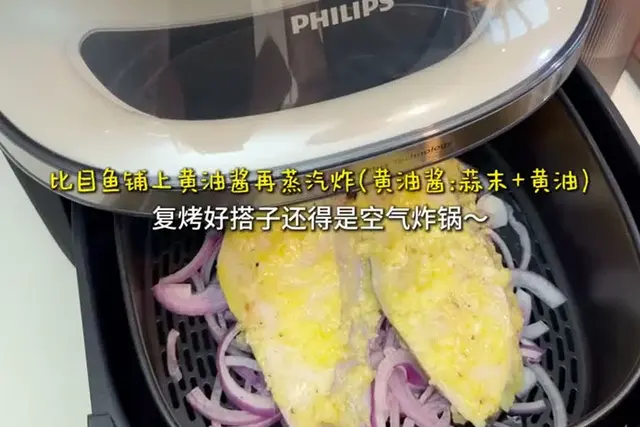
Let’s start with the available modes. No. 1 has three modes: steam, air fry, and steam fry. It’s like having a steamer and an air fryer in one. It’s great for steaming buns in the morning or heating up a quick breakfast. No. 1 has a dedicated steam-injection tube. During operation, it can produce saturated dry steam at 160°C. The steam is fine, even, and continuous, penetrating right into the food. No. 2 only has air-fry and steam-fry modes. There’s no standalone steam mode, so it can’t handle a steamed breakfast.
Steamed buns and steam-roasted wings
Let’s steam some custard buns and see how they turn out. Steamed in No. 1, the bun skins were dry, with no water droplets on them. They were soft and fluffy, not sticky, and the molten filling was just right. Next, let’s try something that really tests how well it keeps the juices in: steam-roasted chicken wings. We tested both with the wings in a single layer and no flipping. No. 1 comes with a large-capacity 800-milliliter water tank.
[Text: Large 800 mL water tank]
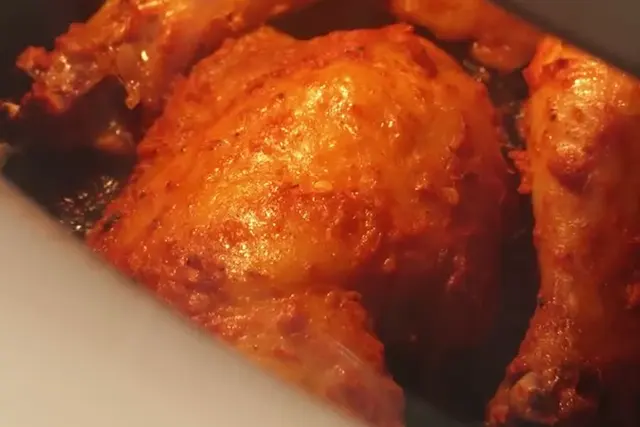
A full tank can run for 40 minutes, so you don’t need to add water partway through. With continuous steam working alongside the hot air, the wings came out with crisp, fragrant skin and tender, juicy meat inside. Break one open and you can see how juicy it is. No. 2 has a compact 200-milliliter water tank.
[Text: Compact 200 mL water tank]
The unit itself is more compact, and most of the steam is released at the beginning and end of cooking. There’s less steam in the middle. The wings retain moisture differently from those cooked in No. 1; the meat is drier and firmer. Both models make tasty wings, but I prefer No. 1’s crisp outside and tender inside.
Fries, browning and heat distribution
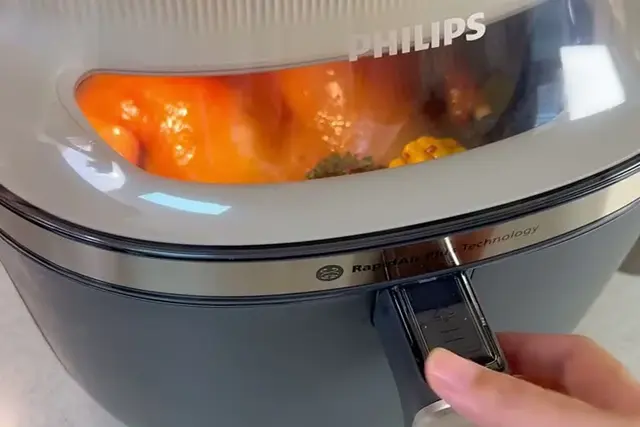
Without steam, let’s test the plain air-fry mode we use most often. We’ll cook the same kind of fries. No. 1 combines a star-shaped, double-layer cooking chamber with 360-degree hot-air circulation. Hot air surrounds the whole basket of fries, so they cook evenly without needing to be flipped halfway through. The panoramic viewing window lets you check how browned they are at any time, so there’s no need to worry about burning them. They came out crispy outside and soft inside, and it can draw out 90% of the fat, making them healthier to eat.
No. 2 uses upper and lower heating elements with hot-air circulation. You don’t need to flip the food by hand either. Its brushless motor moves plenty of air, making cooking very efficient overall. It also has a viewing window, so you can check on the food. However, the middle of the cooking chamber doesn’t heat as evenly, so sometimes the edges get overdone while the center is still undercooked.
Basket materials and cleaning
Take a look at the trays: after this round, there’s a difference in how much grease and residue each one has. Finally, let’s look at the materials and cleaning—these can determine whether you use it often or leave it gathering dust. No. 1’s basket has a fluorine-free nonstick coating that works very well. After cooking the wings, you can lift them out by the skin without tearing it. It also has a steam-cleaning function. High-temperature steam softens the grease, and a quick rinse gets it clean.
No. 2 has an uncoated stainless-steel cooking chamber, so you don’t have to worry about the coating peeling or flaking at high temperatures. But stainless steel itself isn’t very nonstick, so it’s easier to use if you line it with parchment paper. Over time, the underside of the tray can turn yellow or black. Still, if you soak it for a while after each meal, you can scrub it clean by hand.
Which cooking and cleaning trade-offs matter?
To sum up, if you rarely make breakfast, mostly air-fry and roast, prefer uncoated stainless steel, and don’t mind scrubbing the tray by hand, you could consider No. 2. But if you want to steam buns for breakfast, keep everyday roast meat juicy, and also value a large family-sized capacity and easy cleaning, then No. 1, with its better overall performance, is the better buy.