
Sage 878 (SES878) Barista Pro: a year of five-minute lattes without local warranty
My imported Sage 878 heats up in seconds, and I can make a latte in five minutes. After a year, I value the compact size, though I have no local warranty.
Purchase process
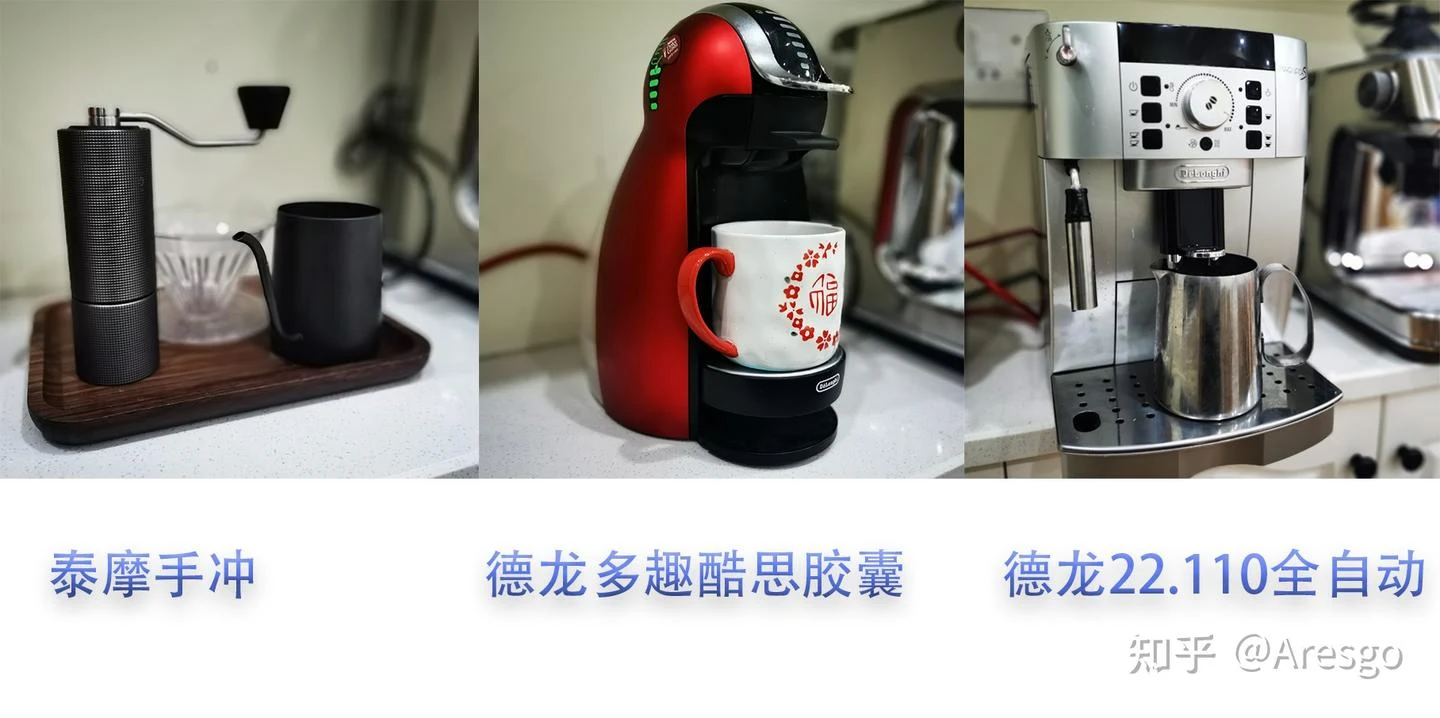
The coffee equipment at home had originally included a De’Longhi toy semi-automatic machine bought many years ago, a siphon brewer, and a moka pot, but all three had been put away. The three items bought over the past two years were a Timemore manual pour-over setup, a capsule machine, and De’Longhi’s classic 22.110 fully automatic coffee machine . I bought the De’Longhi through NetEase Kaola for what I think was about ¥2,199. It was very efficient for making an Americano every morning, but I always felt that its espresso was not quite right.
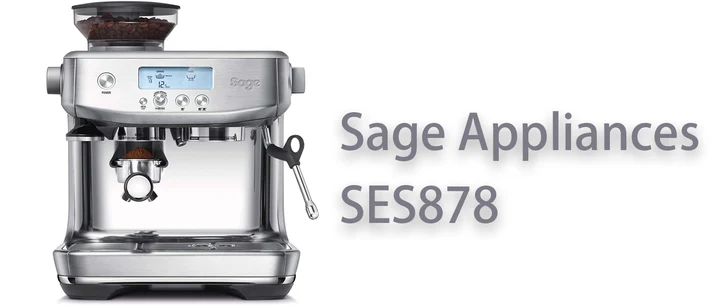
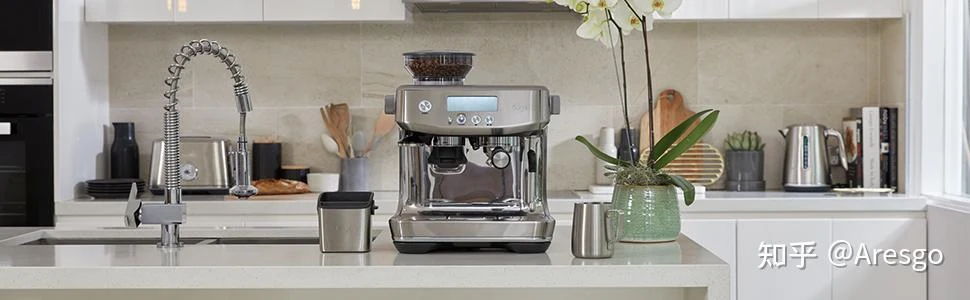
Around March last year, I saw a deal notification about a recent low price and decisively bought this Sage 878 semi-automatic espresso machine from German Amazon . I had originally planned to buy the WPM KD310, but after measuring the limited space on the cabinet where I keep my coffee equipment, I chose the Sage 878; its appearance was also much better, although I knew its output would not match the KD310.
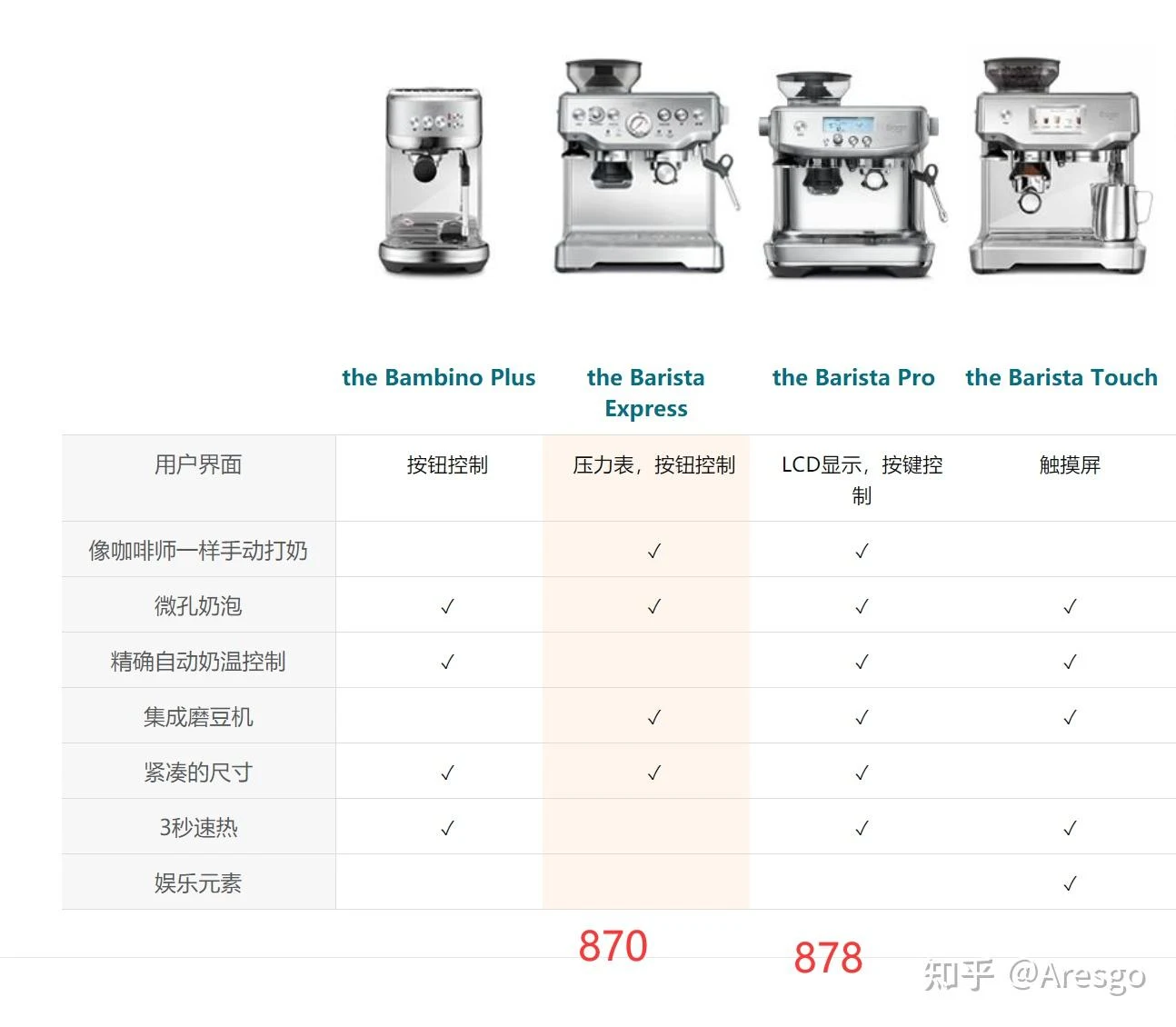
German Amazon order record: item subtotal ¥4,290.38; delivery ¥0.00; subtotal ¥4,290.38; promotional discount -¥171.62; estimated import duty ¥390.42; total ¥4,509.18. Recently I saw another deal notification and felt that the price had dropped a lot. Another relatively common model is the Sage 870, but overall it was not much cheaper, and the 878 had become much more discounted, so I still felt it was better to go directly for the 878 . Its main advantage is the rapid heating: it preheats successfully a few seconds after switching on and can then make coffee, which is a major advantage.
Unboxing and machine design
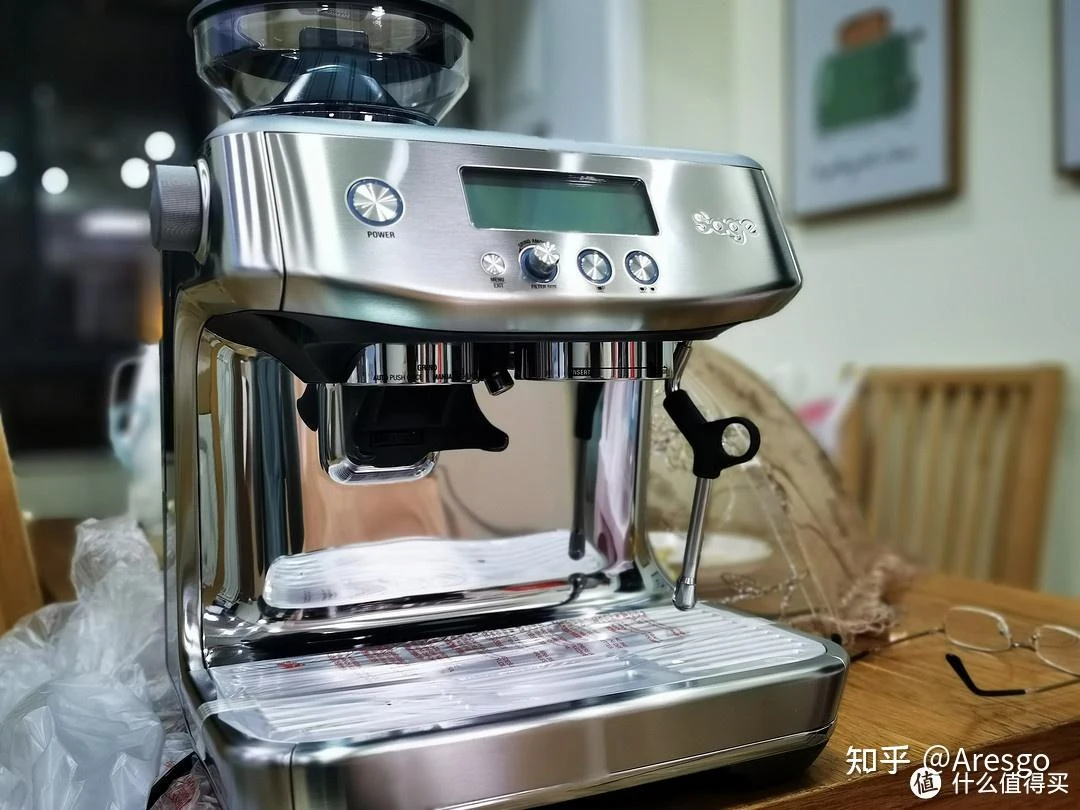
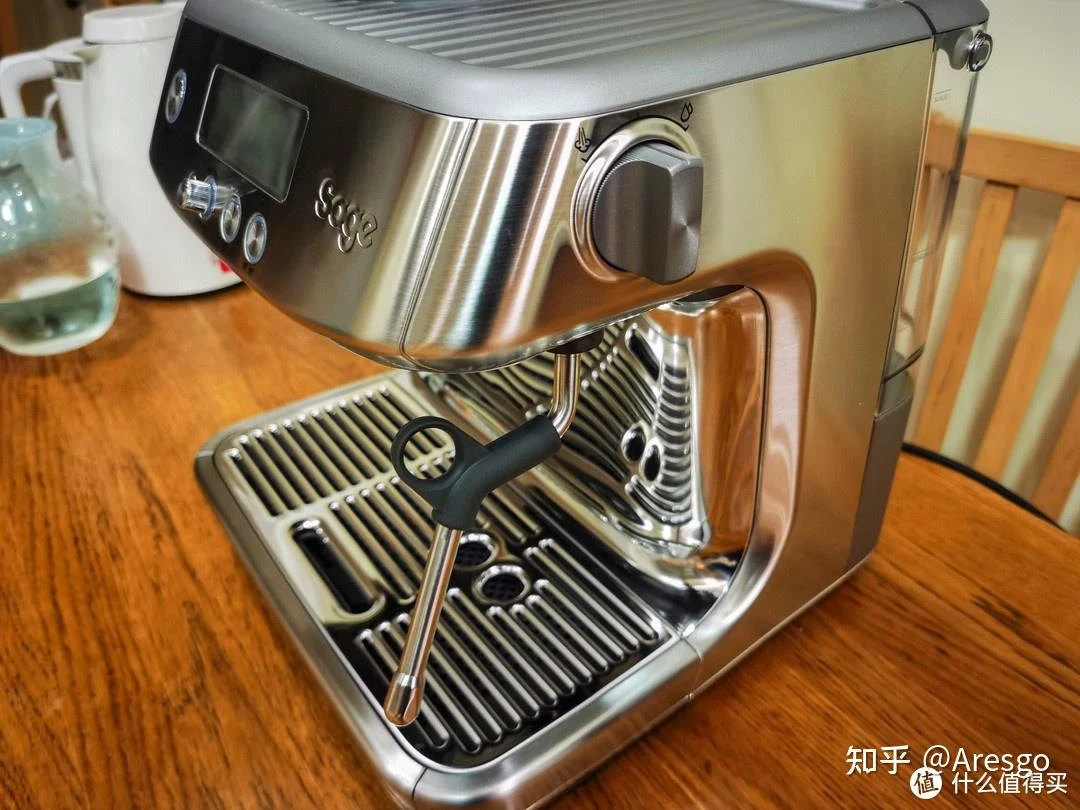
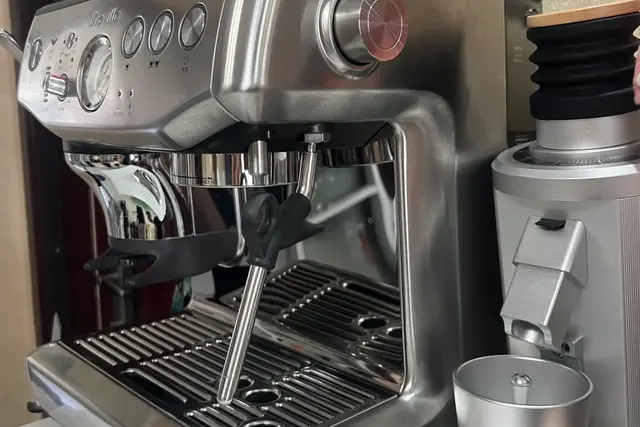
The Sage 878 itself is stainless steel in its natural finish . The material is very substantial and feels excellent ; on German Amazon, only silver and black were available. Australia seems to have red and white versions as well, so people who like those colors can look for them.
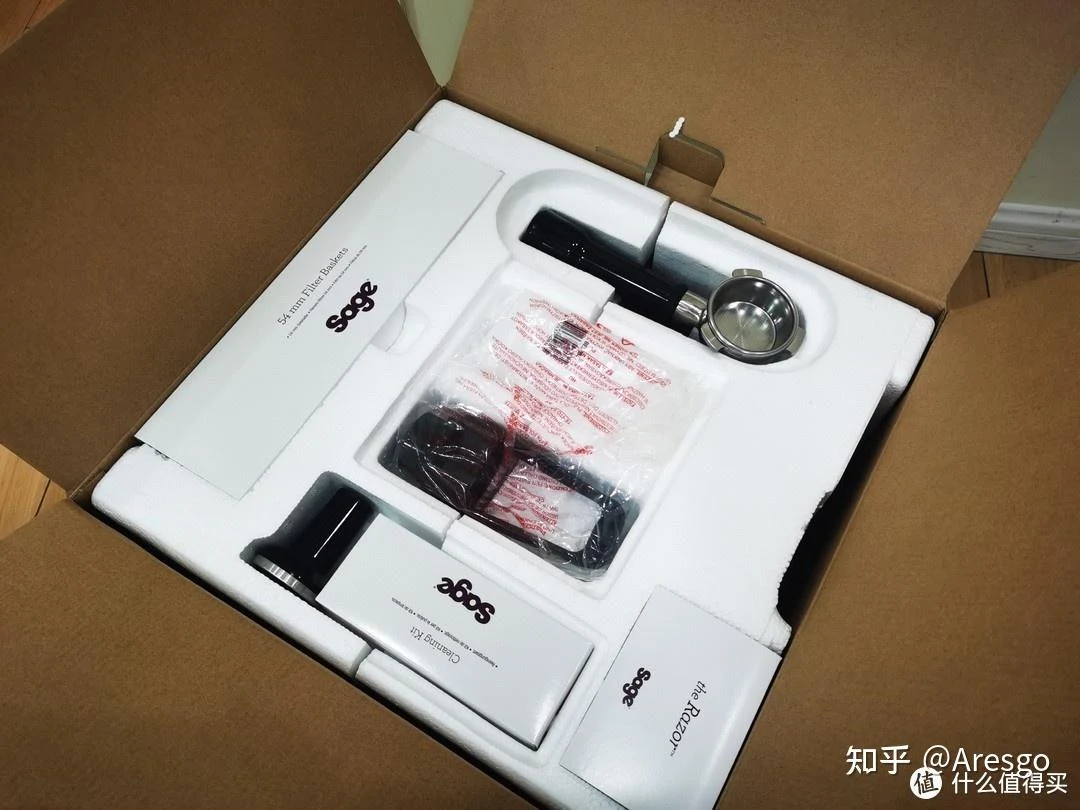
The complete accessory set is very comprehensive, and you can start making coffee as soon as it arrives: four filter baskets, including single, double and two pressurized baskets, a milk pitcher, brush, tamper, 53 mm portafilter and a large group of other accessories.
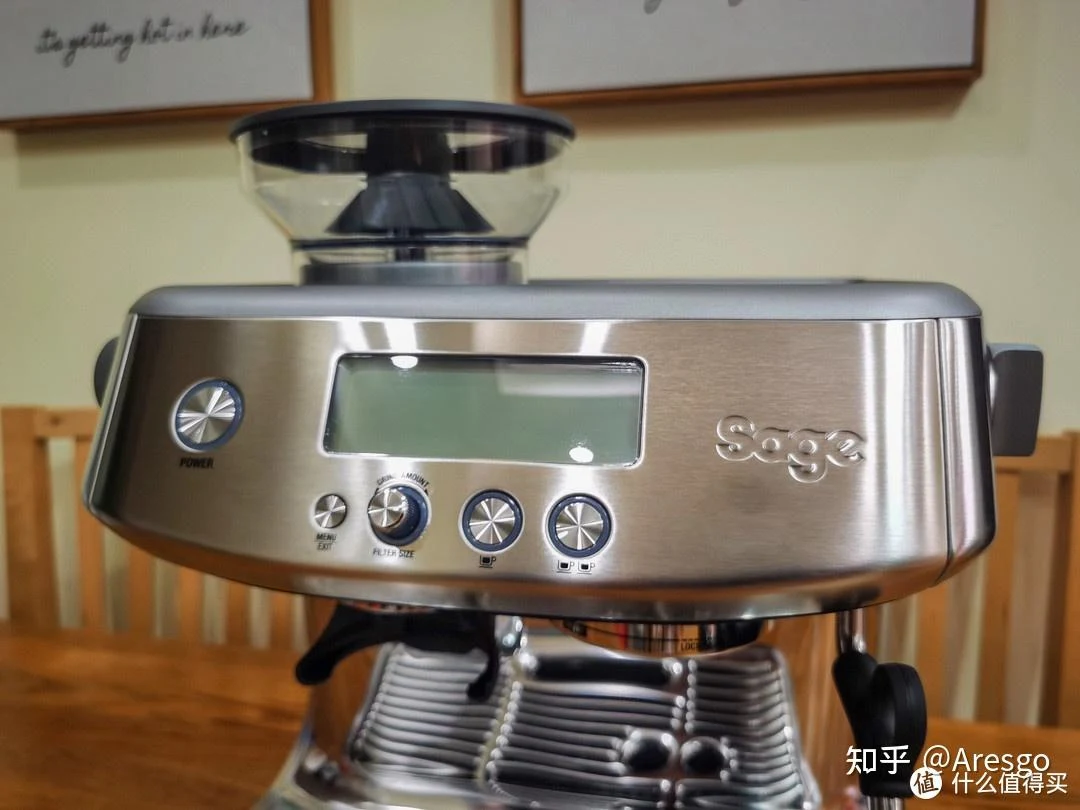
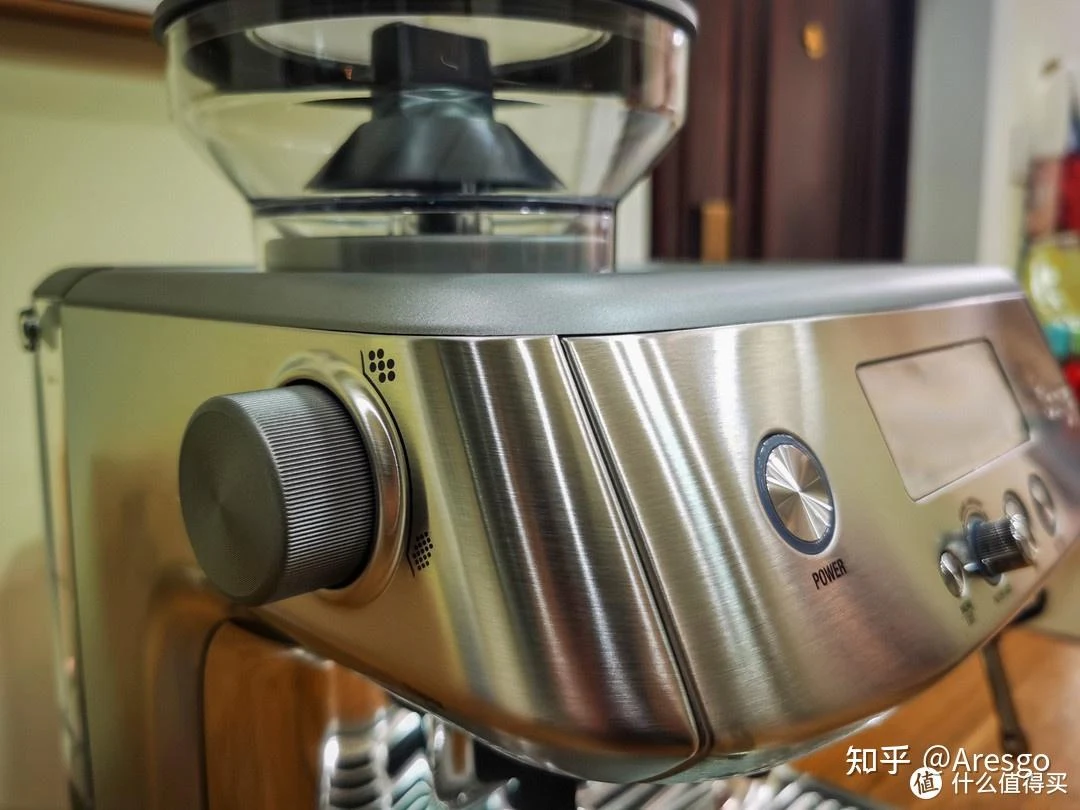
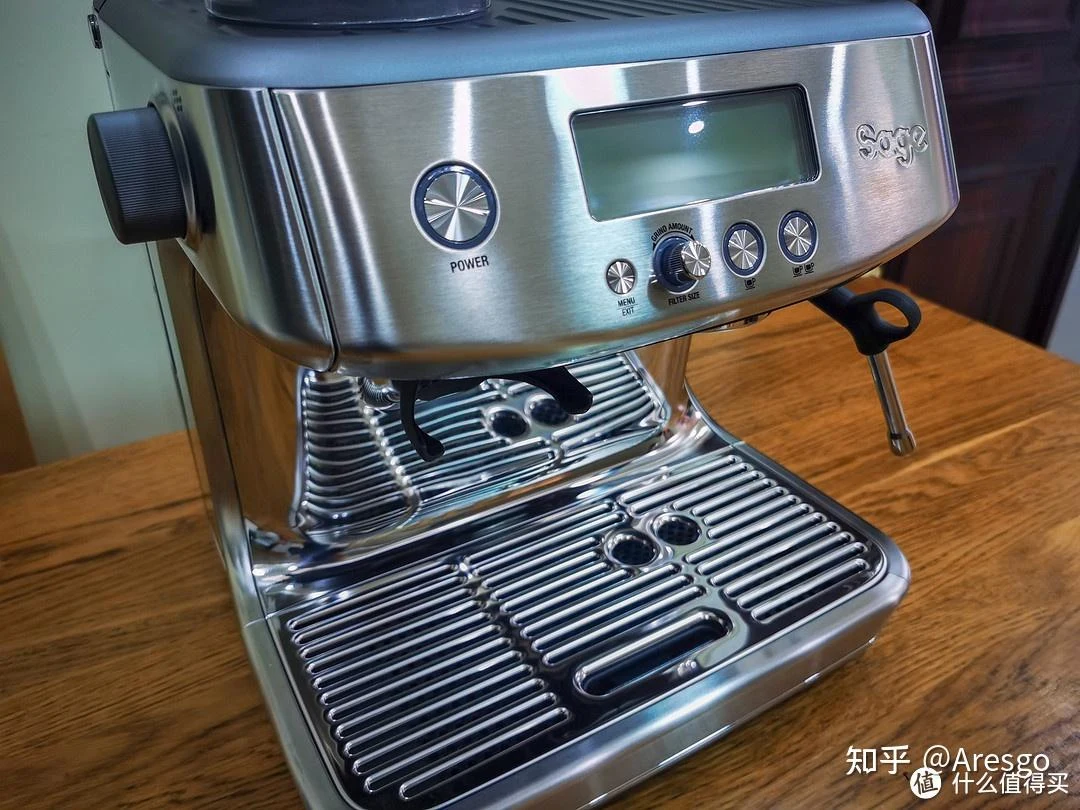
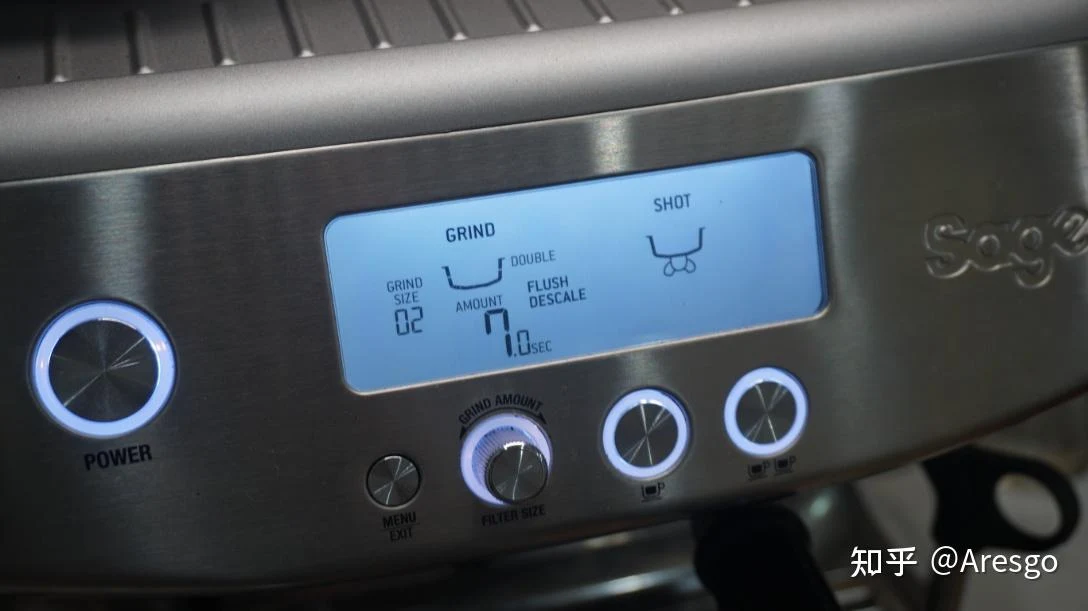
The Sage 878’s dials and buttons are very simple: power, menu, selection, and single- and double-shot buttons . The grind-size adjustment is on the left . The dial has moderate resistance, and I found that the correct grind setting depends greatly on the beans being used. I had to make several adjustments using both this grind-size dial and the grind-time dial on the front.
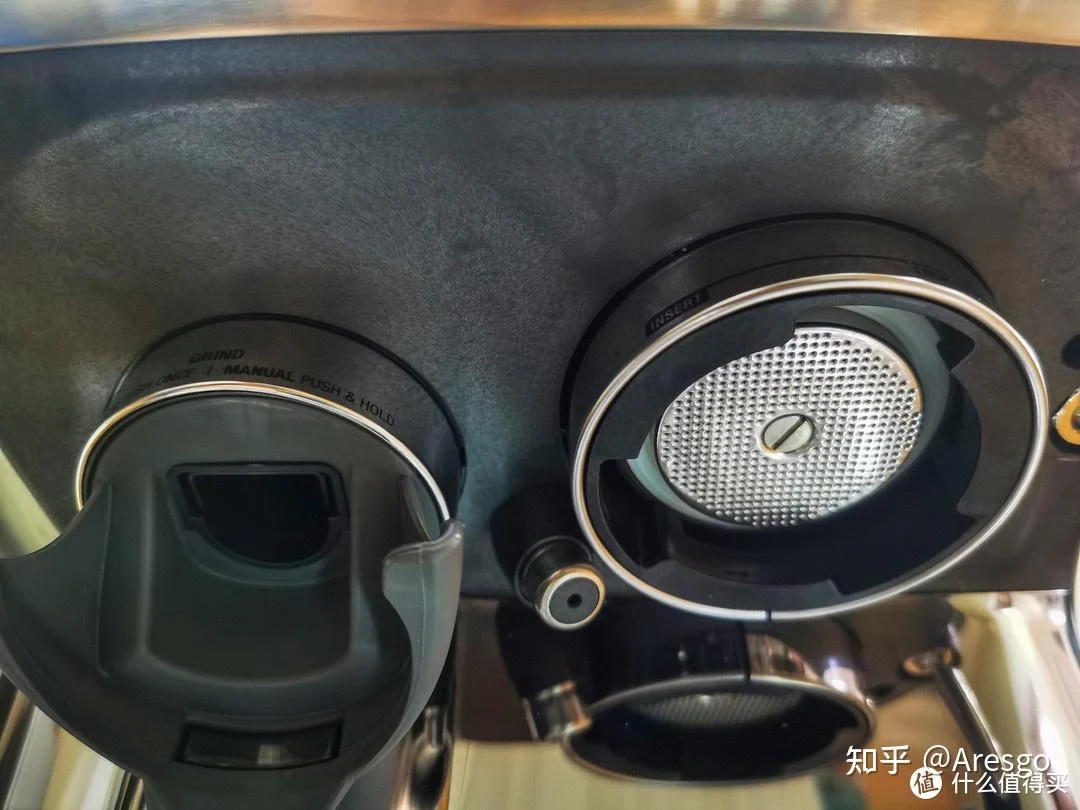
On the right is the water-control dial, with only two positions: turn it left for water and right for steam . The powder outlet is at the lower left and the liquid outlet at the lower right. A module at the outlet is pushed inward by the raised part of the portafilter to start grinding. It automatically grinds for the set time, and if I want to stop midway, I only need to press the portafilter against the module again, which is very convenient. The drip tray at the bottom has a large capacity. Excess coffee and the water and steam released after milk steaming all collect there. When I make coffee regularly, I empty the water every two or three days, rinse it under the tap and wipe it with a cloth; it is then clean.
Controls and functions
The interface is in English, but fortunately the controls are simple and easy to understand, so it should not be a problem .
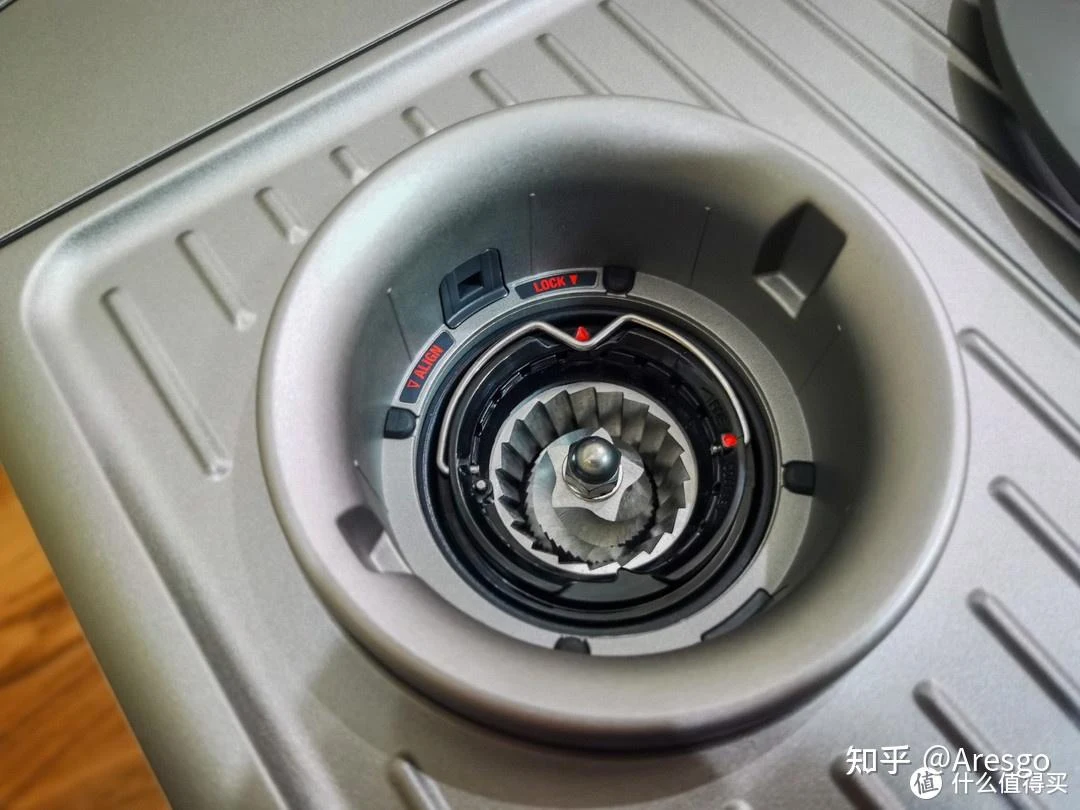
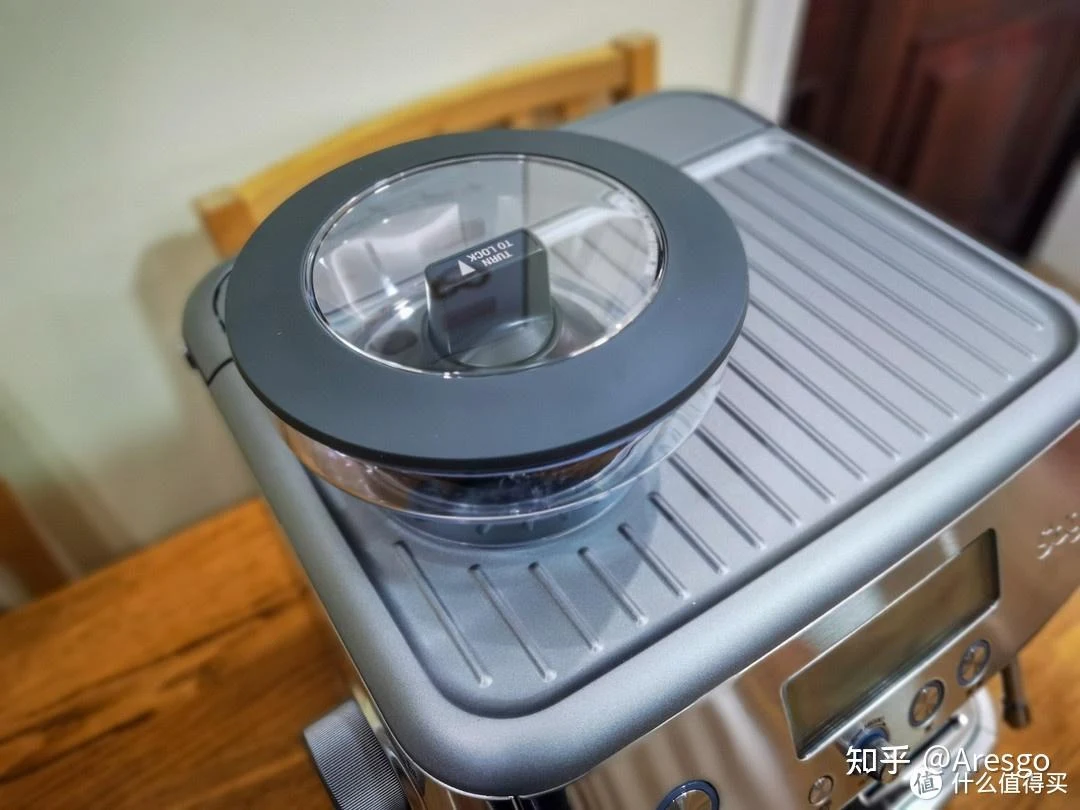
Bean hopper: In addition to the external grind-size dial on the left, the internal conical burr can also be adjusted, although I have not adjusted it yet . The bean hopper at the top is also very large. There is a silicone seal around the lid, giving it good sealing . I estimated that a 454 g bag of coffee beans lasted for roughly five or six hopper refills, although I did not measure this precisely.
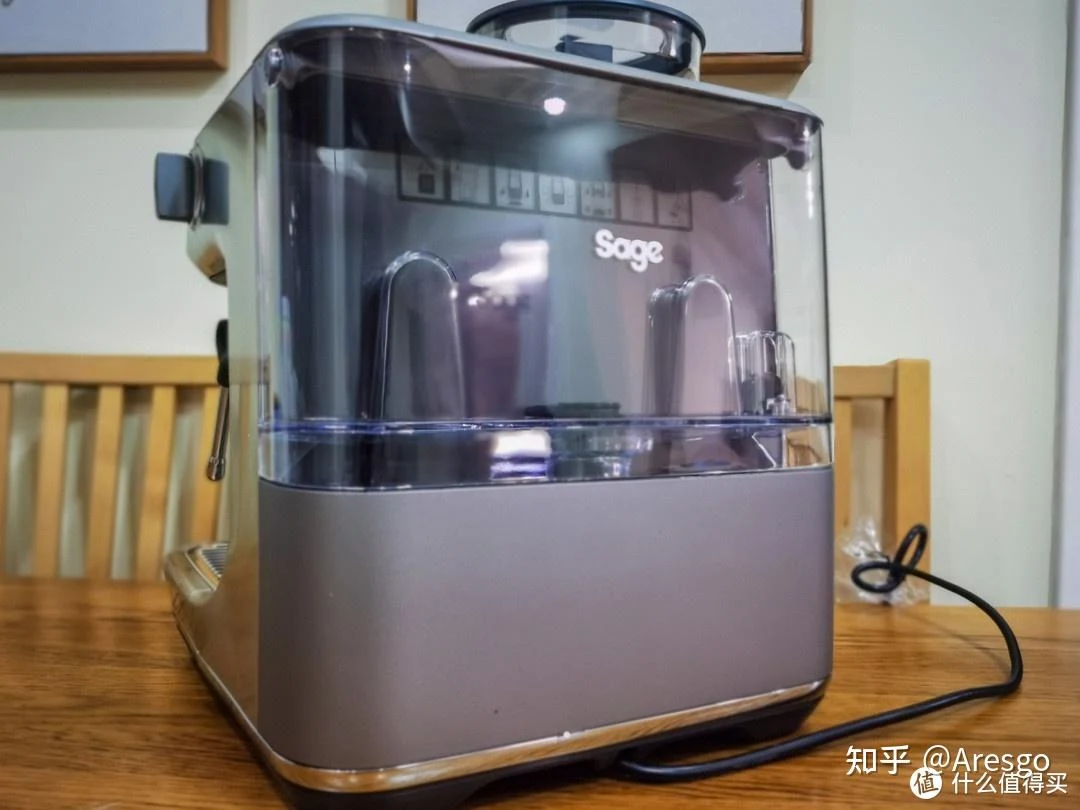
Water tank: The water tank is hidden at the back of the machine and is large enough . The machine includes a filter cartridge, mainly to deal with excessive impurities in the water, and it is a consumable. Because I use water filtered by a water purifier, I do not use the filter.
Accessories I bought
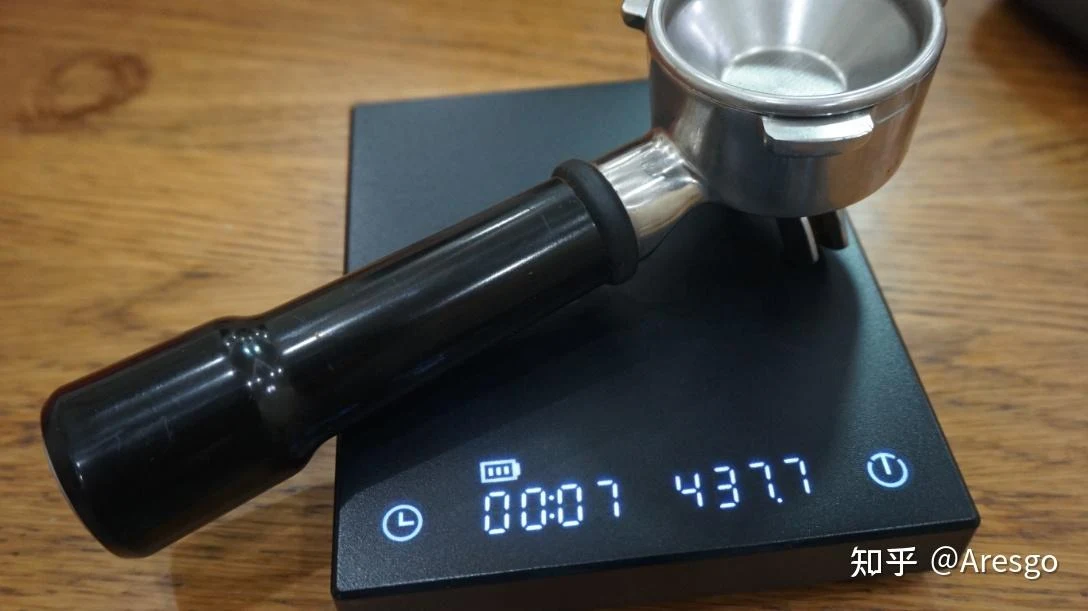
Digital scale: I originally used my wife’s baking scale, but later found that it was not precise enough for weighing small quantities. Since I also make pour-over coffee, I bought this Timemore digital scale with a timer . I mainly use it to control espresso output: when making a double espresso, I put the shot glass on the scale and switch off the machine when it shows 33–34 g; after the remaining coffee finishes flowing, the final amount is usually about 36 g.
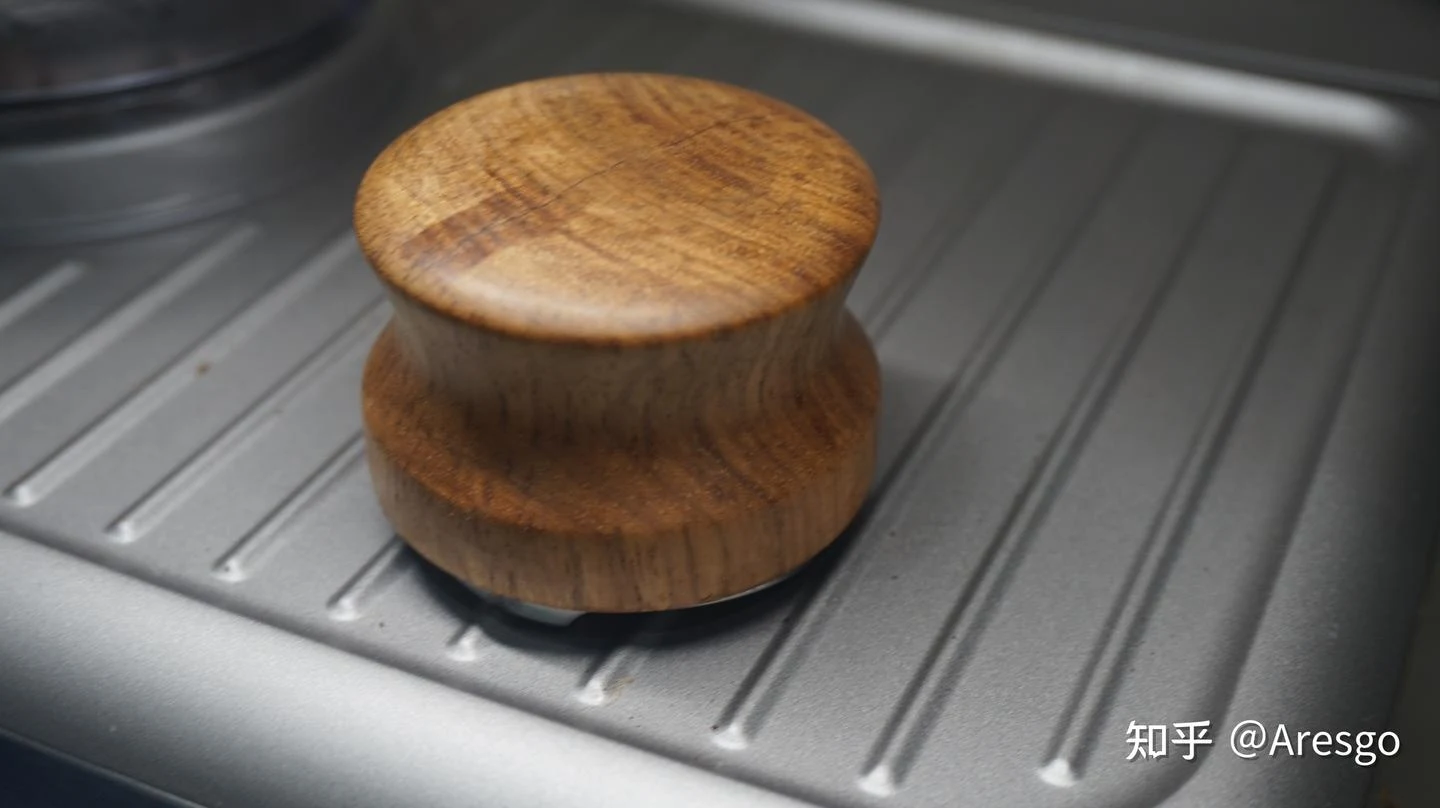
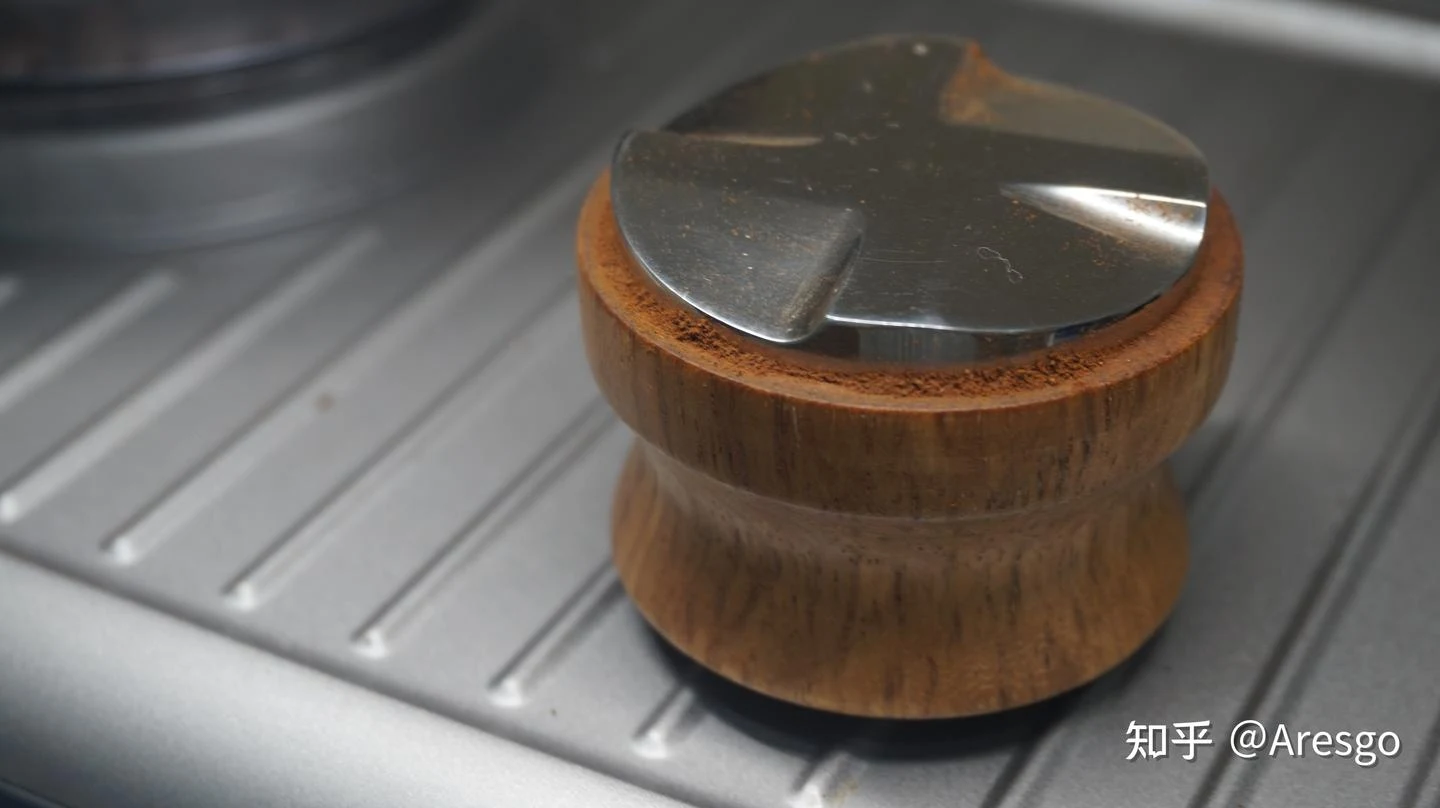
Distribution tool: I bought a four-pronged wooden coffee-distribution tool from a small Taobao shop for ¥68 . I am not clear about the exact differences between one-pronged, four-pronged and other types. They seem to be used to spread and level the coffee grounds evenly, so they should be much the same; it mainly depends on personal preference.
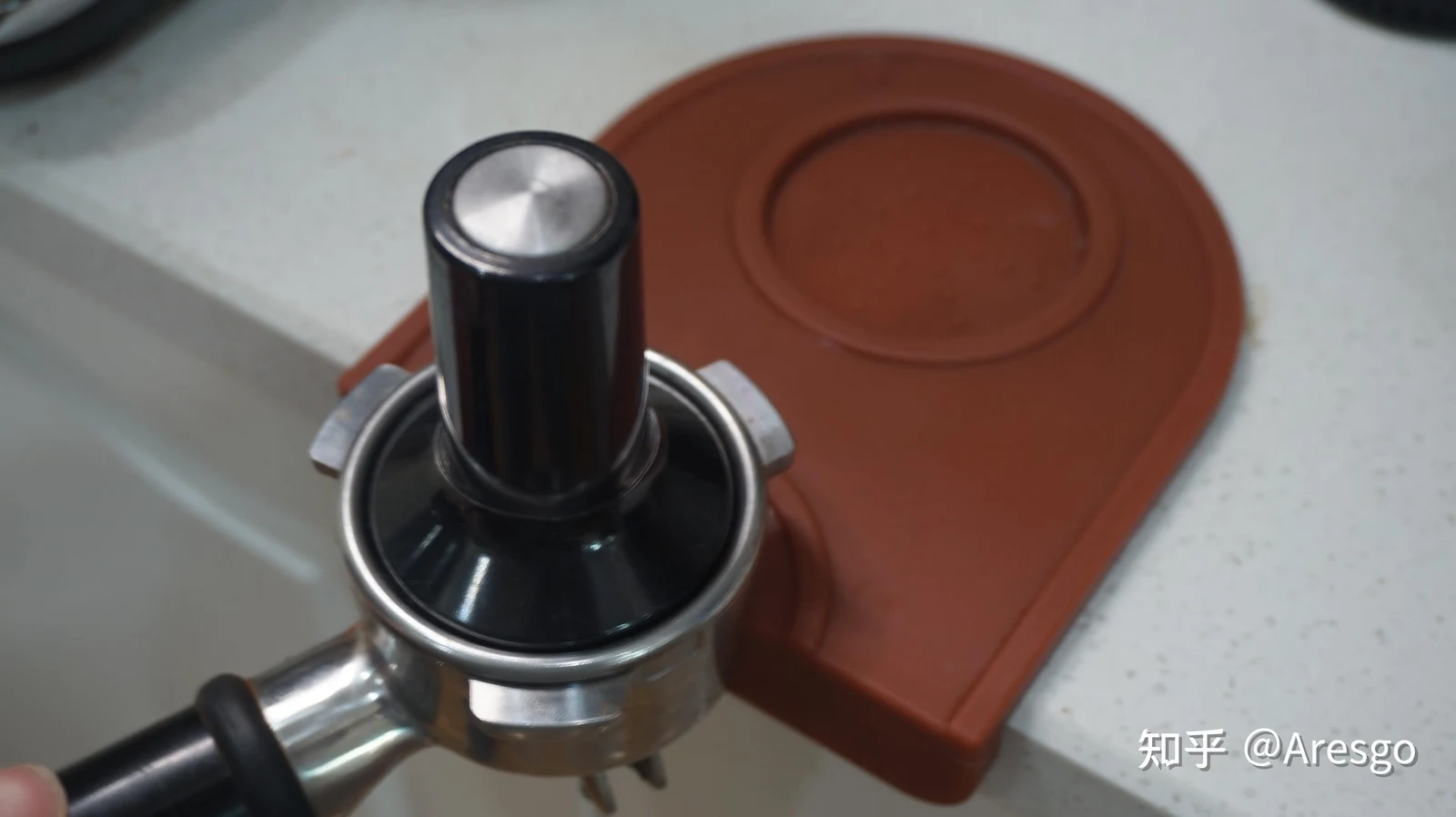
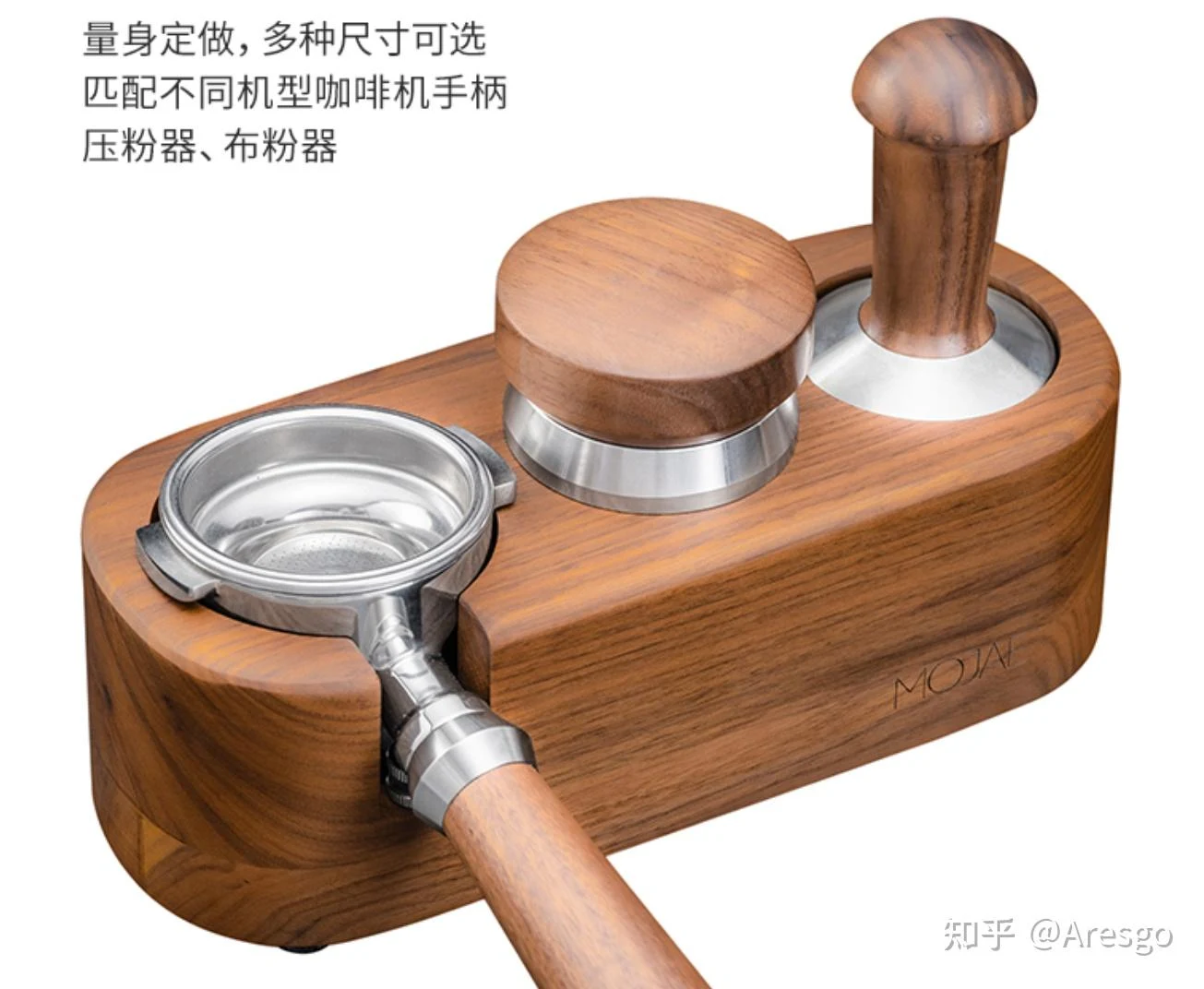
Tamping mat: I bought this rubber tamping mat from a small Taobao shop for ¥18 . It mainly adds a sense of ceremony. It also catches coffee grounds that spill out, and every few days I can rinse it under the tap and wipe it clean. There is also a more upscale wooden tamping stand that looks more premium and costs about ¥100, but I have not bought one yet .
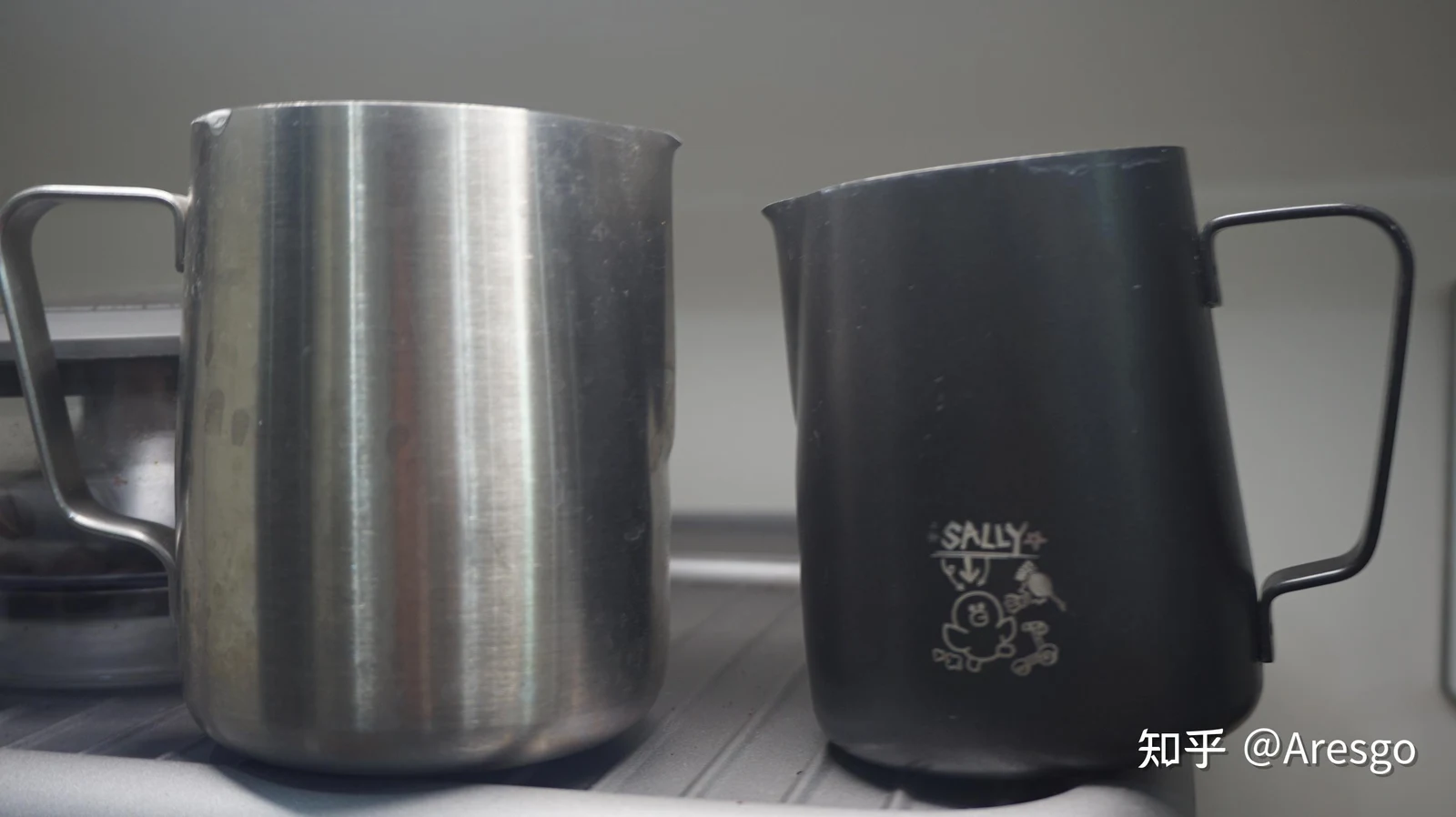
Milk pitchers: The pitcher on the left is the one supplied with the 878, and the one on the right was bought separately . The Sage 878’s supplied milk pitcher is about 450 ml, and I usually use it for latte art with a double espresso for myself. The black one on the right cost a little over ¥30 from a Taobao shop and holds 350 ml. Its advantages are the measurement markings inside and the option to customize an engraving on the outside. I also saw a temperature-display milk pitcher available through the official overseas store, but it was a little expensive. I control the temperature by touch.
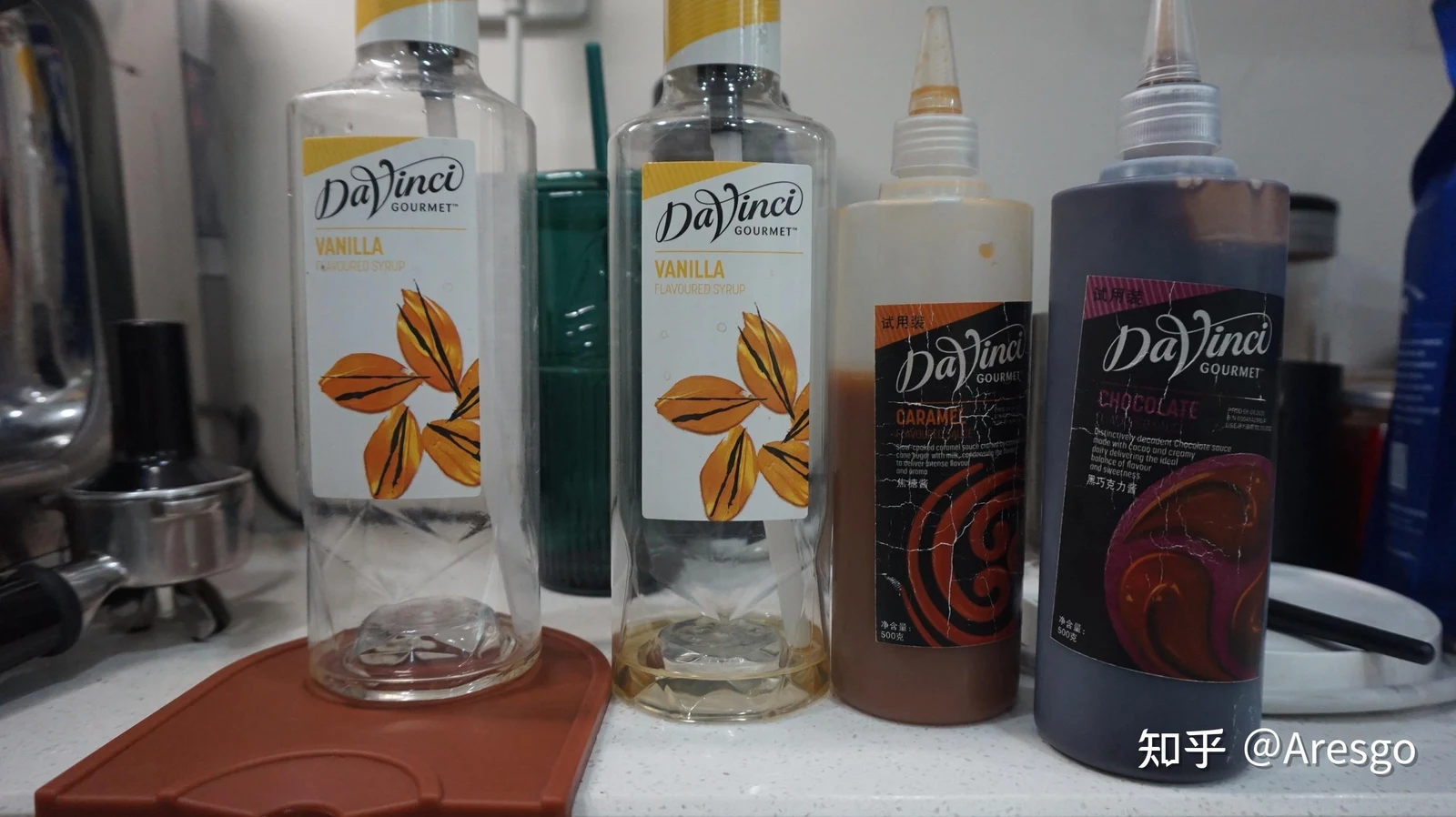
Syrups: I bought vanilla syrup for making milk coffee . It comes with a pump, and pressing it a few times gives the feeling of making coffee in a café. DaVinci seems to be a supplier of ingredients for coffee shops such as Starbucks? The two caramel and chocolate sauces on the right are sample portions, which are very suitable for home use.
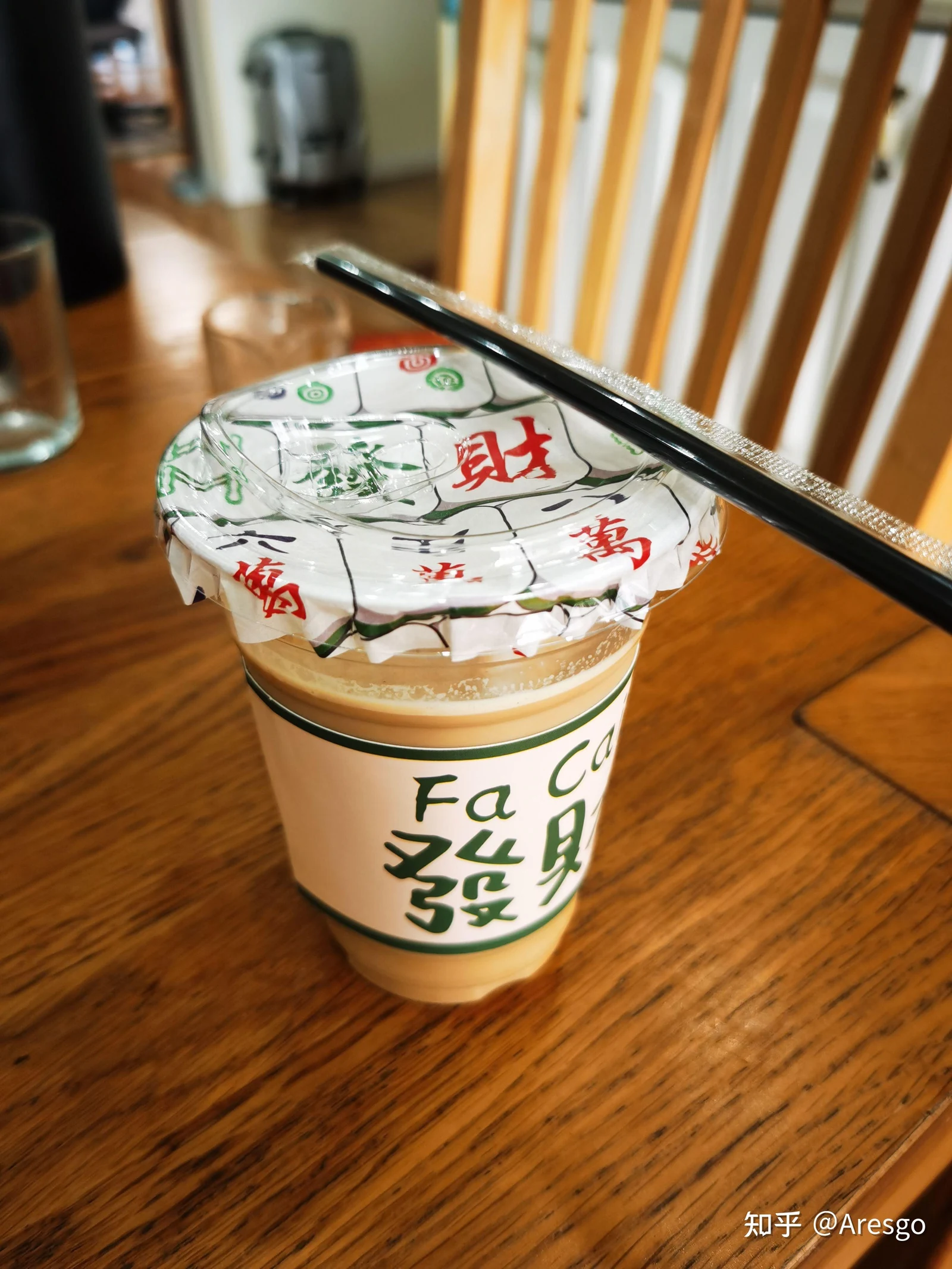
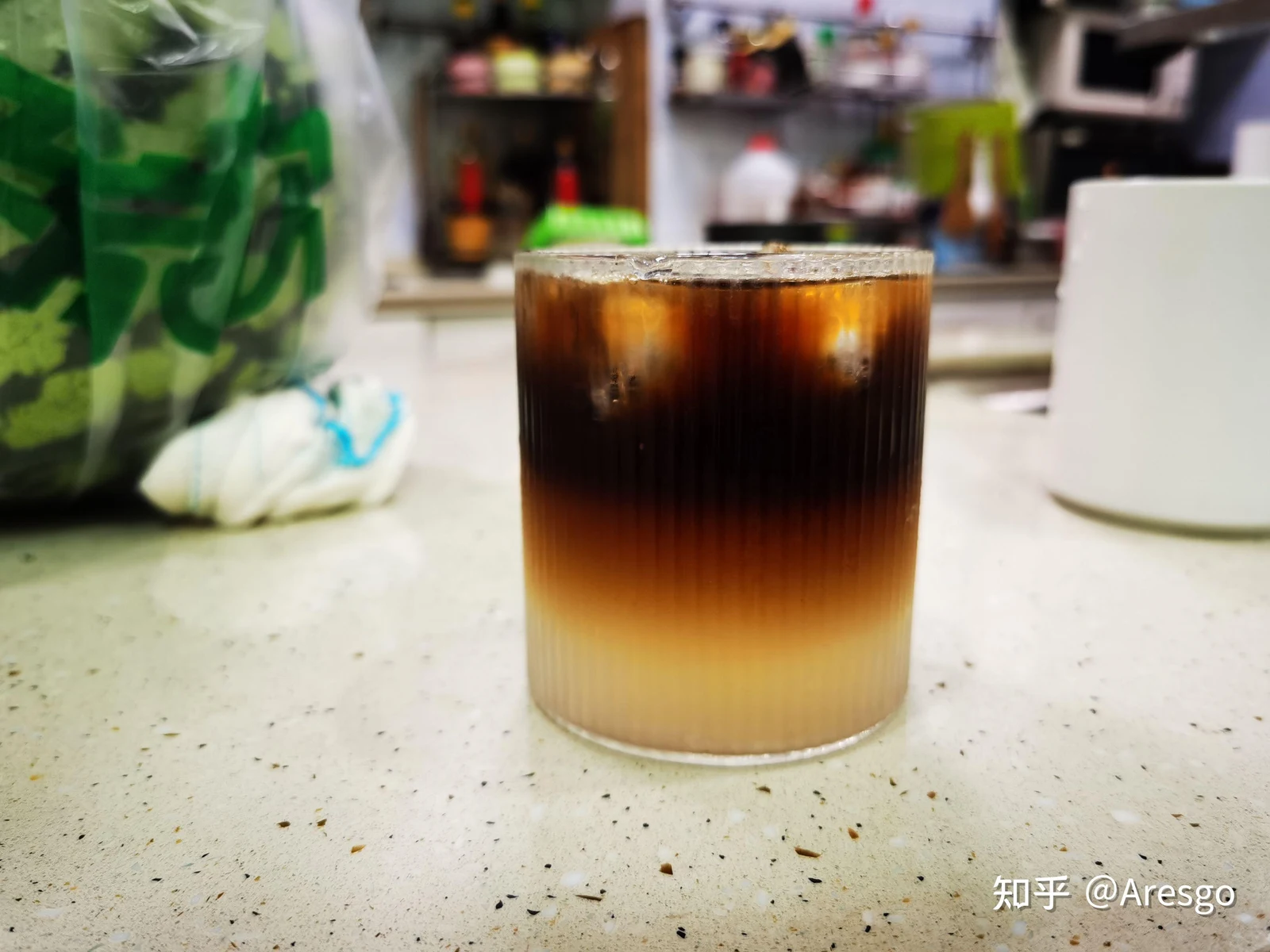
Travel cups: In summer, I make an iced coffee to take out . A pack of 100 transparent disposable plastic cups costs about ¥60; with cup sleeves and sealing paper, the total is about ¥100. One pack lasts a long time. Once, I took a cup to an evening meeting, and my colleagues all asked where I had opened a new coffee shop because they had never seen the packaging.
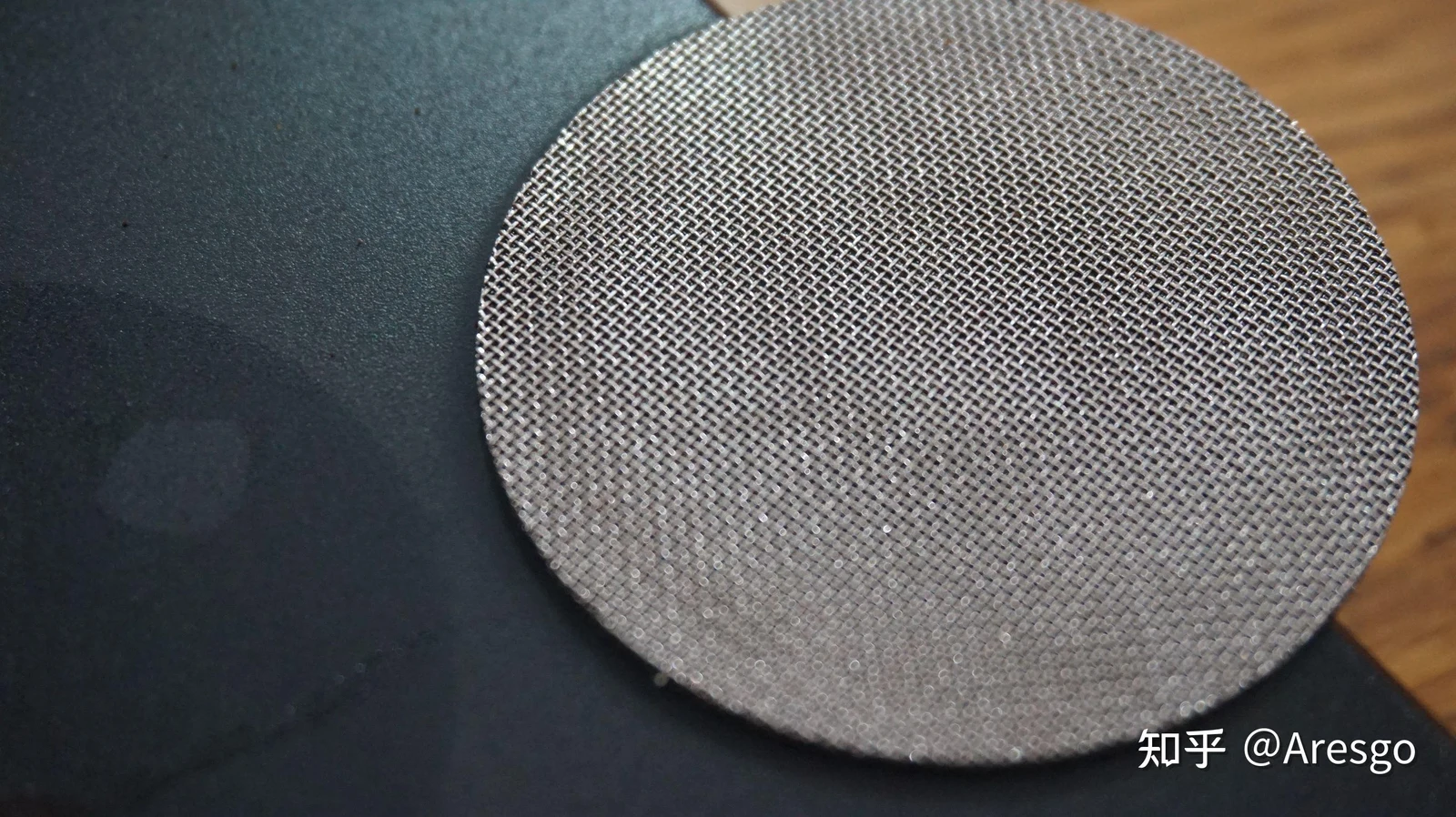
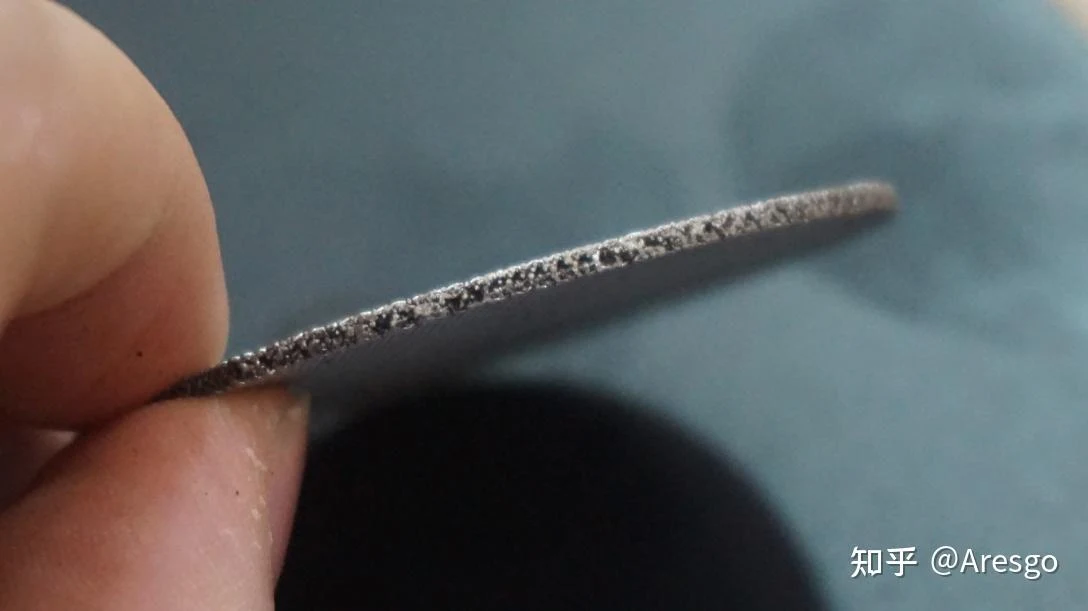
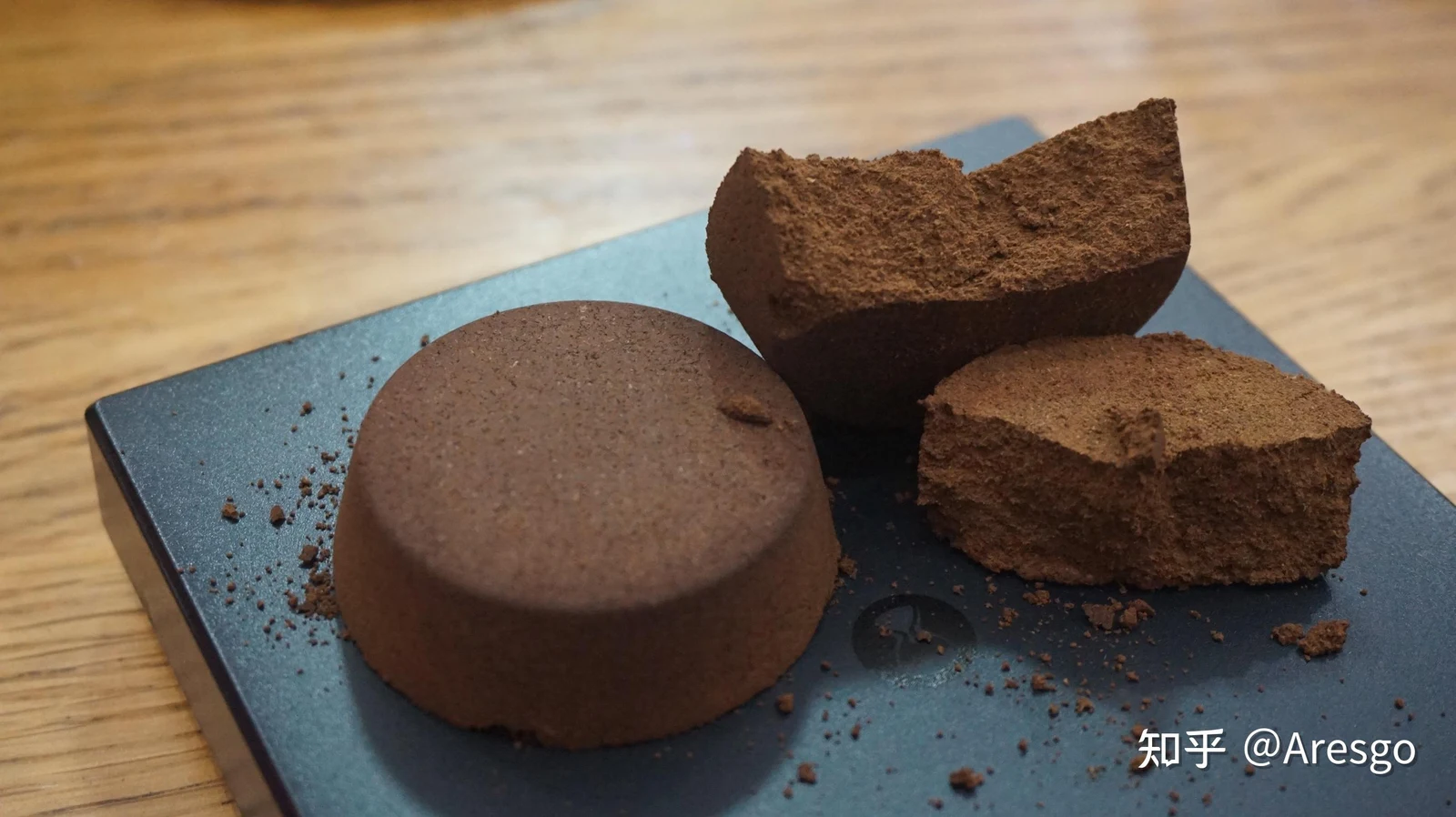
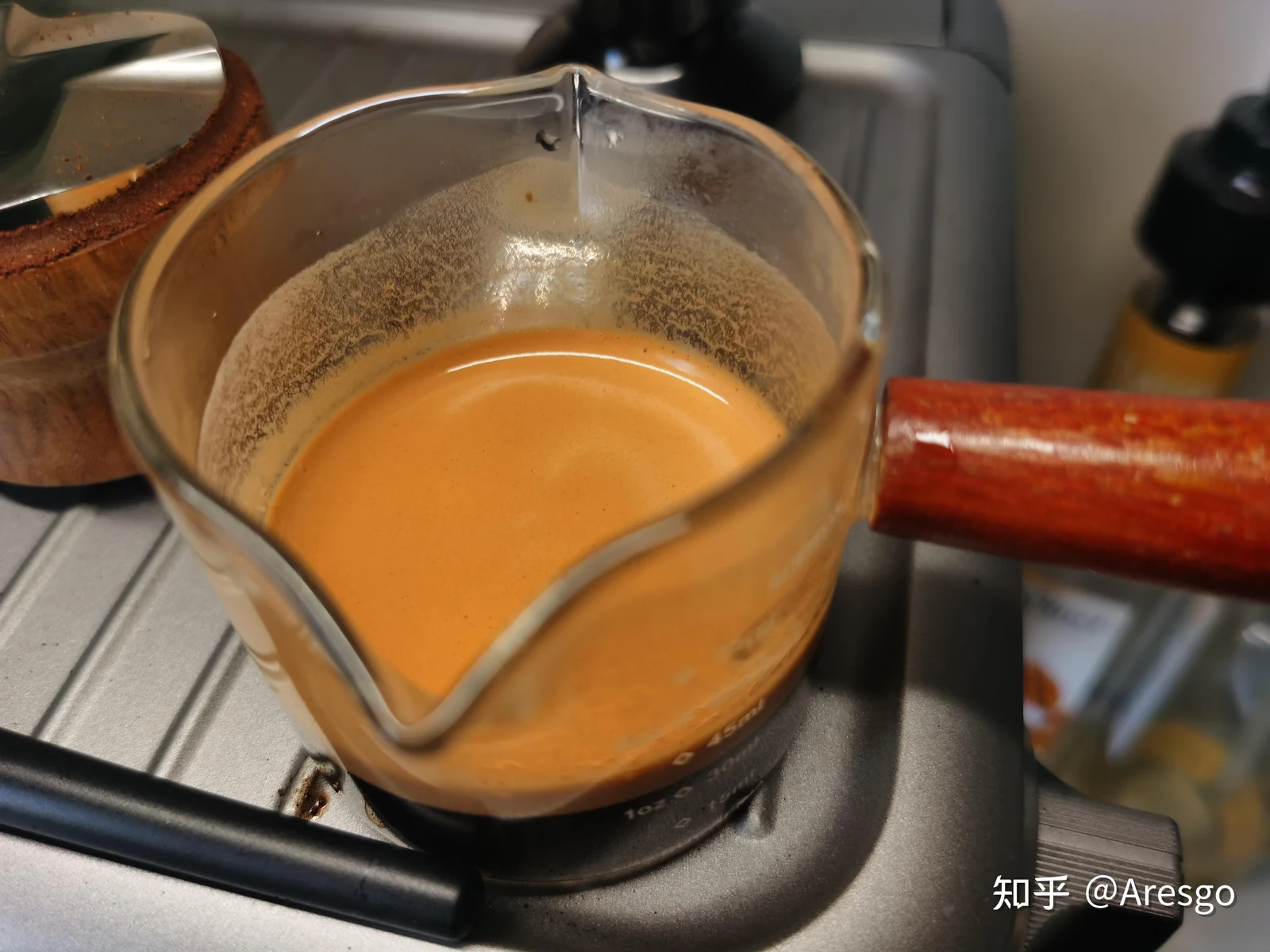
Puck screen: Personally, I feel this is very critical for making coffee at home . I happened to see someone recommend it on Bilibili. At the beginning, I often experienced channeling: the water broke through the coffee bed, causing water to run directly through channels into the cup. The espresso might appear to have reached the target yield, but the coffee was not fully extracted. After buying one on Bilibili, I was extremely impressed: channeling was no longer visible, extraction was very even, and the spent puck was cleanly and evenly extracted . The puck screen further diffuses the water stream across the grounds. I feel this small puck screen can greatly improve coffee quality.
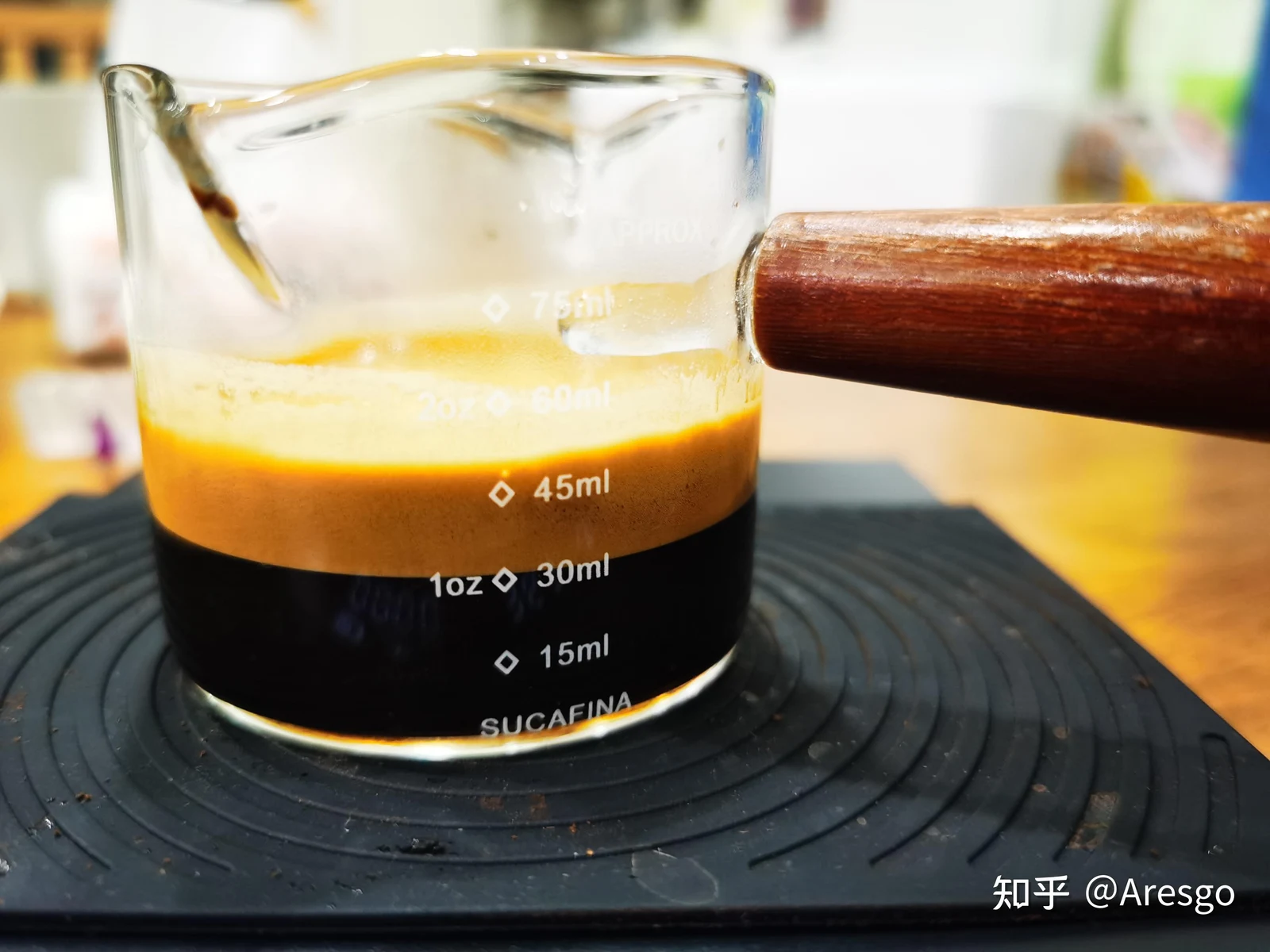
Graduated shot glass: This is a cheap little cup, mainly for adding a sense of ceremony . The middle area of the Sage 878 is not very large, and because I put a digital scale under the cup, a larger mug sometimes does not fit. I first collect the espresso in this shot glass and then transfer it to a larger cup.
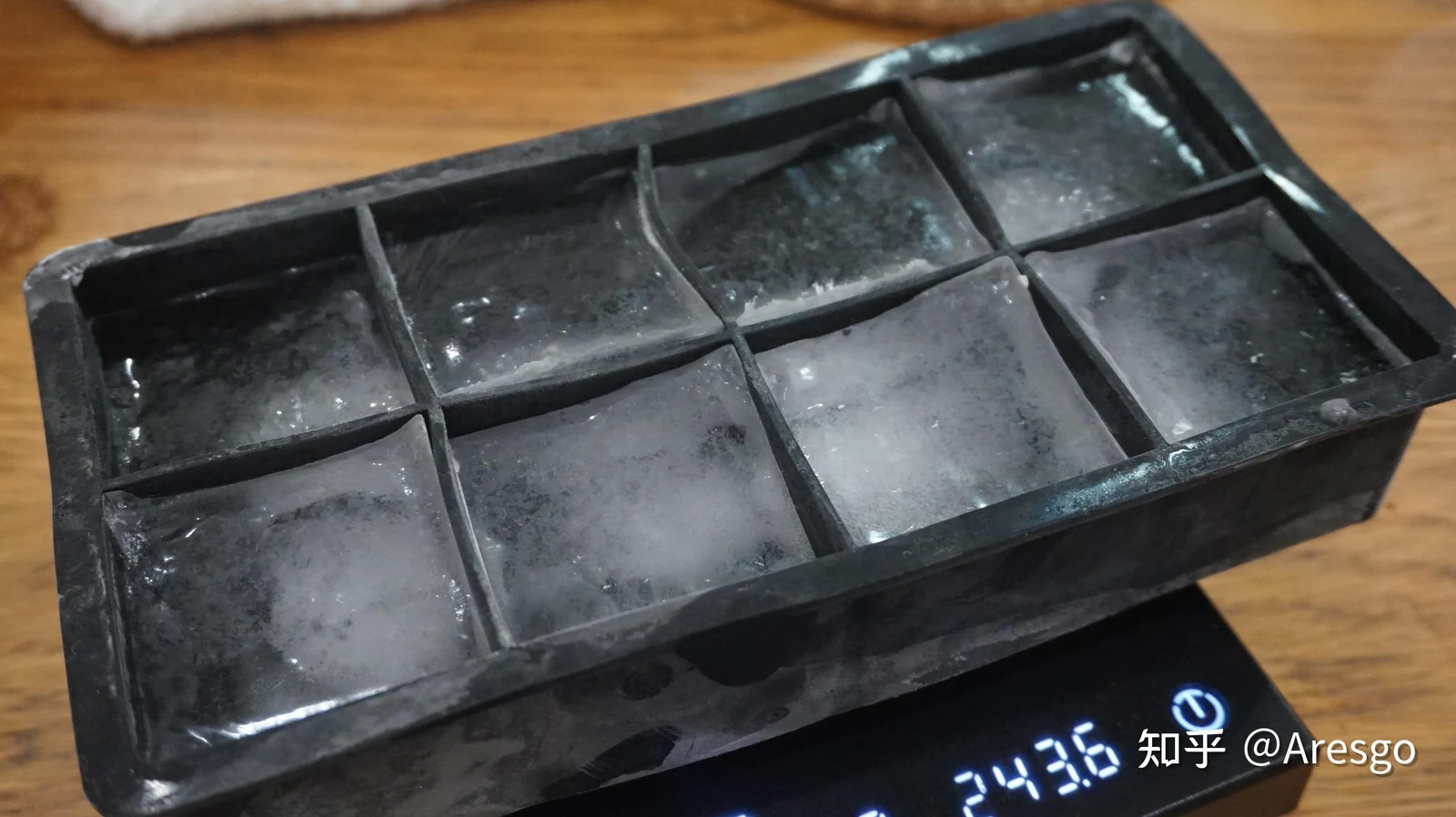
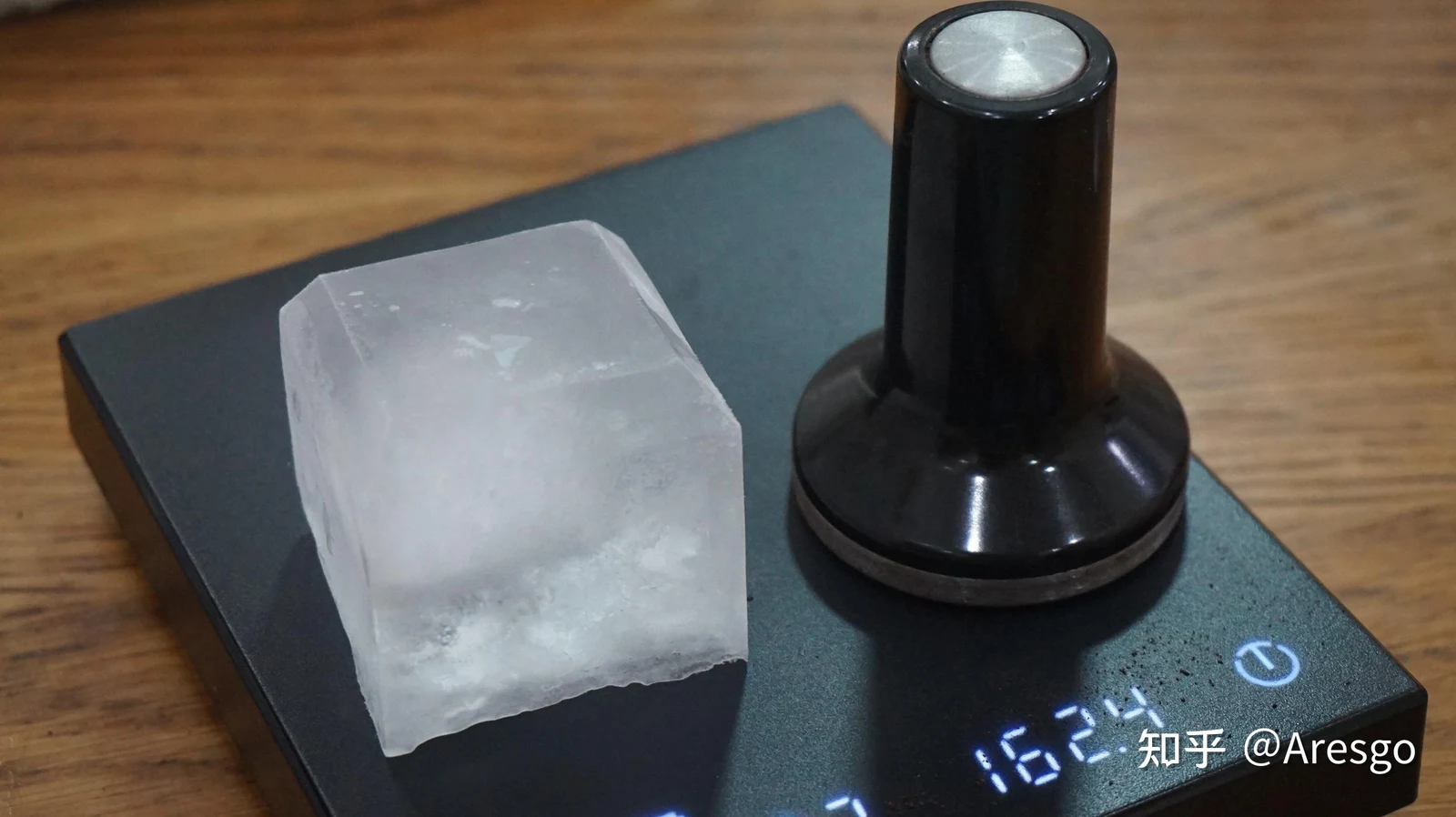
Large ice cube tray: The ice cubes from the refrigerator’s built-in tray are very small and melt quickly, making iced coffee taste diluted. I found these large silicone ice cube molds . Each cube is approximately 5 × 5 × 5 cm . One cube in a cup barely melts by the time I finish drinking, and the soft silicone makes it easy to pop out.
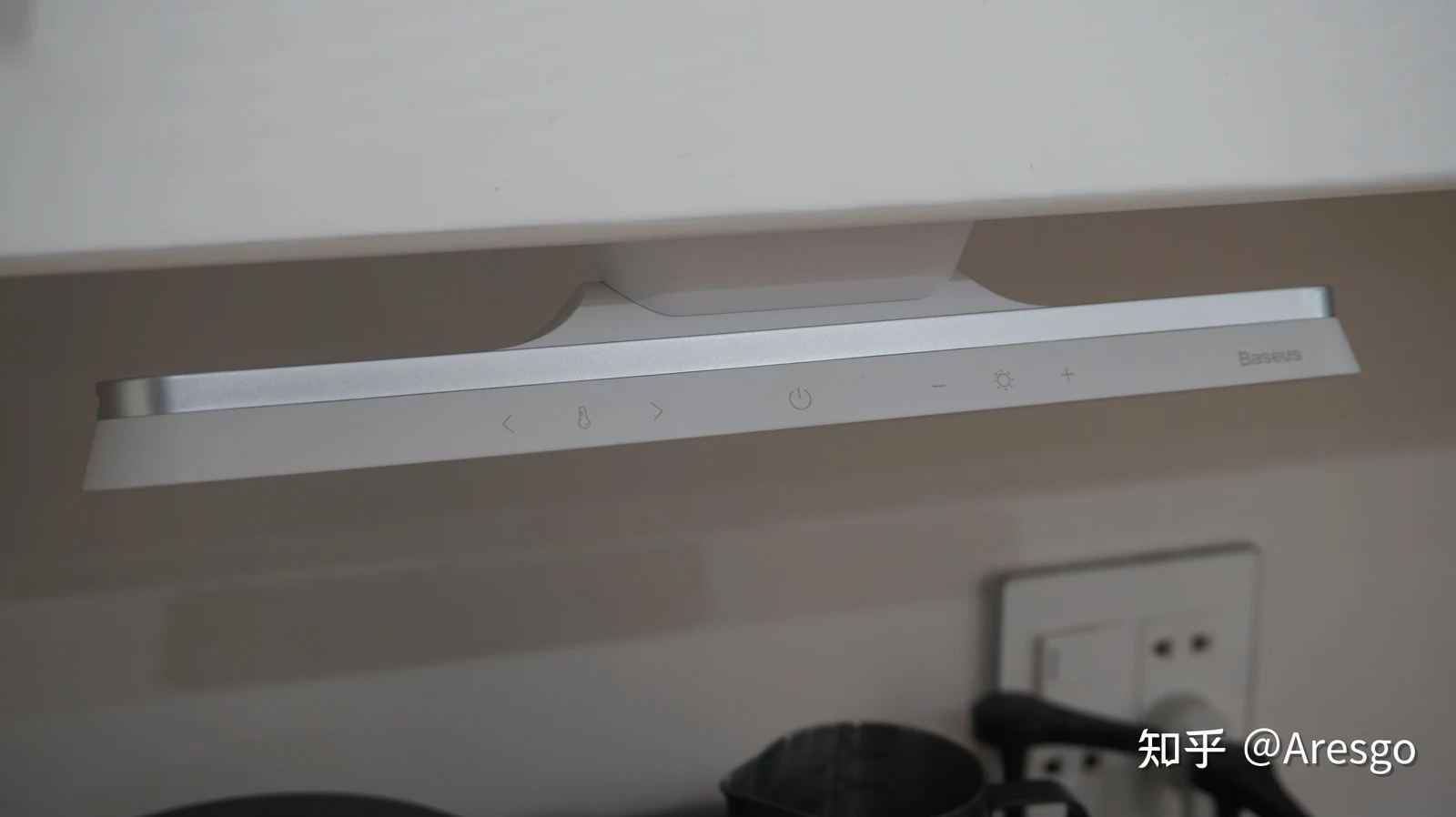
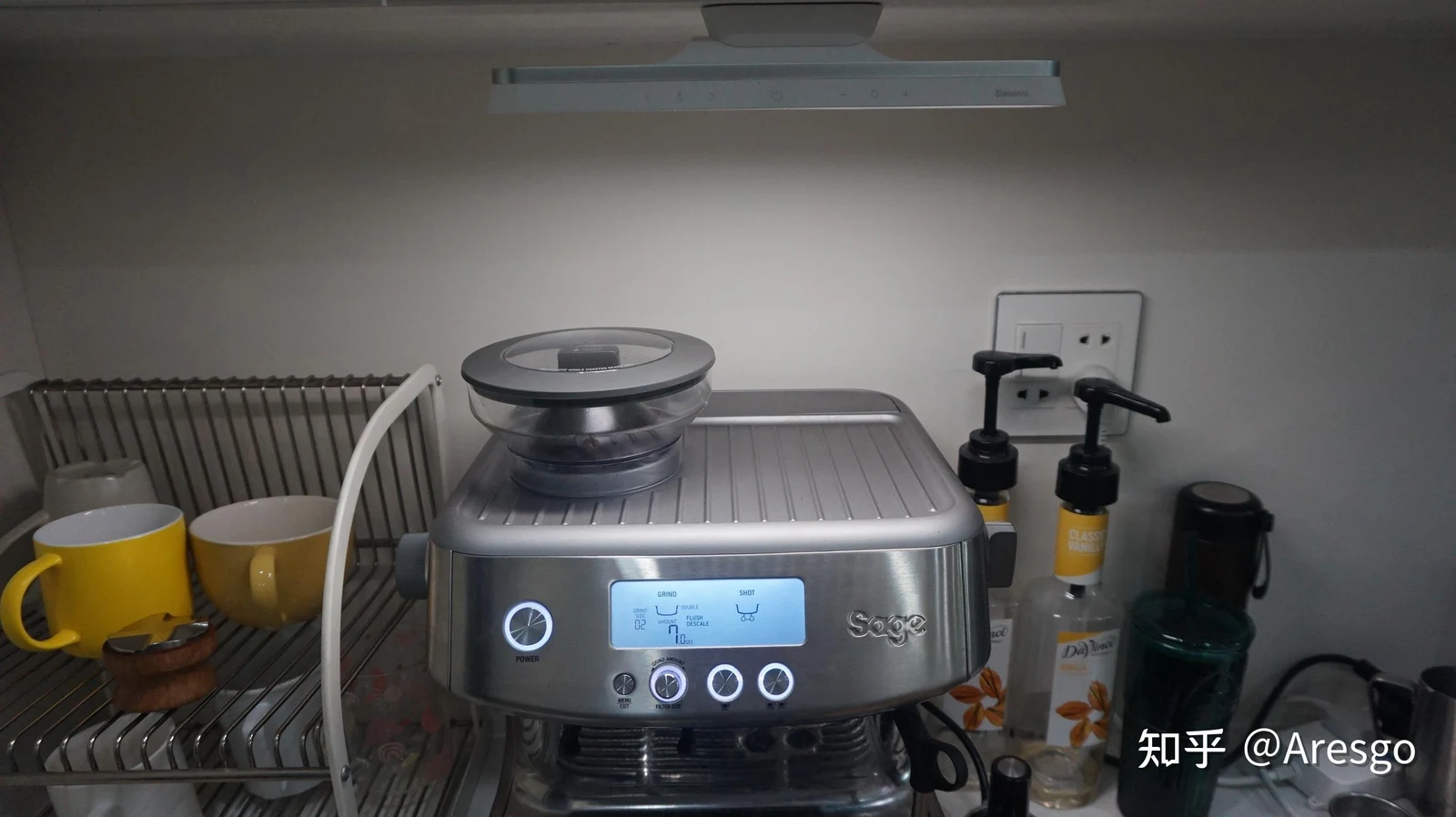
Ambient light: A wall cabinet above the coffee machine blocked ceiling light, making the coffee corner too dark . I did not want extra cables everywhere, so I found a wireless-charging magnetic light bar . One charge lasts a long time, and the color temperature and brightness can both be adjusted.
Coffee beans and drink recipes
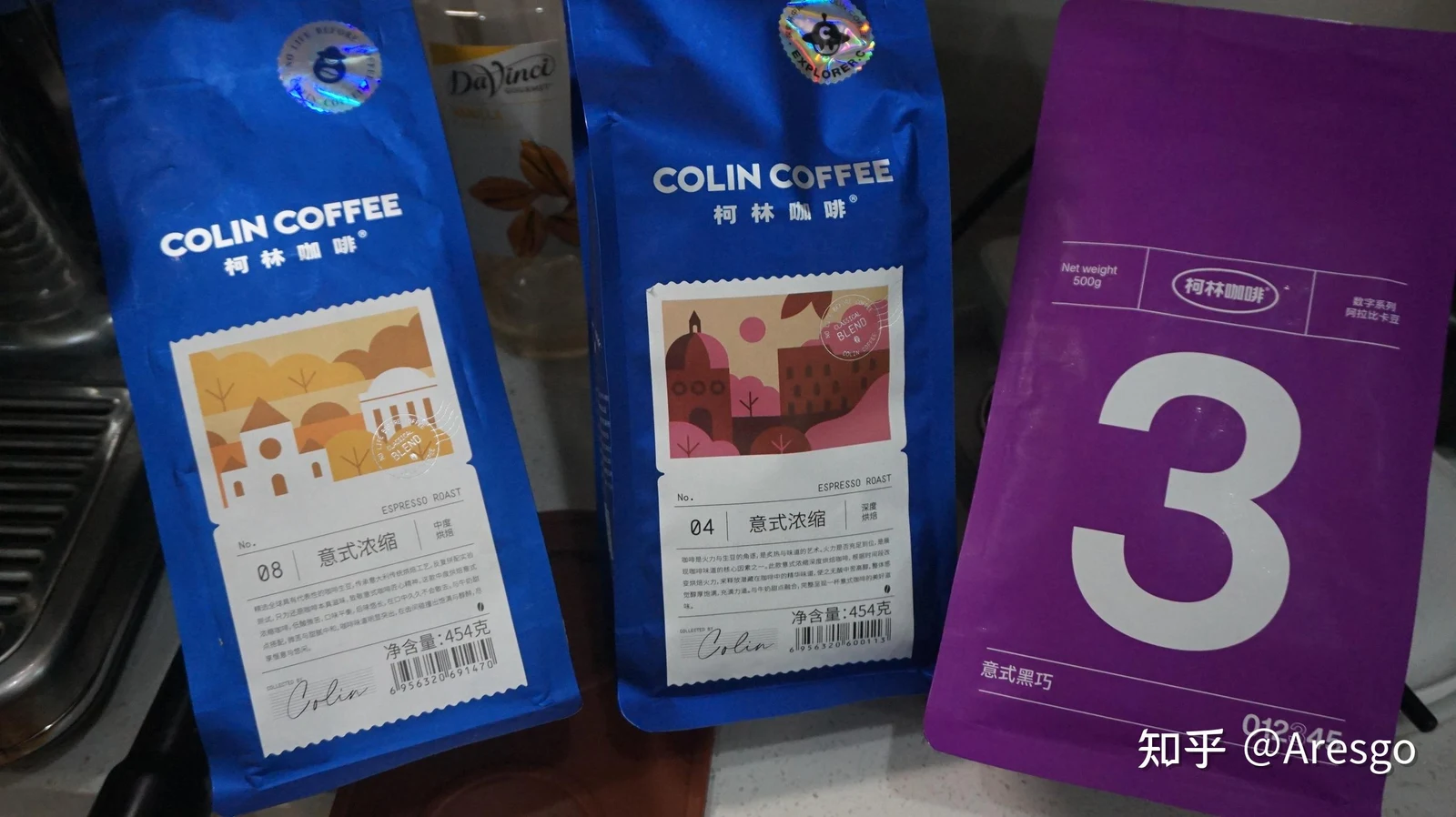
Coffee beans: At first I bought Xinlu Coffee beans, which offered a large quantity at a low price. Later, during Double 11, I tried all the varieties of Kelin coffee beans . Kelin’s espresso beans are very good, so I now use them for espresso on the Sage 878. Kelin’s Americano beans are kept at work in the De’Longhi 22.110.
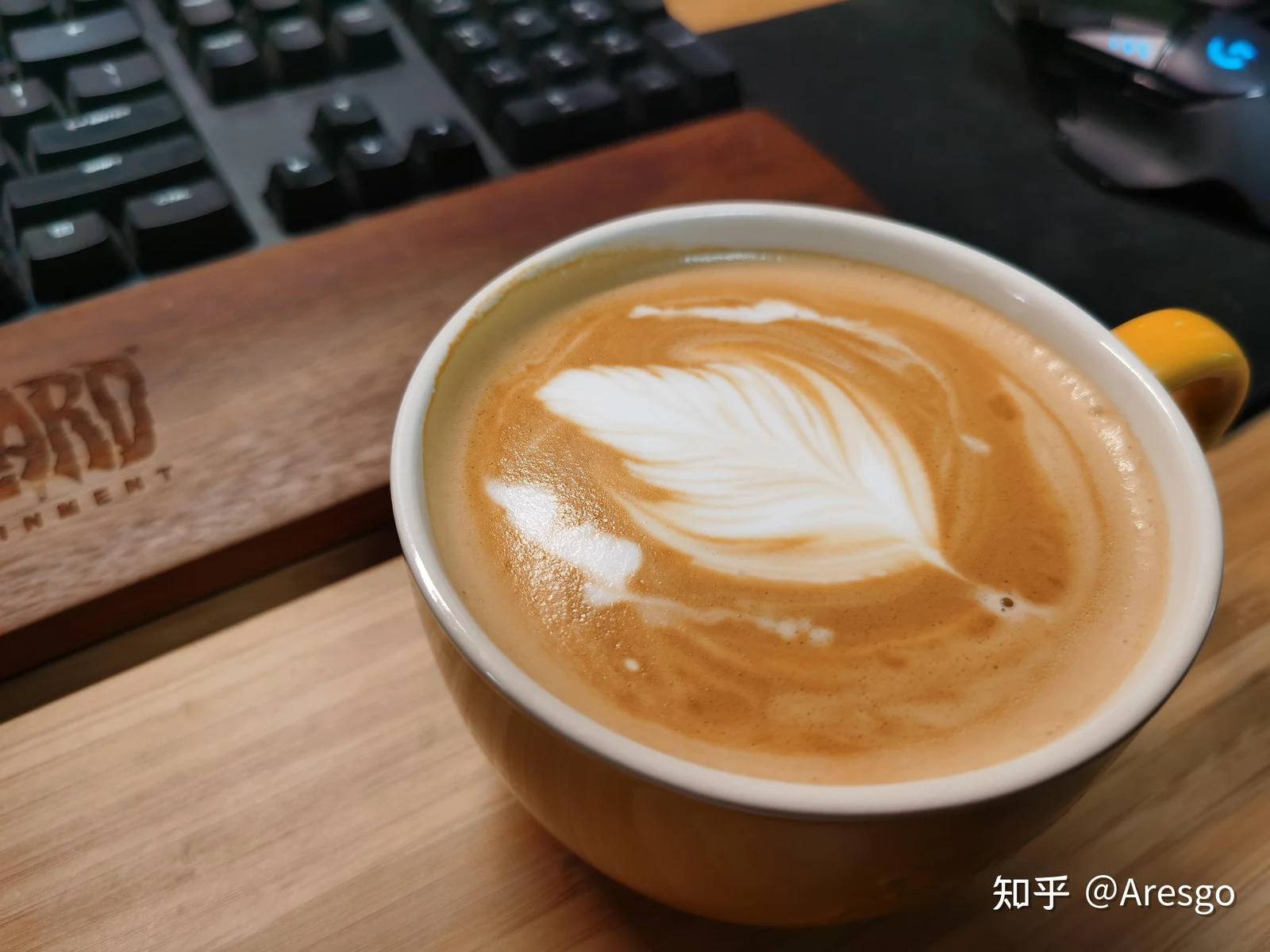
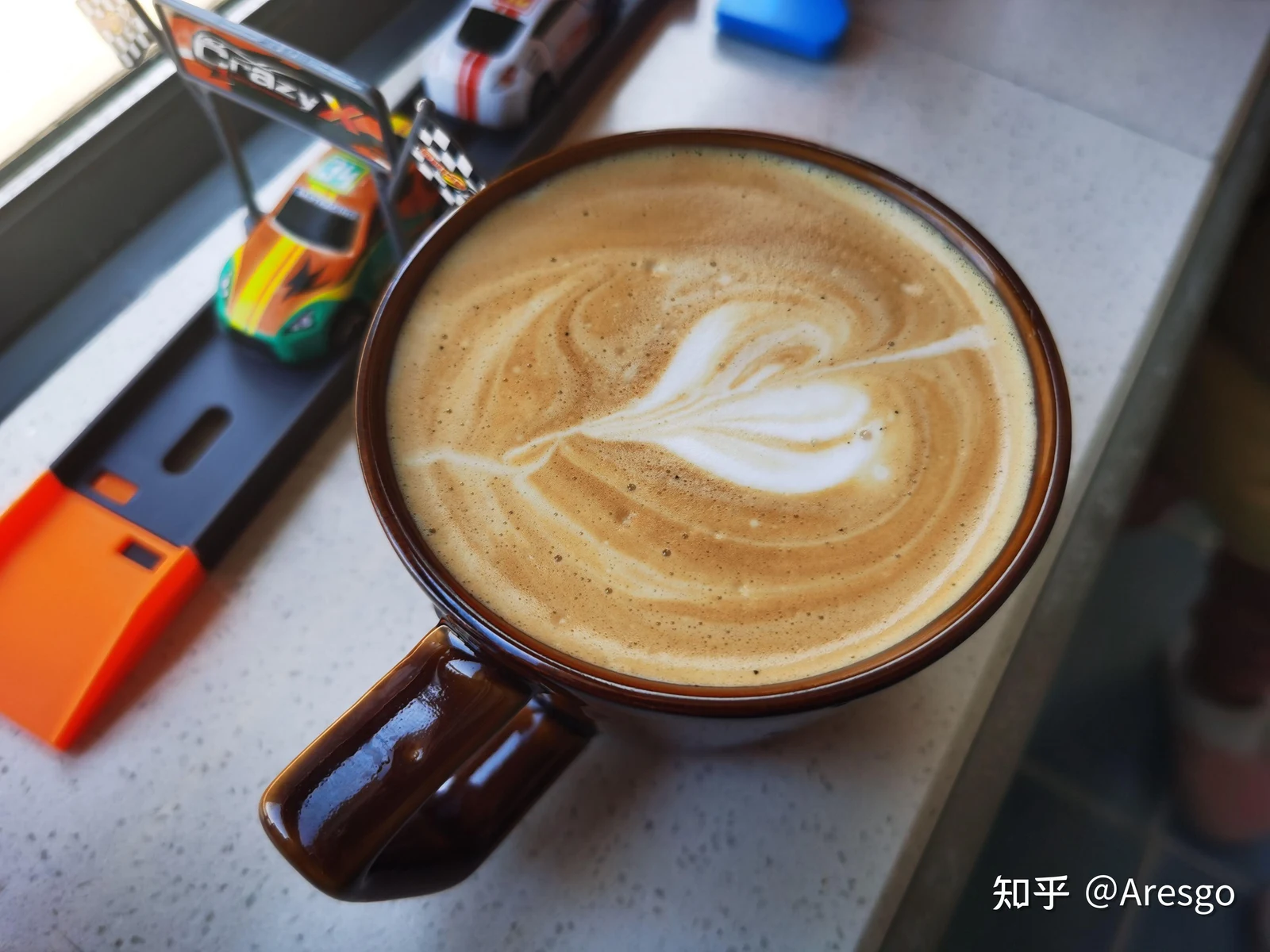
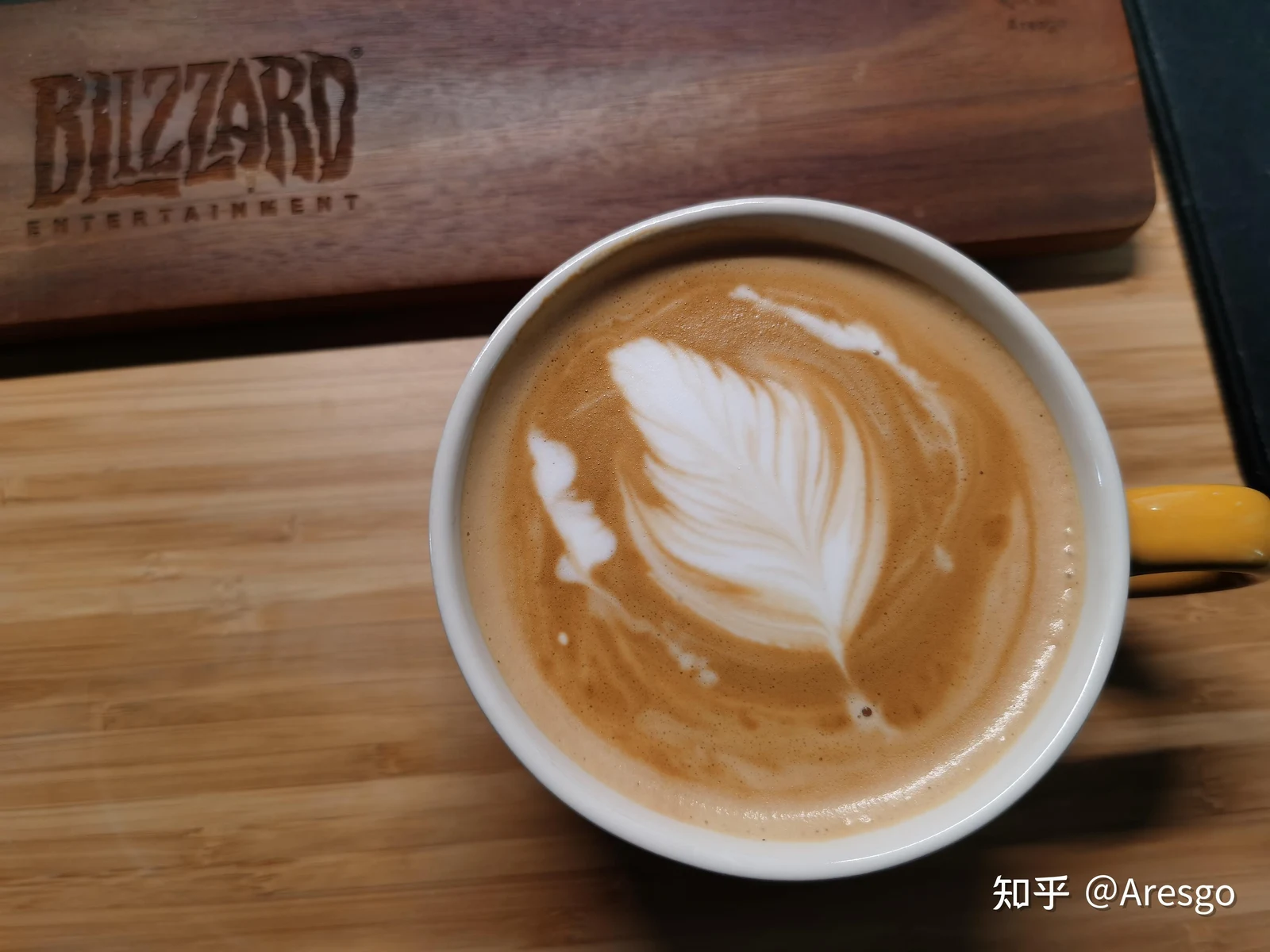
Flavored coffee: It is basically espresso combined with milk and syrups . The key factors are espresso extraction and milk foam texture. The technique, time, and temperature for steaming milk require practice; the rest is personal preference.
In summer, I bought a fresh coconut, poured out pure coconut water, and pulled espresso directly over it for an iced coconut black coffee . Raw coconut milk was also very popular, so I bought 1 kg bags (¥25 each, makes 4 cups) to make iced coconut lattes at home.
Milk steaming and latte art
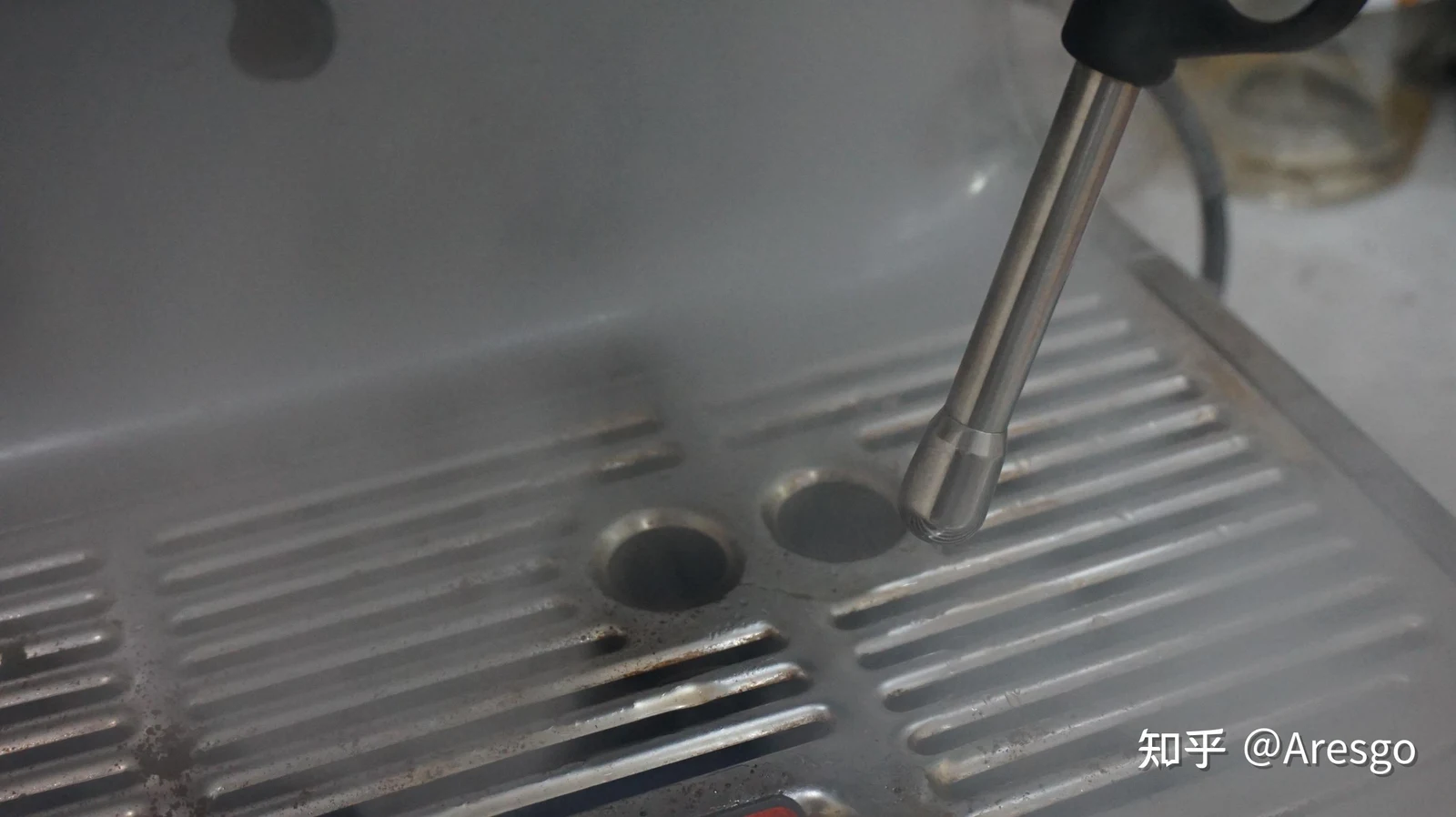
The original steam wand on the Sage 878 has four holes, which is completely sufficient . Third-party two-hole and three-hole tips are also sold on Taobao if needed.
To steam milk: start with the tip at the milk surface so air is incorporated and the milk level rises noticeably. Then submerge the wand slightly deeper, tilt the pitcher to spin the milk into a vortex, and let the steam cut through the foam. The finer and smoother the microfoam, the easier it is to pour latte art .
Summary and assessment
Overall, after one year of use, I am very satisfied with the Sage 878:
- The machine heats up in seconds, and I can complete a latte with latte art in 5 minutes.
- The exterior aesthetics and compact dimensions fit a small coffee corner well.
- Using pre-filtered purified water avoids installing the consumable water filter.
- Each brand and roast level requires dialing in grind size and time separately.
- Of all accessories, the puck screen improves extraction quality the most.
- The grinder outlet occasionally sprays grounds outside the basket.
Shortcomings: It was cheaper than Chinese retail but lacked local warranty. The interface is in English (though replacement Chinese faceplates exist on Bilibili). Steam is weaker than a commercial dual-boiler, but with practice, pouring latte art is not difficult. At around ¥4,000, it is well worth recommending for home use and serving guests.
Source: Aresgo · Zhihu · 2022-10-24 · 家用简约半自动咖啡机——德亚Sage(Breville铂富)878 使用总结. Original post
Before You Buy
Models in your region
The owner identifies the imported machine as a Sage 878, while the US product page identifies the US counterpart as the Breville Barista Pro BES878/BES878XL. The exact imported suffix and market configuration are not stated, so US specifications should be treated as a regional reference rather than proof of every detail of the owner’s unit.
| Model in this review | Related regional model | What to know |
|---|---|---|
| Sage 878 (SES878) | Barista Pro BES878 / BES878XL (US) | The source identifies the machine as Sage 878/SES878. The US listing identifies the related Barista Pro family as Breville BES878/BES878XL. The exact European suffix, electrical configuration and warranty status of the imported unit are not supplied. |
- Model in this review
- Sage 878 (SES878)
- Related regional model
- Barista Pro BES878 / BES878XL (US)
- What to know
- The source identifies the machine as Sage 878/SES878. The US listing identifies the related Barista Pro family as Breville BES878/BES878XL. The exact European suffix, electrical configuration and warranty status of the imported unit are not supplied.
What the owner’s experience says about daily use
The owner valued the Sage 878 mainly because it reached brewing temperature a few seconds after startup, and reported completing a latte with latte art in about five minutes. The official US Barista Pro reference also lists ThermoJet rapid heating and an integrated conical burr grinder, so the quick-start and all-in-one workflow are relevant buying points for the verified US model, while the five-minute result remains the owner’s home-use observation.
The owner describes a compact coffee-corner setup with integrated grinding, a portafilter workflow and manual milk texturing. That combination reduces the need for a separate grinder, but it still requires repeated adjustment of grind size and grind time for different beans and roast levels; the US manual confirms the 250 g hopper, conical burr grinder and grind-size selector.
Dial-in and extraction work
The owner’s account is not a controlled comparison of espresso quality, but it gives a practical dial-in warning: bean type and roast level change the required grind and grinding time. The owner used a scale to stop a double shot at 33–34 g, allowing the final flow to reach about 36 g, and credited a separately purchased puck screen with making the flow more even. Buyers should treat the puck-screen improvement as the owner’s personal conclusion, not as an official performance claim, and verify compatibility with the portafilter and basket before buying.
The owner found that the grinder outlet sometimes sent grounds outside the basket and that a small shot glass helped when a larger cup and scale would not fit beneath the machine. These are workflow observations from the owner’s setup; the official US evidence confirms the integrated grinder but does not document the reported grounds-spray or cup-clearance behavior.
Milk steaming and maintenance
The owner says the four-hole steam wand is sufficient for a home latte, while also describing the steam as weaker than that of a commercial machine. The result depended on practice with aeration, pitcher angle, milk rotation and temperature, rather than on an automatic milk-temperature system. The official US product evidence describes manual milk texturing, so buyers seeking automatic milk control should not infer that feature from this model.
For upkeep, the owner emptied and rinsed the drip tray every two or three days when making coffee regularly and avoided the supplied water filter because filtered water was used. That choice depended on the owner’s water source. Check the filter instructions for your local model and water conditions before following the same routine.
Imported-unit trade-offs
The owner paid about ¥4,509.18 including estimated import duty for the German-Amazon purchase and later saw prices below ¥4,000, but these are historical observations from the owner’s market and date. The owner’s most important ownership drawback was the absence of a warranty despite the lower price than the mainland-China official version. Before buying an imported Sage unit, confirm the exact regional model, power requirements, service coverage and control language; the US product page identifies BES878/BES878XL but does not establish those details for the German-market machine.
Related Reading
Reviews & Guides · Kitchen & Dining
Breville 870: seven-step espresso guide with Barista Express and Breville BES870 buying context
I share a seven-step Breville 870 espresso guide covering preheating, dosing, tamping, grind changes and channeling, rather than a long-term test.
Reviews & Guides · Kitchen & Dining
Breville 876 Barista Express Impress: cleaner grounds beside my computer, weaker milk foam
I found Breville 876’s automatic tamping kept grounds from flying beside my computer, but its milk frother produced less satisfying foam.
Reviews & Guides · Kitchen & Dining
Breville 876 Barista Express Impress: one year of daily care and milk-foam practice
I’ve used my Breville 876 espresso machine daily for a year: careful cleaning keeps it looking new, while practice has made steaming milk and latte art easier.