
Reviews & Guides · Instruments & Audio
Shokz OpenFit Pro vs. AirPods Pro 3: open-ear sound and conversation
Reviewed: Shokz OpenFit Pro, Apple AirPods Pro 3Regional reference: Shokz OpenFit Pro (US)
I found the OpenFit Pro’s open sound immersive, but its noise reduction barely changed one gym session; it also made conversations easier than my AirPods Pro 3.
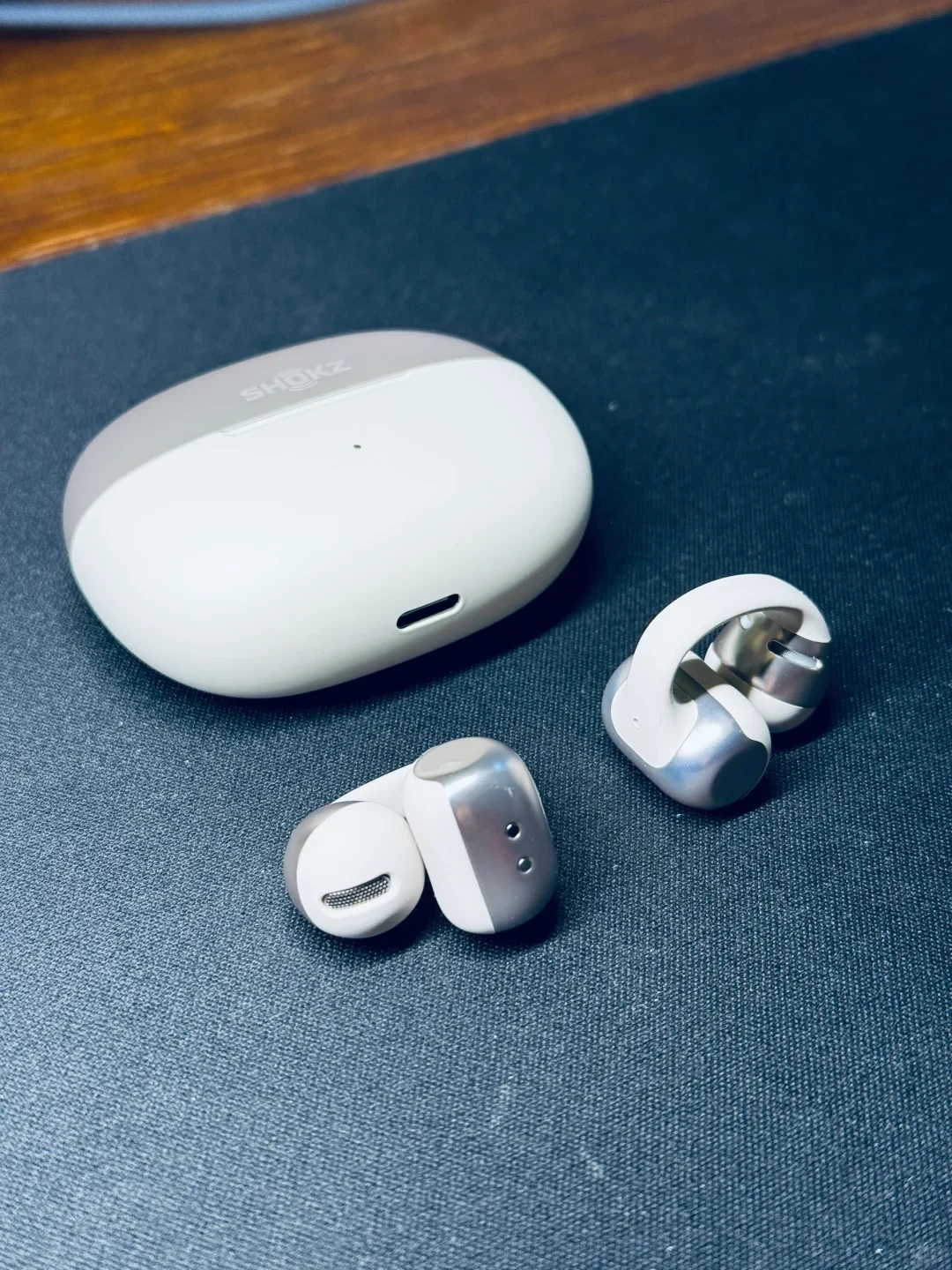
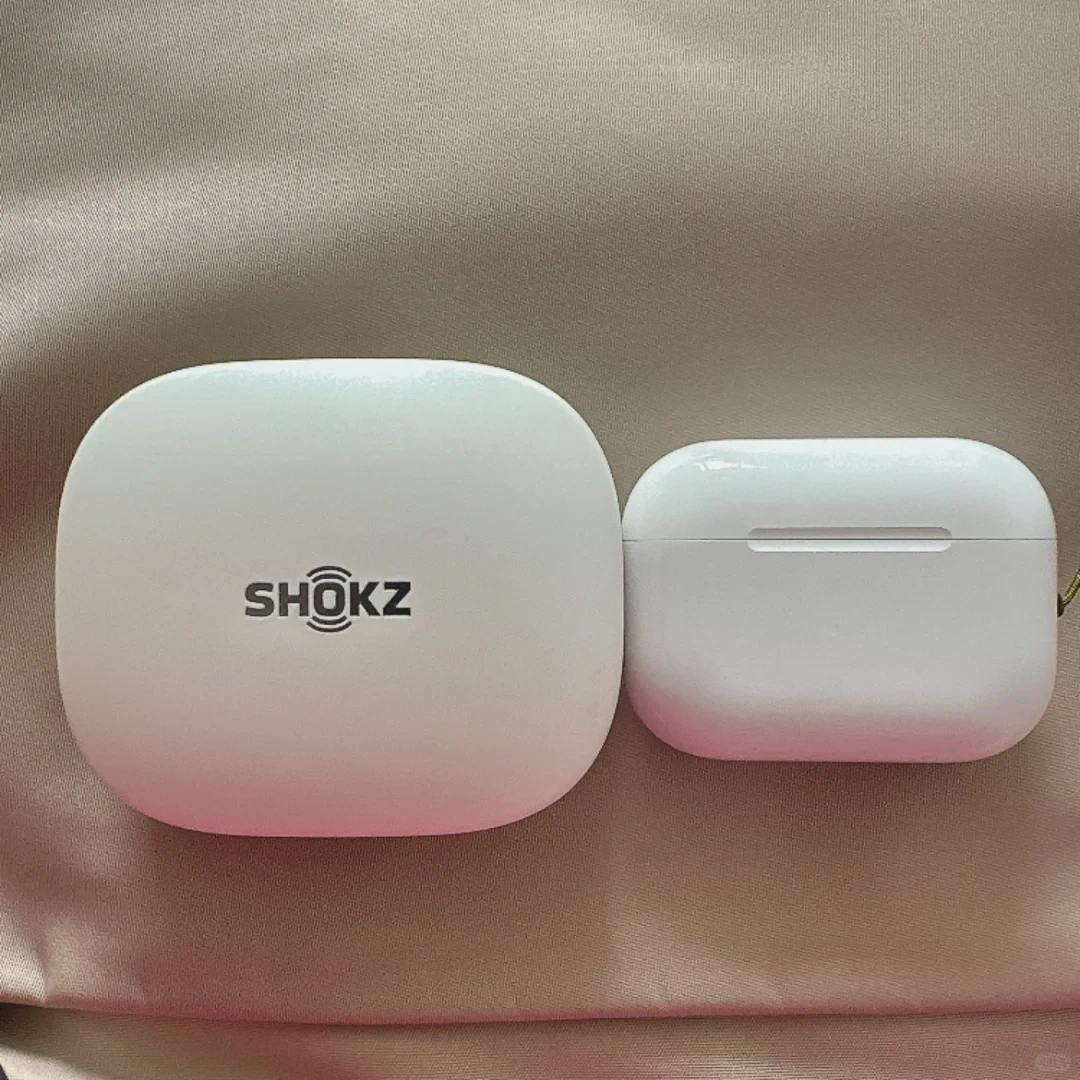
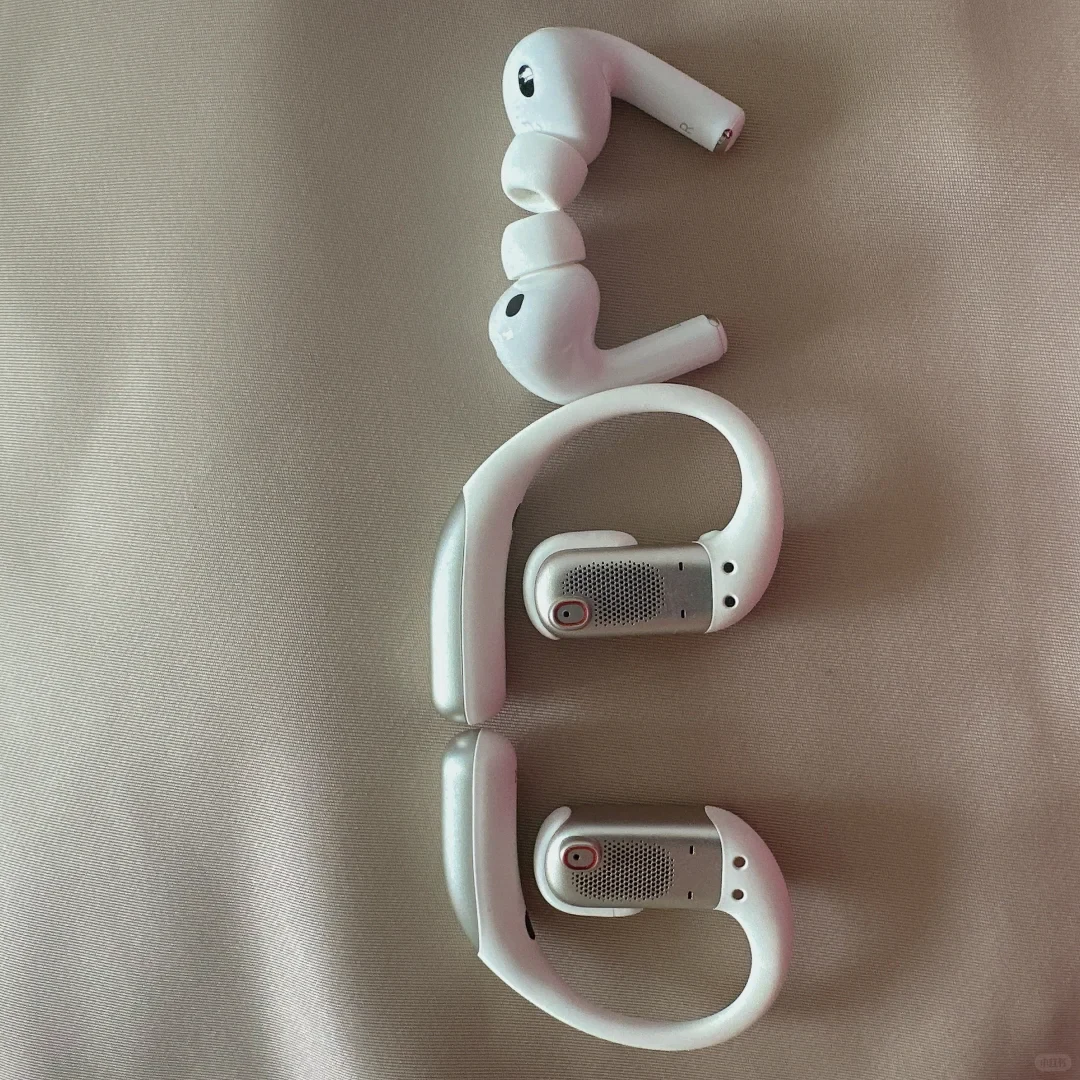

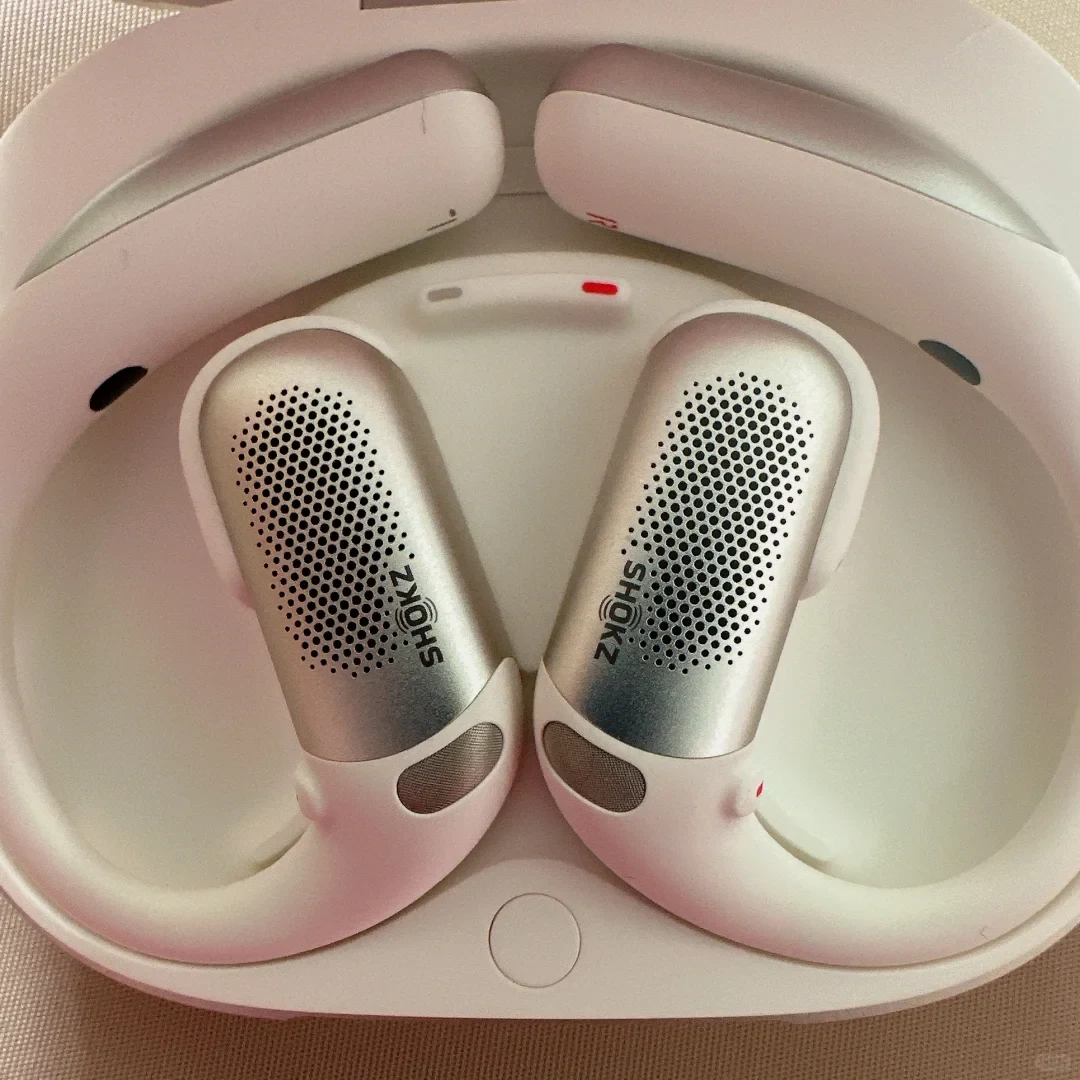
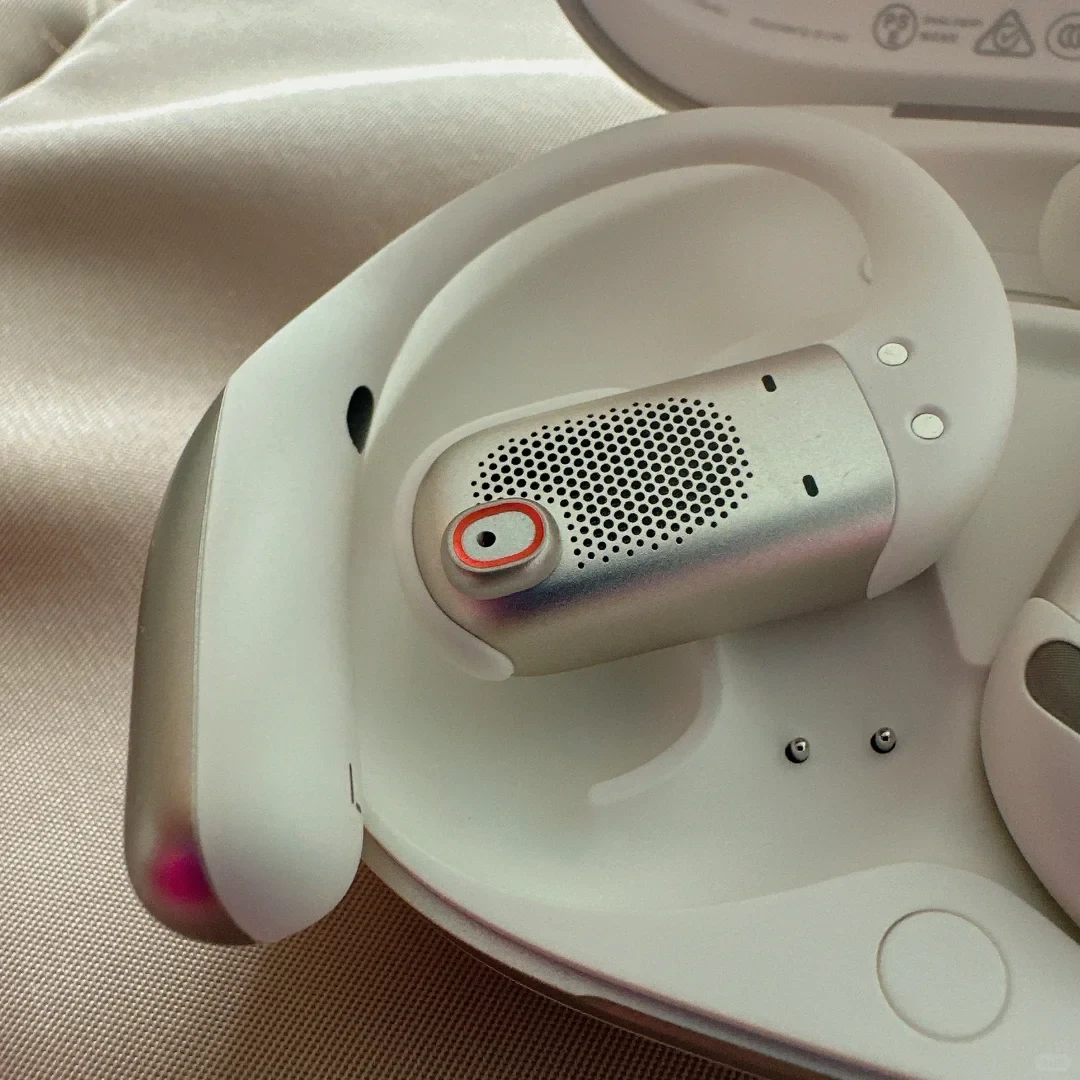
- Sound quality: The AirPods Pro 3 already have a very strong sense of space—yes, space. Once you put them on, it feels like entering a second space, and their powerful noise cancellation can raise an instant virtual barrier. Open-ear headphones start from a different place than in-ear models; the name says it all. You wear open-ear headphones for multitasking: you can have your own little world without shutting out the sounds around you. If I don’t compare the OpenFit Pro with top-tier in-ear headphones, it is excellent. I’ve worn neckband-style bone-conduction headphones before, but their sound was too brittle and thin, with no sense of surround or space. The OpenFit Pro says it uses a lot of technology, and I can hear the result: the music has more body. The listening experience somehow falls between AirPods Pro 3 noise cancellation and transparency. I can get immersed in music while still hearing the real world. The bass even has a little reverberant quality, the treble isn’t piercing, and the mids have a soft, blended quality. Music has a real sense of space and layers; video and podcast audio are more than good enough.
- Noise reduction: I followed the instructions several times and still wasn’t sure I had activated the OpenFit Pro’s noise-reduction mode; I even thought the earbuds might be faulty. I tried again outdoors and didn’t notice a clear difference. Listening closely, I did feel that the sound was briefly refined when I pressed the noise-reduction button, but the overall difference was small. I tried it once on a treadmill. With noise reduction on, I couldn’t hear my machine or the treadmill next to me running, but I could still hear metal equipment clattering in the distance. It did nothing to block the loud video playing on the next treadmill, either. That day was really something: out of the corner of my eye, the guy didn’t look that old, but he might have had the sports program turned up to full volume.
- Transparency: The AirPods’ transparency feature is useful for things like hearing subway announcements. But because they’re in-ear headphones, other people may think you can’t hear them. In situations such as asking for directions on the subway, checking in at a hotel, checking in for a flight, or talking to a stranger, I often have to take them out to be completely sure I’ve heard what the person said. I don’t have that problem with the OpenFit: when the sound in the earbuds stops, outside sounds are very clear. It doesn’t feel like I’m wearing headphones. People may also feel that I’m not completely cut off and can hear them, which makes communication feel easier.
Source: momo(努力的时刻 · Xiaohongshu · 2026-04-05 · 韶音OpenFit Pro和AirPods Pro3比较1. Search this Chinese title in Xiaohongshu to find the original post.
Before You Buy
Models in your region
Shokz lists the OpenFit Pro in China and the US. This account compares an OpenFit Pro of unspecified regional SKU with AirPods Pro 3.
| Model in this review | Related regional model | What to know |
|---|---|---|
| Shokz OpenFit Pro | Shokz OpenFit Pro (US) | Shokz lists open-ear noise reduction on the US OpenFit Pro. The author’s gym and conversation impressions come from their own pair. |
- Model in this review
- Shokz OpenFit Pro
- Related regional model
- Shokz OpenFit Pro (US)
- What to know
- Shokz lists open-ear noise reduction on the US OpenFit Pro. The author’s gym and conversation impressions come from their own pair.
Open-ear listening and ambient sound
The Shokz OpenFit Pro is designed to leave surrounding sound audible, and Shokz lists adjustable open-ear noise reduction. That combination suits listeners who want music without fully isolating themselves; the author described immersive sound while still hearing the environment, but this is a personal listening impression, not a measured sound test.
The author’s single treadmill session gives a useful limit to that experience: the mode seemed to reduce the sound of the treadmill and a nearby machine, yet did not block distant metal clatter or loud video audio. Shokz describes adjustable noise filtering, but the source account does not establish how much reduction to expect across other gyms or noise types.
Choosing between open-ear and in-ear designs
Choose the OpenFit Pro if hearing nearby people while listening is a priority. In the author’s experience, outside sounds became clear when playback stopped, and conversations felt easier than with AirPods Pro 3. The comparison reflects that author’s use; it does not establish that every listener will hear speech equally well in every setting.
AirPods Pro 3 offered the author stronger isolation and a useful transparency mode for announcements, but they sometimes had to be removed to hear strangers with confidence. The OpenFit Pro’s open design avoids that particular step, while its noise reduction did not reliably block loud nearby audio in the reported gym session.
Features listed for the regional OpenFit Pro
The US product page lists adjustable open-ear noise reduction, optional stabilizers, physical button controls and Dolby Audio; the China page describes adjustable noise filtering, Dolby Audio and Shokz App controls. These are listed features, not results independently verified in the owner’s account. The source does not specify which app settings or stabilizers the author used, so those details cannot be tied to the reported sound or gym results.
Related Reading
Reviews & Guides · Instruments & Audio
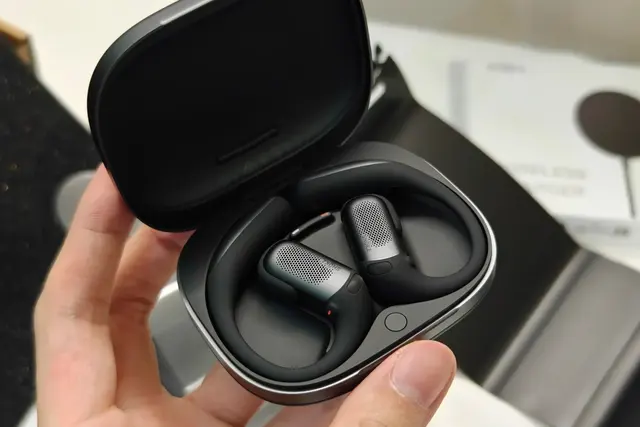
Shokz OpenFit Pro after half a month: office comfort, little street filtering
After more than half a month with my Shokz OpenFit Pro, I found its light noise filtering useful in the office but ineffective on streets and subways.
Reviews & Guides · Instruments & Audio
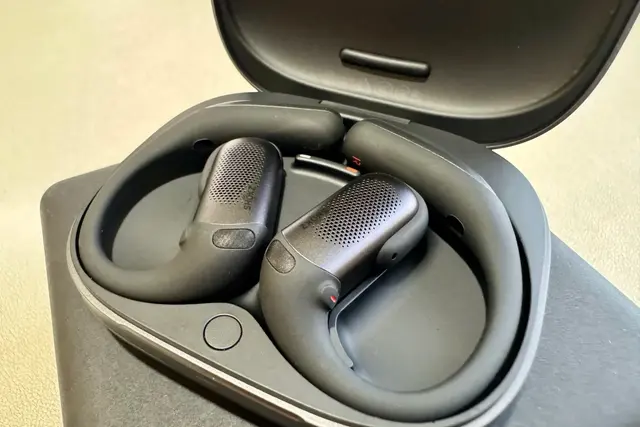
Shokz OpenFit Pro: noticeable noise reduction without an in-ear fit
I tried the Shokz OpenFit Pro expecting little, but its sound and noise filtering surprised me; on a windy cycling call, the other person heard almost no wind.
Reviews & Guides · Instruments & Audio
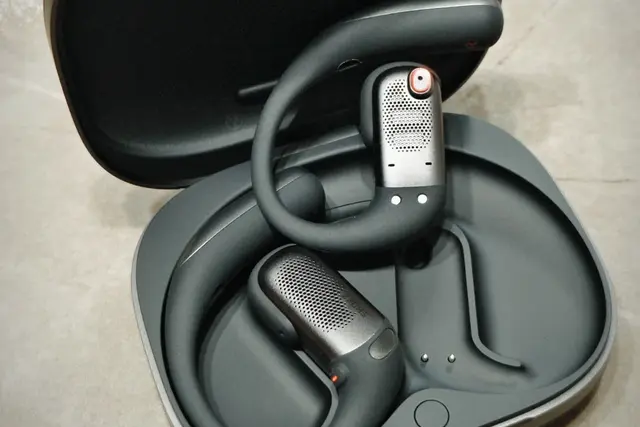
Shokz OpenFit Pro: roomy sound, secure fit, limited button mapping
I liked the OpenFit Pro’s spacious sound and comfort with thin-frame glasses; silicone stabilizers improved security, but button mapping felt limited.