
Reviews & Guides · Kitchen & Dining
9Barista Mk.2 Pro after six months: quick cleanup, hot cap
Reviewed: 9Barista Mk.2 ProRegional reference: 9Barista Mk.2 Pro (United Kingdom)
I use my 9Barista Mk.2 Pro almost daily; a morning coffee, cleanup and washing take about 10 minutes, but the metal cap stays hot after cooling.
Hank’s Review
I bought the Mk.2 Pro from the official website six months ago.
My personal impressions
- It’s easy to take apart and clean. From grinding beans after I get up to brewing and cleaning, the whole process takes about 10 minutes.
- I can see the coffee flow clearly, which makes it easy to adjust the grind.
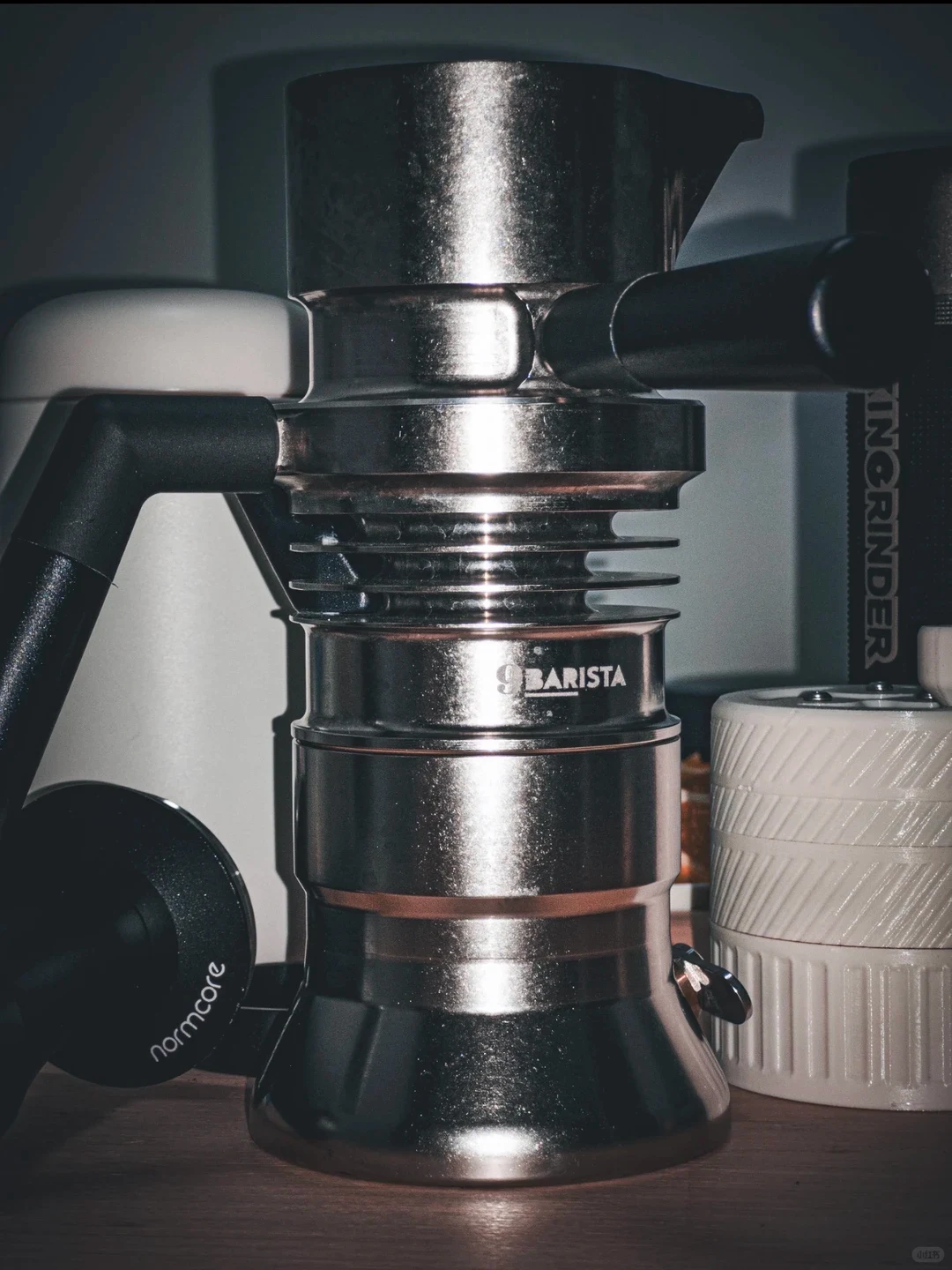
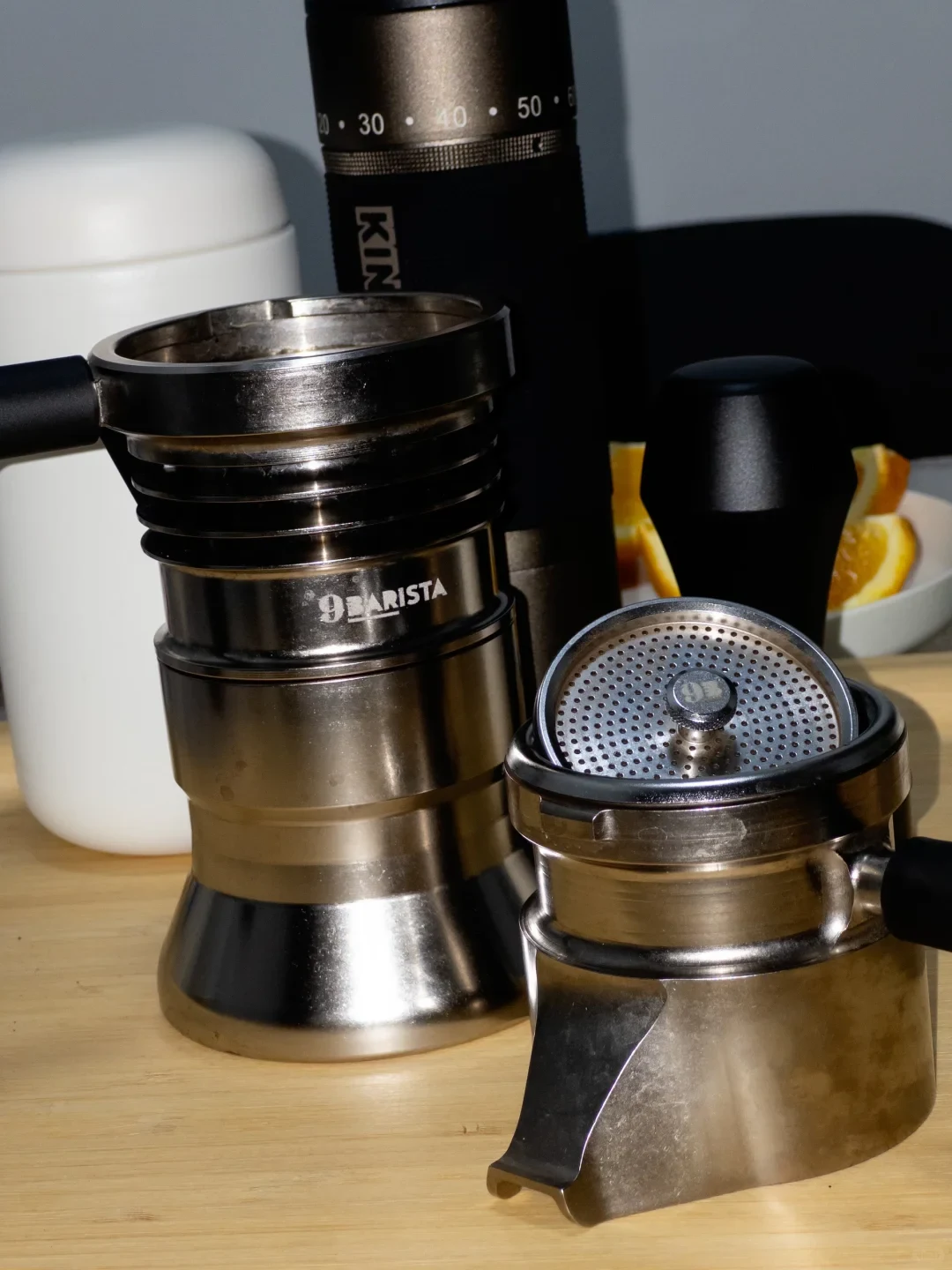
- The Pro’s stainless-steel basket cap stays hot to the touch even after I cool the body by rinsing it. I have to handle it carefully and cool it with water. I think the Standard version’s silicone cap probably wouldn’t have this problem.
- Making shots back to back is a bit of a hassle because I have to cool it and add water again. That doesn’t affect me when I’m making coffee for myself.
- I use it almost every day. Compared with espresso machines that can cost well over a thousand and take up space, it’s easy to maintain and feels like a great deal.
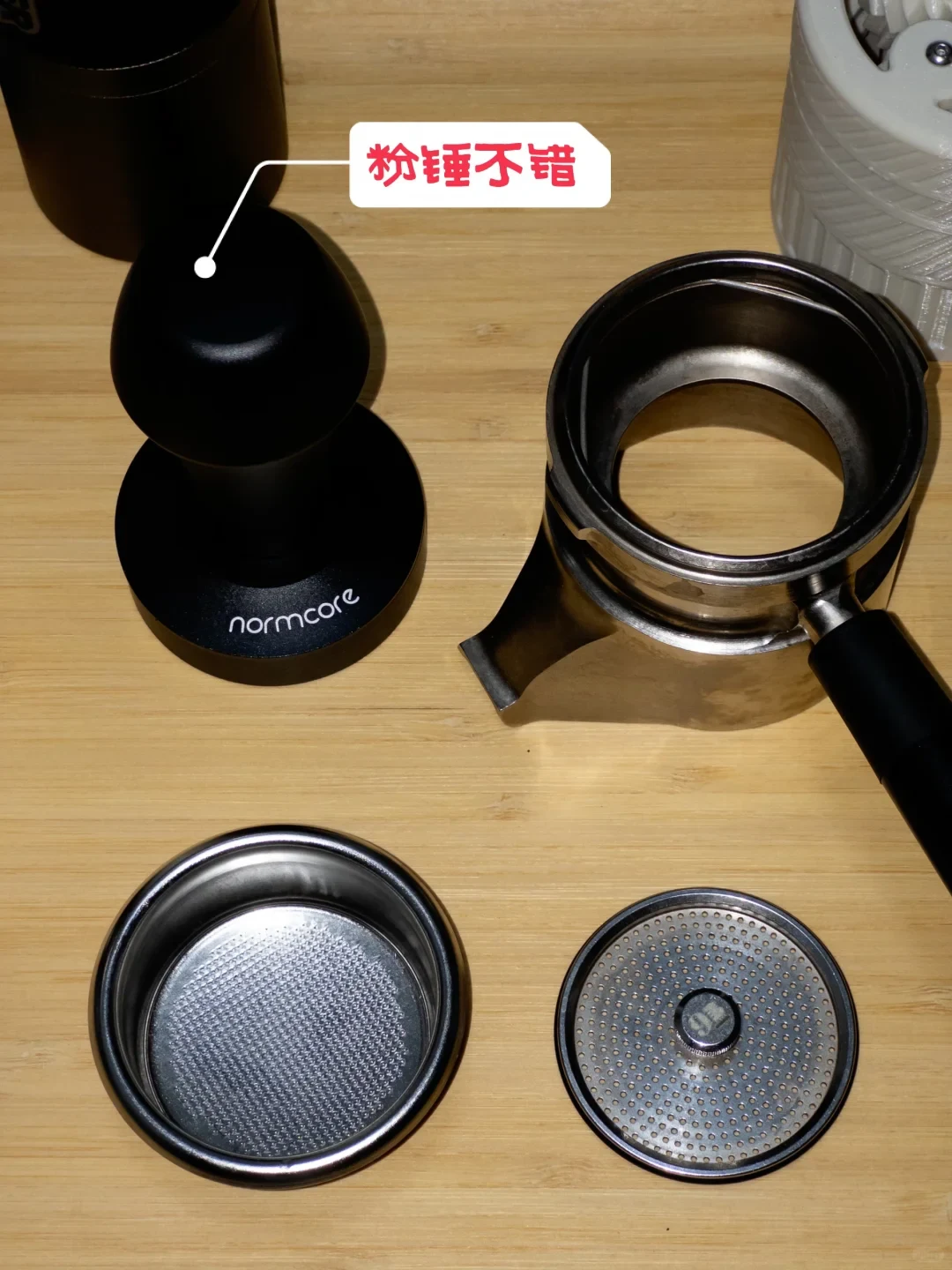
- The Pro basket requires some care with distributing the grounds; otherwise, channeling can happen. You get the hang of it with practice. I’ve seen reports from overseas that uneven distribution can cause spraying, but I haven’t experienced that myself.
Tips
- The problem of bubbling and spurting water is actually caused by adding too much water. Make sure not to fill above the line, or stop just below it.
- After distributing the grounds, I recommend tapping the basket a few times before tamping. The vibration helps make the grounds more even and reduces channeling.
- If the coffee flows a little too fast, gently pressing down on the cap with a finger after putting it on can noticeably slow it. I suspect the cap may not fit tightly enough, letting steam rise into the gap and collect water that leads to channeling.
- I use an induction hob at 1,000 W and set a six-minute timer, so I can get on with other things.
- When you see bubbles or dense foam during extraction, it means extraction is complete.
- To avoid a failed shot that I’d have to make again, I recommend adjusting the grind from coarse toward fine. Under-extracted coffee is still better than a cup of charcoal water.
Source: Hank · Xiaohongshu · 2026-08-13 · 9Barista 半年使用测评. Search this Chinese title in Xiaohongshu to find the original post.
Before You Buy
Models in your region
Hank identifies the machine as a Mk.2 Pro bought from the official website. 9Barista designs, assembles and tests its makers in Cambridge, UK; its current Mk.2 Pro listing matches the photographed metal cap, bare portafilter and black handles.
| Model in this review | Related regional model | What to know |
|---|---|---|
| 9Barista Mk.2 Pro | 9Barista Mk.2 Pro (United Kingdom) | The Cambridge manufacturer lists the same Mk.2 Pro with a 53 mm IMS basket, laser-drilled metal basket cap, naked portafilter and anodised aluminium handles. The hot-cap experience concerns this Pro cap; the Standard’s silicone-cap comparison is the owner’s expectation rather than a comparison test. |
- Model in this review
- 9Barista Mk.2 Pro
- Related regional model
- 9Barista Mk.2 Pro (United Kingdom)
- What to know
- The Cambridge manufacturer lists the same Mk.2 Pro with a 53 mm IMS basket, laser-drilled metal basket cap, naked portafilter and anodised aluminium handles. The hot-cap experience concerns this Pro cap; the Standard’s silicone-cap comparison is the owner’s expectation rather than a comparison test.
The Pro’s metal cap needs separate handling
The Mk.2 Pro’s stainless-steel cap remained hot in this routine even after the body had been rinsed to cool it. Handle the cap carefully and cool it with water as well. The manufacturer lists a laser-drilled metal basket cap for the Pro; the Standard cap’s behavior is not established here.
Hank’s suggestion to press the cap down is a preparation tip, not permission to touch the machine during a hot, pressurized brew. His proposed explanation—that steam enters a gap and contributes to channeling—is speculation, and the supplied evidence does not confirm that mechanism.
A convenient solo routine, with limits on repeat shots
Grinding, brewing and cleaning took about 10 minutes in this almost-daily, one-person routine. Back-to-back shots were less convenient because the machine needed cooling and refilling between brews.
Visible coffee flow provided a cue for adjusting the grind. Distributing grounds evenly in the Pro basket was intended to reduce channeling; results still depend on the recipe and technique.
Use the manufacturer’s limits for filling and heating
Heating settings depend on the hob. The six-minute, 1,000 W induction routine described here is an individual setting, not approval to leave the appliance unattended. The manufacturer gives 3–6 minutes depending on the stove, a maximum of eight minutes on the stove, and requires an adapter plate for induction; follow the instructions for your hob and setup.
For the Mk.2, the manufacturer specifies 110–120 ml of water and advises against overfilling. Its troubleshooting guidance also lists soapy water or a leak as possible causes of water from the chimney, so overfilling is not the only possible explanation. Persistent bubbling or sputtering at the portafilter is a different warning: the manufacturer says it can indicate that the upper cooling chamber has boiled dry.
9Barista Mk.2 Pro · United Kingdom
For persistent sputtering, the manufacturer recommends filling to the line with 120 g of water and using enough heat to produce coffee within 3–6 minutes. Underfilling or prolonged low heat can prevent the cooling system from working properly. Hank treats bubbles or dense foam as a sign that extraction is complete; that owner tip should not be confused with the manufacturer’s warning about persistent bubbling or sputtering.
Related Reading
Reviews & Guides · Kitchen & Dining
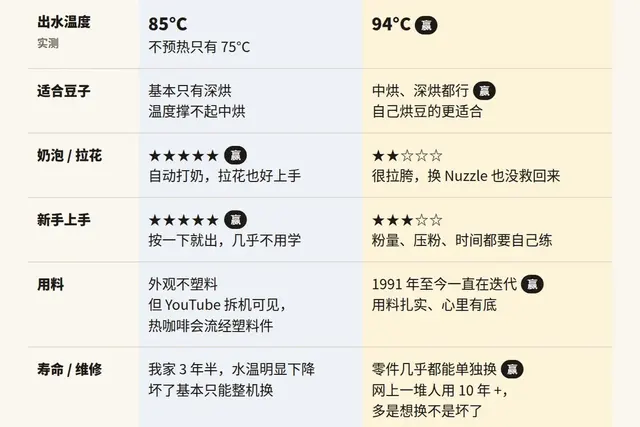
Breville Bambino after three and a half years: why I switched to Gaggia Classic E24
After three and a half years, my Bambino seemed to run cooler; I switched to a Gaggia Classic E24 for the beans we buy and roast at home.
Reviews & Guides · Kitchen & Dining
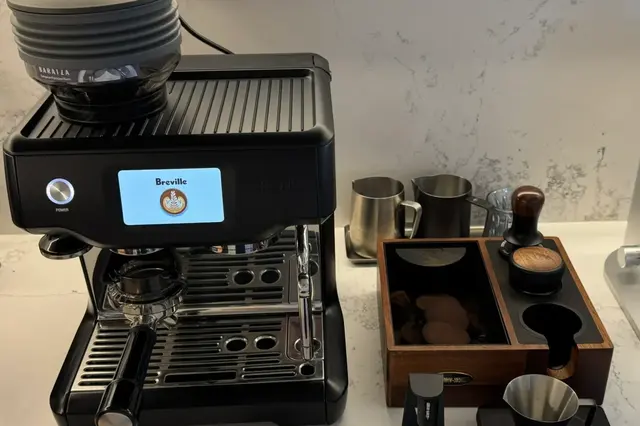
Gaggia Classic E24 daily routine: 18 g in, 36 g out
I make two coffees most mornings with my Gaggia Classic E24, weighing 18 g in and 36 g out. Pairing it with a Sculptor 064S helped me dial in.
Reviews & Guides · Kitchen & Dining
Gaggia Classic E24: 16-second shots and a changed temperature routine
I pulled roughly 26 g shots from 16 g of dark-roast coffee in my Gaggia Classic E24; a new flush routine seemed to slow them slightly, but I did not measure the change.