
Reviews & Guides · Kitchen & Dining
Breville Barista Touch BES880: dialing in two coffees and frothing oat milk
Reviewed: Breville Barista Touch BES880Regional reference: Breville Barista Touch BES880 (Australia); Breville Barista Touch BES880 (United States); Sage Barista Touch SES880 (United Kingdom)
I used the Barista Touch 880 with two supermarket beans: one worked at the factory settings, while the other needed adjustment. I also found its automatic milk foam coarse.
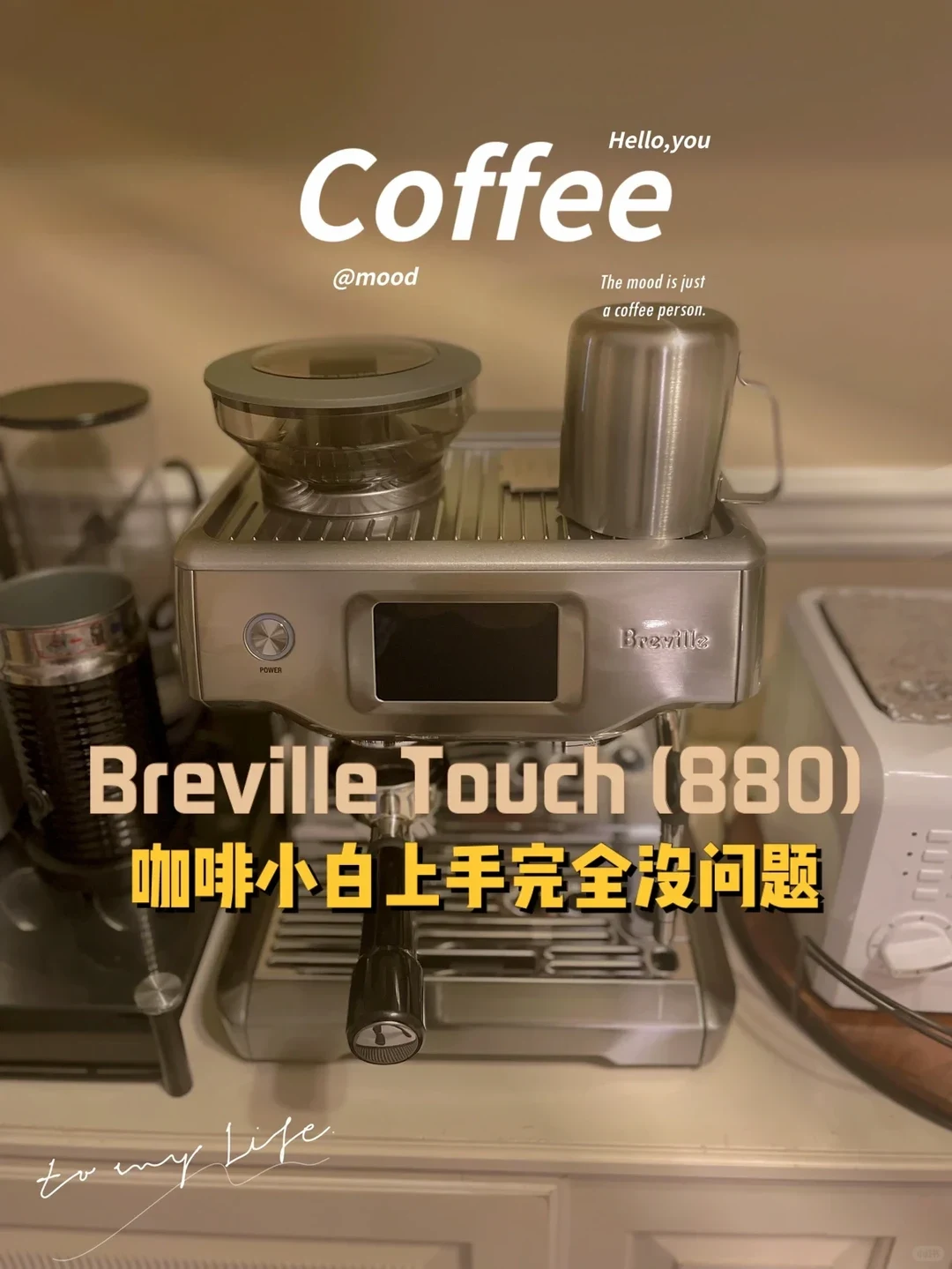
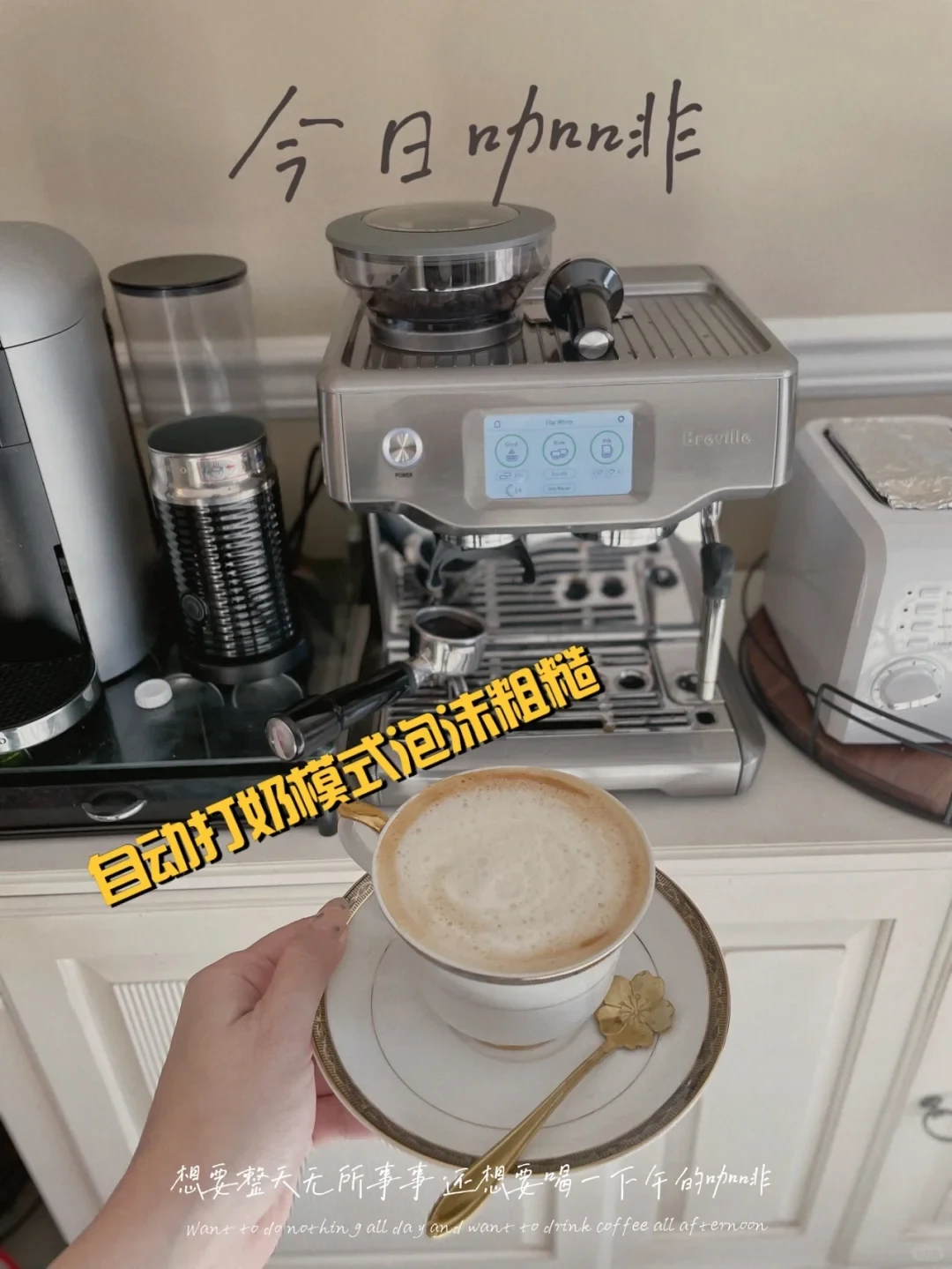
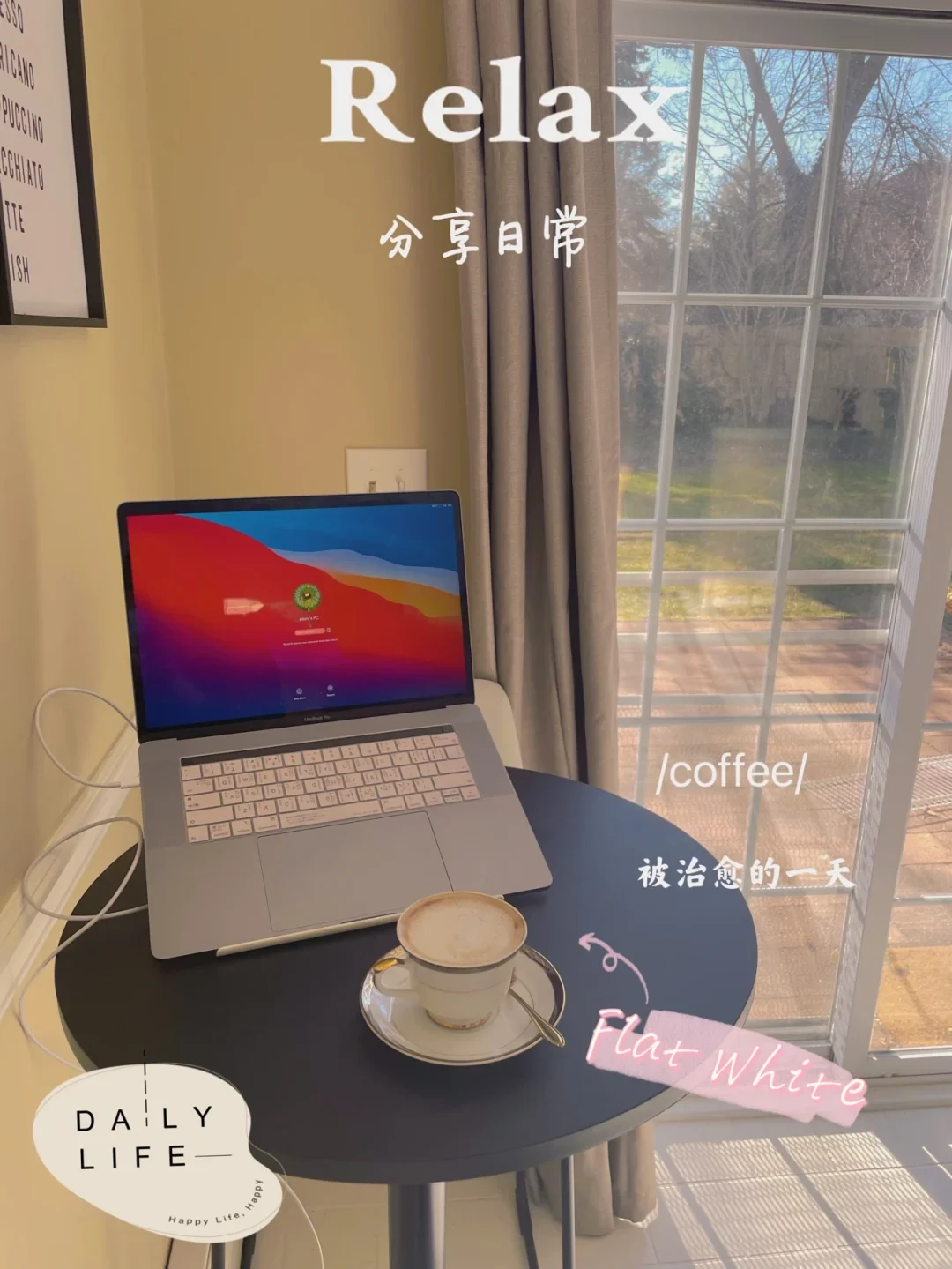
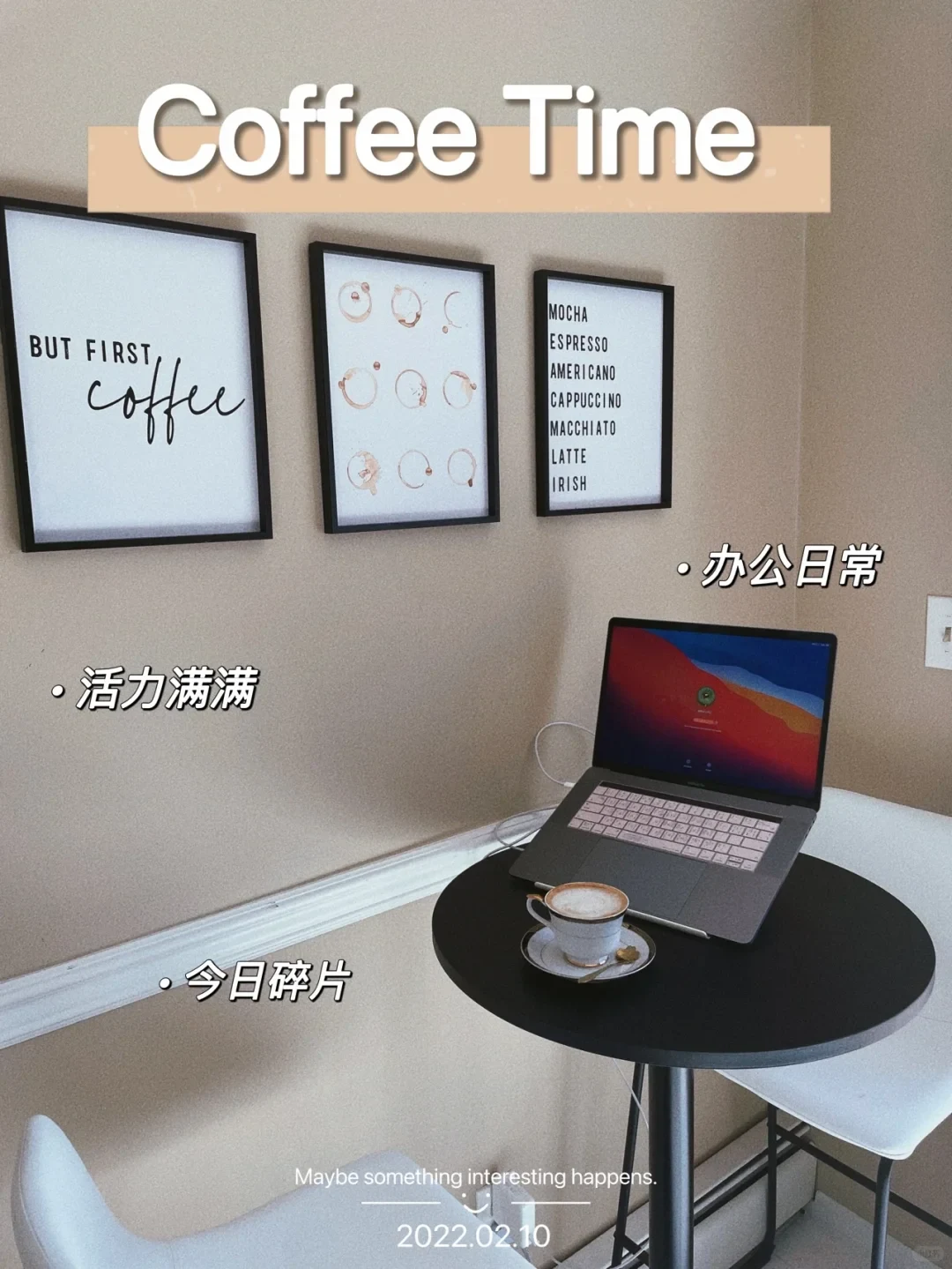
I finally got it at Bed Bath & Beyond for 30% off!
A coffee machine for beginners—easy enough for anyone to use and suited to everyday coffee needs.
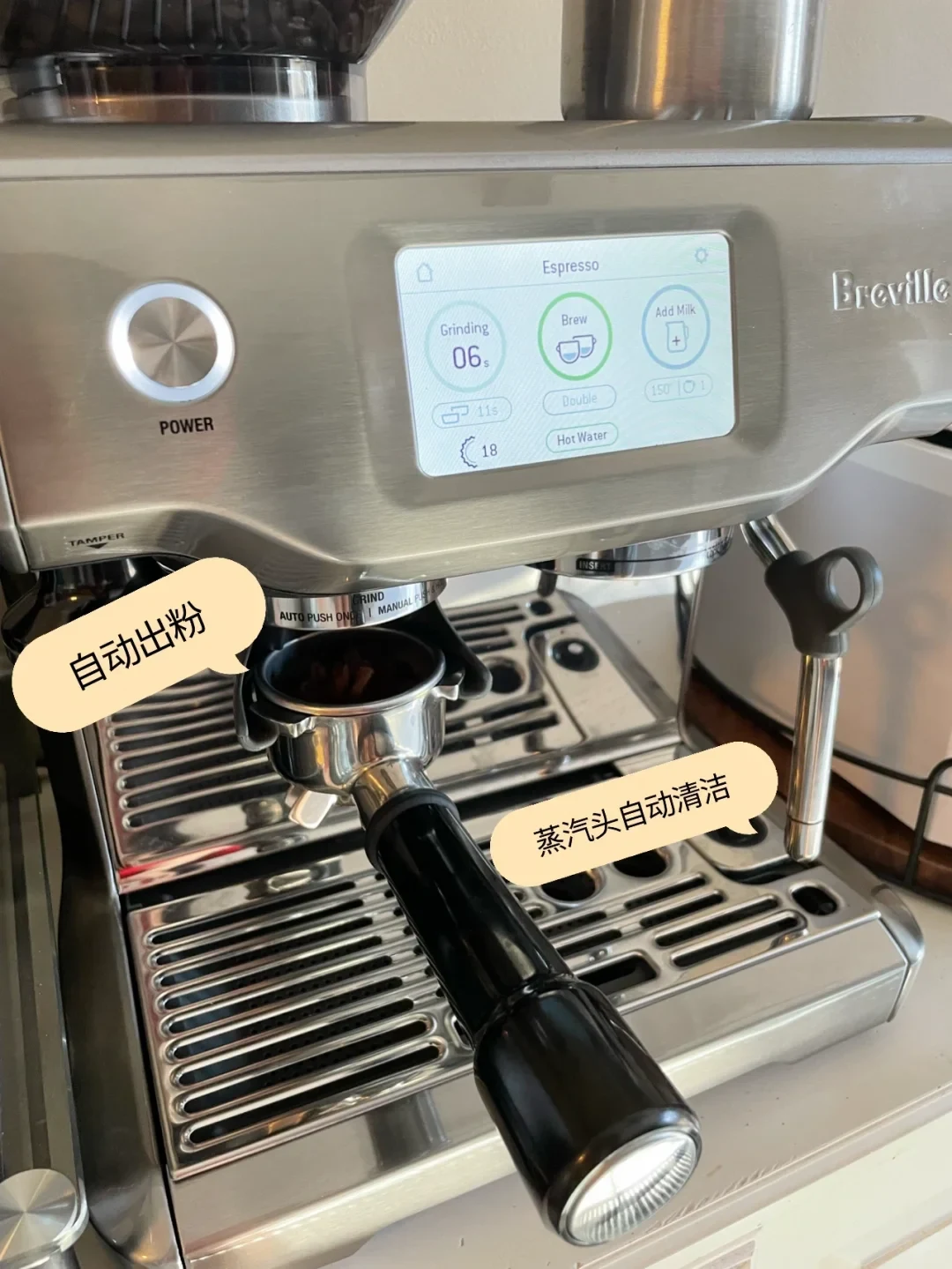
It can grind coffee automatically once you set the grind size and time, or you can stop it manually.
It can dispense water automatically for a set time, or you can stop it whenever you like.
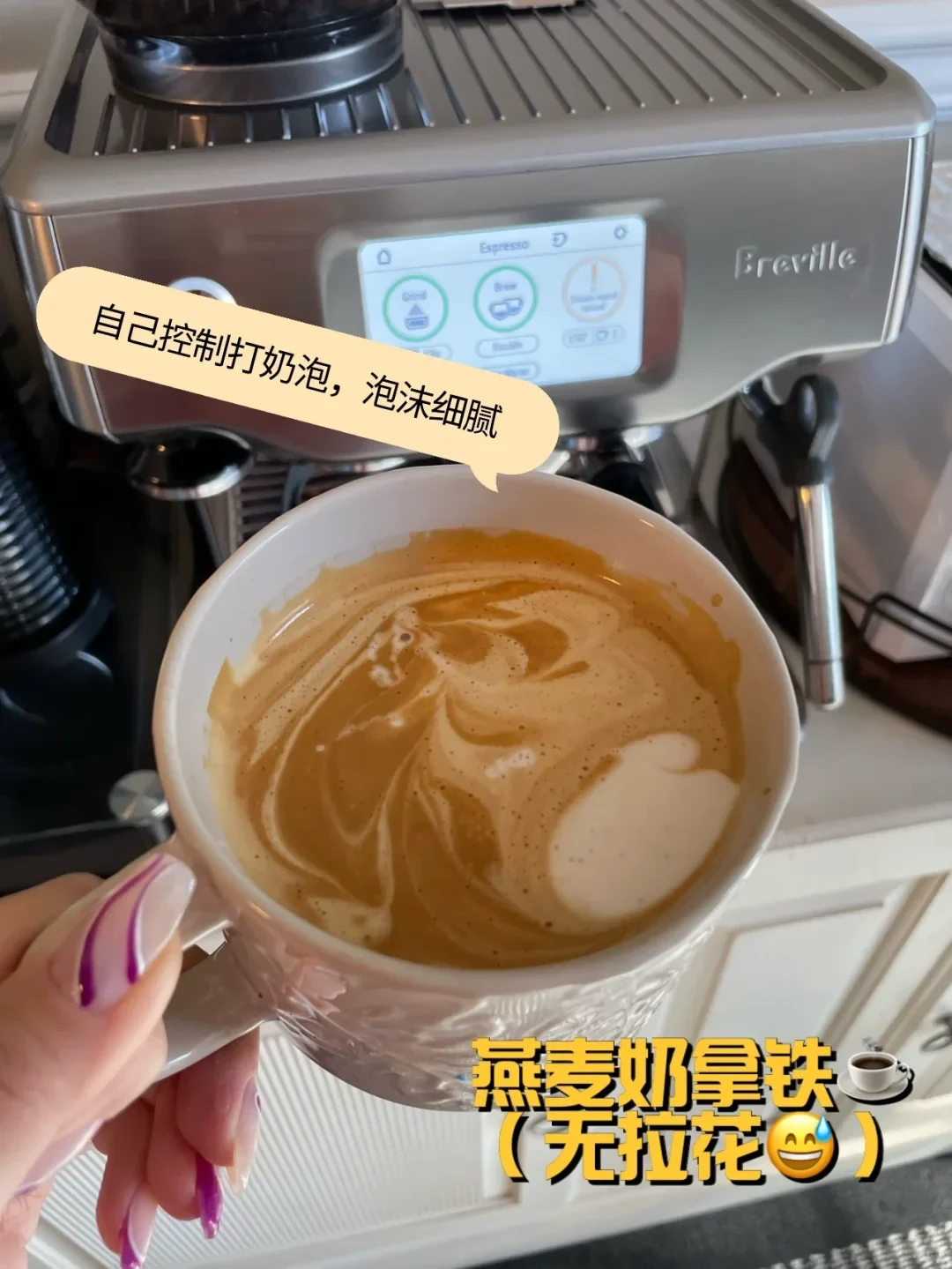
It froths milk automatically, but the foam is rather coarse.
It automatically cleans the steam wand, but I still have to wipe the wand down.
It has a filter, but using purified water can reduce buildup!
————————
So far, I’ve only used beans that were past their best-before date, not freshly roasted beans.
With Starbucks beans, the factory settings gave me a perfect 8-second extraction.
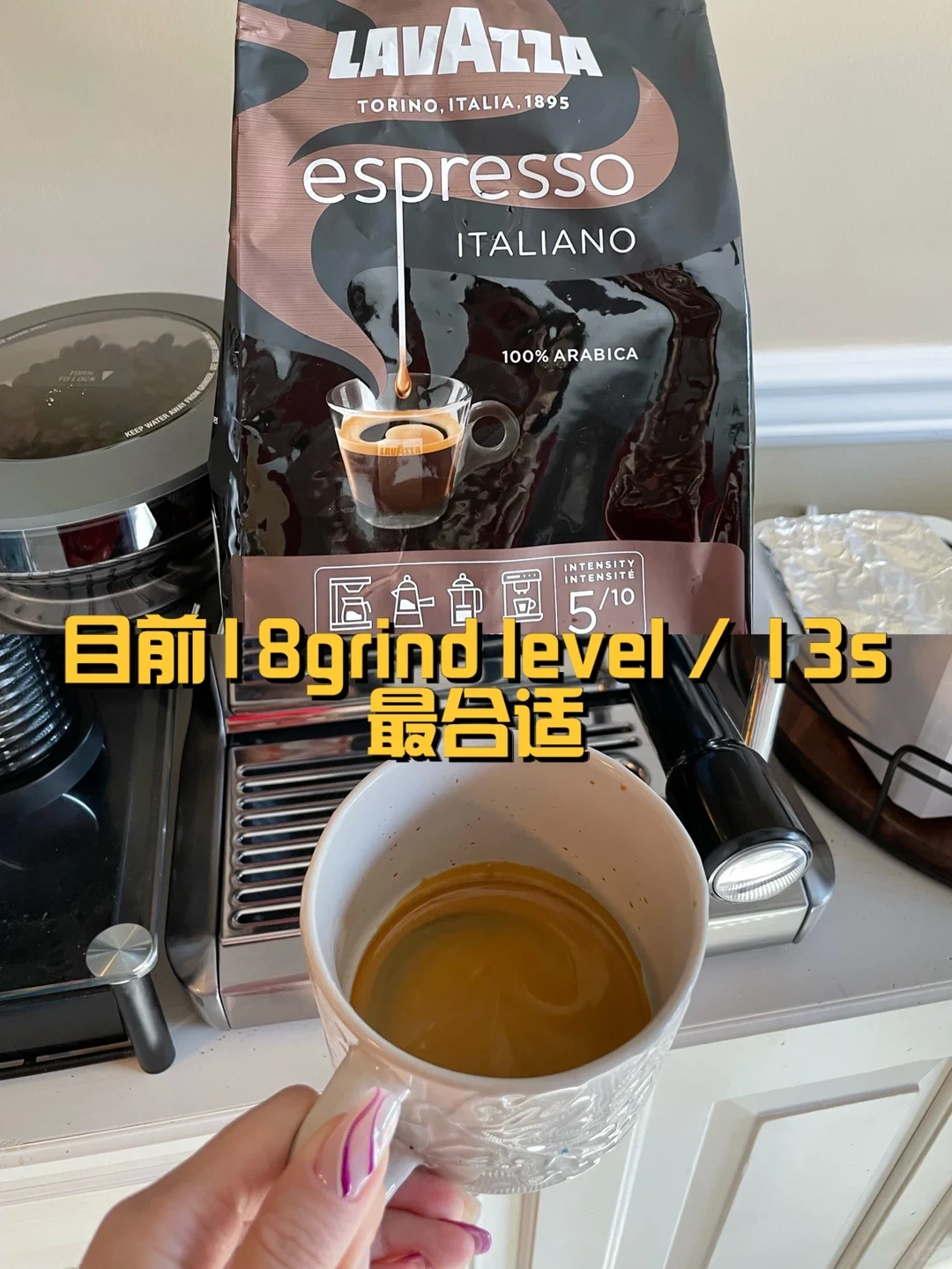
These Costco beans needed some dialing in. So far, I’ve tried a grind setting of 18 and a grinding time of 13 seconds.
It tastes much better than coffee from an ordinary café!
———————
☕️ An ideal extraction runs for 8–12 seconds ✅
The liquid has the texture of warm honey, with golden-brown crema and dark-brown espresso.
☕️ If extraction starts in 1–7 seconds, it’s under-extracted ❌
The liquid runs like water, with thin foam and a pale-brown color.
✅ To fix it: grind finer (a lower number is finer), increase the dose by grinding for longer, and tamp with a little force.
☕️ If extraction starts after 13 seconds, it’s over-extracted ❌
The espresso drips or is difficult to extract. The crema is dark, the liquid is very dark brown, and it tastes bitter and burnt.
✅ To fix it: grind coarser (a higher number is coarser), reduce the dose by grinding for less time, and tamp with a little force.
———————
About frothing milk
The automatic frother doesn’t let me control the foam texture, but it’s handy when I want to take the easy route.
For latte art—which I still haven’t learned—I need to hold the pitcher and steam the milk manually.
Find a steady angle and stay near the side of the cup. Start with the steam wand just under the surface to make bigger bubbles and get the milk swirling. Once it’s a little warm, lower the wand deeper to make fine foam. Keep the angle fixed and change only how deep the wand goes; that makes it easier to get the hang of. The finished milk should look like glossy paint, with an even, fine texture.
I only drink oat milk, and it froths just fine!
Source: 阿朵拉 · Xiaohongshu · 2022-02-12 · Breville Touch 880|猴子也能做咖啡. Search this Chinese title in Xiaohongshu to find the original post.
Before You Buy
Models in your region
The author’s “Breville Touch 880” is identified as the Barista Touch BES880 in the post’s machine imagery. Official Australian and US pages list the Breville Barista Touch BES880, while the UK version is sold as the Sage Barista Touch SES880. Regional equipment, electrical ratings and included accessories can vary, so check the local listing; the author’s bean and milk experiences apply to the machine they used, not as a controlled comparison of regional versions.
| Model in this review | Related regional model | What to know |
|---|---|---|
| Breville Barista Touch 880 (BES880) | Breville Barista Touch BES880 (Australia) | The Australian Barista Touch BES880 is the same named model family as the author’s machine. The official page lists a touchscreen, integrated grinder, ThermoJet heating and automatic milk texturing; local SKU details such as voltage and accessories may differ. |
| Breville Barista Touch 880 (BES880) | Breville Barista Touch BES880 (United States) | The US BES880 is a regional version of the same Barista Touch model. Its page lists a 54 mm portafilter, saved drinks, a 30-setting grinder and automatic or manual milk texturing; the author’s settings and results are from their own machine and beans. |
| Breville Barista Touch 880 (BES880) | Sage Barista Touch SES880 (United Kingdom) | In the UK, the corresponding model is branded Sage Barista Touch SES880. It shares the listed integrated grinder, touchscreen, ThermoJet architecture and automatic milk texturing, but check the UK listing for electrical rating and bundled accessories. |
- Model in this review
- Breville Barista Touch 880 (BES880)
- Related regional model
- Breville Barista Touch BES880 (Australia)
- What to know
- The Australian Barista Touch BES880 is the same named model family as the author’s machine. The official page lists a touchscreen, integrated grinder, ThermoJet heating and automatic milk texturing; local SKU details such as voltage and accessories may differ.
- Model in this review
- Breville Barista Touch 880 (BES880)
- Related regional model
- Breville Barista Touch BES880 (United States)
- What to know
- The US BES880 is a regional version of the same Barista Touch model. Its page lists a 54 mm portafilter, saved drinks, a 30-setting grinder and automatic or manual milk texturing; the author’s settings and results are from their own machine and beans.
- Model in this review
- Breville Barista Touch 880 (BES880)
- Related regional model
- Sage Barista Touch SES880 (United Kingdom)
- What to know
- In the UK, the corresponding model is branded Sage Barista Touch SES880. It shares the listed integrated grinder, touchscreen, ThermoJet architecture and automatic milk texturing, but check the UK listing for electrical rating and bundled accessories.
Bean settings depend on the coffee
The Barista Touch BES880 combines an integrated grinder with timed or manually stopped grinding and timed or manually stopped water dispensing. The author’s Starbucks beans produced an 8-second extraction at the factory settings; Costco beans needed adjustment, and the author had tried grind setting 18 with a 13-second grinding time. These are results with those beans, not universal settings for other coffees.
The author’s guide treats an 8–12-second extraction as ideal and suggests adjusting grind fineness and dose when extraction starts too quickly or slowly. Those thresholds and suggested corrections are the author’s guidance, not a manufacturer specification or a measured assessment of extraction quality. Use the results as a starting point for dialing in your own beans.
Automatic convenience, manual milk control
Automatic milk texturing offers a quicker option, but the author found its foam too coarse for their preferred texture and used manual steaming when aiming to make latte art. The US model page also lists manual milk texturing; the author’s result concerns their own machine and oat-milk routine, not a comparison of regional versions.
For manual steaming, the author’s method is to hold a steady wand angle, start near the milk’s surface to create larger bubbles and a whirlpool, then lower the wand as the milk warms to create finer foam. They report that oat milk frothed successfully. This is their account of a technique and result, not a claim that every oat milk behaves identically.
Cleaning and water considerations
The author says the machine automatically cleans the steam wand but still requires a manual wipe afterward. They also recommend purified water to reduce buildup despite the machine having a filter; the supplied official product pages do not specify the filter’s requirements or establish that purified water is necessary. Check the instructions for the exact local machine before choosing water or a cleaning routine.
Related Reading
Reviews & Guides · Kitchen & Dining
Breville Barista Touch BES880: learning espresso and choosing manual steam
After switching from a Nespresso machine, I found the Barista Touch easy to learn, but its automatic milk foam looked poor, so I usually steamed milk by hand.
Reviews & Guides · Kitchen & Dining
Breville Barista Touch BES880 after two years: why I use automatic steam with A2 whole milk
I’ve used my Breville 880 for about two years. Automatic frothing works beautifully with A2 full-cream milk, but I switch to manual steaming for other milks.
Reviews & Guides · Kitchen & Dining
Breville Barista Touch BES880: dialing in espresso after leaving capsules
I left Nespresso capsules for the Breville Barista Touch BES880 and wasted more than five shots dialing in one coffee. My settings are a starting point, not a recipe.