
Reviews & Guides · Kitchen & Dining
HARIO FIC-70 cold brew: smooth first pour, sediment in the last cup
Reviewed: HARIO Filter-in Coffee Bottle FIC-70Regional reference: HARIO Filter-in Coffee Bottle FIC-70 (United States)
I got a smooth, grit-free first pour from my HARIO FIC-70, but fine sediment appeared in the last cup. Here’s how the brew changed as I drank it.
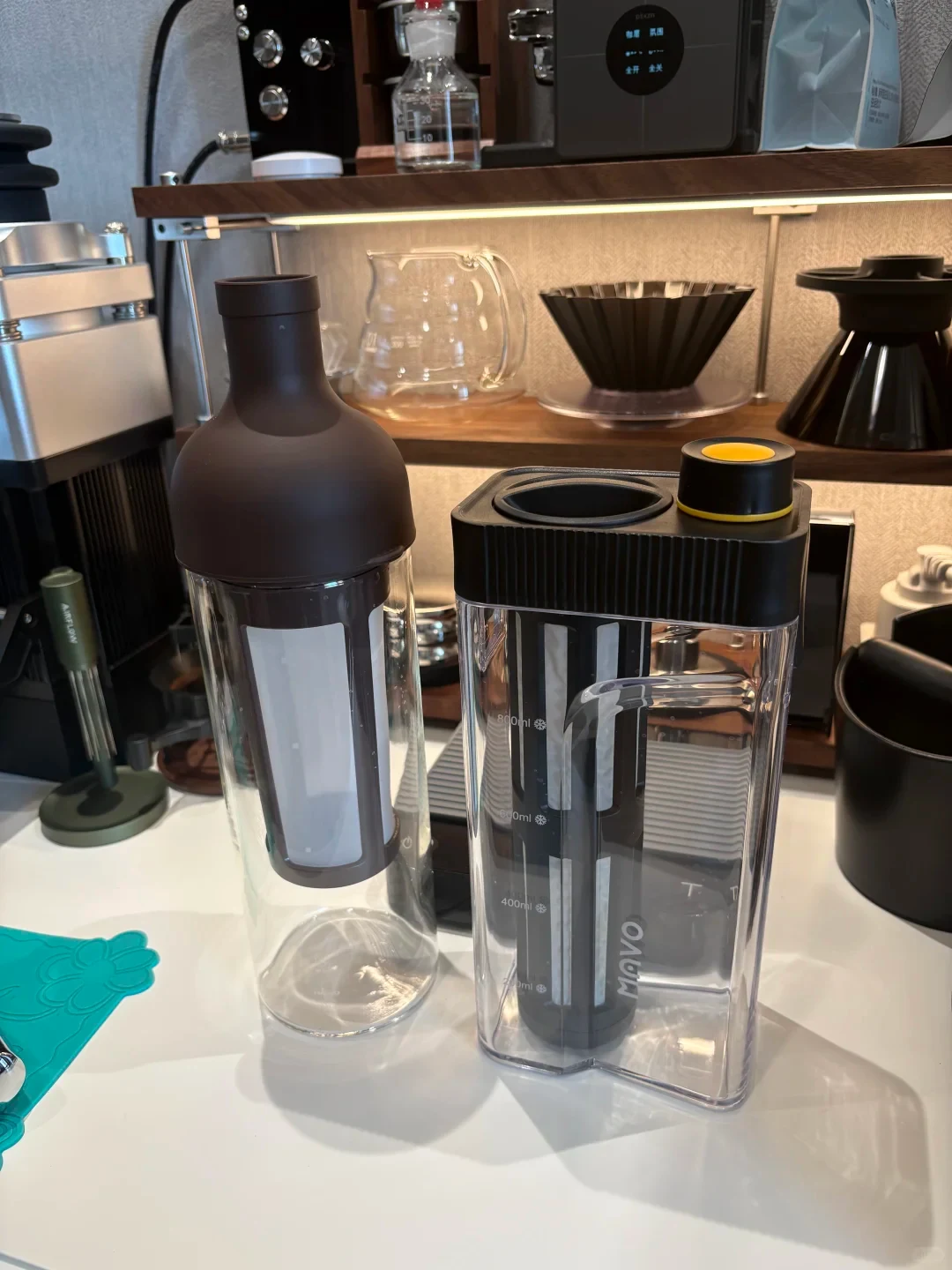
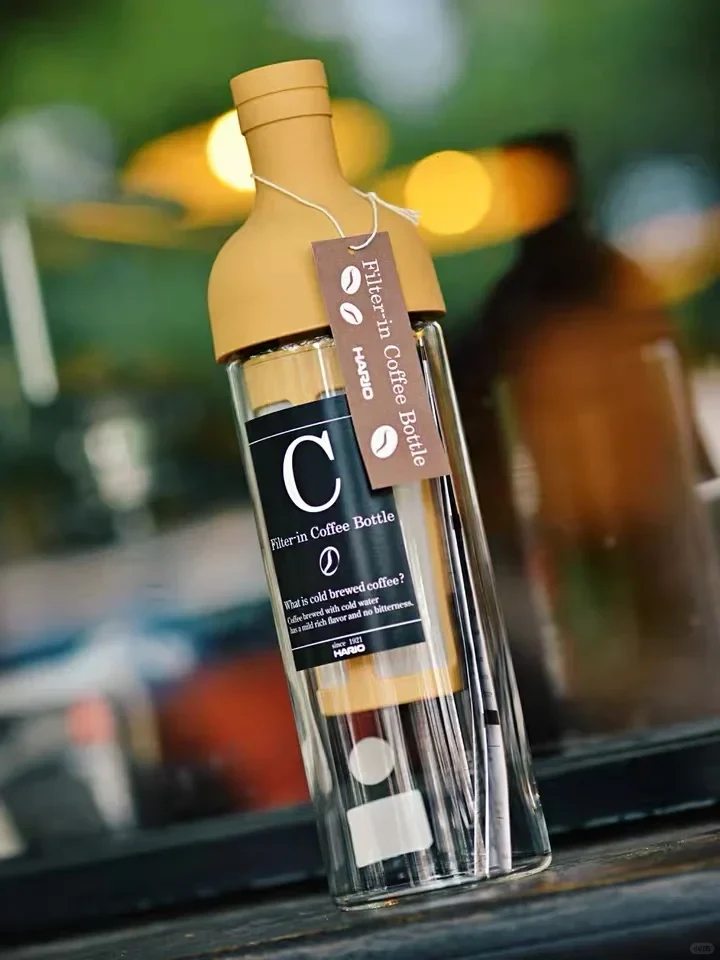
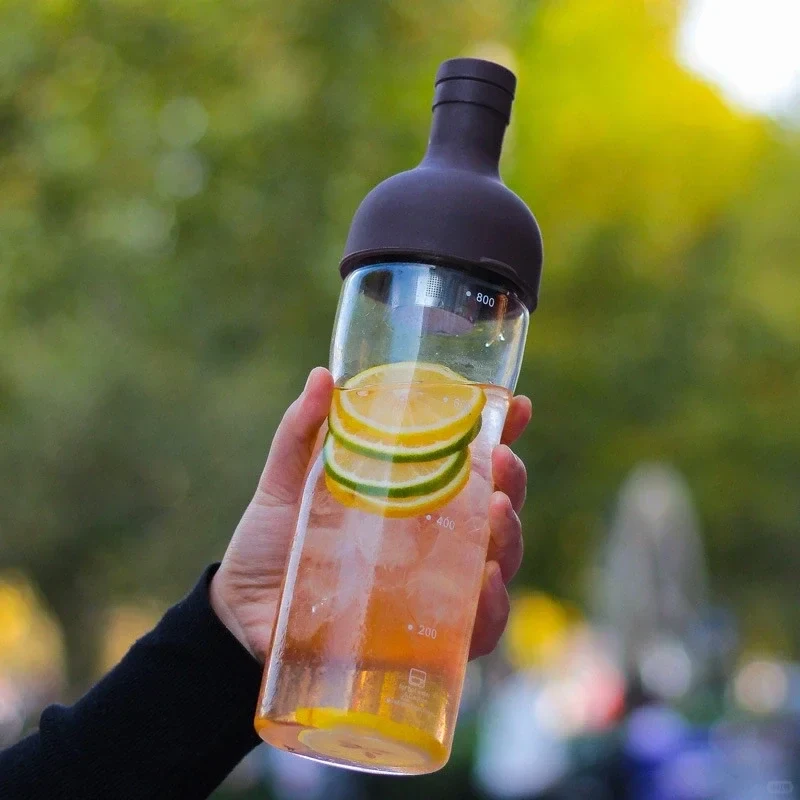
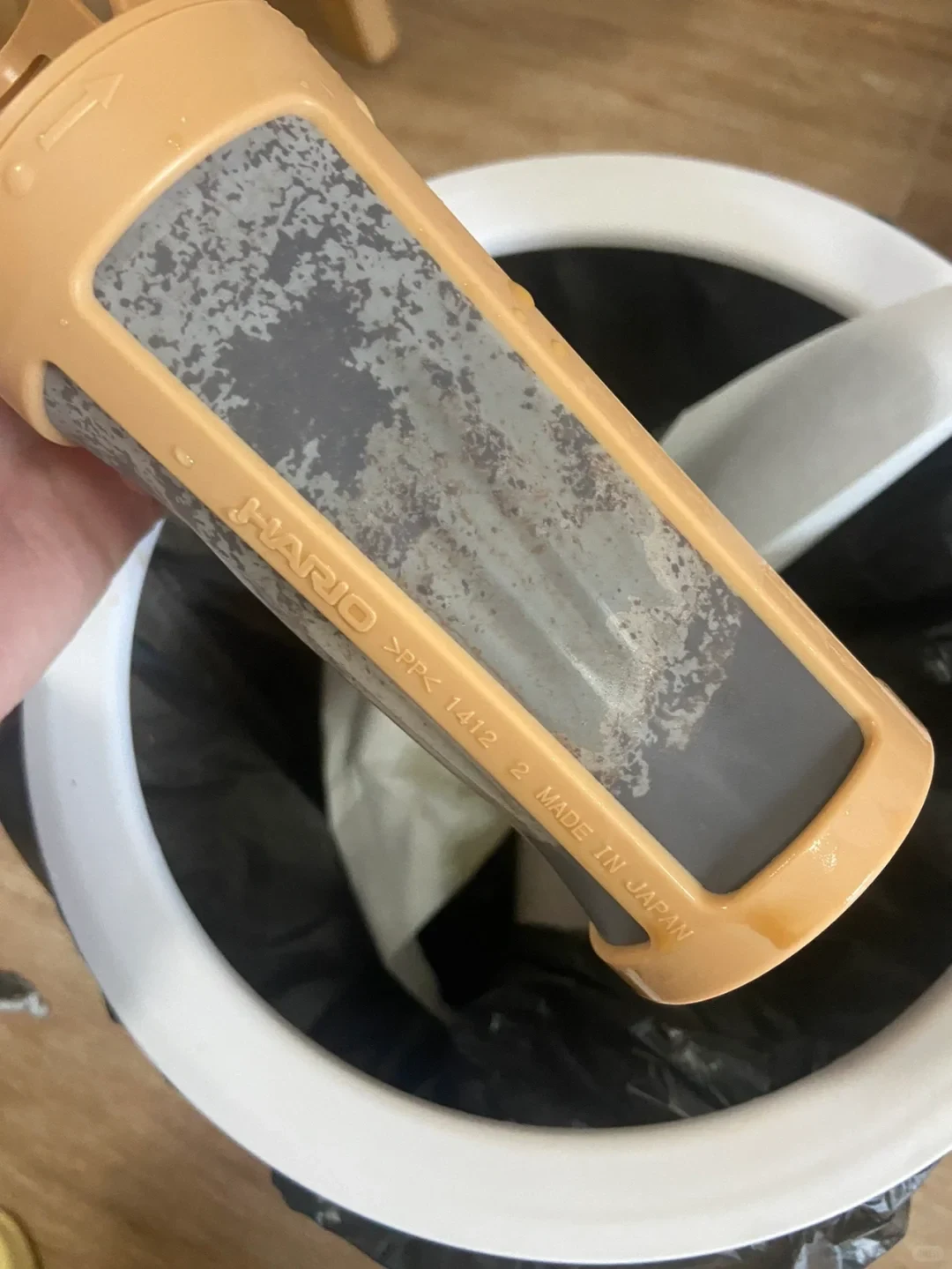
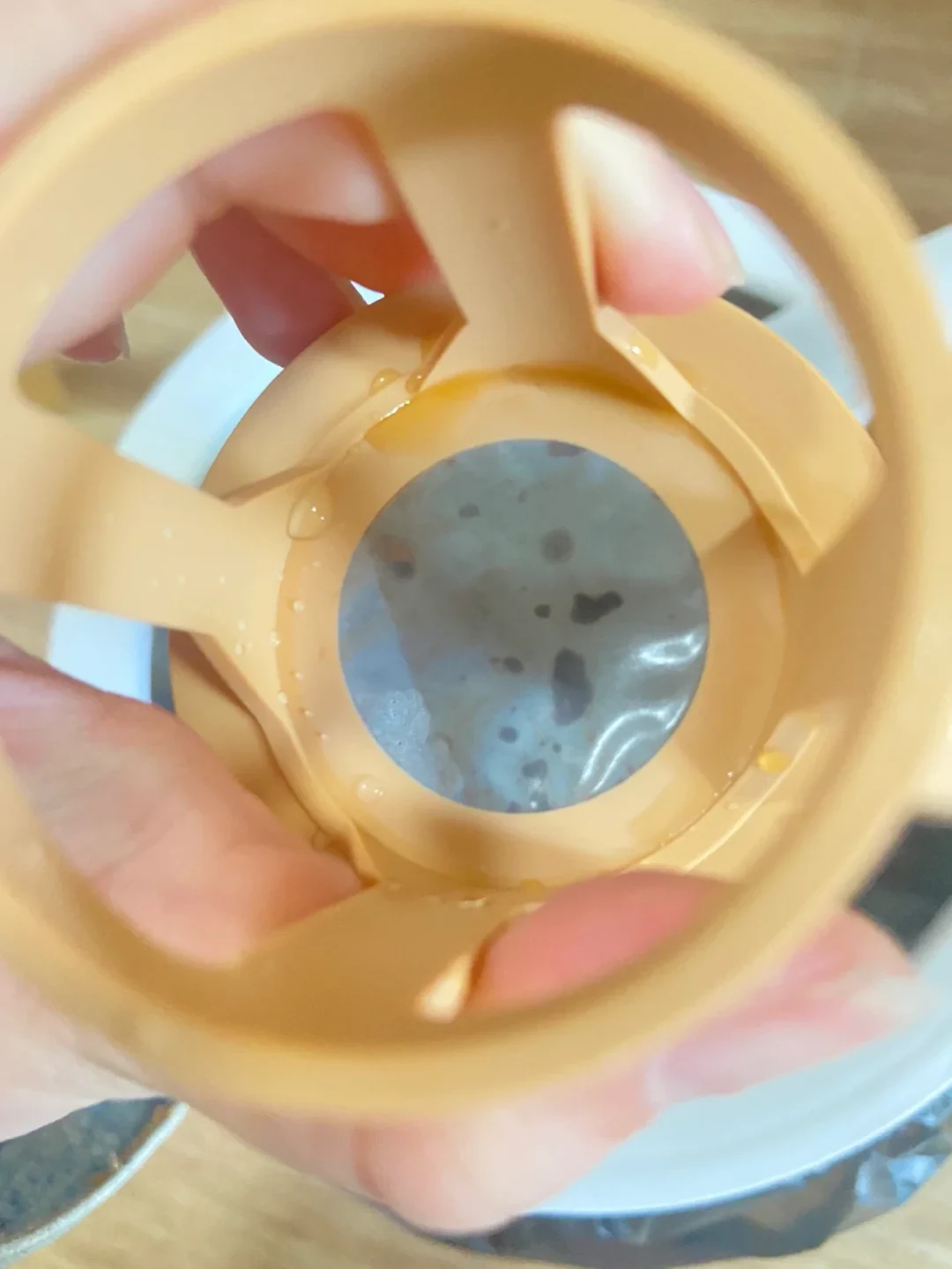
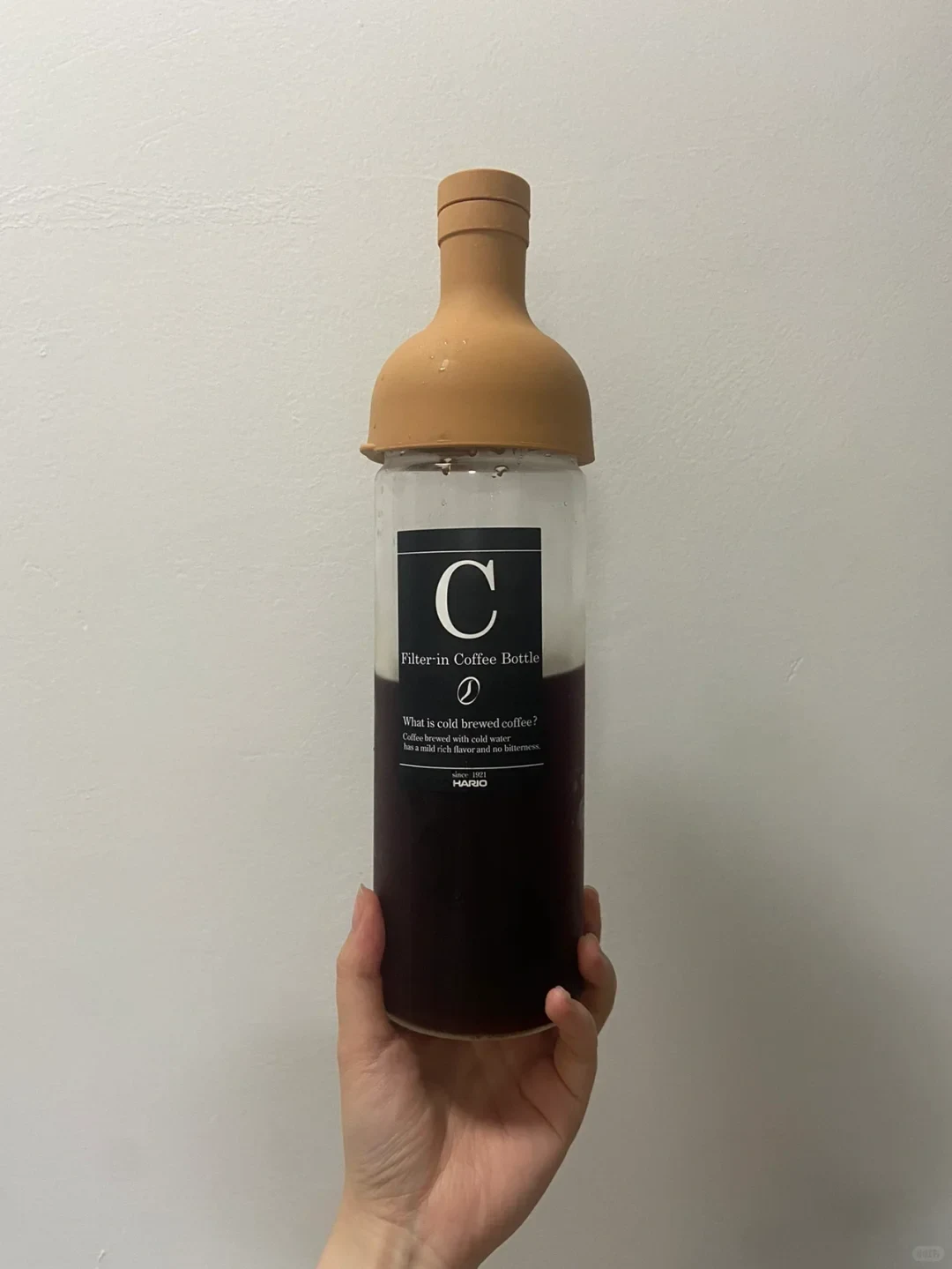
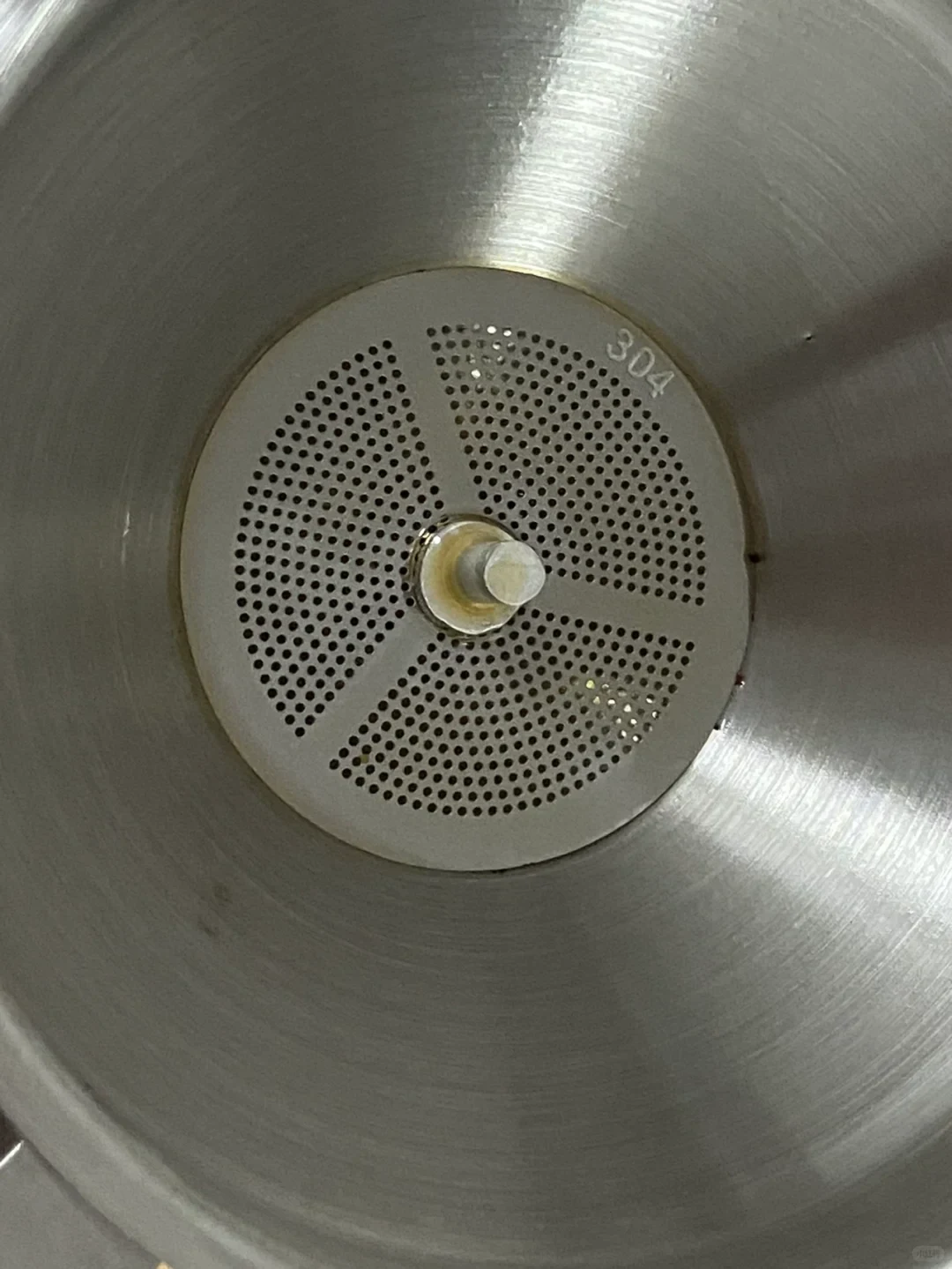
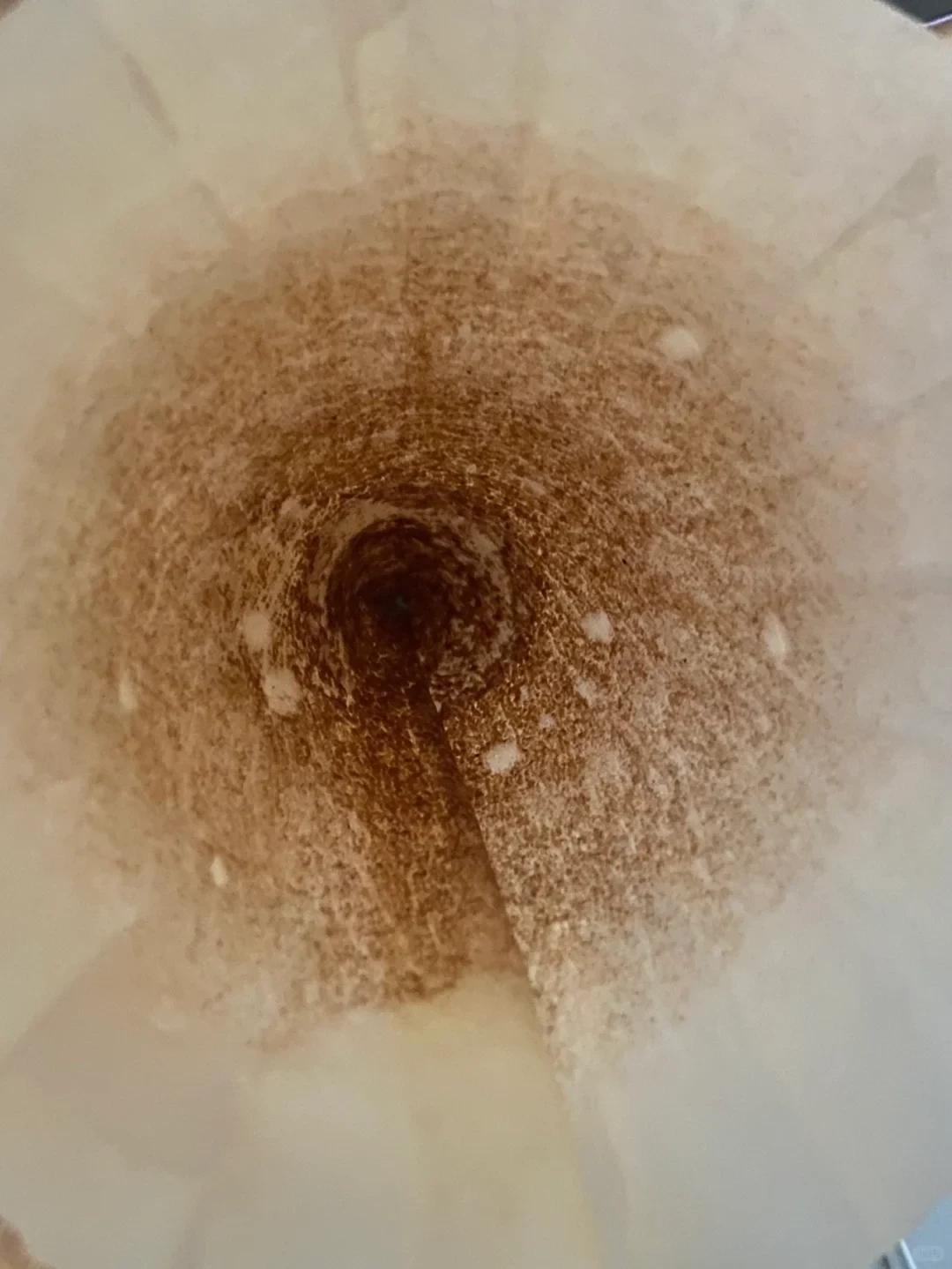
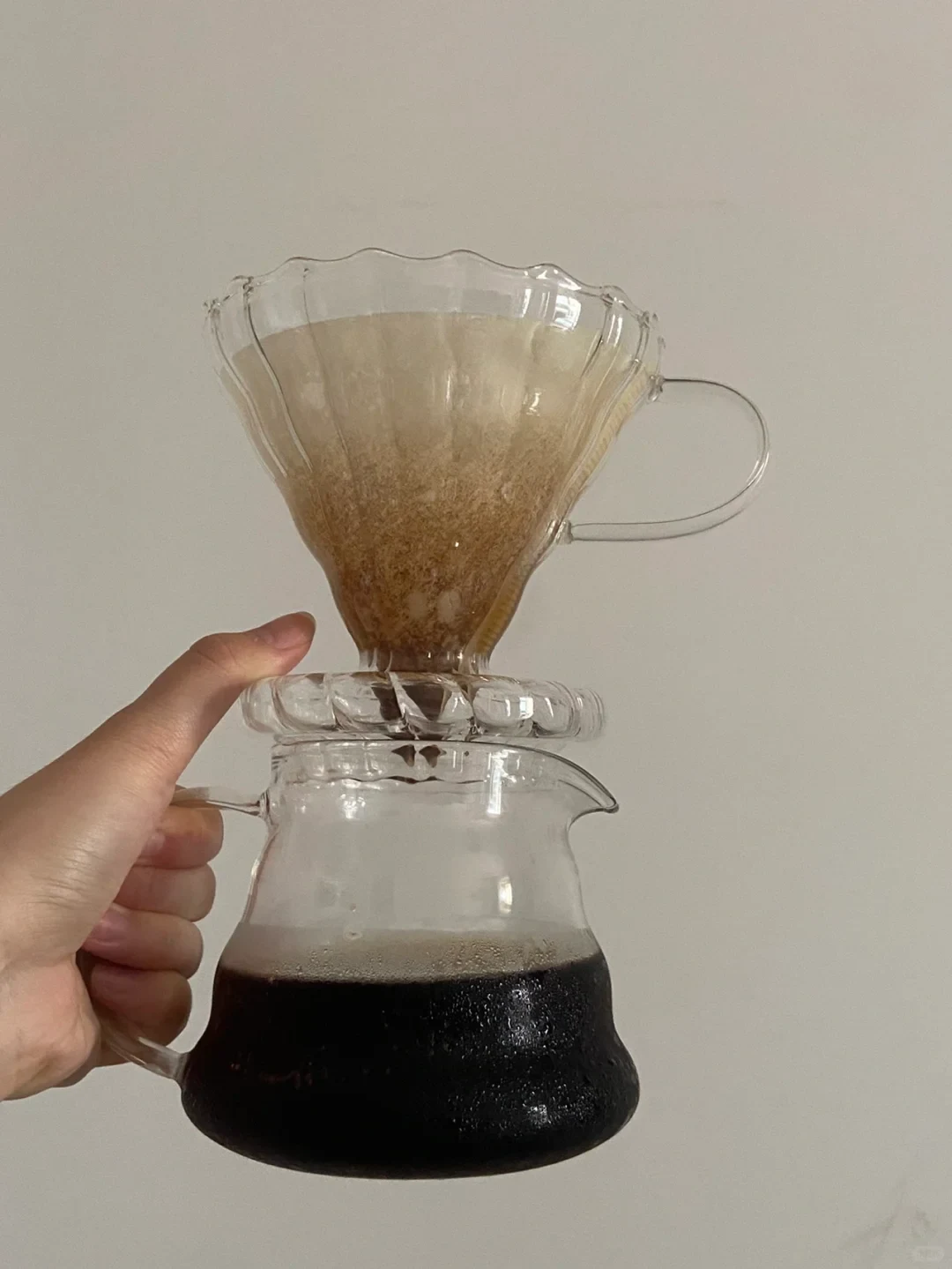
For the record, I’ve bought both the HARIO in the first photo and the 1688 alternative in the second. I bought the 1688 one last year. At a little over 40 yuan, it was certainly cheap, and it seemed intended to compete with HARIO in every respect.
But you can see the alternative’s stainless-steel filter section is very short. If you put the coffee grounds in that section, water doesn’t reach them; if you put the grounds directly in the bottle, that short filter doesn’t strain them thoroughly. Its main use may be for brewing flower or fruit tea, or tea and coffee bags, then filtering the liquid. The bottle’s recessed area also traps water marks and is awkward to clean—though if I’d had a dishwasher then, that wouldn’t have been an issue.
Now for the HARIO. I’d had it for several days but hadn’t used it because the weather was cold. Yesterday I brewed a batch of cold-brew Cerrado coffee, and when I poured it today I was amazed. I used pour-over-ground coffee without a filter bag, putting the grounds straight into the long white filter. Its mesh is so fine I thought it was a layer of plastic film and nearly tried to peel it off—don’t do that! I poured from the narrow spout after leaving it overnight, and the coffee came out smoothly with no visible grounds.
Believe me, my cold-brew progression was from using Nongfu Spring bottled water and filtering it myself, to the 1688 alternative, and then to the HARIO cold-brew bottle. The bottled-water approach cost very little—you could drink some and start brewing in the same bottle—but filtering the coffee afterward was painful because it clogged the paper filter and took ages. I’ve already described the 1688 bottle’s drawbacks. One thing to watch with HARIO: the filter cups for the fruit cold-brew bottle and the coffee cold-brew bottle are different, so check carefully if you’re buying the coffee version.
My question now is: can the HARIO’s middle filter cup go in the dishwasher, or could the water pressure damage it?
—————————
I’m honestly speechless. This isn’t an ad; I’m just a country bumpkin using a HARIO for the first time. I liked it, so I wrote about it. If it proves me wrong later, I’ll update the post—but I’ve only used it once!
The third and fourth photos were taken yesterday before I washed the filter. I hadn’t planned to post an update because I thought it had filtered very cleanly, and other people had confirmed that too. By touch, I couldn’t feel larger particles outside the mesh or on the grounds. And I said I used pour-over grounds—about the 135 setting on a Linglong R1 with external adjustment. Doesn’t the photo make that clear? After washing the filter, the fifth photo shows enough coffee for two more servings. I had another cup this morning, leaving one for tomorrow, when I’d see whether sediment appeared.
—————
I’ve just filtered the last cup into a new container. Look at the sixth photo: there’s sediment after all. It’s hard to describe; after sitting, a very fine deposit forms, a bit like mud. When I shook the bottle to take a photo, it disappeared from view and blended into the coffee—if you know what I mean. That’s it for my HARIO updates: three posts about one bottle. Choose what suits you. Someone below mentioned an ASVEL filter that looks similar; I might try it if I get the chance.
—————
The last two photos show what was left on the paper filter after filtering the final cup. I ran out of room to write more.
Source: 今天也要加油鸭 · Xiaohongshu · 2022-05-07 · hario冷萃杯真不是智商税. Search this Chinese title in Xiaohongshu to find the original post.
Before You Buy
Models in your region
The bottle in the post is identified as a HARIO Filter-in Coffee Bottle FIC-70 by its label and filter assembly. HARIO USA lists the FIC-70 coffee-bottle family at 650 ml finished brew volume. The owner’s cold-brew results are from her own bottle; they do not establish dishwasher safety for its filter.
| Model in this review | Related regional model | What to know |
|---|---|---|
| HARIO Filter-in Coffee Bottle FIC-70 | HARIO Filter-in Coffee Bottle FIC-70 (United States) | The US listing identifies the same FIC-70 coffee-bottle family shown in the post, though the exact color suffix is unconfirmed. It specifies a 650 ml finished brew volume and a polyester filter; the owner’s smooth first pour and later sediment are observations from her own bottle, not a guarantee of identical results. |
- Model in this review
- HARIO Filter-in Coffee Bottle FIC-70
- Related regional model
- HARIO Filter-in Coffee Bottle FIC-70 (United States)
- What to know
- The US listing identifies the same FIC-70 coffee-bottle family shown in the post, though the exact color suffix is unconfirmed. It specifies a 650 ml finished brew volume and a polyester filter; the owner’s smooth first pour and later sediment are observations from her own bottle, not a guarantee of identical results.
The first pour looked clean; the last cup did not
The first overnight brew, made with pour-over-ground coffee placed directly in the filter, poured smoothly with no visible grounds. A later update corrected that first impression: fine, sludge-like sediment appeared in the final serving after it had stood. The account therefore documents one brew with a clean-looking initial pour and sediment in the last cup, not consistently sediment-free filtration.
She also used a paper filter to inspect the final serving and photographed what it retained. That supports her observation that fine material remained, but does not quantify the sediment or establish how other grind sizes, recipes, or batches would behave.
Check the coffee filter and cleaning instructions
The owner warns that HARIO’s fruit-tea bottle and coffee bottle use different filter cups, so buyers should confirm they are choosing the coffee version. The HARIO USA FIC-70 listing identifies a polyester filter and a 650 ml finished brew volume, but the exact color suffix of the photographed bottle is not confirmed.
The owner asked whether the middle filter cup could go in a dishwasher; her post does not establish that it is dishwasher-safe. HARIO USA’s available product information specifies the filter materials but does not provide verified dishwasher instructions here, so check the instructions supplied with the exact bottle before machine-washing it.
How it compares with the 1688 bottle she owned
The 1688 bottle is a separate, unidentified product, not a regional version of the HARIO. The owner says its short stainless-steel filter was poorly suited to grounds placed directly in the bottle and describes a recessed area that was difficult to clean. She suggests it may work better for tea or coffee bags, but that is her assessment, not a verified specification.
Her earlier bottled-water method also required slow filtering because the paper filter clogged. These comparisons explain why she preferred the HARIO for that first brew, but the later sediment means her initial impression should not be read as proof that the bottle always produces a residue-free final cup.
Related Reading
Reviews & Guides · Kitchen & Dining
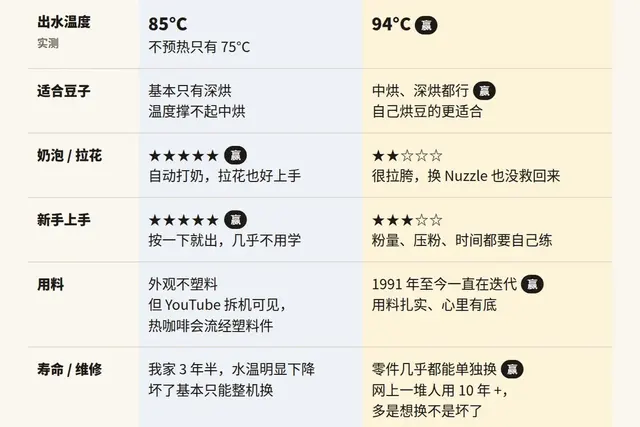
Breville Bambino after three and a half years: why I switched to Gaggia Classic E24
After three and a half years, my Bambino seemed to run cooler; I switched to a Gaggia Classic E24 for the beans we buy and roast at home.
Reviews & Guides · Kitchen & Dining
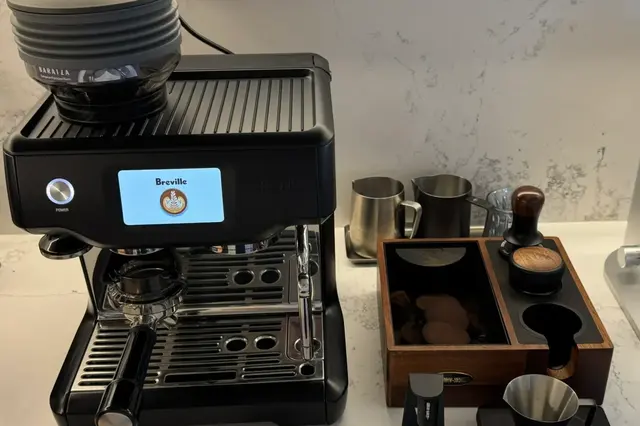
Gaggia Classic E24 daily routine: 18 g in, 36 g out
I make two coffees most mornings with my Gaggia Classic E24, weighing 18 g in and 36 g out. Pairing it with a Sculptor 064S helped me dial in.
Reviews & Guides · Kitchen & Dining
Gaggia Classic E24: 16-second shots and a changed temperature routine
I pulled roughly 26 g shots from 16 g of dark-roast coffee in my Gaggia Classic E24; a new flush routine seemed to slow them slightly, but I did not measure the change.