
Reviews & Guides · Kitchen & Dining
My HARIO–MAVO cold-brew comparison: TDS and filtering
Reviewed: HARIO Filter-in Coffee Bottle FIC-70, MAVO brick-shaped cold brewer (source SKU unspecified)Regional reference: HARIO Filter-in Coffee Bottle FIC-70 (United States); MAVO Crysbrick Cold Brewer (United Kingdom and European Union)
I compared HARIO and MAVO cold brew at a 1:12 ratio, then made a 12-hour HARIO batch without stirring and filtered it quickly with HIFLUX paper.
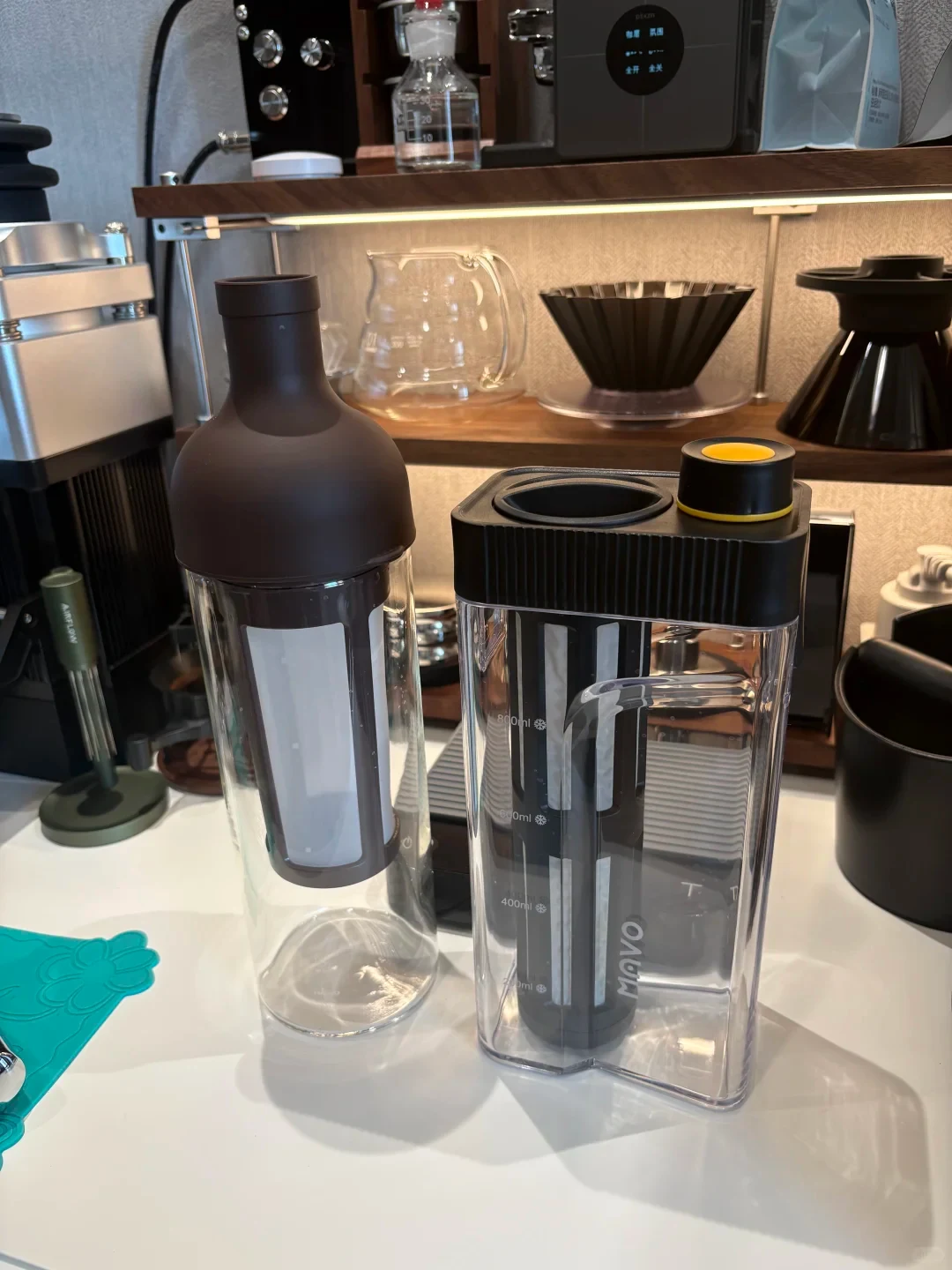
After countless failed attempts at cold brew, I finally found the secret to cold brew.
- Don’t stir or shake. Don’t stir or shake. Don’t stir or shake. This is extremely important: once you shake it, the taste gets worse. The most obvious change for me is that it becomes bitter. I suspect that too many fine grounds pass through the filter and that the excess fines are being washed around. If a cold brew turns bitter and muddy, I personally think it’s less hassle to make pour-over and add stainless-steel ice cubes.
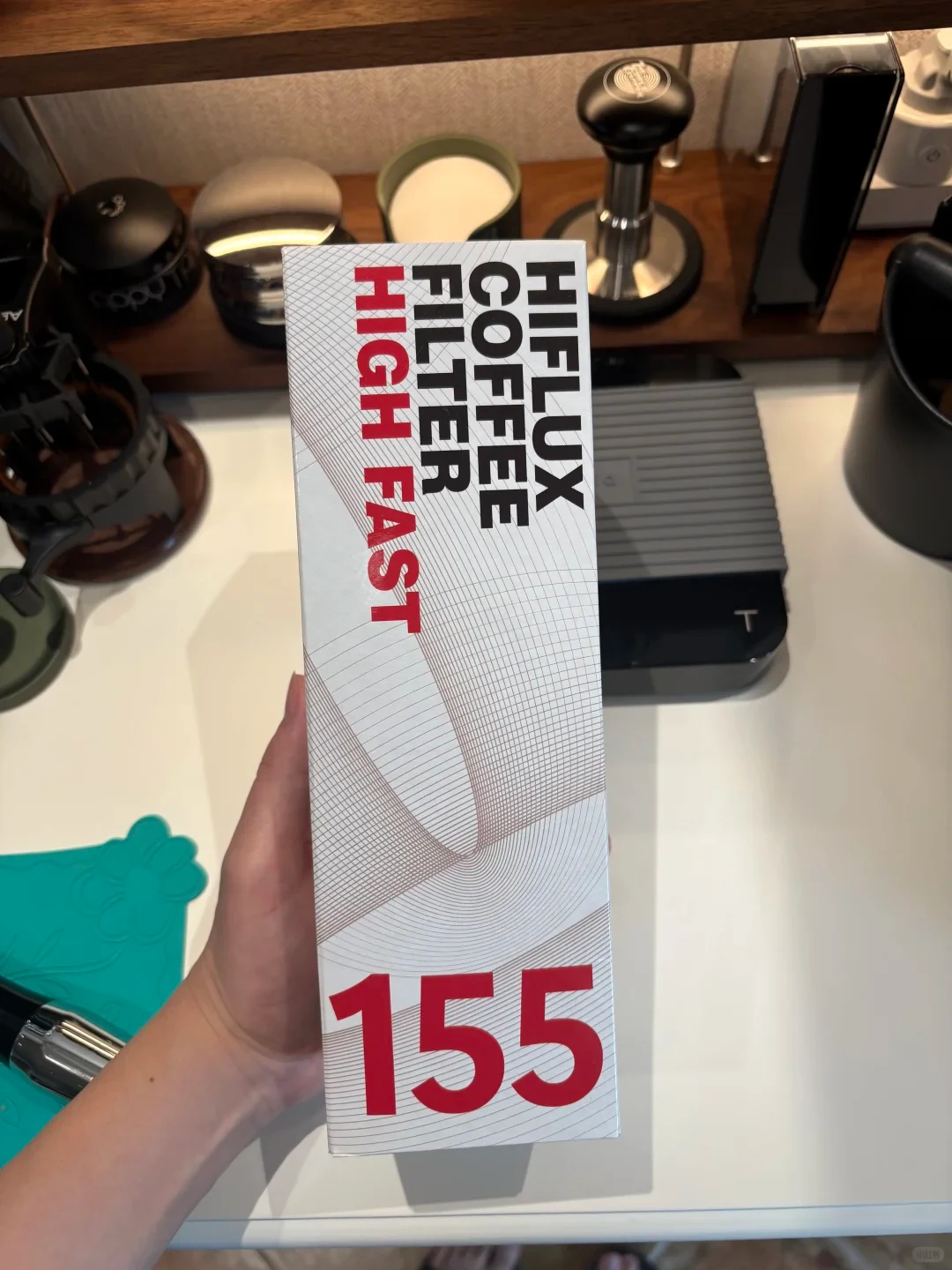
- Filter it with lyocell-fiber paper. A lot of people don’t want to make cold brew because they don’t want to filter it; they find filtering slow and troublesome. That was a main reason I avoided making it too. With a 500 ml bottle of cold brew, four or five regular filter papers weren’t enough because they kept clogging. This paper gets it filtered in no time.
- Use a grind just a little coarser than for a regular pour-over.
A few thoughts on these two cold-brew makers: I used to think the HARIO was poorly designed because its grounds basket sat too high and its mesh count was too low, letting very fine grounds through. Only after using the MAVO did I realize that these were all deliberate advantages of the HARIO. 1. The high basket helps maintain a larger concentration difference between the inside and outside over time, because the more concentrated cold brew and the finest grounds sit at the bottom. 2. The HARIO basket’s mesh count is just right for exchange between the inside and outside; the MAVO’s is a little too high. In my comparison under the same conditions at a 1:12 coffee-to-water ratio, the HARIO measured about 1.55% TDS and the MAVO about 1.15%.
With this method, you’ll get a very clean cup with low bitterness and great taste. The first time I drank it, I thought the concentrate could only be about 1.2%, but after filtering it still measured above 1.5%. Diluted with ice, it landed at a reasonable strength. The only downside, if there is one, is that it goes down so easily—and it’s a caffeine bomb.
Parameters: SSP 98LU burrs, ground at 850 rpm; HARIO filter bottle; 54 g of coffee and 650 ml of water; steeped for 12 hours. I poured room-temperature water directly into the grounds basket and didn’t shake or stir at any point. Don’t worry about the last little bit of liquid in the basket: pour the cold brew from the bottle into the filter without shaking, then discard the remaining liquid and grounds. Since the HARIO mesh isn’t very fine, I don’t think much concentrate is lost. HIFLUX paper filters far more efficiently than traditional filter paper. Regular paper used to clog almost immediately and stop draining, which was frustrating. With this paper, filtering finished as I poured out the cold brew.
Source: 光~~ · Xiaohongshu · Edited May 7 (year not shown) · 冷萃的秘密. Search this Chinese title in Xiaohongshu to find the original post.
Before You Buy
Models in your region
The HARIO coffee bottle corresponds to the US FIC-70 family. The pictured MAVO brick-shaped brewer has a current Crysbrick reference through a retailer serving the UK and EU; the source unit’s exact SKU is unspecified.
| Model in this review | Related regional model | What to know |
|---|---|---|
| HARIO Filter-in Coffee Bottle FIC-70 | HARIO Filter-in Coffee Bottle FIC-70 (United States) | The US FIC-70 family lists 650 ml finished-brew volume, a glass body, polyester filter, polypropylene strainer and silicone spout and stopper. |
| MAVO brick-shaped cold brewer (source SKU unspecified) | MAVO Crysbrick Cold Brewer (United Kingdom and European Union) | The current Crysbrick listing specifies an 800 ml Tritan body and removable 350-mesh filter tube. The source shows the same brand’s brick-shaped, 800 ml brewer; the current listing is a series reference, with no confirmed source SKU. |
- Model in this review
- HARIO Filter-in Coffee Bottle FIC-70
- Related regional model
- HARIO Filter-in Coffee Bottle FIC-70 (United States)
- What to know
- The US FIC-70 family lists 650 ml finished-brew volume, a glass body, polyester filter, polypropylene strainer and silicone spout and stopper.
- Model in this review
- MAVO brick-shaped cold brewer (source SKU unspecified)
- Related regional model
- MAVO Crysbrick Cold Brewer (United Kingdom and European Union)
- What to know
- The current Crysbrick listing specifies an 800 ml Tritan body and removable 350-mesh filter tube. The source shows the same brand’s brick-shaped, 800 ml brewer; the current listing is a series reference, with no confirmed source SKU.
Concentration readings describe these two batches
The owner reports 1.55% TDS for HARIO and 1.15% for MAVO at a stated 1:12 ratio. These readings describe drink concentration, rather than extraction yield or caffeine. With no calibration details, repeated readings or temperature controls reported, they do not isolate basket geometry or mesh density as the cause of the difference.
A personal method alongside HARIO’s recipe
HARIO’s FIC-70 recipe uses 55 g of coffee, an eight-hour refrigerated steep and gentle shaking during setup and before serving. The owner’s 54 g, 650 ml, 12-hour routine instead avoids agitation and uses HIFLUX paper afterward. Room temperature describes the water added; the steeping temperature is not stated. The owner’s taste and filtration preferences are separate from the manufacturer’s method.
Related Reading
Reviews & Guides · Kitchen & Dining
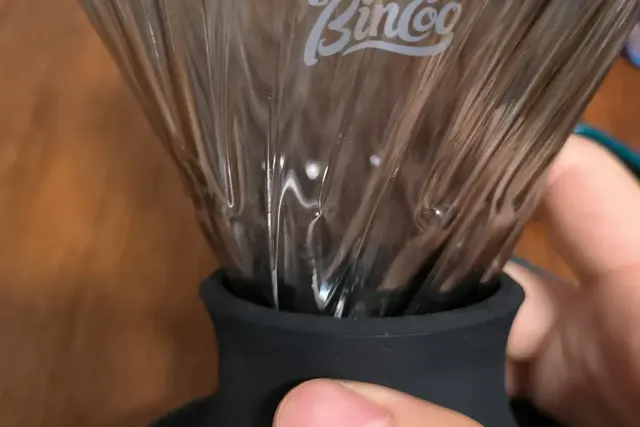
My Bincoo immersion dripper lost its steel ball during washing
I lost the valve ball while cleaning my Bincoo immersion dripper and bought five 14 mm spares. My receipt records the size; I didn’t report a sealing test.
Reviews & Guides · Kitchen & Dining
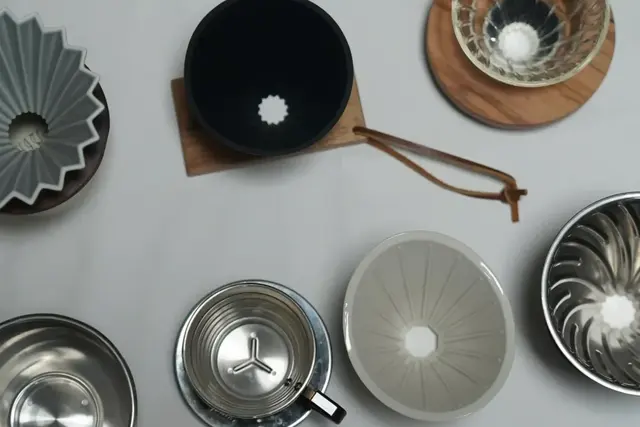
My 11-dripper comparison: why I used the Kalita Wave 155 and 185 least
I tried 11 pour-over drippers over time. I used my Kalita Wave 155 and 185 least because their papers lost shape during storage and rinsing.
Reviews & Guides · Kitchen & Dining
My four ceramic drippers: HARIO Alpha, V60, Shanwen 62 and Coffee Flower
I compared four ceramic drippers with washed Panama SL28. The Alpha felt weightier than my V60; I also compared Shanwen 62 and Coffee Flower.