
Litter-Robot 4: a cautious cat took two weeks to accept it
I introduced a Litter-Robot 4 to my cautious six-year-old cat. After two weeks of hesitation and several forced-entry attempts, my cat started using it.
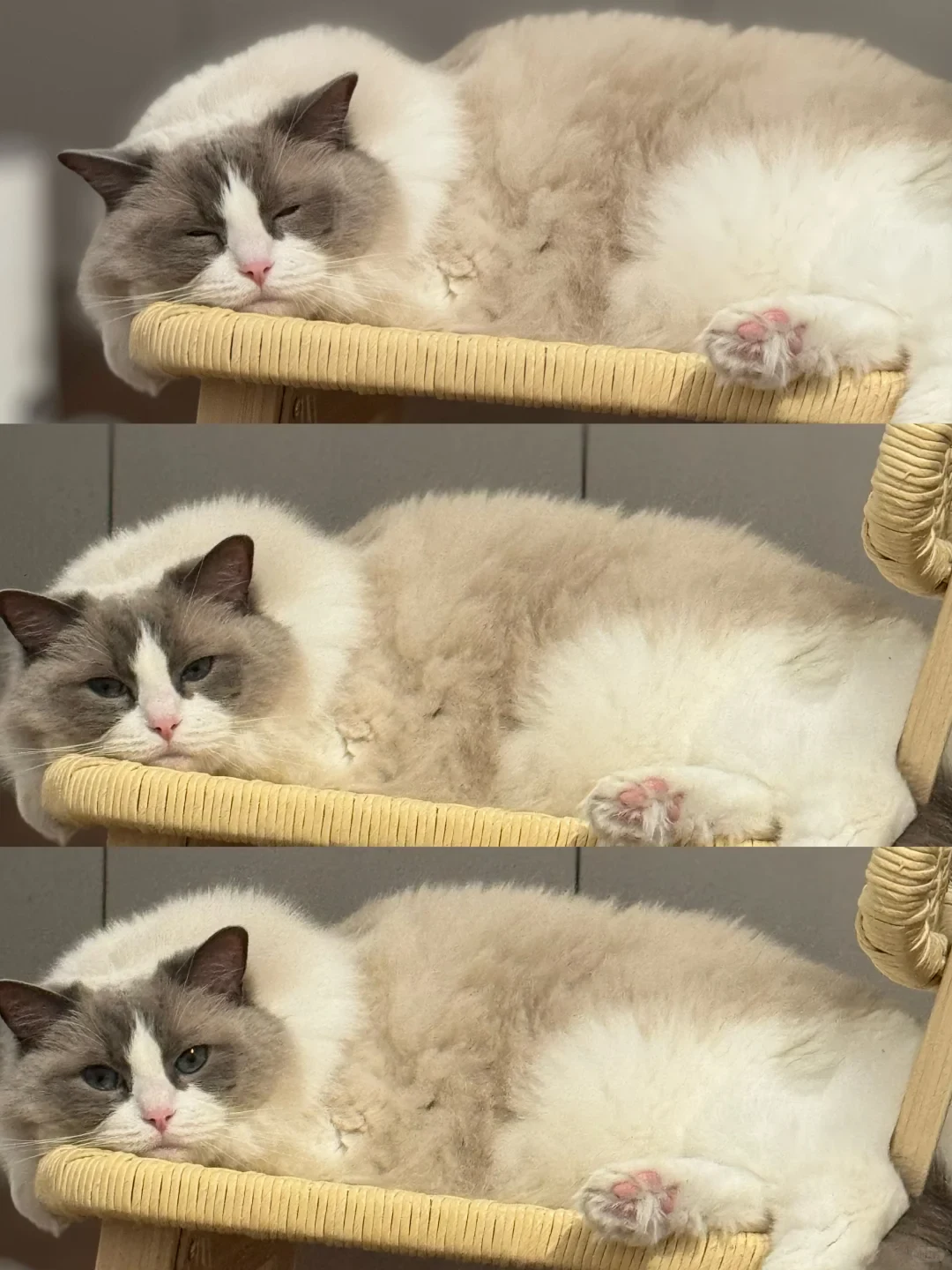
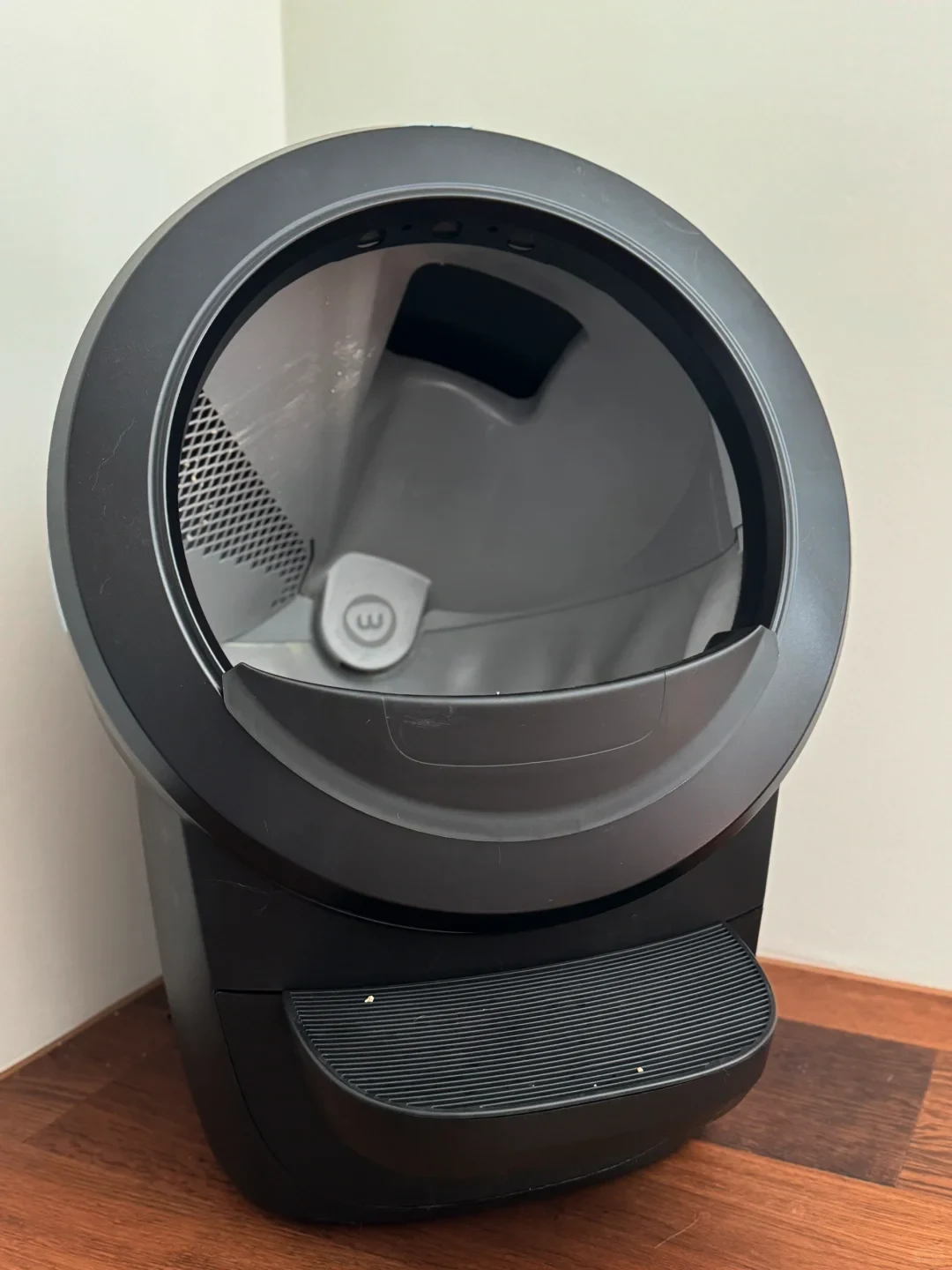
I finally got a Litter-Robot 4! When I first started keeping a cat, I really wanted to buy a Litter-Robot, but she was still small and often had soft stools. Scooping became a way to monitor her health, and because ours is a one-cat household, the workload was not heavy. So I put it off.
Recently, I wanted to improve both of our quality of life, so I decided to get the Litter-Robot 4 after all.
My cat is a sensitive, cautious six-year-old who was used to an open litter box. The biggest challenge in switching to the Litter-Robot was getting her to accept it.
I searched Xiaohongshu and Reddit and tried everything that seemed advisable, and everything that did not. She went through one week of completely ignoring the Litter-Robot, followed by another week when she seemed to understand that it might be a litter box but still did not want to use it. After exactly two weeks, she finally fully accepted and started using the Litter-Robot 4.
So I want to share this with cat owners who are anxious like me: trust that they will use it eventually. Be patient.
Here is how my cat came to accept the Litter-Robot 4
1. First stage: ignoring it
I changed to a new litter that was suitable for the Litter-Robot, but the ratio when mixing the new and old litter was wrong, with too little of the old litter. So my cat may not have recognized it as a litter box, or she may have recognized it but did not want to use it because it did not smell like her.
During this stage, I carried her into the Litter-Robot countless times. People overseas said this was a major mistake and would make a cat increasingly resistant to it. But my cat showed absolutely no curiosity about the Litter-Robot. If I used treats, she only remembered that there were treats, rather than exploring the Litter-Robot. So whether you can carry a cat directly into it, and whether that might traumatize her, may really depend on the individual case.
1. Second stage: a litter box she did not want to use
The turning point in realizing that it was her litter box was: 1. I mixed her new litter into the old litter box so she could get used to the new litter, then put a freshly formed clump into the Litter-Robot and carried her into it. She smelled it and jumped out. Then she did the ground-scratching motion she makes after using the toilet.
Over the next few days, I noticed that she would enter the Litter-Robot by herself, but only sniff it and then leave without using it.
At this point I was quite anxious. I felt that she had already recognized it as a litter box, so why was she not using it? Was it because the old litter box was still there? People online said not to remove the old box before the cat had used the new one, and they were right. Because I was impatient, I removed the old box for eight hours. She did not use the Litter-Robot either. Once I brought the old box back, she immediately peed and pooped in it.
Although I felt desperate, I followed the advice to clean the old box less often. But she complained by meowing and still refused to use the new one.
At that point I lost patience and could only force the issue. When she was preparing to pee in the old box, I carried her into the Litter-Robot, and she used it. Then I forced her in once more, and she pooped there.
After collecting one urine clump and one stool, I felt that she understood it was her toilet. I felt that as long as the old box remained, she would not actively choose the Litter-Robot. So I did not wait for her to use the Litter-Robot voluntarily; I removed the old box and gave her only the Litter-Robot as an option.
The result showed that this was the right decision. After the old box was removed, she started using the Litter-Robot.
Source: 吴米粒麻麻💫 · Xiaohongshu · 2025-07-21 · Litter Robot 4 | LR4 自动猫砂盆使用体验. Search this Chinese title in Xiaohongshu to find the original post.
Before You Buy
Models in your region
The owner identifies the product as the Litter-Robot 4, but does not provide a full purchase-market or electrical configuration. The official US and European listings both identify a Whisker Litter-Robot 4, while the international manual supplies general acclimation and safety guidance.
| Model in this review | Related regional model | What to know |
|---|---|---|
| Whisker Litter-Robot 4 | Whisker Litter-Robot 4 (US) | The US Litter-Robot 4 belongs to the same product family. The owner does not give a purchase market, power specification or complete configuration, so the US listing should not be assumed to be the exact unit used. |
| Whisker Litter-Robot 4 | Whisker Litter-Robot 4 (EU) | The EU Litter-Robot 4 belongs to the same product family. The owner’s purchase market is unspecified, so an EU configuration is unconfirmed. |
- Model in this review
- Whisker Litter-Robot 4
- Related regional model
- Whisker Litter-Robot 4 (US)
- What to know
- The US Litter-Robot 4 belongs to the same product family. The owner does not give a purchase market, power specification or complete configuration, so the US listing should not be assumed to be the exact unit used.
- Model in this review
- Whisker Litter-Robot 4
- Related regional model
- Whisker Litter-Robot 4 (EU)
- What to know
- The EU Litter-Robot 4 belongs to the same product family. The owner’s purchase market is unspecified, so an EU configuration is unconfirmed.
What the two-week transition shows
The owner’s experience is a single-cat acclimation account, not a guarantee that every cat will adapt in two weeks. Her cat initially ignored the machine, then entered it to sniff without using it, and eventually began using it after the old box was removed. The sequence included familiar scent, a litter change, repeated forced entry and removal of the old box before voluntary use. Its eventual success in this household does not make those forced steps a gradual training method.
For a cautious cat, the owner’s account supports keeping the transition gradual rather than judging the product after the first few days. The official international manual also says to keep a familiar litter box available while the cat learns the new box and remove it after reliable voluntary use, which differs from the owner’s earlier removal before reliable use.
Do not copy the forced-entry step
The owner reports carrying her cat into the Litter-Robot several times and later forcing entry when the cat was about to use the old box. That describes what happened in this household; it is not general training advice. The official manual says never to force a cat into the Litter-Robot, so a safer plan is to allow voluntary exploration and keep the familiar box during acclimation.
The owner’s conclusion that the old box prevented voluntary use was specific to her cat. Removing a familiar box too early can leave a cat without a comfortable toilet option, so the manual’s condition—remove it after reliable voluntary use—is important when planning the changeover.
Litter and operating conditions
The owner changed litter and used familiar clumps to transfer scent, but she does not identify the litter type or the exact mixing ratio. The official FAQ for the US Litter-Robot 4 favors standard-weight clumping clay and says absorbent wood pellets and loose-clumping plant litters do not work, so buyers should check the local listing and litter guidance before switching.
The official US and European listings specify automatic operation for cats weighing at least 1.36 kg, or 3 lb. The owner’s six-year-old cat is not weighed in the account, so her experience does not confirm suitability for a smaller cat. The US listing also describes app activity and weight records, while the EU listing specifies an adjustable cleaning delay of up to 30 minutes.
Regional checks before buying
The US listing describes 2.4 GHz Wi-Fi, a 15 V DC supply and a one-year base warranty; three-year coverage is tied to a selected plan or bundle rather than being universal. Those details are market-specific, and the owner does not report her region, app setup or warranty, so buyers elsewhere should verify the local product page and support terms.
The EU listing retains the Litter-Robot 4 name and describes quiet sifting, app connection, the same 1.36 kg minimum automatic-mode weight and a cleaning delay adjustable up to 30 minutes. EU purchase and support are region-specific, and US warranty or bundle information should not be transferred to an EU purchase.
For any regional version, place the unit on a firm, level surface without a mat partly underneath it. Unplug it before servicing, do not wet the bonnet or base, and do not modify the hardware. These manual instructions are separate from the owner’s acclimation experience and apply to setup and maintenance decisions.
Related Reading
Reviews & Guides · Appliances
Whisker Litter-Robot 4: a curious cat exposed a cleaning-cycle trade-off
I placed my Litter-Robot 4 behind my desk, where my curious cat interrupted cleaning twice; it controlled odor well, but required compatible litter.
Reviews & Guides · Appliances
Whisker Litter-Robot 4: a quiet first week with a missed app cycle
I tried the Whisker Litter-Robot 4 for a week: my cat adapted on day one, cycling was quieter than expected, but the app missed one completed cycle.
Reviews & Guides · Appliances
Litter-Robot 4: a printed Ring camera mount, with Ring Indoor Cam and Litter-Robot 5 Pro context
I added a Ring camera to my Litter-Robot 4 with a 3D-printed mount, so I can see which cat used it and inspect stool appearance after each visit.