
Reviews & Guides · Garden & Pool
Mammotion LUBA mini AWD: Seattle intervention notes for LUBA mini AWD 1500H and LUBA mini AWD 800 buyers
I run my Mammotion LUBA mini two or three times a week at 2.2 inches. The lawn looks impressive, but weak signals and edges make many scheduled tasks need intervention.
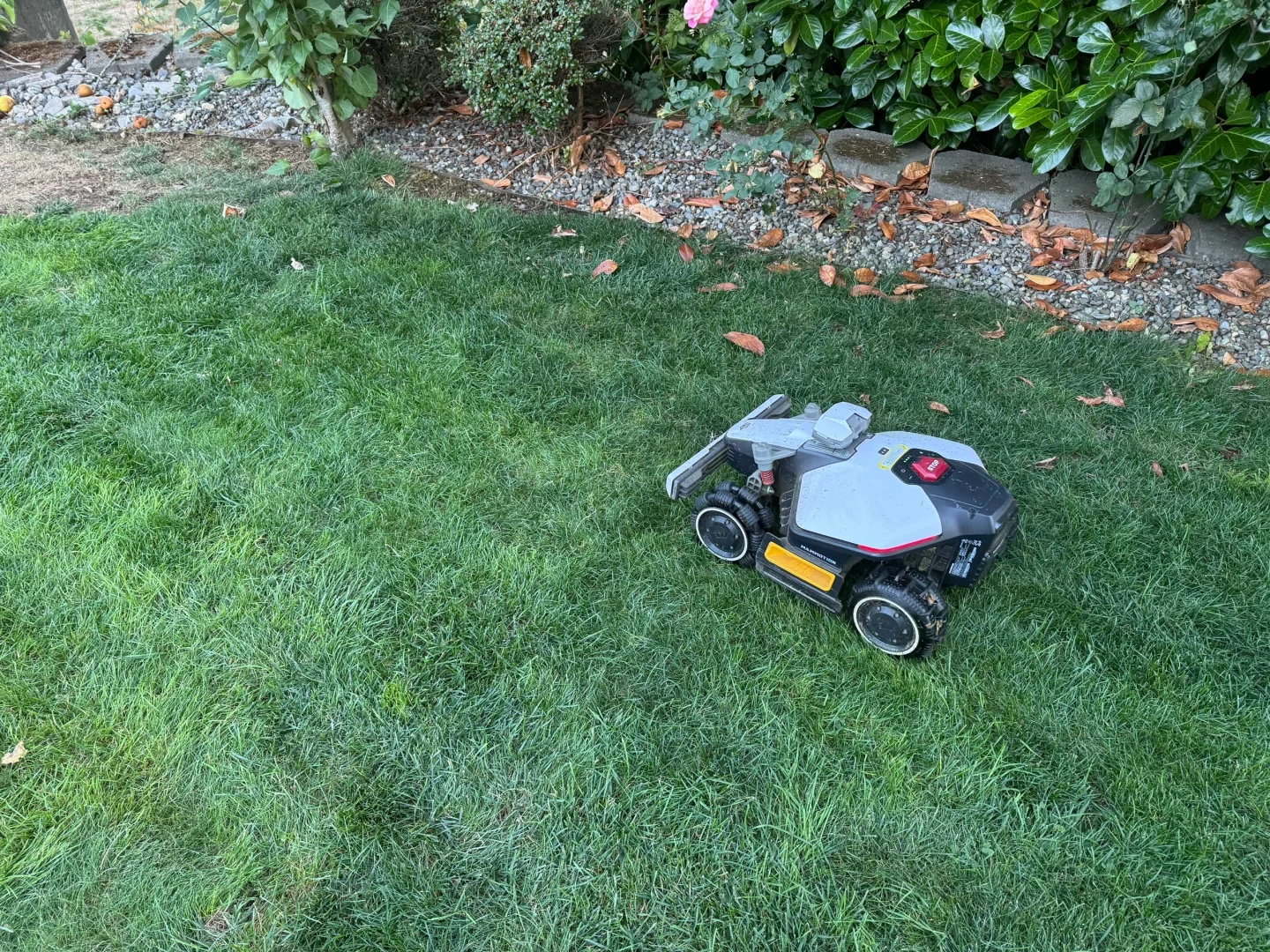
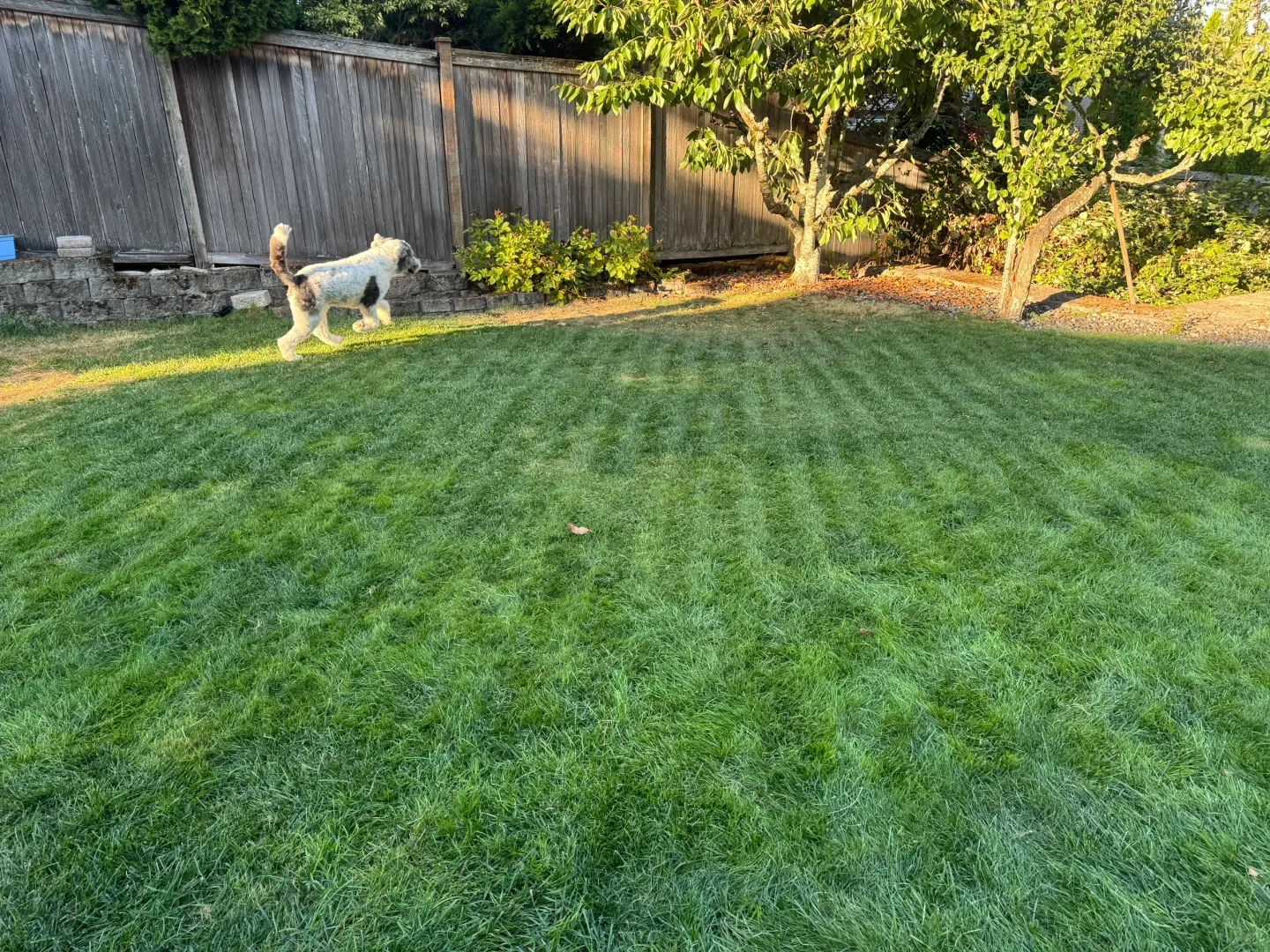
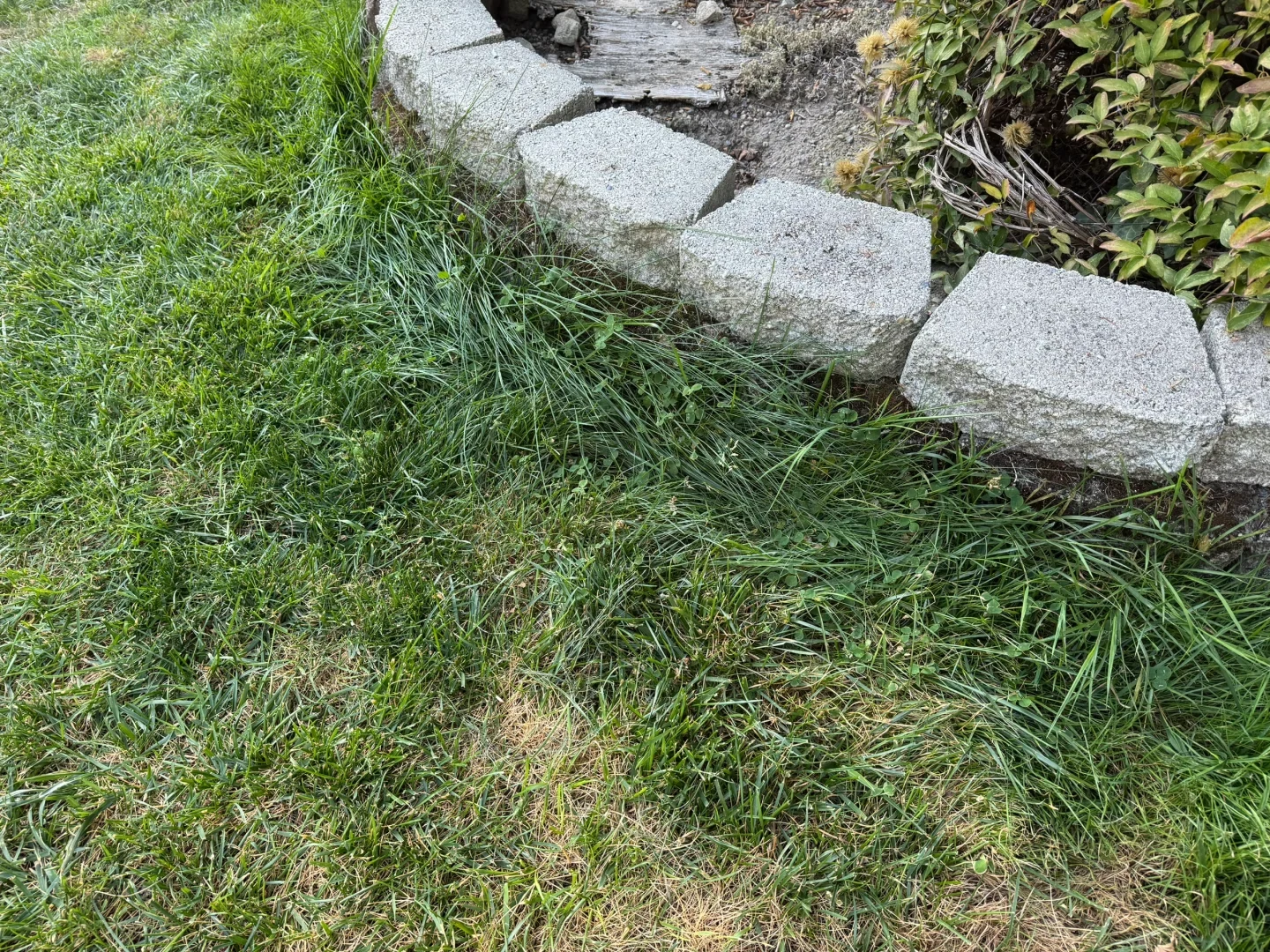
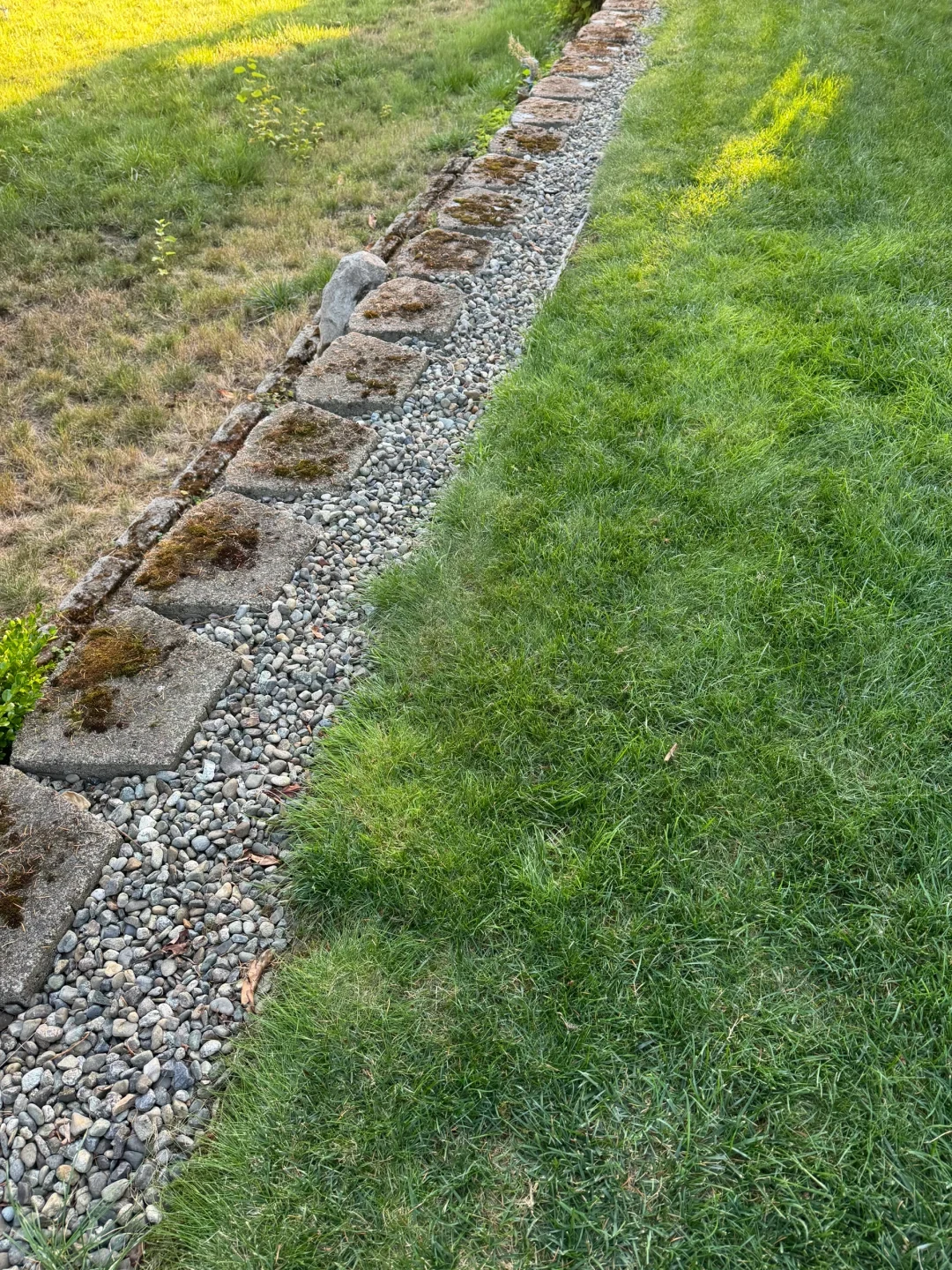
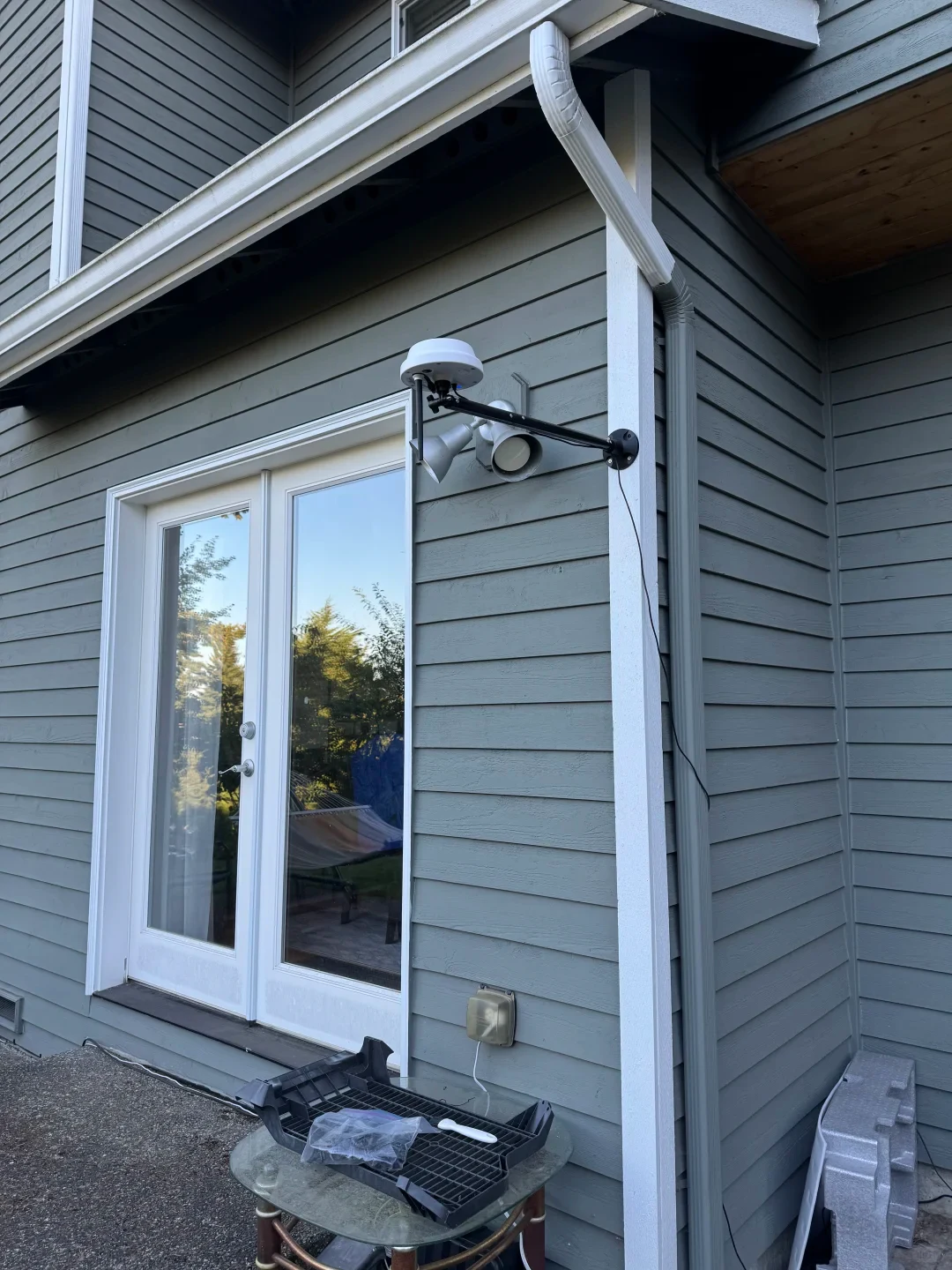
The lawn worker I had previously hired became increasingly perfunctory and stopped showing up on time, so I finally decided to try a robotic lawn mower. I bought the Mammotion LUBA mini and run it two or three times a week at the minimum height of 2.2 inches. The results look impressive, although I also water every day and overseed and work on the turf in spring. However, these robots still have a lot of room to improve. It cannot mow right up against stone edges, and there is a chance that inaccurate boundary positioning will make it fall. It often gets stuck in certain corners because of a weak signal. The positioning base station is somewhat obtrusive, and the signal can drift, causing an automatic task not to start or the mower not to return to the charging station. Basically, about 80% of scheduled tasks need at least one human intervention. Still, it is at least better than mowing myself or hiring someone. After using this robot for another two years, I feel I may replace it with a smarter next-generation model.
Source: KKY和啾啾李 · Xiaohongshu · 2025-09-23 · 割草机器人有前途. Search this Chinese title in Xiaohongshu to find the original post.
Before You Buy
Models in your region
The owner identifies the machine only as a Mammotion LUBA mini and does not provide a full capacity suffix or purchase date. The regional products below are same-family references, not proof that the Seattle unit matches every listed specification. The US listing names the LUBA mini AWD 1500H, while the UK listing offers 800 and 1500 versions.
| Model in this review | Related regional model | What to know |
|---|---|---|
| Mammotion LUBA mini (capacity not reported) | Mammotion LUBA mini AWD 1500H (US) | The US LUBA mini AWD 1500H is a same-family option; the owner’s capacity variant is unknown. Mammotion lists a 0.37-acre rated area and a 2.2–4.0-inch cutting range. The checked listing was out of stock. |
| Mammotion LUBA mini (capacity not reported) | Mammotion LUBA mini AWD 800 (UK) | These are UK same-family references. The official listing offers 800 and 1500 capacity versions and describes virtual multi-zone schedules and UltraSense AI Vision, but neither capacity is established for the owner’s unit. Both versions were out of stock when checked. |
- Model in this review
- Mammotion LUBA mini (capacity not reported)
- Related regional model
- Mammotion LUBA mini AWD 1500H (US)
- What to know
- The US LUBA mini AWD 1500H is a same-family option; the owner’s capacity variant is unknown. Mammotion lists a 0.37-acre rated area and a 2.2–4.0-inch cutting range. The checked listing was out of stock.
- Model in this review
- Mammotion LUBA mini (capacity not reported)
- Related regional model
- Mammotion LUBA mini AWD 800 (UK)
- What to know
- These are UK same-family references. The official listing offers 800 and 1500 capacity versions and describes virtual multi-zone schedules and UltraSense AI Vision, but neither capacity is established for the owner’s unit. Both versions were out of stock when checked.
What the Seattle owner experienced
The owner reports running the LUBA mini two or three times weekly at 2.2 inches, alongside daily watering and spring turf work, and says the lawn looks impressive. That result is a combined household outcome rather than a controlled mowing test, so the mower should not receive sole credit for the lawn's appearance.
The main trade-off is autonomy. The owner estimates that about 80% of scheduled tasks require at least one human intervention, because the mower may fail to start, become stuck in a weak-signal corner, or fail to return to the charging station. This is a household estimate without task logs, not a general reliability rate.
Mammotion physical RTK reference station · International English support
Edges, boundaries and signal conditions
The owner's lawn has a clear limitation at hard landscaping: the mower does not cut right up against stone edges. Buyers with similar borders should expect to inspect and finish those strips themselves unless their layout and chosen edging provide a different result; the owner's photographs show stone and pebble borders, but do not establish a universal clearance measurement.
The owner also reports occasional inaccurate boundary positioning that can make the mower fall. Mammotion's regional materials describe boundary and vision features, but those specifications do not guarantee that every yard will avoid falls or interventions. The reported outcome belongs to this installation and yard.
For a physical RTK reference station, Mammotion's installation guidance recommends an upright position with open sky, away from trees, building corners and narrow passages. That is a practical placement check for the owner's weak-signal and docking complaints, but the account includes no diagnostic logs, firmware details or repositioning trial to confirm the cause.
Which regional version should buyers compare?
The US LUBA mini AWD 1500H listing specifies a 2.2–4.0-inch cutting range and a 0.37-acre rated area. The owner's 2.2-inch setting fits the lower end of that listed range, but the missing capacity suffix means buyers should confirm the exact machine before applying the 1500H area or specification to this experience.
In the UK, the official LUBA mini listing offers 800 and 1500 capacity versions and describes virtual multi-zone schedules and UltraSense AI Vision. Those features help identify the local alternatives, but they do not prove that the owner's unidentified mower has the same capacity, cutting range or behavior.
The US page currently advertises NetRTK and iNavi without physical RTK installation while also listing an RTK station in the box contents. This should not be treated as proof of the owner's navigation service or as an assured fix for the reported signal problems; buyers should verify the current regional configuration and installation requirements.
Related Reading
Reviews & Guides · Garden & Pool
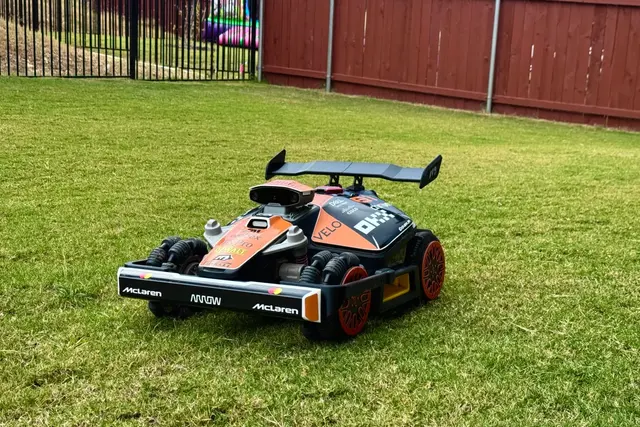
Mammotion LUBA mini: Texas mowing notes for LUBA mini AWD 800H and LUBA mini AWD 800 buyers
I’ve run my Mammotion LUBA mini in Texas for about a year, mowing three times weekly at one inch; its positioning has rarely drifted.
Reviews & Guides · Garden & Pool
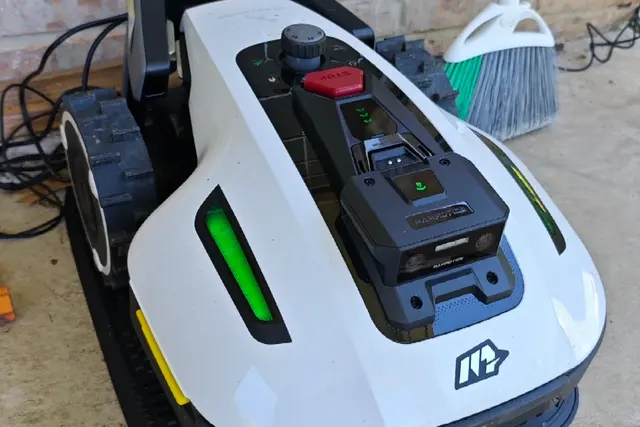
Mammotion YUKA mini 600H: first-day mowing and 10–20 minutes of edging
I found the Mammotion YUKA mini 600H left visible mowing tracks and resumed after charging, but I still spent 10–20 minutes edging corners.
Reviews & Guides · Garden & Pool
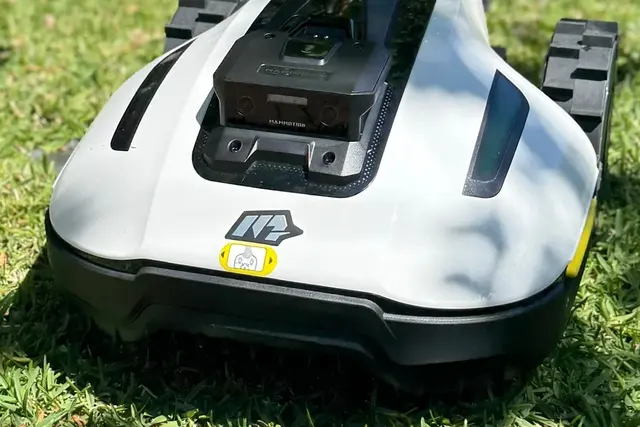
Mammotion YUKA: nine-month signal and edge problems, with YUKA 2000 buying context
I used a Mammotion YUKA for nine months on two flat Buffalo-grass lawns, then returned it after repeated signal errors, step-edge stoppages and uncut borders.