
Reviews & Guides · Kitchen & Dining
Nespresso Lattissima One F121: quick coffee, long cleanup
Reviewed: Nespresso Lattissima One F121Regional reference: Nespresso Lattissima One EN510/F121 (United States)
I made a milk coffee in about three minutes with my Nespresso Lattissima One F121, but taking its milk parts apart, washing and reassembling them took about ten.
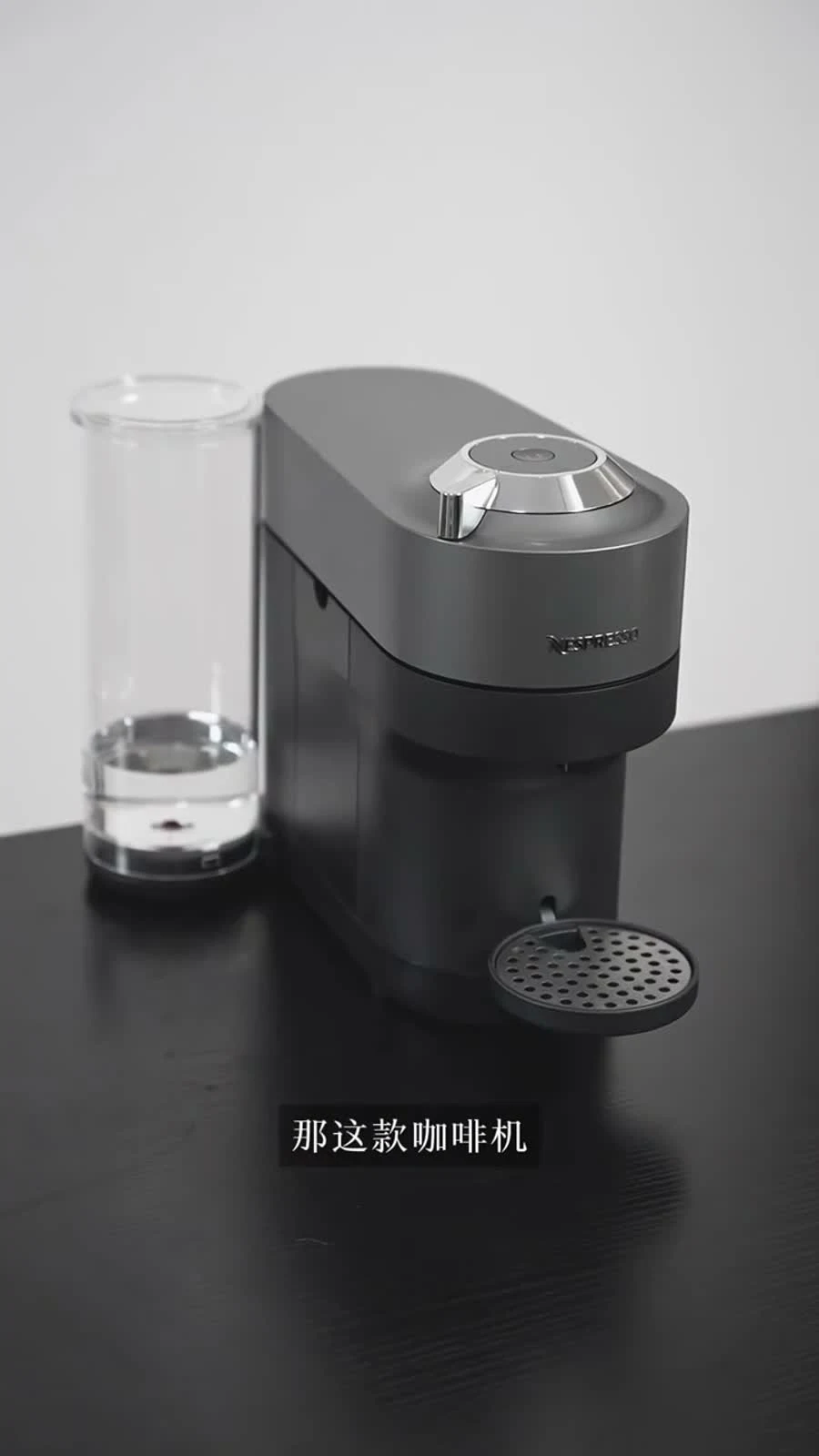
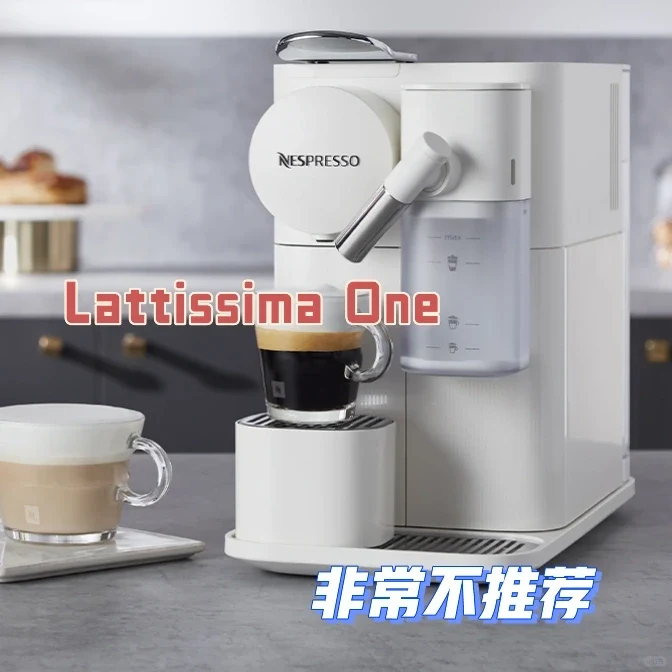
The Nespresso Lattissima One F121 is an entry-level milk-foaming machine in Nespresso’s Original line, produced in collaboration with De’Longhi.
I was won over at first sight by its looks and its one-touch milk-coffee convenience, so I bought it without hesitation.
After using it, though, this is one of Nespresso’s milk-equipped machines I’m least likely to recommend.
I’ve been a Nespresso user for more than ten years. Here’s my honest experience with this machine: no hype, just the practical problems I ran into, all of them related to the milk function.
Milk foam: watery and disappointing
It doesn’t froth milk with a traditional steam wand. In my understanding, it uses pump-driven airflow, so the foam isn’t dense: mine came out airy and watery, with large bubbles, and the milk separated easily. It was noticeably less smooth and thick than steamed milk.
It can only make a basic milk topping. Latte art is out of the question.
Milk-system parts: fiddly to clean and put back together
The separate milk pathway is fairly complicated. The milk outlet needle, intake tube, seal, and frothing component are all individual small parts.
After every milk coffee, I had to take everything apart and wash it. If I missed even one crevice, milk residue could remain.
After washing, I also had to put every part back in place. Making a milk coffee took about three minutes, but taking the parts apart, washing them, and reassembling them took me about ten. That made everyday use a real hassle.
Enclosed milk pathway: residue and odor if left too long
The internal milk passages are enclosed. Even using the machine’s built-in milk-system cleaning function didn’t, in my experience, rinse away all the milk residue.
If I didn’t clean it promptly after use, the milk proteins could spoil and turn sour.
I noticed this especially in summer: after one to two hours, the milk could clump and smell off.
I couldn’t take the cleaning hassle anymore, so after about a year I replaced it with a J620. It was much easier for me.
My sincere buying advice
If you’re a heavy milk-coffee drinker, consider adding a little over 1,000 yuan to your budget and upgrading to the J520. I think the overall experience would be much better.
Source: Jacky Sir · Xiaohongshu · 2026-06-07 · Nespresso咖啡机|F121真实使用感受. Search this Chinese title in Xiaohongshu to find the original post.
Before You Buy
Models in your region
The owner identifies the machine as an F121. Nespresso’s US manual identifies the regional Lattissima One as EN510/F121 and lists 120 V, 60 Hz, and 1,400 W. The owner’s full regional SKU and power rating are not stated, so confirm the exact model and electrical requirements before applying the US specification to a purchase.
| Model in this review | Related regional model | What to know |
|---|---|---|
| Nespresso Lattissima One F121 | Nespresso Lattissima One EN510/F121 (United States) | The US manual identifies EN510/F121 as the US regional version of the Lattissima One. It lists 120 V, 60 Hz, and 1,400 W; the owner’s exact SKU and power supply are not given, so check the machine label before transferring the US electrical details to the owner’s experience. |
- Model in this review
- Nespresso Lattissima One F121
- Related regional model
- Nespresso Lattissima One EN510/F121 (United States)
- What to know
- The US manual identifies EN510/F121 as the US regional version of the Lattissima One. It lists 120 V, 60 Hz, and 1,400 W; the owner’s exact SKU and power supply are not given, so check the machine label before transferring the US electrical details to the owner’s experience.
The milk parts turn a quick drink into a longer routine
The owner estimates that making a milk coffee took about three minutes, while taking the milk parts apart, washing them, and reassembling them took about ten. Those are personal estimates, not measured or manufacturer times, but they show why the owner found the routine burdensome.
The US EN510/F121 manual calls for cleaning all six Rapid Cappuccino System parts after each use. It specifies the dishwasher’s upper rack at 50–60°C, or hand-washing with an at-least-30-minute soak in mild detergent and hot drinking water, followed by rinsing and drying. Cleaning time belongs in the daily routine alongside drink preparation.
Milk foam and residue during daily use
The owner describes the foam as watery, coarse-bubbled, and prone to separating, and says it was unsuitable for latte art. These are firsthand observations, not a controlled comparison. The explanation that pump-driven airflow causes the result is not verified by the supplied official evidence, so it should not be treated as a confirmed account of the machine’s mechanism.
The owner also reports milk residue and sour, clumped milk after leaving the system uncleaned, particularly in summer after one to two hours. That describes the experience, not a general safe-storage limit or a result established for all users. The practical takeaway is to follow the manual’s after-use cleaning instructions rather than relying on the timing as a universal threshold.
Check the regional electrical specification and the replacement models separately
Nespresso’s US manual identifies the US Lattissima One as EN510/F121 and specifies 120 V, 60 Hz, and 1,400 W. The source account does not give the full regional SKU or electrical rating. Buyers should check their own machine’s model label and local power requirements rather than assume the US specification applies to every F121.
The owner says they replaced the F121 with a J620 after about a year and recommends considering a J520 for frequent milk-coffee drinking. The supplied evidence does not establish the exact J620 or J520 models or verify their features, so those recommendations are personal recommendations, not a substantiated comparison of specifications.
Related Reading
Reviews & Guides · Kitchen & Dining
Breville Bambino after three and a half years: why I switched to Gaggia Classic E24
After three and a half years, my Bambino seemed to run cooler; I switched to a Gaggia Classic E24 for the beans we buy and roast at home.
Reviews & Guides · Kitchen & Dining
Gaggia Classic E24 daily routine: 18 g in, 36 g out
I make two coffees most mornings with my Gaggia Classic E24, weighing 18 g in and 36 g out. Pairing it with a Sculptor 064S helped me dial in.
Reviews & Guides · Kitchen & Dining
Gaggia Classic E24: 16-second shots and a changed temperature routine
I pulled roughly 26 g shots from 16 g of dark-roast coffee in my Gaggia Classic E24; a new flush routine seemed to slow them slightly, but I did not measure the change.