
Reviews & Guides · Kitchen & Dining
De’Longhi Nespresso Lattissima Touch EN550.S: restoring water flow after storage
Reviewed: De'Longhi Nespresso Lattissima Touch EN550.SRegional reference: DeLonghi Nespresso Lattissima Touch EN550.S (Italy / Europe); Nespresso Lattissima Touch Facelift (2017 manual) (Europe)
My De’Longhi Nespresso Lattissima Touch EN550.S stopped dispensing after sitting unused. I restored water flow with a syringe and noticed hotter water afterward.
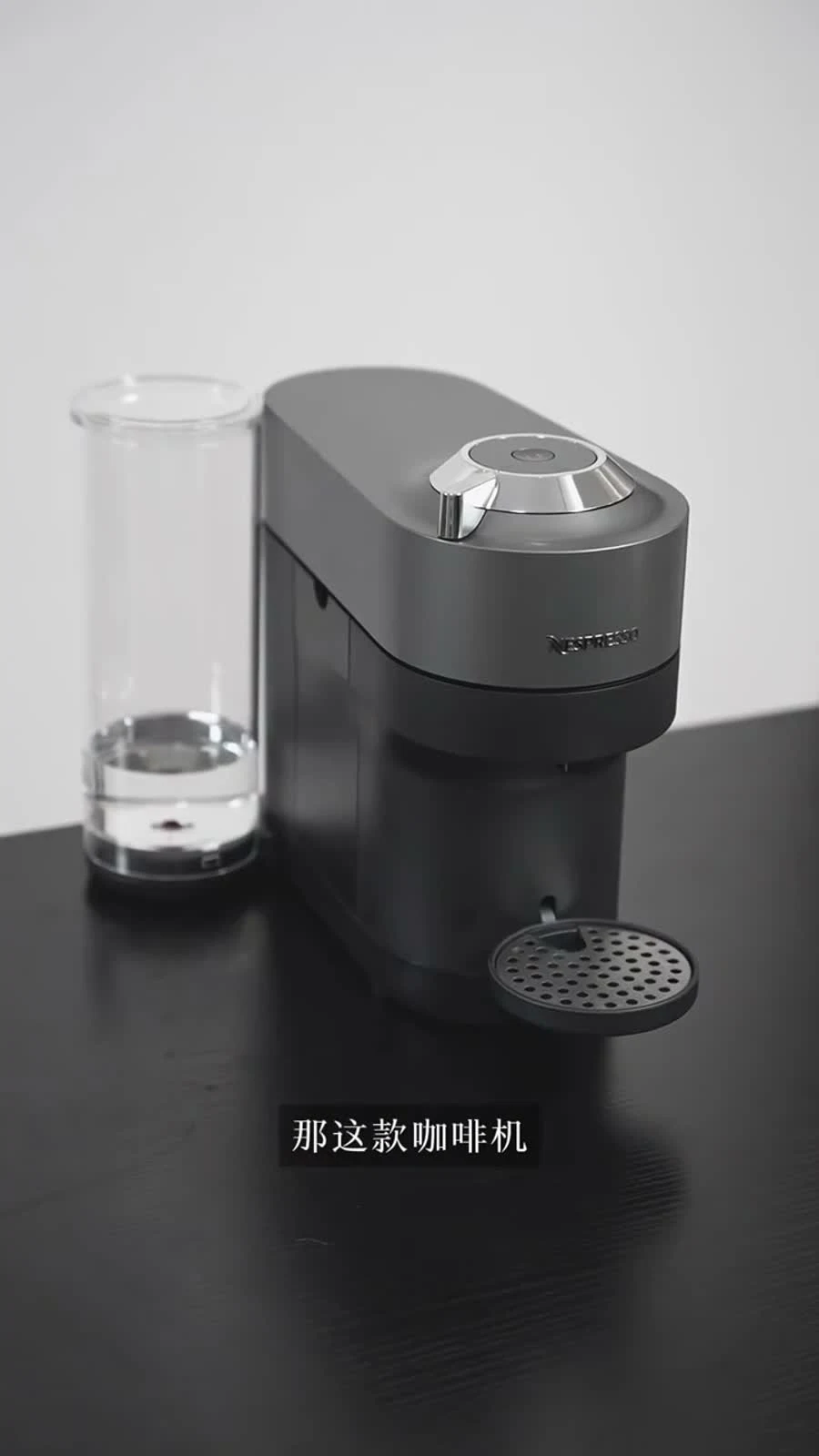
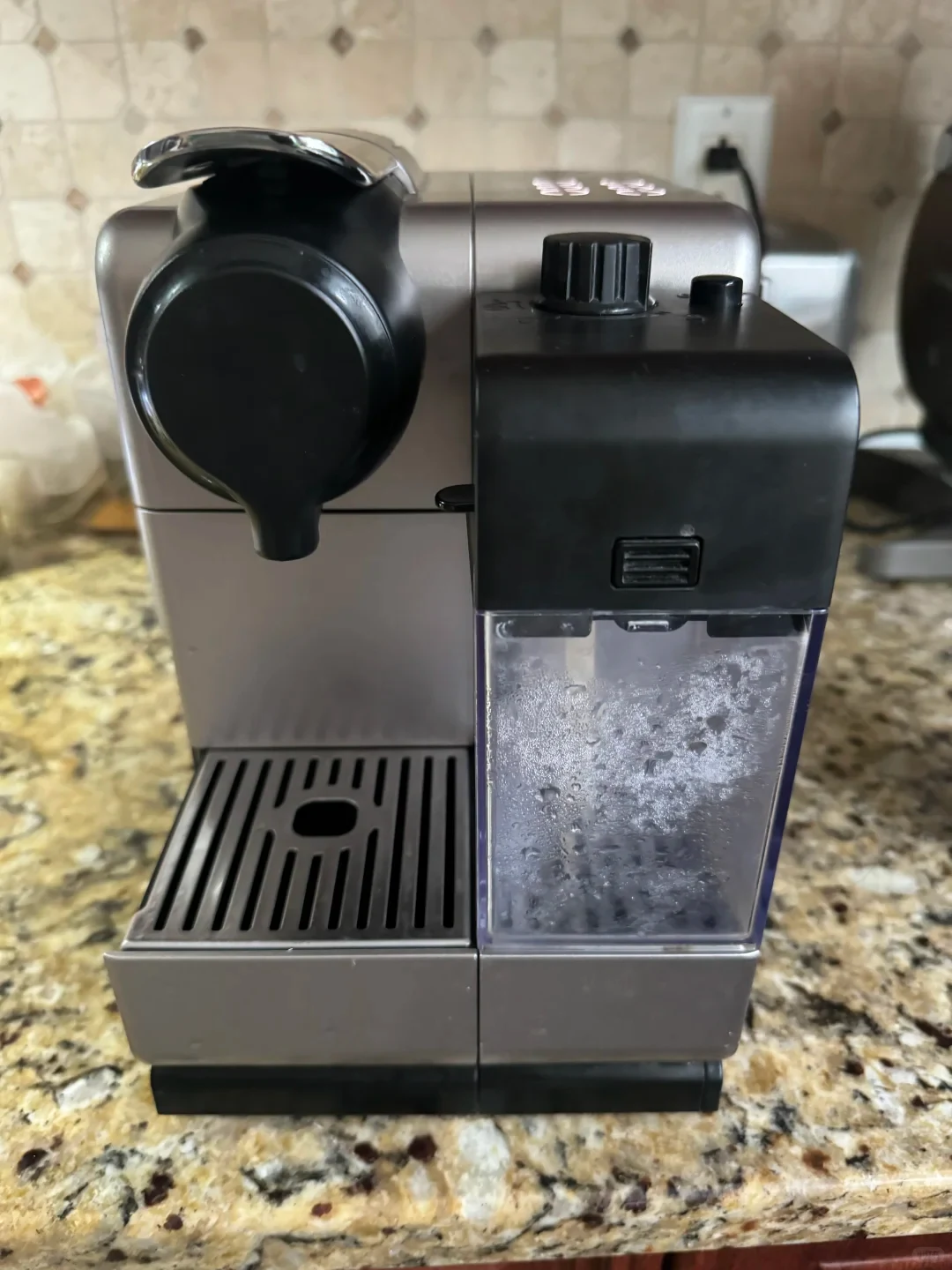
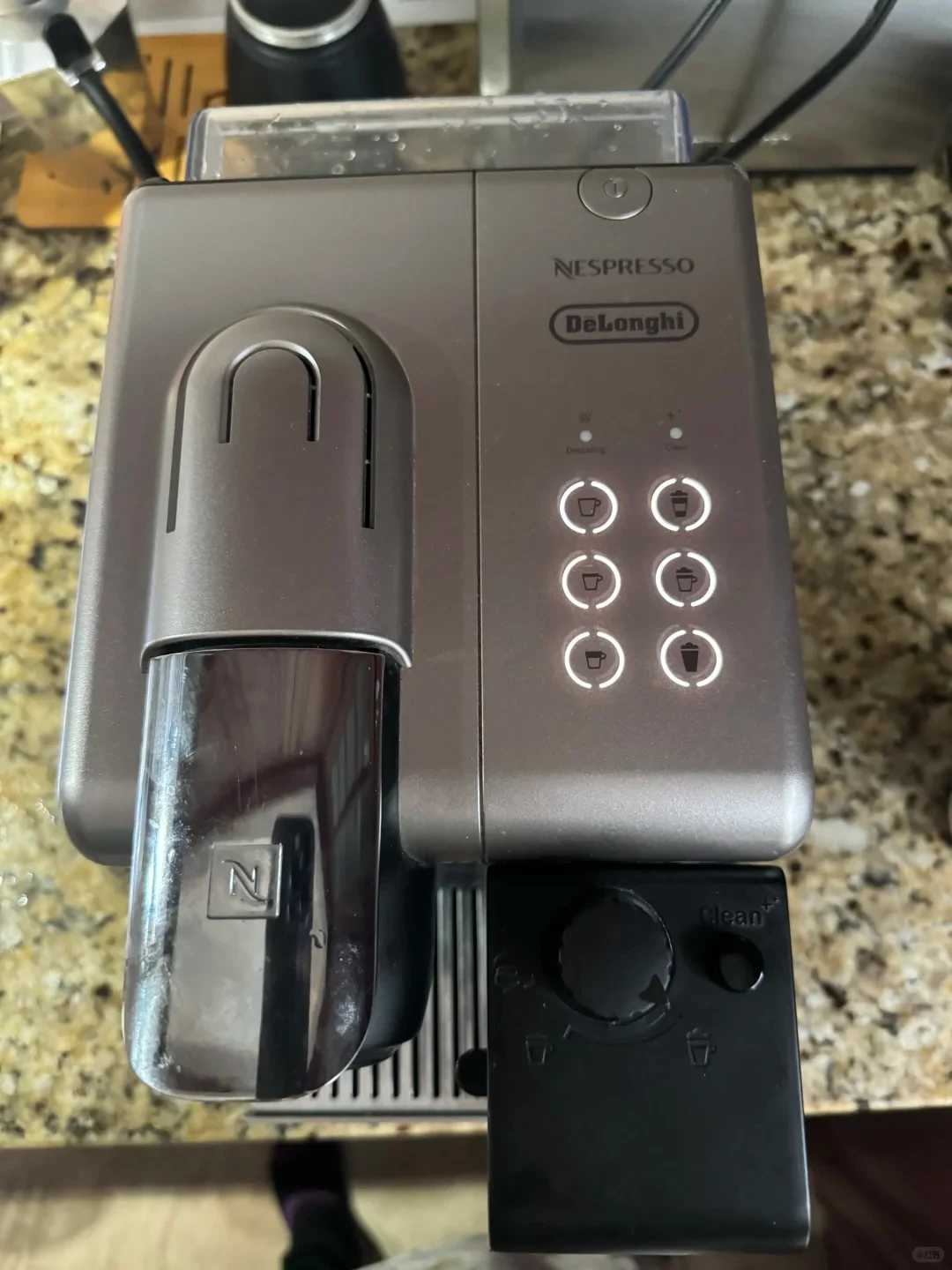
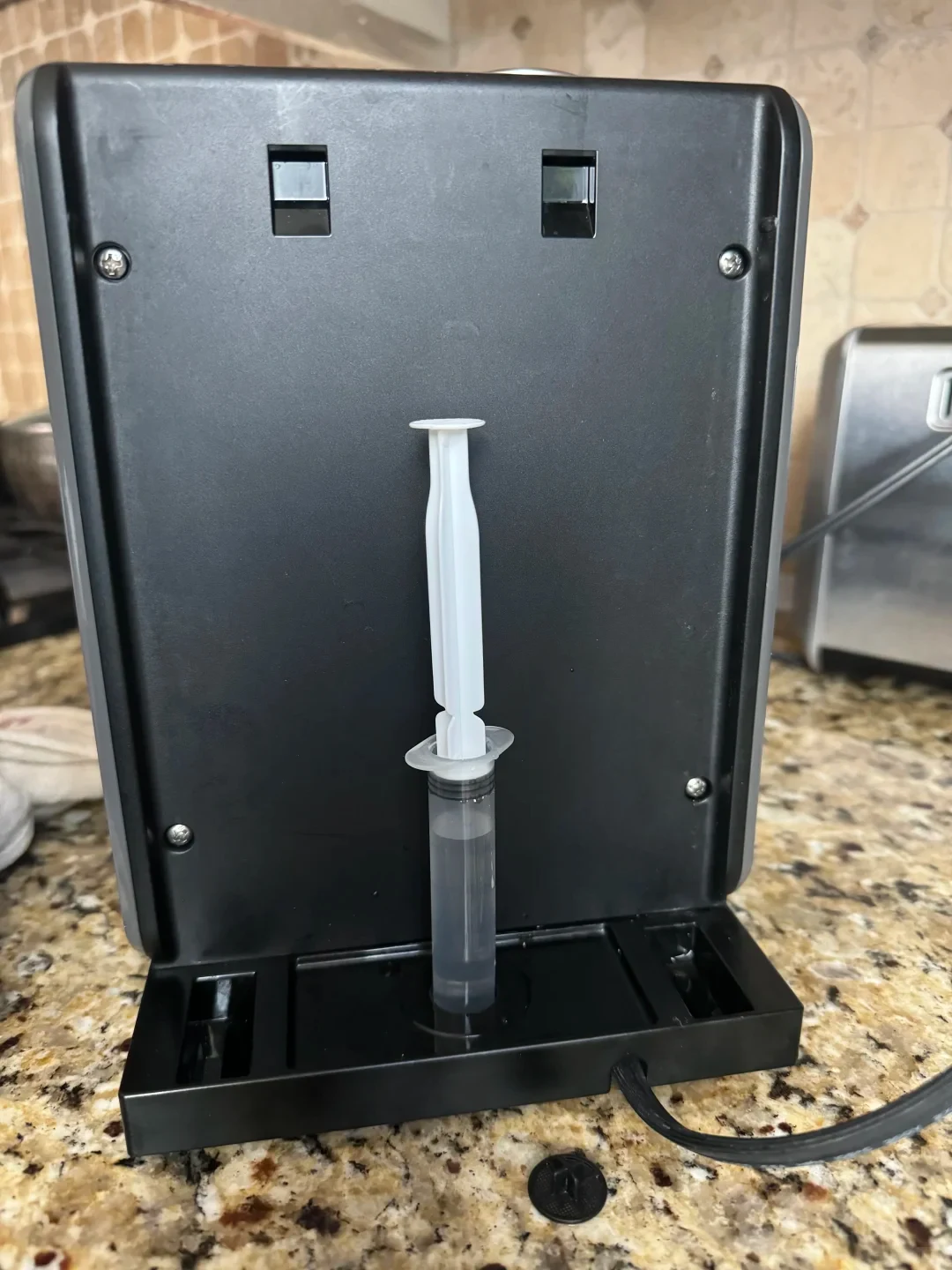
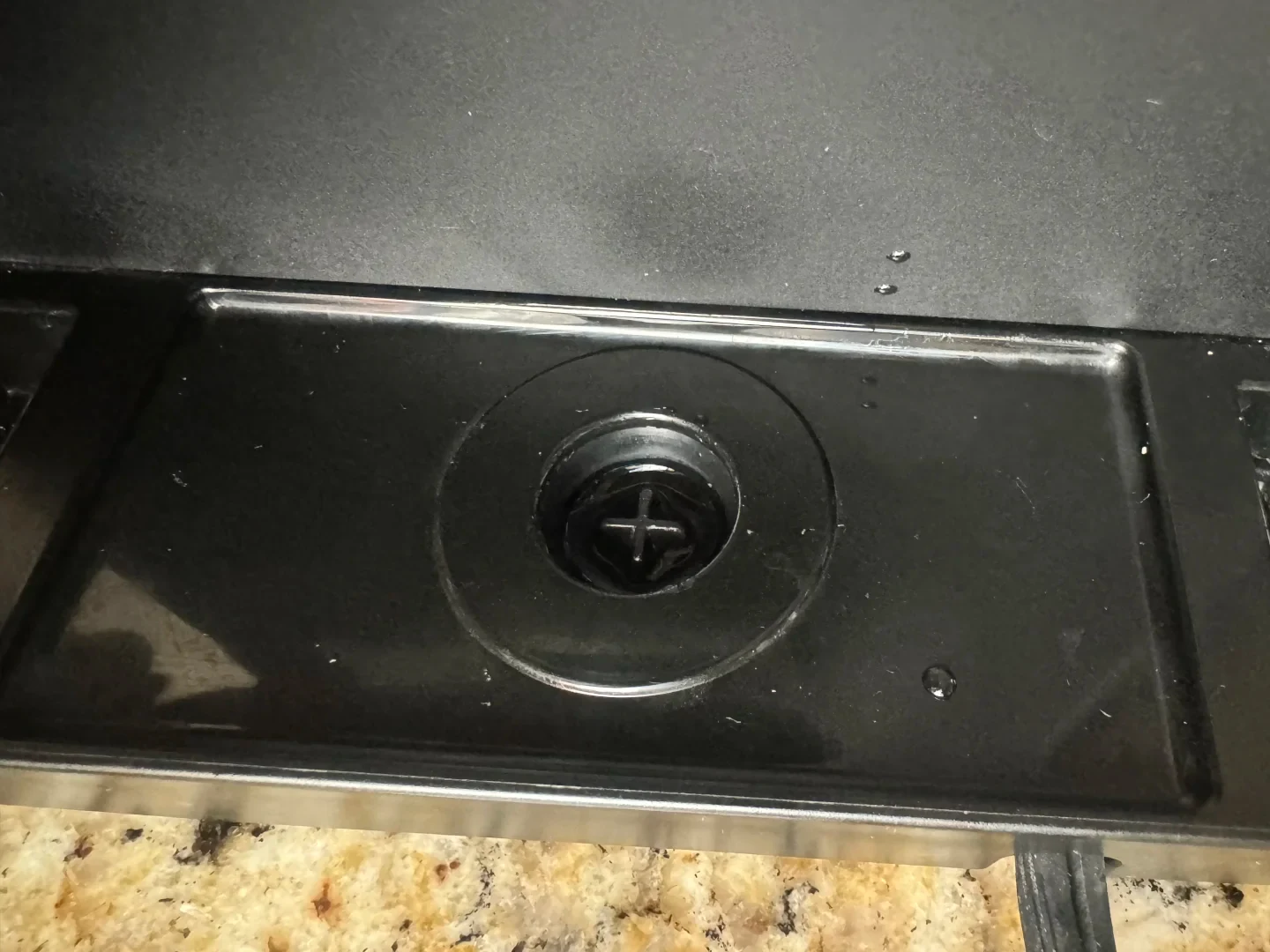
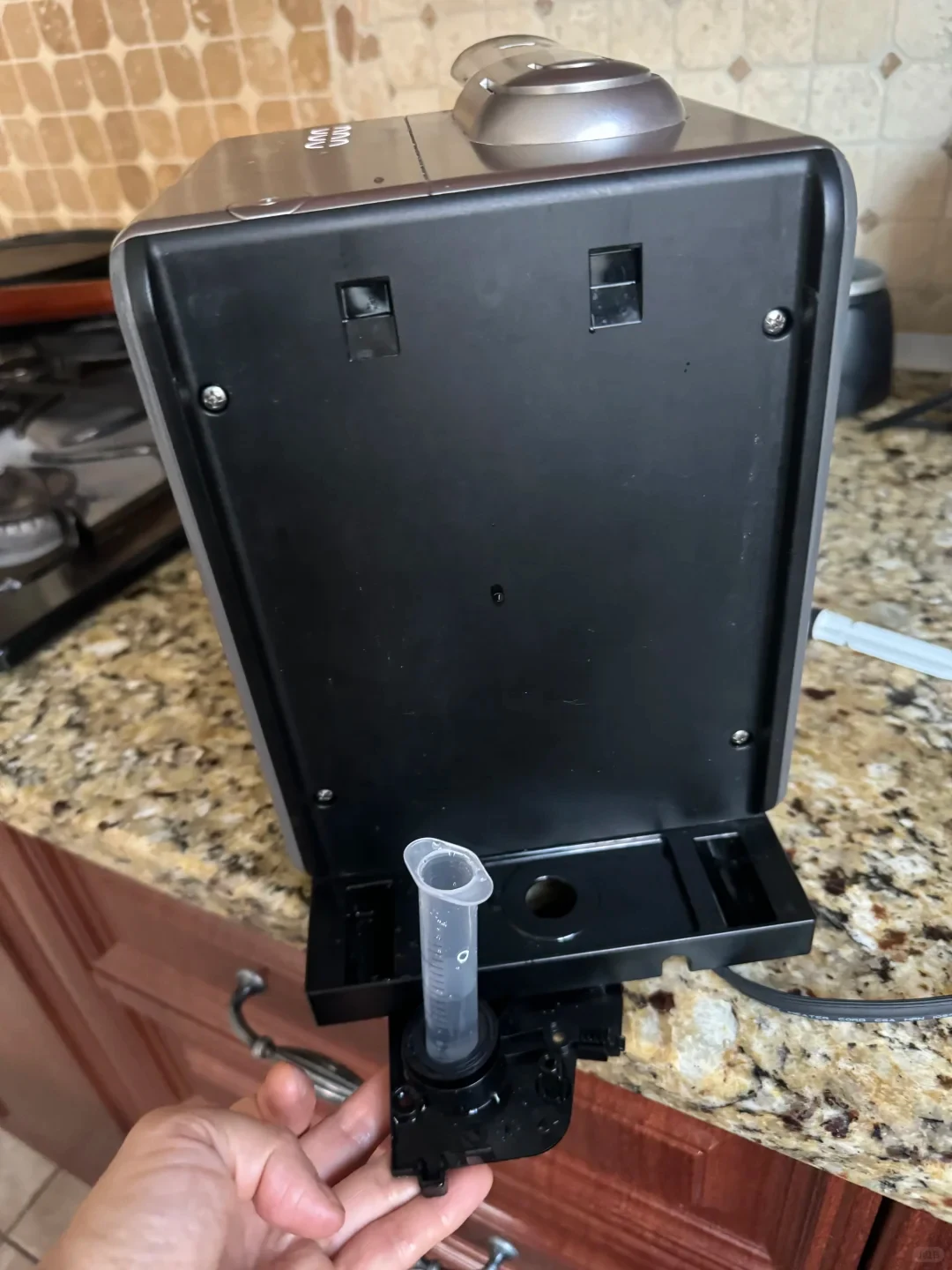
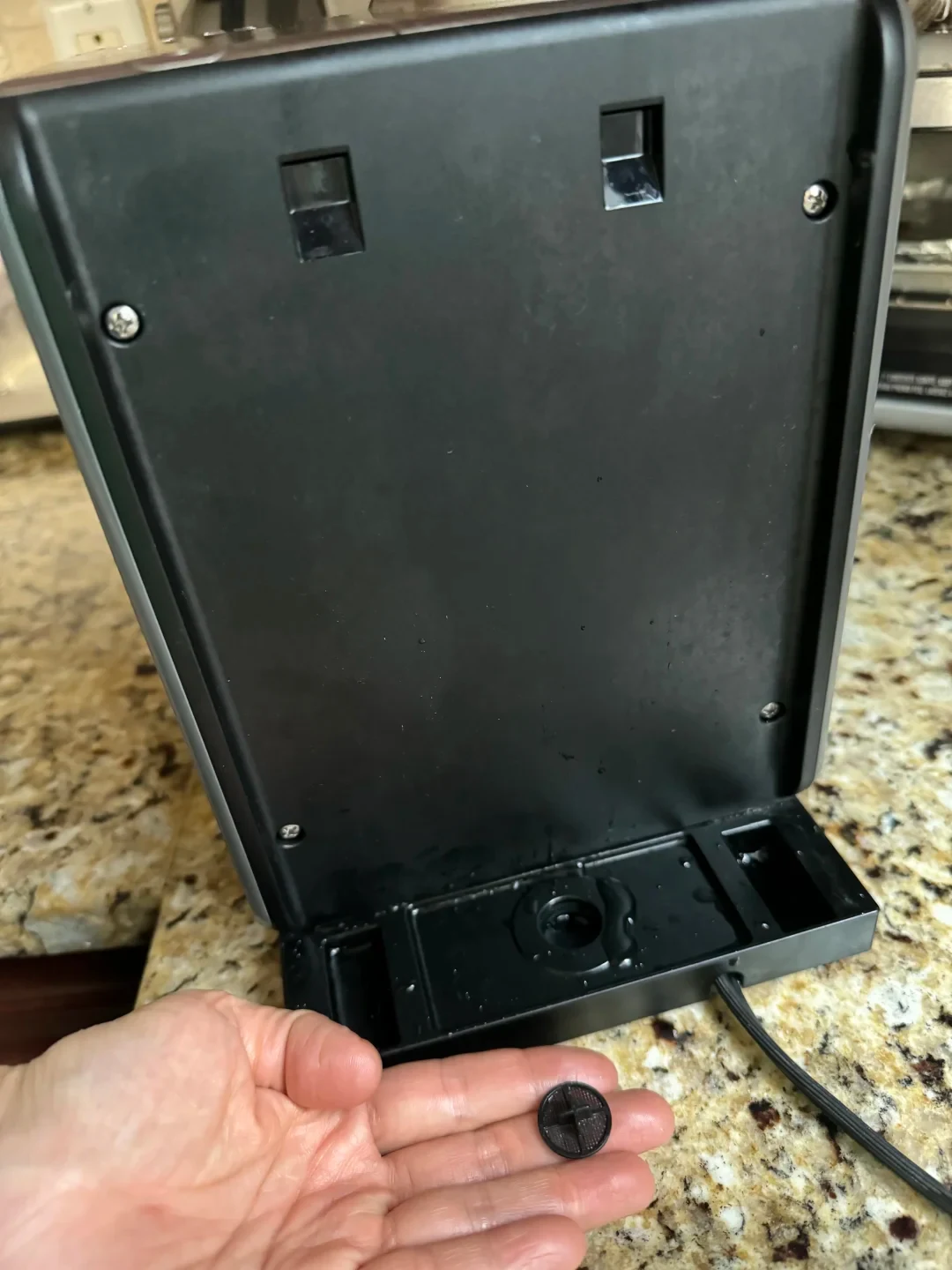
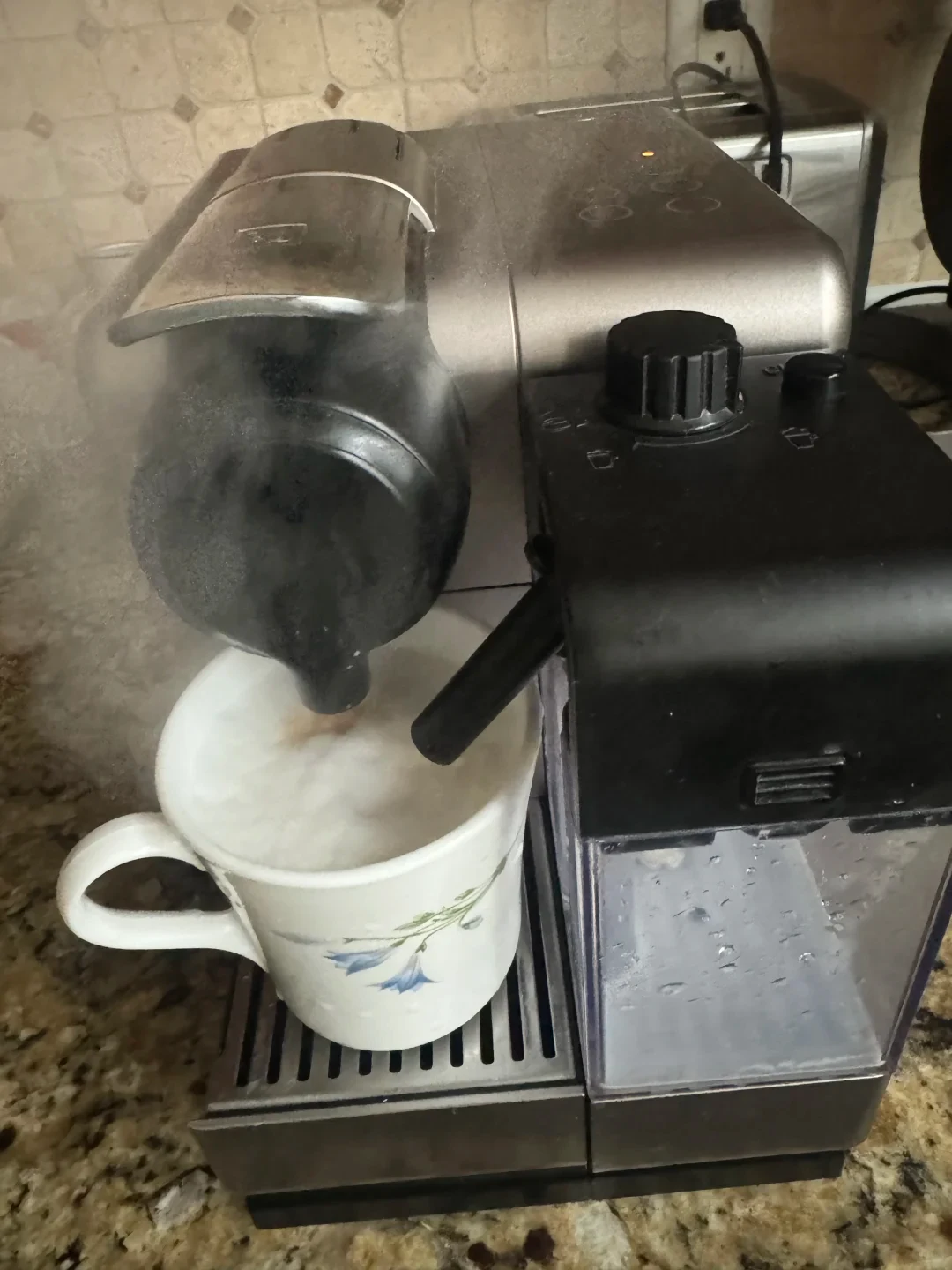
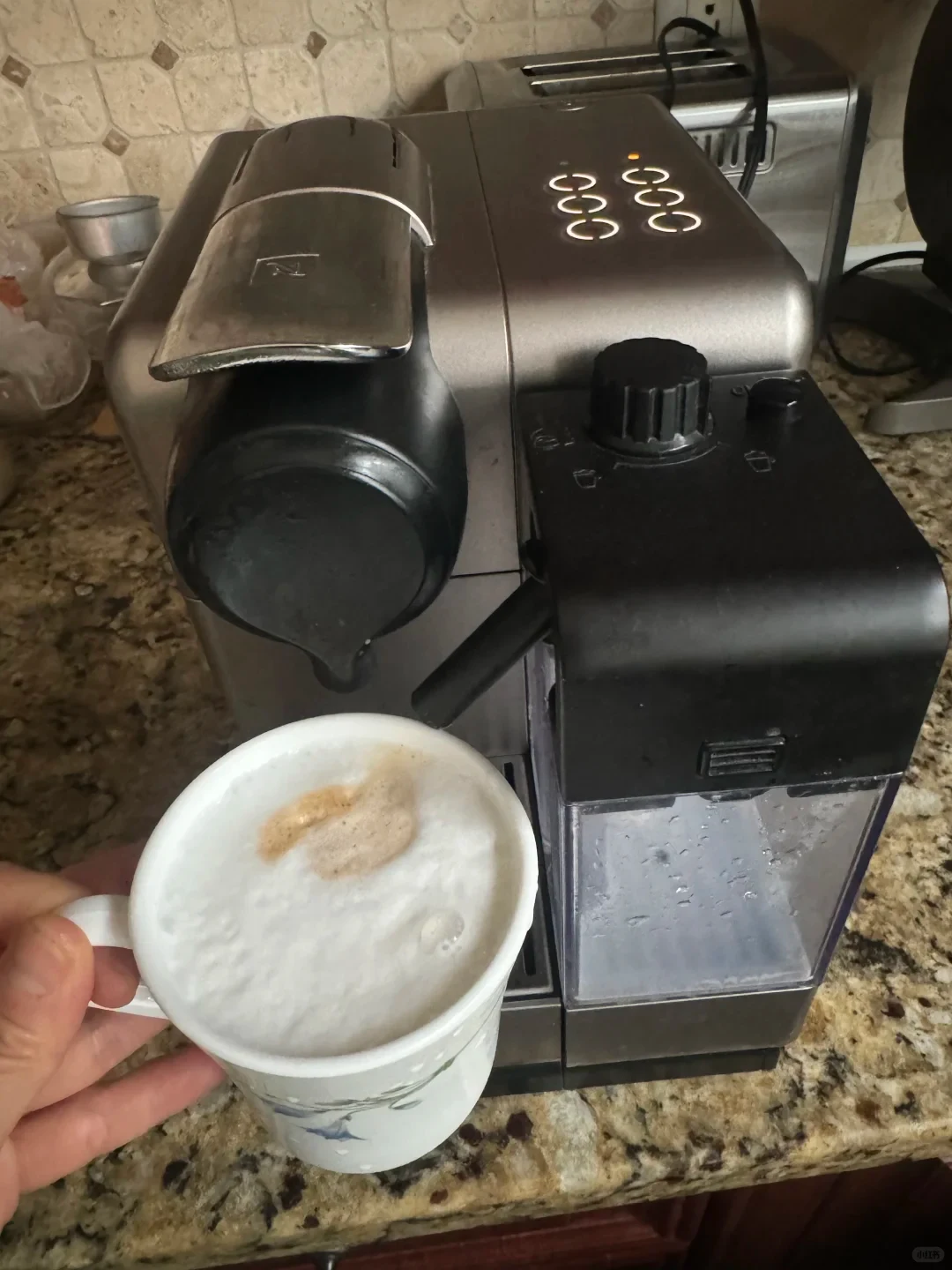
Model: De’Longhi Nespresso Lattissima Touch EN550.S.
After the machine had been sitting for a while, I turned it on and no water came out. I hadn’t used it much, so it was still fairly new.
I quickly looked online for DIY repair advice and eventually fixed the machine myself, saving time and money. I also felt the water was much hotter afterward; before, I had thought it wasn’t hot enough. Here’s what I did:
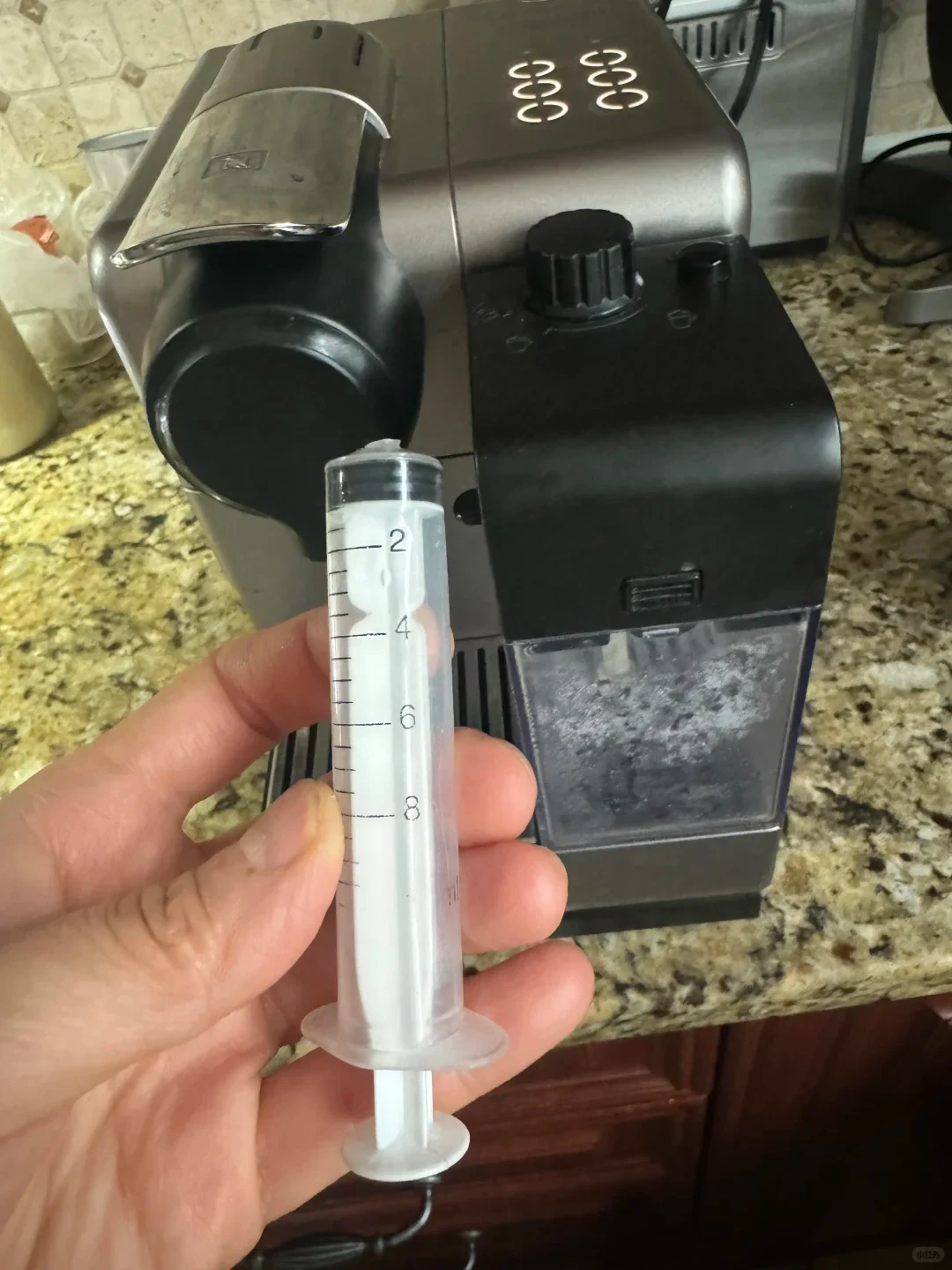
First, I got an ordinary syringe and cut off its plastic tip to make a flat end.
I removed the water tank from the back and used a small knife or flat-head screwdriver to pry out the black plastic filter at the water inlet. I inserted the syringe upright into the inlet. Mine was marked “14.” I filled it with cool water, turned on the machine, and started any coffee program without inserting a coffee capsule. Once I heard the machine running, I slowly pushed the syringe plunger. At first, water spilled out because I hadn’t got the hang of pushing it and there was air inside the machine, so it was hard to force water in. That spillage was normal; I didn’t give up and tried a few times.
If water still doesn’t come out at the front, try the second step
I turned the machine around and removed the two screws on the back. Inside was another black flexible hose connected to the external inlet, with another black plastic filter. I pried it out, inserted the syringe, filled it with water, and tried to push water in. It was okay if water came back out; I tried several times. Then I put the plastic piece back, reassembled the machine, tightened the two screws, and set it upright again.
I went back to the water-tank inlet, removed the filter, and injected water while the machine was on and running a program. I tried several times. Then, near the end of a program, water suddenly became easy to push in instead of resisting, and it stopped spilling out. I looked at the front and saw water in the left-hand compartment.
That was it. I put the black plastic filter back in the rear inlet, filled and reattached the water tank, and put an empty cup at the front. I started any program, and the machine steamed and dispensed hot water. I ran one or two more programs to cycle water through the system, then poured it away.
I put in a coffee capsule, started a program, and was happy to be drinking coffee again. I was delighted to find that the water now seemed particularly hot and produced steam. Before, I thought the water wasn’t hot enough and wondered if that was simply how this model was designed. I now think there had been air in the machine and that cycling water through helped. Also, remember to clean it promptly: after each milk-foaming cycle, when the red light comes on, press the cleaning button on the right side of the milk container for a hot-water rinse. When the machine indicates descaling, I use a specialist descaler diluted one part to five parts water.
This machine makes very tasty coffee, with a rich coffee aroma, crema, and milk foam, and there are several flavors to choose from. I highly recommend it.
After this DIY repair, I’m no longer afraid the machine will break again. It seems to me that machines left unused for a long time can all develop this no-water problem; I think you can fix it yourself without paying for a repair.
If you have the same problem, feel free to ask me anytime and I’ll show you what I did.
Source: Yan · Xiaohongshu · 2024-05-01 · 雀巢nespresso lattissima 胶囊机DIY维修. Search this Chinese title in Xiaohongshu to find the original post.
Before You Buy
Models in your region
The owner identifies her machine as the De’Longhi Nespresso Lattissima Touch EN550.S. De’Longhi’s Italian site lists the EN550.S under that same product name, supporting the model match, but the source does not establish the machine’s exact electrical variant. The repair described is the owner’s procedure, not a manufacturer-approved method.
| Model in this review | Related regional model | What to know |
|---|---|---|
| De’Longhi Nespresso Lattissima Touch EN550.S | DeLonghi Nespresso Lattissima Touch EN550.S (Italy / Europe) | The Italian listing confirms the same EN550.S product name as the owner’s machine. The exact electrical variant in her photos is not established, so check the rating label before applying this experience to a purchase or repair. |
| Nespresso Lattissima Touch EN550.S | Nespresso Lattissima Touch Facelift (2017 manual) (Europe) | This is a related later Touch manual, not verified documentation for the owner’s EN550.S. Its cleaning and descaling guidance should not be assumed to specify the older machine’s programs or dilution instructions. |
- Model in this review
- De’Longhi Nespresso Lattissima Touch EN550.S
- Related regional model
- DeLonghi Nespresso Lattissima Touch EN550.S (Italy / Europe)
- What to know
- The Italian listing confirms the same EN550.S product name as the owner’s machine. The exact electrical variant in her photos is not established, so check the rating label before applying this experience to a purchase or repair.
- Model in this review
- Nespresso Lattissima Touch EN550.S
- Related regional model
- Nespresso Lattissima Touch Facelift (2017 manual) (Europe)
- What to know
- This is a related later Touch manual, not verified documentation for the owner’s EN550.S. Its cleaning and descaling guidance should not be assumed to specify the older machine’s programs or dilution instructions.
Water flow after a rear-inlet repair
The owner reports restored flow after syringe injection at the external water inlet and through a small rear access opening. The account explicitly describes running a program during the external-inlet stage; it does not establish the machine’s power state during every panel-access step. The filters and two-screw cover were restored before water-only cycles and coffee.
The owner later noticed steam and water that seemed hotter than before, but she gives no temperature measurement. That subjective change does not show that the repair altered the machine’s temperature or confirm that trapped air caused the original fault.
The photographs show a small lower rear access cover and inlet strainers, rather than an exposed main electronics compartment. De’Longhi offers authorised service for EN550.S and does not endorse this syringe procedure. This is the repair history, not a replication guide or a confirmed diagnosis.
Cleaning and descaling need the right instructions
The owner recommends rinsing the milk system after foaming and says she dilutes her descaler one part to five parts water. That is her practice, not a verified universal dilution for the EN550.S. The later Lattissima Touch Facelift manual is for a related model, so use instructions supplied for the exact machine and descaler rather than transferring its guidance or her ratio automatically.
Related Reading
Reviews & Guides · Kitchen & Dining
DeLonghi Essenza Plus after a month: hot water for tea
After a month with my DeLonghi Essenza Plus, I used its separate hot-water nozzle for tea and saved drink volumes in the app.
Reviews & Guides · Kitchen & Dining
De’Longhi ECO310 after two weeks: richer coffee, more cleanup
I found the De’Longhi ECO310 made coffee that tasted fuller than my pour-over, but its more involved routine and cleanup didn’t suit my fast mornings.
Reviews & Guides · Kitchen & Dining
De’Longhi ECO310: a leaking first unit and a working replacement
My first De’Longhi ECO310 leaked when I switched it on. The seller sent a replacement that worked normally, completing my move from a moka pot.