
Reviews & Guides · Kitchen & Dining
A Korean-bought Nespresso Pixie: simple coffee, with a separate hot-and-cold frother
Reviewed: Nespresso Pixie, Nespresso Aeroccino 3Regional reference: Nespresso Pixie C60/D60 (Asia including Korea); Nespresso Aeroccino 3 3194 (United States / Canada); Nespresso Pixie C62/D62 / Breville BEC440/BEC470 (United States)
I use my Korean-bought Nespresso Pixie for quick capsule coffee and a separate frother for hot or cold milk foam; I share my routine and care reminders.
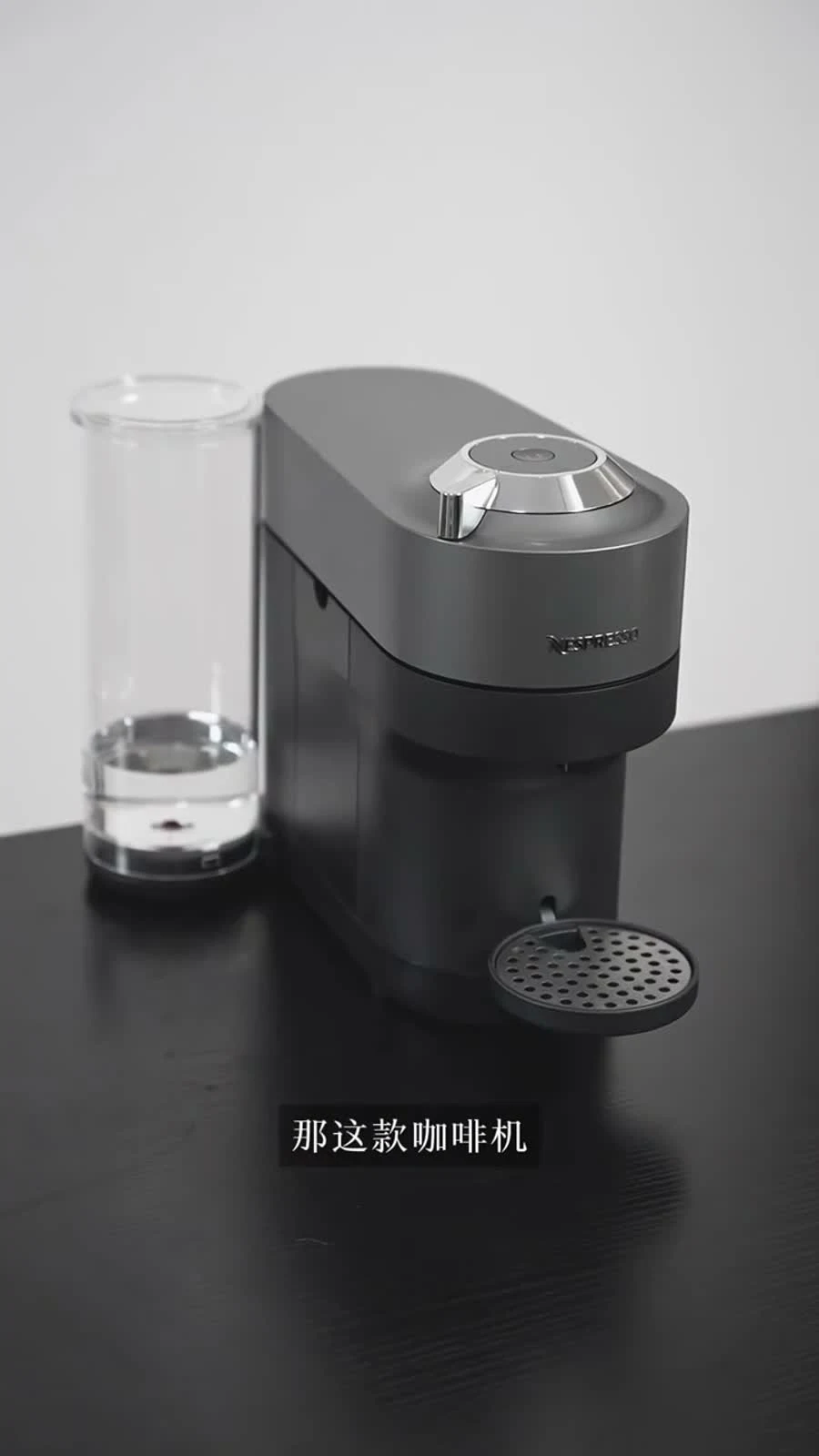
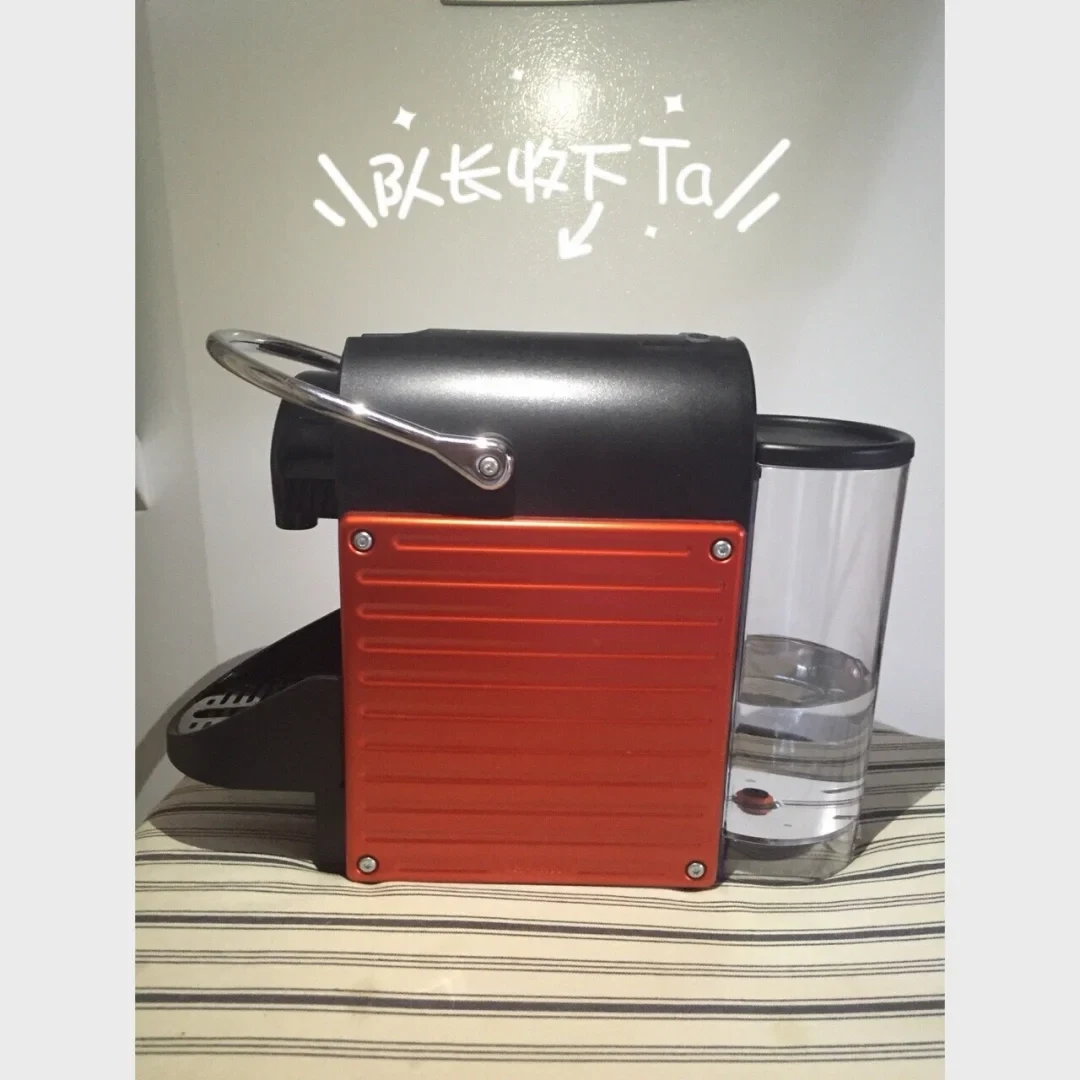
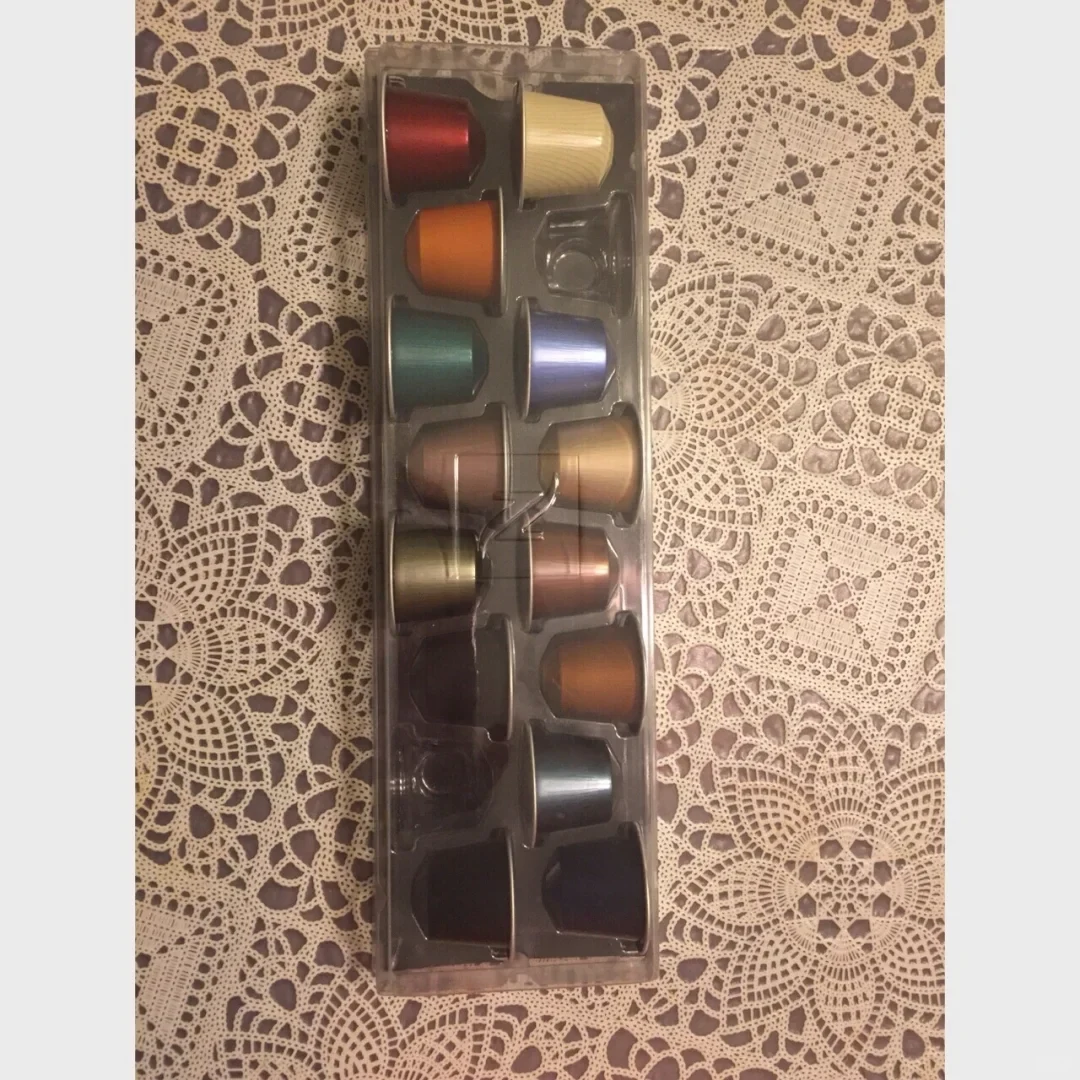
Capsule coffee machine.
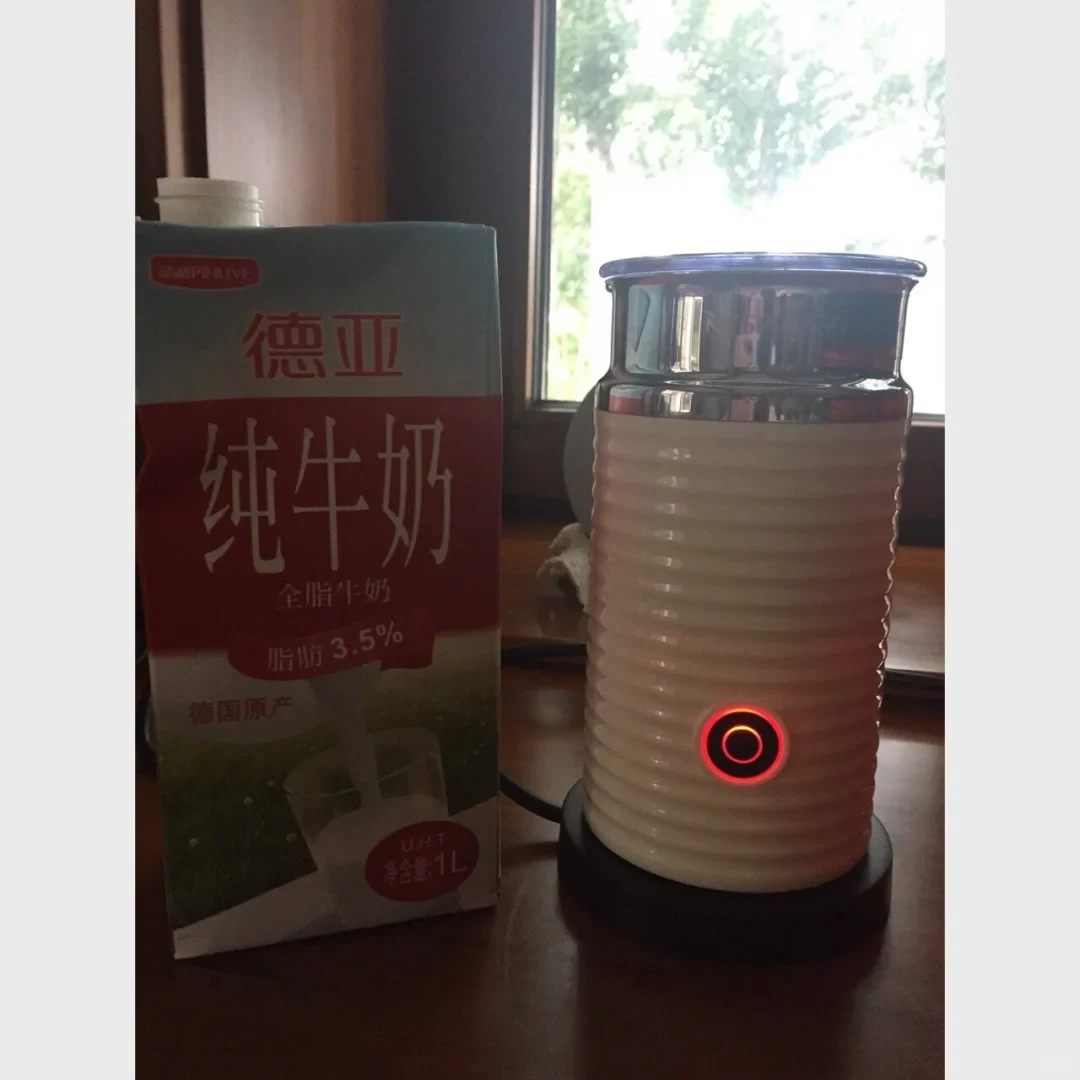
I bought it in Korea, along with a milk frother. The frother feels pretty fancy: it can make cold or hot foam, for cappuccinos, lattes and the like.
The coffee machine is incredibly simple—honestly, it could hardly be any simpler.
It’s like answering the question, “How many steps does it take to put an elephant in a refrigerator?”
Step 1: Turn on the coffee machine.
Step 2: Put in a capsule.
Step 3: Close the coffee machine.
And then the coffee comes out! You can choose a larger or smaller cup, too. It’s so simple—definitely worth having if you’re someone who likes coffee. In two minutes, a fragrant cup of coffee is right in front of you!
The frother is easy to use: rinse it, pour in whole milk, and be sure not to go above the mark inside. Put the lid on and press the button. This model can make hot or cold milk foam. Press once; when the button turns red, it’s making hot foam. Hold the button for two seconds until it turns blue for cold foam.
A few important reminders
Before using it, remember to clean the coffee machine as directed in the manual. This means cleaning the inside—don’t rinse it under the tap.
The coffee machine takes about nine seconds to warm up, and the two cup-size buttons flash. When they stop flashing, it’s ready.
Use each capsule only once.
Otherwise, the coffee will be watery...
Also remember to change the water before each use.
Remember to switch the machine off after using it, too.
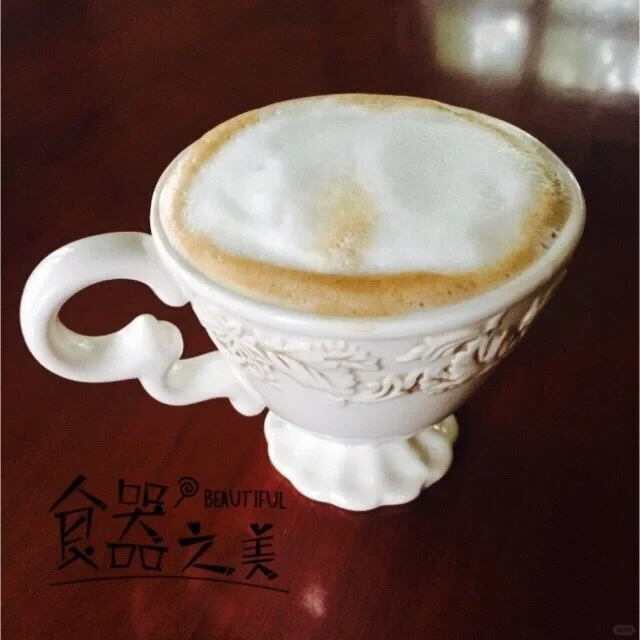
And here’s a cappuccino I made myself.
I’ve edited this three times already. I don’t care—I just want to get featured!
Source: 奶酪味的酱 · Xiaohongshu · 2016-12-29 · 胶囊咖啡机. Search this Chinese title in Xiaohongshu to find the original post.
Before You Buy
Models in your region
The owner’s photos and account identify a red Nespresso Pixie-family machine bought in Korea, but not its exact generation or SKU. The white frother matches the Aeroccino 3 family, though its rating plate and exact SKU are not shown. The official manuals below provide regional references, not confirmation of the owner’s exact units.
| Model in this review | Related regional model | What to know |
|---|---|---|
| Nespresso Pixie | Nespresso Pixie C60/D60 (Asia including Korea) | The owner’s Korean-bought machine is identified as a Pixie, but its generation and SKU are unknown. The Korean section of the older C60/D60 manual is a relevant regional reference, not proof that the source machine is a C60 or D60. |
| Nespresso Aeroccino 3 | Nespresso Aeroccino 3 3194 (United States / Canada) | The pictured frother matches the Aeroccino 3 family, but the exact SKU is unconfirmed. The US/Canada 3194 manual describes the same brief-press hot and two-second hold cold controls; its electrical specifications apply to that market, not necessarily the Korean unit. |
| Nespresso Pixie | Nespresso Pixie C62/D62 / Breville BEC440/BEC470 (United States) | The 2023 US manual describes a later Pixie generation with 40 ml Espresso and 110 ml Lungo presets, about 30 seconds of warm-up and 120 V power. It is a related family reference; those specifications do not identify the older Korean-bought machine. |
- Model in this review
- Nespresso Pixie
- Related regional model
- Nespresso Pixie C60/D60 (Asia including Korea)
- What to know
- The owner’s Korean-bought machine is identified as a Pixie, but its generation and SKU are unknown. The Korean section of the older C60/D60 manual is a relevant regional reference, not proof that the source machine is a C60 or D60.
- Model in this review
- Nespresso Aeroccino 3
- Related regional model
- Nespresso Aeroccino 3 3194 (United States / Canada)
- What to know
- The pictured frother matches the Aeroccino 3 family, but the exact SKU is unconfirmed. The US/Canada 3194 manual describes the same brief-press hot and two-second hold cold controls; its electrical specifications apply to that market, not necessarily the Korean unit.
- Model in this review
- Nespresso Pixie
- Related regional model
- Nespresso Pixie C62/D62 / Breville BEC440/BEC470 (United States)
- What to know
- The 2023 US manual describes a later Pixie generation with 40 ml Espresso and 110 ml Lungo presets, about 30 seconds of warm-up and 120 V power. It is a related family reference; those specifications do not identify the older Korean-bought machine.
The Pixie identity is clear; its exact version is not
The machine is identifiable as a Nespresso Pixie, but the source does not establish its exact generation or SKU. The older official manual covers Pixie C60/D60 models and includes a Korean section; the 2023 US manual covers a later C62/D62 family. Neither manual confirms which version the owner has, so the routine should not be treated as proof of the specifications of either model.
The owner reports that the source machine is ready after about nine seconds, when the cup-size buttons stop flashing. That reported timing is not a confirmed Pixie specification: the older manual gives an approximate 25-second warm-up, while the later US manual gives about 30 seconds. Because the exact version and timing method are unknown, buyers should check the manual for their own machine rather than expect the nine-second figure.
In use, the machine offers larger and smaller cups. Both official Pixie references list 40 ml Espresso and 110 ml Lungo presets; the later manual says the volumes are programmable. The post does not identify the selected cup size or establish that the source machine uses the later model’s settings.
A separate frother adds hot or cold milk foam
The owner uses a separate frother for hot or cold milk foam and describes a button-based mode choice: press once for hot, or hold for two seconds for cold. The pictured ribbed white unit matches the Aeroccino 3 family, and the US/Canada Aeroccino 3 manual describes those controls. The exact SKU on the unit is not confirmed, so the regional manual is a family-level comparison rather than identification of the source frother.
The owner cautions against filling above the frother’s internal mark and says she uses whole milk. The official Aeroccino 3 manual also directs users to observe the fill line and use the appropriate whisk; it calls for cleaning after each use and says the jug is not dishwasher-safe. The owner does not describe the cleaning routine, so these are manufacturer instructions for the referenced model, not reported outcomes from the use.
The milk carton pictured by the owner is labeled whole milk with 3.5% fat, but the post does not compare milk types or establish that this fat level is necessary for the frother. Treat the foam as the cappuccino-making example, not a controlled performance test.
Use the right cleaning and capsule routine
The owner advises cleaning the inside of the coffee machine according to its manual and warns against rinsing the machine under a tap. The older Pixie manual likewise says not to immerse the machine or its parts. Her reminder is useful, but the post does not specify the cleaning steps she performed; consult the manual for the exact model rather than treating a rinse as the complete maintenance routine.
The owner says to use each capsule once, because reusing one makes the coffee watery, and to change the water before each use. These are the practical recommendations; the post does not report a comparison of repeated extraction or water-change results.
Related Reading
Reviews & Guides · Kitchen & Dining
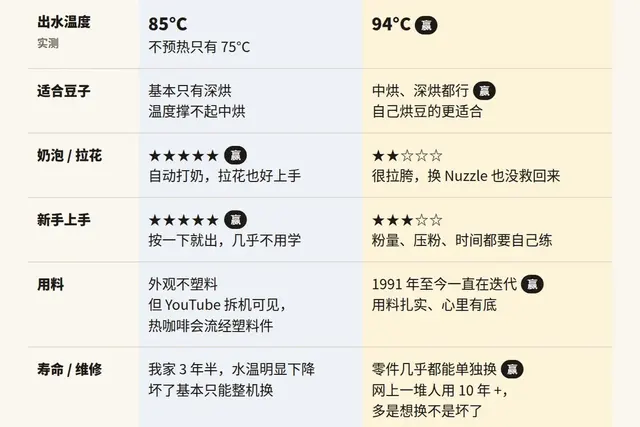
Breville Bambino after three and a half years: why I switched to Gaggia Classic E24
After three and a half years, my Bambino seemed to run cooler; I switched to a Gaggia Classic E24 for the beans we buy and roast at home.
Reviews & Guides · Kitchen & Dining
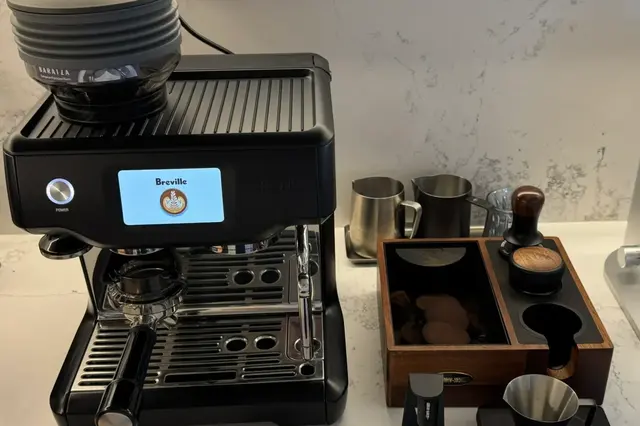
Gaggia Classic E24 daily routine: 18 g in, 36 g out
I make two coffees most mornings with my Gaggia Classic E24, weighing 18 g in and 36 g out. Pairing it with a Sculptor 064S helped me dial in.
Reviews & Guides · Kitchen & Dining
Gaggia Classic E24: 16-second shots and a changed temperature routine
I pulled roughly 26 g shots from 16 g of dark-roast coffee in my Gaggia Classic E24; a new flush routine seemed to slow them slightly, but I did not measure the change.