
Oura Ring 5 after two weeks: hiking detection and travel readiness
Reviewed: Oura Ring 5Regional reference: Oura Ring 5 (United States)
I wore the Oura Ring 5 for two weeks, watching stress during travel, readiness after hiking and automatic activity suggestions. Charging was about every six days.
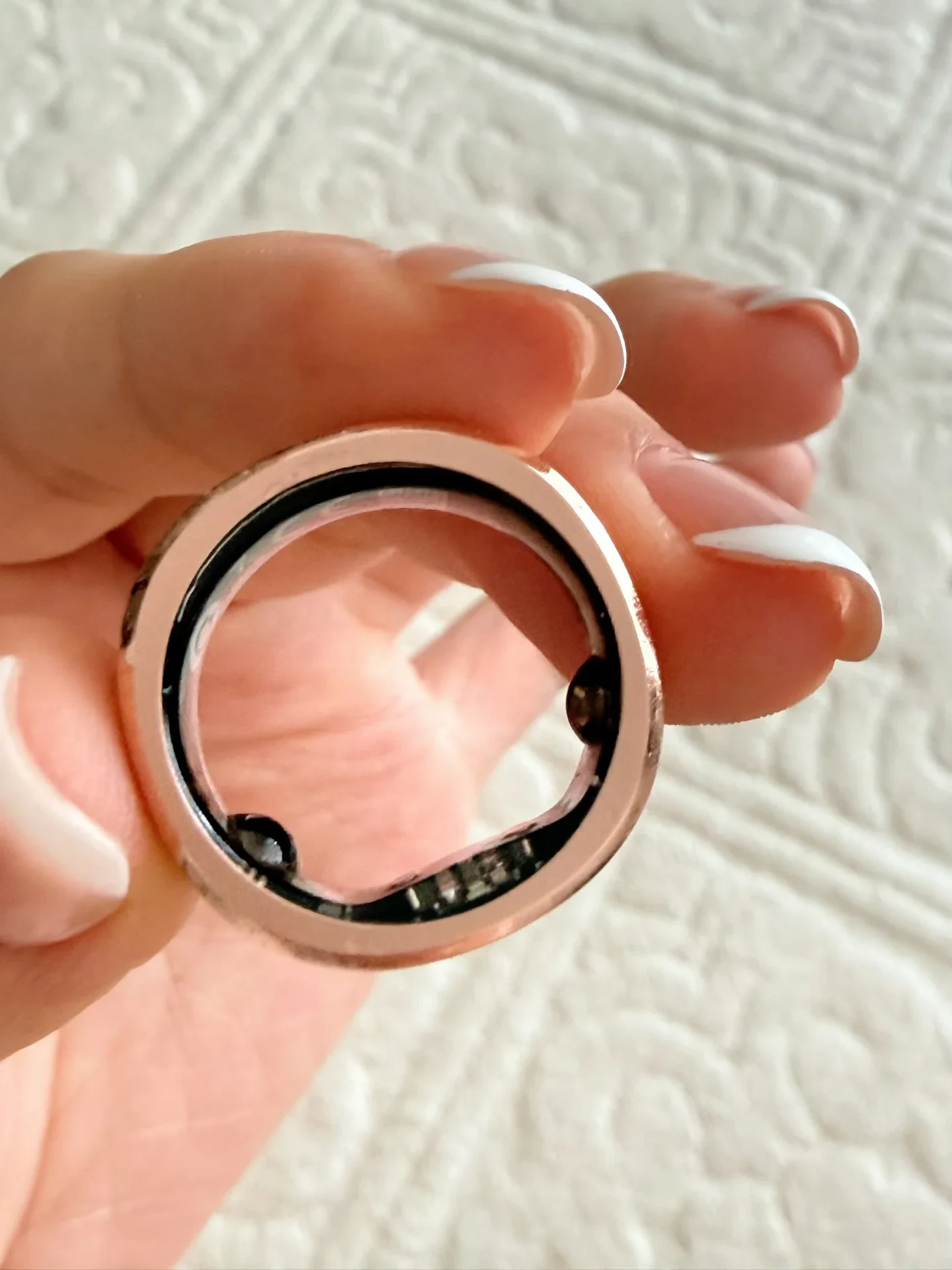
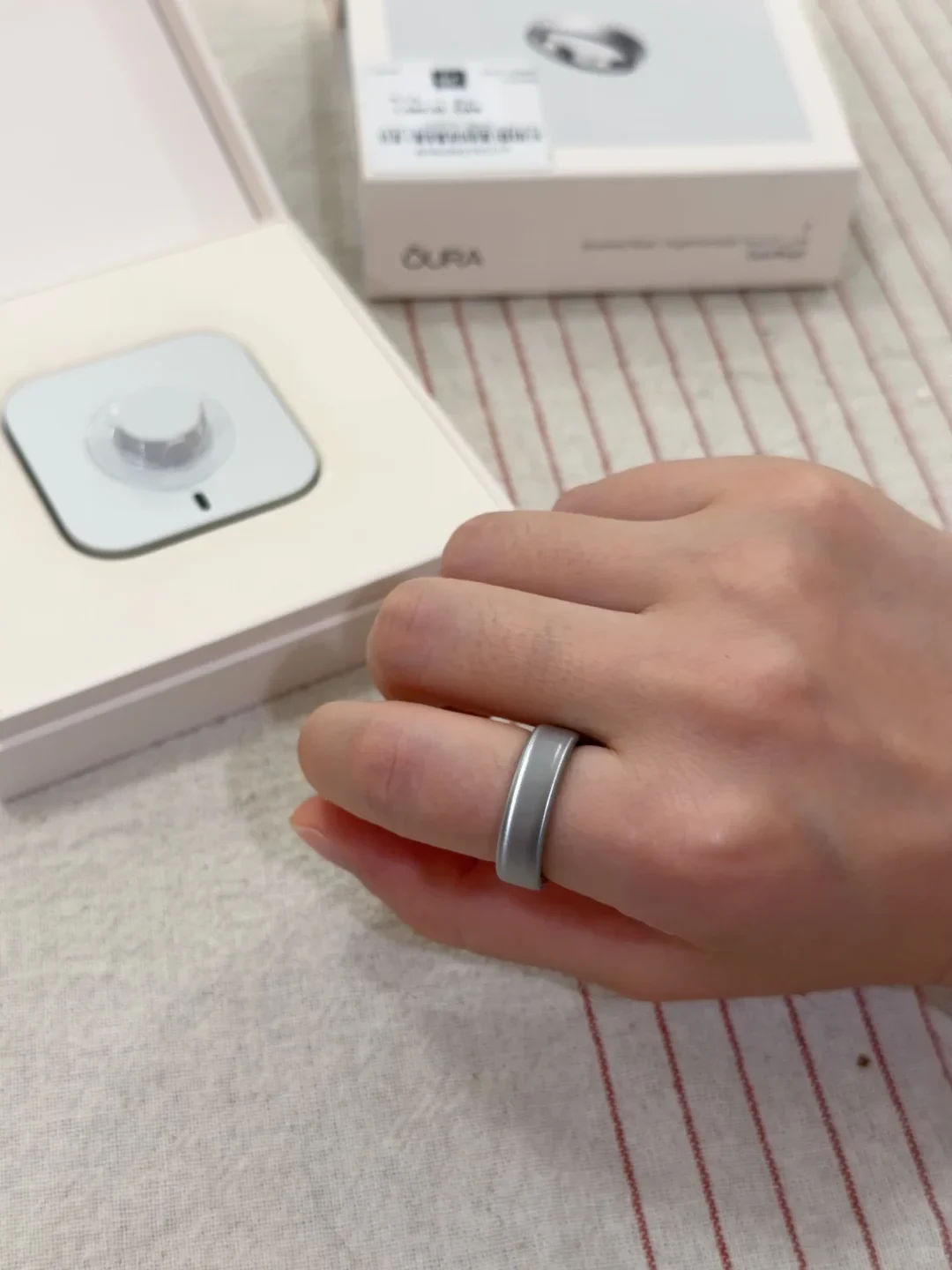
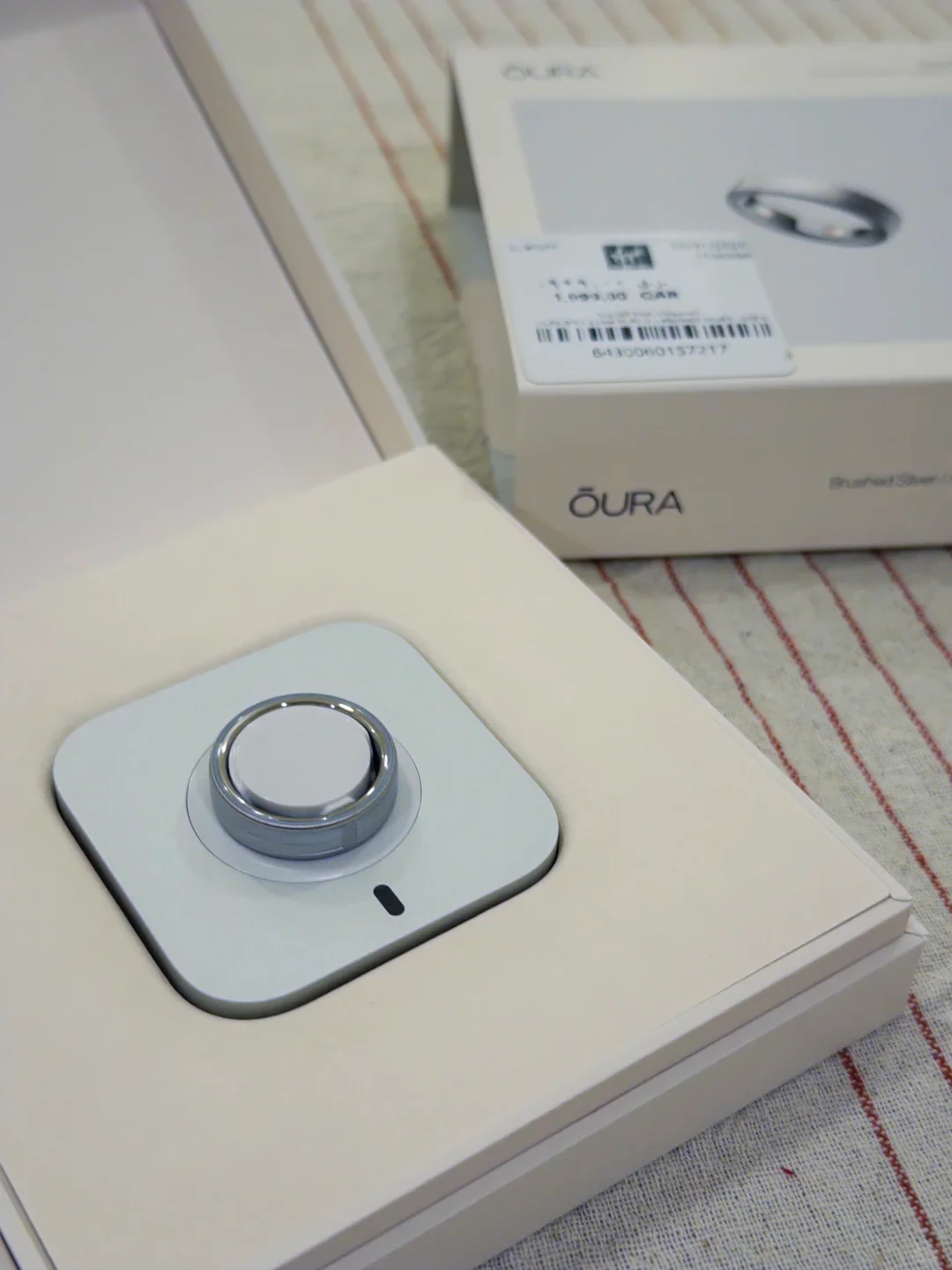
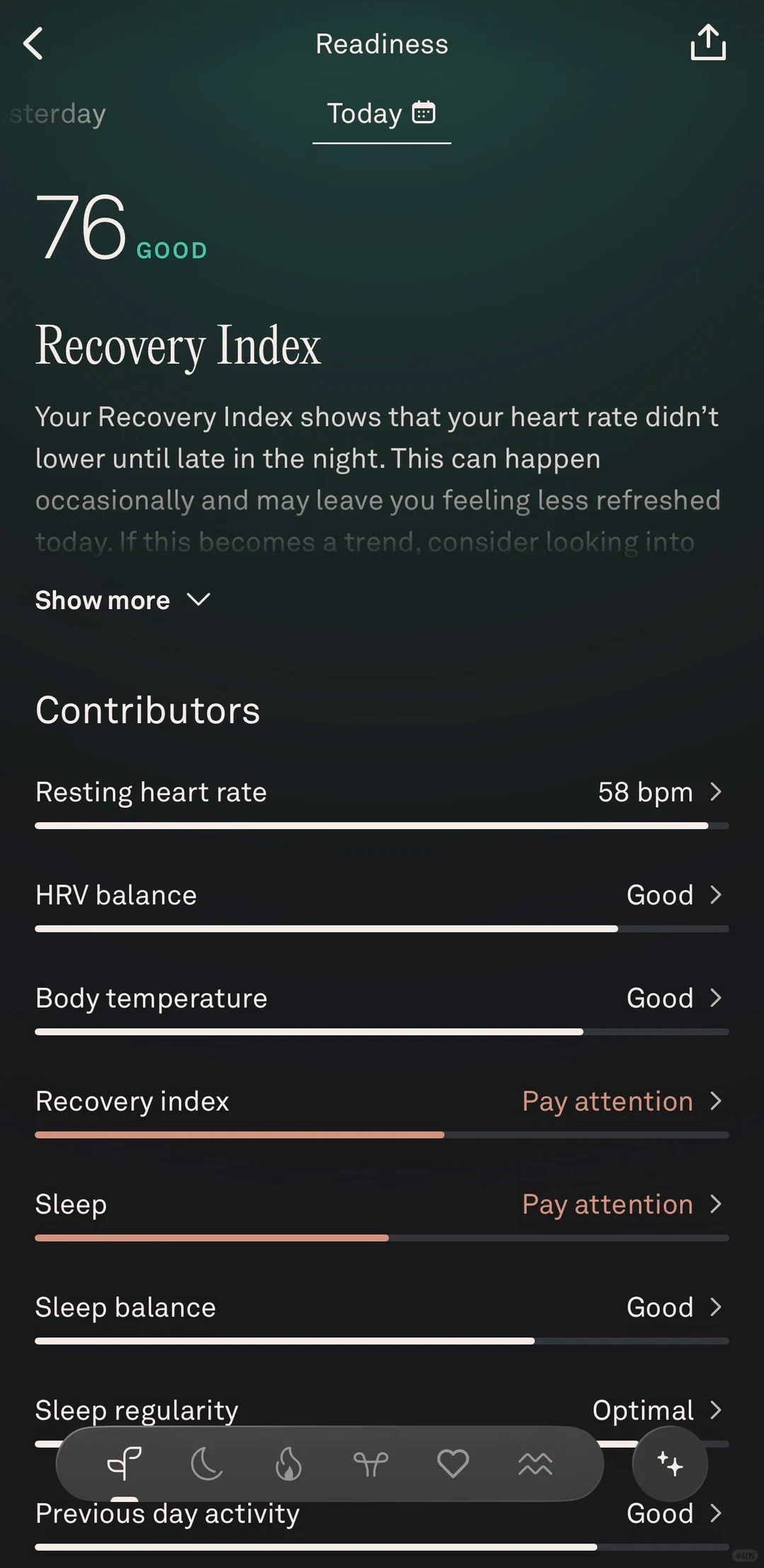
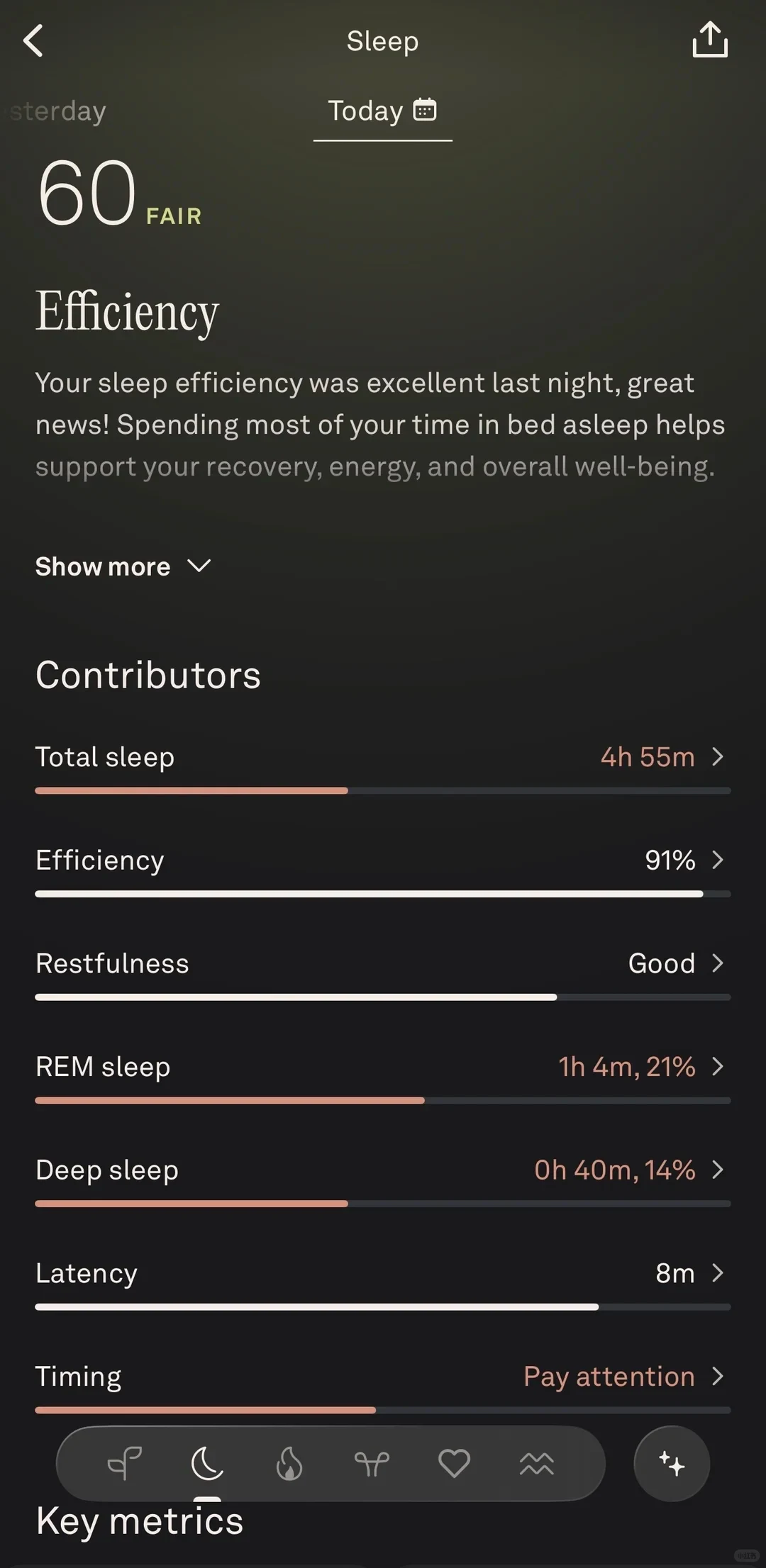
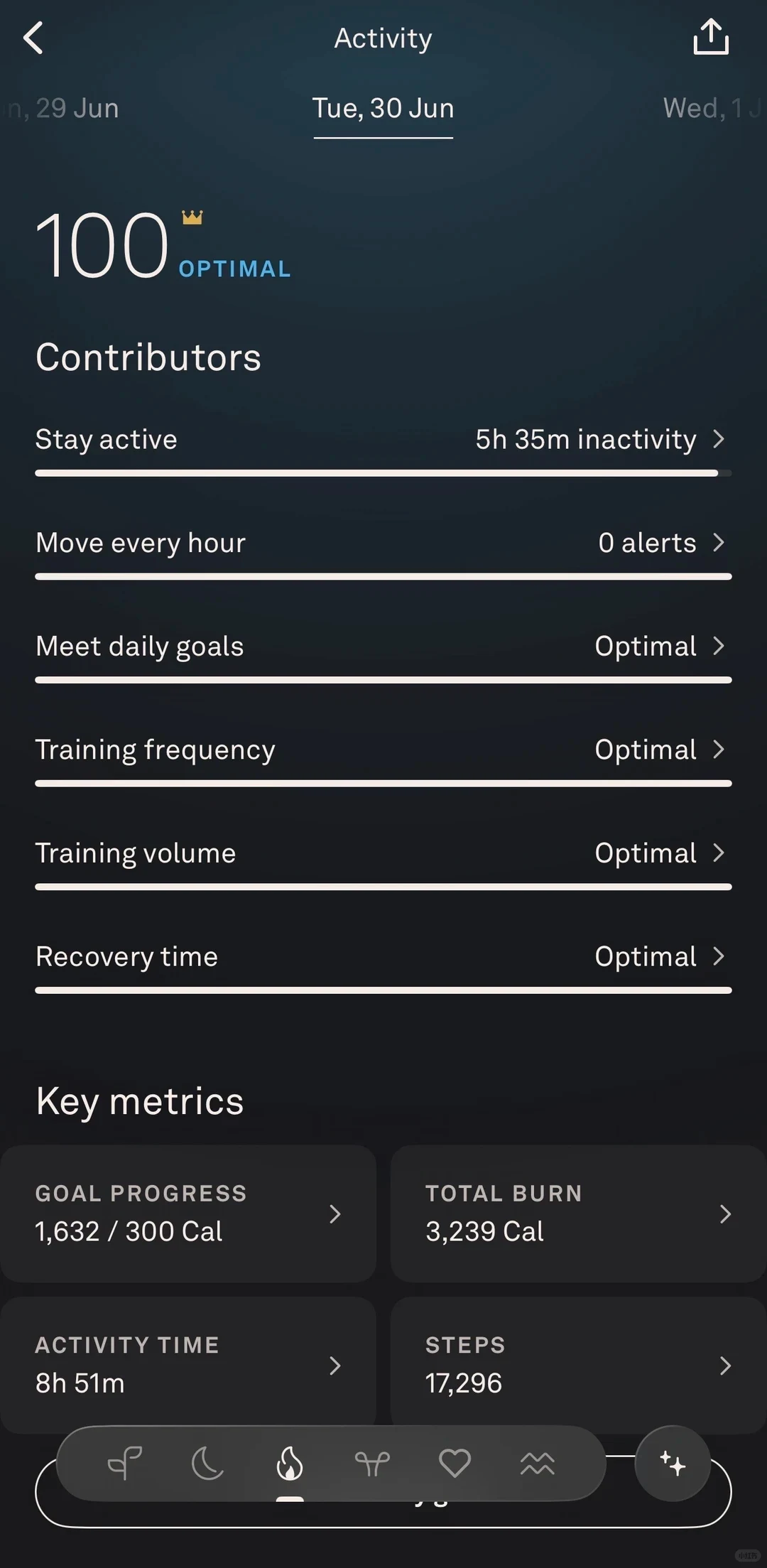
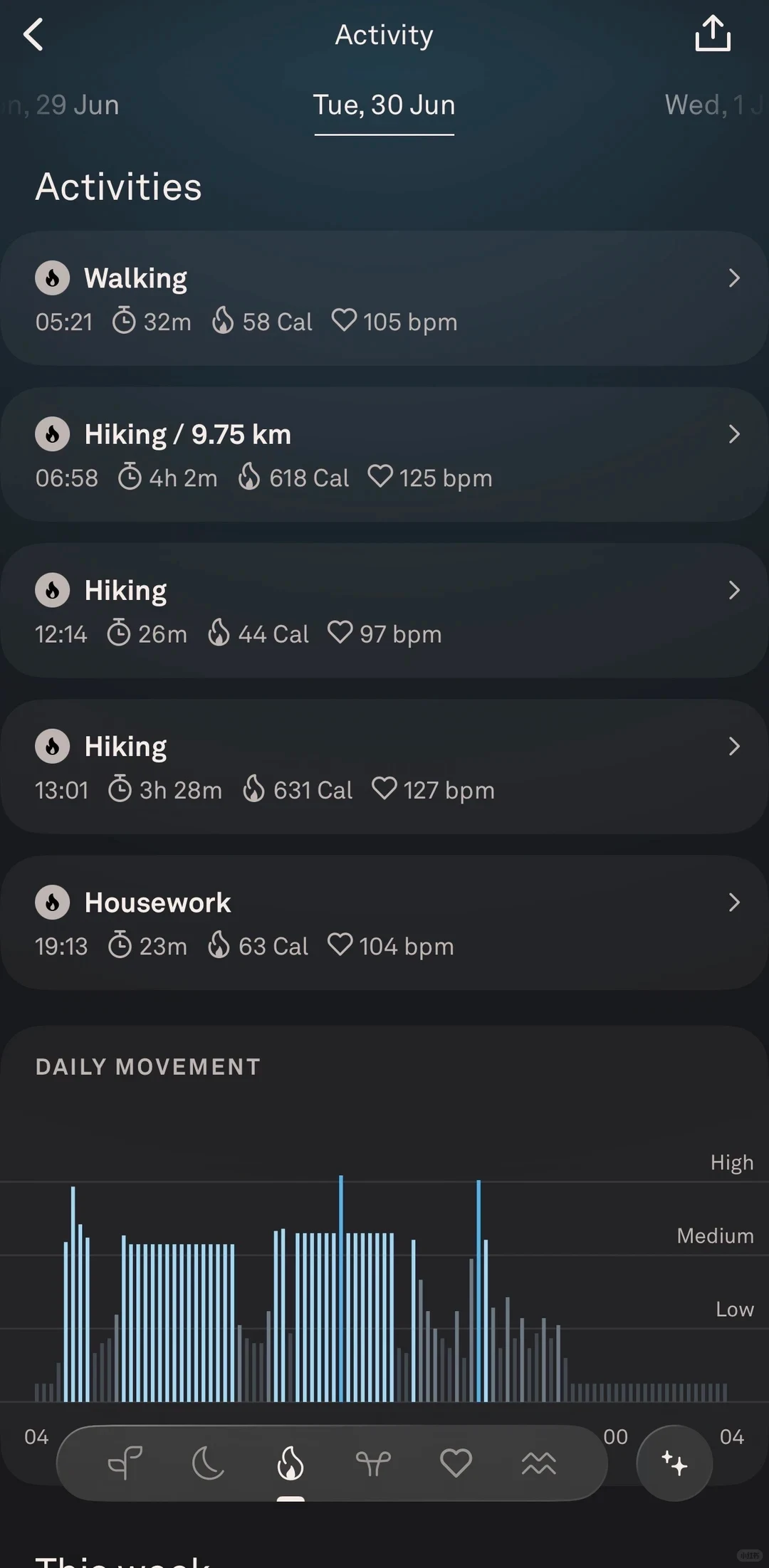
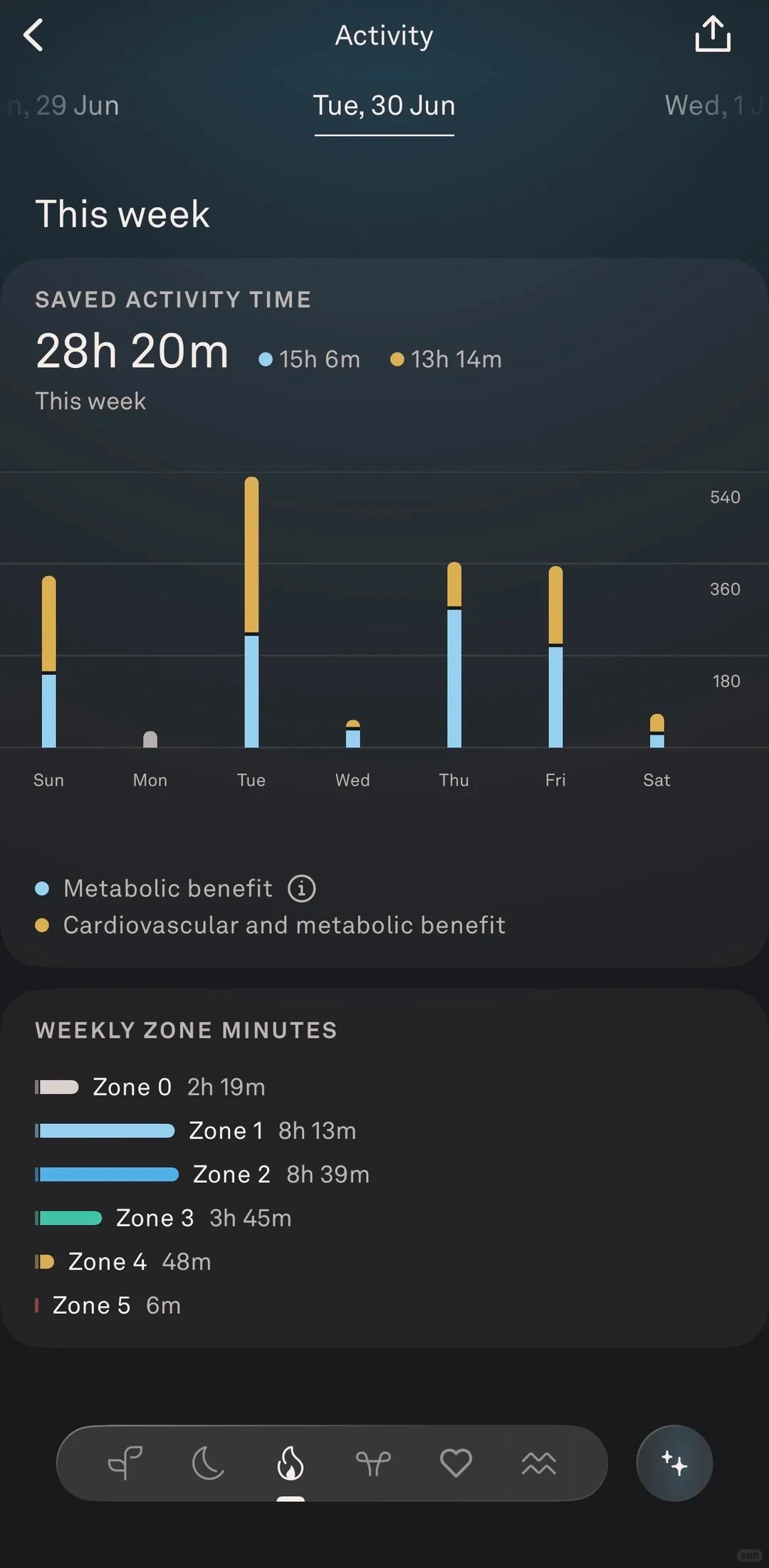
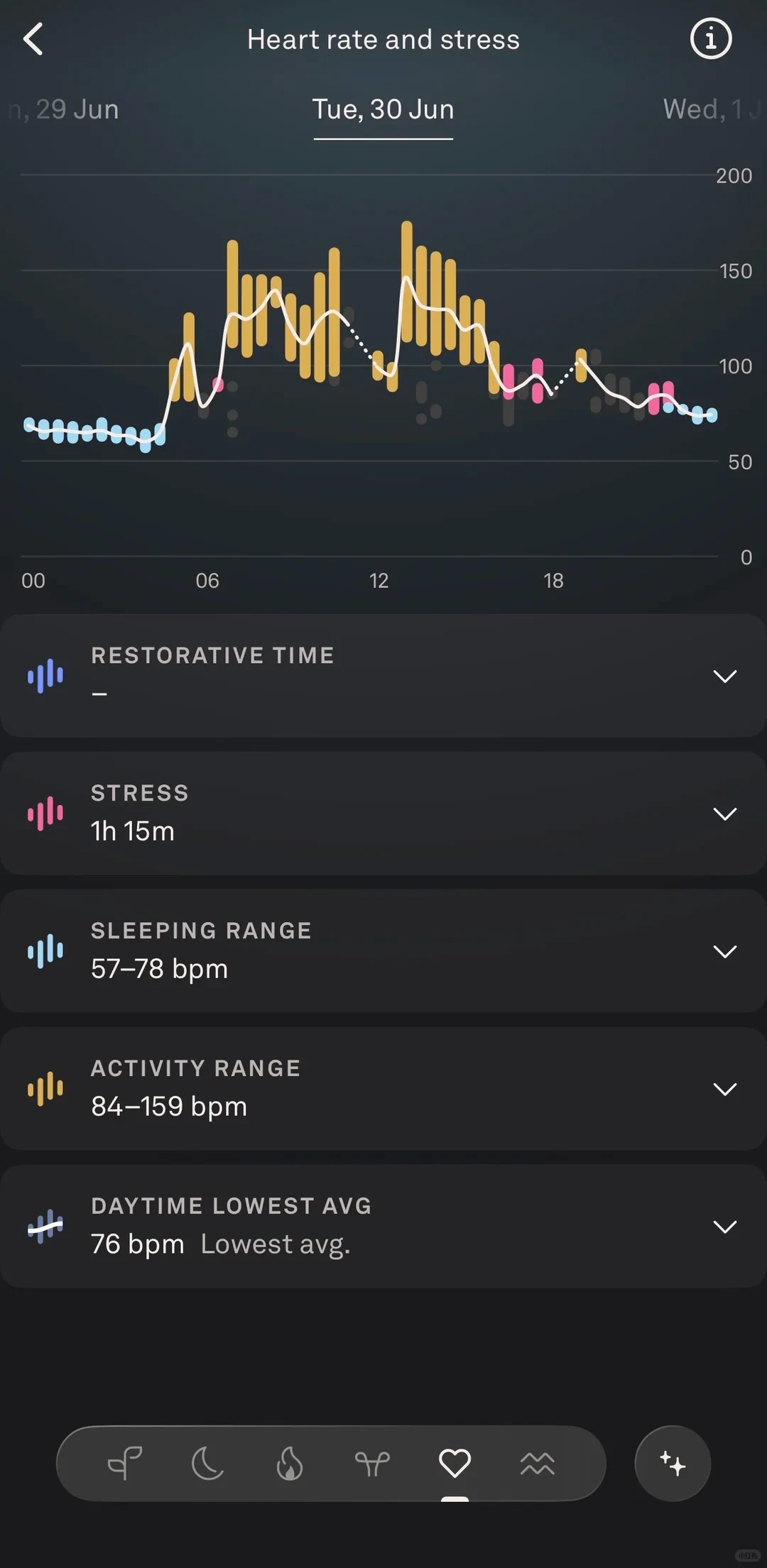
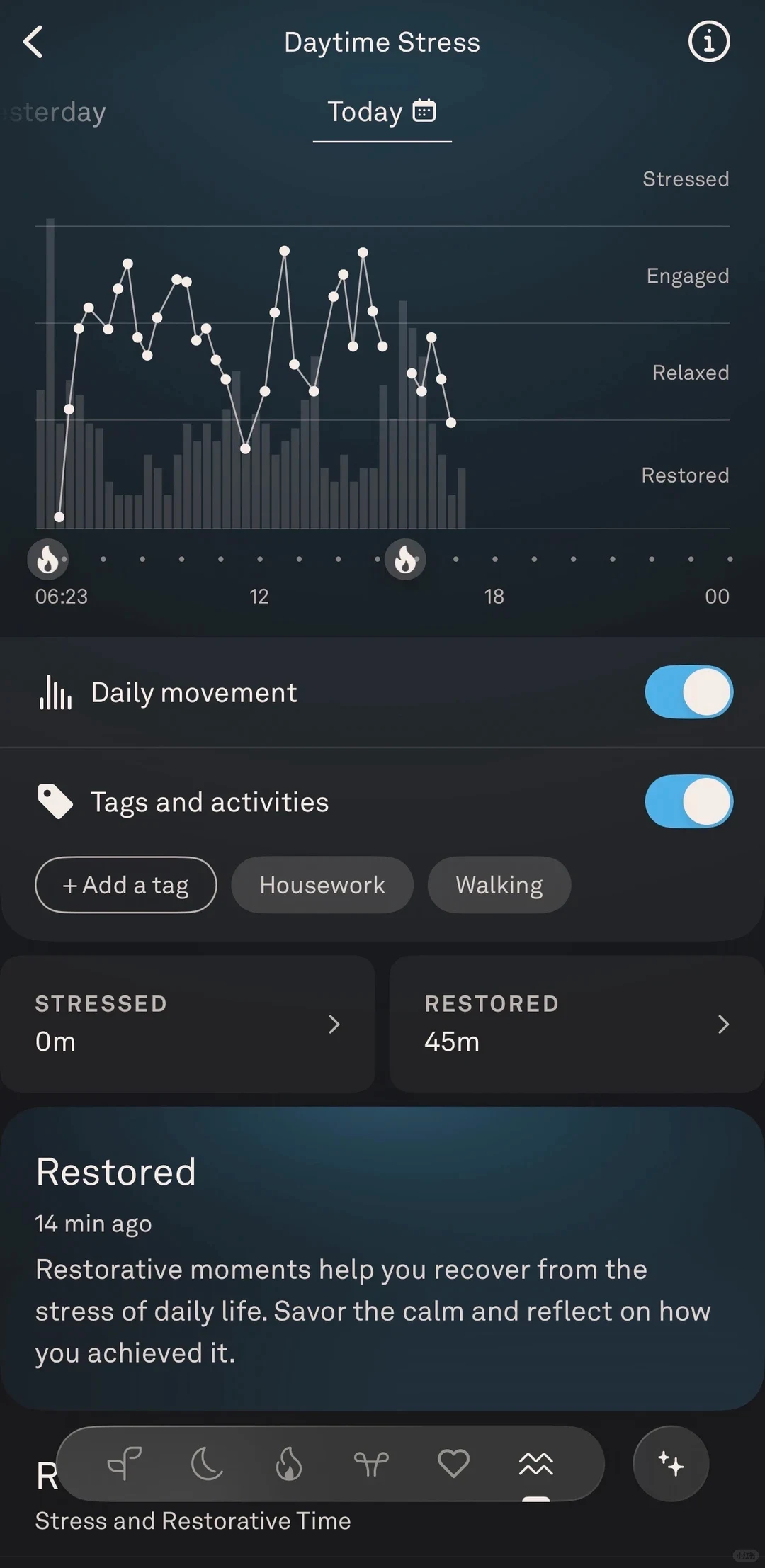
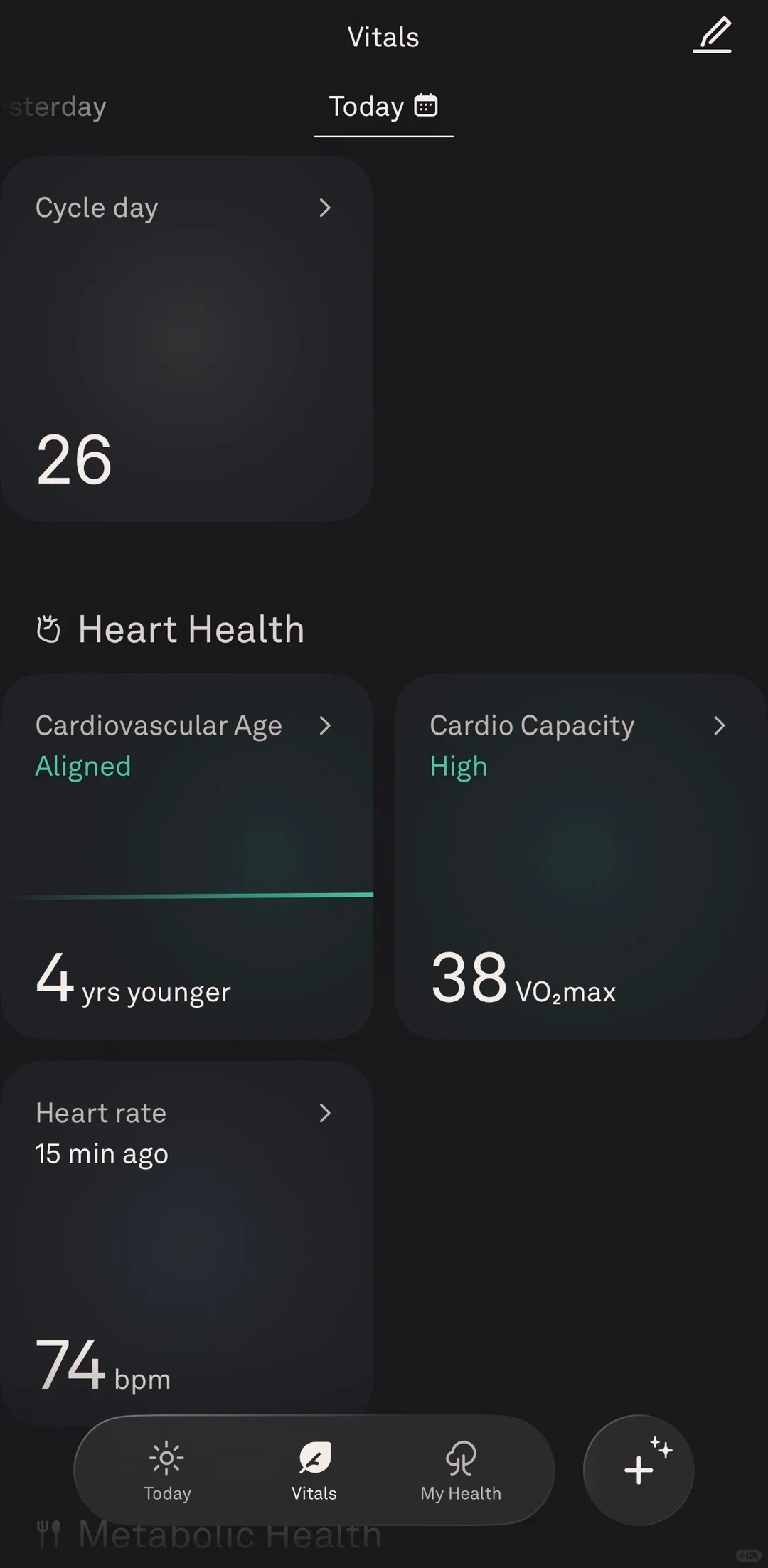
I’m a new Oura user! I was tempted by Ring 4 last year, so I’m glad I hesitated. The new Ring 5 that came out this year is such a good choice.
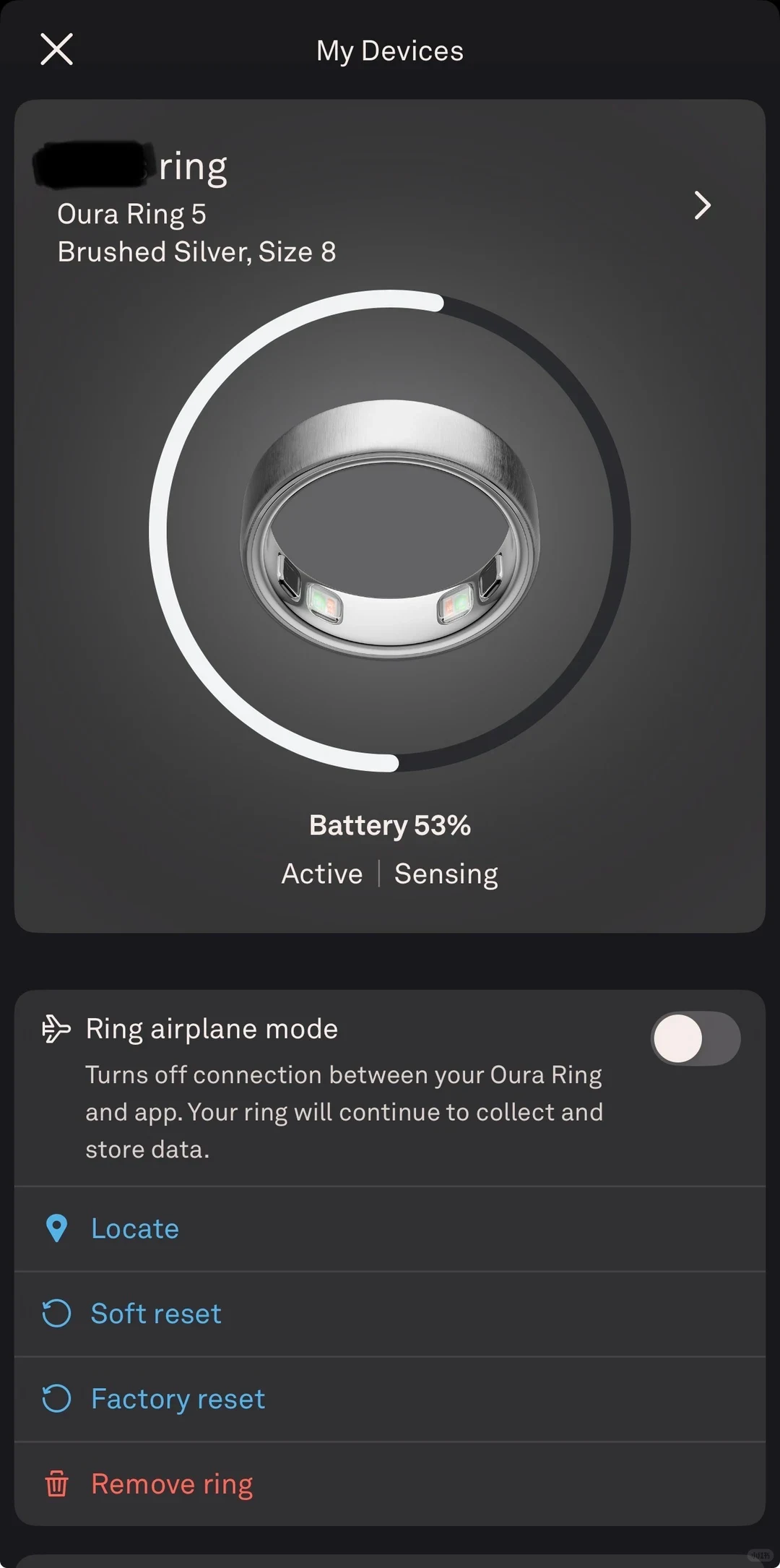
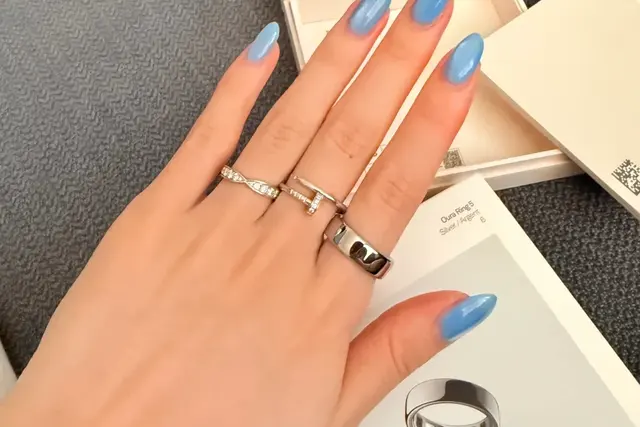
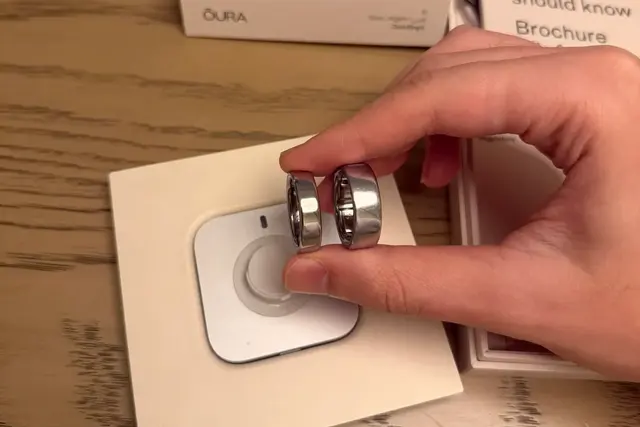
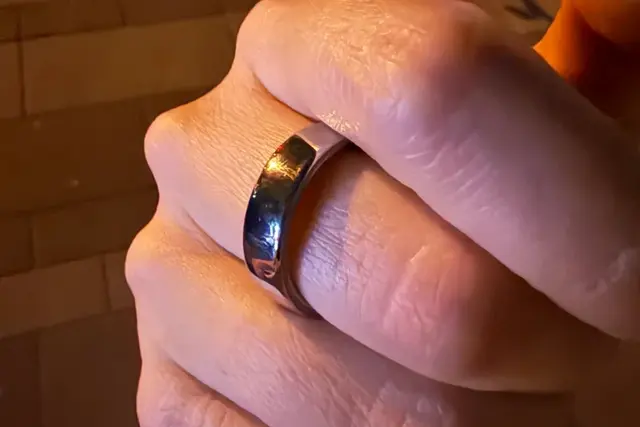
The brushed silver has a lively look, and the ring feels smooth and light to wear. The index finger is theoretically the best finger for more accurate readings. The features I like most are that it’s waterproof, so I can wear it in the shower, and that the battery lasts a long time: up to 8 or 9 days on standby. To help preserve battery life, I’d recommend charging above 20%; I charge it about once every six days.
New users get a 30-day free trial for the membership, after which they can choose monthly or annual billing; the annual plan costs less.
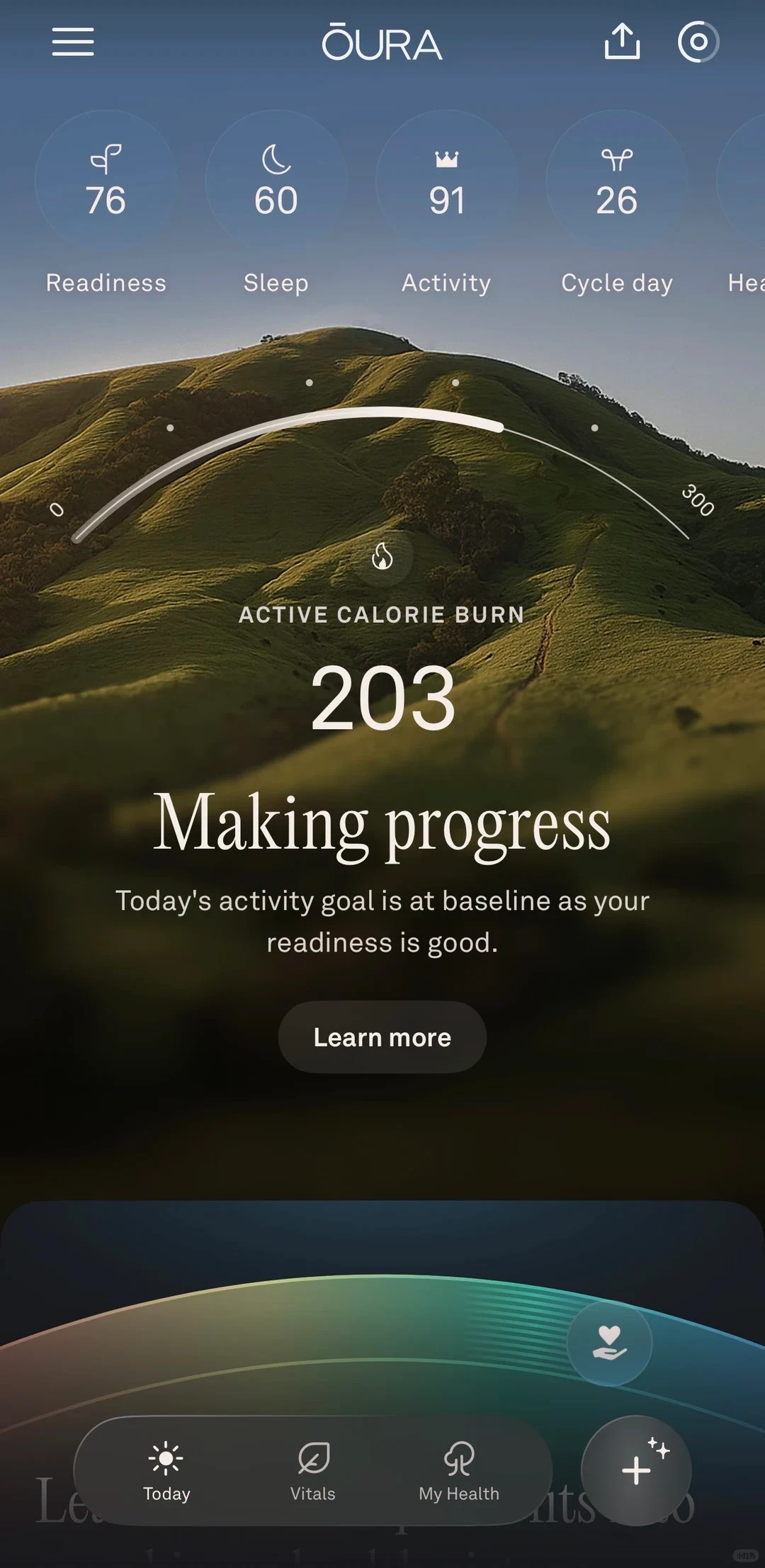
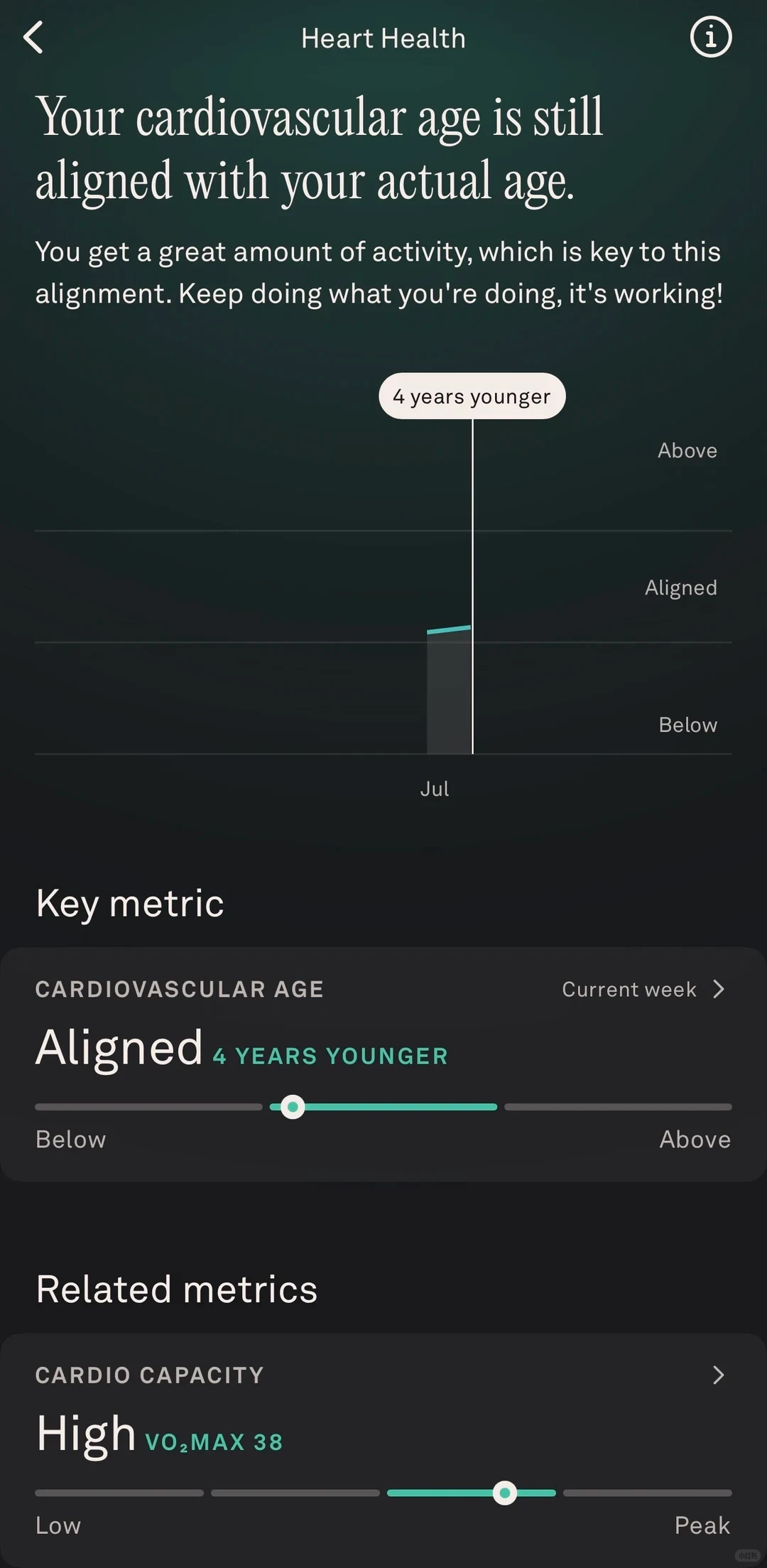
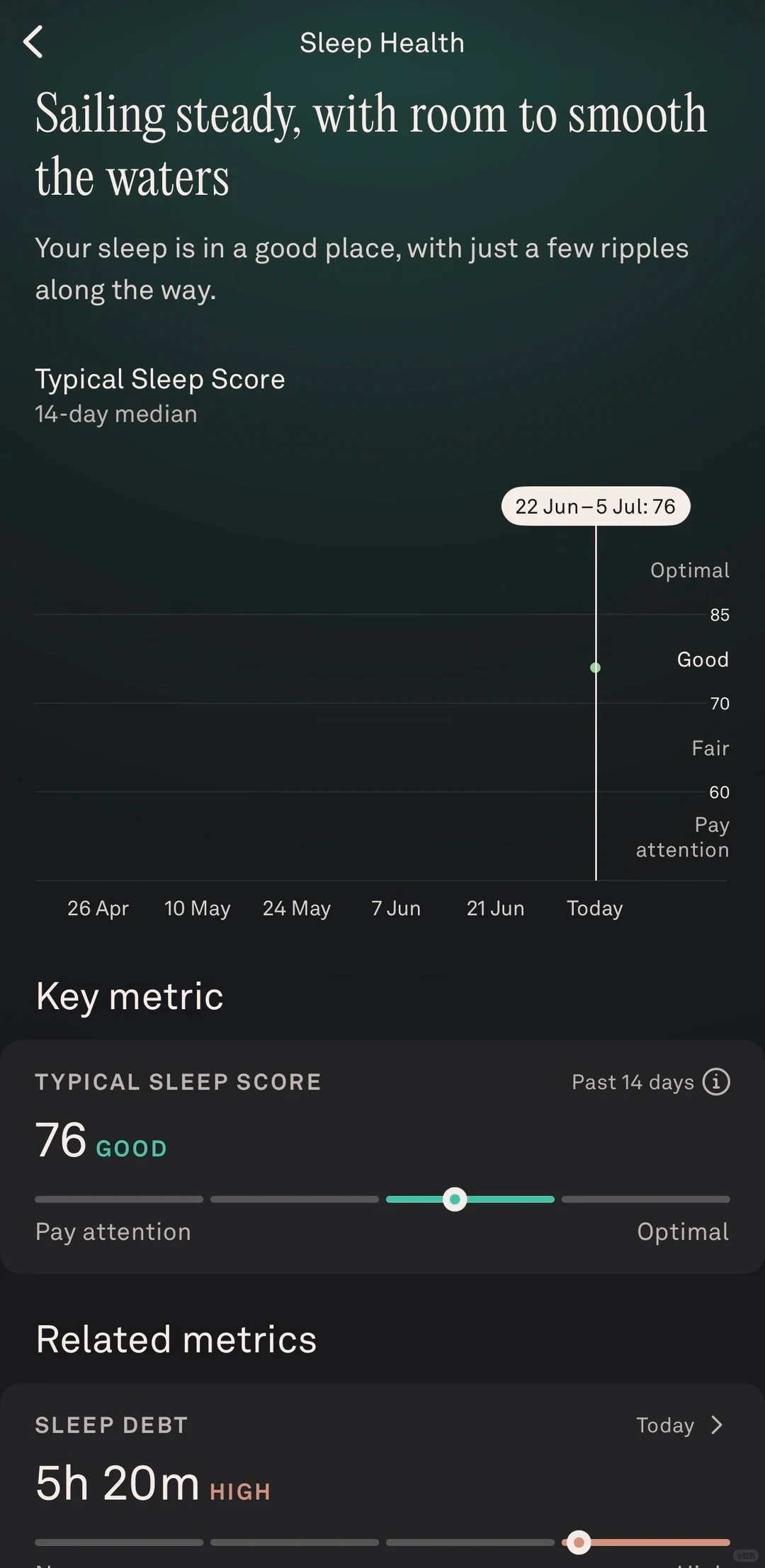
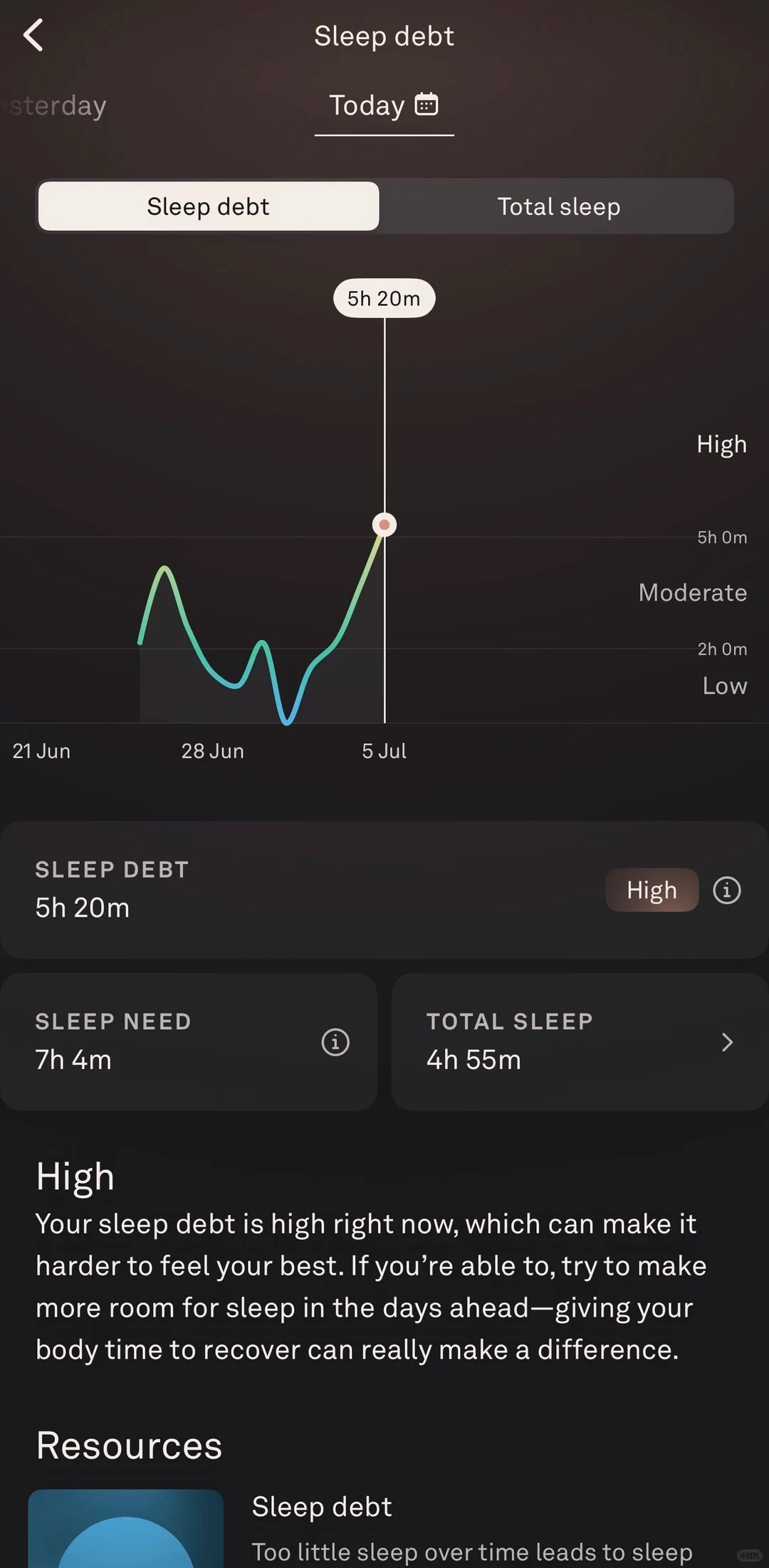
The more you wear it, the more body data it collects. When you first put it on, you only get basic metrics like heart rate and sleep. After 7, 14, 30 and 90 days, it collects and analyzes new data. The images show the information available after 14 days, including heart-rate data, detailed sleep parameters, activity metrics, cardiovascular health indicators and menstrual-cycle information. The visualizations are great, and the charts are easy to understand at a glance.
This is my first smart health-tracking wearable, and one feature I find really interesting is Daytime Stress. I love checking it each day and thinking back to what I was doing when my stress level shot up. Yesterday, I was stuck in a long line at Barcelona airport immigration and instantly became stressed. Today at work, my stress level was zero.
Readiness is interesting too. It combines your sleep and previous day’s activity to assess how your body is doing, and I’ve found it pretty accurate. Frequent travel has meant I haven’t been sleeping well lately; I wake up exhausted, and my score is low. Last week, after hiking up the Mirador de la Piedra, I slept incredibly well. I woke up feeling light as a feather, and my score shot up to over 90.
Oura can also automatically detect activities. When I’m hiking, it suggests “Hiking” for me to confirm; when I’m packing, it shows “Housework”; and when I train legs and glutes at the gym, it shows “Strength Training.” I don’t need to log them manually—just tap to confirm. It also tracks activity time and calories, which is impressive!
Oura says my cardiovascular age and cardio capacity are both excellent, which makes me happy. The main thing I need to improve is getting more sleep!
Finally, I hope everyone stays healthy.
Source: Root · Xiaohongshu · 2026-07-06 · Oura 5 两周使用分享(种草篇). Search this Chinese title in Xiaohongshu to find the original post.
Before You Buy
Models in your region
The owner’s two-week account identifies the ring as Oura Ring 5, and the US store lists that fifth-generation model. Oura’s support information applies to supported markets. The owner’s finish and photos do not establish a purchase market or a more specific regional configuration, so the experience is useful for the Ring 5 model but does not confirm local membership terms.
| Model in this review | Related regional model | What to know |
|---|---|---|
| Oura Ring 5 | Oura Ring 5 (United States) | The US listing identifies Ring 5 as the fifth-generation model and offers multiple finishes. The owner’s brushed-silver, size-8 ring is identified in an app screenshot; the account does not establish its purchase market or exact suffix. Her two-week observations therefore apply to her Ring 5, not necessarily to local membership terms. |
- Model in this review
- Oura Ring 5
- Related regional model
- Oura Ring 5 (United States)
- What to know
- The US listing identifies Ring 5 as the fifth-generation model and offers multiple finishes. The owner’s brushed-silver, size-8 ring is identified in an app screenshot; the account does not establish its purchase market or exact suffix. Her two-week observations therefore apply to her Ring 5, not necessarily to local membership terms.
Battery life and fit
Oura lists typical Ring 5 battery life as six to nine days, with results affected by ring size and use. The owner’s estimate of charging about every six days falls within that range, but it reflects her own two-week routine rather than a controlled battery test. She recommends charging above 20% to preserve battery life; the supplied manufacturer evidence does not confirm that charging advice.
Oura Ring 5 · Supported Oura markets
Ring 5 comes in sizes 6–13 and requires its generation-specific sizing kit. The owner describes the ring as light and smooth and says the index finger is theoretically best for accurate readings; her account does not compare fingers or verify that claim. Confirm fit with the Ring 5 sizing kit before buying, since the support information specifies that the kit is generation-specific.
Activity suggestions are prompts to review
Ring 5’s Automatic Activity Detection suggests an activity type, duration, time and intensity, and the app lets you confirm, edit or dismiss a suggestion. The owner describes confirming suggestions for hiking, housework and strength training, which made manual logging less necessary in those instances. A suggestion is not a validated measurement of a particular activity, so review it before accepting it as an accurate record.
Membership and what two weeks can show
Detailed sleep information and automatic activity detection require an active Oura membership. The owner describes a 30-day trial followed by monthly or annual billing, with the annual option costing less, but the supplied regional evidence does not confirm current trial eligibility, prices or plan terms for a particular market. Check the local membership offer before relying on those details.
The owner found the stress and readiness views engaging during travel and after a hike, and her two-week account includes activity suggestions and health metrics. These are personal observations, not clinical validation or proof that a score predicts how another wearer will feel. Treat them as tracking features for noticing patterns, rather than as a diagnosis or a substitute for medical advice.
Related Reading
Reviews & Guides · Wearables
Oura Ring 5 after two weeks: longer battery life, less activity detail
I compared my Oura Ring 5 with my Apple Watch Series 11 for two weeks: the ring lasted longer and tracked naps, but its activity recognition felt less accurate.
Reviews & Guides · Wearables
Oura Ring 5: a smoother inner surface after handwashing
I kept my Oura Ring 4 for over a year before upgrading; the Ring 5 feels smoother inside and does not hold water after I wash my hands.
Reviews & Guides · Wearables
Oura Ring 5 after a month: sleep felt reliable, activity times did not
I wore the silver Oura Ring 5 for a month: sleep and menstrual tracking seemed fairly accurate, but its activity durations were far off.