CategoriesWearables
Smart rings, fitness trackers and other wearable devices.
All articles
Reviews & Guides · Wearables
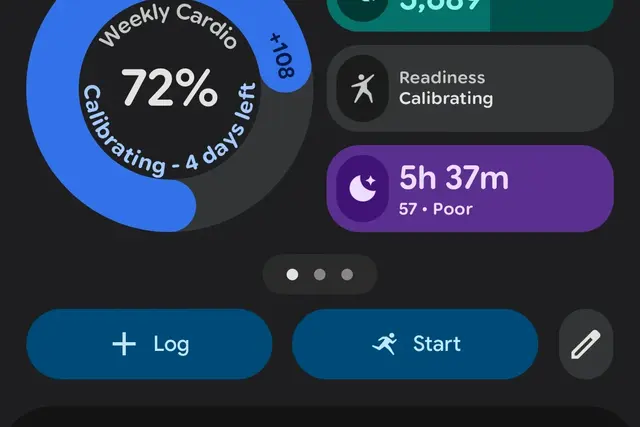
My Fitbit Air battery fell from 100% to 76% in three days. Cycling and walking were detected automatically, but strength training needed manual entry.
Reviews & Guides · Wearables
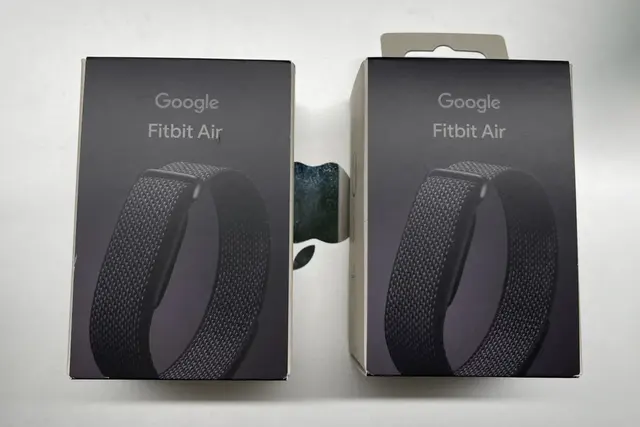
I wore the 12g Google Fitbit Air day and night for three weeks, charged it weekly, and found its AI coach surprisingly specific about training and recovery.
Reviews & Guides · Wearables
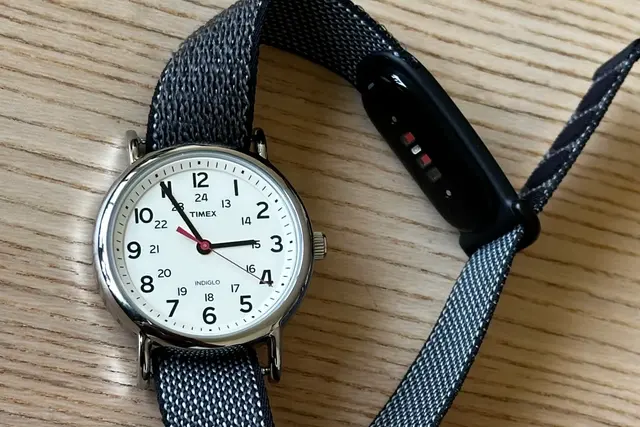
I liked Fitbit Air's light fit and interactive logging enough to order a Timex Weekender, but slow replies and incomplete split-sleep records frustrated me.

Reviews & Guides · Wearables
I used Google Fitbit Air for two months: the light, long-lasting hardware impressed me, but repeated sync failures made checking sleep data frustrating.
Reviews & Guides · Wearables
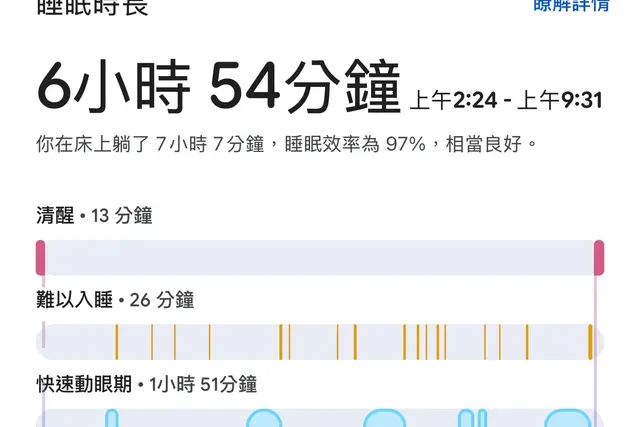
I wore Google Fitbit Air for two weeks and found it light enough to forget, with week-long battery life and useful sleep data—though its fabric band gets wet.
Reviews & Guides · Wearables
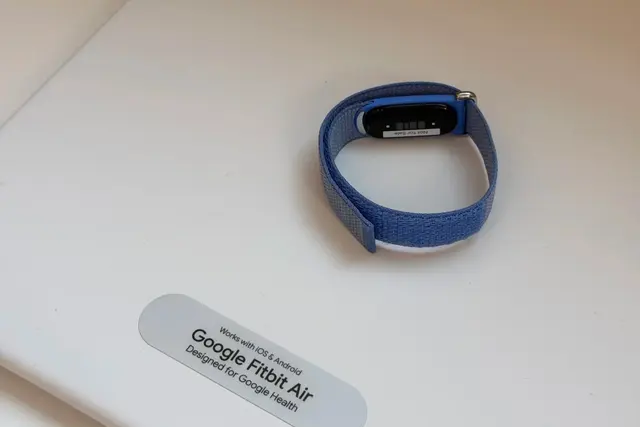
After years with Fitbit trackers, I found Fitbit Air familiar—but its soaked band smelled so bad that I left it in the sun for a day.
Reviews & Guides · Wearables
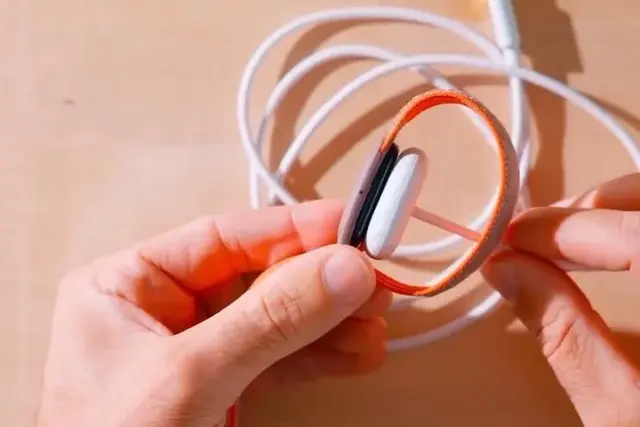
I found Fitbit Air light enough for day-and-night wear, with 73% battery after four days, but food-calorie estimates and sleep entries still needed corrections.
Reviews & Guides · Wearables
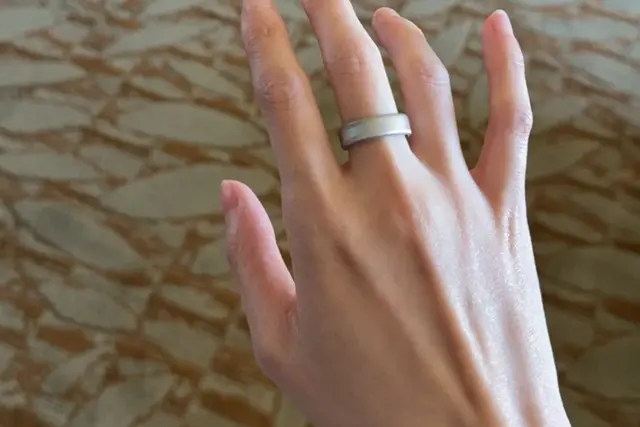
I liked Oura Ring 5's finish and sleep tracking, but removing it for workouts and worrying about sleep scores led me to return it.
Reviews & Guides · Wearables
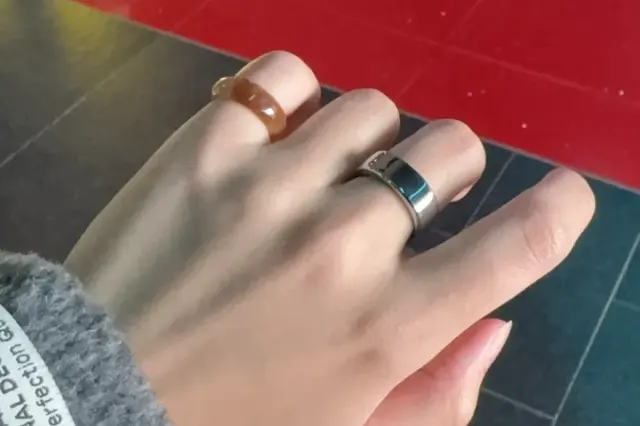
I chose the RingConn Gen 2 Air after sizing carefully; it detected sleep and short walks well, but step counts and exercise recognition need context.
Reviews & Guides · Wearables
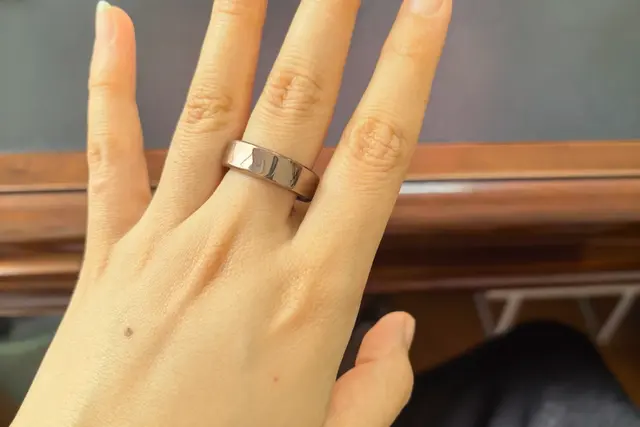
I found the RingConn Gen 2 Air comfortable through a full day and overnight, and my Huawei phone on HarmonyOS 6.2 worked with it—but sizing required a trial ring.
Reviews & Guides · Wearables
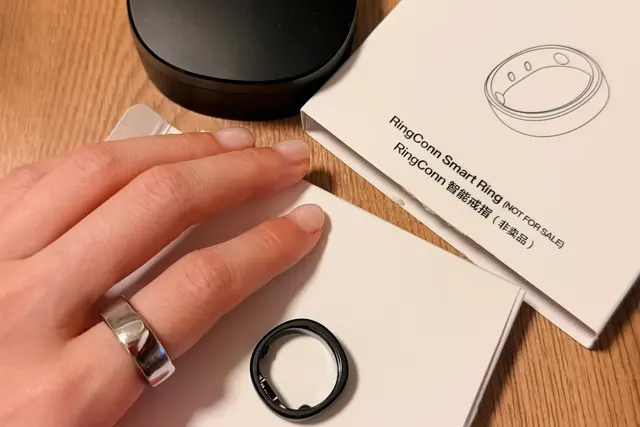
My boyfriend and I bought RingConn Gen 2 rings. Both later lasted only about 2–3 days per charge, and customer service replaced them after battery problems.
Reviews & Guides · Wearables
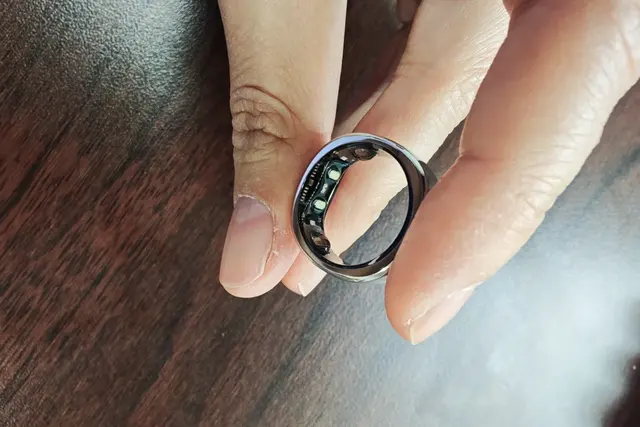
I used the RingConn Gen 2 for six months: sleep and basic heart-rate tracking worked well, but exercise caused slipping, inaccurate detection and no real-time heart rate.
Reviews & Guides · Wearables
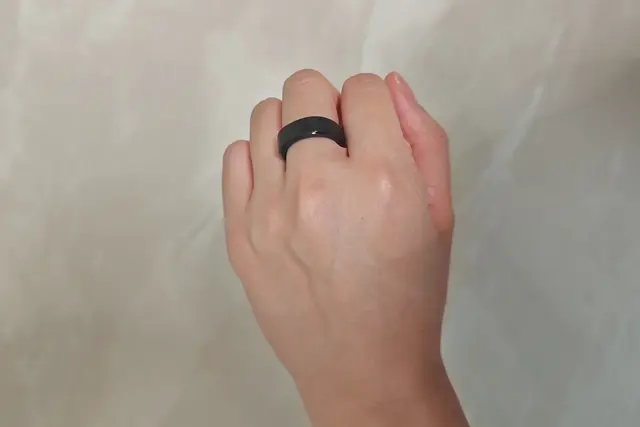
I used RingConn Gen 3 for sleep, steps and cycling: it was comfortable at night, but route tracking broke when my phone locked or took calls.
Reviews & Guides · Wearables
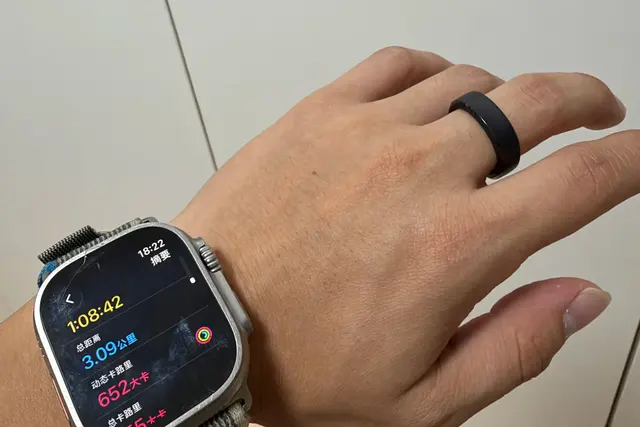
I wore the RingConn Gen 3 for four days: it found even a short nap, while activity detection was debatable and Partner AI felt too generic.
Reviews & Guides · Wearables
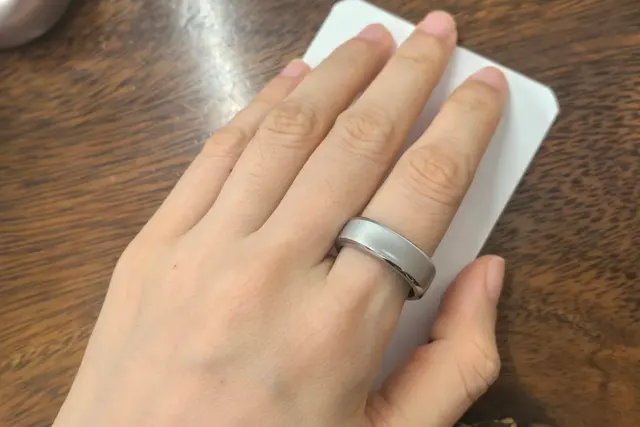
I wore the RingConn Gen 3 for one day: reconnecting was tedious, exercise tracking needed manual input, and sleep logging did not suit my habits.
Reviews & Guides · Wearables
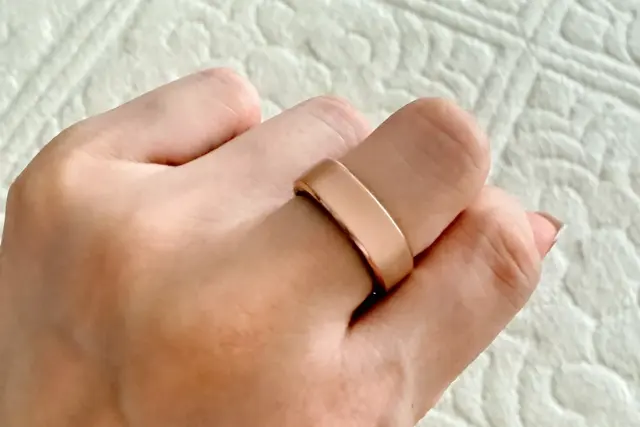
I wore the RingConn Gen 3 for sleep and Pilates, finding it more comfortable and longer-lasting than my Apple Watch but less reliable for tracking.
Reviews & Guides · Wearables
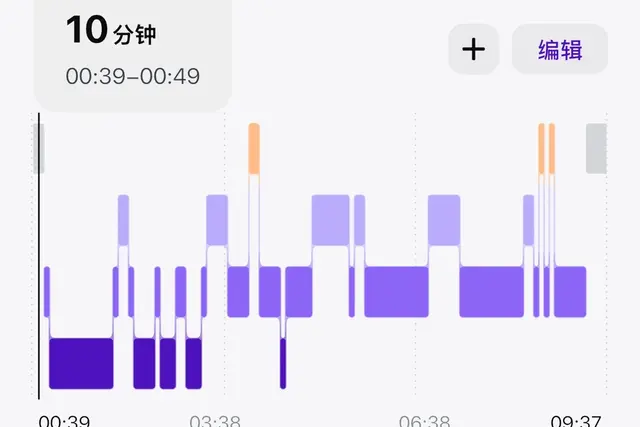
I requested a RingConn Gen 3 return after it marked awake periods as deep sleep; Apple Health records were also affected by a write-back setting.
Reviews & Guides · Wearables
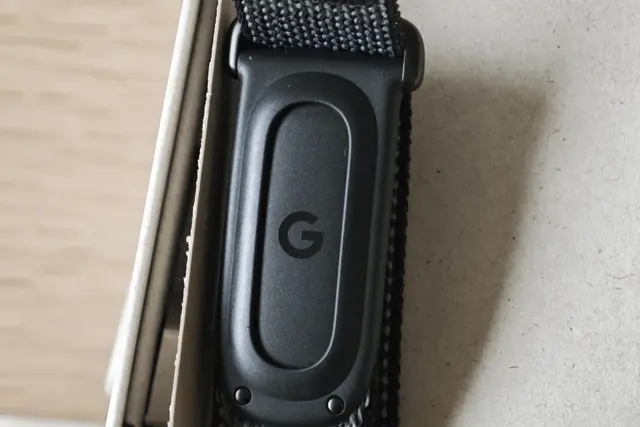
I wore Fitbit Air for a month after Apple Watch Series 11: it was light and lasted a week, but missed a nighttime interruption and mistook phone time for sleep.
Reviews & Guides · Wearables
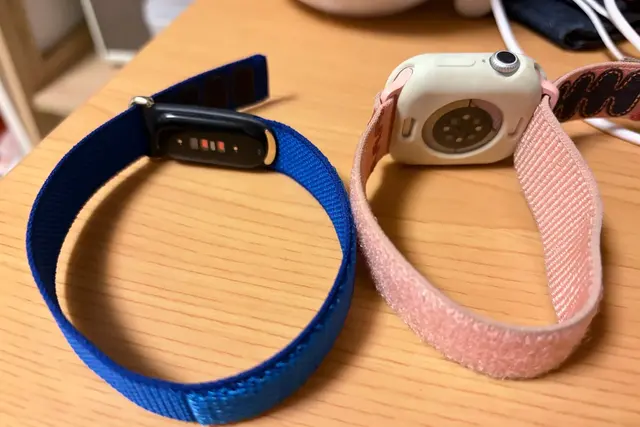
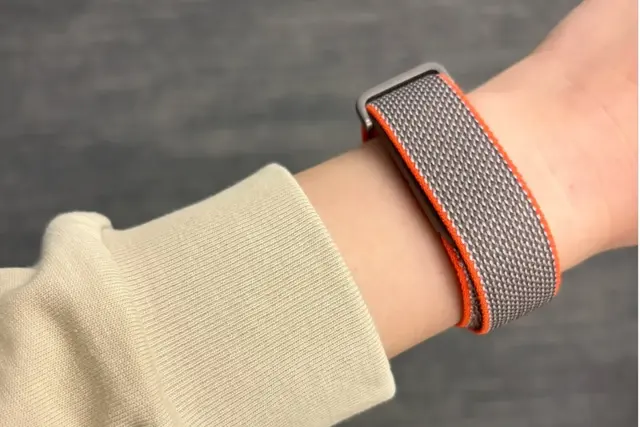
I wore Google Fitbit Air and Apple Watch side by side for a week, comparing sleep records, activity tracking, battery life and all-day comfort.
Reviews & Guides · Wearables
I wore the screen-free Google Fitbit Air Curry edition for a week: sleep insights and AI coaching helped, but live workout data was limited.
Reviews & Guides · Wearables
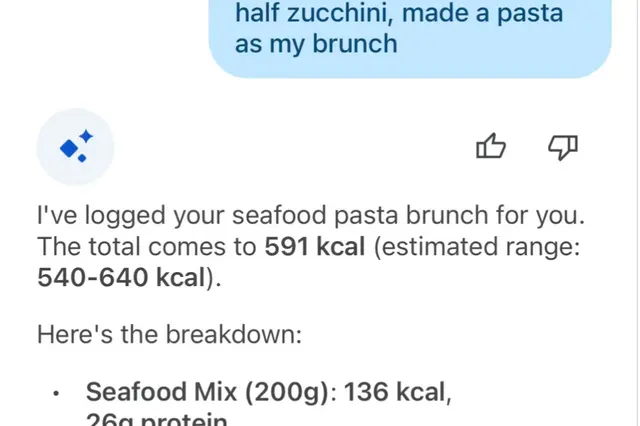
I used the Google Fitbit Air for a week and found its AI agent made meal and workout logging easy, while the band stayed comfortable except when sweaty.
Reviews & Guides · Wearables
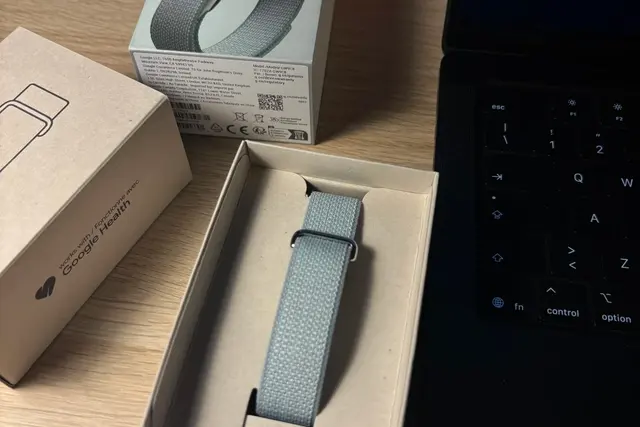
I wore the Google Fitbit Air for a week: its battery lasted seven days, but Health Coach required changing my region before it worked.
Reviews & Guides · Wearables
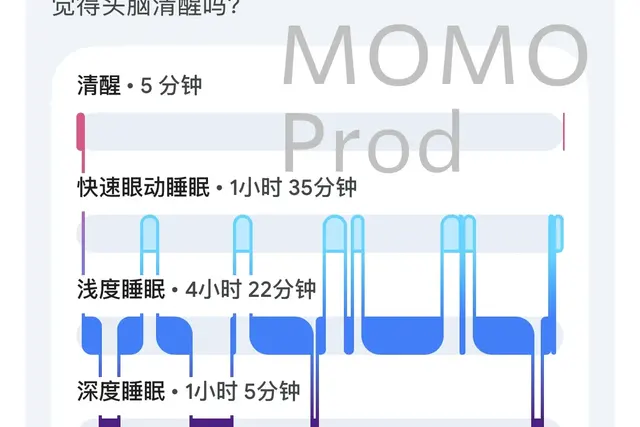
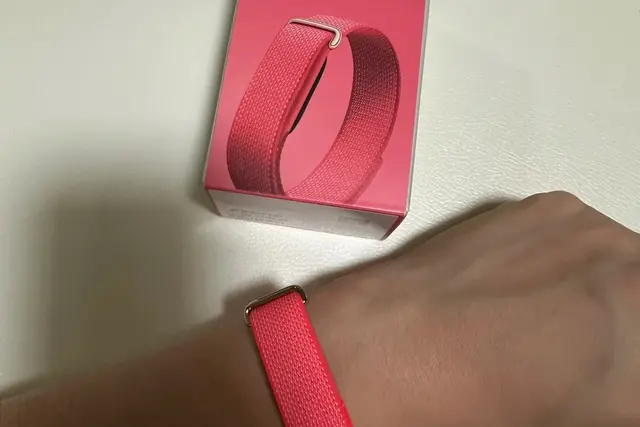
I wore Google Fitbit Air for half a month in Guangzhou and found it comfortable for sleep, quick to recharge, but limited by inconsistent AI Coach access.
Reviews & Guides · Wearables
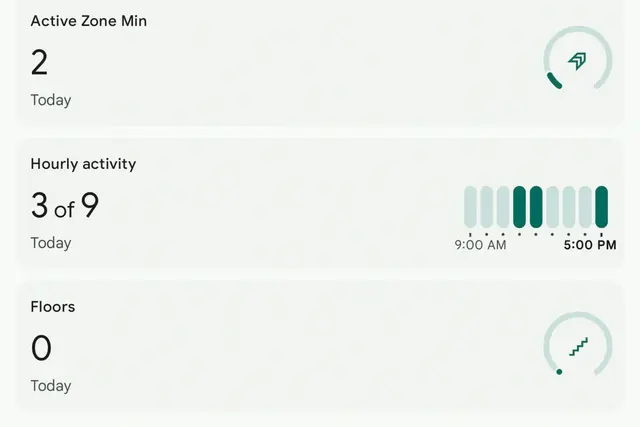
I wore the Google Fitbit Air for more than a week and found its readiness data useful, but AI Coach was unavailable on my Hong Kong account.
Reviews & Guides · Wearables
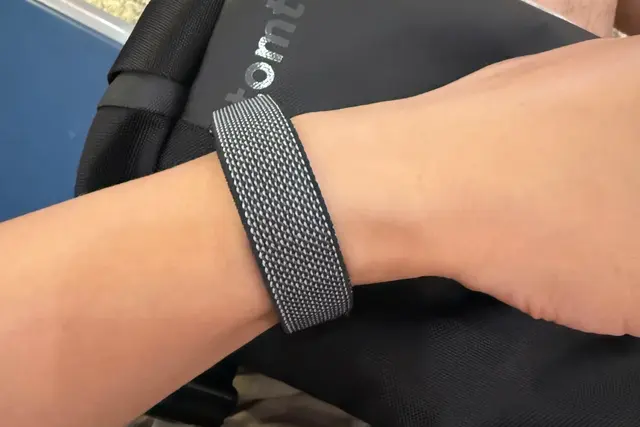
I wore Fitbit Air for two weeks, finding 9–10-day battery life and a remarkably light design while comparing Fitbit and Google Health sleep data.
Reviews & Guides · Wearables
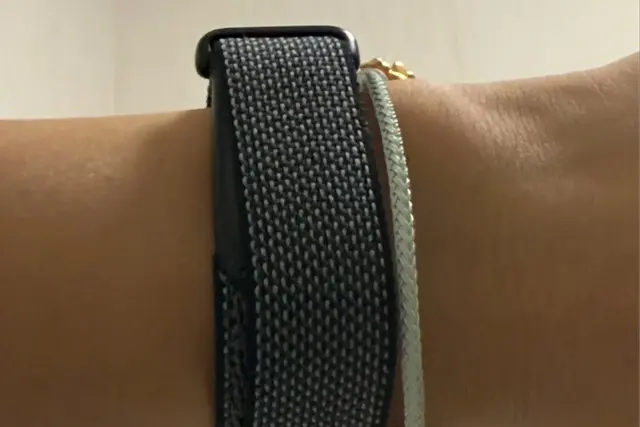
I wear the Google Fitbit Air to sleep and found it comfortable, using about 10% battery daily after I fixed a difficult syncing problem.
Reviews & Guides · Wearables
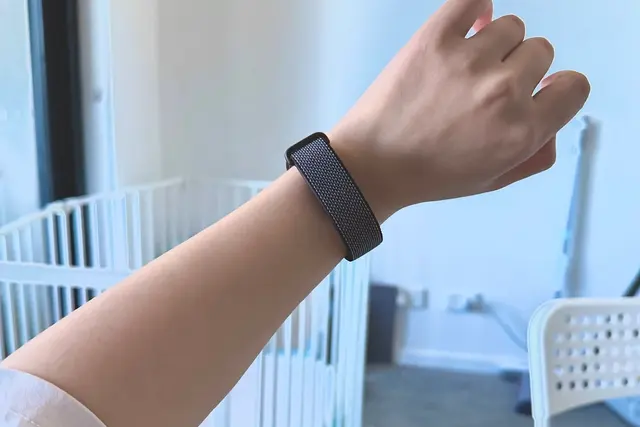
I used Fitbit Air for a month and liked weekly charging and automatic cycling, running and walking records. I still missed having a display to check the time.
Reviews & Guides · Wearables
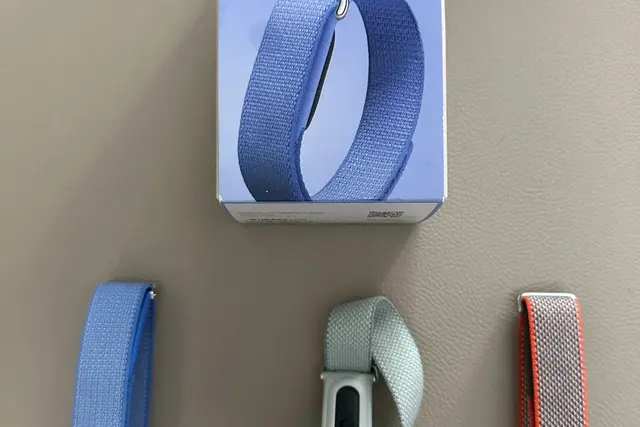
I wore Fitbit Air for a week and found it comfortable enough to keep on, with accurate sleep tracking but slow AI and unreliable food logging.
Reviews & Guides · Wearables
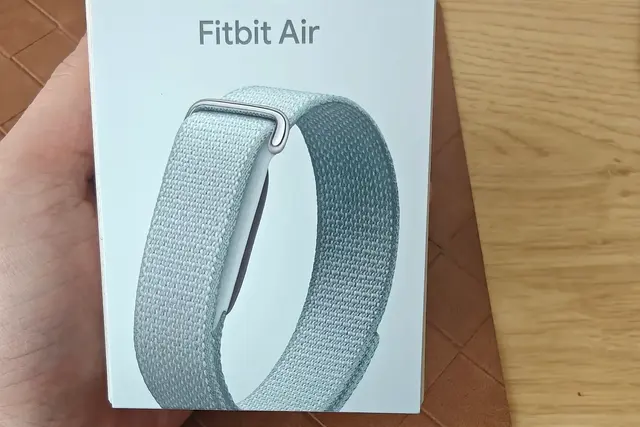
I chose Fitbit Air for its light fit. In a week, most sleep logs felt reasonable and walks were detected, but a 7:30–9:30 return to sleep went missing.
Reviews & Guides · Wearables
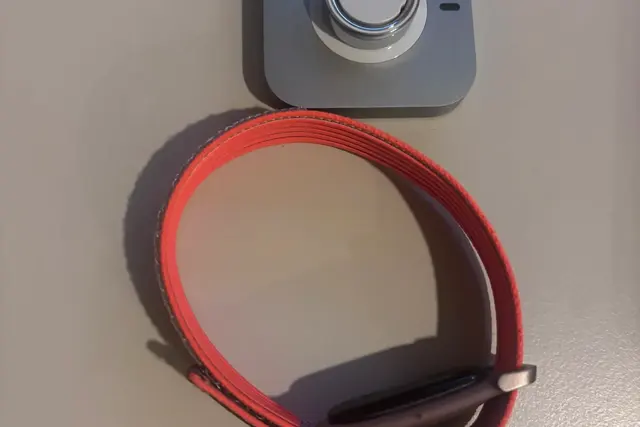
I used Fitbit Air for sleep and daily health logs. A week left about 10% battery, but a 20-minute nap was missed and workout records appeared late.
Reviews & Guides · Wearables
I wore Google Fitbit Air for about a month and found it comfortable for sleep, close to Oura on key readings, and more useful when its AI explained my recent state.
Reviews & Guides · Wearables
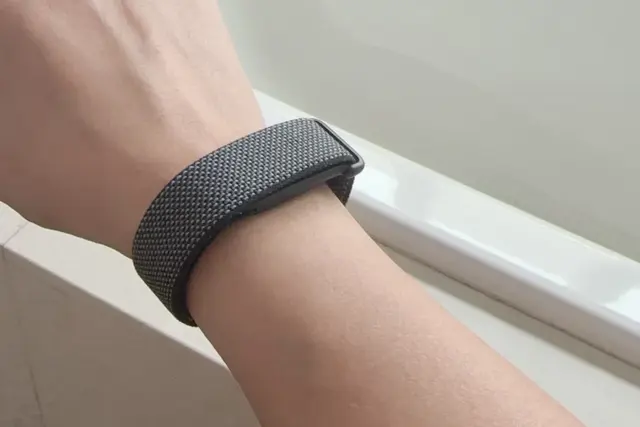
After restarting and resetting my Fitbit Air, HRV readings returned and sleep matched my Apple Watch the next day. I am watching whether the improvement lasts.

Reviews & Guides · Wearables
I spent 20 minutes reconnecting Fitbit Air, then watched my sleep record change from 6h47 to 3h15; its AI correction updated only part of the data.
Reviews & Guides · Wearables
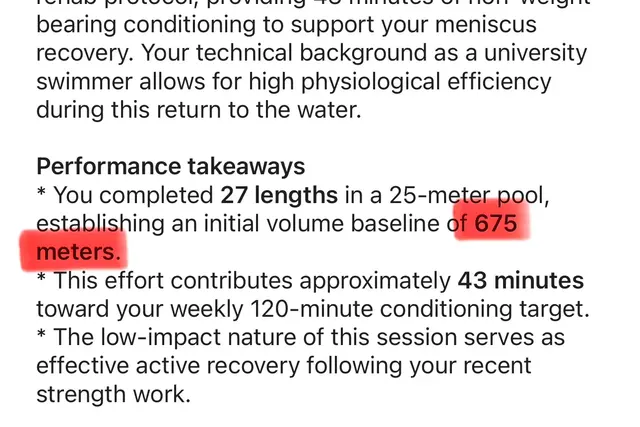
I swam 1,200 m in one pool session, but my Fitbit Air recorded just over 600 m. Its AI training plans were more useful, though the default intensity felt basic.