
RingConn Gen 3: an owner requested a return after sleep-stage conflicts
I requested a RingConn Gen 3 return after it marked awake periods as deep sleep; Apple Health records were also affected by a write-back setting.
First, the conclusion: return and refund.
Second, the reason
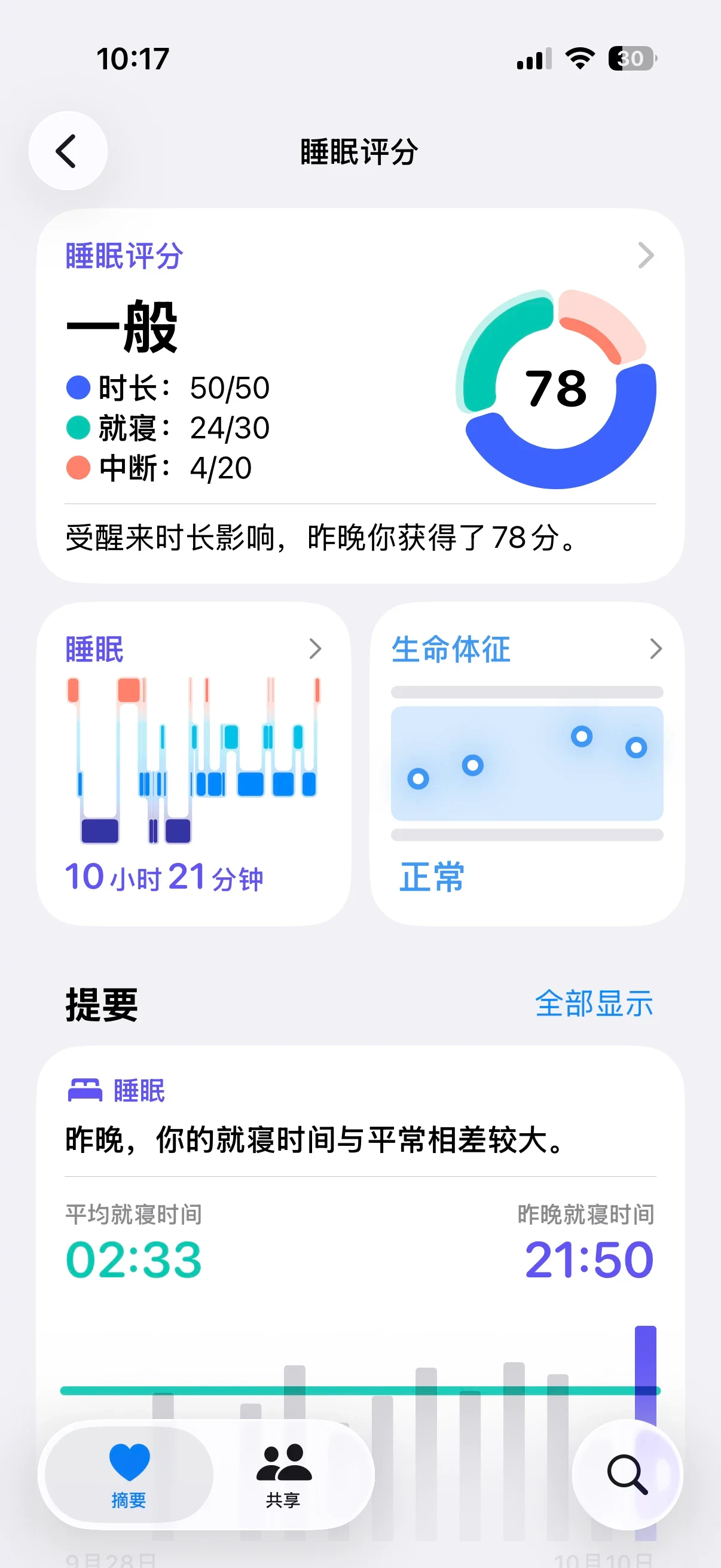
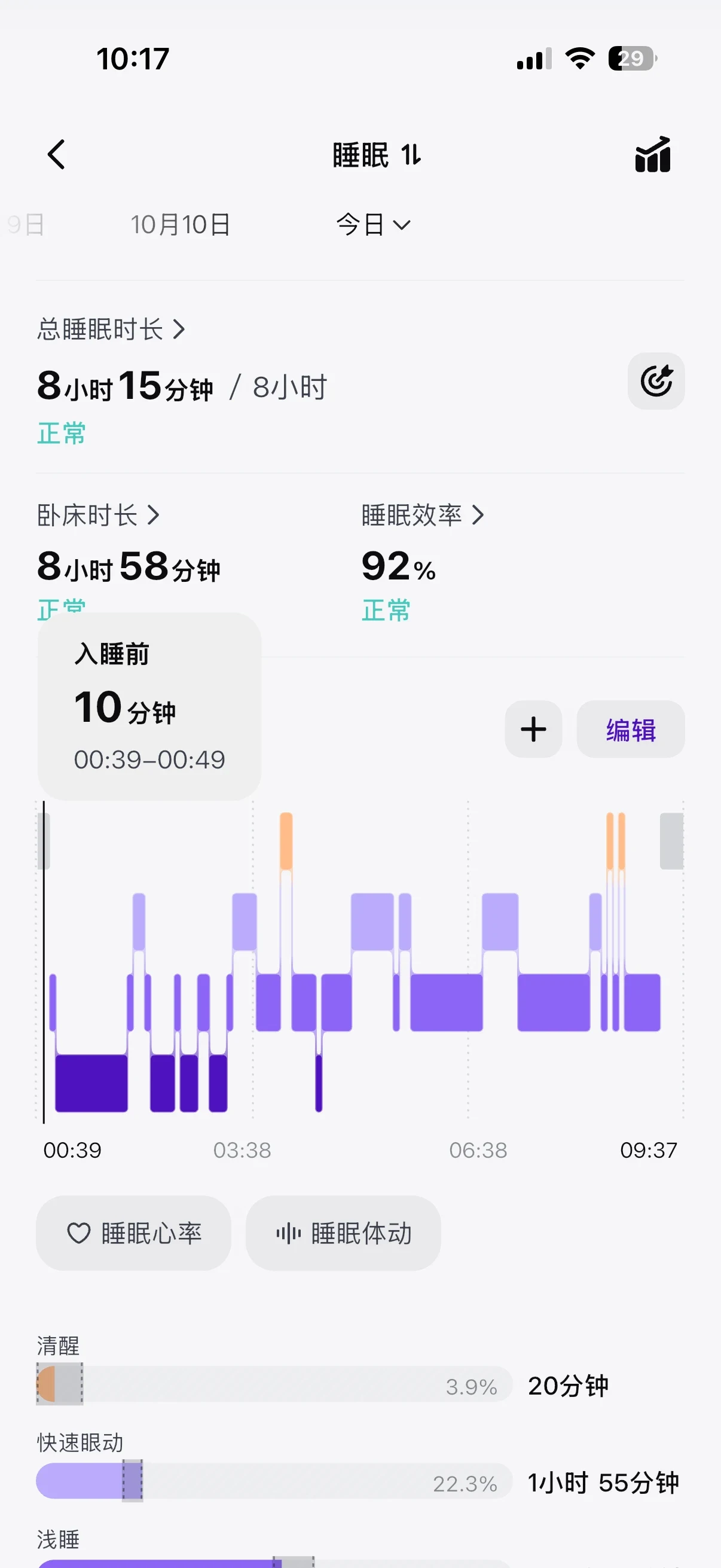
P1 is the RingConn data from the first day. Why does it show Apple Health? I need to explain. When I woke up, I opened Apple Health first, and its data roughly matched my actual sleep. I am completely certain about the details; at the very least, the total sleep time was right.
I then opened the RingConn app, where the results were wildly different. It had even labelled the periods when I was active during the night as deep sleep.
However, because this was my first time using it, I had not disabled writing RingConn sleep data to Apple Health. I kept looking at the RingConn app, and the two sets of data overwrote each other, causing the mismatched display. So P2 was the original Apple data, which was accurate, while P1 was the incorrect RingConn data.
As soon as I noticed this, I disabled data writing.
The data from the second day was broadly similar.
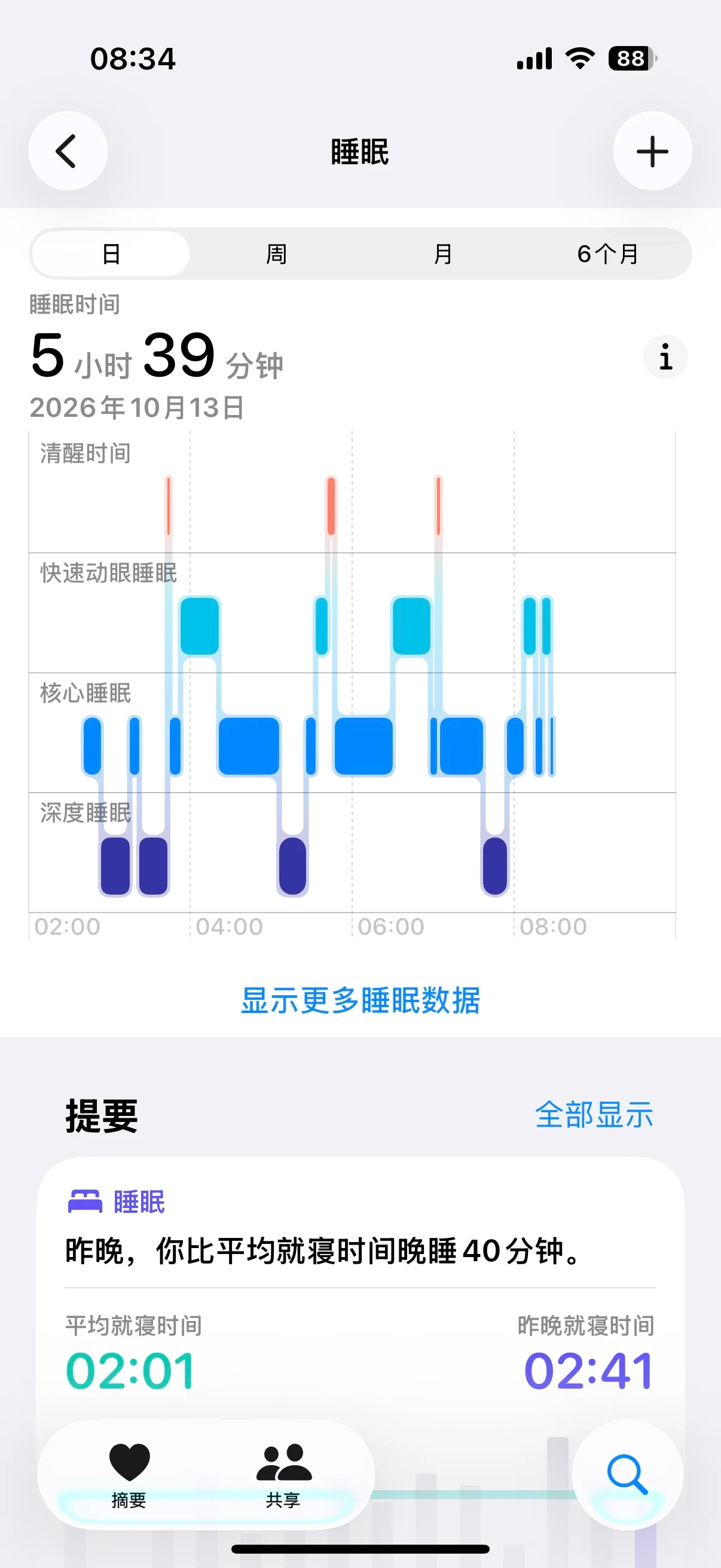
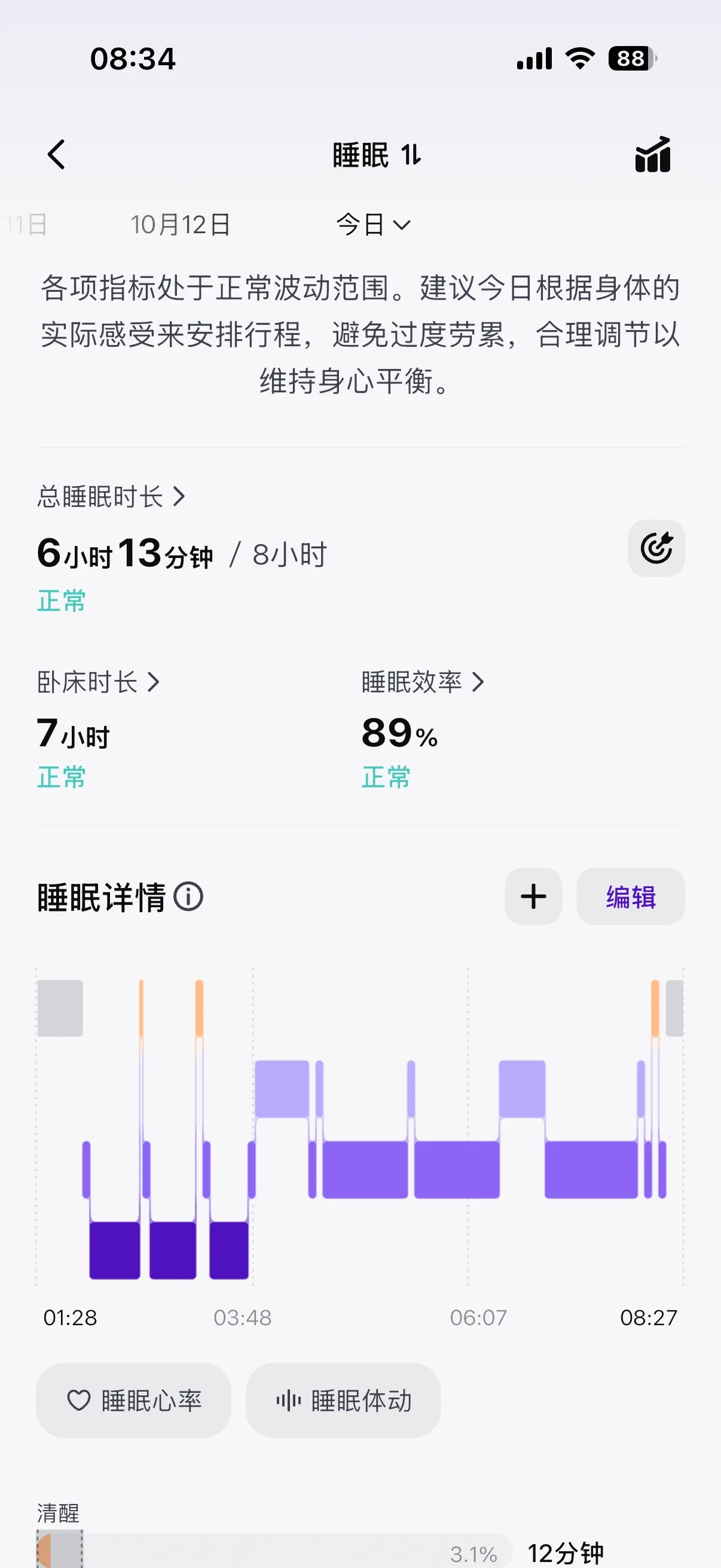
P3 and P4 compare the data from the third day. RingConn still labelled my awake periods as deep sleep.
My final view
When I compared the data after waking up this morning, I immediately requested a return and refund. What I cannot accept is that a device already in its third generation, whose selling point is monitoring sleep and health data, still requires the user to manually correct whether they were actually asleep. It also cost a little over 2,000 yuan, and nobody’s money grows on trees.
And finally, has anyone who bought the Oura 5 got genuine hands-on experience they would be willing to share?
Source: 中二贵仔now typing · Xiaohongshu · 2026-10-13 · Ringconn Gen 3后续. Search this Chinese title in Xiaohongshu to find the original post.
Before You Buy
Models in your region
RingConn’s US store lists the same Gen 3 generation used by the owner, including Apple Health integration. This account highlights both sleep-stage disagreements and the need to check which app writes the records used in a comparison.
| Model in this review | Related regional model | What to know |
|---|---|---|
| RingConn Gen 3 | RingConn Gen 3 (US; international shipping subject to destination) | This is the same Gen 3 generation used in the owner’s account and listed for the US market. The official version supports Apple Health and iOS 17 or Android 10, but the owner’s reported sleep-stage conflict does not show which device produced the more accurate classification. |
- Model in this review
- RingConn Gen 3
- Related regional model
- RingConn Gen 3 (US; international shipping subject to destination)
- What to know
- This is the same Gen 3 generation used in the owner’s account and listed for the US market. The official version supports Apple Health and iOS 17 or Android 10, but the owner’s reported sleep-stage conflict does not show which device produced the more accurate classification.
The reported problem was sleep-stage classification
The owner reported that awake periods were labelled deep sleep on the first and third days. That mismatch prompted a return request; agreement or disagreement with another consumer tracker does not by itself establish clinical sleep-stage accuracy.
The second day looked broadly similar to the owner’s other data, so this account does not describe a continuous comparison across a long testing period. Buyers should treat the result as an individual early-use experience rather than a measured validation of sleep tracking.
Check Apple Health write-back before comparing records
The owner had not initially disabled RingConn’s option to write sleep data to Apple Health. They believed the two data sets then overwrote each other and created a mismatched display; after disabling the setting, the second day’s data was broadly similar. This means the first comparison was affected by a data-sync configuration as well as the reported RingConn classification.
RingConn’s official US listing confirms Apple Health integration, but it does not document the exact overwrite behavior described by the owner. Before comparing app screenshots, check which app is allowed to write sleep data and which source Apple Health is displaying.
What the US model adds to the buying decision
The US RingConn Gen 3 listing specifies a 2.3 mm thickness, 2.5–3.5 g weight and claimed battery life of 10–12 days with vibration enabled or 11–14 days with it disabled. It supports iOS 17 or later and Android 10 or later, and RingConn says no subscription is required.
The Gen 3 uses its own sizing system, so buyers should use the Gen 3 sizing kit rather than assuming another ring’s size transfers. RingConn also states that the product is not a medical device and does not diagnose or treat disease; sleep results should therefore not replace medical assessment.
The official page lists 14-day returns and exchanges subject to conditions, with sizing kits excluded, plus a one-year warranty outside the EEA and two years in EEA countries. Those terms may not be identical for every cross-border purchase because the evidence does not establish identical regional support or app distribution, so confirm the seller’s local conditions before ordering.
Related Reading
Reviews & Guides · Wearables
Google Fitbit Air: three-day owner notes on fit, sleep and regional AI Coach access
My Fitbit Air battery fell from 100% to 76% in three days. Cycling and walking were detected automatically, but strength training needed manual entry.
Reviews & Guides · Wearables
Google Fitbit Air: a three-week owner review of fit, battery and AI coaching
I wore the 12g Google Fitbit Air day and night for three weeks, charged it weekly, and found its AI coach surprisingly specific about training and recovery.
Reviews & Guides · Wearables
Google Fitbit Air owner review: light, screen-free tracking with slow responses
I liked Fitbit Air's light fit and interactive logging enough to order a Timex Weekender, but slow replies and incomplete split-sleep records frustrated me.