
Google Fitbit Air vs WHOOP: comfort and Coach notes, with WHOOP 5.0 buying context
I found Fitbit Air light enough for day-and-night wear, with 73% battery after four days, but food-calorie estimates and sleep entries still needed corrections.

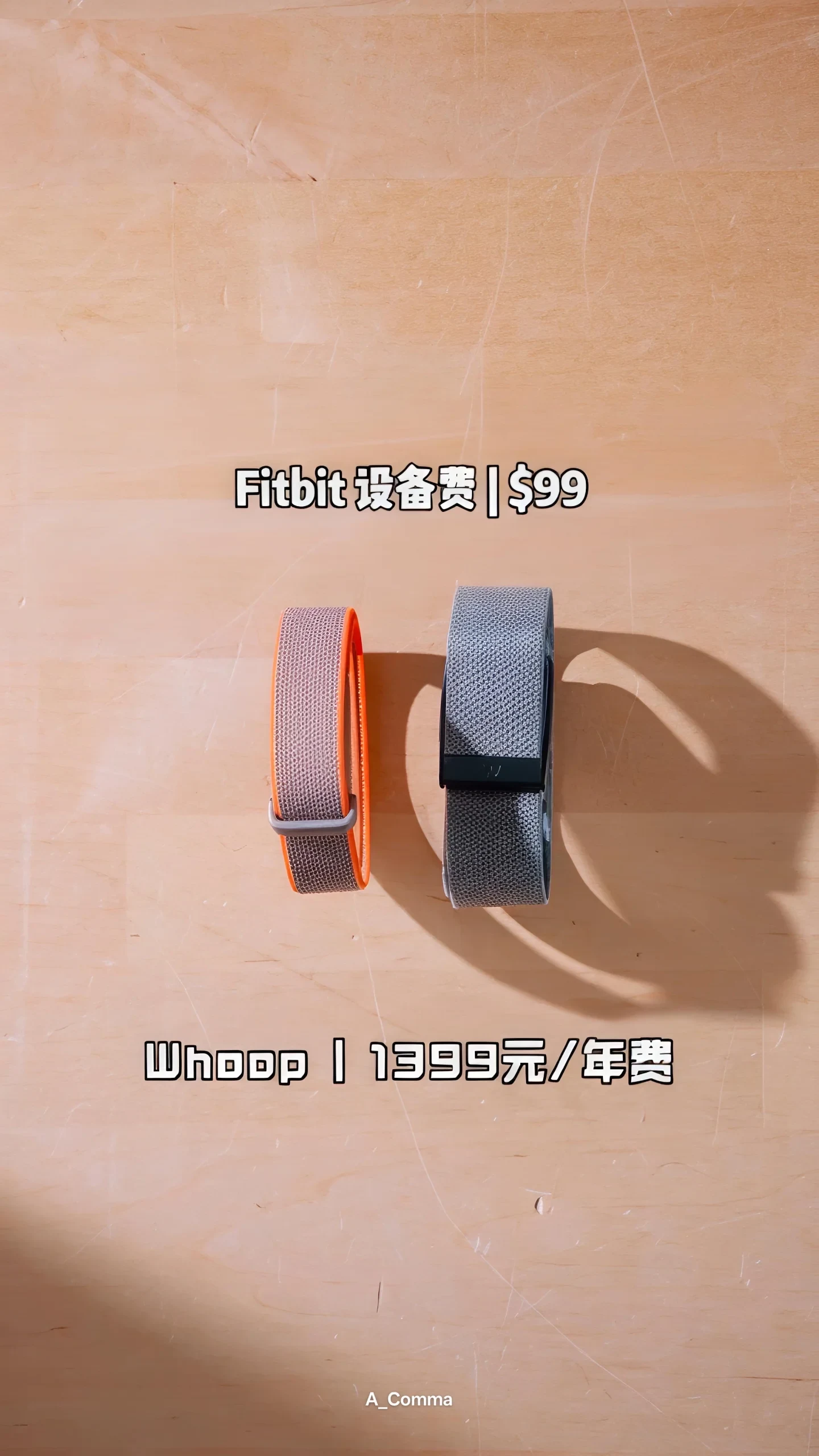
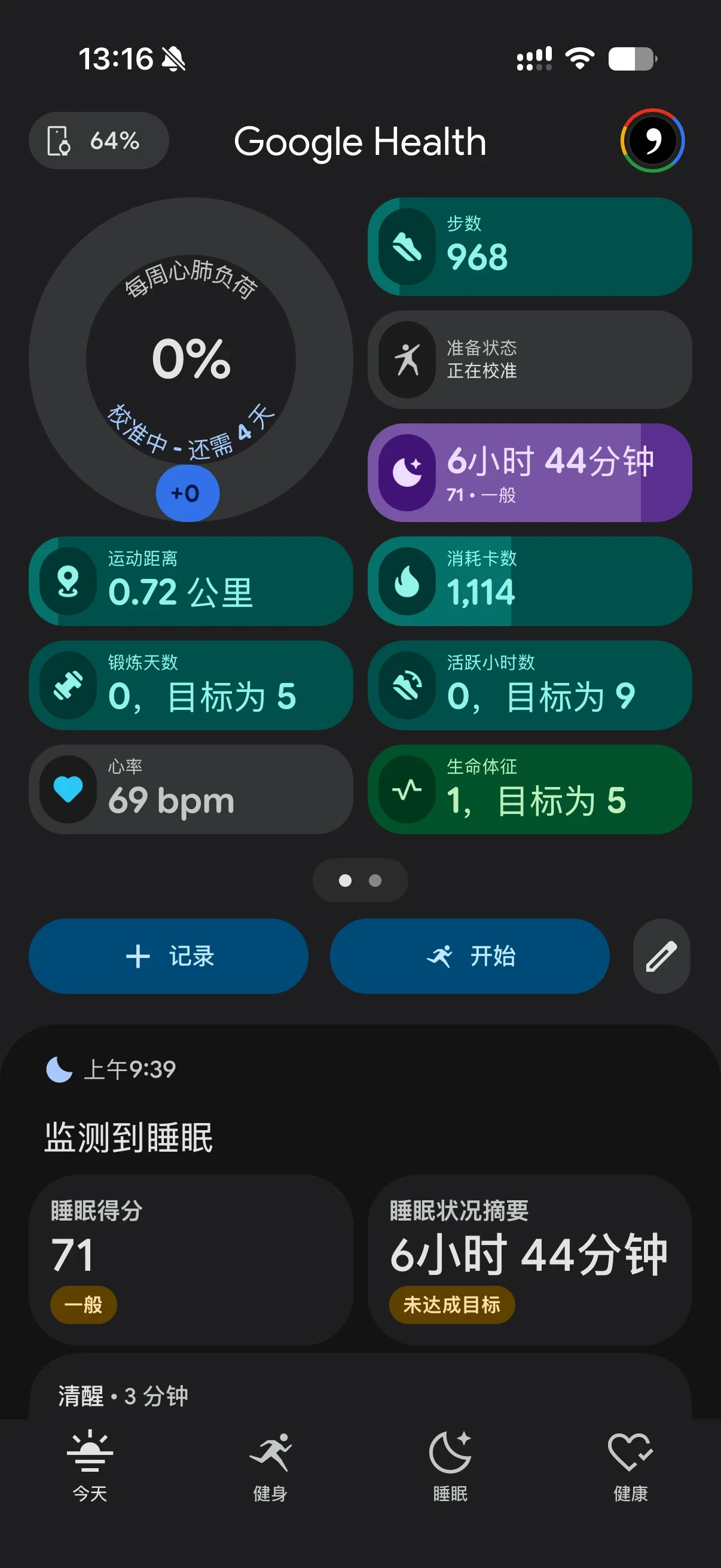
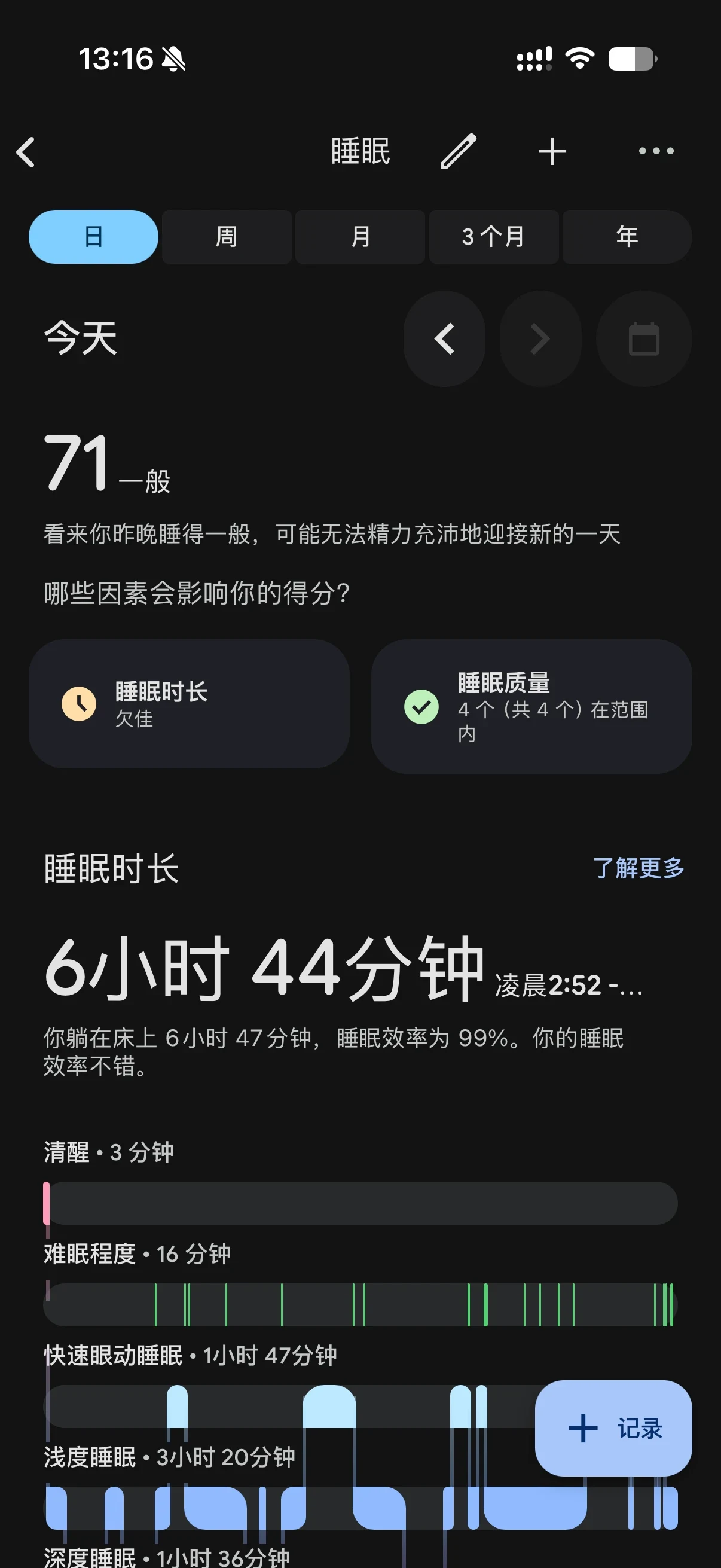
Recently, many viewers have been messaging me about wearable-device questions.
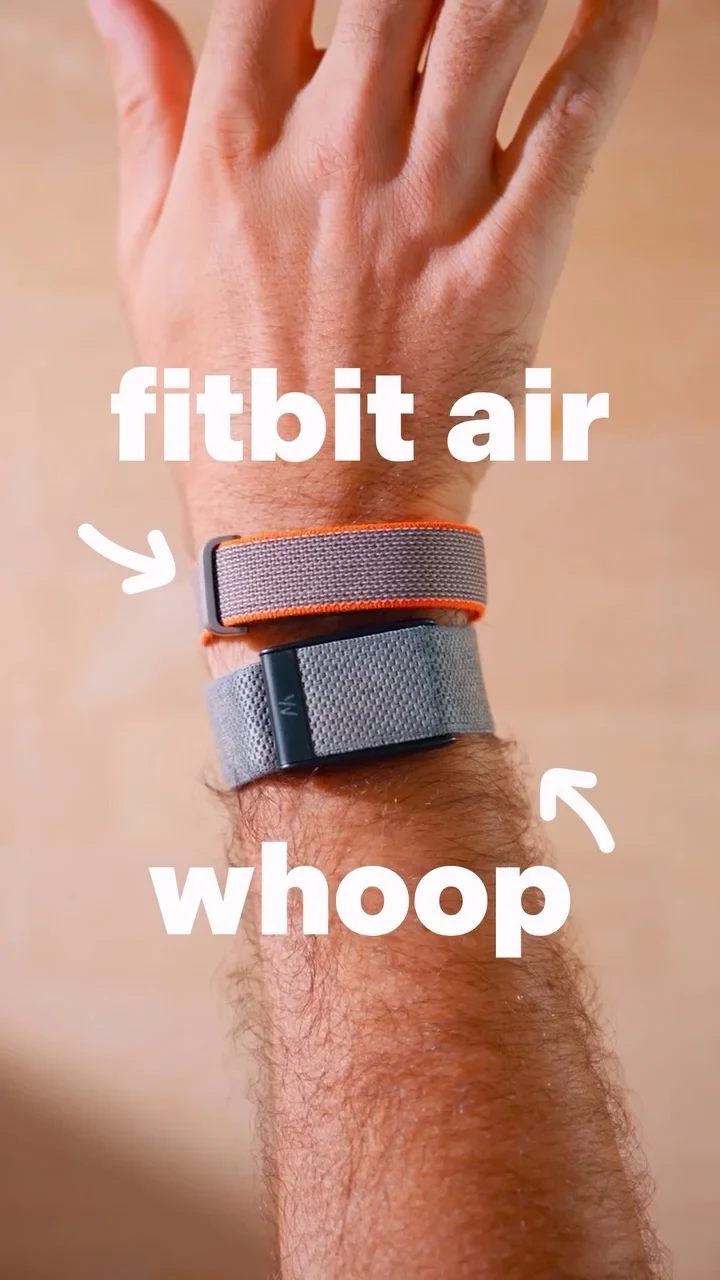
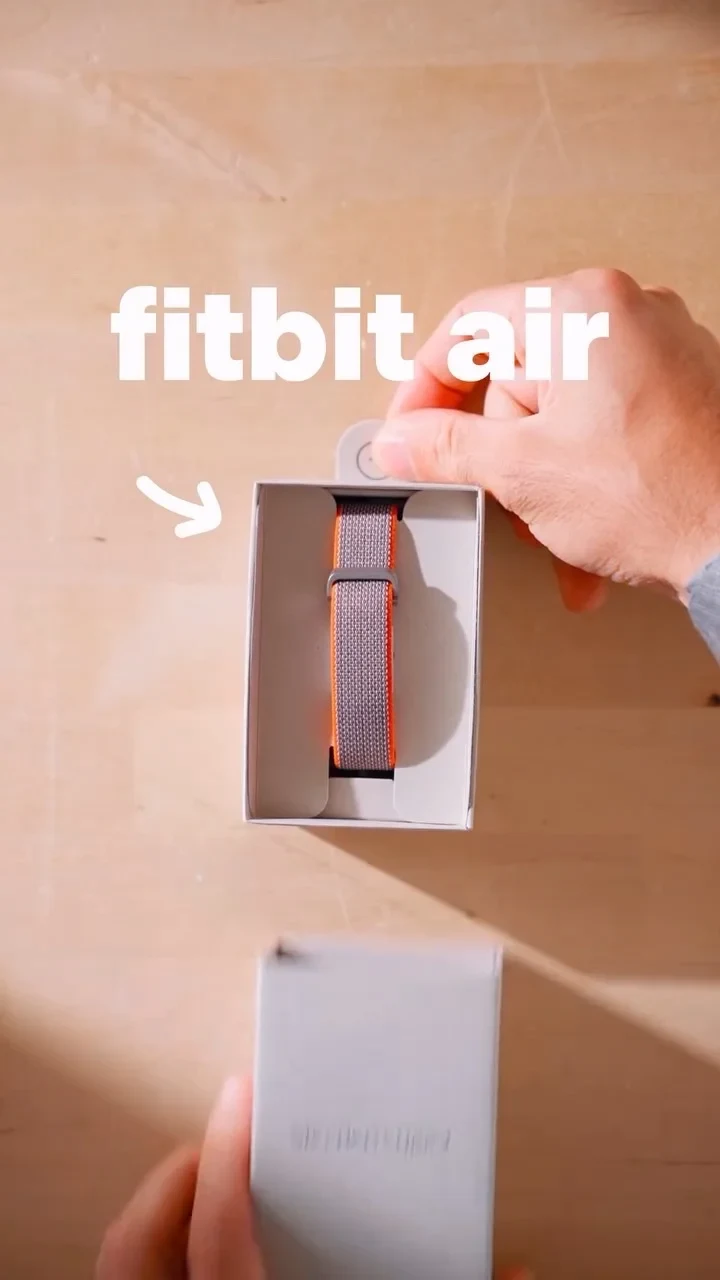
Today I am taking a closer look at these two devices again. Both are screen-free health trackers, but their intended focus is somewhat different.
—
Wear comfort
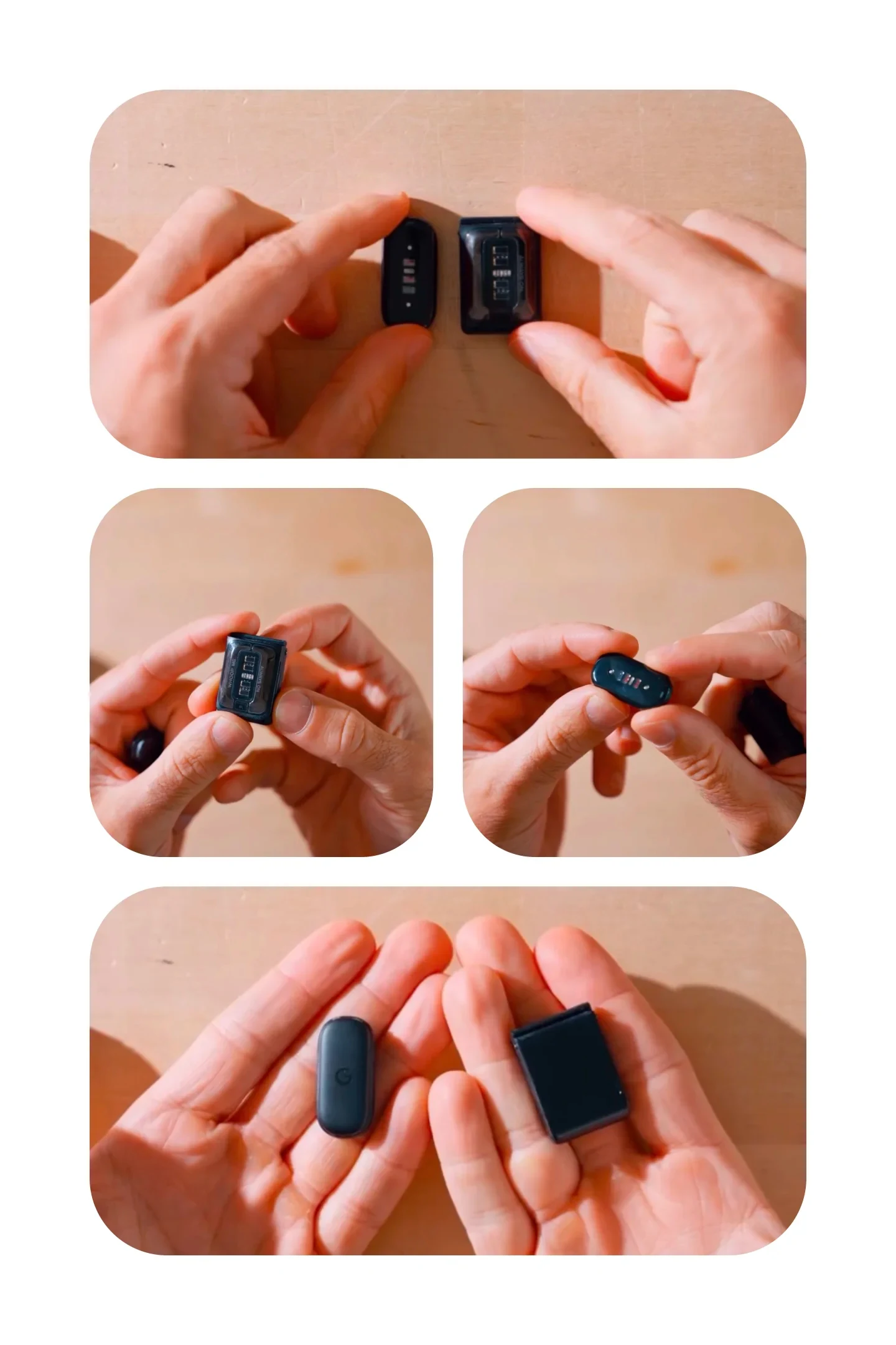
The Fitbit Air module is genuinely much smaller. I can barely feel its weight, and after wearing it all day—even while sleeping—it hardly feels present.
The WHOOP module is relatively larger, but its construction feels solid, it stays securely in place, and it does not move around easily during exercise.
Health monitoring
Both support round-the-clock recording of health data such as heart rate and sleep.
Fitbit Air leans more toward lightweight, everyday health management, and its app makes the data easy to understand at a glance.
WHOOP places more emphasis on Recovery, Strain and training-load analysis, making it better suited to people who work out, run or train frequently over the long term.
My experience
—
Pros
- Light: Except when I shower or charge it, I wear it continuously. The band is fairly breathable and does not feel stuffy.
- The AI Coach feels very human. I can photograph food and upload it directly to the Coach, which automatically helps estimate and record calories. It also suggests paying attention to the next day's exercise level based on my sleep.
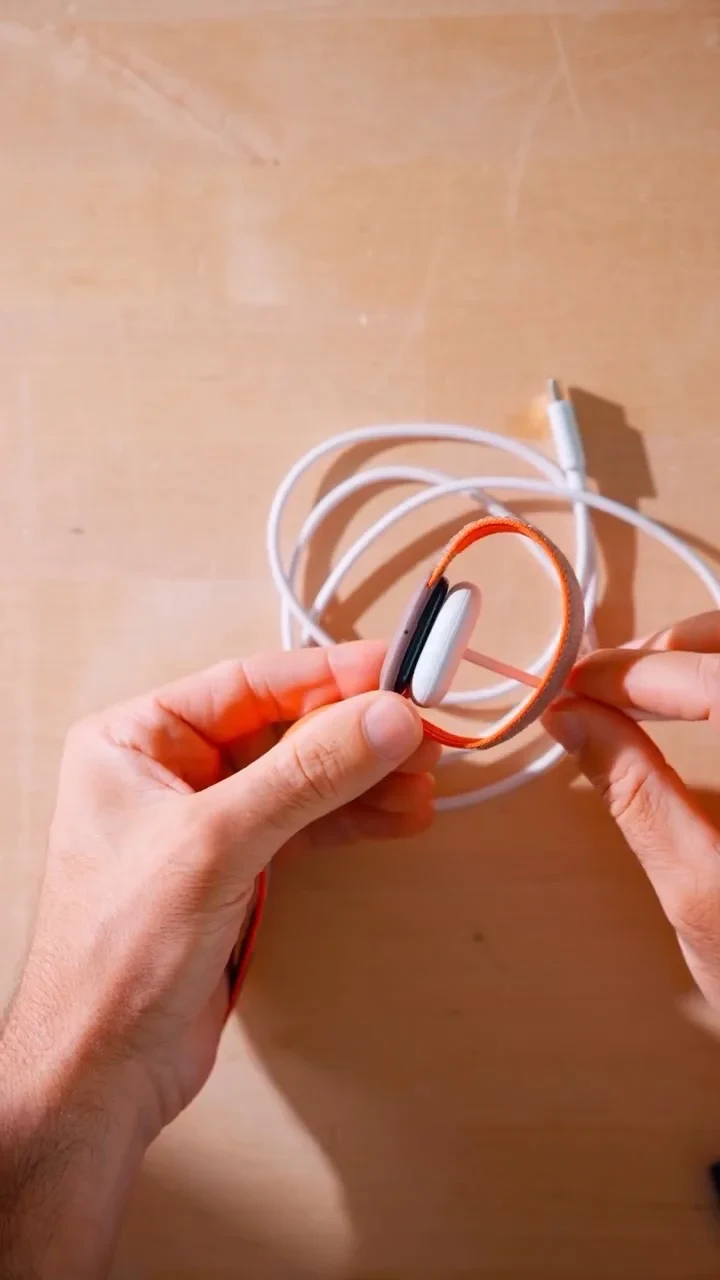
- The battery lasts a very long time. After charging it fully, 73% remained four days later, and it recorded my workouts continuously. At first, while I was getting used to the AI Coach, I manually selected the activity in the phone app; later, I planned to see whether it could recognize the activity automatically.
—
Cons
- The AI Coach takes time to learn. I rely heavily on Gemini, and I am still working out how to combine some of my personal medical-condition records from Gemini with Fitbit Air's AI Coach. Its calorie calculations are occasionally a little inaccurate, but I can correct them.
- Sleep detection is not very accurate. If I am not asleep but lie still with my eyes closed for a while, it may identify that period as light sleep. I can correct this with the AI Coach. Because I have a sleep disorder, I check the sleep data every morning and correct entries that do not match how I felt.
- Step counting is not very accurate, with a difference of around 50 steps up or down. This is not particularly important to me.
Overall, at $99, combined with its powerful AI algorithms, I still think it is worthwhile.
Source: Comma · Xiaohongshu · 2026-08-02 · Fitbit Air vs WHOOP|终于知道了差距👀. Search this Chinese title in Xiaohongshu to find the original post.
Before You Buy
Models in your region
The owner identifies the device as Fitbit Air. Google lists the same Google Fitbit Air product family in the US and UK, with matching headline specifications, although the available accessories, account features and warranty conditions may differ by country. The official pages do not establish which exact regional configuration the owner used.
| Model in this review | Related regional model | What to know |
|---|---|---|
| Google Fitbit Air | Google Fitbit Air (US) | This is the same product family named by the owner in the US listing. Google specifies 12 g with the band, up to seven days of battery life and support for Android 11 or later and iOS 16.4 or later; the owner’s four-day result is a personal observation under unknown conditions. |
| Google Fitbit Air | Google Fitbit Air (UK) | The UK listing uses the same product name and matches the US headline specifications, including 12 g with the band and up to seven days of battery life. Regional accessories, account access and warranty coverage are not confirmed to be identical. |
| WHOOP (generation not stated) | WHOOP 5.0 (US) | WHOOP 5.0 is the current device included with US One and Peak memberships, with Sleep, Strain and Recovery insights. The post does not identify its WHOOP generation or tier, so this is related buying context rather than a confirmed match. |
- Model in this review
- Google Fitbit Air
- Related regional model
- Google Fitbit Air (US)
- What to know
- This is the same product family named by the owner in the US listing. Google specifies 12 g with the band, up to seven days of battery life and support for Android 11 or later and iOS 16.4 or later; the owner’s four-day result is a personal observation under unknown conditions.
- Model in this review
- Google Fitbit Air
- Related regional model
- Google Fitbit Air (UK)
- What to know
- The UK listing uses the same product name and matches the US headline specifications, including 12 g with the band and up to seven days of battery life. Regional accessories, account access and warranty coverage are not confirmed to be identical.
- Model in this review
- WHOOP (generation not stated)
- Related regional model
- WHOOP 5.0 (US)
- What to know
- WHOOP 5.0 is the current device included with US One and Peak memberships, with Sleep, Strain and Recovery insights. The post does not identify its WHOOP generation or tier, so this is related buying context rather than a confirmed match.
What the owner's lightweight experience means
The owner wore Fitbit Air continuously apart from showers and charging, finding it breathable and unobtrusive during sleep. Google lists 12 g with the band, which gives useful hardware context for that preference.
The owner reported 73% battery after four days, including recorded workouts. Google rates Fitbit Air for up to seven days; this short observation does not establish a full discharge time.
AI Coach, logging and health-data limits
The owner's food-photo workflow and sleep-based exercise suggestions match the official description of Google Health Coach, which supports meal and workout logs using text, photos and files and allows existing logs to be edited. Google describes Coach as informational rather than medical advice and warns that AI can make mistakes, so the owner's calorie corrections and medical-record integration should not be treated as clinical guidance.
The owner corrected sleep entries when lying awake was classified as light sleep and noticed step counts differing by about 50. The post does not say those step counts were corrected, and neither observation establishes an error rate for other users.
Availability and account checks
Google lists Health Coach support in the US, Canada, the UK, Germany, France, Italy and other named countries, but Google’s support page does not list Hong Kong or mainland China. Buyers should confirm the service and account features available in their own country before relying on the owner's AI Coach experience; the official country list does not establish support in every market.
The US and UK product pages require a Google account, the Google Health app, a compatible Android or iPhone, Bluetooth Low Energy, internet access and location permission for syncing. Google also rates the device to 50 m water resistance and advises removing and fully drying a wet or sweaty band before wearing it again, which matters for a user planning continuous wear.
Fitbit Air and WHOOP serve different priorities
The owner preferred Fitbit Air for its smaller module and everyday comfort, while finding WHOOP stable during exercise. Current US WHOOP 5.0 memberships include Sleep, Strain and Recovery insights, matching the training emphasis described in the post.
Check the WHOOP generation and membership tier when comparing costs and features: the source does not identify either. The current 5.0 offer is useful shopping context, but the owner's fit and battery observations should remain attached to the actual devices they wore.
Related Reading
Reviews & Guides · Wearables
Google Fitbit Air: three-day owner notes on fit, sleep and regional AI Coach access
My Fitbit Air battery fell from 100% to 76% in three days. Cycling and walking were detected automatically, but strength training needed manual entry.
Reviews & Guides · Wearables
Google Fitbit Air: a three-week owner review of fit, battery and AI coaching
I wore the 12g Google Fitbit Air day and night for three weeks, charged it weekly, and found its AI coach surprisingly specific about training and recovery.
Reviews & Guides · Wearables
Google Fitbit Air owner review: light, screen-free tracking with slow responses
I liked Fitbit Air's light fit and interactive logging enough to order a Timex Weekender, but slow replies and incomplete split-sleep records frustrated me.