
Oura Ring 5 vs RingConn Gen 2: why I returned the Oura after nearly three weeks
I liked Oura Ring 5's finish and sleep tracking, but removing it for workouts and worrying about sleep scores led me to return it.
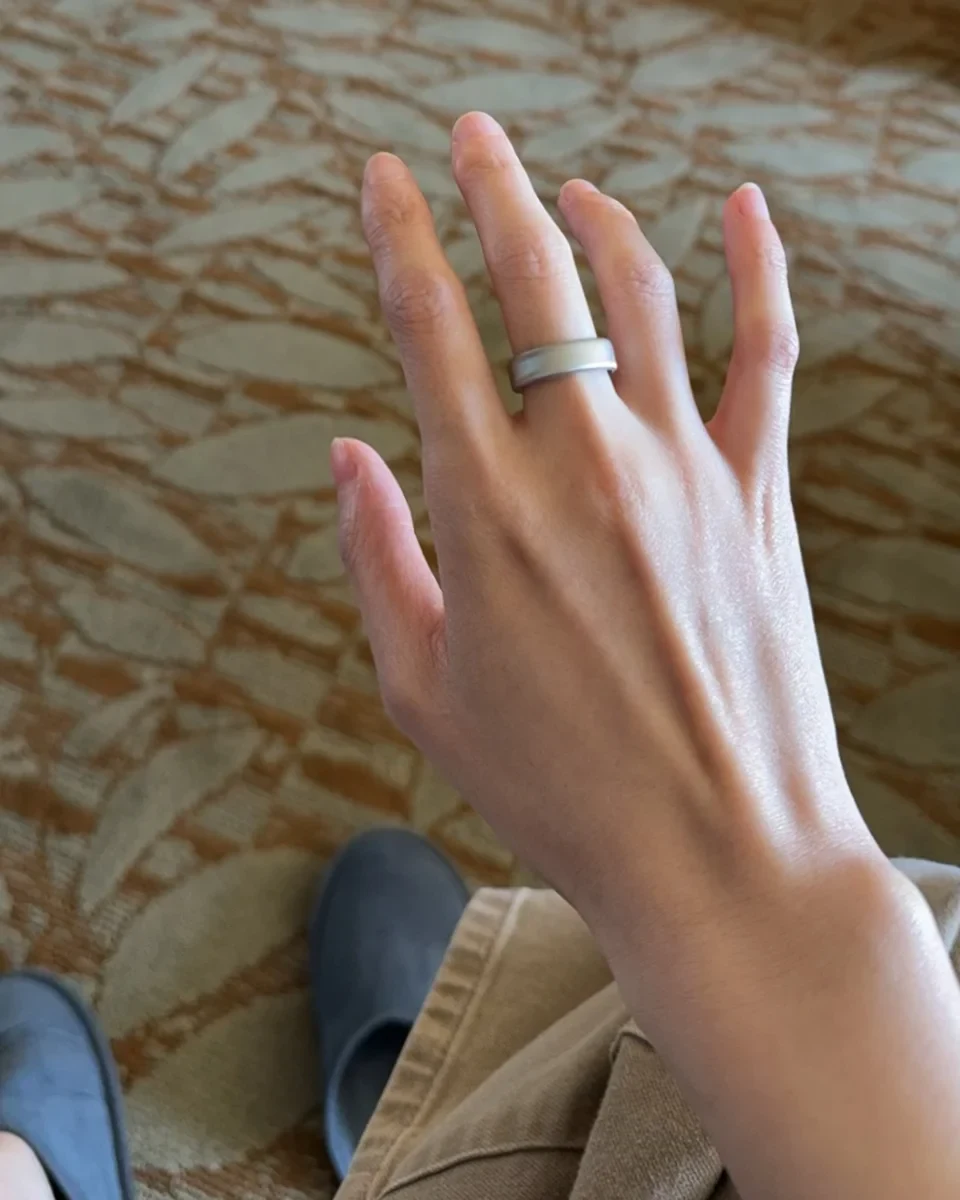
I have always been very interested in wearable rings. I previously tried the RingConn Gen 2 and felt that its app was rather rough, with limited content and a somewhat childish UI that I did not like very much. When Oura Ring 5 came out, reviews said it was less bulky, with 40% less volume, and, after checking the dimensions, I thought it was slightly thinner than the RingConn Gen 2, so I bought one to try.
When I first bought it, I actually liked it very much
- Finish and build: The color is genuinely beautiful! I paid extra for Brushed Silver, and the finish is especially good. I think it looks better than the regular silver and gold versions: it has a bright, technological feel. I previously bought the silver RingConn. Although Oura's silver already looks less plasticky than the RingConn, Brushed Silver has an almost cat-eye-like movement of light across it, which is beautiful.
- Tracking performance: I used it for two or three weeks, and I was quite satisfied during the first week. Its detection was very sensitive, and I could feel the algorithms actively calibrating. After two weeks, many detections became more accurate; it could even recognize a short walk. Sleep tracking also felt accurate and matched my subjective experience quite well. It distinguished between the time I fell asleep and the time I spent lying in bed.
But during the third week, I suddenly noticed several problems. First, it did not fit my exercise habits at all. I usually do Pilates and strength training, and sometimes go climbing, and I cannot wear a ring for any of these activities. Some people may wear one for Pilates, but it feels uncomfortable and digs into me, so I have to remove it before every workout and put it back on afterward. That is quite annoying. Sometimes I do not remember to put it back on until one or two hours after exercising, and I keep worrying that I will lose it.
It also increased my sleep anxiety. I have recently been taking a long time to fall asleep, and wearing the ring made me more anxious: when I was lying in bed unable to sleep, I would think, “This is terrible—tomorrow’s score will definitely be very low.” The next morning I looked and it was indeed only 71, so I started the day with negative feedback and felt unhappy. I talked with some friends who had worn Oura or Whoop for two years. Some did not have this problem because they did not care much about the scores. But I kept thinking that if I did not care about the data, why wear it? Either way, it felt somewhat like the means had overtaken the purpose. In the end, I realized I did not need to know all my body data at all times. I originally thought I really needed sleep tracking, but I now realize that I can tell for myself the next day whether I slept well.
For me, the wearable I can wear most consistently is still the Apple Watch. I have gone through two or three generations, and it is practical and easy to use. I also do not insist on wearing it all the time: I do not wear it to sleep, and sometimes take it off after getting home from work. But having an extra screen is simply more useful; at least I can check the time. In short, Oura did not add much to my wellbeing. Along with its relatively high price and monthly subscription fee, I am now happily saving 499.
Source: 陈卷 · Xiaohongshu · 2026-10-08 · 试用oura 5快三周最终还是退了. Search this Chinese title in Xiaohongshu to find the original post.
Before You Buy
Models in your region
The owner used an Oura Ring 5 in Brushed Silver, but the exact regional SKU and purchase market are not recorded. The US listing confirms the same generation and finish, while Oura's 40% volume reduction refers to Ring 4 rather than RingConn Gen 2; the personal comfort, tracking and sleep-score experiences therefore remain specific to the owner's ring.
| Model in this review | Related regional model | What to know |
|---|---|---|
| Oura Ring 5 Brushed Silver | Oura Ring 5 Brushed Silver (US) | The US listing confirms Ring 5 in Brushed Silver, with 6.09 mm width, 2.28 mm thickness and a 6–9-day rated battery. The owner’s comfort and sleep experiences concern their own ring. |
| RingConn Gen 2 | RingConn Gen 2 (US; destination-dependent international availability) | RingConn’s US Gen 2 is 2 mm thick and 2–3 g, with a 10–12-day rated battery, a charging case and no subscription. The earlier app experience belongs to the owner’s Gen 2. |
- Model in this review
- Oura Ring 5 Brushed Silver
- Related regional model
- Oura Ring 5 Brushed Silver (US)
- What to know
- The US listing confirms Ring 5 in Brushed Silver, with 6.09 mm width, 2.28 mm thickness and a 6–9-day rated battery. The owner’s comfort and sleep experiences concern their own ring.
- Model in this review
- RingConn Gen 2
- Related regional model
- RingConn Gen 2 (US; destination-dependent international availability)
- What to know
- RingConn’s US Gen 2 is 2 mm thick and 2–3 g, with a 10–12-day rated battery, a charging case and no subscription. The earlier app experience belongs to the owner’s Gen 2.
What the size comparison does—and does not—show
Oura’s 40% volume reduction compares Ring 5 with Oura Ring 4, not RingConn Gen 2. The published thickness figures are 2.28 mm for Ring 5 and 2 mm for Gen 2, so the owner’s statement that Oura was thinner is not supported by those listed dimensions. How either ring feels on a particular finger is a separate question.
Oura Ring 5 · Supported Oura markets; verify country at checkout
Tracking is useful only when the ring stays on
The owner found that short walks were recognized and sleep records matched their subjective experience after two to three weeks. Oura lists detailed sleep analysis and automatic activity detection among active-membership features; the owner’s satisfaction is a personal result rather than an independent accuracy measurement.
Oura Ring 5 membership · US and European Union
For buyers who do Pilates, strength training or climbing, the practical issue is removal rather than detection. The owner found the ring uncomfortable during all three activities and sometimes left it off for one or two hours afterward, creating both a continuity gap and a risk of misplacing it. This is the owner's experience, not a universal fit or safety finding.
Subscription and score pressure are part of the ownership decision
Oura lists membership at US$5.99 per month or US$69.99 per year in the US, and €5.99 per month or €69.99 per year in the EU, with local tax and billing conditions. Active membership unlocks detailed sleep analysis and full features, making it a recurring cost separate from the ring.
The owner's 71 sleep score became a source of anxiety when falling asleep took a long time, leading them to question whether constant measurement improved their wellbeing. That reaction belongs to this owner's circumstances and is not a medical conclusion; it is nevertheless relevant for buyers who find numerical feedback stressful. The comparison RingConn Gen 2 is listed without a subscription, but that does not prove its app provides the same sleep analysis or user experience.
Battery and charging trade-offs
The regional specifications favor RingConn Gen 2 for rated runtime: 10–12 days and a charging case, compared with Oura Ring 5's 6–9-day rated battery. These are manufacturer ratings rather than the owner's measured results, and actual Oura battery life depends on size, usage and configuration. The owner’s account does not report battery performance, so it cannot establish whether either rating was achieved in daily use.
Related Reading
Reviews & Guides · Wearables
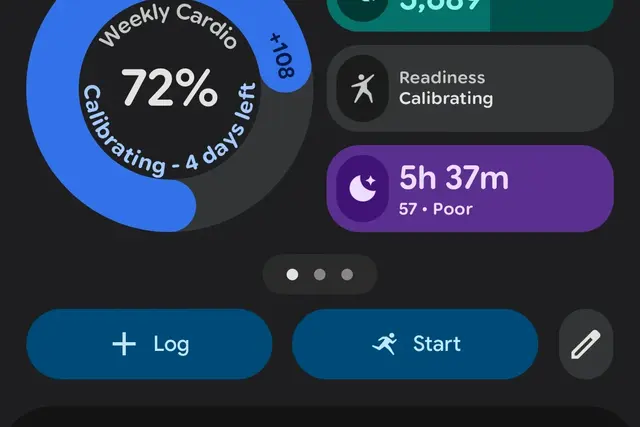
Google Fitbit Air: three-day owner notes on fit, sleep and regional AI Coach access
My Fitbit Air battery fell from 100% to 76% in three days. Cycling and walking were detected automatically, but strength training needed manual entry.
Reviews & Guides · Wearables
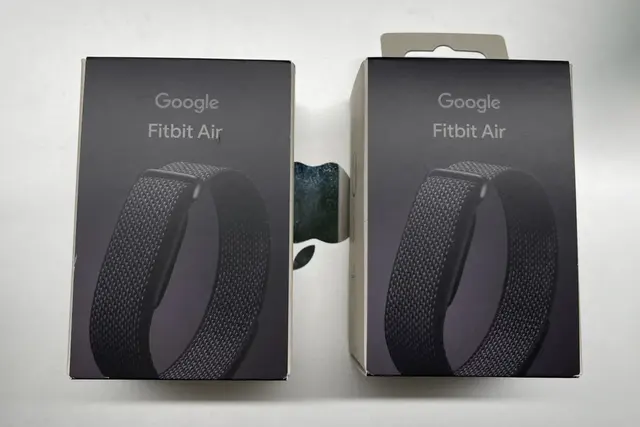
Google Fitbit Air: a three-week owner review of fit, battery and AI coaching
I wore the 12g Google Fitbit Air day and night for three weeks, charged it weekly, and found its AI coach surprisingly specific about training and recovery.
Reviews & Guides · Wearables
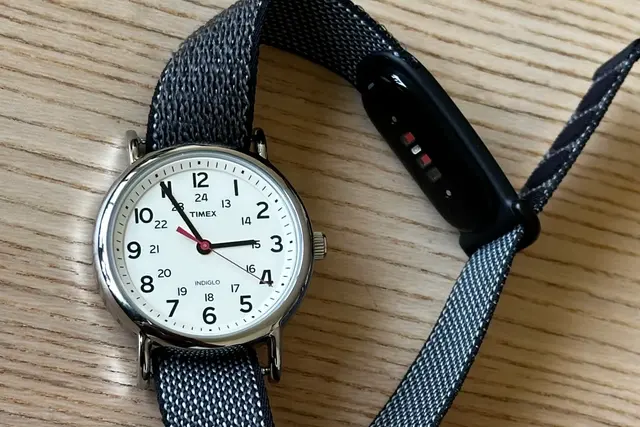
Google Fitbit Air owner review: light, screen-free tracking with slow responses
I liked Fitbit Air's light fit and interactive logging enough to order a Timex Weekender, but slow replies and incomplete split-sleep records frustrated me.