
RingConn Gen 2: an 18-month owner report on battery and exercise tracking
My boyfriend and I bought RingConn Gen 2 rings. Both later lasted only about 2–3 days per charge, and customer service replaced them after battery problems.
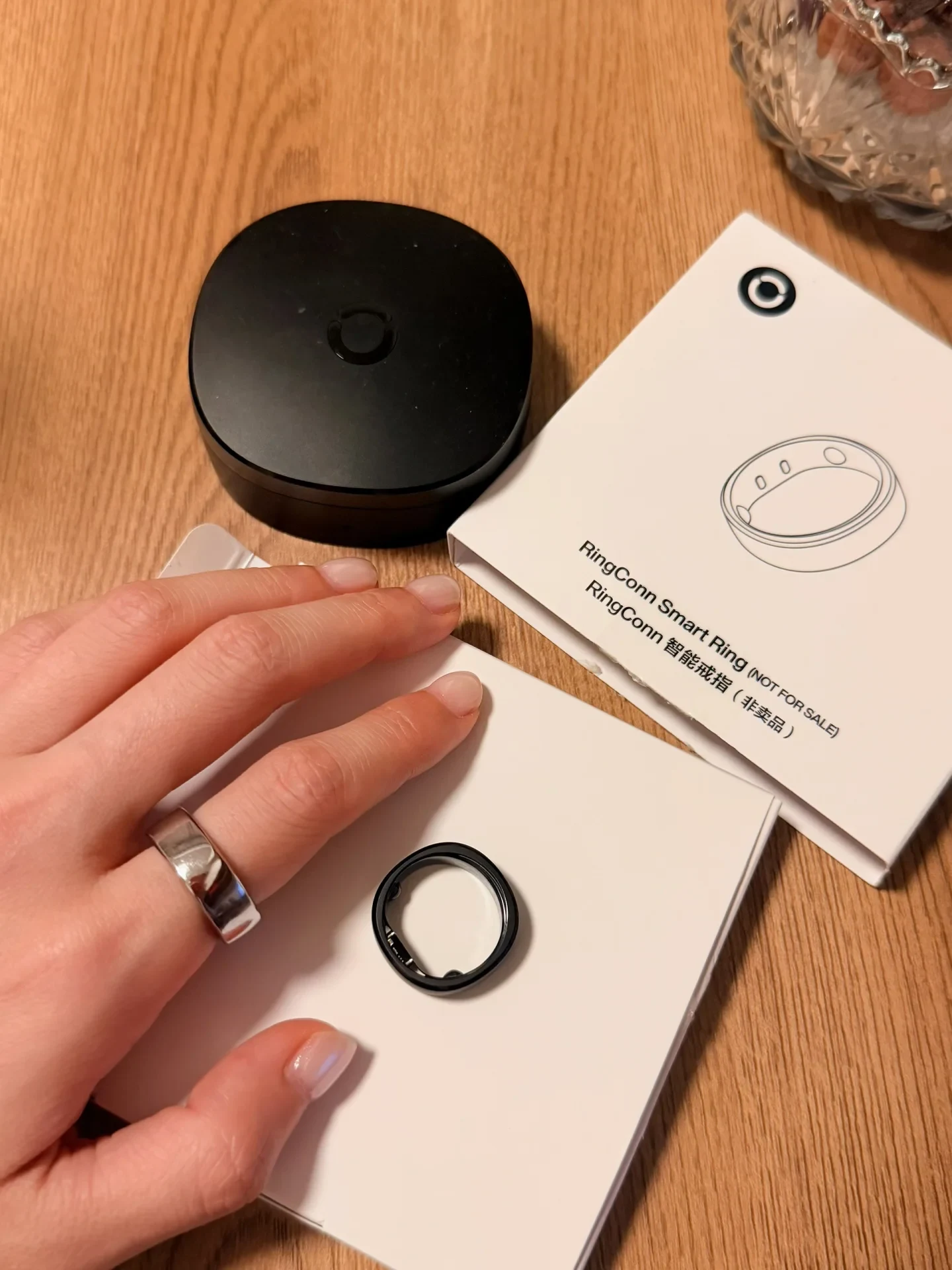
I bought it in January 2025. After comparing several models, I chose the second-generation RingConn for its thinness and light weight, and bought two rings.
After both rings had been used for more than six months, their batteries developed problems. A full charge basically lasted only about two to three days; the official battery-life claim at the start was ten days per charge.
The after-sales service was fairly good. Mine was still within its warranty period, so it was replaced free of charge. My boyfriend's ring was already out of warranty, but after several conversations with customer service, they also provided a replacement. I do not know how long the replacement battery will last.
Overall, I think the RingConn offers relatively poor value as a smart device. It cost nearly 2,000 yuan per ring, yet the battery basically lasted less than a year. I have also seen other users reporting the same problem, which suggests this was not an isolated case.
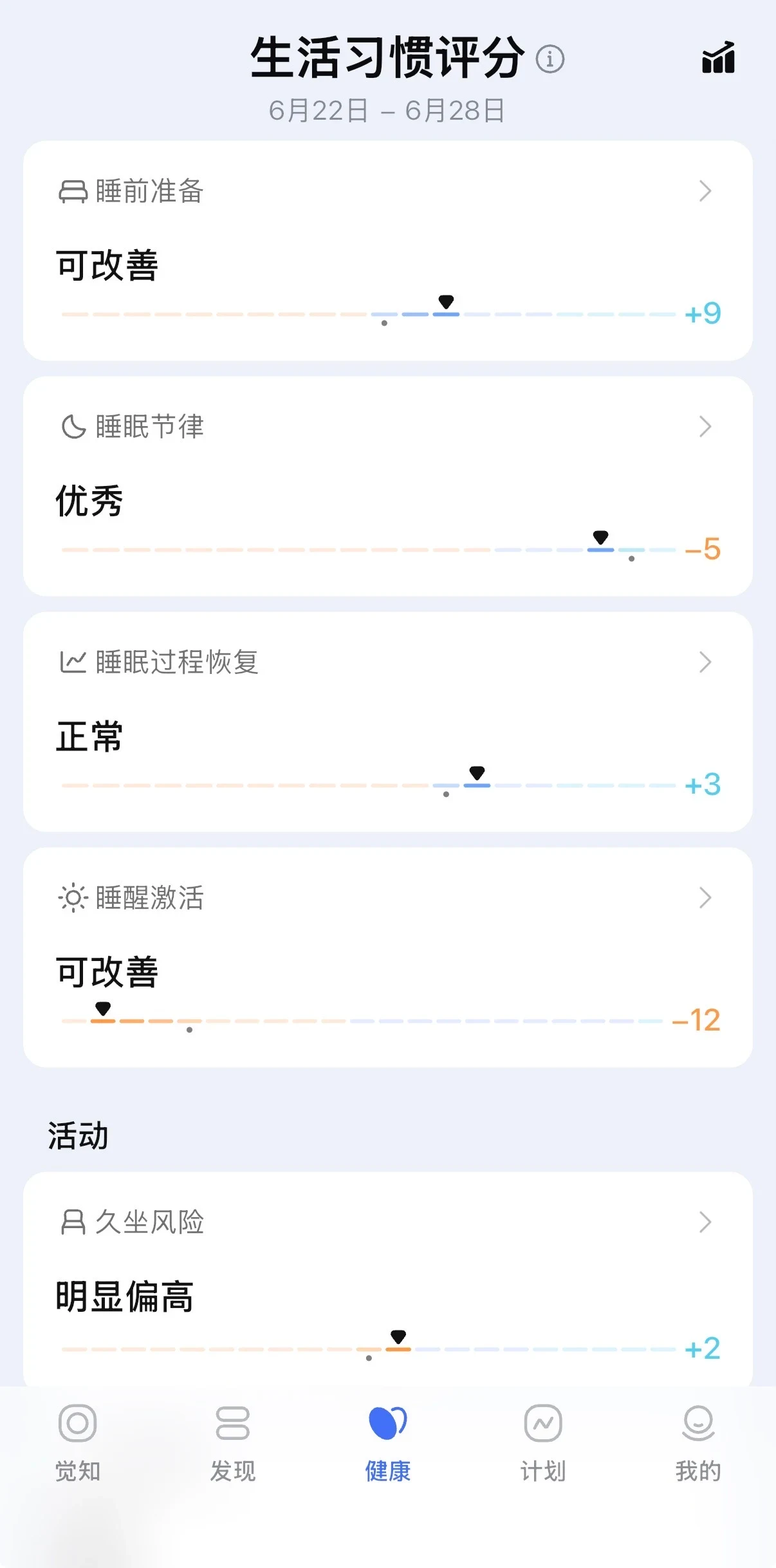
For monitoring, the second generation adds period tracking; the other functions are basic monitoring such as sleep, exercise and heart rate. Exercise tracking is actually quite limited. When doing the same anaerobic workout, the ring could not track it, while an Apple Watch could. Exercise tracking also has to be added manually, and automatic recognition is not very accurate; automatic recognition can only really show steps.
If you view it as a professional smart device, I think the value is relatively low. If you treat it as an accessory with a few simple monitoring functions, it can be something to wear and play around with.
Source: DDXX77 · Xiaohongshu · 2026-07-13 · 智能戒指使用一年半体验. Search this Chinese title in Xiaohongshu to find the original post.
Before You Buy
Models in your region
The owner's second-generation RingConn corresponds to the RingConn Gen 2 generation listed by the US store. The official US page confirms the product family and its published specifications, but it does not establish that China-region support, software or after-sales terms are identical; buyers should verify those locally.
| Model in this review | Related regional model | What to know |
|---|---|---|
| RingConn Gen 2 | RingConn Gen 2 (US; destination-dependent international availability) | The US Gen 2 has a 2 mm titanium-alloy shell, weighs 2–3 g by size, includes a charging case and requires no subscription. RingConn rates battery life at 10–12 days; the owner’s report concerns battery problems in two individual rings. |
- Model in this review
- RingConn Gen 2
- Related regional model
- RingConn Gen 2 (US; destination-dependent international availability)
- What to know
- The US Gen 2 has a 2 mm titanium-alloy shell, weighs 2–3 g by size, includes a charging case and requires no subscription. RingConn rates battery life at 10–12 days; the owner’s report concerns battery problems in two individual rings.
The owner's battery result was far below the published rating
The owner reports that both rings developed battery problems after more than six months, leaving only about two to three days per full charge. RingConn currently rates the US Gen 2 for 10–12 days, so the report concerns individual units performing well below the advertised figure.
Both rings were replaced after the battery problems: one under warranty and the other after additional customer-service discussions outside warranty. The owner does not know how long the replacement will last, so this account cannot establish the replacement battery's lifespan or guarantee out-of-warranty service for other buyers.
Exercise tracking was the main practical weakness
The owner found the ring unable to record the same anaerobic workout that an Apple Watch could record. This is one person's comparison under an unspecified workout and should not be read as a controlled test of every exercise type.
The owner also says exercise sessions must be added manually, while automatic recognition was not accurate enough for more than showing steps. That makes the ring less suitable for someone who wants workout records without starting them manually; the account does not identify which exercise modes or app version were involved.
What the regional listing adds for everyday use
For US buyers, RingConn lists a 2 mm titanium-alloy shell, 2–3 g weight depending on size, a charging case and no subscription. It supports iOS 17 or later and Android 10 or later, so compatibility and the small size are useful advantages to check before purchase.
RingConn recommends trying the sizing ring for at least 24 hours, including overnight, and says the sensor should face the palm. A secure fit and temperature-related swelling matter, so buyers should confirm sizing before relying on sleep or health readings; the owner's account does not report a fit problem.
Who this experience may suit
RingConn's Gen 2 product page lists cycle predictions based on temperature trends. That confirms the feature is offered, while the owner's comparison with an earlier generation does not establish when it was introduced or that every regional app has identical availability.
The owner's conclusion is conditional: RingConn Gen 2 felt like a poor choice as a professional smart device, but potentially acceptable as a lightweight accessory with simple monitoring. That judgment reflects the reported battery decline and exercise limitations, not a universal assessment of every unit.
Related Reading
Reviews & Guides · Wearables
Google Fitbit Air: three-day owner notes on fit, sleep and regional AI Coach access
My Fitbit Air battery fell from 100% to 76% in three days. Cycling and walking were detected automatically, but strength training needed manual entry.
Reviews & Guides · Wearables
Google Fitbit Air: a three-week owner review of fit, battery and AI coaching
I wore the 12g Google Fitbit Air day and night for three weeks, charged it weekly, and found its AI coach surprisingly specific about training and recovery.
Reviews & Guides · Wearables
Google Fitbit Air owner review: light, screen-free tracking with slow responses
I liked Fitbit Air's light fit and interactive logging enough to order a Timex Weekender, but slow replies and incomplete split-sleep records frustrated me.