
Reviews & Guides · Kitchen & Dining
A used Rancilio Silvia: the boiler looked clean six months after descaling
Reviewed: Rancilio Silvia (older single-boiler version; exact generation unconfirmed)Regional reference: Rancilio Silvia (current US single-boiler model) (United States)
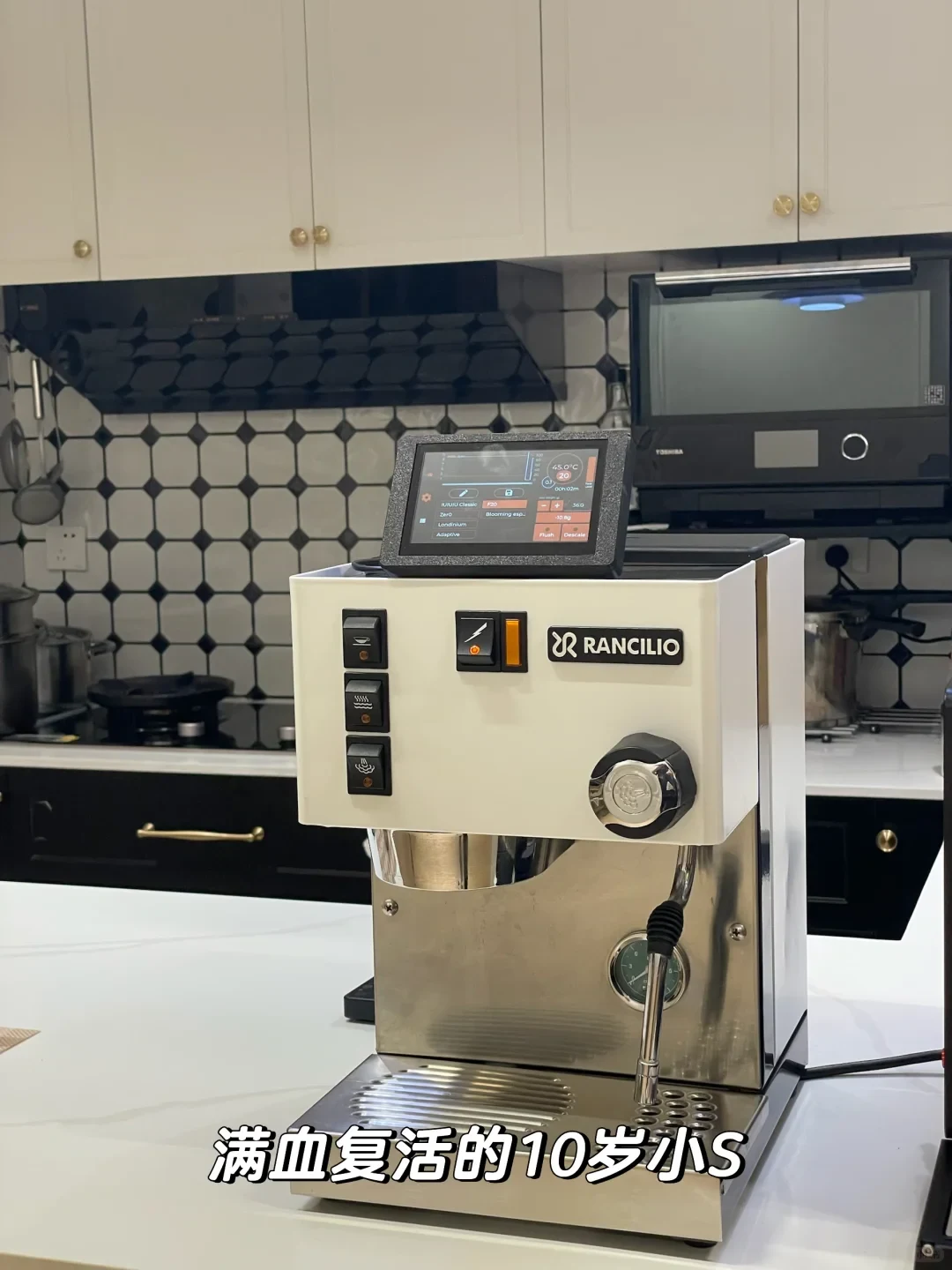
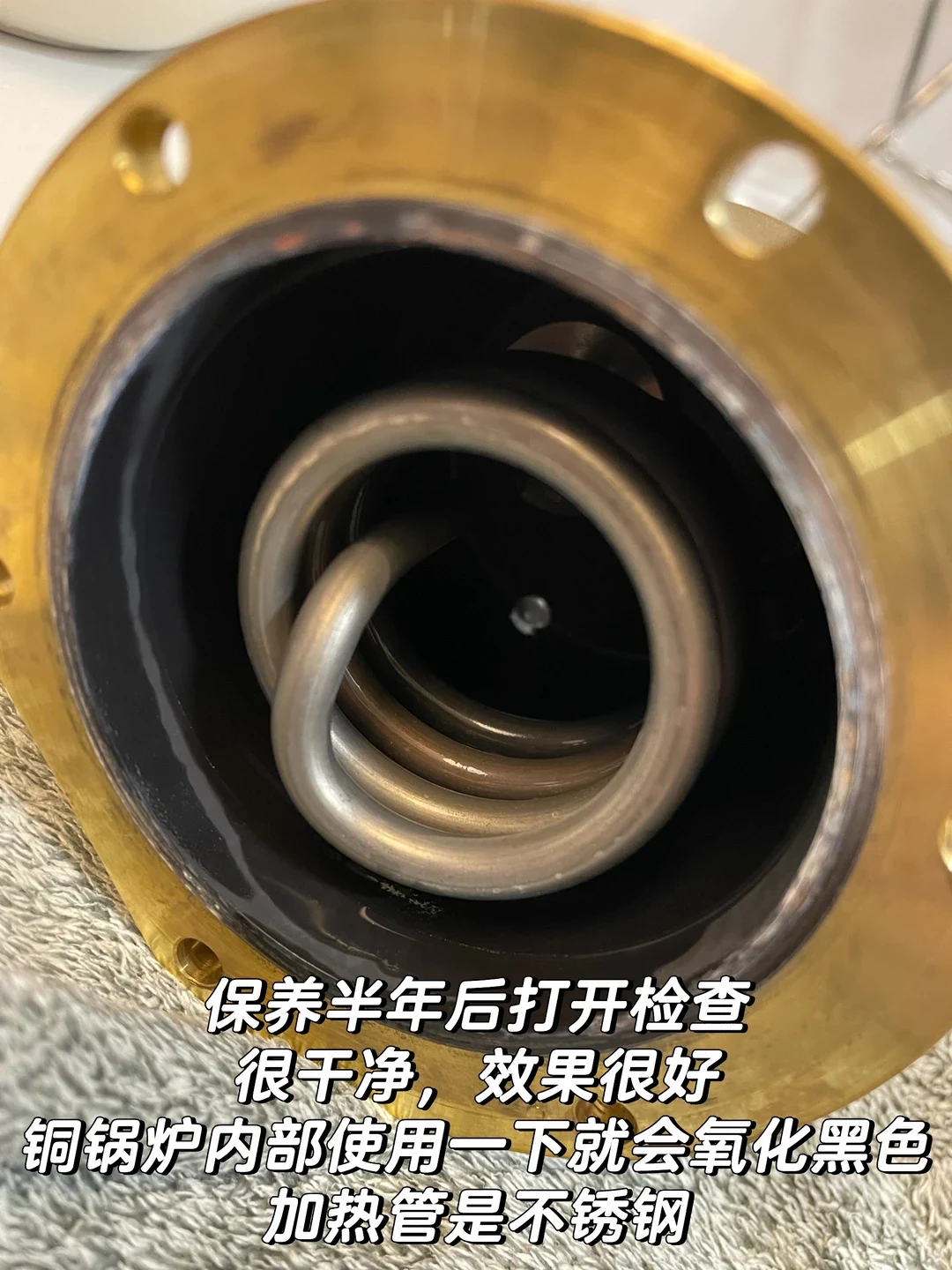
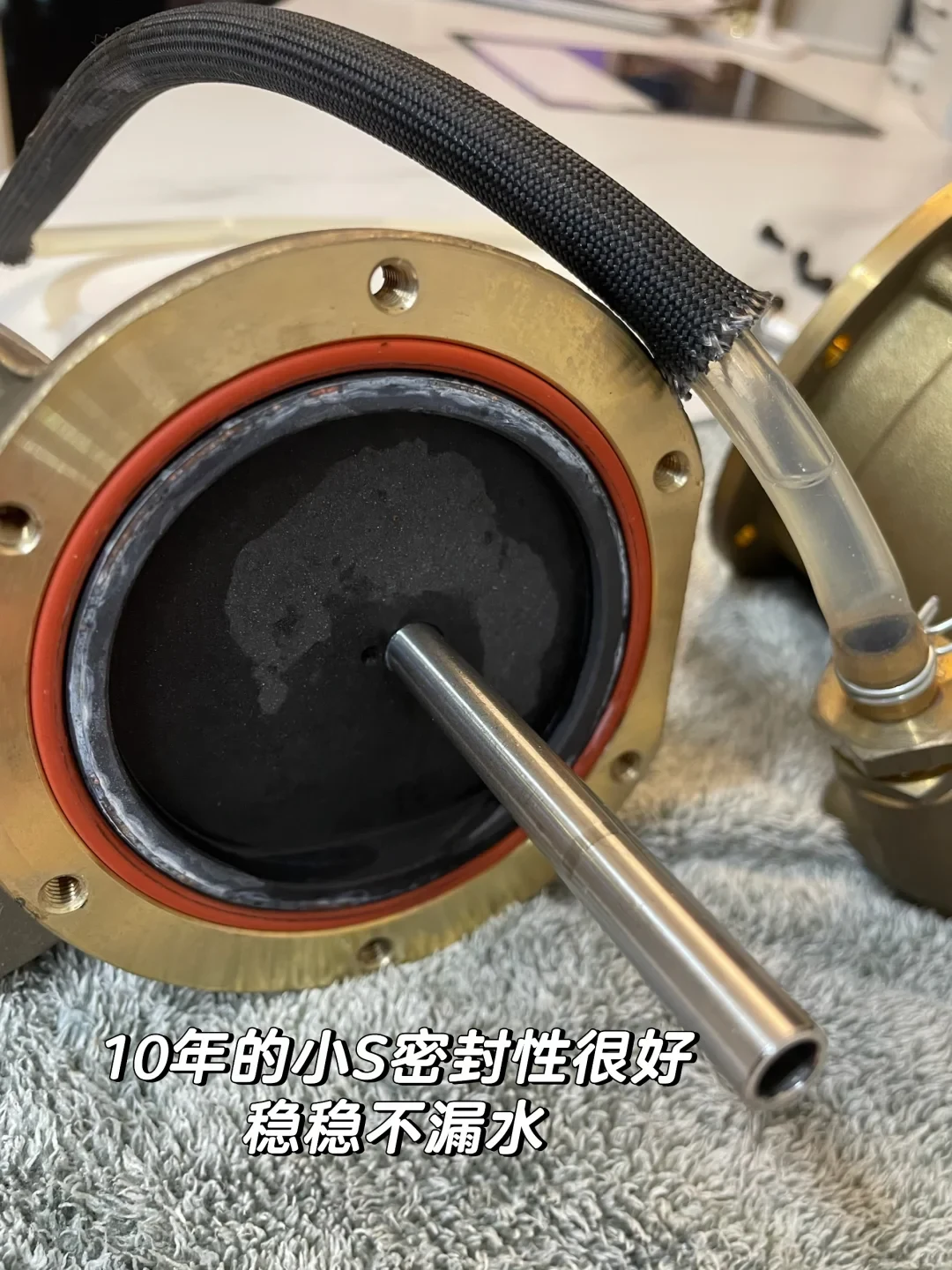
I opened my secondhand Rancilio Silvia more than six months after descaling and found the boiler looked clean while taking it apart for a repaint.
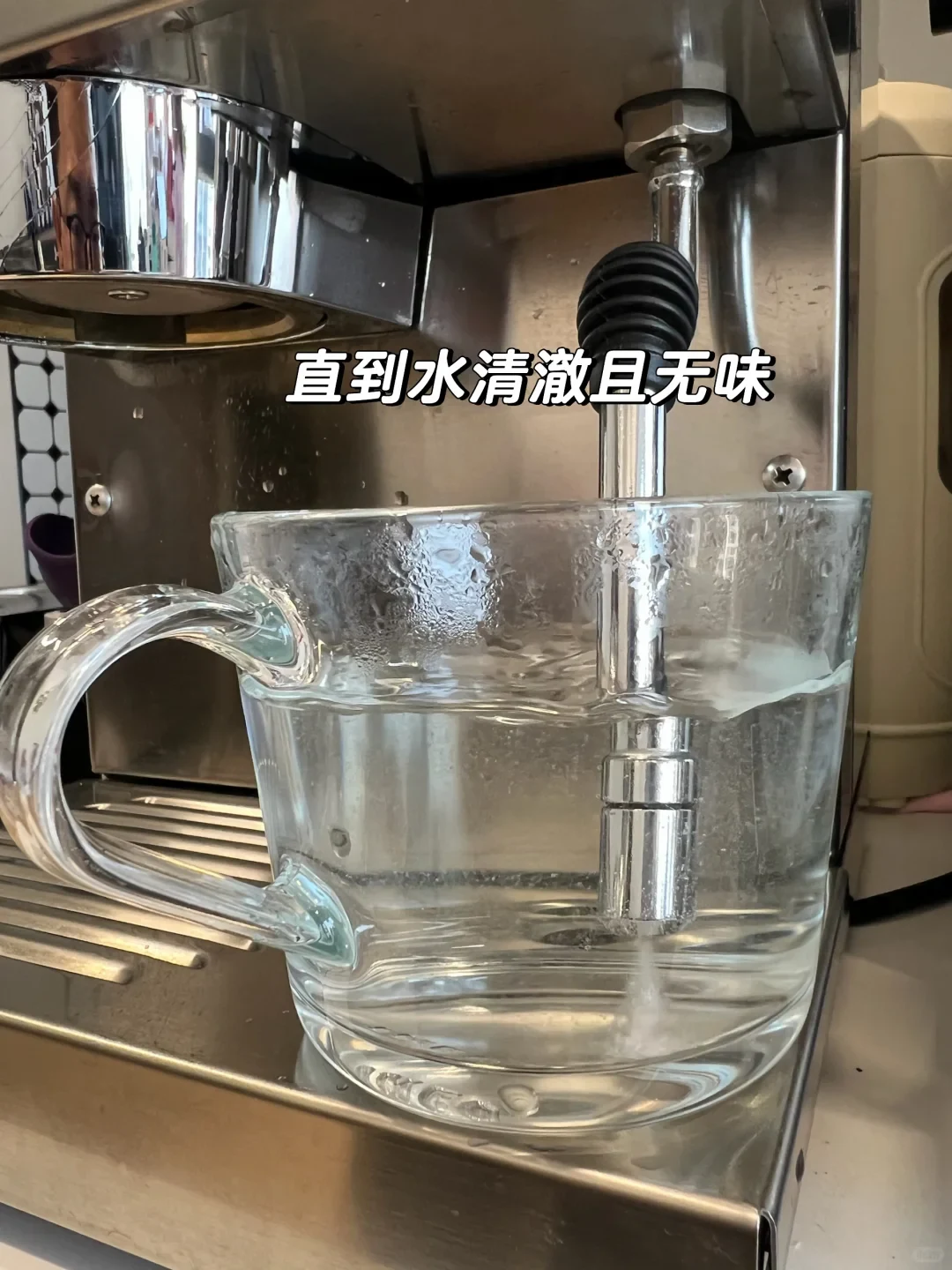
Espresso machines can develop scale inside the boiler over time, especially if you do not use purified water.
To be safe, I descaled and cleaned my secondhand Silvia when I bought it. More than six months later, while taking it apart to repaint it, I wasn’t sure how well my cleaning had worked, so I opened the boiler to check. It looked very clean.
I want to explain my cleaning process in detail. It applies to both single- and dual-boiler machines. The food-grade citric acid cost a few yuan, and I found the process easy to do.
- Empty the water tank.
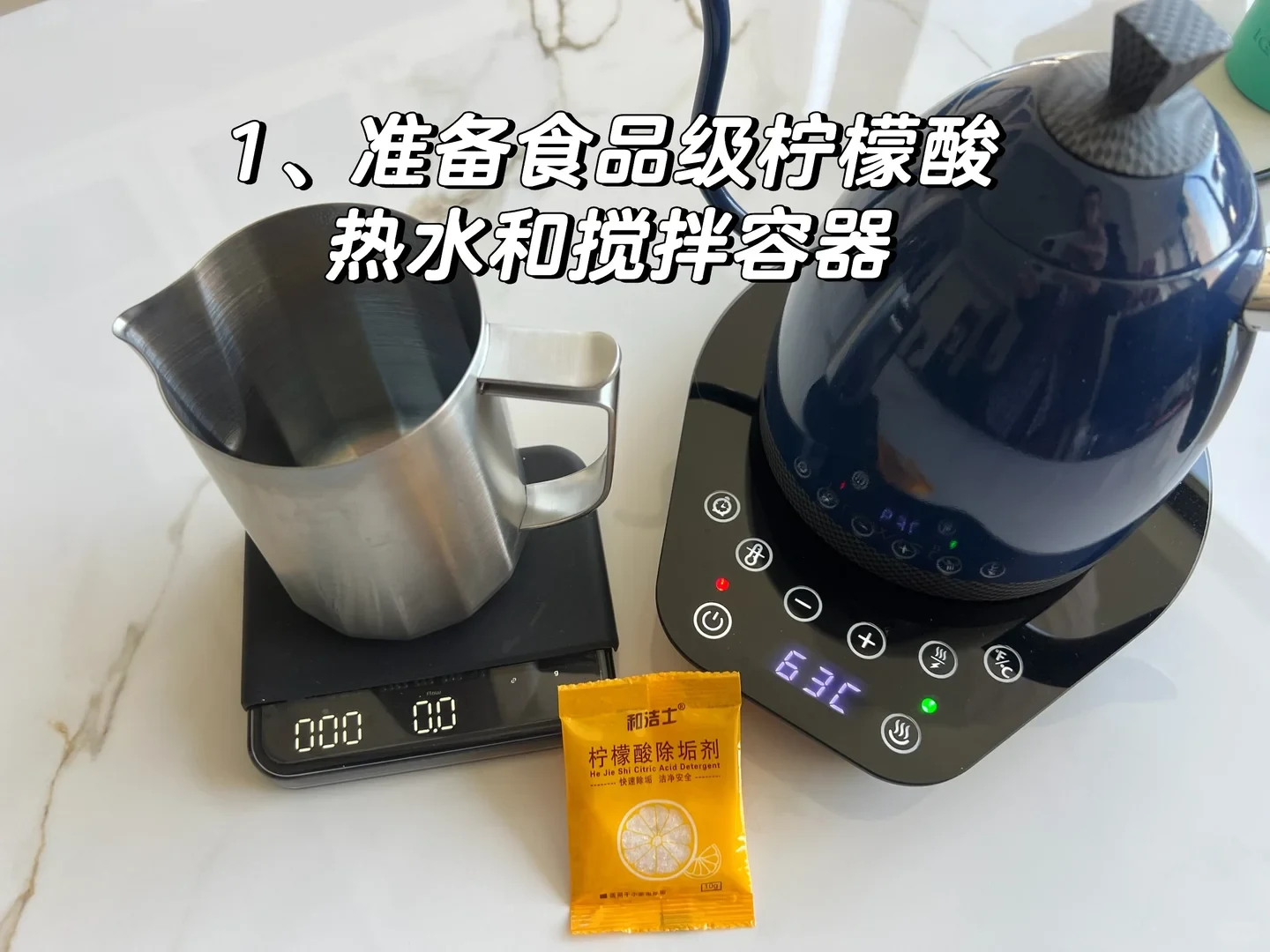
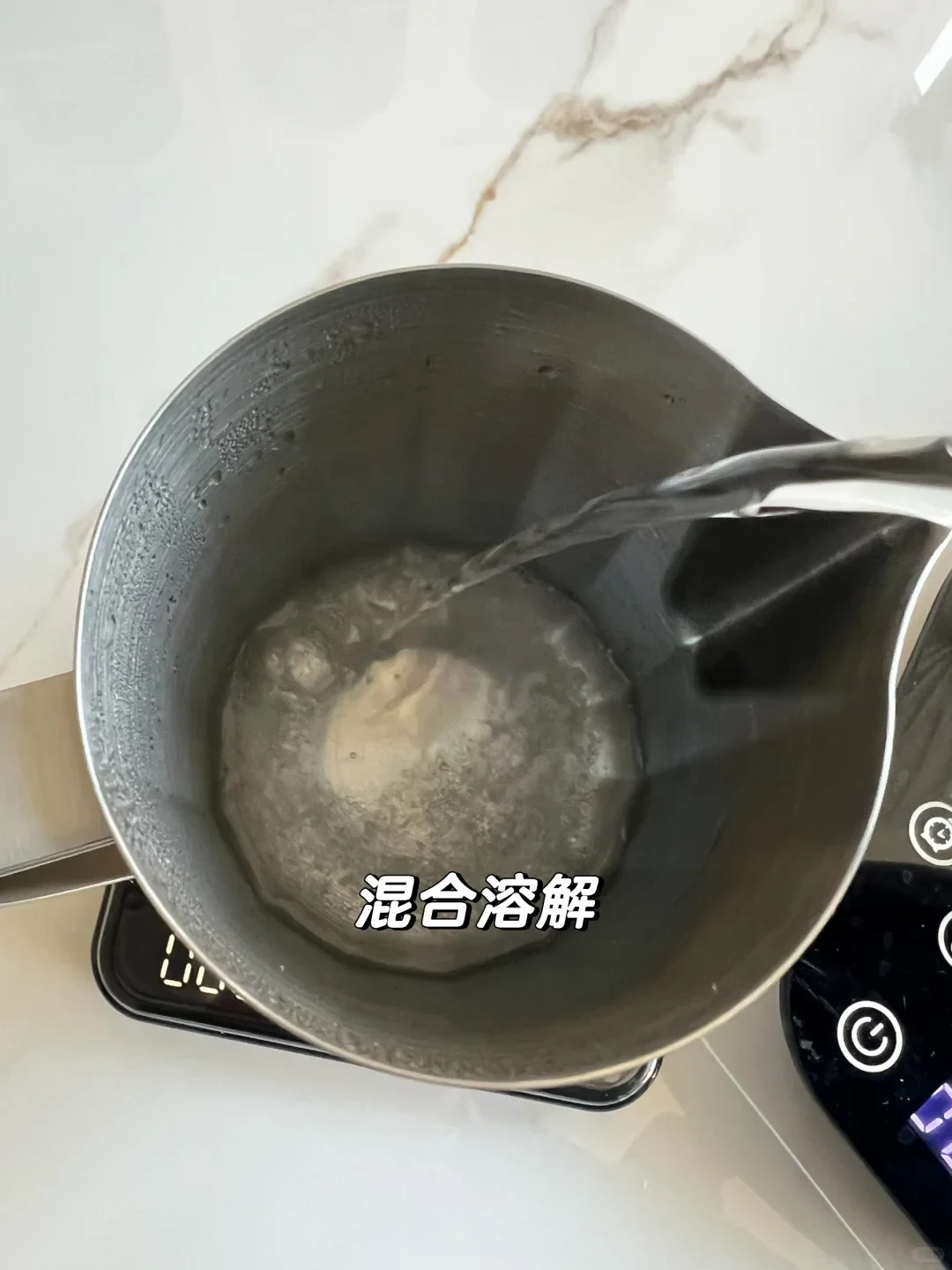
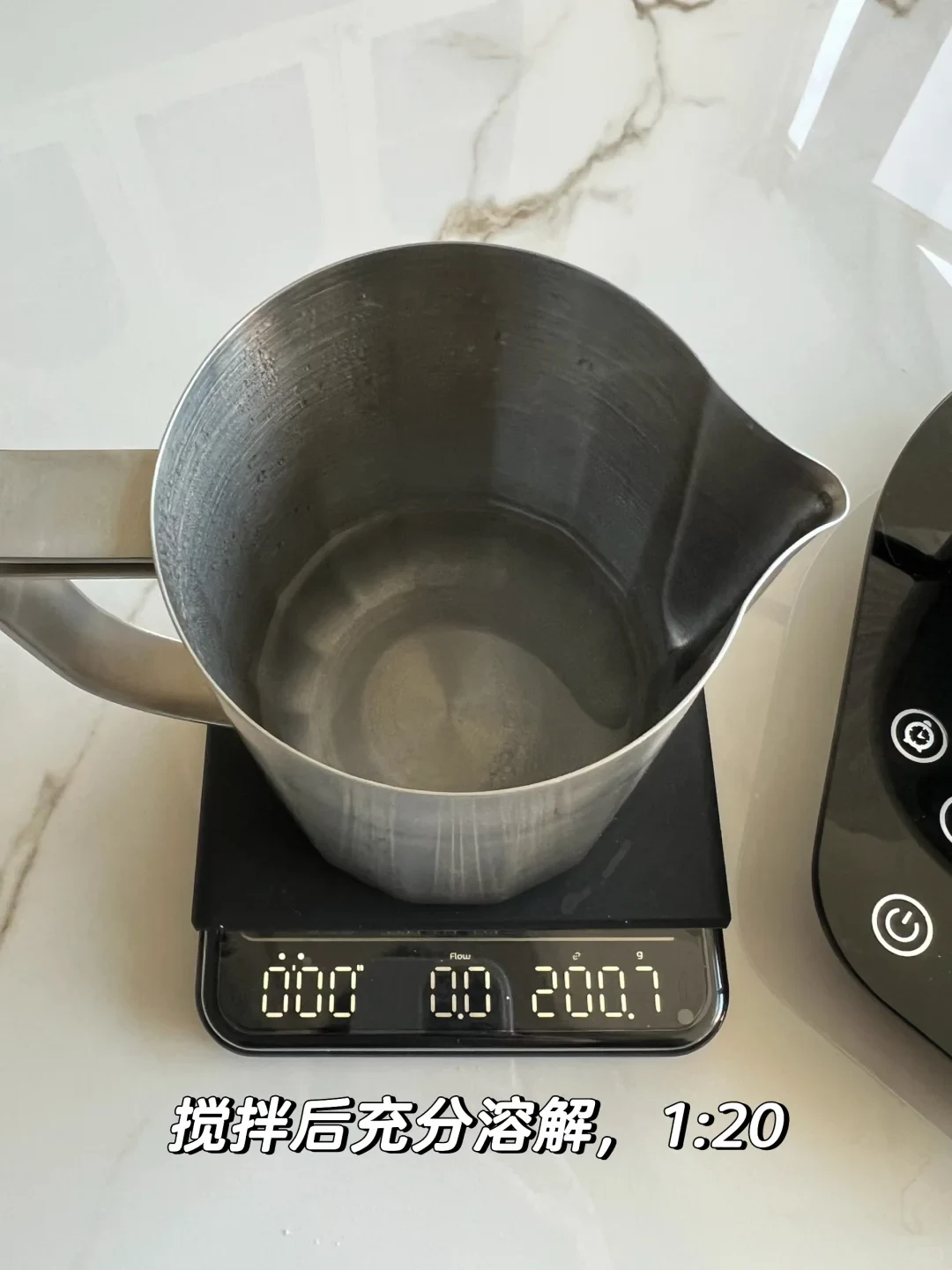
- Mix food-grade citric acid with water at a ratio of 1 gram of acid to 20 grams of water. Use more solution than the boiler’s capacity. For example, the Silvia has a 300 ml boiler, so I used two 10-gram packets of citric acid to make 400 ml of descaling solution. Mix it with hot water at 40–50°C, stirring until no crystals are visible.
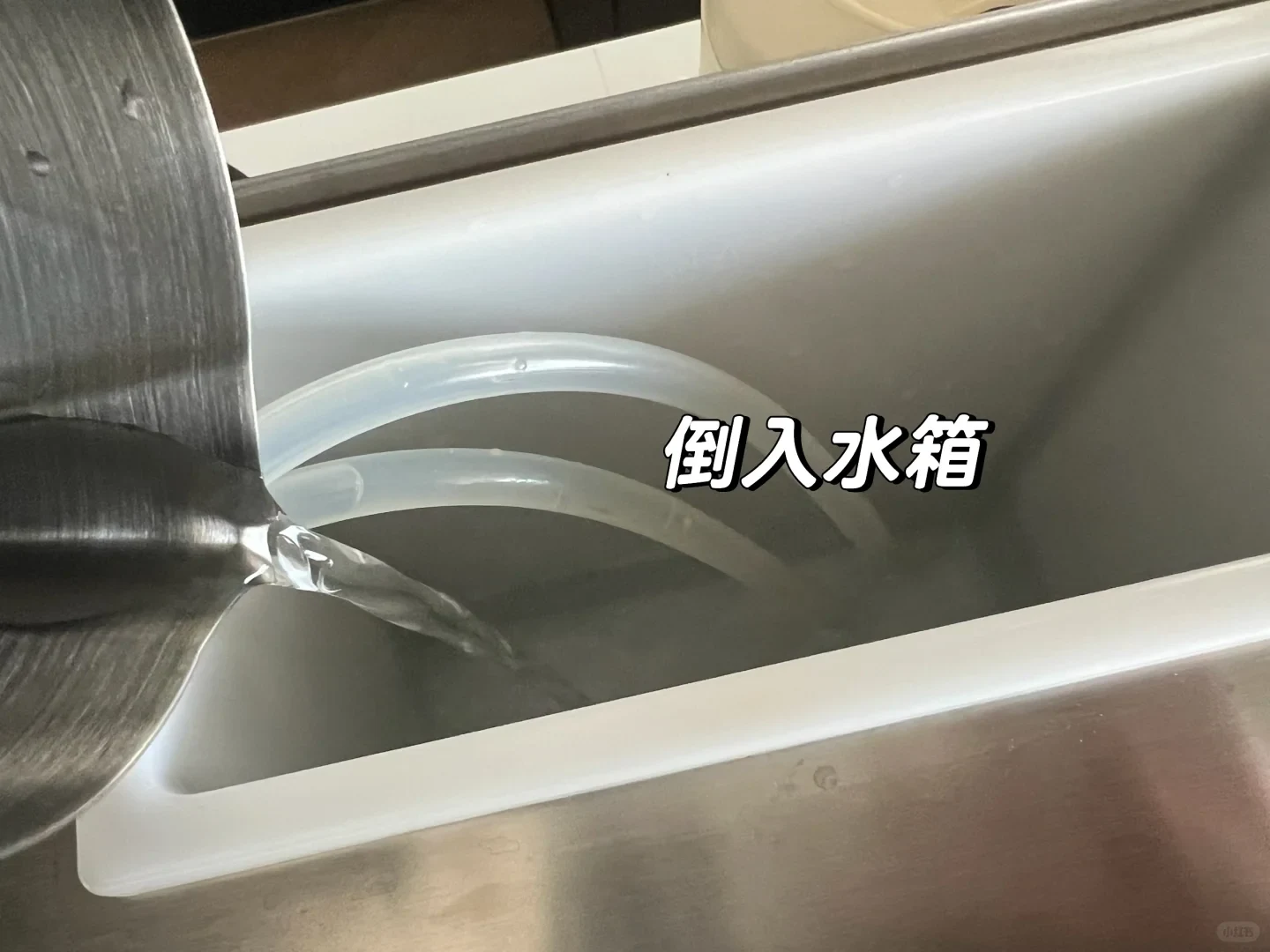
- Pour the prepared descaling solution into the water tank.
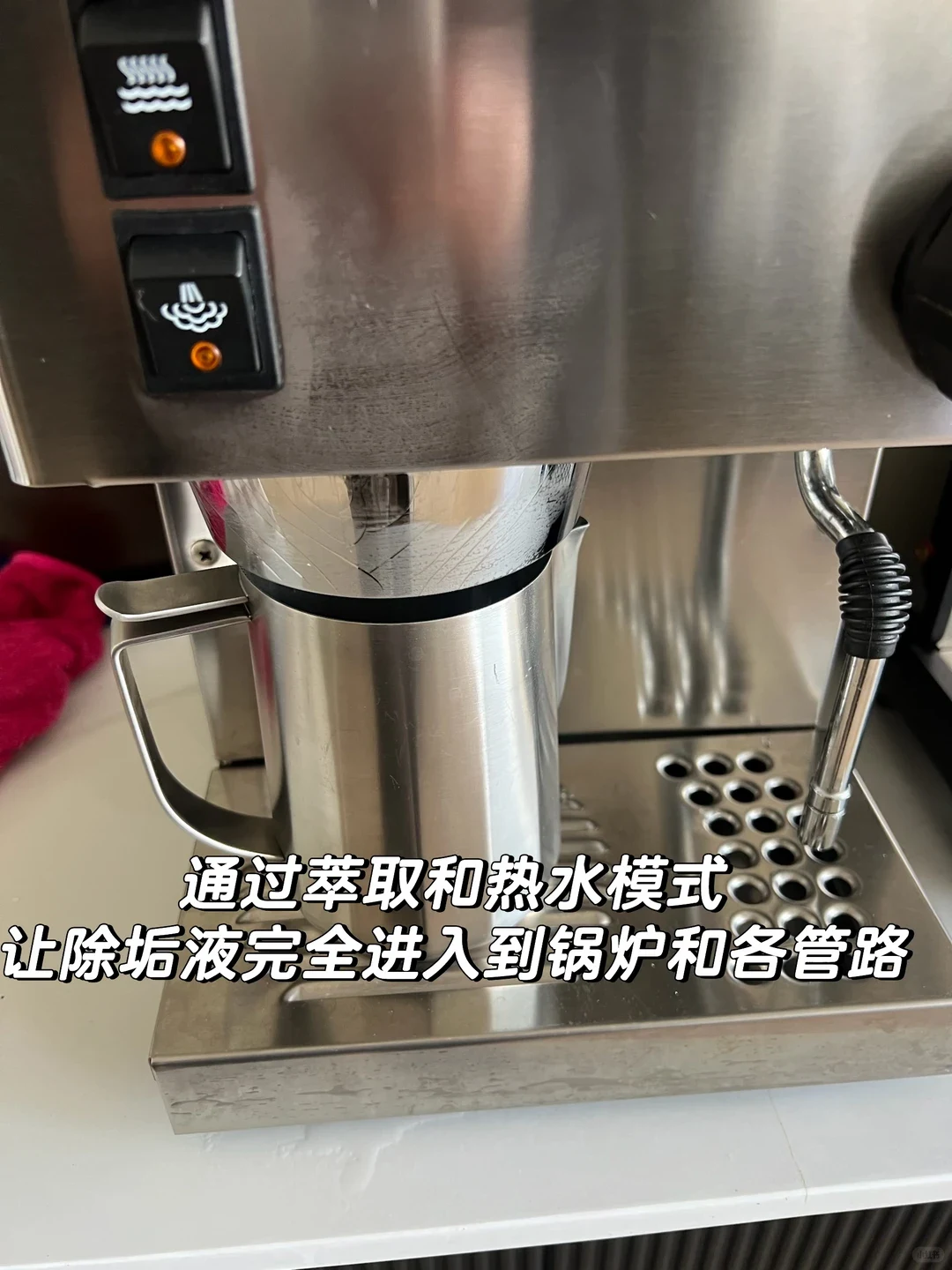
- The Silvia is a single-boiler machine with a separate hot-water mode. I first turned on the brew switch and dispensed water until the tank was nearly empty, then stopped. That sent the solution through the boiler, brew-head channel, and pressure-relief channel.
- Then I turned on the hot-water switch and let the boiler’s water drain through the steam wand until the tank was empty. That sent the solution through the steam circuit too.
- For a dual-boiler machine with a hot-water switch, you can follow step 6. If it has a separate steam boiler but no hot-water switch, first turn off the boiler heating (or activate descaling mode), then open the drain valve—most machines have one—and drain it. Close the valve; when you turn the machine back on, it will automatically draw solution from the tank into the steam boiler.
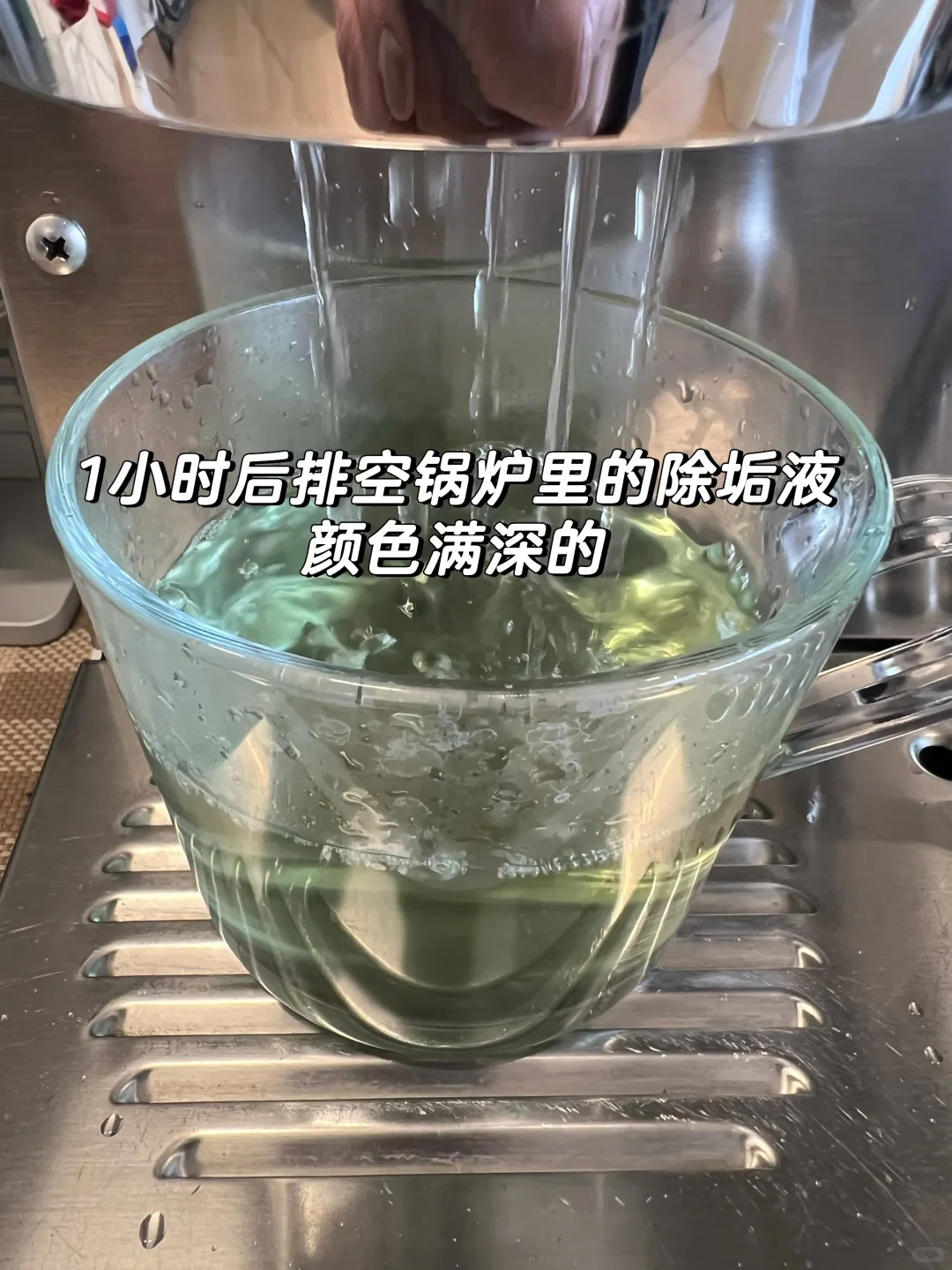
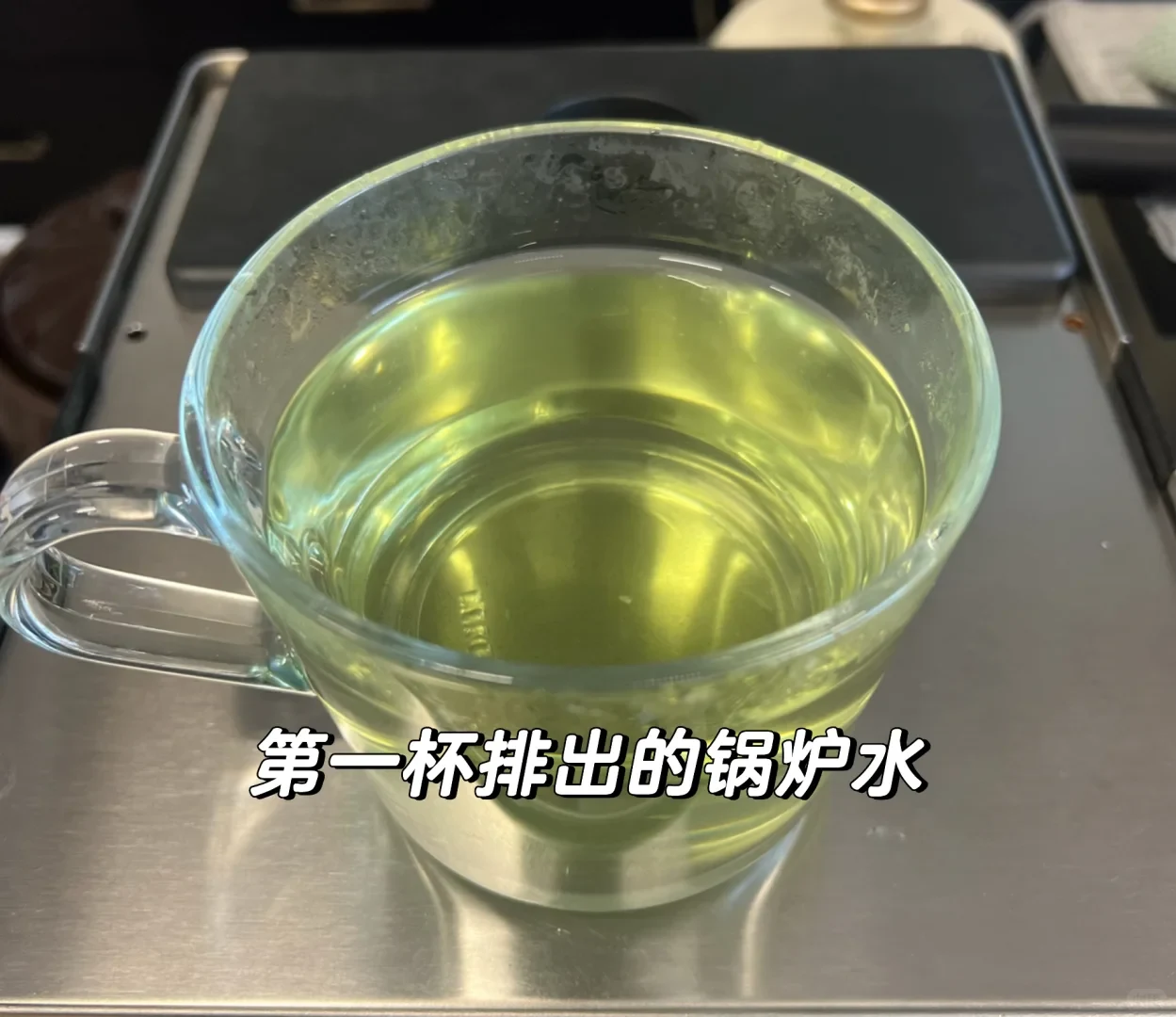
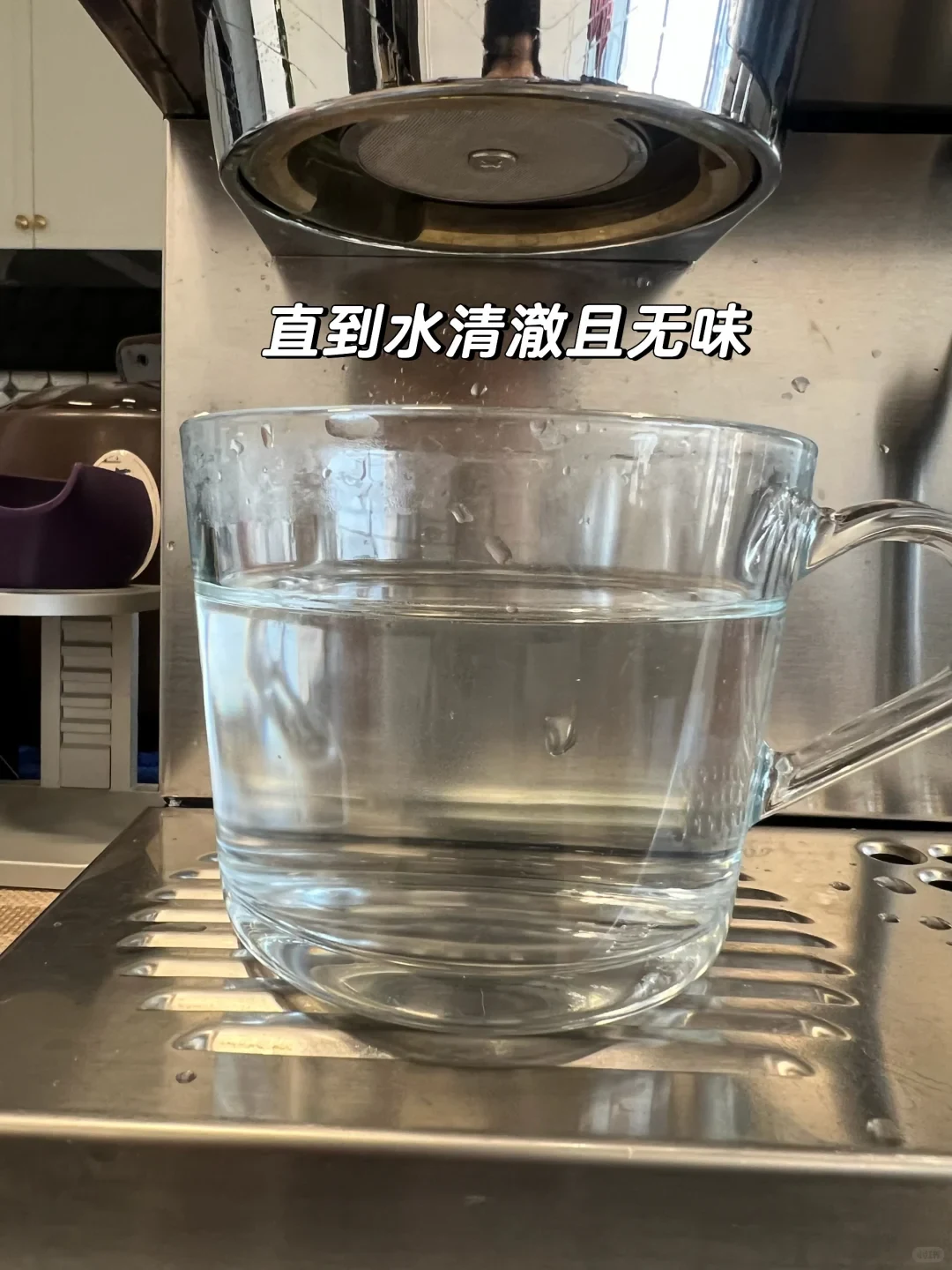
- After about an hour, fill the tank with purified water. Keep the brew switch on and dispense water until it runs clear and has no smell. Do the same with the hot-water switch on the Silvia.
- For a dual-boiler machine with a hot-water switch, you can follow step 8. If it has a separate steam boiler but no hot-water switch, first turn off the boiler heating (or activate descaling mode), then open the drain valve—most machines have one—and keep it open until the water coming out is clear and has no smell.
If there is a lot of scale, you can repeat the process or use a 1:10 ratio.
Source: lvxunkk · Xiaohongshu · 2026-03-14 · 3块钱让10年小S满血复活-咖啡锅炉保养除垢. Search this Chinese title in Xiaohongshu to find the original post.
Before You Buy
Models in your region
The owner’s secondhand Silvia is identified as an older single-boiler machine, but its exact generation, parts, electrical configuration, and modifications are not confirmed. The current US Silvia is a related classic single-boiler model, not proof of the older machine’s specifications. The owner’s cleaning account is not manufacturer-approved guidance for every Silvia or boiler type.
| Model in this review | Related regional model | What to know |
|---|---|---|
| Rancilio Silvia (older single-boiler version; exact generation unconfirmed) | Rancilio Silvia (current US single-boiler model) (United States) | The current US Silvia is in the same classic single-boiler family, but the owner’s machine has no confirmed generation or exact configuration. The current US model has a 0.3 L brass boiler, 2 L reservoir, and 58 mm portafilter; these specifications cannot be assigned to the older machine. |
- Model in this review
- Rancilio Silvia (older single-boiler version; exact generation unconfirmed)
- Related regional model
- Rancilio Silvia (current US single-boiler model) (United States)
- What to know
- The current US Silvia is in the same classic single-boiler family, but the owner’s machine has no confirmed generation or exact configuration. The current US model has a 0.3 L brass boiler, 2 L reservoir, and 58 mm portafilter; these specifications cannot be assigned to the older machine.
A clean-looking boiler is not a performance test
The boiler looked clean when opened more than six months after descaling. That is a visual observation from one used machine, not a measurement of remaining scale, a chemical analysis, or proof that descaling restored performance. The owner described the machine as about 10 years old; that does not mean it had been owned for 10 years.
The older Silvia’s exact year, boiler material, and internal configuration are unconfirmed. The current US model’s brass boiler specification does not establish what material or parts are in the machine. A dark interior or colored flush water also cannot by itself diagnose corrosion, prove scale removal, or establish that the water is ready to drink.
Rancilio Silvia (current US single-boiler model) · United States
Use model-specific descaling instructions
The owner describes a citric-acid mixture at 1:20, a roughly one-hour wait, and flushing until the water looked clear and had no smell; the post suggests repeating the process or using 1:10 for heavy scale. These are the reported steps, not a recipe endorsed by the current US manual. The post also skips step 4, and its boiler-routing directions may not apply to another machine’s design.
For descaling, follow the instructions for the exact machine and descaler, or ask a qualified service provider if scale is affecting operation. Clear, odorless water does not confirm that acid has been fully rinsed out or that the machine is ready for drinking water. Rancilio’s North American guidance recommends water with balanced minerals and cautions against using pure distilled or reverse-osmosis water without remineralization.
Backflushing and descaling address different buildup
The current US Silvia manual describes routine cleaning for coffee residue, including a brief group-head flush and blind-filter cleaning with a suitable espresso detergent. That is not mineral descaling, so regular coffee-oil cleaning should not be mistaken for removing scale from the boiler.
Related Reading
Reviews & Guides · Kitchen & Dining
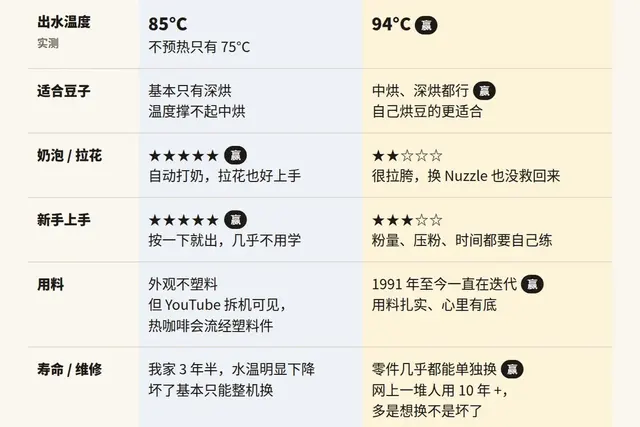
Breville Bambino after three and a half years: why I switched to Gaggia Classic E24
After three and a half years, my Bambino seemed to run cooler; I switched to a Gaggia Classic E24 for the beans we buy and roast at home.
Reviews & Guides · Kitchen & Dining
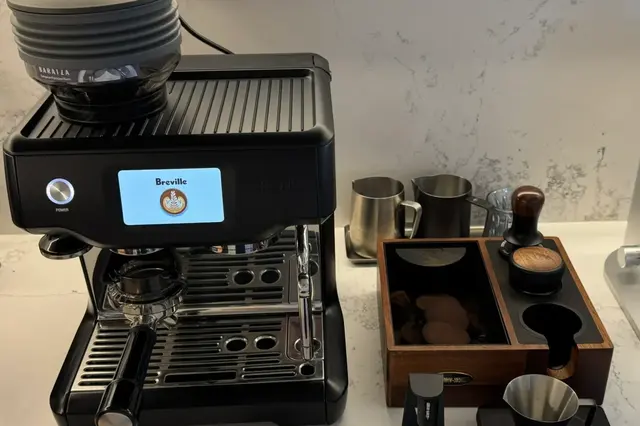
Gaggia Classic E24 daily routine: 18 g in, 36 g out
I make two coffees most mornings with my Gaggia Classic E24, weighing 18 g in and 36 g out. Pairing it with a Sculptor 064S helped me dial in.
Reviews & Guides · Kitchen & Dining
Gaggia Classic E24: 16-second shots and a changed temperature routine
I pulled roughly 26 g shots from 16 g of dark-roast coffee in my Gaggia Classic E24; a new flush routine seemed to slow them slightly, but I did not measure the change.