
Reviews & Guides · Instruments & Audio
Shokz OpenDots 2: less leakage and deeper bass than OpenDots ONE
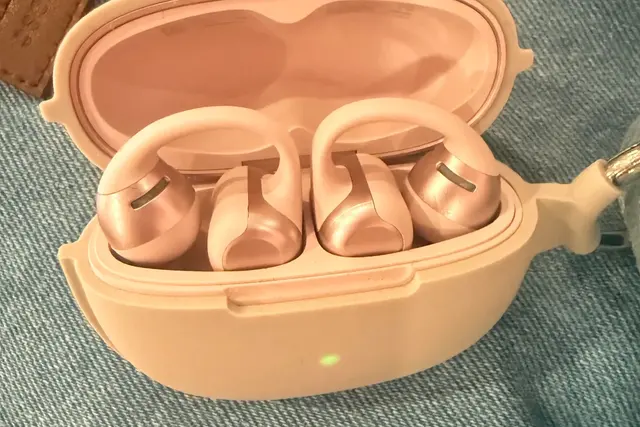
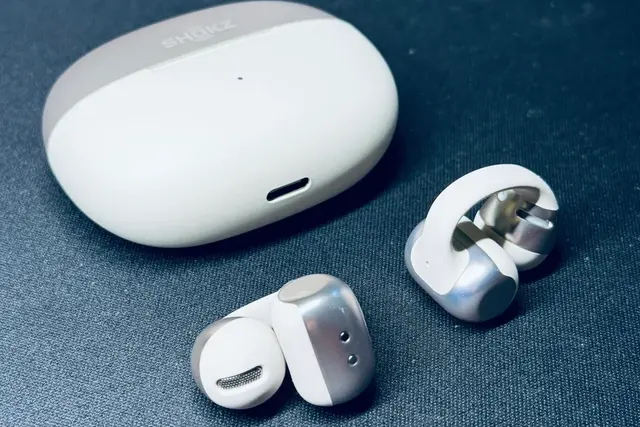
I compared OpenDots 2 with my older pair in the office: a colleague heard some leakage from the original at medium volume but none from the newer pair at the same spot; bass felt deeper, while calls seemed less clear.
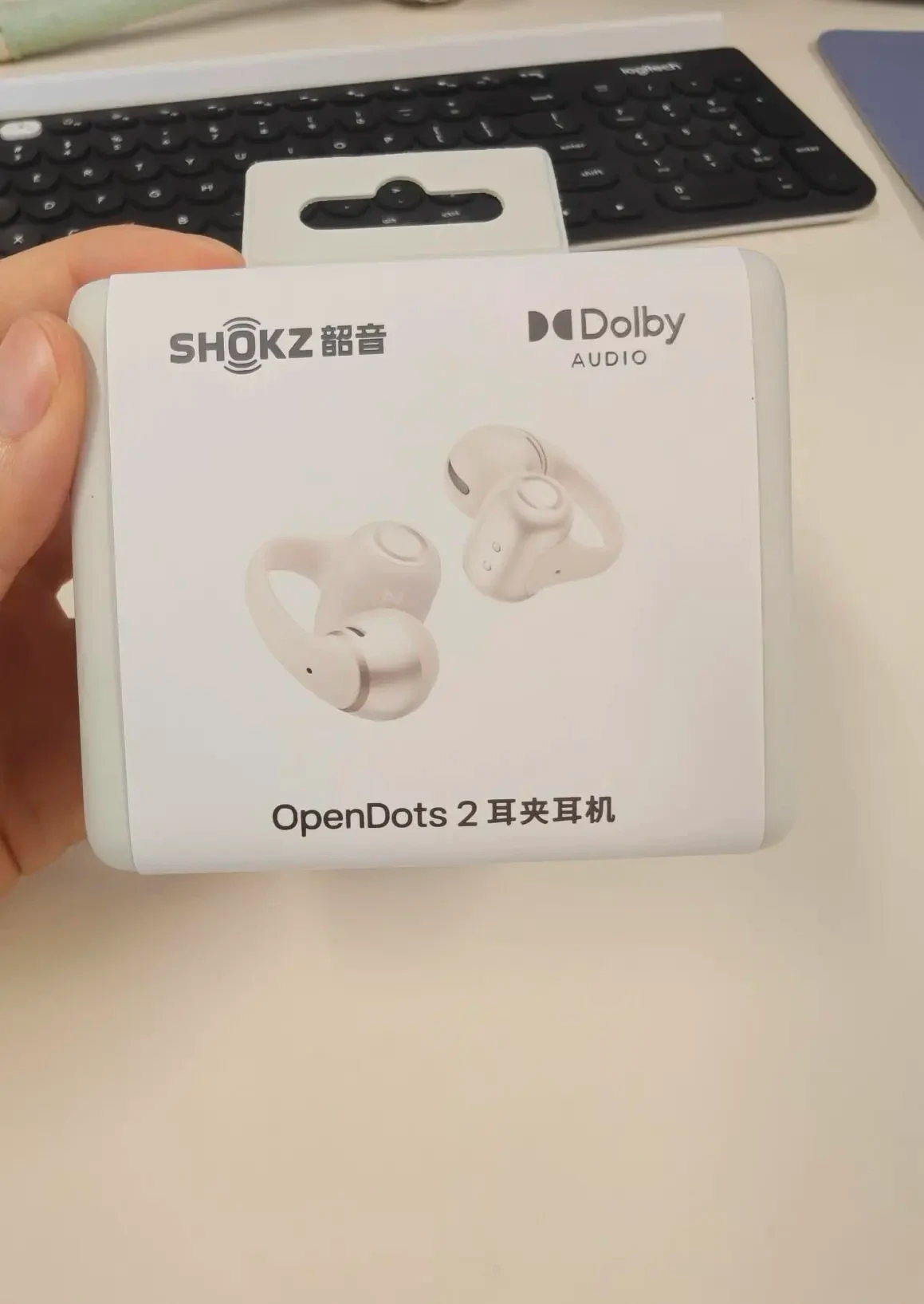
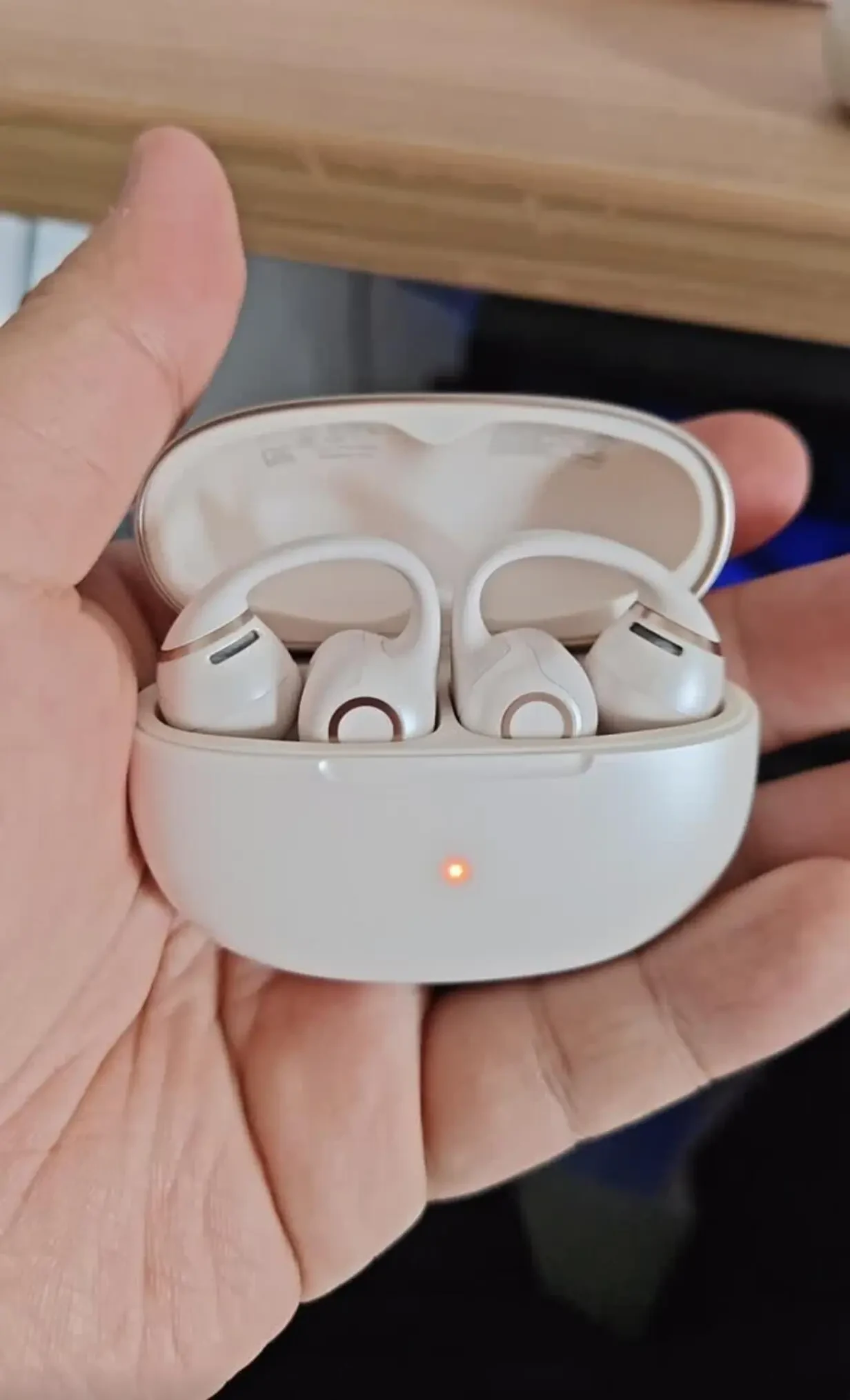
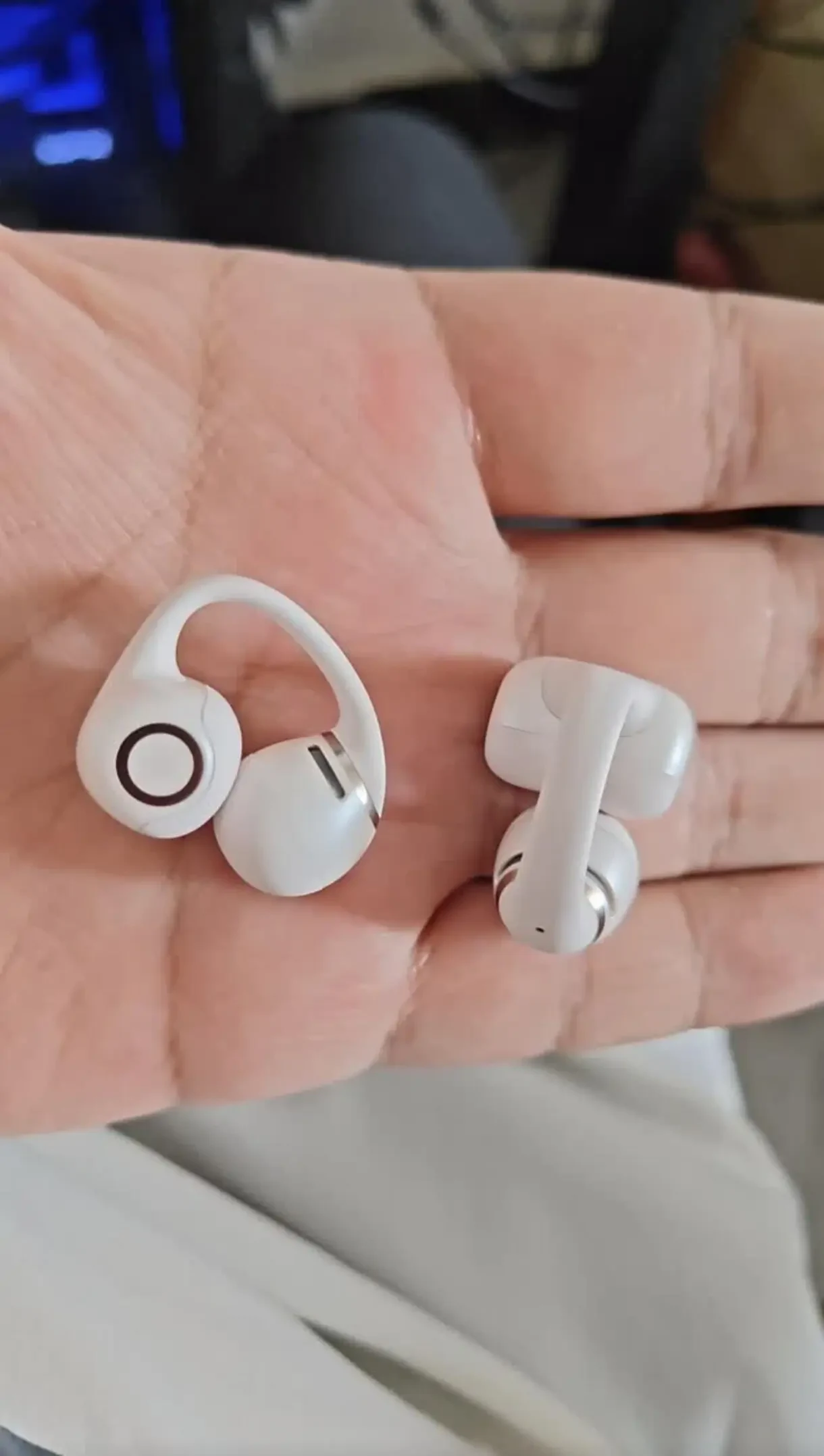
I wore the Shokz OpenDots ONE for more than a year and almost never took them off during my commute or office work.
When I got the second generation, the most obvious difference was sound leakage. With the first generation at medium volume in the office, nearby colleagues could hear a little sound. With the second generation, after it used MirrorPitch acoustic focusing, colleagues in the same position could not hear anything at all. The change was much larger than I expected.
The bass is also more solid. BassSphere 2.0 reduces low-frequency distortion by 70% compared with the first generation. With the first generation, I heard that the drumbeat was “there”; with the second generation, it felt as if the beat had “sunk in.” On my commute, the difference was more noticeable with rhythm-heavy music than the specifications suggested.
To be honest, the first generation’s call stability has always been top-tier among clip-on earbuds. The second generation’s pickup volume is sufficient, but its clarity is actually a little worse. Both generations last 10 hours per charge, so that has not changed.
So first-generation users do not need to rush to upgrade. If you make a lot of calls, the first generation is actually more stable. But if you are fed up with the first generation’s sound leakage, the second generation’s improvements are worth the price difference.
I bought three at once and gave them to my close female friends.
Source: 阿白 · Xiaohongshu · 2026-09-17 · 终于等到OpenDots2来了. Search this Chinese title in Xiaohongshu to find the original post.
Before You Buy
Models in your region
The source author identifies the products as Shokz OpenDots 2 and OpenDots ONE, but does not provide full SKU or regional details. The official US pages list both models; parity between the source units and US versions is unverified.
| Model in this review | Related regional model | What to know |
|---|---|---|
| Shokz OpenDots 2 | Shokz OpenDots 2 (US) | The US OpenDots 2 is the regional comparison for the owner’s second-generation pair. The official US page lists up to 10 hours per charge, 40 hours with the case, wireless charging, IP57 earbud resistance, Dolby Audio, a JointArc design and three-microphone calls. The Chinese pair’s exact configuration has not been matched to the US version. |
| Shokz OpenDots ONE | Shokz OpenDots ONE (US) | The owner also used the first-generation OpenDots ONE for more than a year. The official US page lists up to 10 hours per charge, 40 hours with the case, Dolby Audio and IP54 earbud protection. The source unit’s hardware equivalence to the US model is not established. |
- Model in this review
- Shokz OpenDots 2
- Related regional model
- Shokz OpenDots 2 (US)
- What to know
- The US OpenDots 2 is the regional comparison for the owner’s second-generation pair. The official US page lists up to 10 hours per charge, 40 hours with the case, wireless charging, IP57 earbud resistance, Dolby Audio, a JointArc design and three-microphone calls. The Chinese pair’s exact configuration has not been matched to the US version.
- Model in this review
- Shokz OpenDots ONE
- Related regional model
- Shokz OpenDots ONE (US)
- What to know
- The owner also used the first-generation OpenDots ONE for more than a year. The official US page lists up to 10 hours per charge, 40 hours with the case, Dolby Audio and IP54 earbud protection. The source unit’s hardware equivalence to the US model is not established.
The upgrade matters most for leakage and bass
The owner’s clearest improvement was sound leakage. In the office, a nearby colleague could hear a little from the first-generation pair at medium volume; from the same position, the colleague reportedly heard nothing from OpenDots 2. The source does not state the newer pair’s volume setting. The owner also found its bass more substantial during rhythm-heavy music on a commute.
That is a use-case-specific comparison rather than a universal leakage or sound-quality test. It tells office listeners and commuters what changed for this owner, but performance at other volumes and in other environments or music genres is not reported.
Calls may be a reason to keep the first generation
The owner found OpenDots ONE more stable for calls: OpenDots 2 delivered sufficient pickup loudness but slightly worse clarity. The owner therefore recommends that people who make many calls should not rush to replace the first generation, while leakage-sensitive users may find the upgrade worthwhile.
Both generations were reported by the owner to provide 10 hours per charge, so battery runtime was not a reason to upgrade in this comparison. The official US pages likewise list up to 10 hours per charge for both models, while OpenDots 2 is listed with three microphones for calls.
What US buyers should verify
The official US listing gives OpenDots 2 IP57 earbud resistance, wireless charging, 40 hours with the case and three-microphone calls. The official US OpenDots ONE listing gives IP54 earbud protection and 40 hours with the case. These are listed regional specifications, not replacements for the owner’s call or leakage observations.
Because the author’s exact Chinese-market configurations have not been matched to the US versions, buyers should confirm the exact local model and service coverage before treating the comparison as a direct regional product match. Exact Chinese-US configuration equivalence remains unconfirmed.
Related Reading
Reviews & Guides · Instruments & Audio
Shokz second-generation clip-on earbuds: upgrade notes for OpenDots 2 and OpenDots ONE buyers
I bought Shokz second-generation clip-on earbuds after using the first generation for over a year; they sound louder, crisper and more three-dimensional.
Reviews & Guides · Instruments & Audio
Shokz OpenDots 2: two-month listening notes, with OpenDots ONE buying context
I used Shokz OpenDots 2 for two months: Dolby Audio stood out indoors, while the outdoor difference from OpenDots 1 was small and occasional static remained unexplained.
Reviews & Guides · Instruments & Audio
Shokz OpenDots ONE: a first afternoon of calls and a 10 km run
I wore the Shokz OpenDots ONE for calls, two to three hours of comfort and a 10 km run, but still prefer bone-conduction headphones for heavy exercise.