
Reviews & Guides · Instruments & Audio
Shokz OpenDots: six months with the Chinese version, with OpenDots ONE buying context
I used my Chinese-market Shokz OpenDots for six months. They felt almost weightless, and their open-ear sound made me put away my AirPods Pro.

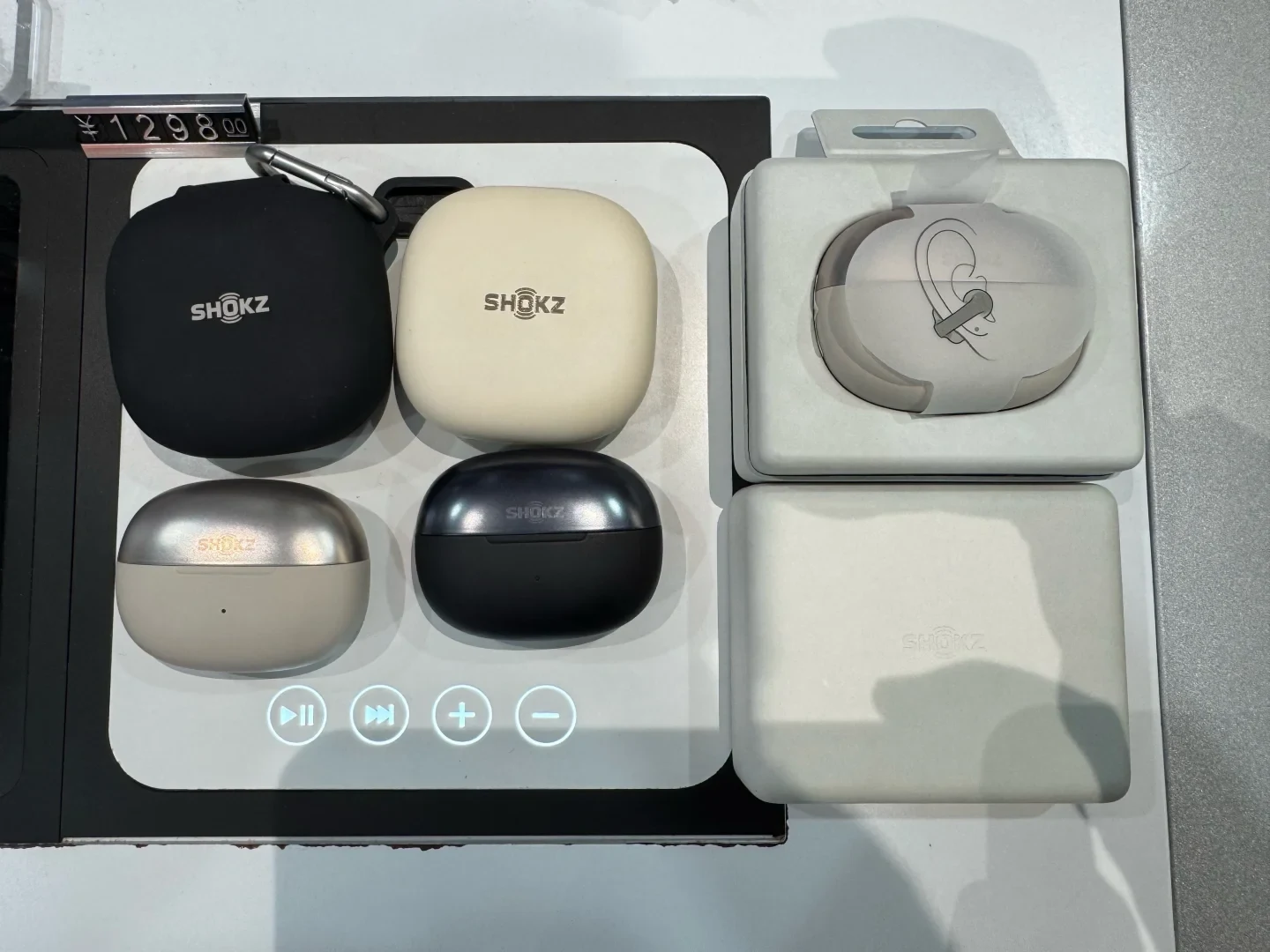
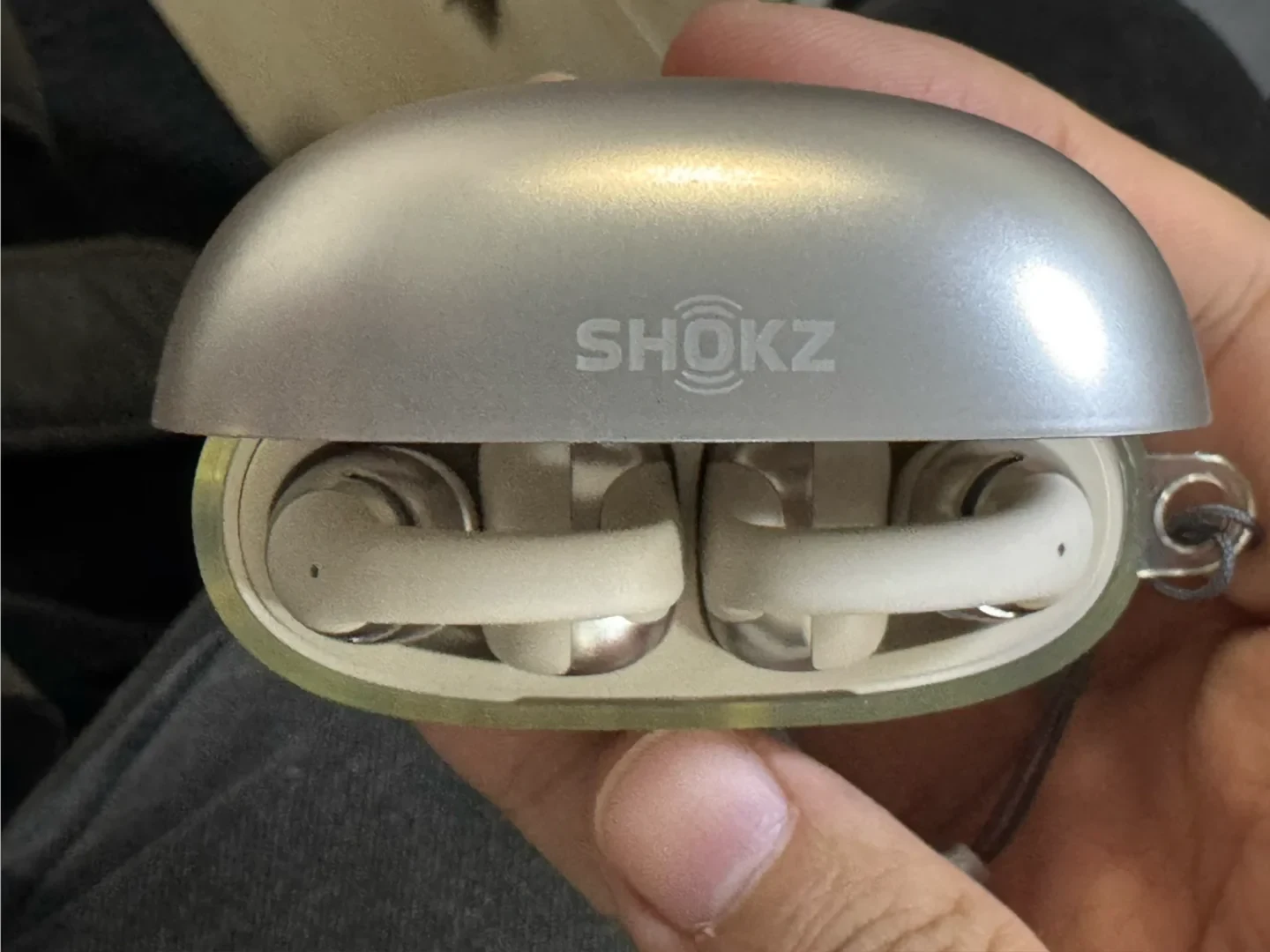
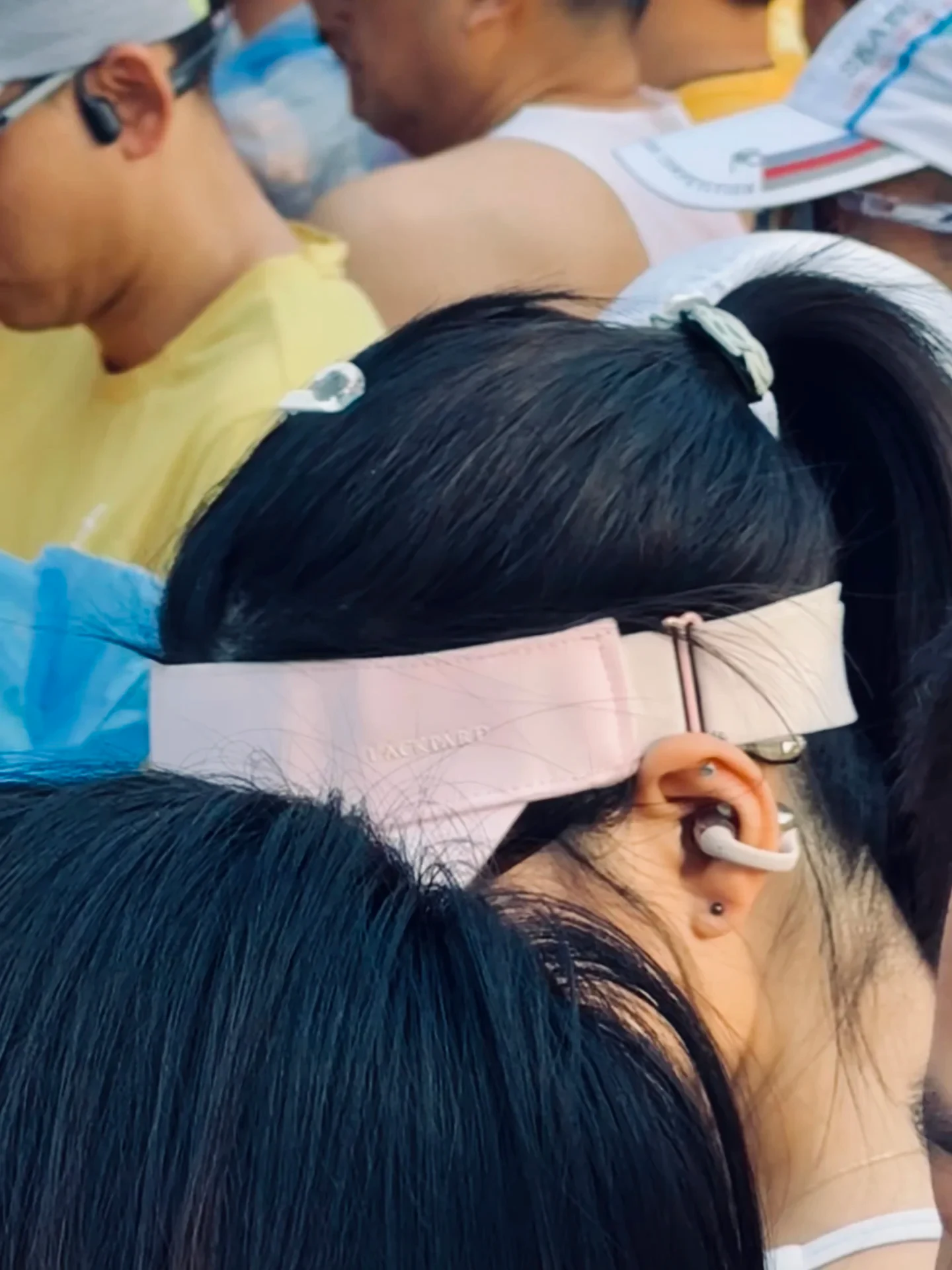
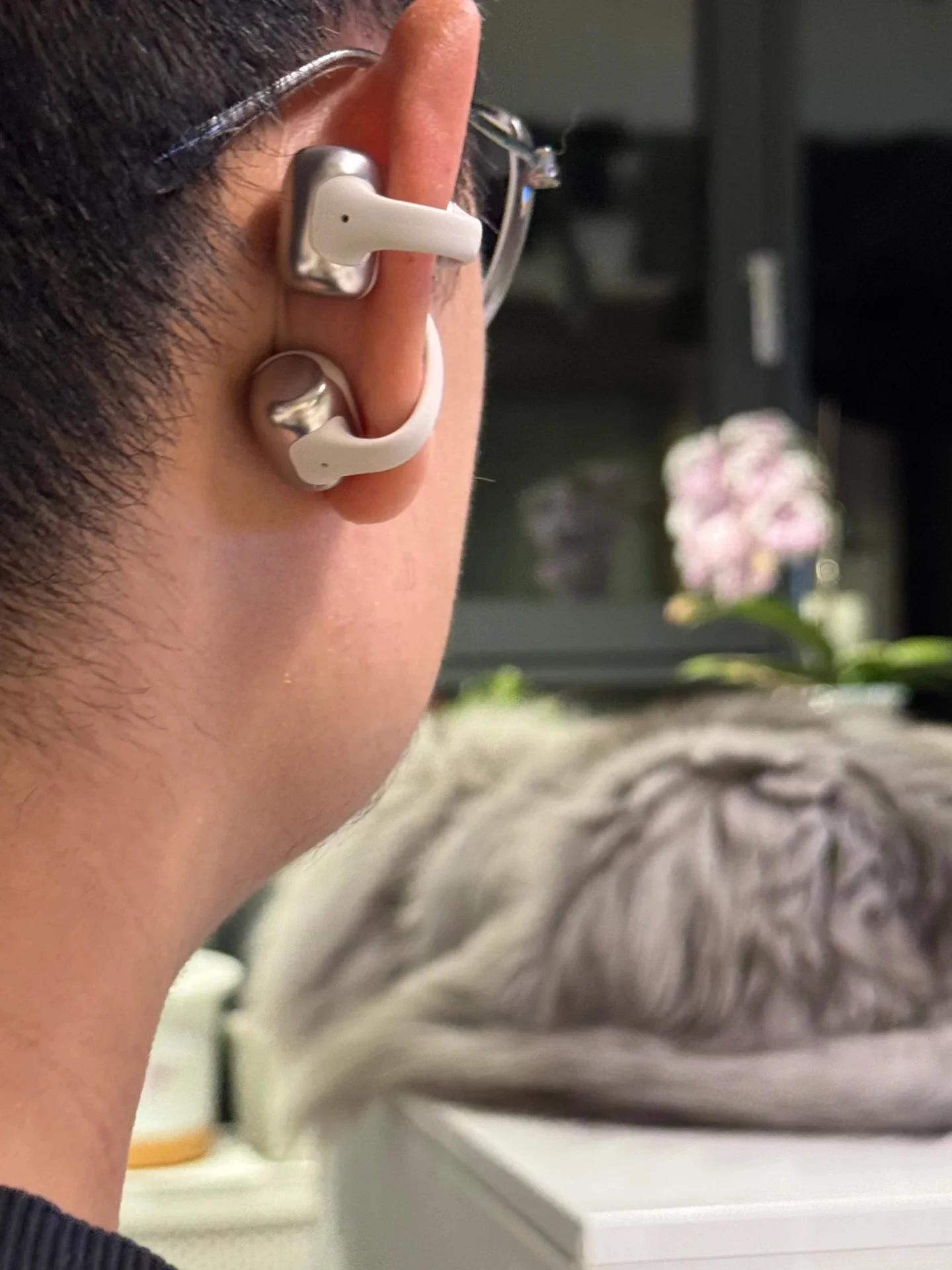

Shokz OpenDots: six months of honest experience
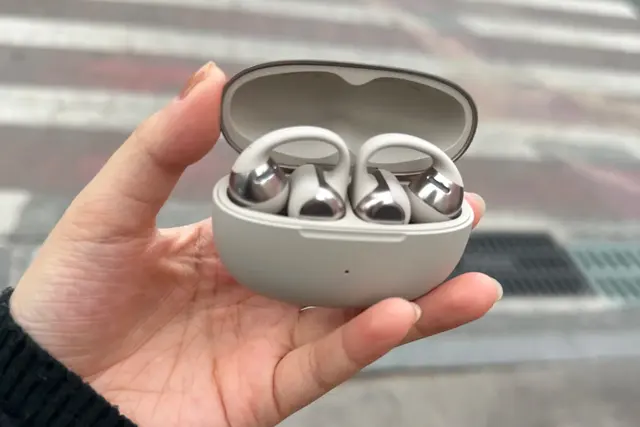
I bought the interstellar white version of Shokz OpenDots at the end of March for ¥1,100 and used it for more than six months. During this year’s Singles’ Day promotion, the official JD store was selling it for just over ¥800. I also noticed that soft mist pink and twilight purple had been added, which made me, as an existing owner, genuinely envious.
My biggest impressions of these earbuds come down to two things: they are so comfortable that I forget I am wearing them, and they sound much better than I expected from open-ear earbuds.
Comfort—truly comfortable!
I initially did not choose Shokz’s bone-conduction model because trying it on showed me that it clamped my head, which is less friendly to people who wear glasses. The OpenDots clip-on design weighs only 6.5 grams per earbud. It puts virtually no pressure on my ear, while still having enough presence to remind me that it is there. The asymmetrical curved ear hook is especially clever: no matter how much I shake my head, it does not fall off, and I have never worried about losing it while running or cycling.
Sound quality—the biggest surprise!
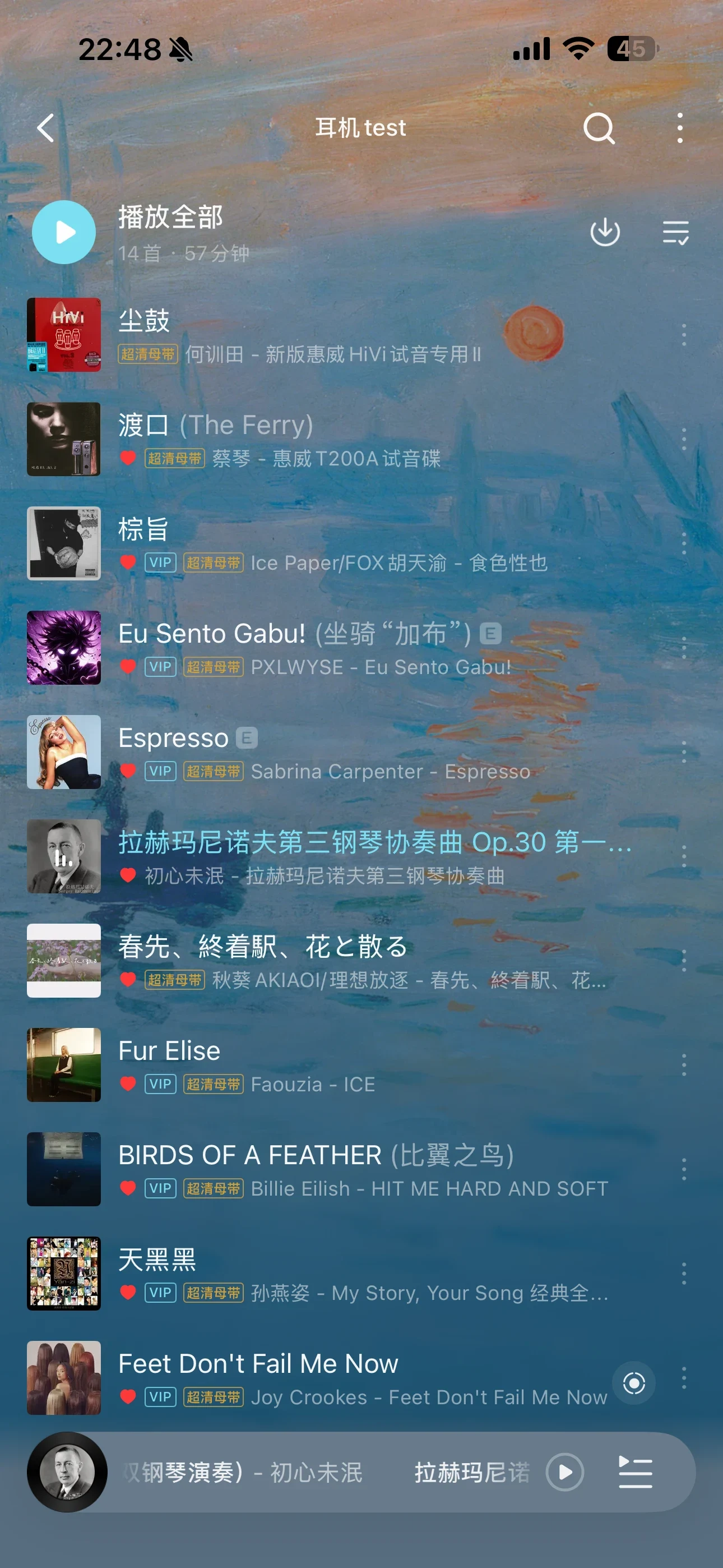
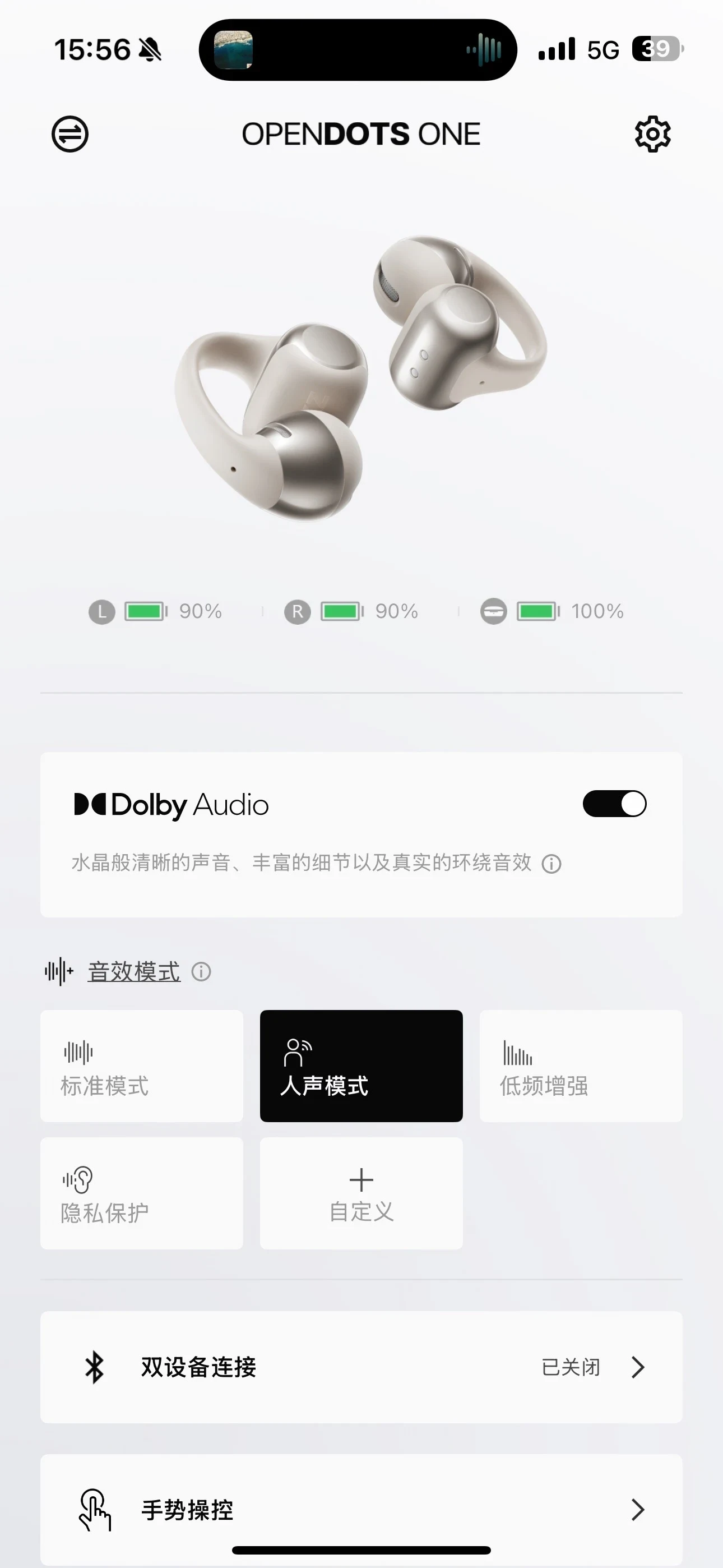
This is why I completely abandoned my AirPods Pro. These earbuds completely disprove the idea that open-ear earbuds are only good for making sound. Their sound quality can compete with in-ear earbuds at the same price, and the highs, mids, and lows are all strong. The playlist shown here lets you test vocals, instruments, and electronic music from different angles. Remember to turn on Dolby Audio in the app—the effect immediately moves up a level. Sound leakage is also controlled much better than with bone-conduction headphones, so I do not worry about using them in the office; if I really need it, there is also a privacy mode.
Other highlights and minor shortcomings
· Battery life: the stated figures are 10/40 hours, and they are reliable. Unless you are doing a 100-kilometre trail event, that should be enough.
· Appearance: the matte finish and understated colours do not stand out in commuting or office settings. The logo has avoided the “gear enthusiast” look, and the earbuds look better than many sports headphones.
· Connection: Bluetooth is stable. The earbuds connect when I put them on and pause automatically when I take them off. They identify the left and right earbuds automatically, and putting them back into the case for a magnetic click is very satisfying.
But I also have to mention the drawbacks
· Controls are ordinary: the touch controls cannot match the physical buttons on bone-conduction headphones, but once I got used to them, they were adequate.
· Occasional glitches: this happened twice in six months. I was wearing the earbuds during a call, but the audio switched back to the phone’s earpiece. I suspect it was a software bug.
· Cases are hard to find: compared with AirPods, there are far fewer attractive protective-case options.
Who should buy it
· People who wear glasses, find bone-conduction headphones too tight, or feel pressure and soreness from in-ear earbuds.
· People who enjoy sports, except for swimming and activities where headphones must have built-in storage.
· People who expect good sound quality from open-ear earbuds. You can compare them in person with Huawei and Bose models, and there are also reviews on Bilibili.
In one sentence: if you are looking for open-ear earbuds that are comfortable to wear, strong in appearance and sound quality, and secure during exercise, OpenDots is definitely one that can satisfy you.
Source: 小珂子 · Xiaohongshu · 2025-11-11 · 韶音open onedots深度体验分享🎧. Search this Chinese title in Xiaohongshu to find the original post.
Before You Buy
Models in your region
The owner calls the product OpenDots and does not provide a full model number. The US product page identifies a regional Shokz OpenDots ONE model, but it does not establish that the owner’s Chinese-market unit has identical hardware or service coverage.
| Model in this review | Related regional model | What to know |
|---|---|---|
| Shokz OpenDots (owner’s Chinese-market unit) | Shokz OpenDots ONE (US) | The owner bought and used a Chinese-market OpenDots unit, described as the interstellar white version. The supplied US product page identifies Shokz OpenDots ONE, but the owner’s full SKU is not given and hardware equivalence, regional warranty, and service coverage are unconfirmed. |
- Model in this review
- Shokz OpenDots (owner’s Chinese-market unit)
- Related regional model
- Shokz OpenDots ONE (US)
- What to know
- The owner bought and used a Chinese-market OpenDots unit, described as the interstellar white version. The supplied US product page identifies Shokz OpenDots ONE, but the owner’s full SKU is not given and hardware equivalence, regional warranty, and service coverage are unconfirmed.
What the six-month experience supports
The owner’s strongest use case is comfortable open-ear listening during commuting, office work, running, cycling, and while wearing glasses. They report no meaningful ear pressure, a secure fit during exercise, and sound quality that they consider competitive with similarly priced in-ear earbuds. These are one owner’s observations, not an independent test.
The owner says Dolby Audio must be enabled in the app to get the best result, and reports better sound-leakage control than bone-conduction headphones. The owner also mentions a privacy mode for situations requiring additional leakage control, but neither performance claim has a quantified comparison here.
US model identification and battery
The owner recommends the OpenDots for glasses wearers, people who dislike the pressure of bone-conduction or in-ear designs, and sports outside swimming. The separate US OpenDots ONE listing rates its earbuds IP54; that rating and the owner’s swimming caveat do not prove the Chinese unit has the same protection.
The official US page lists IP54 protection for the earbuds. That supports ordinary workout and outdoor-use context, but it does not support swimming; the owner also excludes swimming and activities that require built-in headphone storage. Buyers should confirm the protection rating and regional specifications for their own market version.
Fit, controls and daily trade-offs
The owner prefers the clip-on OpenDots design over a bone-conduction model because the latter felt tight, especially with glasses. The reported 6.5-gram weight per earbud and secure asymmetrical hook are useful reasons to consider this style for running or cycling, although fit remains personal and the owner does not compare multiple ear shapes.
The owner finds touch controls less satisfying than physical buttons, though usable after adjustment. They also experienced two call-routing glitches in six months and only suspected a software bug, so this should be treated as an occasional reported problem rather than a confirmed defect rate.
The owner describes the connection as stable, with automatic connection, pausing, left/right recognition, and magnetic storage in the case. Protective-case choice is a smaller but practical trade-off: they found attractive cases much harder to buy than AirPods cases.
Price context and who should consider it
The owner paid ¥1,100 for the interstellar white unit in China and later saw it listed for just over ¥800 during a Singles’ Day promotion. Those are the owner’s local purchase observations, not a current price for the US OpenDots ONE; regional prices, bundles, and availability need separate checking.
This experience is most relevant to buyers who want open-ear comfort, wear glasses, dislike in-ear pressure, or need a secure option for running and cycling. It is less relevant to swimmers and to anyone who specifically needs headphones with built-in music storage. The owner recommends comparing competing Huawei and Bose products in person.
Related Reading
Reviews & Guides · Instruments & Audio
Shokz OpenDots ONE: a first afternoon of calls and a 10 km run
I wore the Shokz OpenDots ONE for calls, two to three hours of comfort and a 10 km run, but still prefer bone-conduction headphones for heavy exercise.
Reviews & Guides · Instruments & Audio
Shokz OpenDots ONE (E310): two hours testing fit and sound
I wore the Shokz OpenDots ONE E310 for two hours and found strong highs and lows, stable but slightly pinching fit, and limited leakage at full volume.
Reviews & Guides · Instruments & Audio
Shokz OpenDots ONE E310 vs my noise-cancelling AirPods: notes for AirPods 4 ANC buyers
I compared Shokz OpenDots ONE E310 with my noise-cancelling AirPods. The clip-on pair felt light and breathable; AirPods paired more smoothly and isolated subway noise better.