
Reviews & Guides · Instruments & Audio
Shokz OpenFit Pro: better fit and sound, but noise reduction falters in wind
I found the OpenFit Pro steadier and fuller-sounding than my OpenFit 2, while its noise reduction could briefly fail in windy conditions.
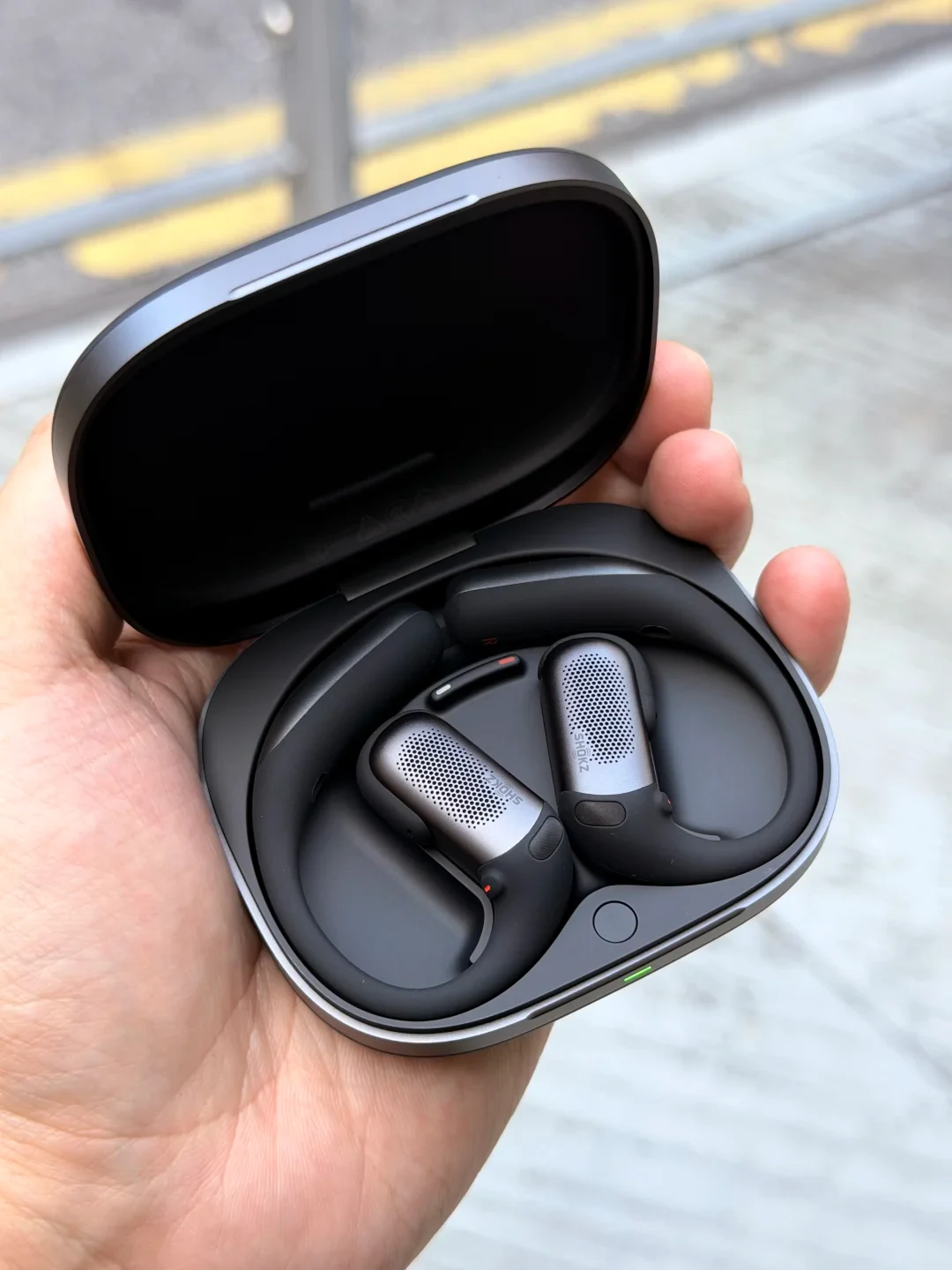
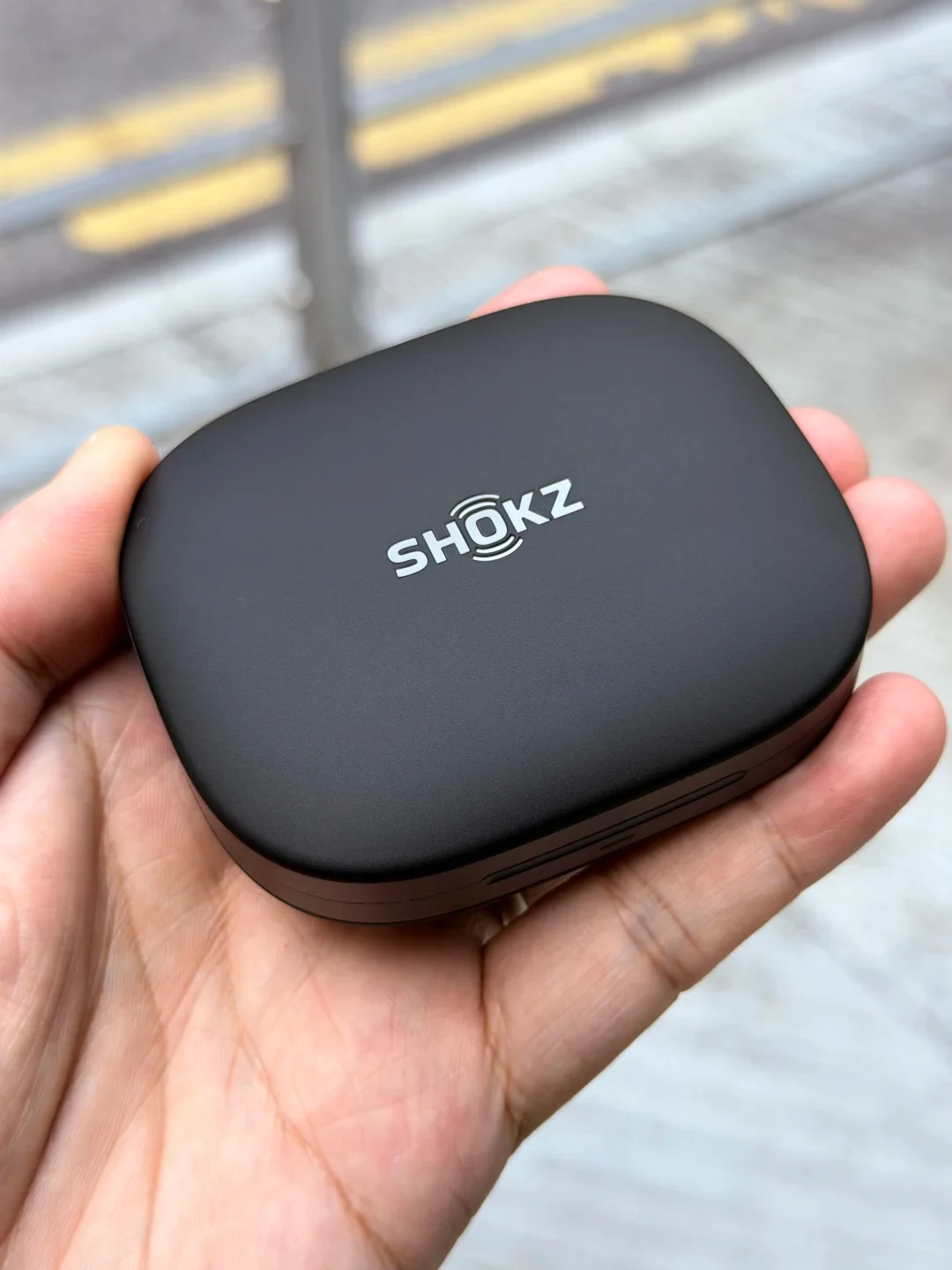
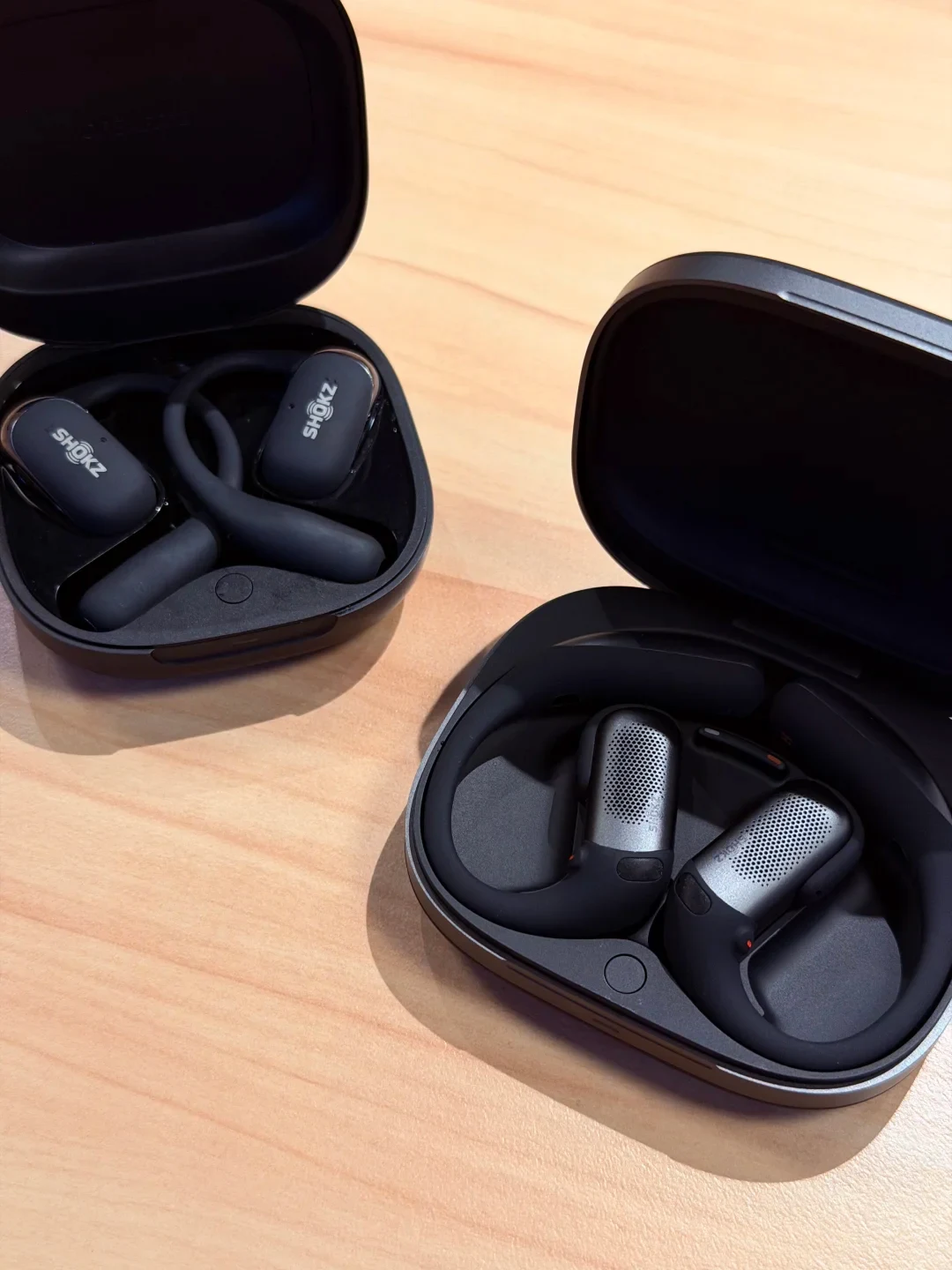
I may be the first consumer in China to buy and use one myself. Shokz is based in a neighboring city, yet these earphones still had to travel across mountains and seas from overseas to reach me. Impressive, Shokz.
This product currently has a zero-negative-review record overseas, whether the reviews come from sponsored YouTube content or self-purchased Reddit units. I will share my experience alongside my earlier use of similar earphones.
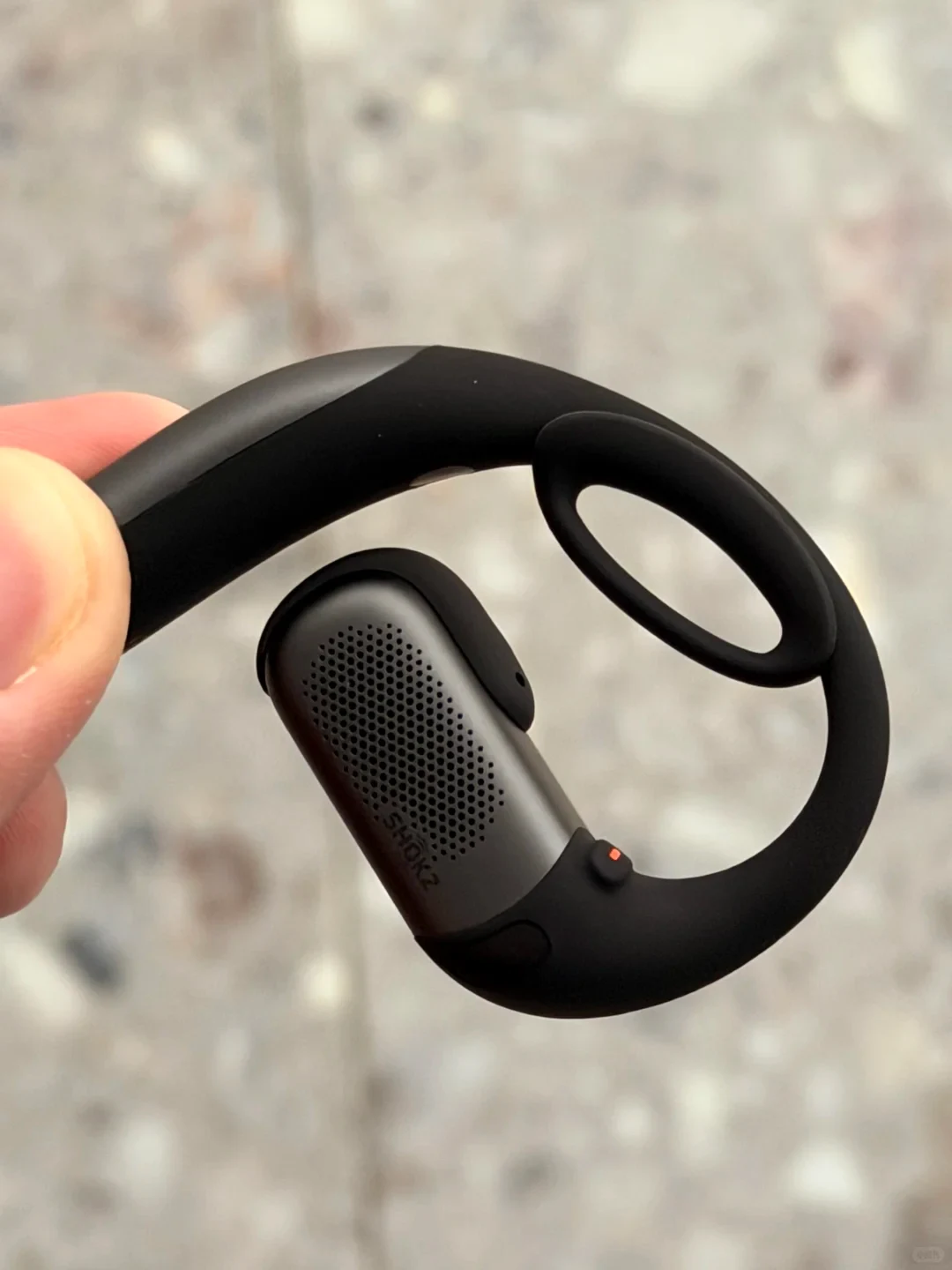
- Fit: At just over 11 g, these feel slightly more noticeable when worn than the 9-g-plus OpenFit 2. The extra ring on the outside resembles a shark fin and catches neatly inside the ear, making the fit a little more secure. They remain comfortable for long periods. The two included rubber rings (Figure 3) can reduce the contact area with the ear, but once I wear them for more than ten minutes, the weight feels just as noticeable as it does without the rubber rings. Comfort is the most important reason I prefer the OpenFit over the Arc; their driver configurations are at a similar level, so I use the Arc as a comparison.
- Sound quality: Instead of the previous OpenFit 2's dual-driver arrangement, this model uses a dual-diaphragm structure, which makes the sound much fuller. With the default sound effect, the bass and treble are emphasized, creating a tendency toward a recessed middle. Bass quantity is clearly greater than on the previous generation, while sub-bass extension improves only slightly. I personally recommend switching to the Bass Boost EQ. With that EQ and Dolby sound enabled, the result comes very close to the AirPods 4, although the sub-bass does not extend as deeply. Among open-ear ear-hook headphones, it may be unmatched, especially because the low frequencies do not weaken even at 100% volume. That is an extraordinary result for other ear-hook designs.
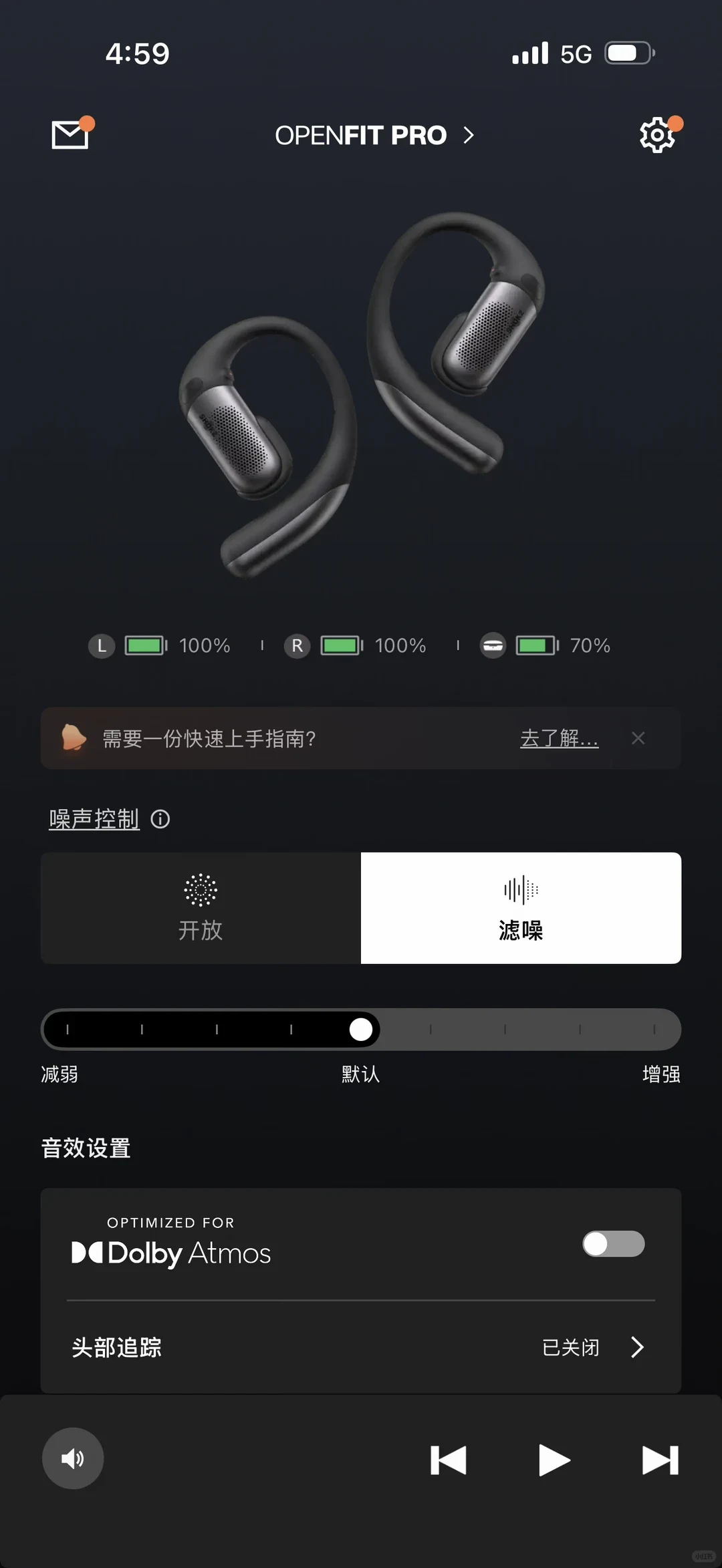
- Noise reduction: The app lets me adjust the noise-reduction level (Figure 4). Overseas media have said that the highest level can introduce background noise, but perhaps my surroundings were already loud enough that I did not notice it. The OpenFit Pro noticeably reduces the rumble of passing cars, and, surprisingly, it also reduces the sound of my own voice by a lot. However, it can occasionally become unstable because of the surroundings, especially in wind, when it can temporarily stop working altogether. In short, when the front and rear feedback microphones differ too much, noise reduction appears to shut itself off. Among semi-in-ear and in-ear earphones, this is in the weakest tier; among open-ear earphones, it is in the strongest tier.
Conclusion: Setting the price aside—which I have to do because I do not even know the Chinese retail price—the OpenFit Pro could become the flagship standard for ear-hook open-ear headphones. Apart from the Arc 5, which I find uncomfortable to wear, I cannot think of another product that can really compete with it. The old Oladance OWS Pro was actually quite similar, with a concentration mode that was practically equivalent to no noise reduction; perhaps the OpenFit Pro is what Oladance ultimately wanted to become.
If there is anything else you would like to know, feel free to ask in the comments.
Source: Tony_Peng · Xiaohongshu · 2026-02-01 · 韶音Openfit Pro使用体验. Search this Chinese title in Xiaohongshu to find the original post.
Before You Buy
Models in your region
The owner identifies the product as the Shokz OpenFit Pro, but does not provide a complete regional SKU. The current US OpenFit Pro page lists adjustable open-ear noise reduction and optional support accessories; it does not confirm the historical regional SKU or the owner's comparative rankings and wind-related explanation.
| Model in this review | Related regional model | What to know |
|---|---|---|
| Shokz OpenFit Pro | Shokz OpenFit Pro (US) | The owner’s precise purchase-region SKU is not confirmed, so the US listing is a regional reference rather than proof that every specification or behavior applies to his unit. |
- Model in this review
- Shokz OpenFit Pro
- Related regional model
- Shokz OpenFit Pro (US)
- What to know
- The owner’s precise purchase-region SKU is not confirmed, so the US listing is a regional reference rather than proof that every specification or behavior applies to his unit.
What the owner actually experienced
The owner reports that the OpenFit Pro's slightly heavier, more enclosed ear shape felt more secure than his OpenFit 2 while remaining comfortable for long wear. The supplied rubber rings reduced contact area, but did not remove the weight sensation after more than ten minutes. This is one owner's fit experience, not a universal comfort result.
For sound, the owner preferred the Bass Boost EQ with Dolby sound enabled. He describes fuller output and stronger bass than the OpenFit 2, with performance he found close to AirPods 4 except for weaker sub-bass extension. His claims about being unmatched among open-ear ear-hook models are subjective comparisons.
Noise reduction and wind limitations
The owner's main limitation is intermittent noise-reduction behavior in wind: he says it can temporarily stop, while also reporting a clear reduction in car rumble during his use. The current US product page confirms adjustable noise-reduction levels, but does not verify the owner's wind-related explanation or establish how broadly that behavior occurs.
The US listing also mentions optional support accessories, while the owner's account discusses two rubber rings supplied with his unit. Because the purchase-region SKU is not confirmed, buyers should check the local package contents rather than assume the same accessories are included in every market.
What to check before buying
This account is most useful to listeners comparing open-ear ear-hook designs who prioritize a secure fit, stronger low-end output and adjustable noise reduction. It does not provide a usage duration, controlled measurements or a complete model number, so comfort over a specific routine and performance outside the owner's environments remain unverified.
The owner's positive ranking against other products should be read as personal judgment: he considers the OpenFit Pro a potential flagship among ear-hook open-ear headphones, while finding the Arc 5 uncomfortable. Those rankings reflect his listening and fit preferences.
Related Reading

Reviews & Guides · Instruments & Audio
Shokz OpenDots ONE vs OpenFit Pro: A Runner’s Comparison
I ran for three hours and cycled for two with the Shokz OpenDots ONE, finding it secure and comfortable, while the OpenFit Pro had stronger bass.
Reviews & Guides · Instruments & Audio
Shokz OpenFit Pro: a firsthand in-store impression of open-ear noise filtering
I tried Shokz OpenFit Pro in a store: open-ear filtering kept voices clear and felt more suitable than AirPods Pro, but noise reduction was weaker.
Reviews & Guides · Instruments & Audio
Shokz OpenFit Pro: why I gave it 70/100 after a month
I used Shokz OpenFit Pro for nearly a month. Its open-ear noise reduction impressed me, but sharp whistling drove my score down to 70; instability, battery life and case wear also bothered me.