
Reviews & Guides · Instruments & Audio
Shokz OpenFit Pro: a firsthand in-store impression of open-ear noise filtering
I tried Shokz OpenFit Pro in a store: open-ear filtering kept voices clear and felt more suitable than AirPods Pro, but noise reduction was weaker.
In-store impressions
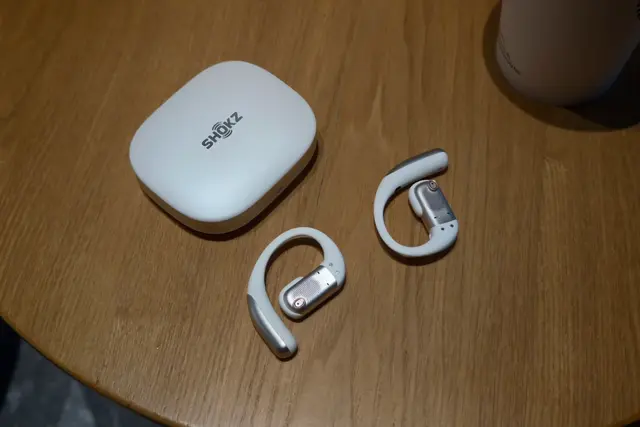
The Shokz OpenFit Pro is currently the only open-ear noise-filtering earphone from a major manufacturer. After learning about this product, I immediately went to a physical store to try it, and the noise-filtering effect was very noticeable. Its open-ear design can also better protect the ears.
Compared with the first-generation AirPods Pro I used previously, it still has a large gap in noise reduction. Apple’s noise cancellation suppresses all sounds, and because it uses an in-ear design, you cannot hear other people speaking to you without enabling Transparency mode.
The OpenFit Pro’s noise filtering reduces low-frequency background noise, while high-frequency sounds such as voices are not greatly filtered out, so it does not interfere with conversation. Its open-ear design also avoids the ear-canal pain that can occur after wearing in-ear headphones for a long time—more than one or two hours—so it suits me better.
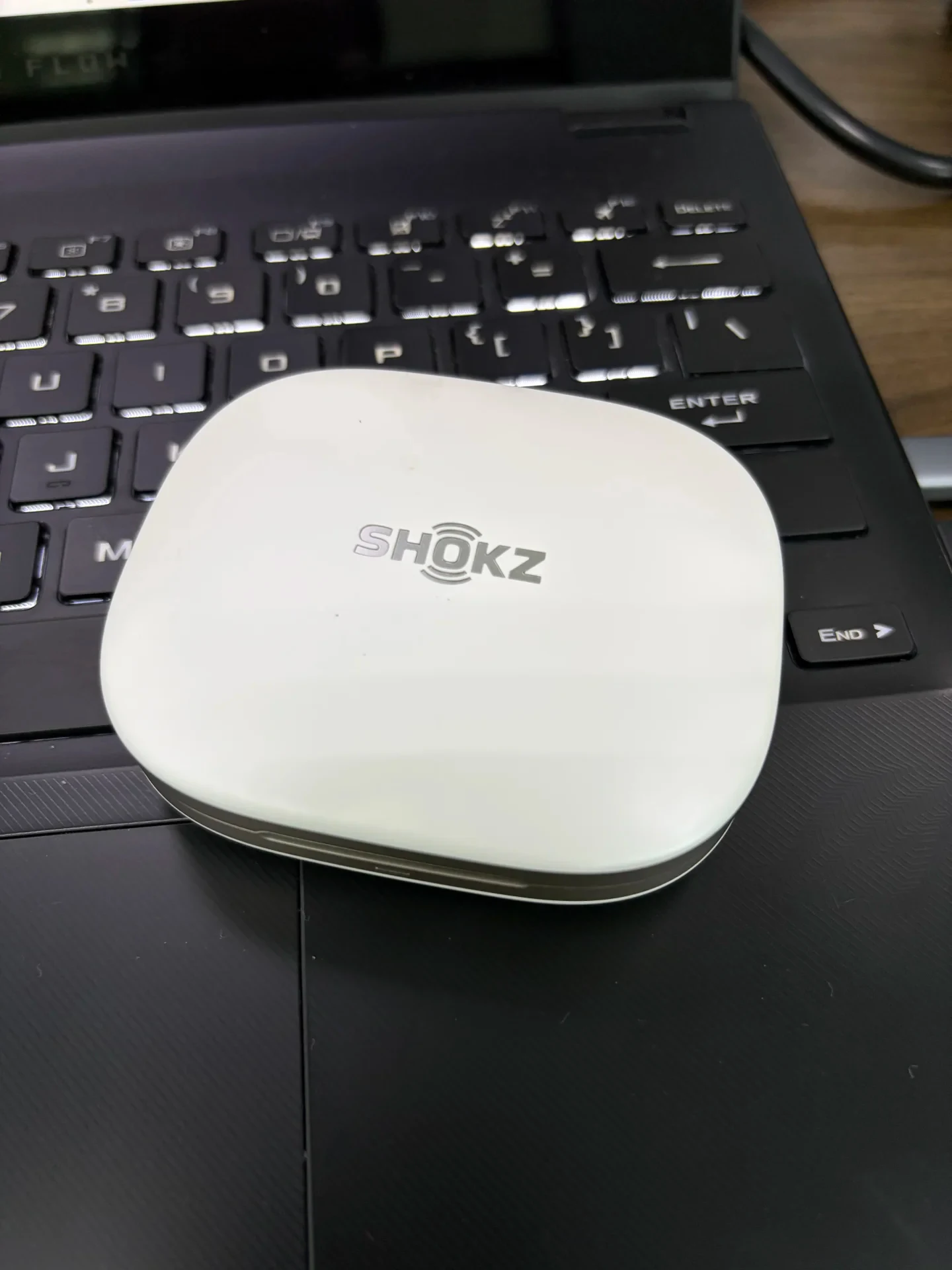
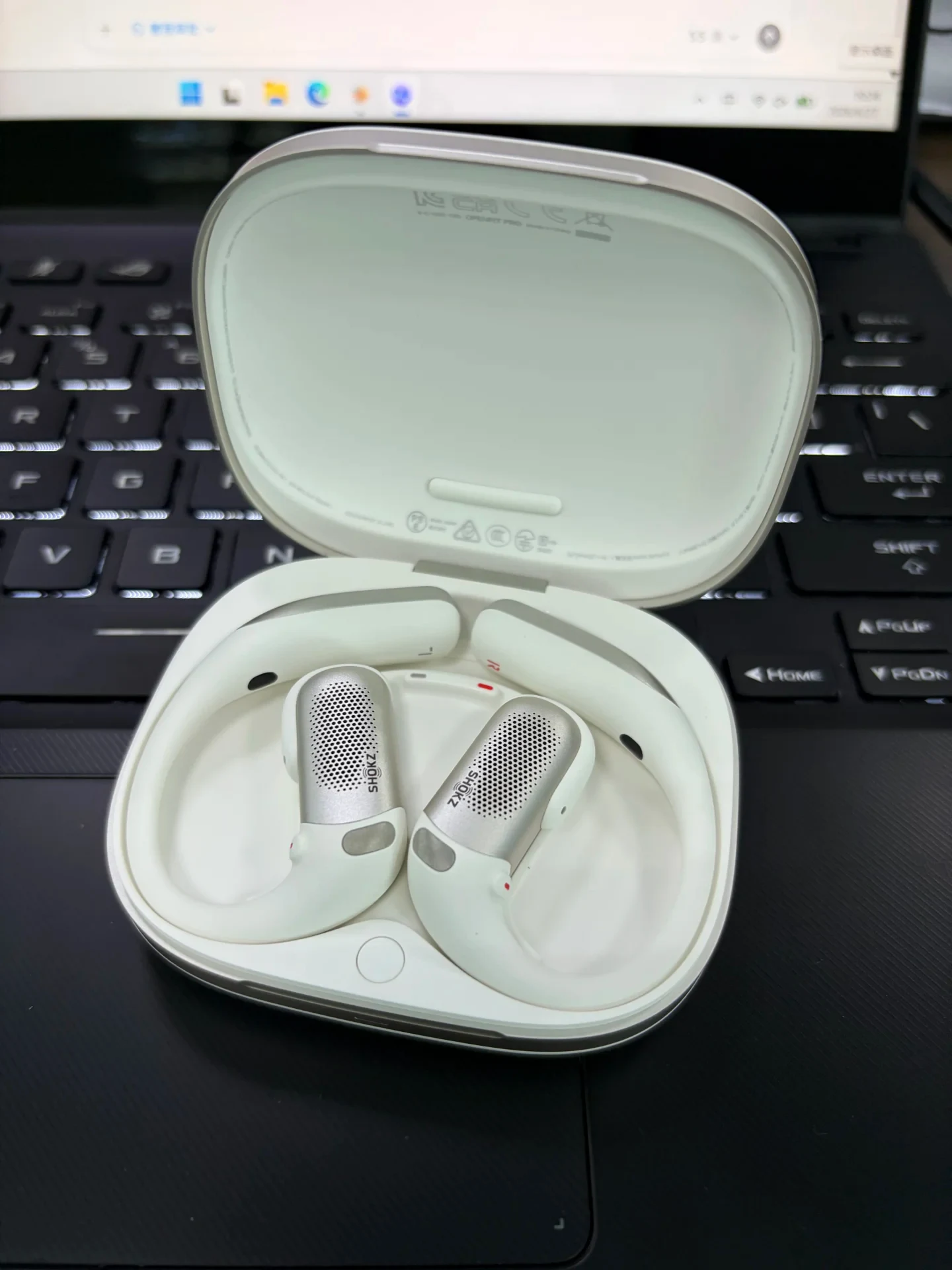
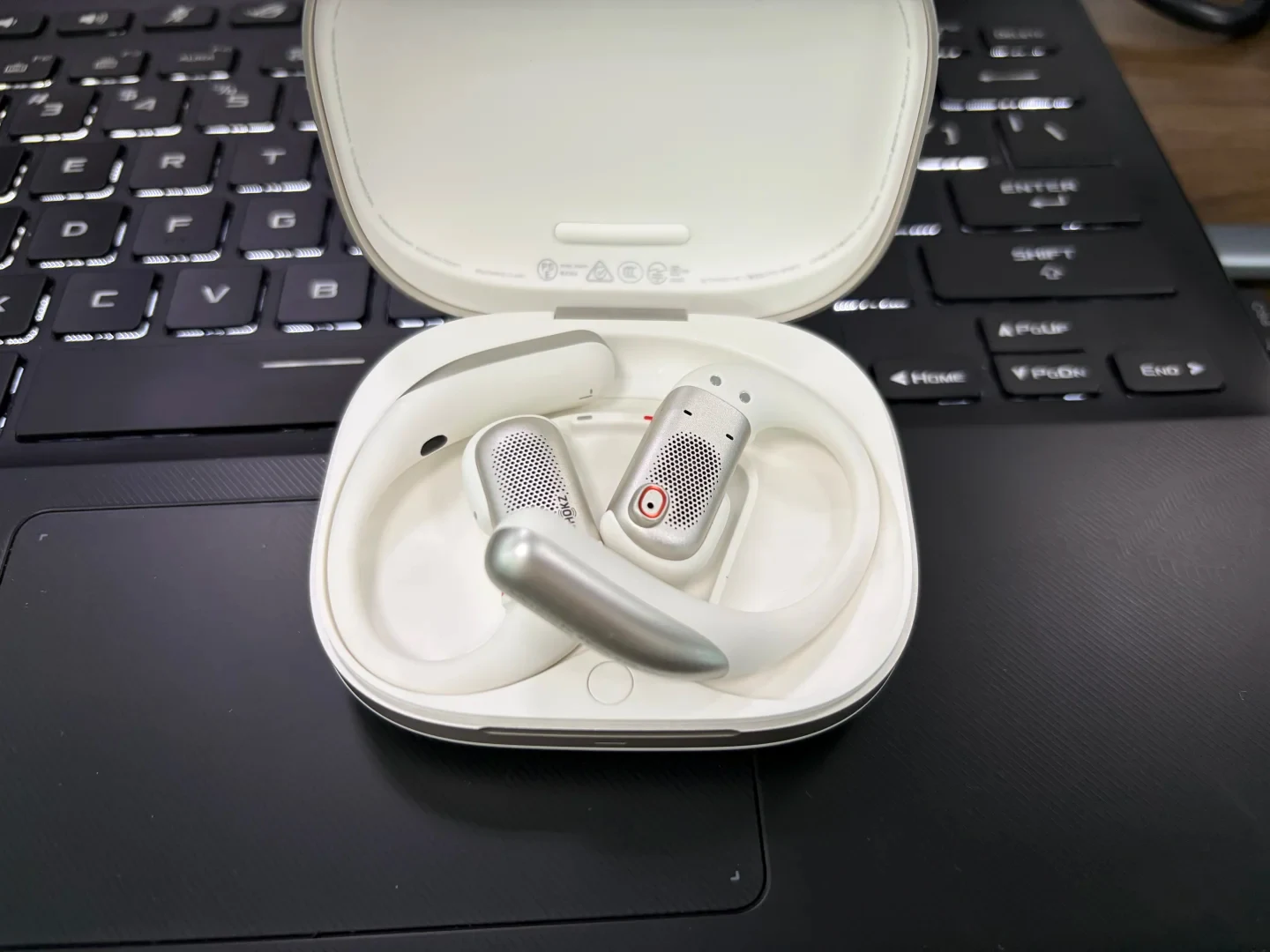
Of course, this earphone still has areas that could be improved. First, compared with Apple’s product, the charging case’s damping could be better. The case currently feels very good to the touch, but opening the lid is less satisfying, and the case is somewhat large. Second, the noise filtering still has considerable room for improvement. On the subway, or when my hand touches the earphones, the filtering occasionally stops working.
But its strengths outweigh its flaws. It is still the most comfortable noise-filtering earphone for long periods of wear at present.
Source: 小红薯64703BD5 · Xiaohongshu · 2026-06-27 · 韶音Openfit Pro体验. Search this Chinese title in Xiaohongshu to find the original post.
Before You Buy
Models in your region
The source author identifies the product as the Shokz OpenFit Pro and describes an in-store tryout, not a long-term test. The US OpenFit Pro lists open-ear noise reduction. Exact configuration equivalence with the Chinese pair tried in store is unconfirmed, so check the local specifications before buying.
| Model in this review | Related regional model | What to know |
|---|---|---|
| Shokz OpenFit Pro | Shokz OpenFit Pro (US) | The regional product page identifies a US OpenFit Pro listing with open-ear noise reduction, but does not verify that the Chinese-market configuration tried by the author is identical. |
- Model in this review
- Shokz OpenFit Pro
- Related regional model
- Shokz OpenFit Pro (US)
- What to know
- The regional product page identifies a US OpenFit Pro listing with open-ear noise reduction, but does not verify that the Chinese-market configuration tried by the author is identical.
What the in-store comparison shows
The author noticed a clear in-store benefit in awareness and conversation: the OpenFit Pro reduced low-frequency background sound while leaving voices understandable. The author also considers its open-ear design more suitable for avoiding the ear-canal discomfort associated with wearing in-ear headphones for more than one or two hours, but this was not a long-term wear test.
The author reports a clear trade-off against first-generation AirPods Pro: Apple’s in-ear noise cancellation was perceived as stronger, while the OpenFit Pro was easier to use during conversation. Filtering could also fail occasionally on the subway or when touching the earphones, so buyers prioritizing strong isolation should treat this account as a caution rather than a performance guarantee.
US specification context
For the US model, Shokz lists 12 hours per charge and 50 hours with the case when noise reduction is off, or 6 and 24 hours respectively when it is on. The same official page lists 12.3 g per earbud and an IP55 rating. These are manufacturer-listed specifications, not measurements from the author’s store visit.
The official page distinguishes open-ear noise reduction from in-ear isolation. That distinction matches the author’s reported compromise: the OpenFit Pro may suit listeners who need conversation and prolonged comfort, but its filtering should not be assumed to match AirPods Pro-style in-ear cancellation. Chinese-market specification and SKU equivalence remain unverified.
Case and handling trade-offs
The author likes the charging case’s tactile feel but finds the lid-opening experience less refined than Apple’s case and considers the case somewhat large. These observations concern the store sample; the source does not provide measurements, so shoppers who need a precise pocket or bag fit should check the local listing or try the case in person.
Related Reading
Reviews & Guides · Instruments & Audio
Shokz OpenFit Pro: better fit and sound, but noise reduction falters in wind
I found the OpenFit Pro steadier and fuller-sounding than my OpenFit 2, while its noise reduction could briefly fail in windy conditions.

Reviews & Guides · Instruments & Audio
Shokz OpenDots ONE vs OpenFit Pro: A Runner’s Comparison
I ran for three hours and cycled for two with the Shokz OpenDots ONE, finding it secure and comfortable, while the OpenFit Pro had stronger bass.
Reviews & Guides · Instruments & Audio
Shokz OpenFit Pro: why I gave it 70/100 after a month
I used Shokz OpenFit Pro for nearly a month. Its open-ear noise reduction impressed me, but sharp whistling drove my score down to 70; instability, battery life and case wear also bothered me.