
Reviews & Guides · Kitchen & Dining
Westinghouse juicer: I tried frozen-fruit dessert, but juice is why I use it
Regional reference: Westinghouse WKJS618 (Europe (2019 catalogue)); Westinghouse WKJS230 (Manufacturer instructions with EU disposal section)
I tried frozen-fruit dessert in my Westinghouse juicer after customer service suggested it. I mainly use it for juice, though, and mango pulp took a rinse and a cloth.
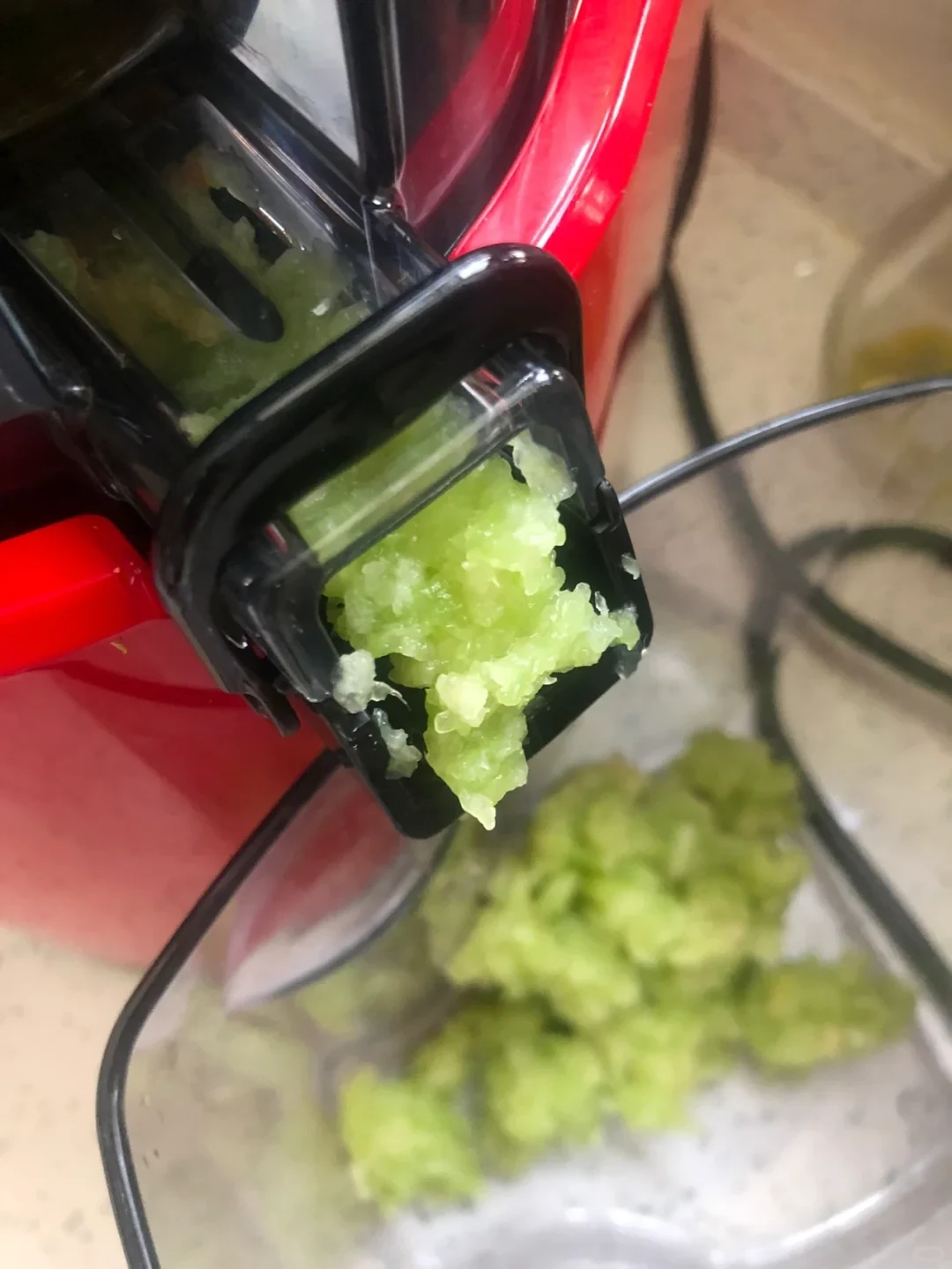
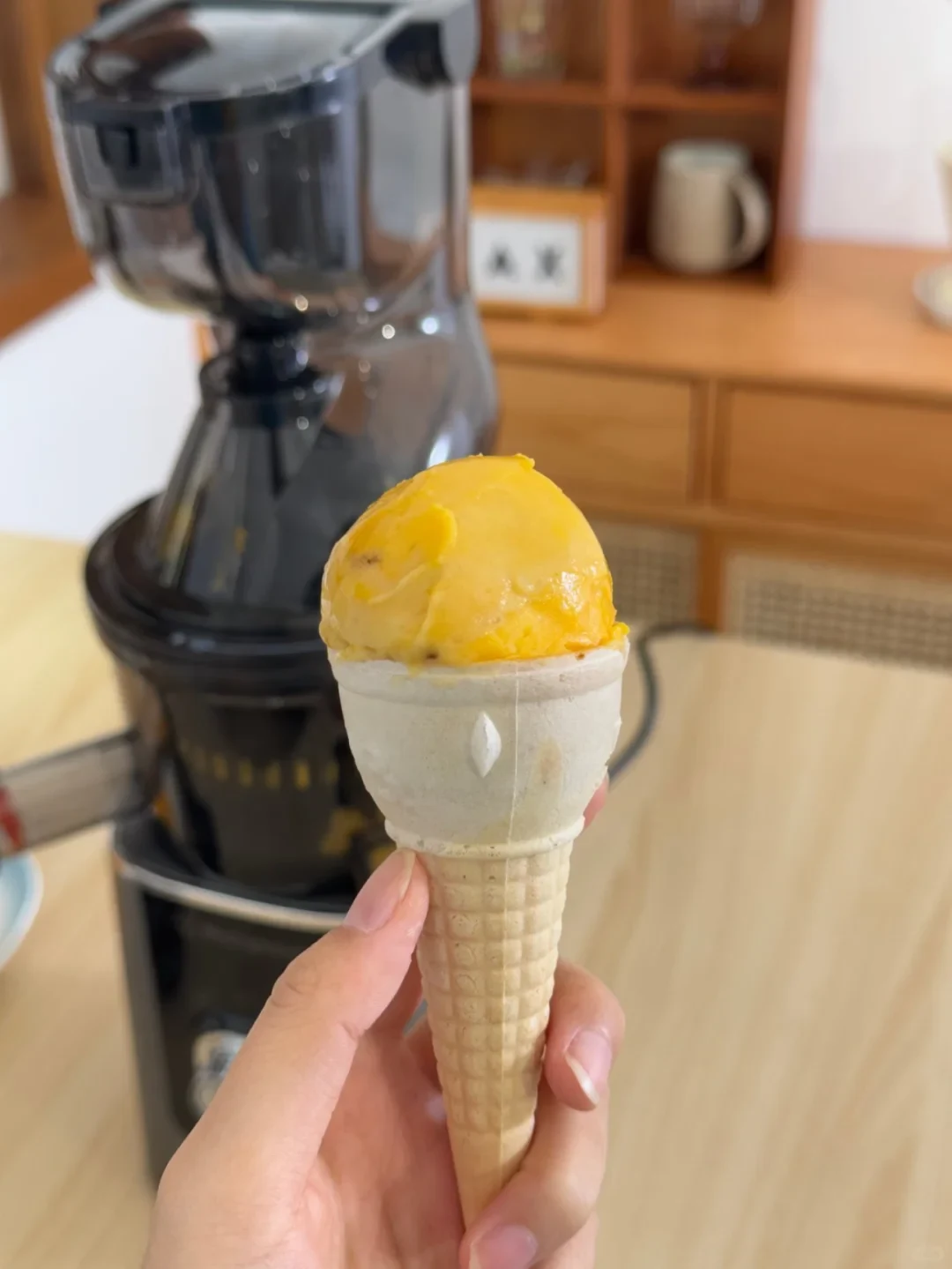
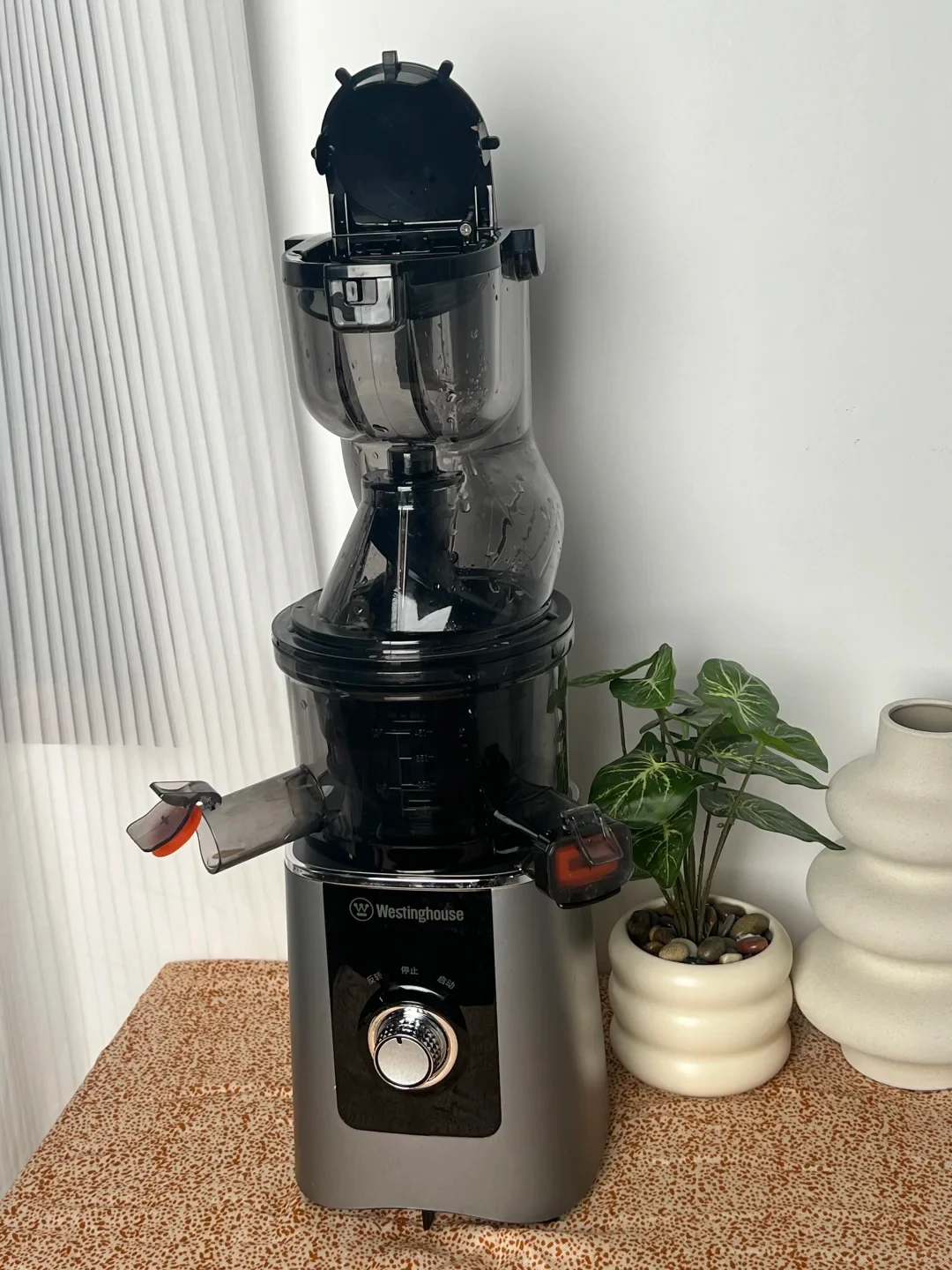
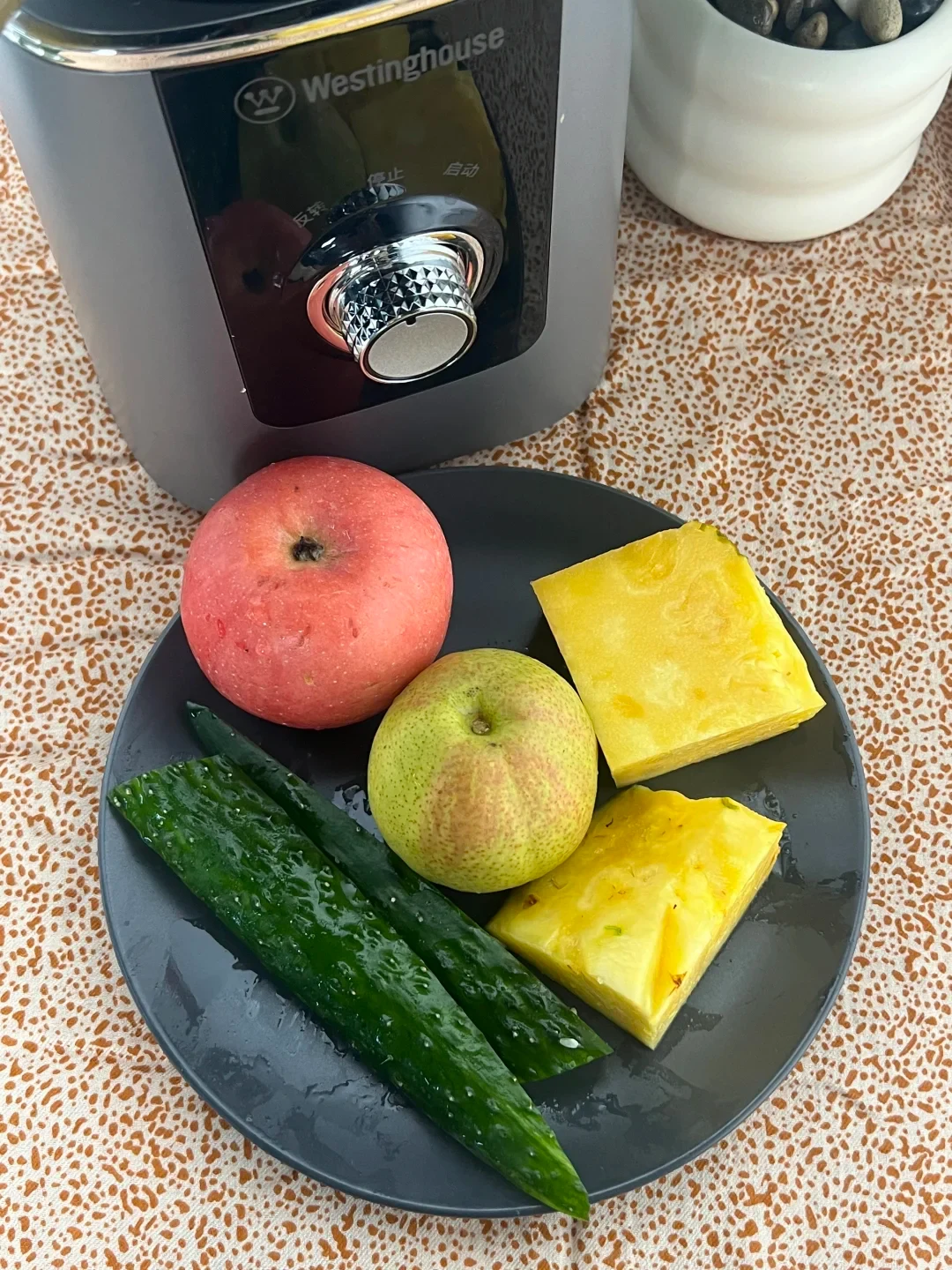
A while ago, I bought a Westinghouse juicer. Customer service had told me it could make ice cream, and at first I was skeptical—how could it be that capable? Once it arrived, I tried it and found that it really worked!
It uses frozen fruit, pressing it into a strand that comes out of an outlet. I think this fruit ice cream is much healthier than what you buy outside: shop-bought versions are full of additives, while this is all-natural. For whatever flavor you want, freeze the fruit for a day, then take it out the next day and make the dessert. But I only tried it for fun. I bought a juicer mainly to drink juice.
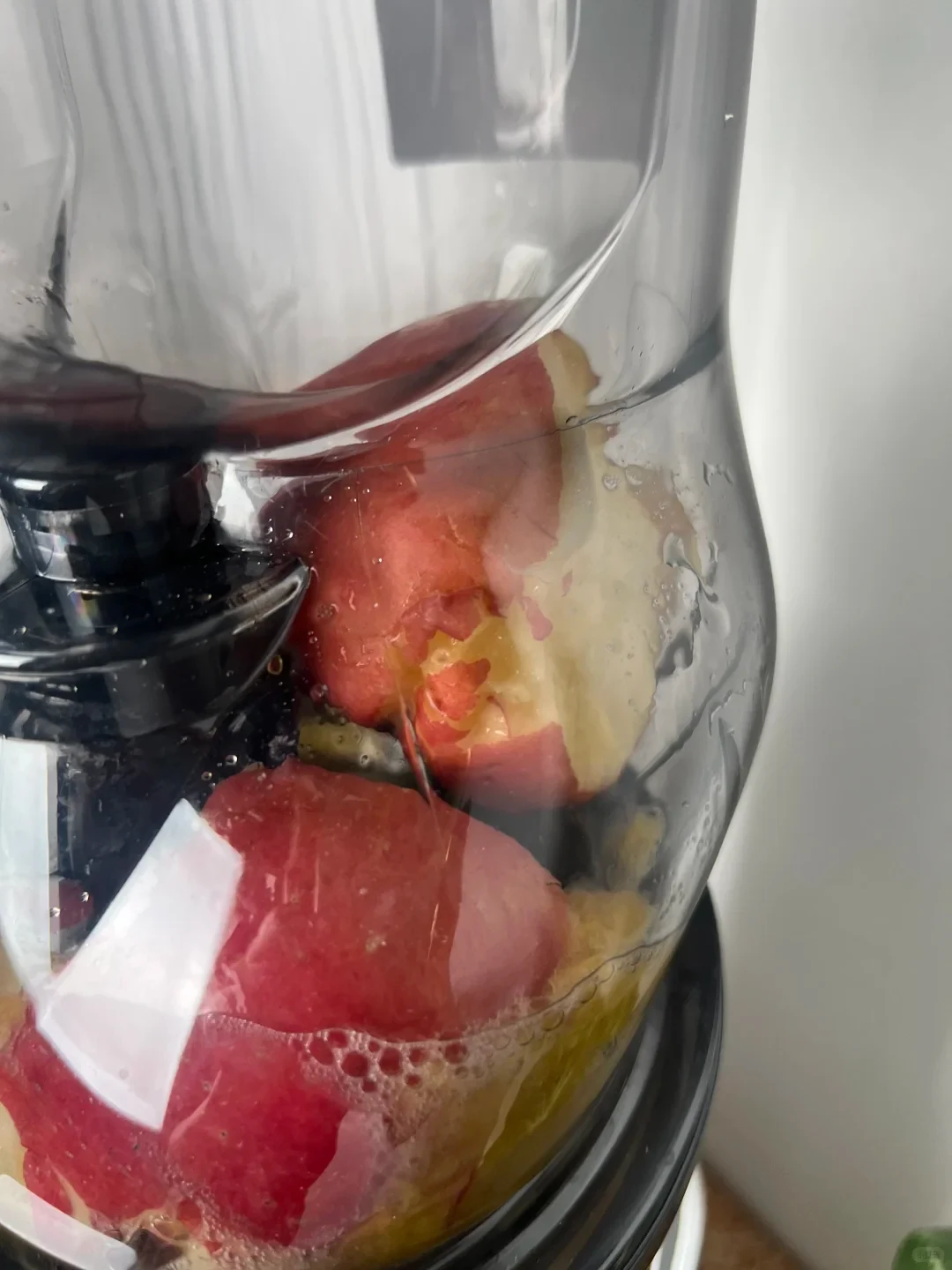
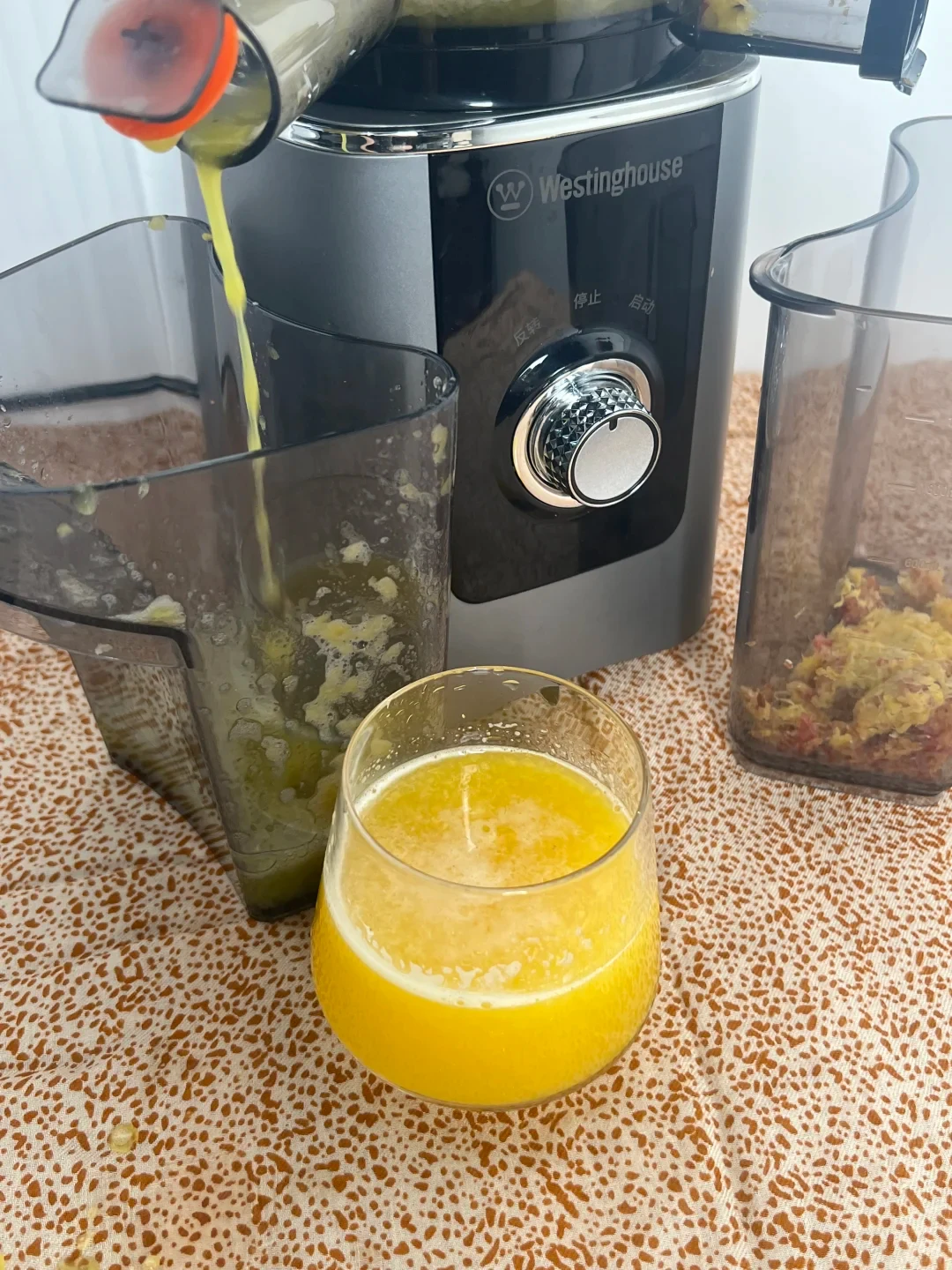
This Westinghouse juicer is also easy to use for juice. I can put fruit in without cutting it into pieces, and I don’t need to peel it. The pulp-and-juice separation design presses the pulp out through one outlet, while the juice comes out through another. It yields a lot: almost half a cup more than my previous regular juicer, and the juice tastes smooth—nothing like milk tea or ready-made juice.
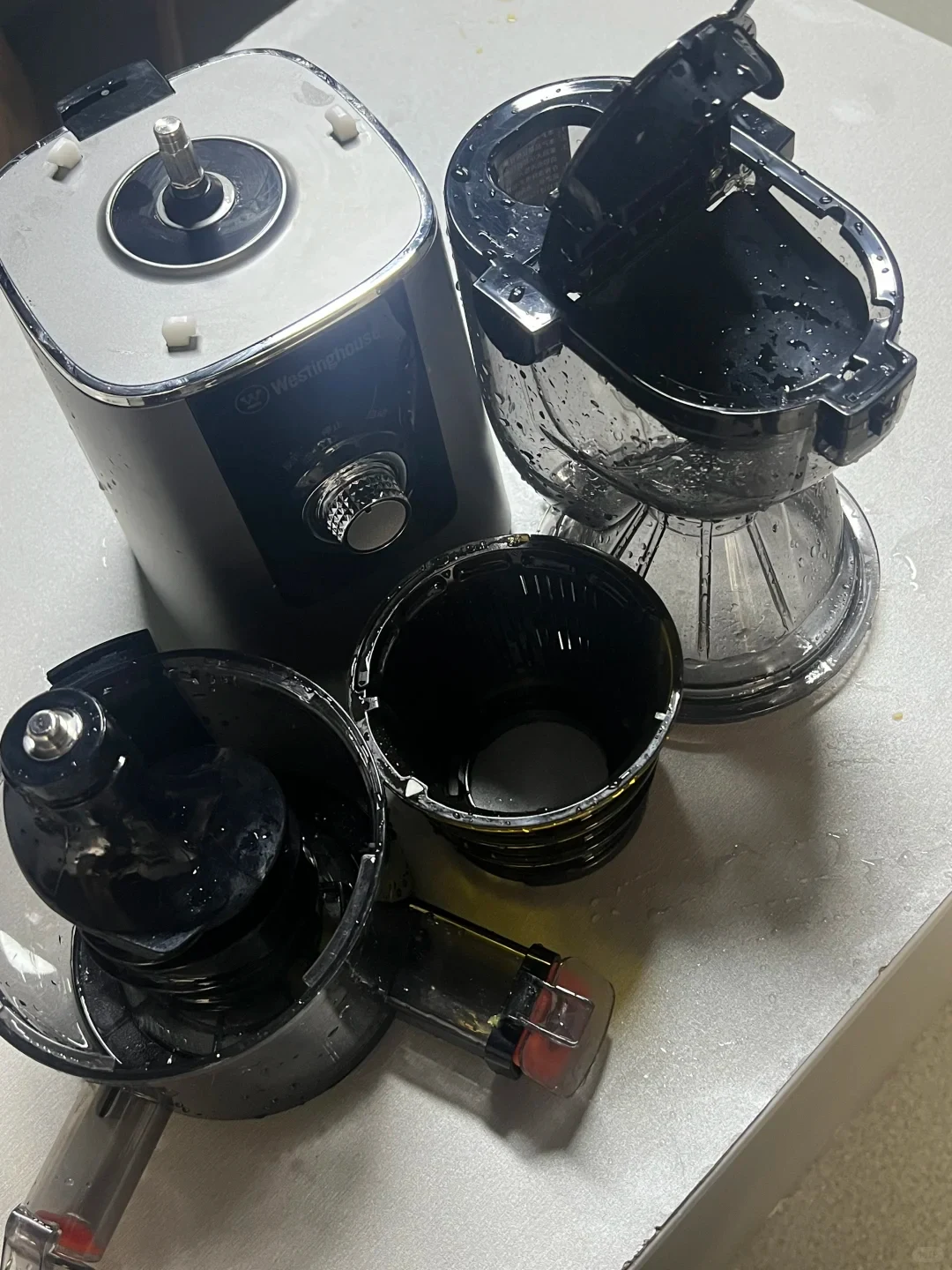
There don’t seem to be any awkward spots to clean, and washing it is easy. After juicing mango once, I thought the sticky pulp would be hard to remove. But I rinsed the filter under water for two seconds and it was clean! I only needed to turn it around a couple of times with a dishcloth to remove the sugars.
Since I bought this machine, I haven’t bought milk tea or drinks outside this summer. I juice with it almost every day. I haven’t found a downside yet; if I had to name one, it’s that it uses up a lot of fruit.
Source: 小马发发爱吃 · Xiaohongshu · 2025-06-26 · 复刻一下网上大火的原汁机冰淇淋. Search this Chinese title in Xiaohongshu to find the original post.
Before You Buy
Models in your region
The owner’s photos show a black-and-silver Westinghouse juicer, but neither the post nor the images establish its model. The European WKJS618 and the WKJS230 instructions are references to other Westinghouse juicers, not confirmed regional versions of the owner’s machine. Their specifications and care guidance should not be assumed to apply to it.
| Model in this review | Related regional model | What to know |
|---|---|---|
| Westinghouse juicer (model not identified) | Westinghouse WKJS618 (Europe (2019 catalogue)) | The owner’s machine is not identified as the European WKJS618. That catalogue model is a related vertical slow juicer; the shared brand and broad design do not establish the same model, frozen-fruit approval, or interchangeable parts. |
| Westinghouse juicer (model not identified) | Westinghouse WKJS230 (Manufacturer instructions with EU disposal section) | The owner’s machine is not identified as the WKJS230. Its separate instructions say not to process ice or frozen fruit and call for brushing the strainer and washing removable parts; those directions do not confirm the owner’s model’s requirements. |
- Model in this review
- Westinghouse juicer (model not identified)
- Related regional model
- Westinghouse WKJS618 (Europe (2019 catalogue))
- What to know
- The owner’s machine is not identified as the European WKJS618. That catalogue model is a related vertical slow juicer; the shared brand and broad design do not establish the same model, frozen-fruit approval, or interchangeable parts.
- Model in this review
- Westinghouse juicer (model not identified)
- Related regional model
- Westinghouse WKJS230 (Manufacturer instructions with EU disposal section)
- What to know
- The owner’s machine is not identified as the WKJS230. Its separate instructions say not to process ice or frozen fruit and call for brushing the strainer and washing removable parts; those directions do not confirm the owner’s model’s requirements.
Identify the juicer before applying its care advice
The post identifies the appliance only as a Westinghouse juicer. Its photos show a black-and-silver machine with a clear chamber and separate outlets, but no visible model number establishes which product it is. The frozen-fruit dessert and whole-fruit claims therefore apply to the experience with that unidentified machine, not to every Westinghouse juicer.
The European WKJS618 catalogue entry is for a related vertical slow juicer, but it does not establish that the owner used that model or that frozen fruit is permitted. The separate WKJS230 instructions explicitly say not to process ice or frozen fruit and advise preparing and cutting food. If you are considering frozen-fruit recipes, check the manual for the exact model you own before trying them.
Juice yield and rinsing after use
The owner reports getting almost half a cup more juice than with the previous regular juicer, and describes the result as smooth. The post does not identify that earlier juicer or give measured test conditions, so the yield difference is the comparison rather than a model-wide performance result.
The owner also says a two-second rinse left the filter clean after one mango-juicing session, followed by a few turns with a dishcloth to remove sugar. That account does not establish the cleaning routine for other models: WKJS230 instructions call for immediate brushing of the strainer holes and washing removable parts in warm, soapy water. Check the instructions for the specific juicer, especially before relying on a quick rinse.
Juicing and frozen-fruit limits
Customer service suggested trying frozen-fruit dessert, and the owner reports that it worked, but describes the experiment as a novelty: the juicer was bought mainly for juice. The account reports almost-daily use that summer and no downside beyond using a lot of fruit. The post does not establish the exact model’s approved ingredients or preparation requirements, so those should be confirmed in its own manual.
What the photographs and short clips establish
The ingredient photograph includes cut, peeled pineapple. The saved clip previews show fruit on a plate, fruit being processed and juice collecting in a container; these views alone do not establish a frozen-dessert process or a complete wash. The no-cut, no-peel description and two-second filter rinse therefore do not establish preparation or cleanup requirements for every ingredient or an entire timed cleaning cycle.
The dessert photograph shows the finished cone, without an ingredient list or a health comparison. The post does not establish that all shop-bought desserts are full of additives or that this dessert is healthier; those are the owner’s views.
Related Reading
Reviews & Guides · Kitchen & Dining
Westinghouse Y52: easier pulp-outlet cleaning and whole-fruit juicing
I replaced my hard-to-clean juicer with the Westinghouse Y52. Its hinged pulp outlet rinses clean more easily, and I can juice whole apples and tomatoes.
Reviews & Guides · Kitchen & Dining
Westinghouse K16: removable grinder parts made cleaning easier
I switched from a hard-to-clean automatic machine to the Westinghouse K16; its removable hopper and burr make routine grinder cleaning easier.
Reviews & Guides · Kitchen & Dining
Westinghouse K35 after six months: simple coffee, small tanks
I used my Westinghouse K35 for six months: its one-touch drinks suit my milk-coffee routine, but the small water and waste tanks need attention.