
Reviews & Guides · Kitchen & Dining
My Hurom H300: wet pulp, celery jams and hard-water residue
Reviewed: Hurom H300Regional reference: Hurom H300E (UK)
I found wet pulp when juicing cucumber and pear, and celery could jam unless cut small. In my hard-water area, residue appeared after the parts dried.
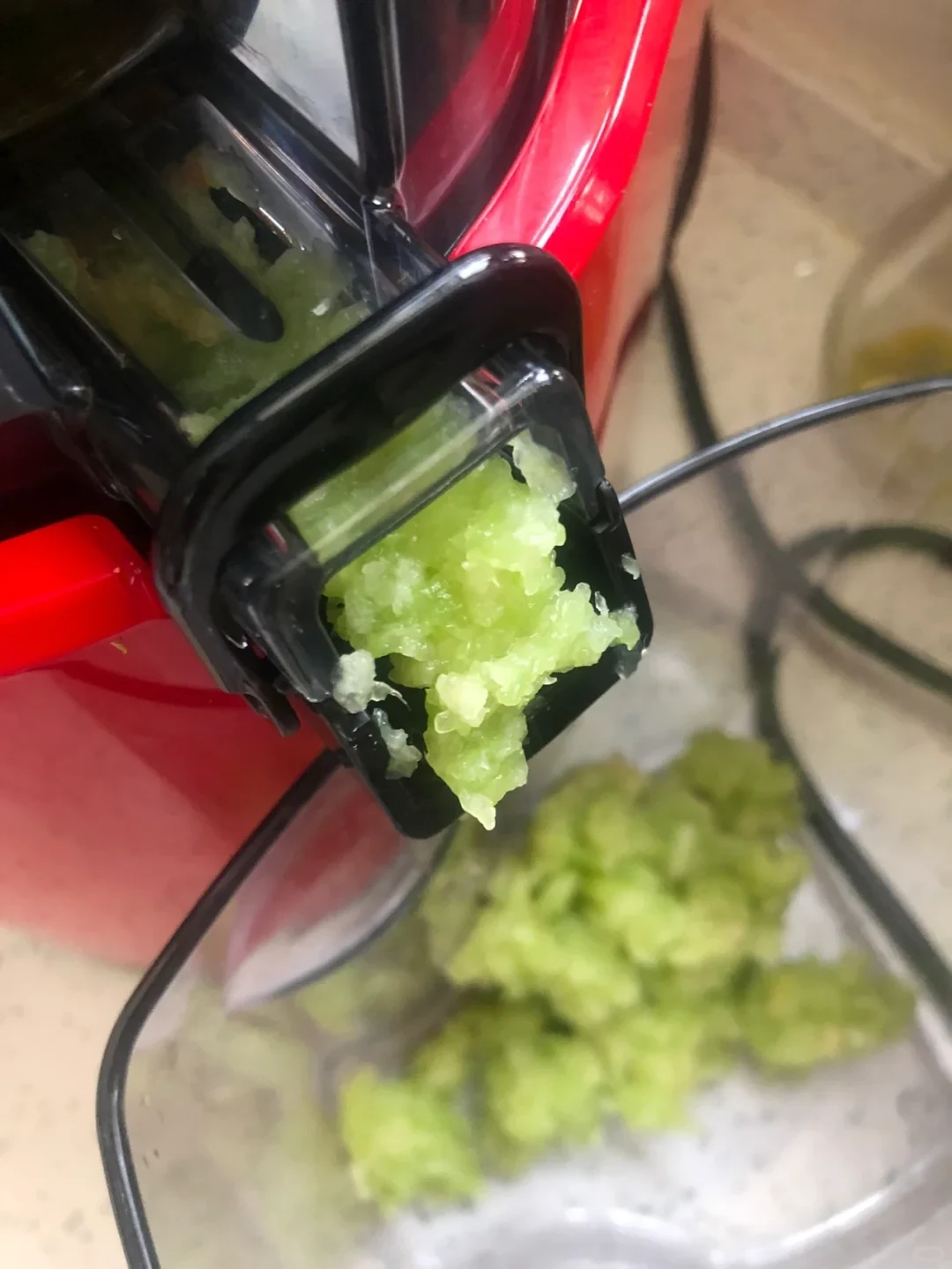
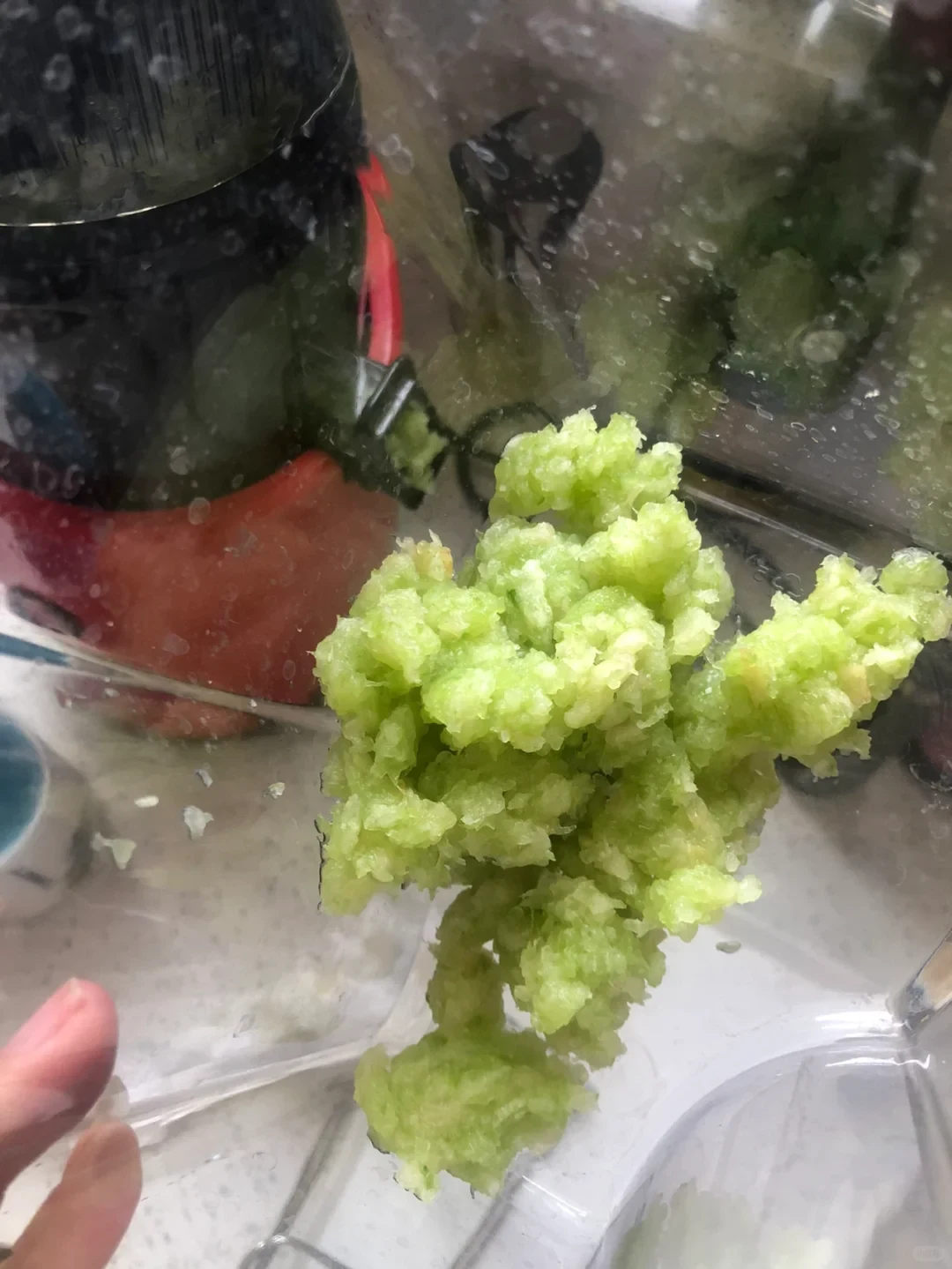
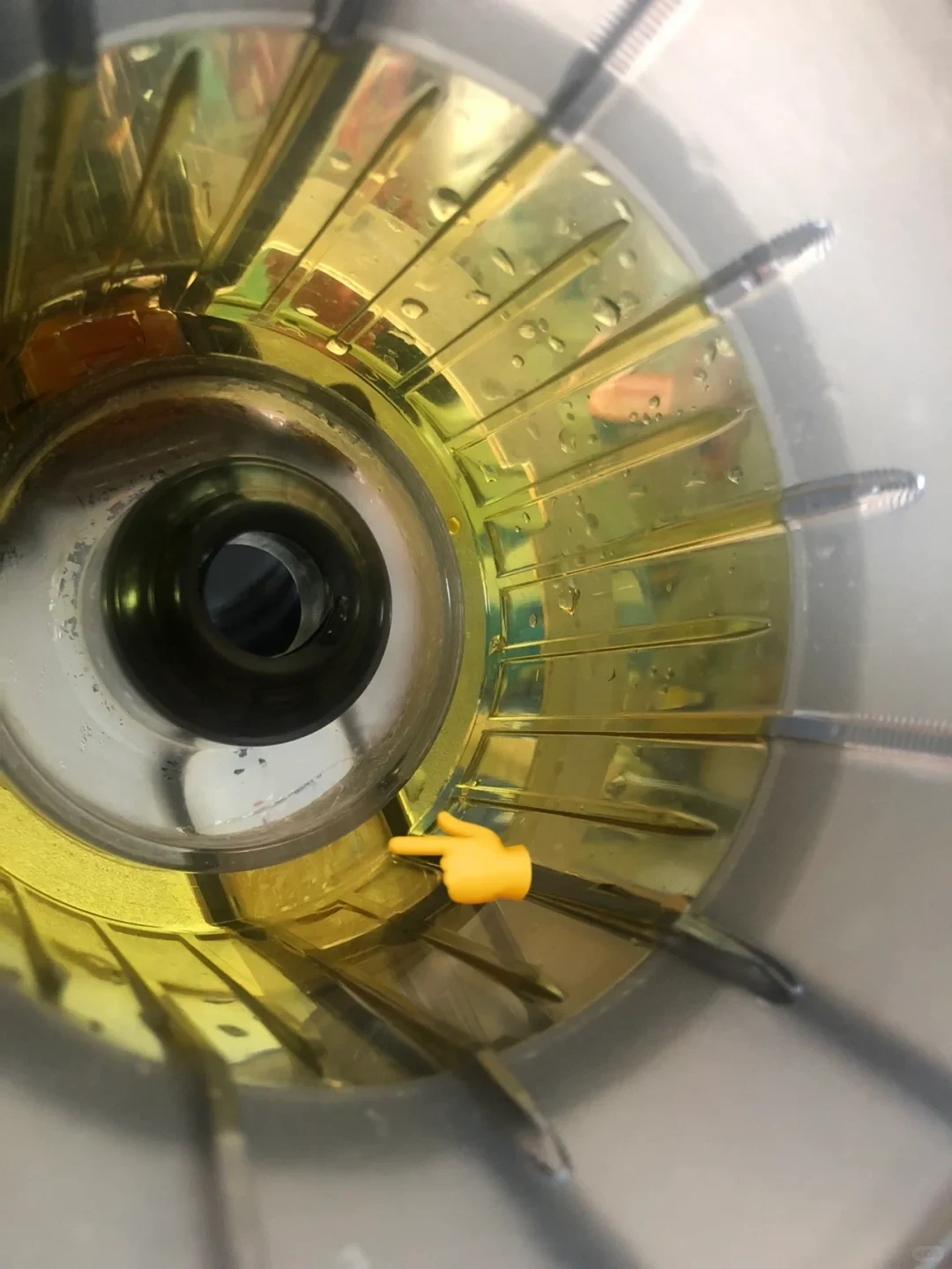
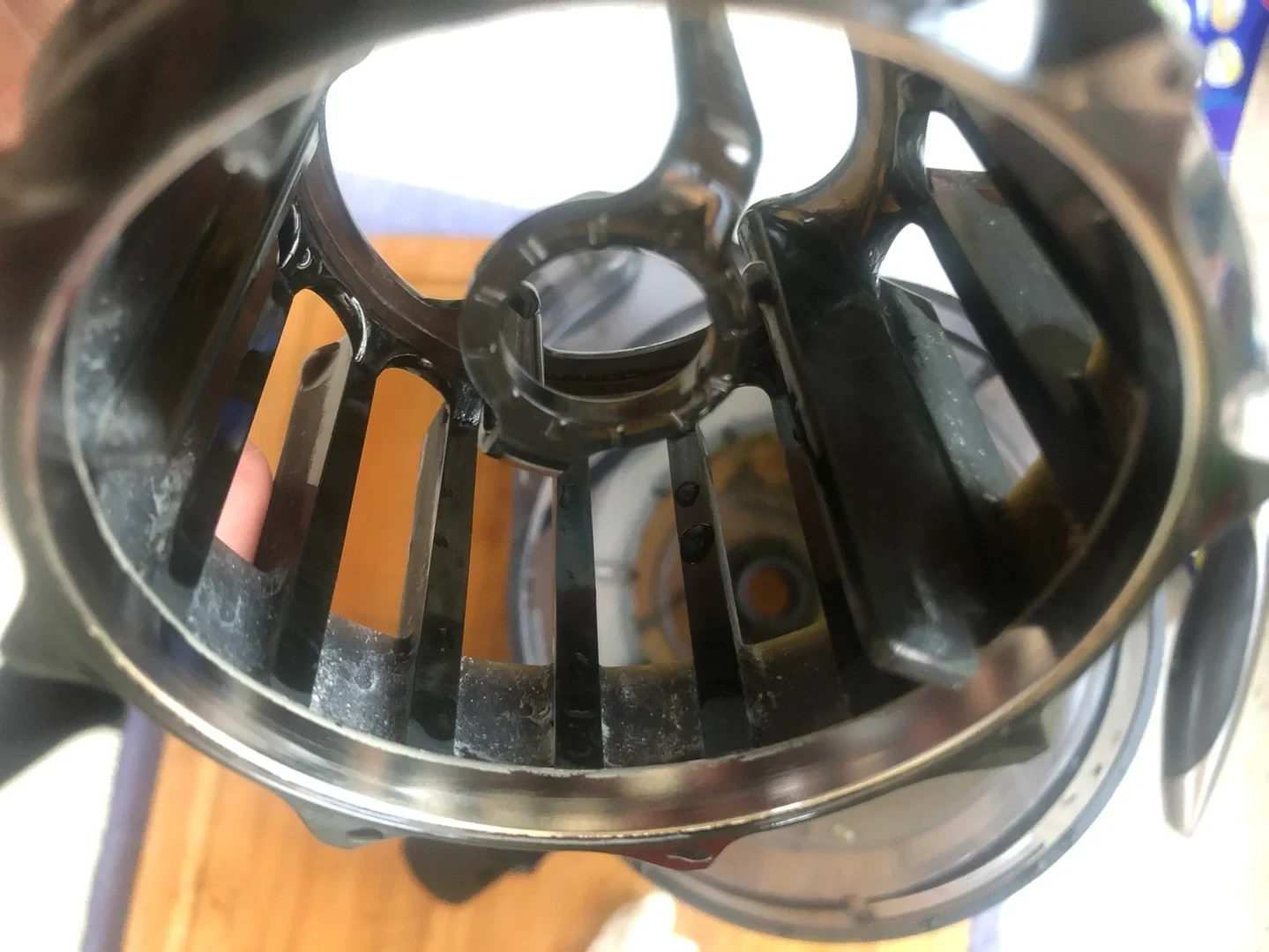
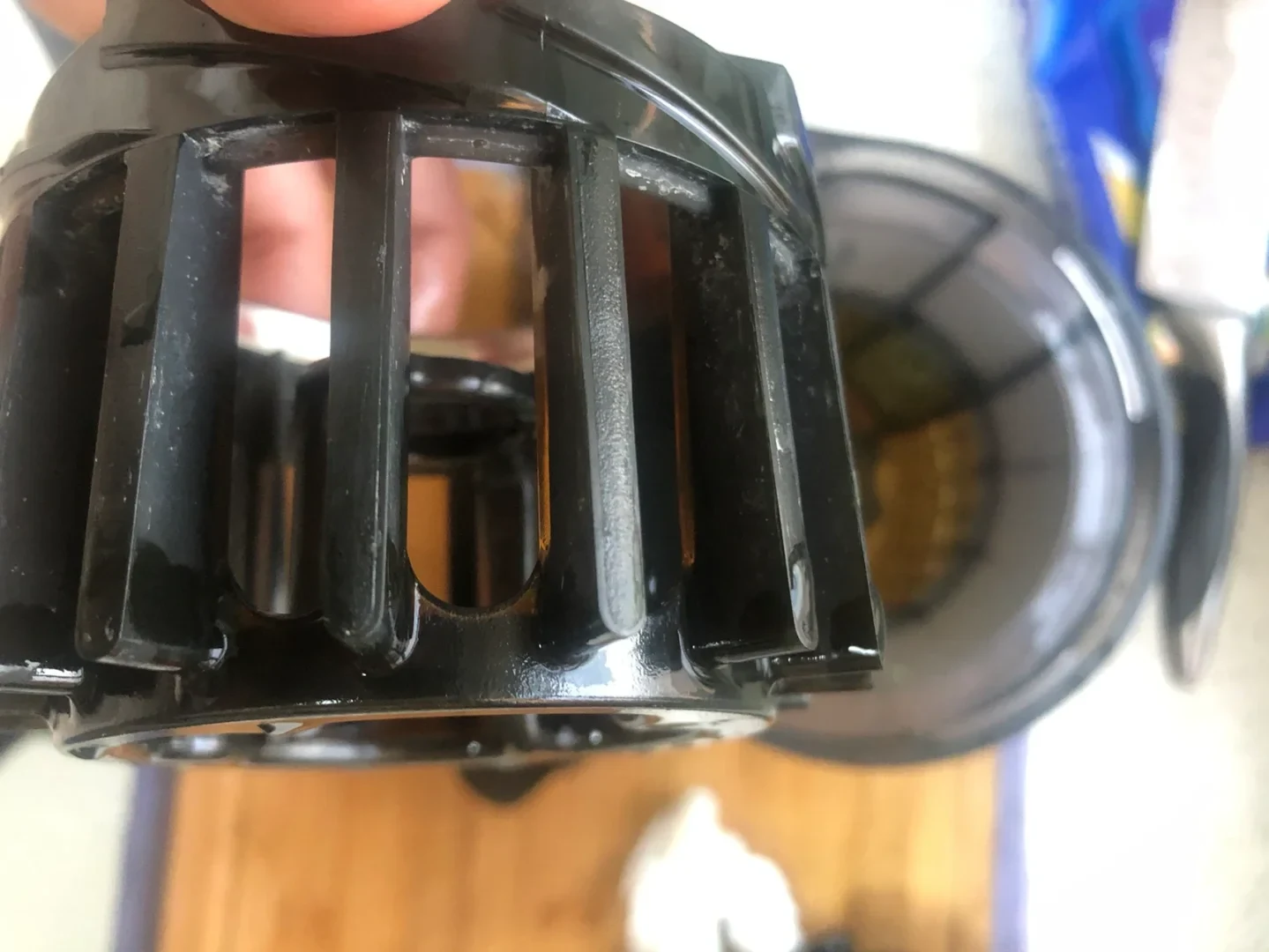
Hurom H300: When I first used it to make celery juice, the pulp looked wet, so I thought celery was the reason. But today I juiced cucumber and pear, and the amount of moisture left me speechless.
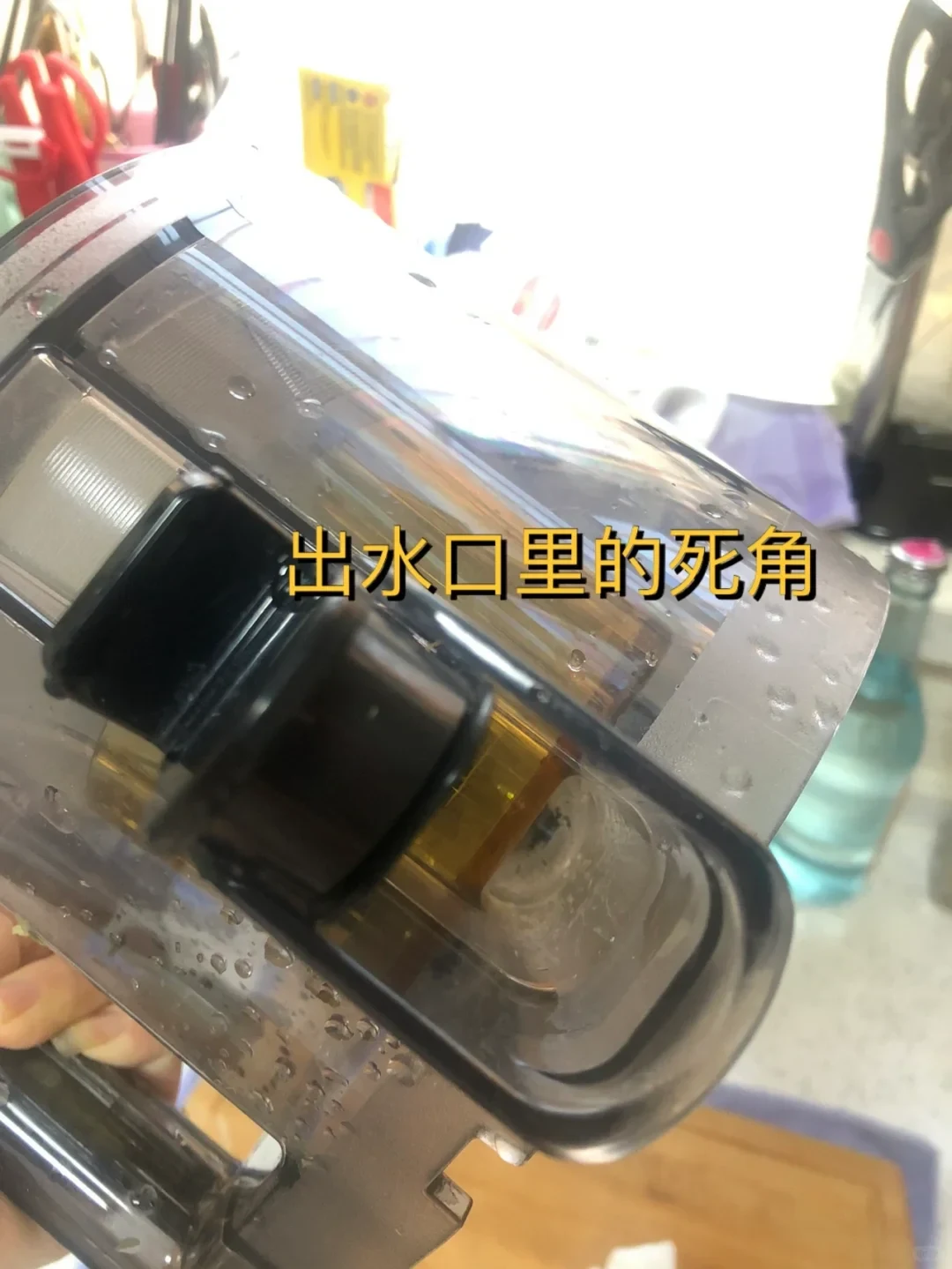
What I learned is that I should have bought a juicer with a metal filter. Don’t count on this one being easy to clean—it really isn’t, and there are many corners I can’t reach. The quick rinse shown in the promotional photos is not realistic. When I asked customer service how to clean the residue, they recommended soaking the parts in citric acid once every month or two.
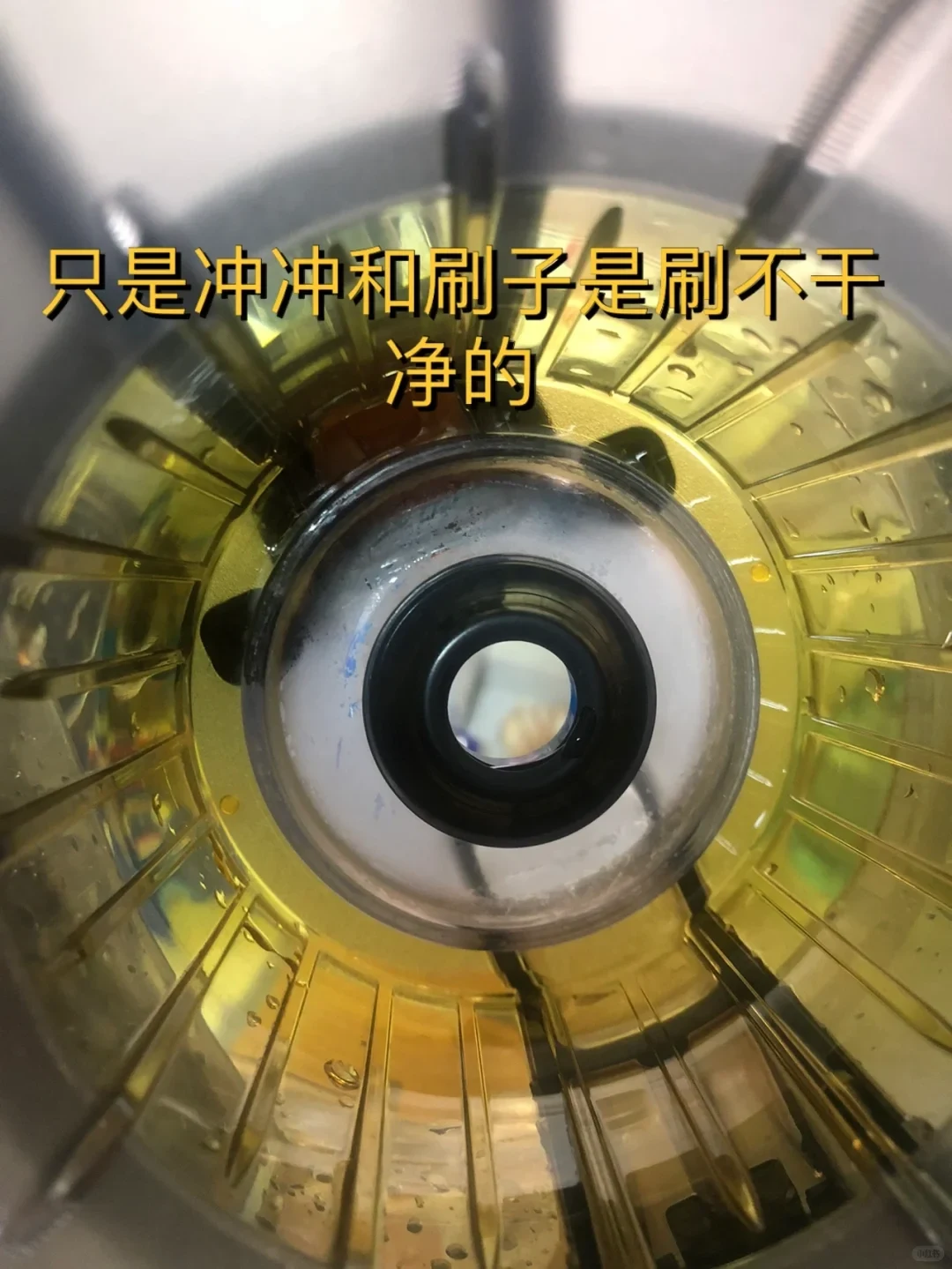
So a domestic juicer costing 400–500 yuan, such as a Joyoung wide-feed model, can absolutely be an alternative. I hope you won’t pay this much for a lesson like I did. Did I choose it because it looks good and is big? The bigger it is, the more frustrating it is to use—and it can’t possibly be easy to clean. Celery has to be cut into small pieces, or the pulp won’t come out and it can easily clog. I added photos later: our water is quite hard, so the residue builds up badly. You can’t see it while the parts are wet. That makes this harder to clean than a juicer with a filter.
Source: 訷奇dé小錵 · Xiaohongshu · 2022-05-02 · 吐槽一下3000元的原汁机(加了难清洗照片). Search this Chinese title in Xiaohongshu to find the original post.
Before You Buy
Models in your region
The owner identifies the juicer as a Hurom H300, but the account does not provide its full rating-plate suffix. Hurom’s UK H300E is in the same named H300 family; the available evidence does not establish that its regional configuration is identical to the owner’s machine.
| Model in this review | Related regional model | What to know |
|---|---|---|
| Hurom H300 | Hurom H300E (UK) | The UK H300E uses a filterless Multi-screw Easy Press mechanism. The source identifies the H300 family; its full regional suffix is not shown. |
- Model in this review
- Hurom H300
- Related regional model
- Hurom H300E (UK)
- What to know
- The UK H300E uses a filterless Multi-screw Easy Press mechanism. The source identifies the H300 family; its full regional suffix is not shown.
Celery preparation and blockage
The owner reports celery blockage unless the stalks are cut small. For the UK H300E, the manual specifies pieces no longer than 3 cm: long, rough fibres can catch in the Multi-screw. A large self-feeding hopper therefore does not remove the need to prepare celery.
Hurom H300E · Europe (English H-300E Series manual hosted by Hurom Turkey)
Cleaning and hard-water residue
In this H300 account, residue in the chamber and outlet became apparent after the parts dried in the owner’s hard-water area. Customer service suggested a citric-acid soak every month or two. The post does not show a completed descaling treatment, so it cannot establish that the suggested soak removed the residue.
For routine care, the H300E manual calls for cleaning immediately after use and excludes dishwasher and dryer cleaning. Drying the disassembled parts also lets a user inspect areas that can look clear while wet, as the source photographs illustrate.
Kitchen space and electrical supply
The UK H300E is listed at 45.9 cm tall, 22.9 cm wide and 22.1 cm deep, with a 220–240 V supply. Those dimensions help put the owner’s concern about its bulk into context: check the clearance above the intended counter position as well as space for removing and washing the chamber. The UK electrical specification is not a US power configuration.
Related Reading
Reviews & Guides · Kitchen & Dining
My Bincoo immersion dripper lost its steel ball during washing
I lost the valve ball while cleaning my Bincoo immersion dripper and bought five 14 mm spares. My receipt records the size; I didn’t report a sealing test.
Reviews & Guides · Kitchen & Dining
My 11-dripper comparison: why I used the Kalita Wave 155 and 185 least
I tried 11 pour-over drippers over time. I used my Kalita Wave 155 and 185 least because their papers lost shape during storage and rinsing.
Reviews & Guides · Kitchen & Dining
My four ceramic drippers: HARIO Alpha, V60, Shanwen 62 and Coffee Flower
I compared four ceramic drippers with washed Panama SL28. The Alpha felt weightier than my V60; I also compared Shanwen 62 and Coffee Flower.