
Anova Bluetooth Precision Cooker: steak notes for Precision Cooker 3.0 buyers
My Anova Bluetooth cooker gave me a juicy, evenly cooked steak. But getting the crust I wanted without overcooking it was another matter.
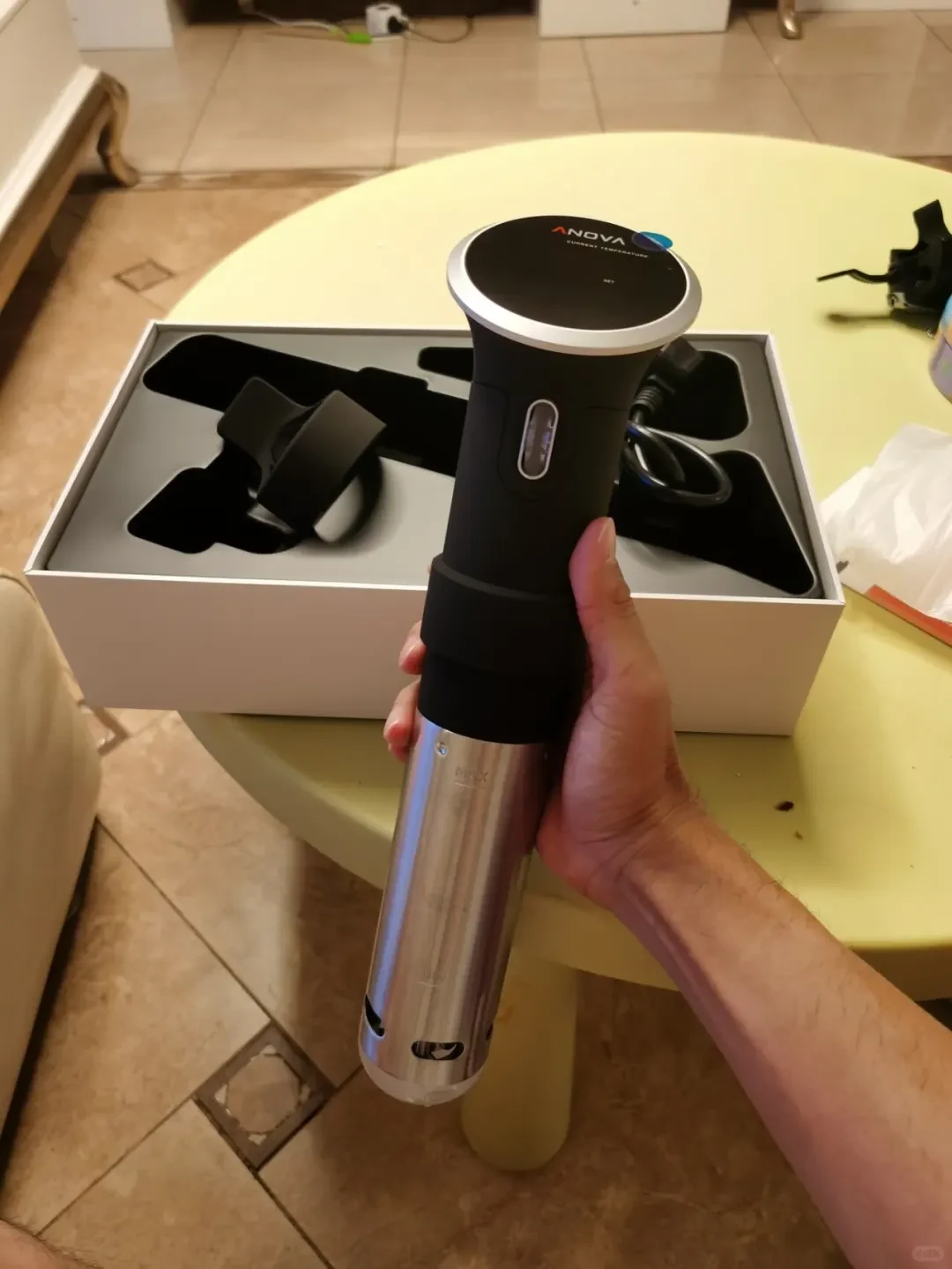
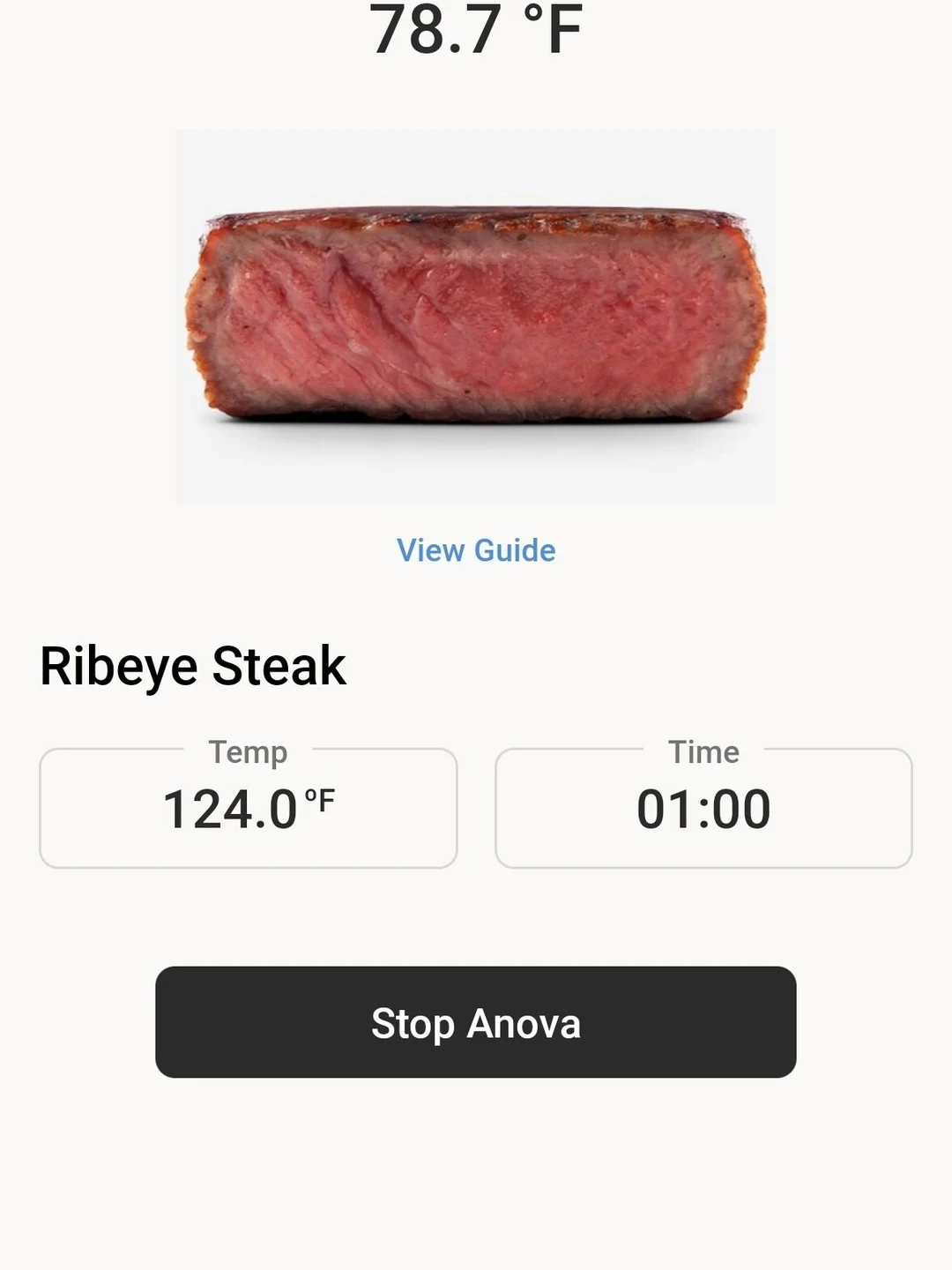
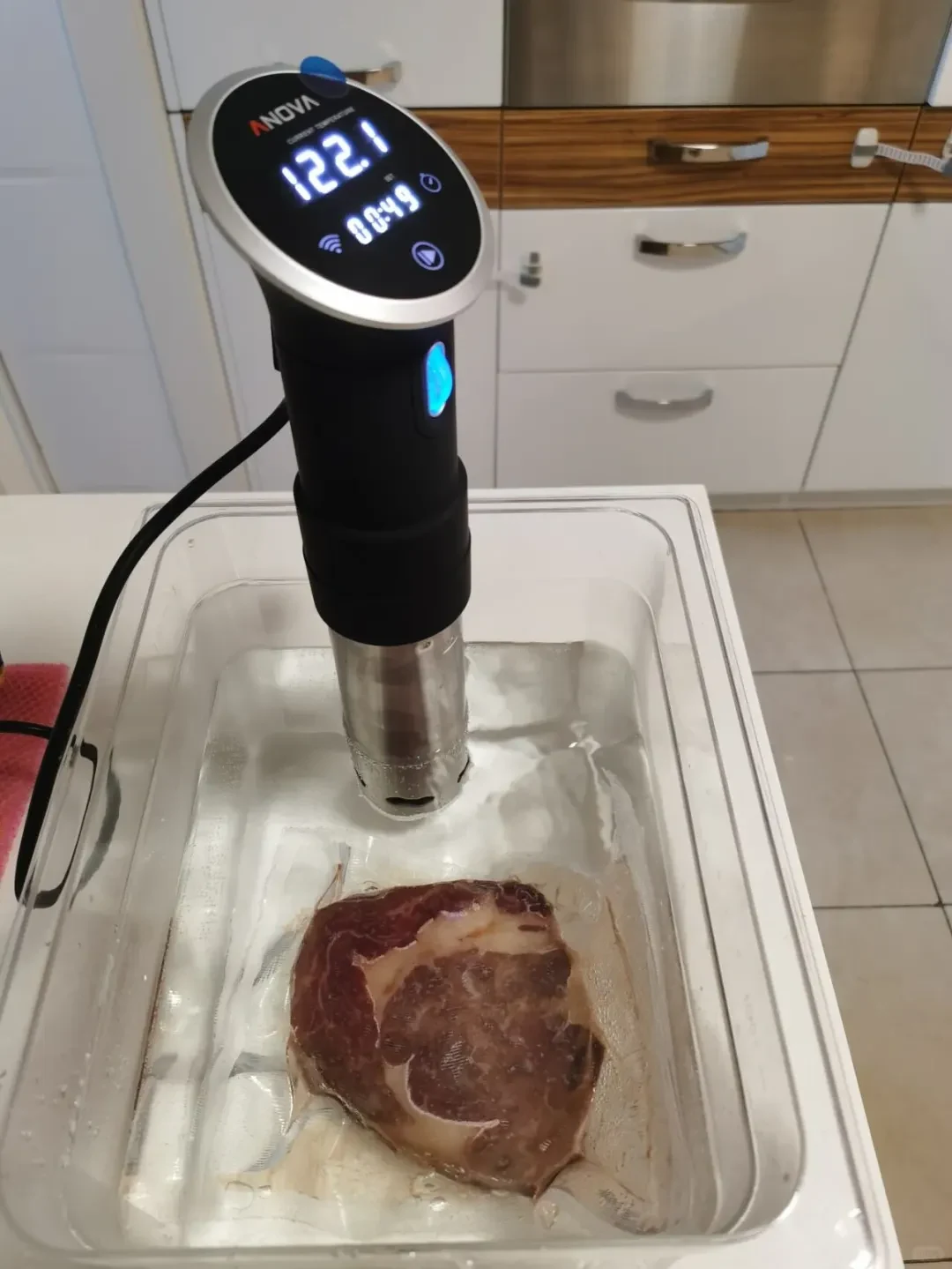
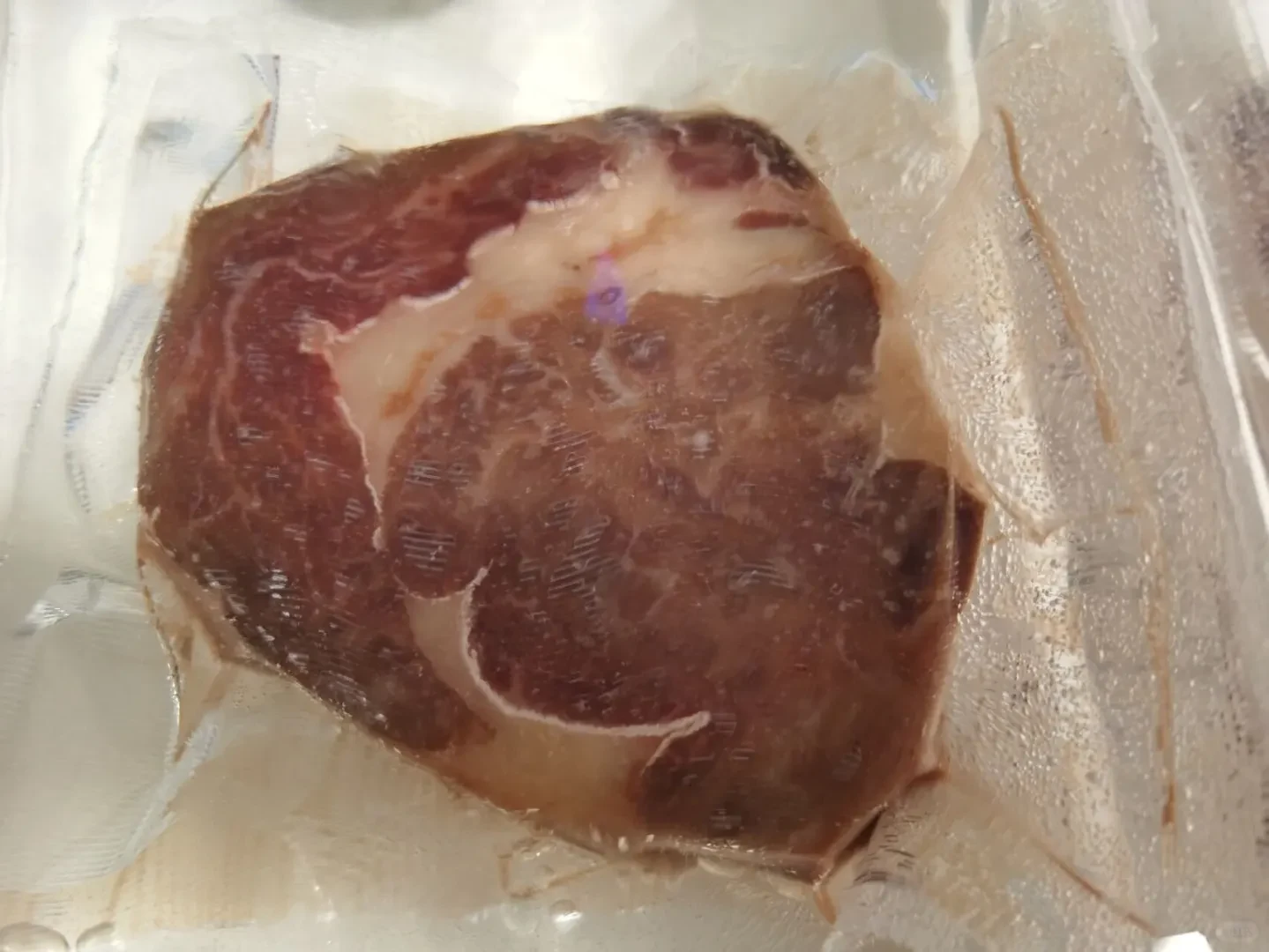
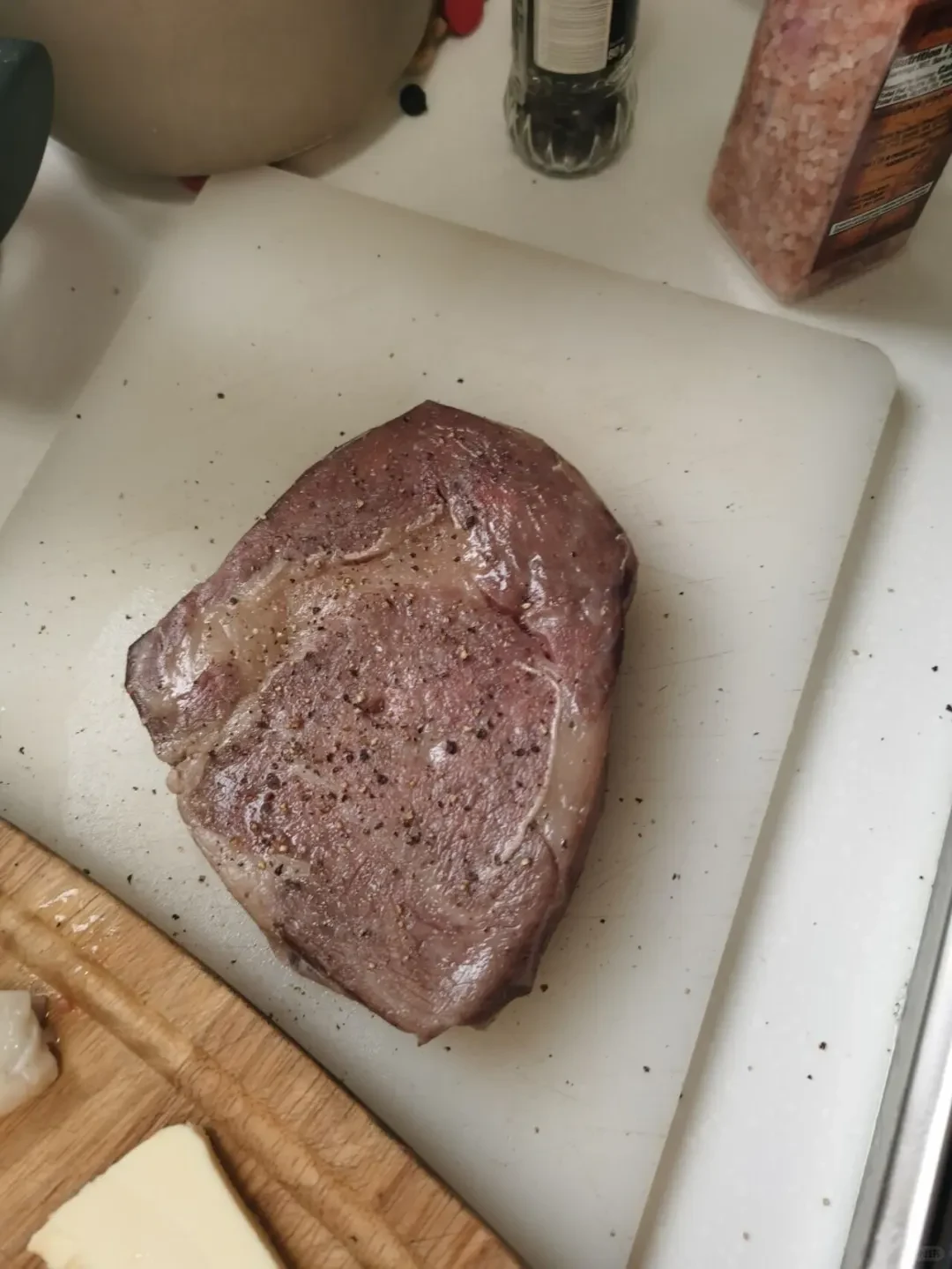
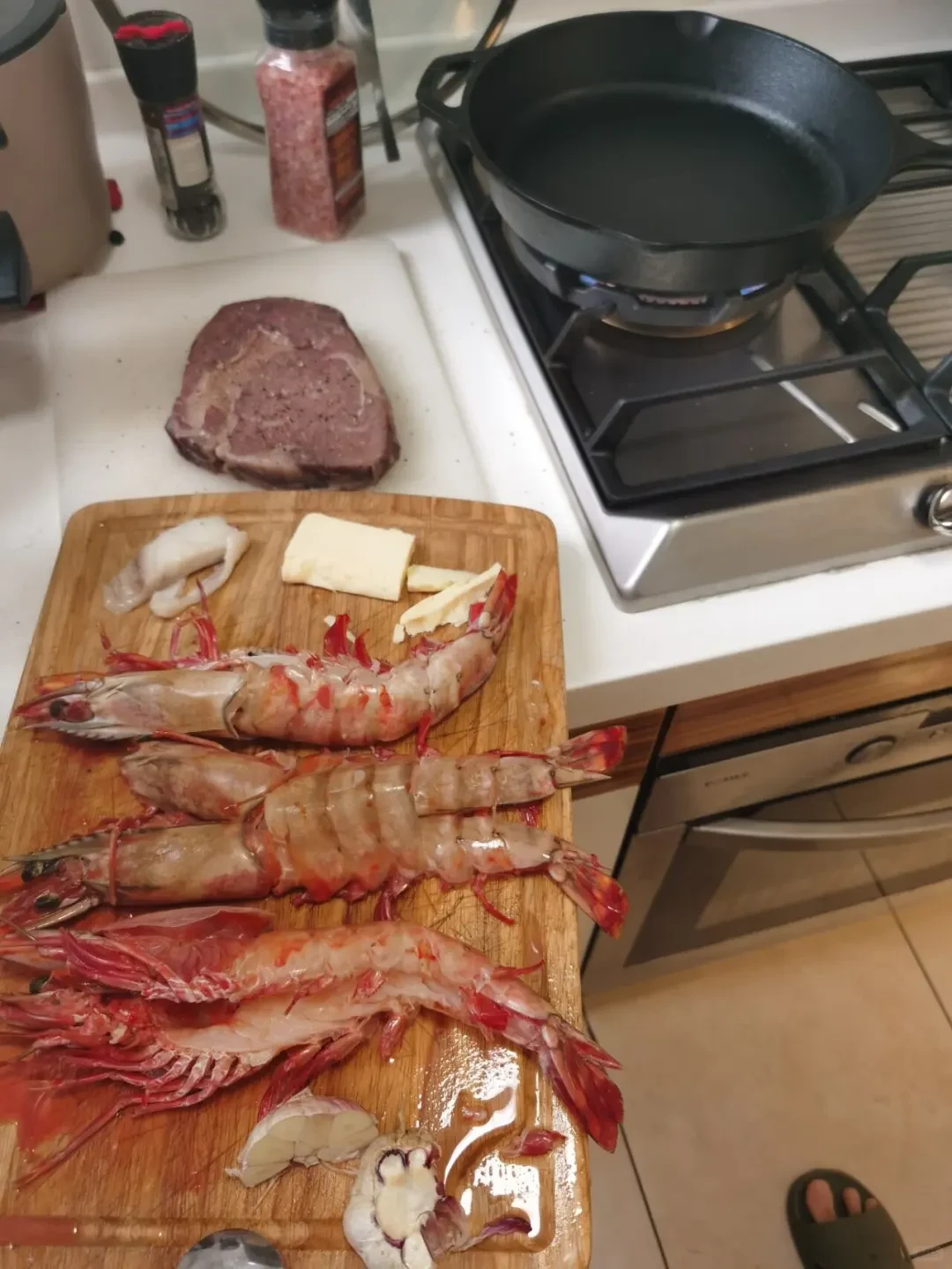
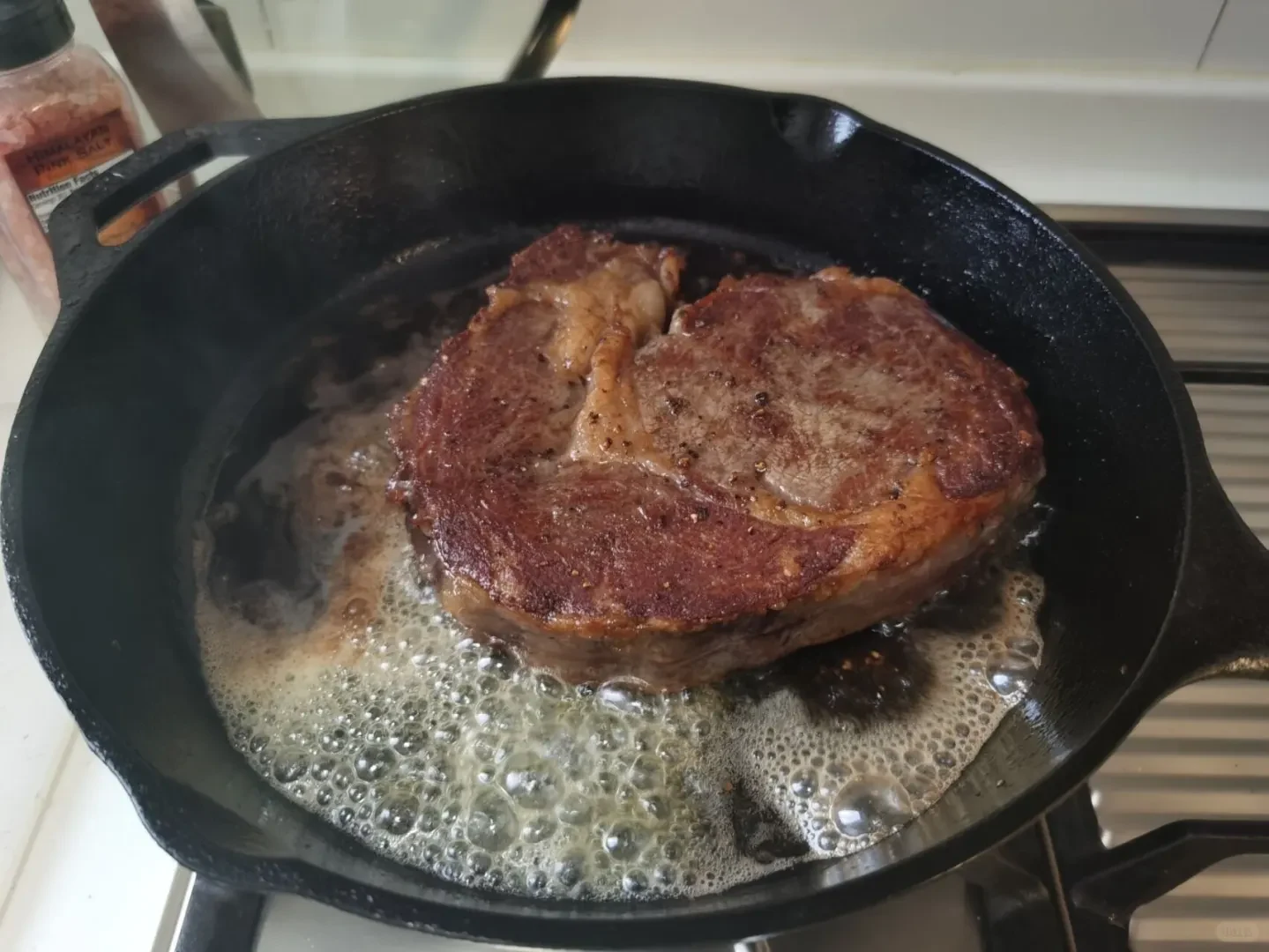
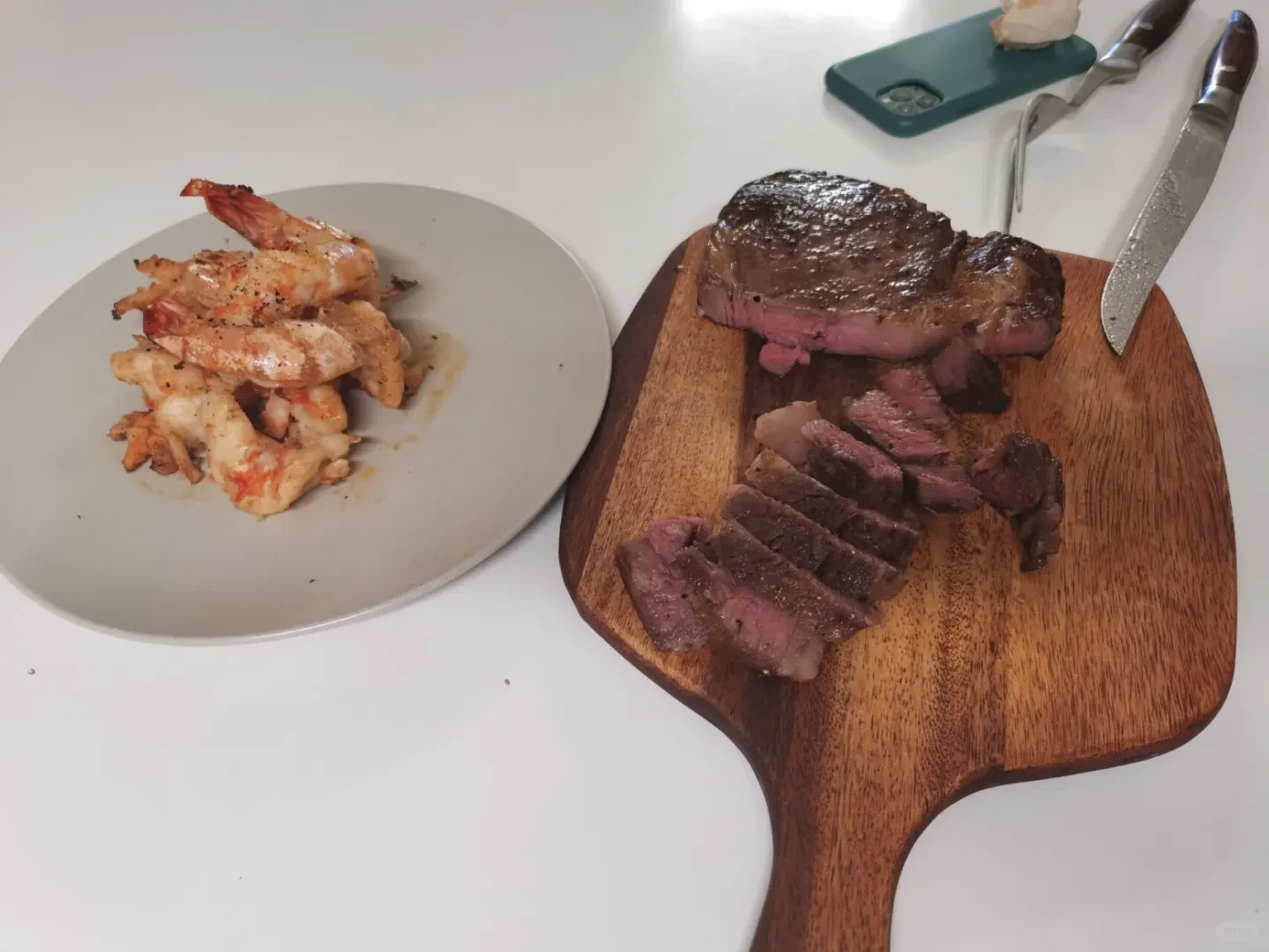
I had always cooked steak the traditional way. Whenever I failed to control the heat properly, the steak would end up dry and tough. After seeing several food creators recommend sous vide cooking, I bought Anova's second-generation Bluetooth version during the 618 shopping sale.
I used the app's recommended settings: rare doneness at 124°F (about 51°C) for one hour. The steak was very springy after cooking. Because it was thick-cut, I seared each side twice to ensure a sufficiently browned crust.
Tasting notes
The sous vide texture really was good, with plenty of juice, even doneness, and a pleasantly soft, chewy texture. That is the advantage.
The drawback is that the inside was already close to the desired doneness after sous vide cooking, so I did not dare sear it for too long. I felt the Maillard browning was not sufficiently developed, and the steak's flavor did not come through as well as with the traditional searing method. Some people say you can use a blowtorch to create a browned crust, but I really did not want to buy another piece of equipment.
So I feel that traditional searing and sous vide each have their strengths, with neither method clearly winning.
Source: near · Xiaohongshu · 2020-07-05 · 用anova的低温慢煮机做牛排. Search this Chinese title in Xiaohongshu to find the original post.
Before You Buy
Models in your region
The owner identifies the cooker as Anova's second-generation Bluetooth model, not Precision Cooker 3.0. The supplied US and German official pages describe the newer 3.0 as a regional alternative, so buyers should not assume that its connectivity, power, controls, or mains rating match the owner's device.
| Model in this review | Related regional model | What to know |
|---|---|---|
| Anova Precision Cooker second-generation Bluetooth | Anova Precision Cooker 3.0 (US) | The newer US Precision Cooker 3.0 lists dual-band Wi-Fi, a touchscreen, 1100 W power, 8 L/min flow and a 0–92°C range. These specifications apply to the 3.0, rather than the older Bluetooth cooker reviewed here. |
| Anova Precision Cooker second-generation Bluetooth | Anova Precision Cooker 3.0 (Germany) | The German Precision Cooker 3.0 is a newer model than the second-generation Bluetooth cooker reviewed here. The German page describes the newer 3.0 with dual-band Wi-Fi, 1100 W power, 8 L/min circulation, a removable skirt, and a detachable clamp. Confirm the actual regional mains rating rather than relying on a plug adapter. |
- Model in this review
- Anova Precision Cooker second-generation Bluetooth
- Related regional model
- Anova Precision Cooker 3.0 (US)
- What to know
- The newer US Precision Cooker 3.0 lists dual-band Wi-Fi, a touchscreen, 1100 W power, 8 L/min flow and a 0–92°C range. These specifications apply to the 3.0, rather than the older Bluetooth cooker reviewed here.
- Model in this review
- Anova Precision Cooker second-generation Bluetooth
- Related regional model
- Anova Precision Cooker 3.0 (Germany)
- What to know
- The German Precision Cooker 3.0 is a newer model than the second-generation Bluetooth cooker reviewed here. The German page describes the newer 3.0 with dual-band Wi-Fi, 1100 W power, 8 L/min circulation, a removable skirt, and a detachable clamp. Confirm the actual regional mains rating rather than relying on a plug adapter.
What the owner tested
The owner's test was one thick-cut steak cooked sous vide at 124°F (about 51°C) for one hour using the app's rare recommendation, followed by two searing passes on each side. This is an individual cooking result, not a general guarantee for every steak or thickness.
Anova's supplied steak guidance places rare cooking at 120–128°F (about 49–53°C) for one to two and a half hours, with timing dependent on thickness. It also cautions that cooking below 130°F (54°C) must not exceed two and a half hours, so the owner's one-hour cook should not be presented as a pasteurization guarantee.
Texture versus browning
The owner valued the sous vide steak's abundant juice, even doneness, and tender, springy texture. For shoppers choosing this method, the clearest reported benefit is consistent interior doneness in this single thick-cut steak, rather than a claim about performance across all cuts.
The owner found the crust and overall flavor less satisfying than with traditional searing because the interior was already near the target doneness, limiting how long the steak could remain in the pan. A separate blowtorch was suggested as a possible crust solution, but the owner did not want to buy extra equipment.
The practical choice is therefore a trade-off: sous vide gave this owner even, juicy results, while traditional searing produced a preferred balance of browning and flavor. The source concludes that neither approach clearly wins.
What regional buyers should verify
The US Precision Cooker 3.0 listing specifies 1100 W, dual-band Wi-Fi, a two-line touchscreen for direct time and temperature control, 8 L/min circulation, a removable skirt, and an adjustable detachable clamp. These are official 3.0 specifications, not confirmed specifications for the owner's second-generation Bluetooth cooker.
The German regional listing also describes Precision Cooker 3.0, including 1100 W power, dual-band Wi-Fi, 8 L/min circulation, a removable skirt, and a detachable clamp. Buyers in Germany should verify the mains rating on the actual unit; a plug adapter does not by itself change voltage.
Because the source model is older and only partially identified, buyers should confirm the exact model number, connectivity, controls, and electrical requirements before treating this experience as directly representative of a regional Precision Cooker 3.0 purchase.
Related Reading
Reviews & Guides · Kitchen & Dining
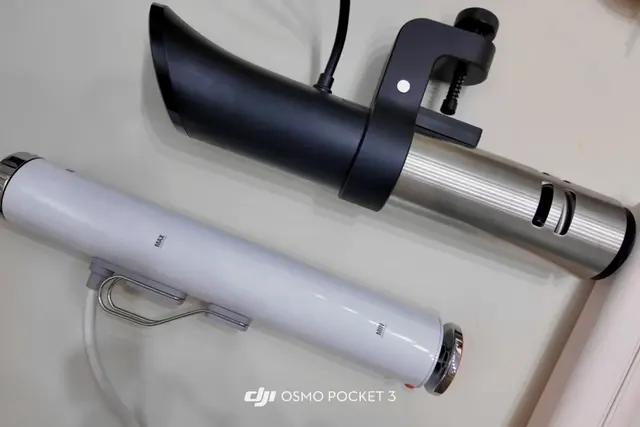
Breville Joule Turbo BSV600 vs Anova AN500: small-pot use, with Precision Cooker 3.0 context
I compared Breville and Anova sous vide cookers in a small pot, finding the slimmer Joule heats less water faster but needs a voltage transformer.
Reviews & Guides · Kitchen & Dining
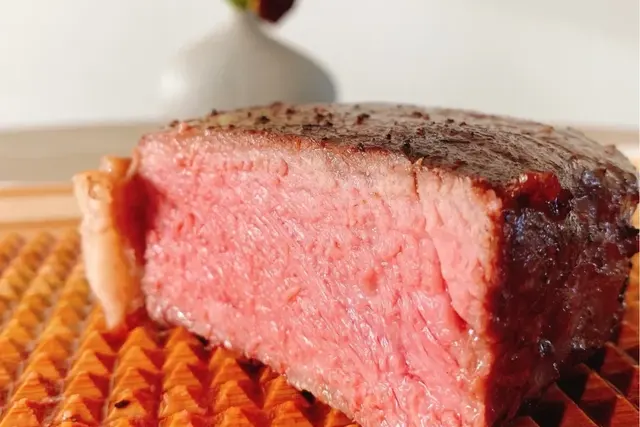
Anova immersion circulator: weekly steak notes for Precision Cooker 3.0 buyers
I use my gifted Anova immersion circulator for 130–134°F steak: two hours sous vide, then a quick sear, with less hands-on effort.
Reviews & Guides · Appliances
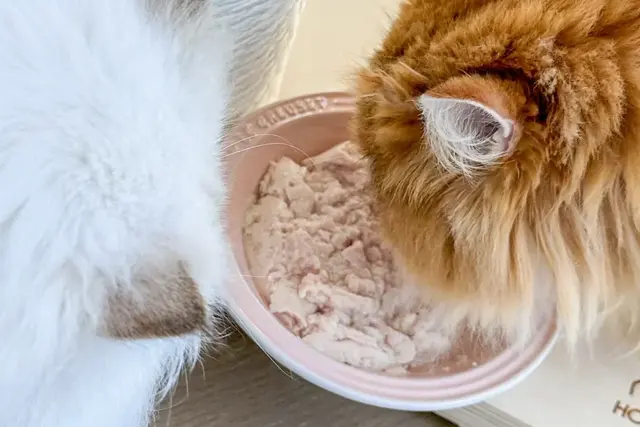
Anova Precision Cooker 3.0 WiFi: cat treats my cats wouldn’t eat
I used the Anova Precision Cooker 3.0 to make tender sous-vide cat treats. Remote control was handy, but not one of my cats wanted the result.