
Anova Precision Cooker 3.0 WiFi: cat treats my cats wouldn’t eat
I used the Anova Precision Cooker 3.0 to make tender sous-vide cat treats. Remote control was handy, but not one of my cats wanted the result.
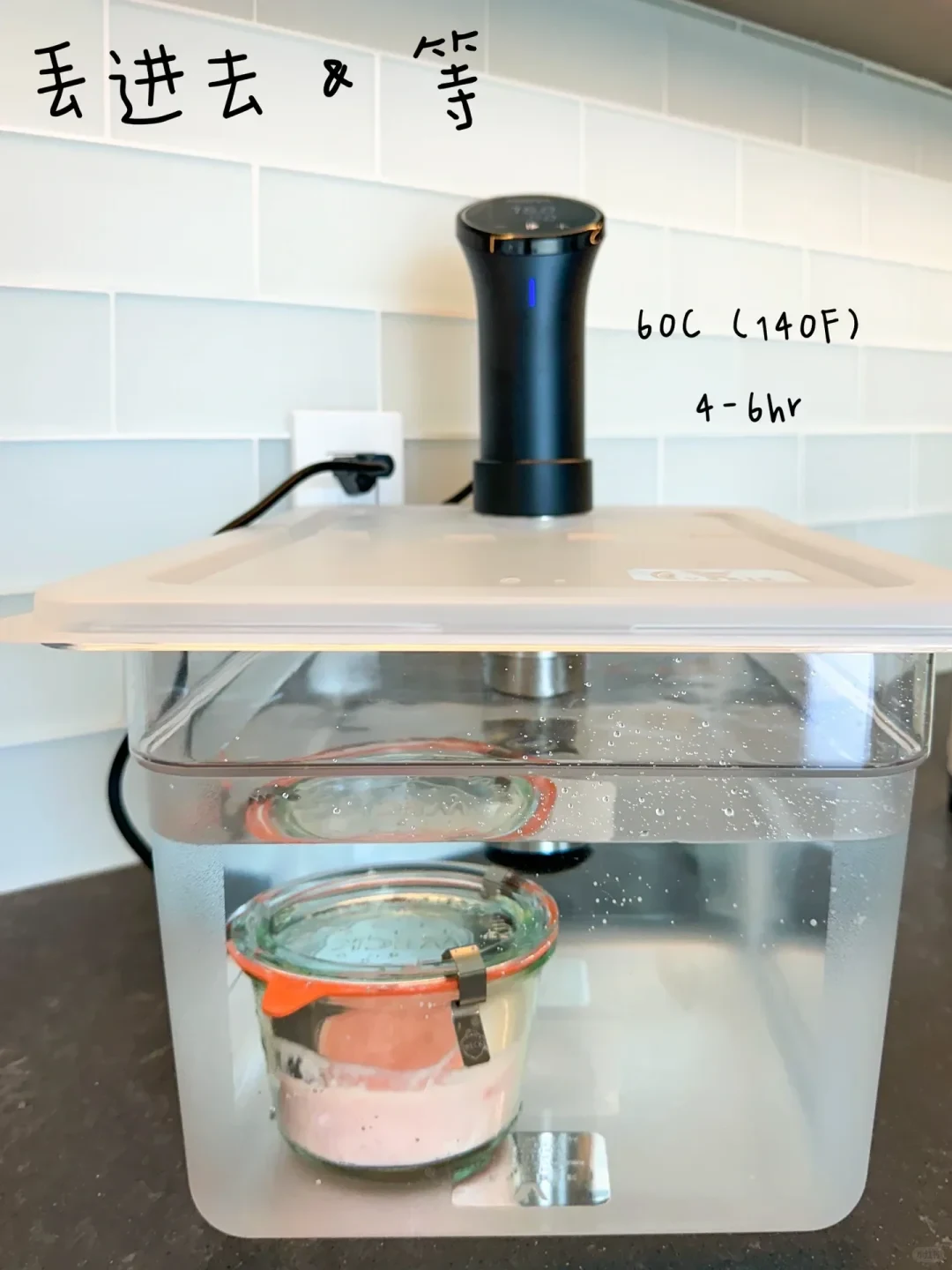
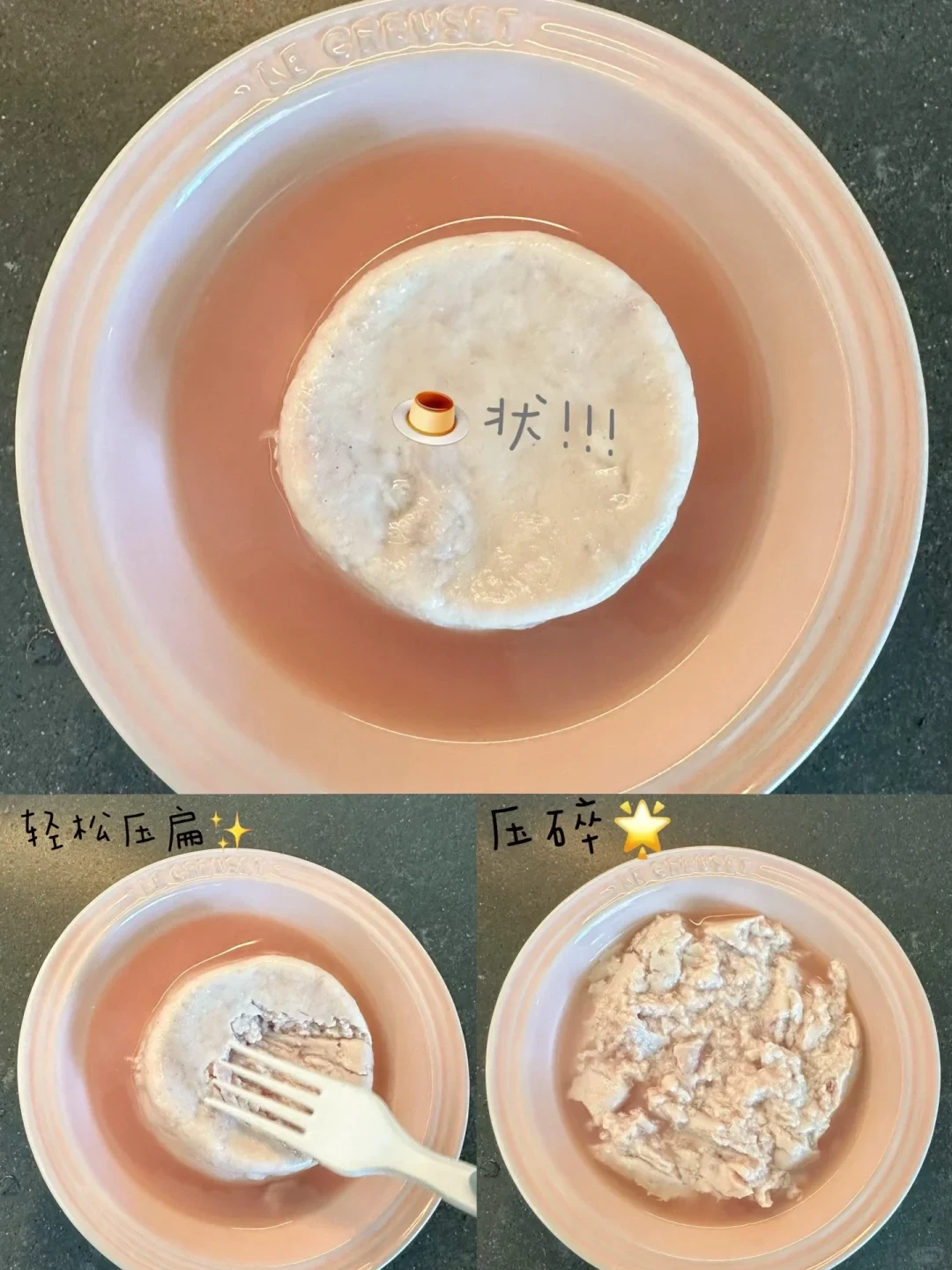
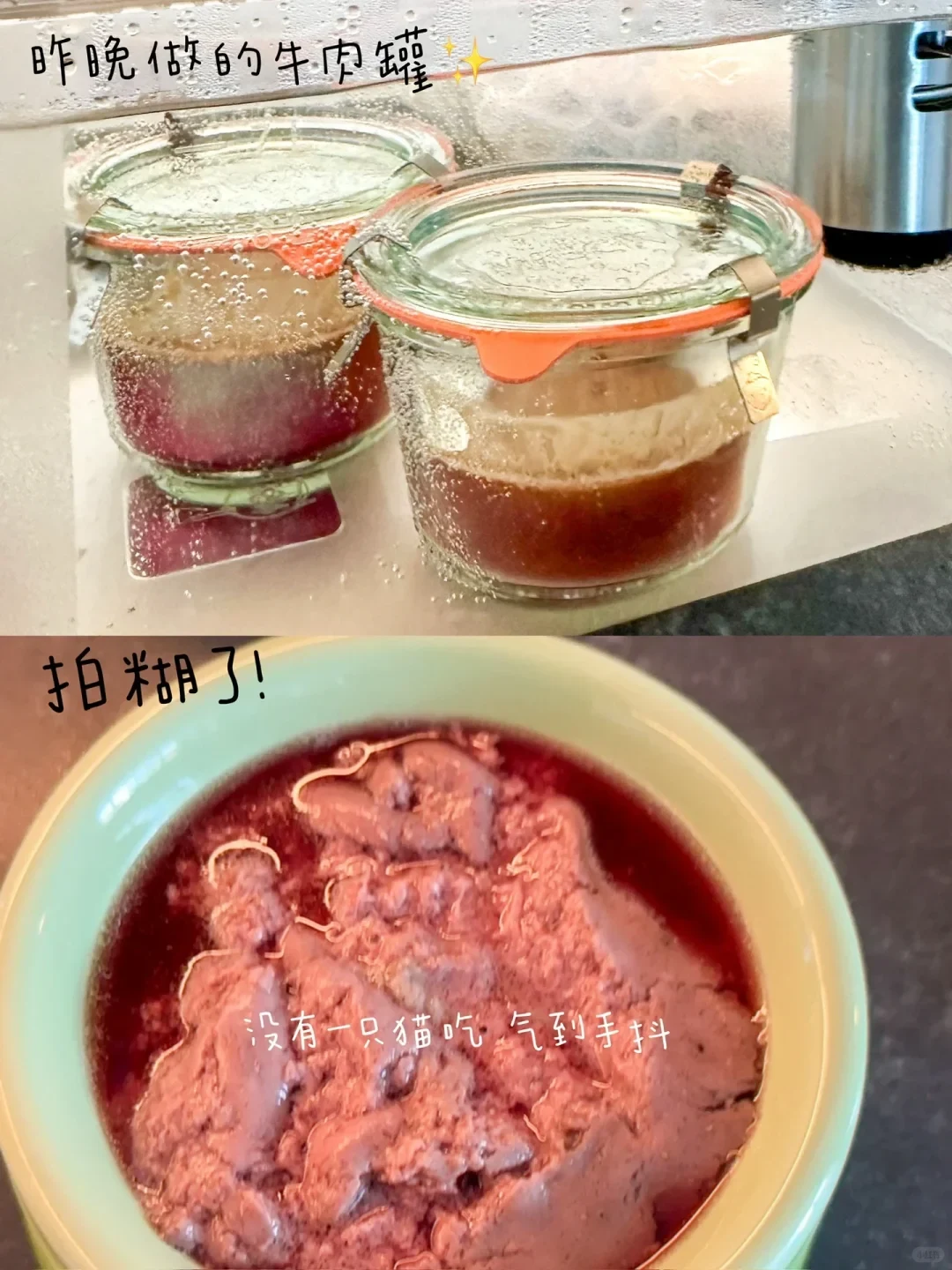
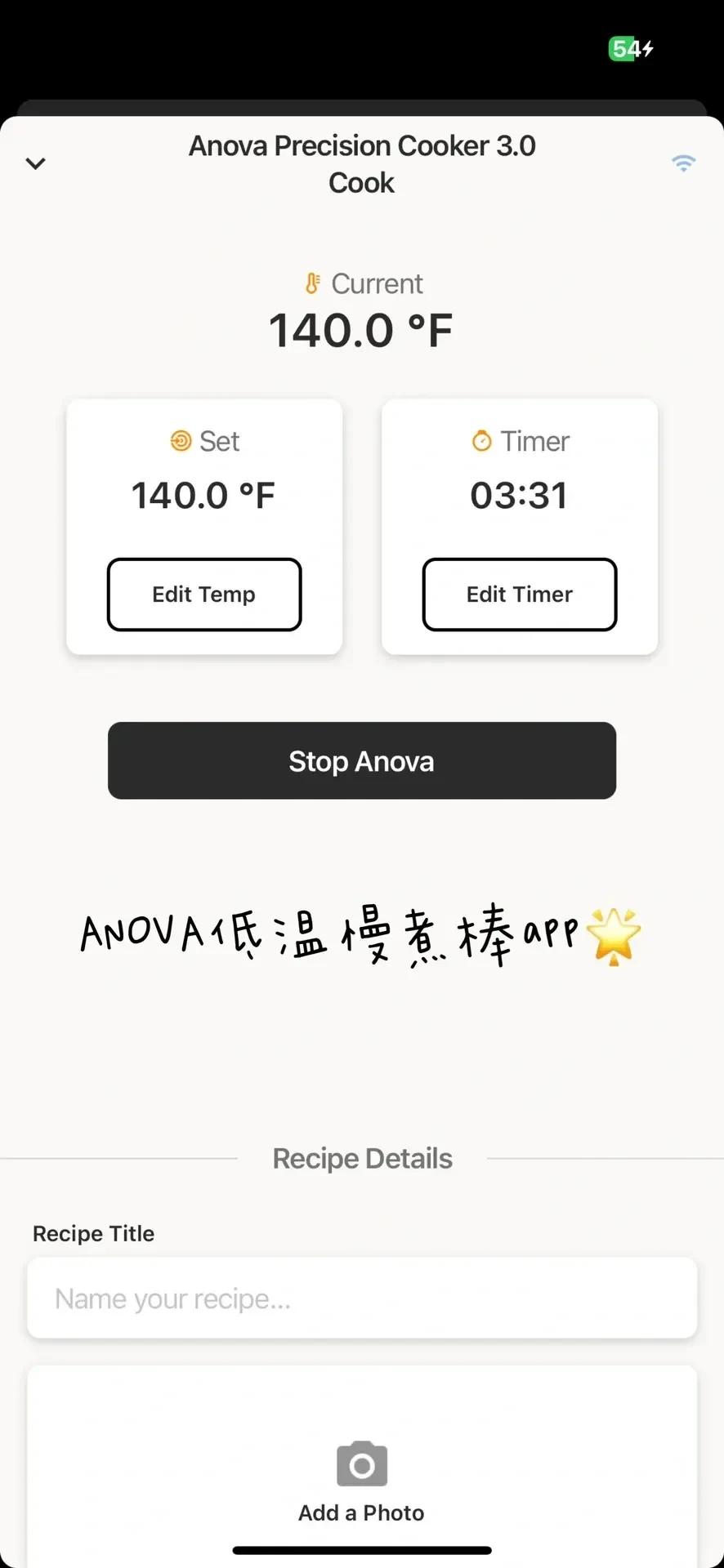
An almost foolproof version that needs no overseas sea shipping.
Steps as shown in the pictures.
.
Tools (all purchased from Amazon)
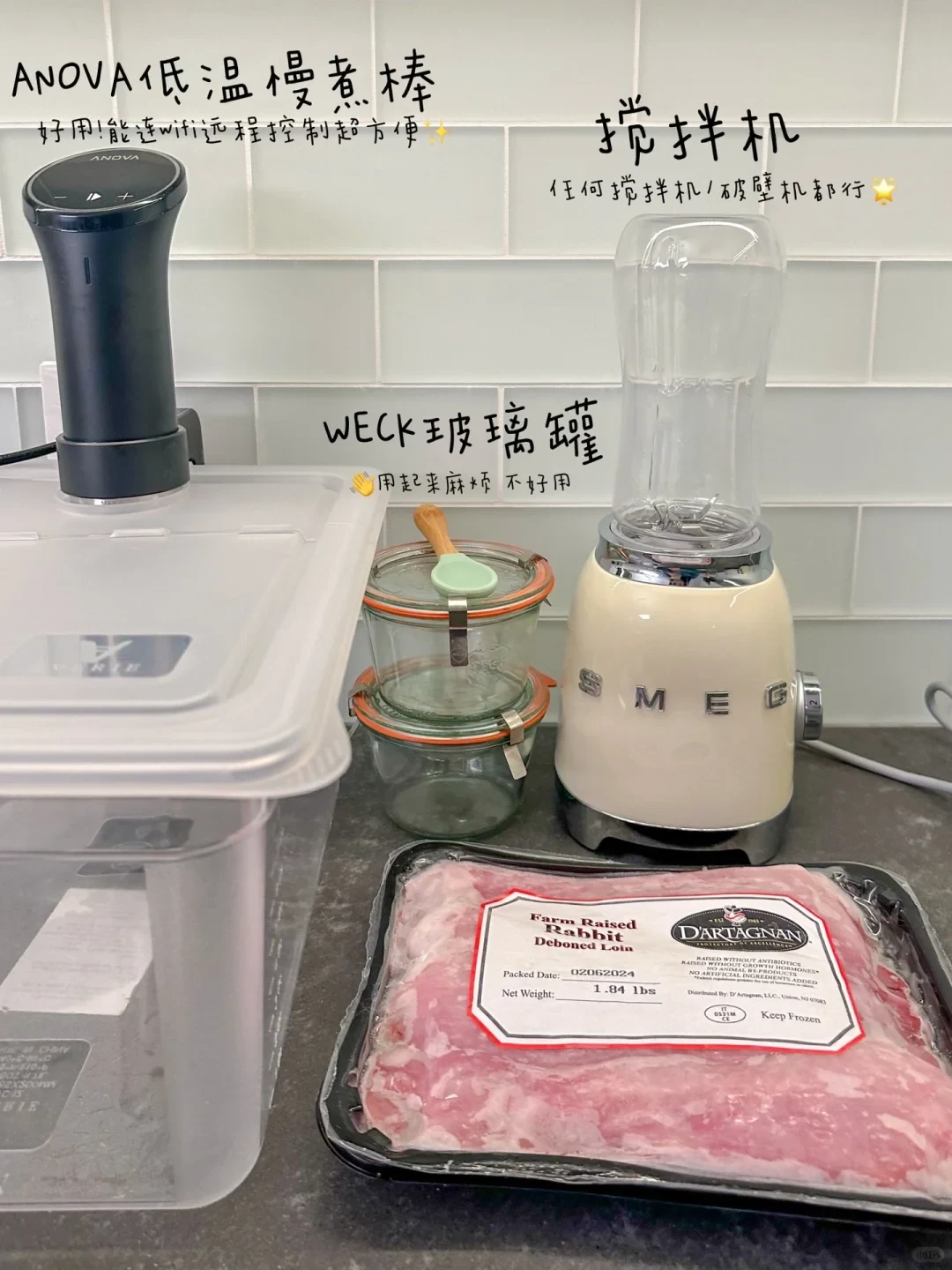
- Anova sous vide precision cooker ($199; currently discounted to $128): Anova Culinary Sous Vide Precision Cooker 3.0 (WiFi). The Wi-Fi version is genuinely very useful! I can control the temperature and time remotely from outside the house. I only wish they would change the name; researchers start to panic when they see “Anova.”
- Sous vide container ($35): EVERIE Sous Vide Container 12 Quart. This one is compatible with the specific Anova model.
.
Containers (purchased from Amazon)
Weck glass jars
The packaging was really poor when Amazon shipped them, and one arrived broken. Honestly, I personally do not think they are very easy to use. You have to fit the rubber ring yourself, and that design is somewhat counterintuitive. However, they do not leak and the seal is fairly good. If I make sous vide food again, I plan to try Mason jars and the Joliema jars from Korea that are on their way.
.
Blender (also from Amazon)
Any blender with reasonably good blades, including a high-speed blender, will do. I bought the Smeg because it looked good… but it is honestly very, very average.
.
Choice of meat
I used D’Artagnan in the pictures. Now that I am in Chicago, shipping from RFM has become extremely expensive. Honestly, the meat was fairly average, with a lot of fascia and fat, and it could only be shipped by FedEx by default. The terrible FedEx service delayed it by three days, although it was still frozen when it arrived.
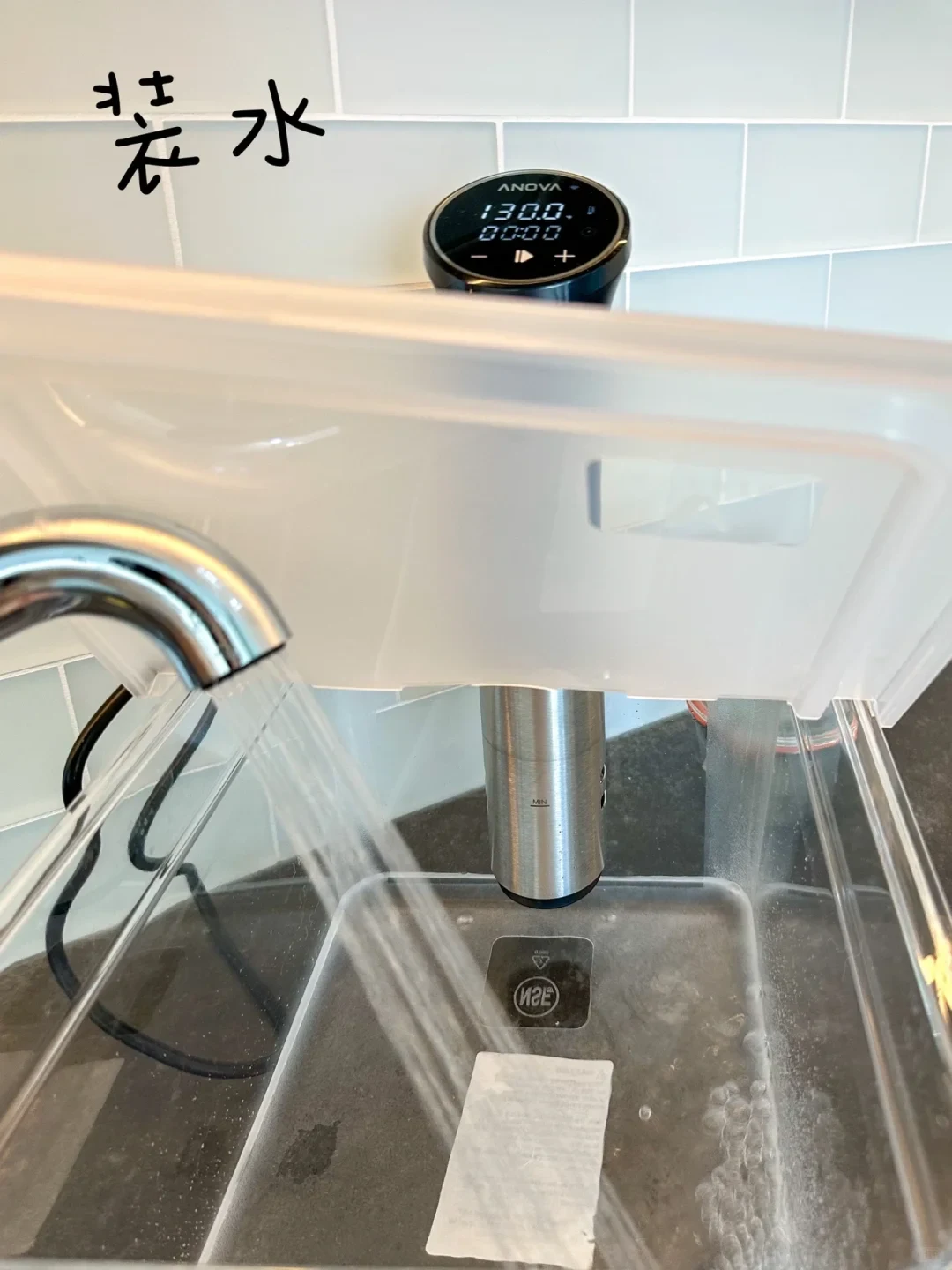
I am also not sure whether it was at the raw-meat standard, because I do not know the freezing temperature, so I cooked it at 60°C (140°F) for 4.5 hours.
Next, I will return to Hare Today and RFM to buy large cuts. First, they offer more protein choices; second, I feel more reassured using a website that sells meat at the raw-food standard for sous vide.
In the US, there is a website called Silver Fern Farms for New Zealand red meat. I have not tried it yet. If anyone has, please tell me what it is like!
Cooking time
Xiaohongshu guides say that 60°C (140°F) for 4–6 hours is suitable and can have a pasteurizing effect, although this depends on factors such as the thickness of the container walls. I heated mine for four hours.
.
Final result and technical summary
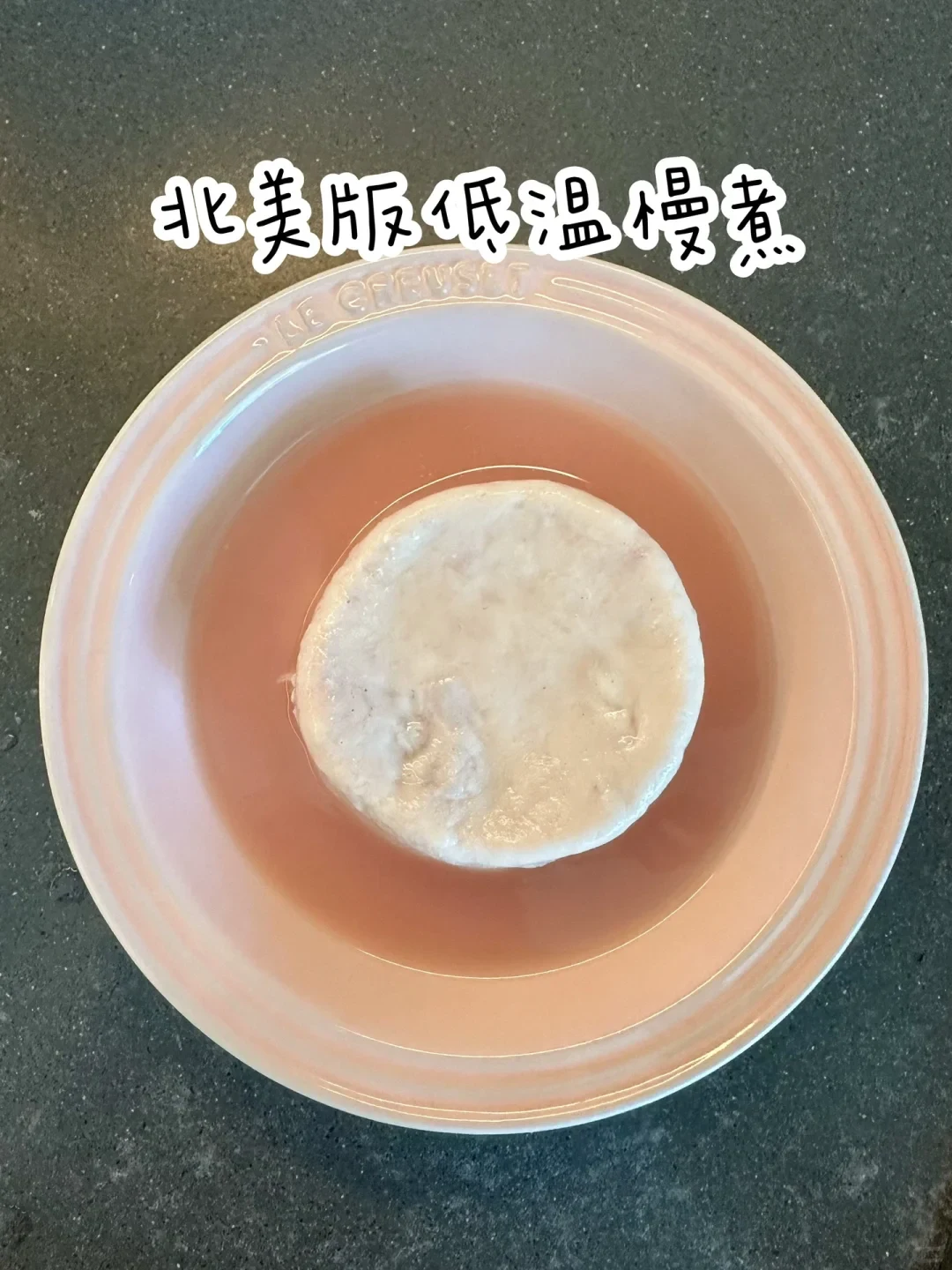
If you leave out the liver, add more water, and use the sous vide cooker, the result can still be very tender and jiggly.
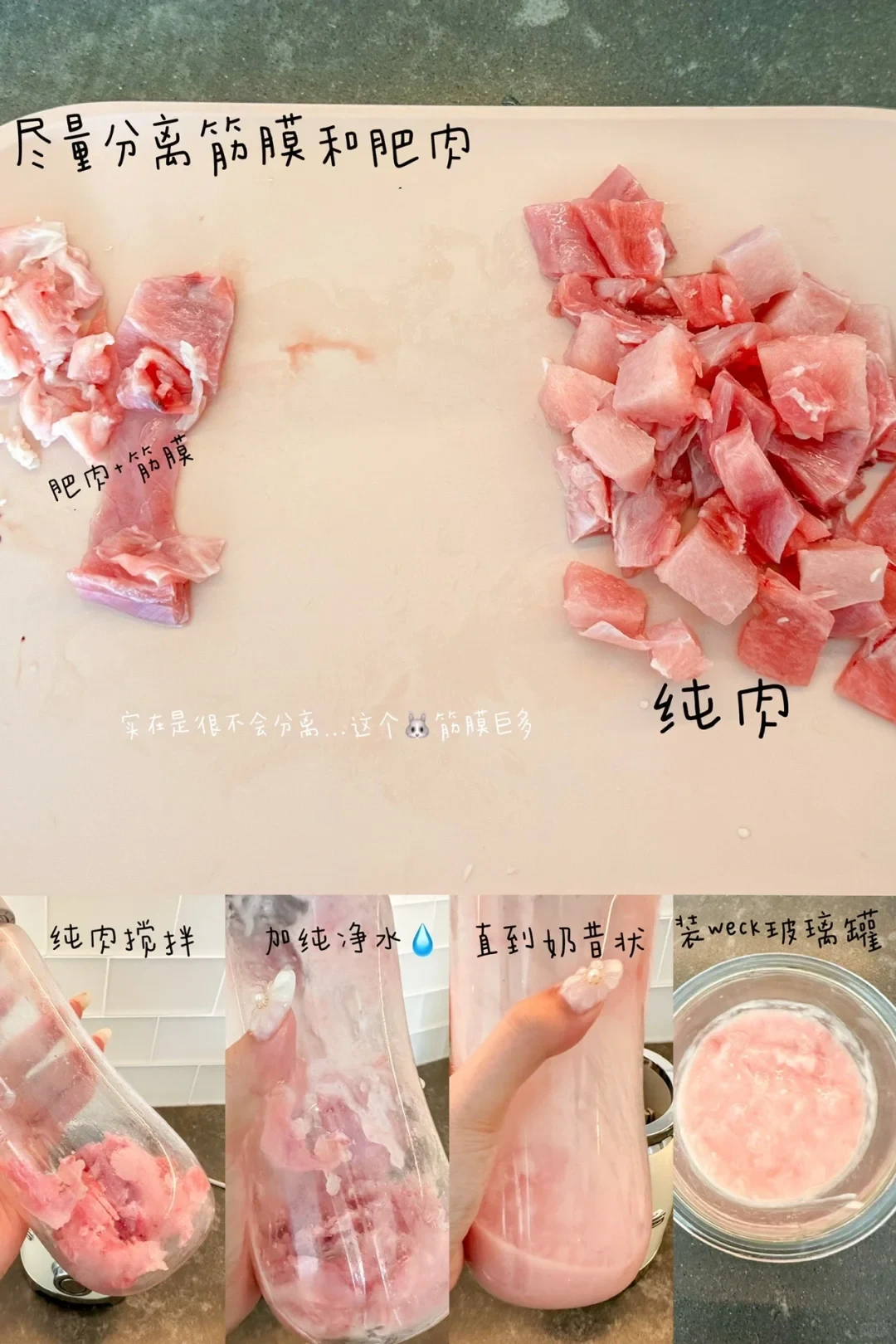
Try to remove as much fascia as possible; otherwise, it seriously affects tenderness after cooking. You can ignore this if you are using a high-speed blender.
Be sure to add water and blend it to a milkshake-like consistency before putting it into the jar.
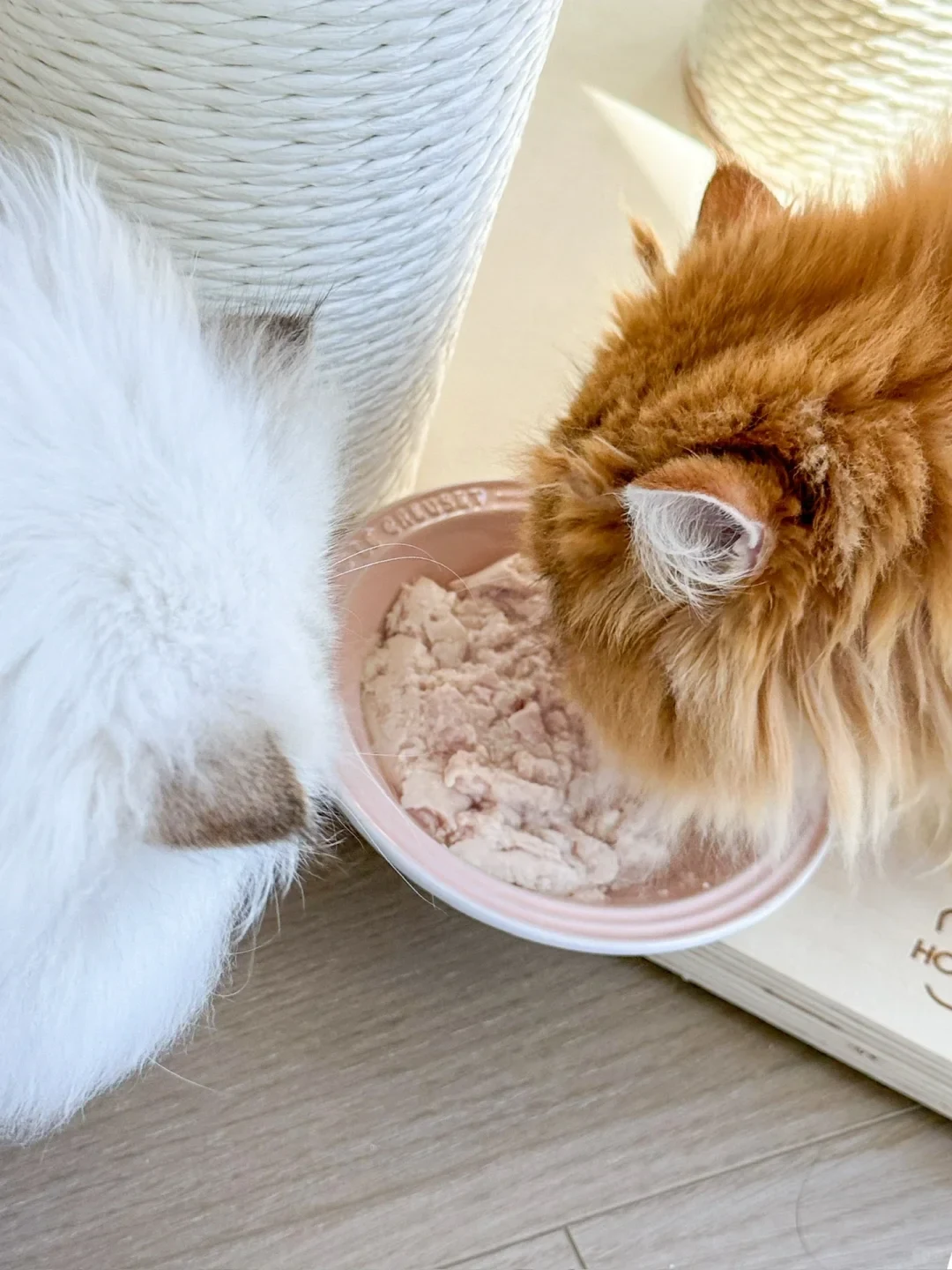
However, not one of my cats liked it. What a waste. They all still prefer raw food. I will have to eat some sous vide or molecular-gastronomy food myself in the future—not really.
.
Source: 燕麦妹妹 · Xiaohongshu · 2024-07-01 · 北美养猫|一次成功低温慢煮猫饭(零食版. Search this Chinese title in Xiaohongshu to find the original post.
Before You Buy
Models in your region
The owner identifies the cooker as the Anova Culinary Sous Vide Precision Cooker 3.0 (WiFi) and describes a North American purchase. The official US and German listings identify the same third-generation model, but buyers should match the product’s regional mains rating rather than assume a plug adapter changes voltage.
| Model in this review | Related regional model | What to know |
|---|---|---|
| Anova Precision Cooker 3.0 WiFi | Anova Precision Cooker 3.0 (US) | The US Precision Cooker 3.0 lists 1100 W, dual-band Wi-Fi, an 8 L/min flow rate, a two-line touchscreen, a 0–92°C range, ±0.1°C accuracy, a removable skirt and an adjustable detachable clamp. Confirm the mains rating for the unit you buy. |
| Anova Precision Cooker 3.0 WiFi | Anova Precision Cooker 3.0 (Germany) | The German regional listing identifies the same Precision Cooker 3.0 model and supports 1100 W, dual-band Wi-Fi, 8 L/min circulation, a removable skirt and detachable clamp. The owner’s experience is not a German-unit test; verify the unit’s regional mains rating and plug arrangement. |
- Model in this review
- Anova Precision Cooker 3.0 WiFi
- Related regional model
- Anova Precision Cooker 3.0 (US)
- What to know
- The US Precision Cooker 3.0 lists 1100 W, dual-band Wi-Fi, an 8 L/min flow rate, a two-line touchscreen, a 0–92°C range, ±0.1°C accuracy, a removable skirt and an adjustable detachable clamp. Confirm the mains rating for the unit you buy.
- Model in this review
- Anova Precision Cooker 3.0 WiFi
- Related regional model
- Anova Precision Cooker 3.0 (Germany)
- What to know
- The German regional listing identifies the same Precision Cooker 3.0 model and supports 1100 W, dual-band Wi-Fi, 8 L/min circulation, a removable skirt and detachable clamp. The owner’s experience is not a German-unit test; verify the unit’s regional mains rating and plug arrangement.
What the owner actually used
The owner paired the Anova Precision Cooker 3.0 WiFi with an EVERIE 12-quart container and reports that the two are compatible. The owner’s listed prices were US$199 for the cooker, discounted to US$128, and US$35 for the container; these are the owner’s July 2024 purchase observations, not current prices.
Remote temperature and time control was the owner’s clearest convenience benefit. The official regional listings also identify Wi-Fi on the Precision Cooker 3.0, while the US listing adds a two-line touchscreen for direct control, so buyers can use either the app or the cooker’s controls.
Container and preparation trade-offs
The owner found the Weck jars awkward because the rubber ring must be fitted manually, although the owner reported that the jars did not leak and sealed fairly well. One jar arrived broken because of poor shipping packaging. The owner’s experience therefore separates jar usability and delivery risk from the Anova cooker itself.
For preparation, the owner says a reasonably capable blender is sufficient and that the owner bought the Smeg mainly for its appearance, finding it very average. The owner recommends removing fascia where possible, adding water, and blending until the mixture reaches a milkshake-like consistency before transferring it to the jar.
Temperature, timing and what remains unverified
The owner gives two cooking durations: 4.5 hours at 60°C (140°F) in the meat-selection discussion, and four hours in the timing section. The post cites Xiaohongshu guidance suggesting 4–6 hours and says the pasteurizing effect depends on factors including container-wall thickness; this account does not establish a verified food-safety result.
The owner was unsure whether the meat met a raw-meat standard because its freezing temperature was unknown. The owner planned to return to Hare Today and RFM for larger cuts, citing protein variety and greater confidence in raw-food-oriented suppliers; those supplier judgments remain the owner’s personal conclusions.
The official US listing gives the Precision Cooker 3.0 a stated 0–92°C range and ±0.1°C accuracy, while the German listing confirms the same model family and core circulation features. These are manufacturer-listed specifications, not proof that the owner’s recipe achieved a particular internal temperature or safety outcome.
Result and suitability for cat treats
The owner reported a very tender, jiggly result that could be flattened and mashed easily with a fork. However, none of the owner’s cats liked it, and the owner said they preferred raw food. The experiment therefore demonstrates a texture outcome for one preparation and household, not general acceptance.
The post describes the preparation as a snack recipe, and Cornell Feline Health Center guidance says occasional treats are generally not complete, balanced nutrition and should remain a small part of a cat’s intake. No evidence here establishes nutritional completeness or verifies the owner’s pasteurization process.
Related Reading
Reviews & Guides · Kitchen & Dining
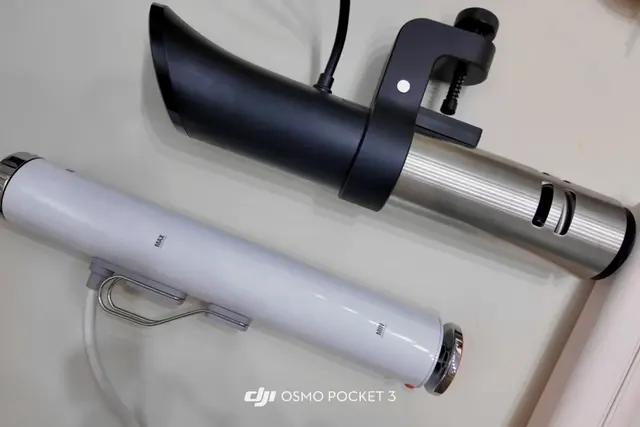
Breville Joule Turbo BSV600 vs Anova AN500: small-pot use, with Precision Cooker 3.0 context
I compared Breville and Anova sous vide cookers in a small pot, finding the slimmer Joule heats less water faster but needs a voltage transformer.
Reviews & Guides · Kitchen & Dining
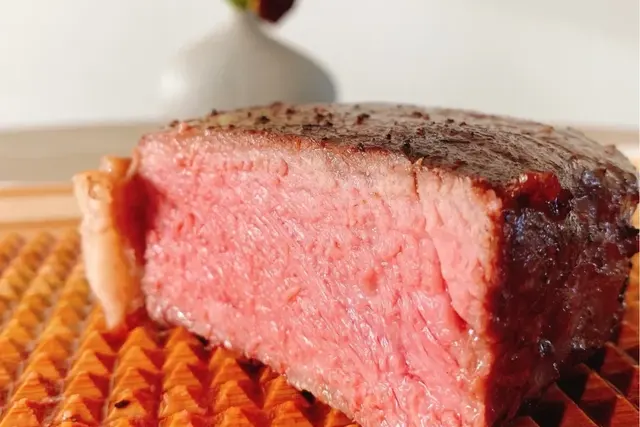
Anova immersion circulator: weekly steak notes for Precision Cooker 3.0 buyers
I use my gifted Anova immersion circulator for 130–134°F steak: two hours sous vide, then a quick sear, with less hands-on effort.
Reviews & Guides · Appliances
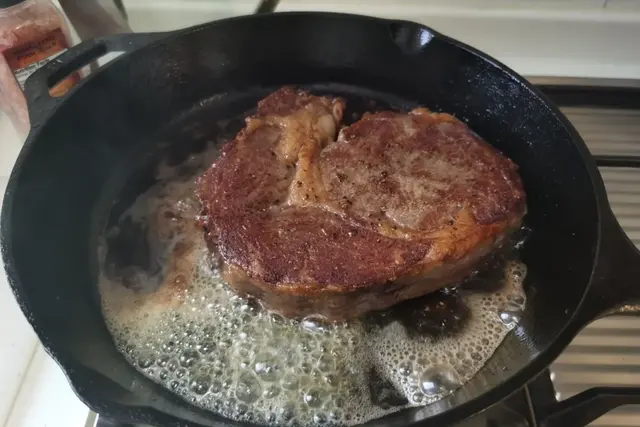
Anova Bluetooth Precision Cooker: steak notes for Precision Cooker 3.0 buyers
My Anova Bluetooth cooker gave me a juicy, evenly cooked steak. But getting the crust I wanted without overcooking it was another matter.