
Reviews & Guides · Kitchen & Dining
My Motto80 and EK experience: more money brought little extra flavor
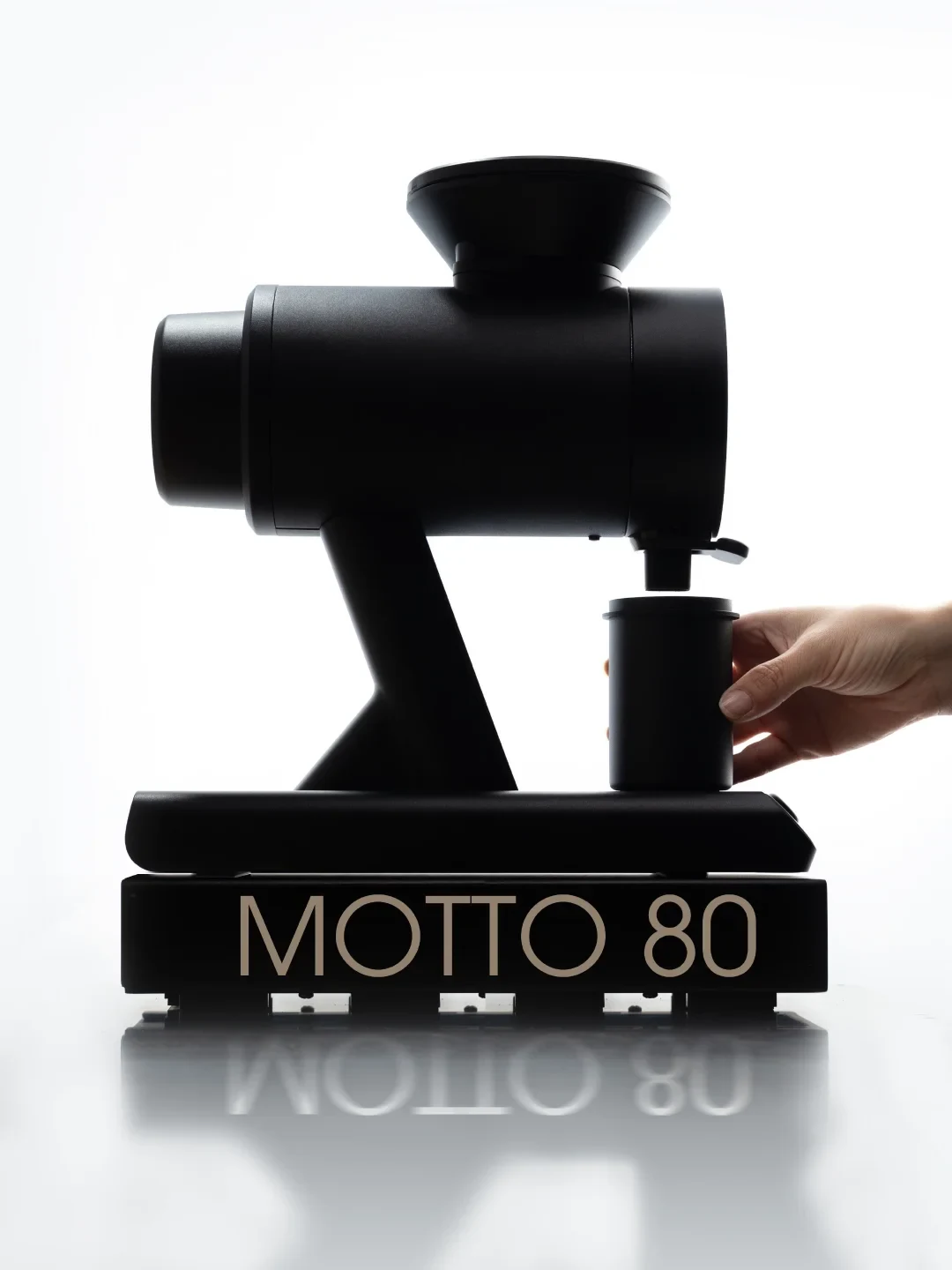
Reviewed: BOOKOO Motto80, Mahlkönig EK series (variant unspecified)Regional reference: BOOKOO Motto80 (US / EU / UK)
A home coffee blogger compares a BOOKOO Motto80 with an unspecified EK, discusses burr choices and plasma odors, and discloses mixed purchases and collaborations.
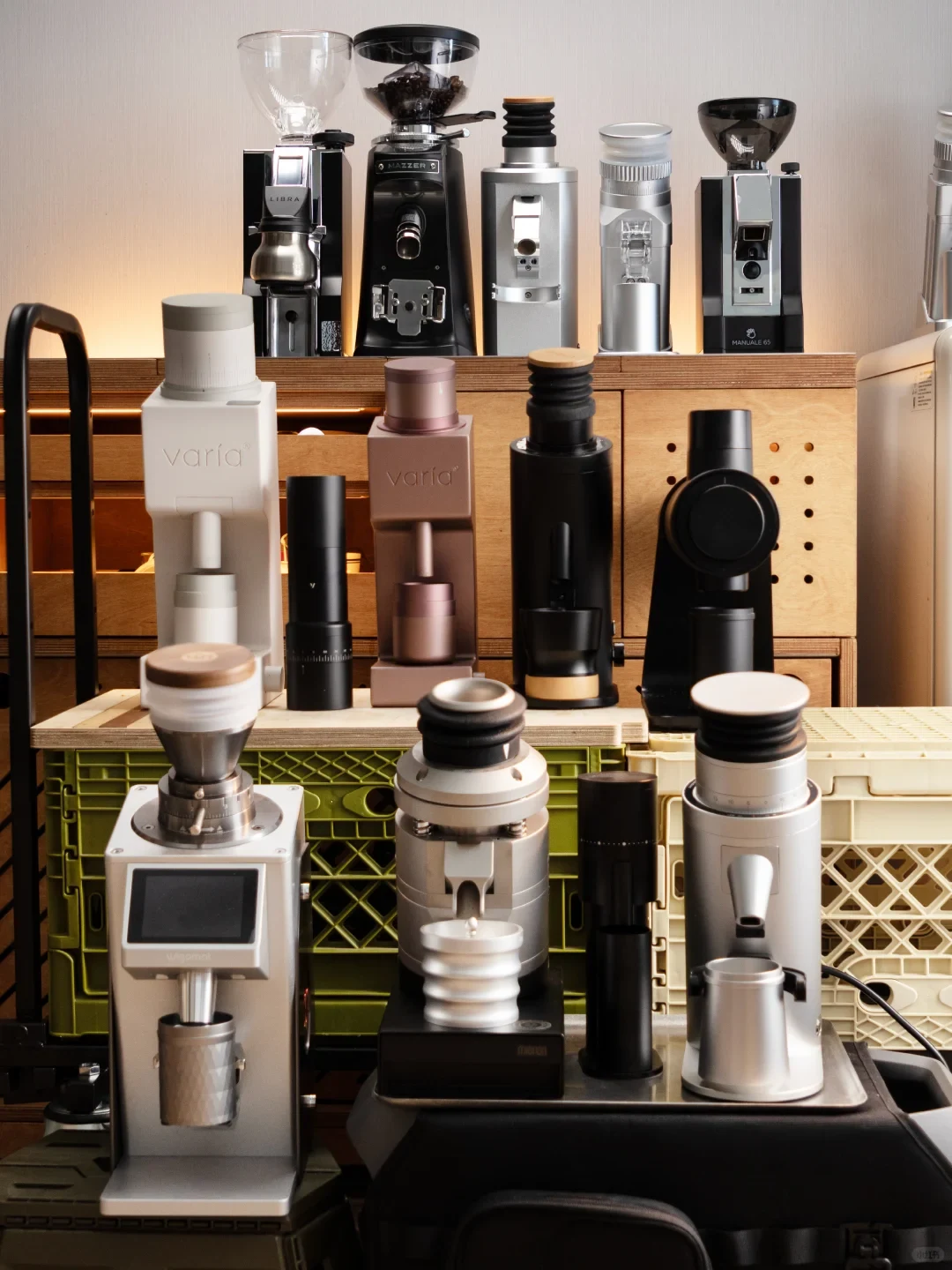
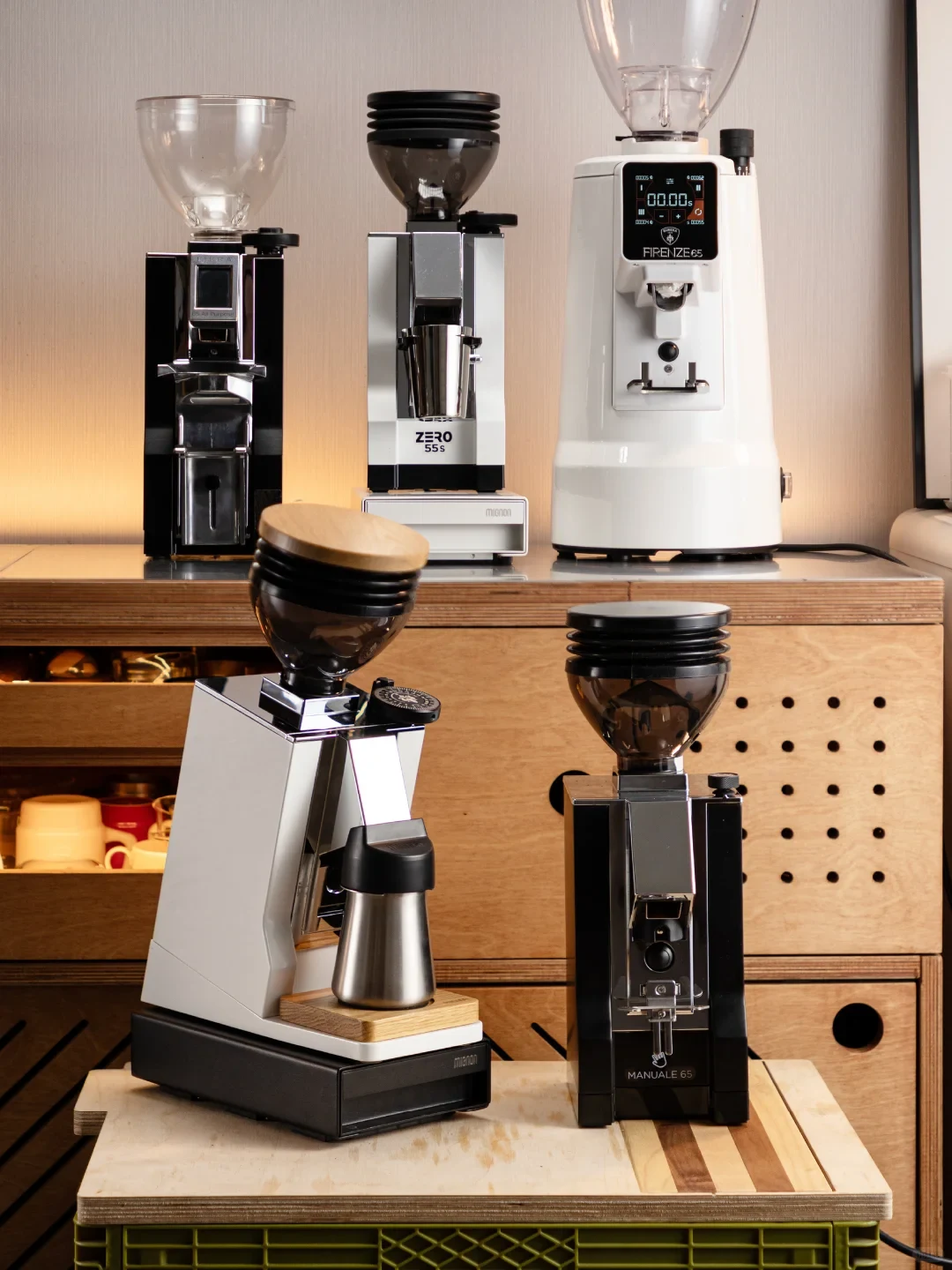
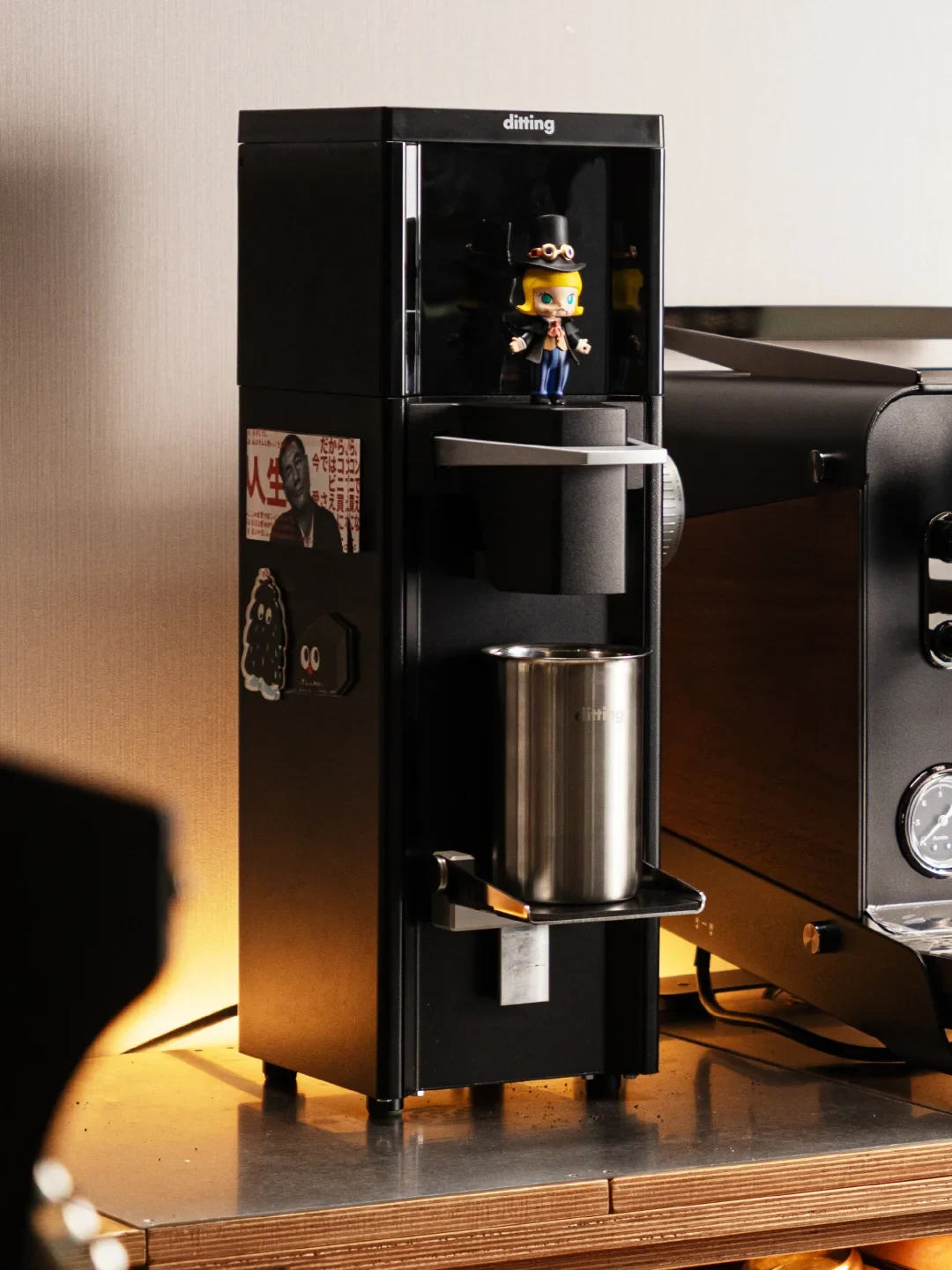
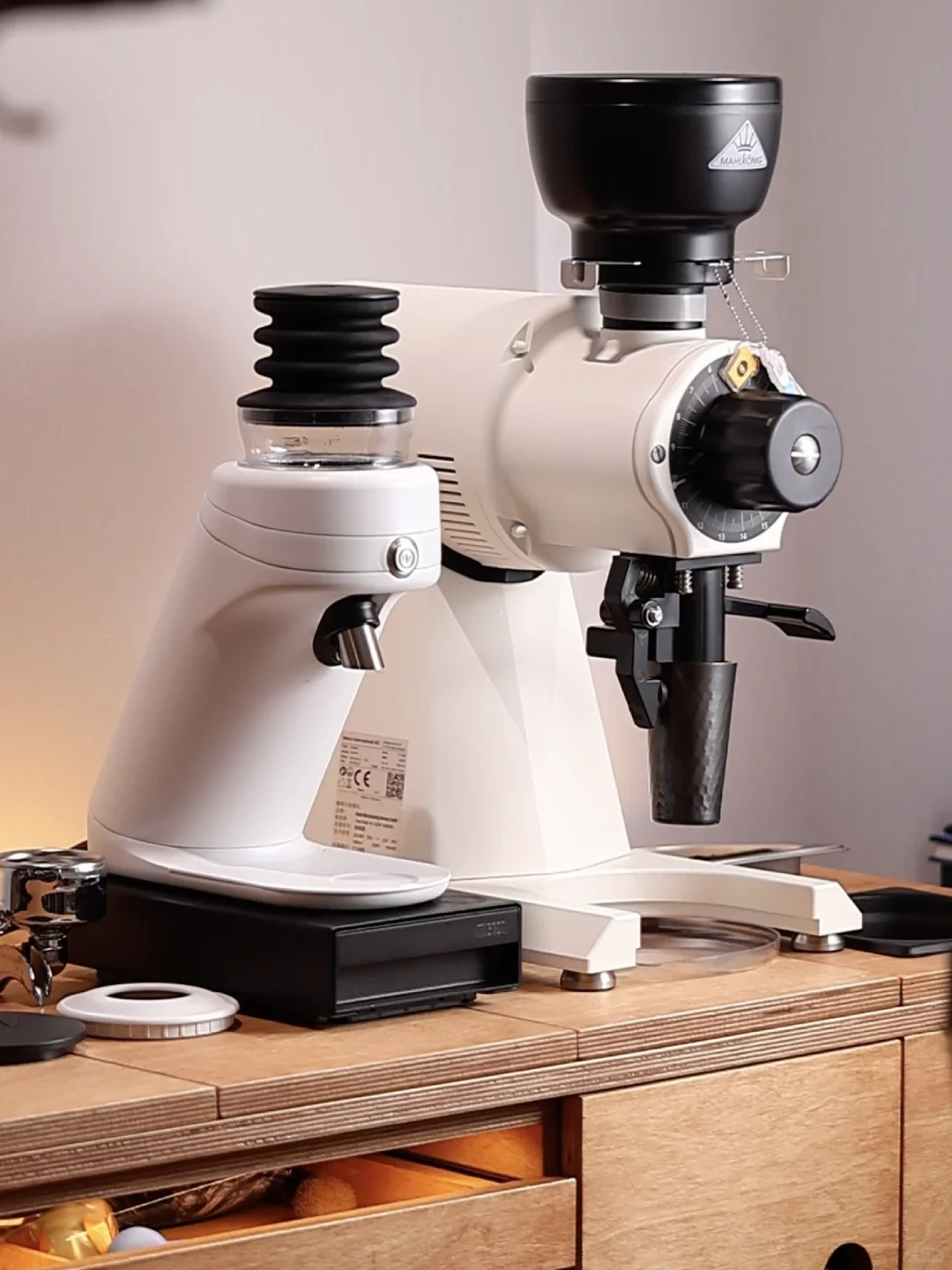
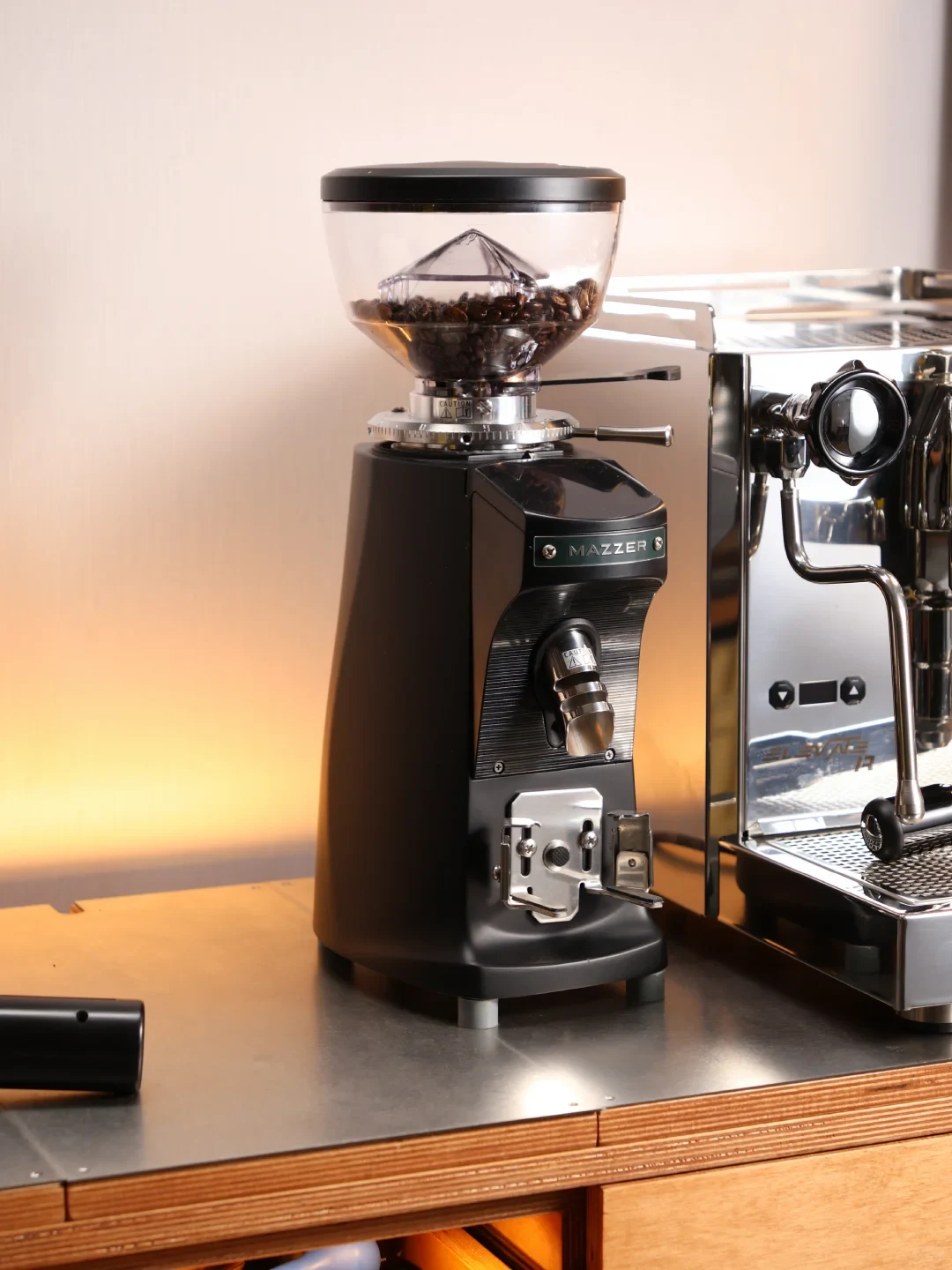
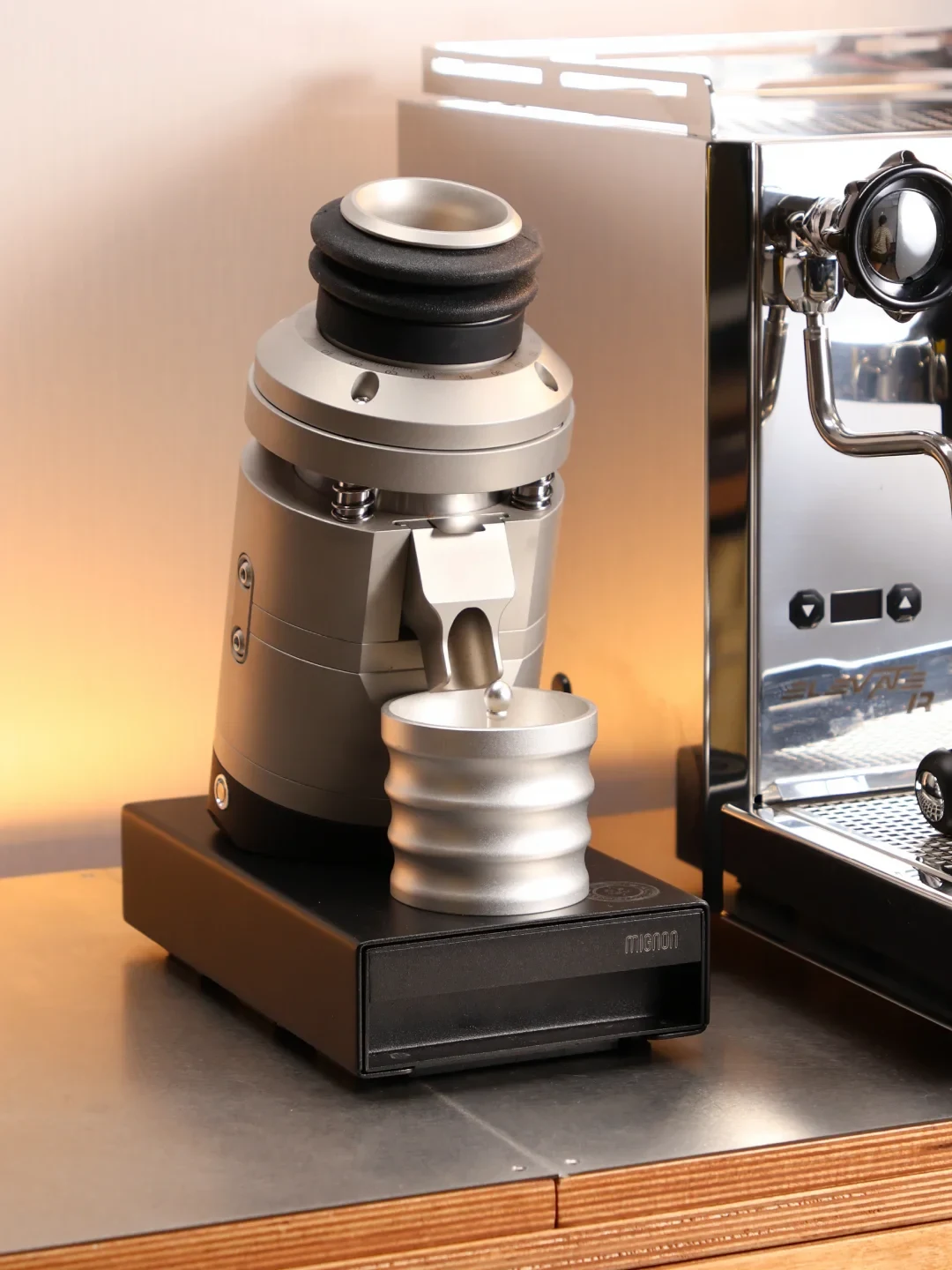
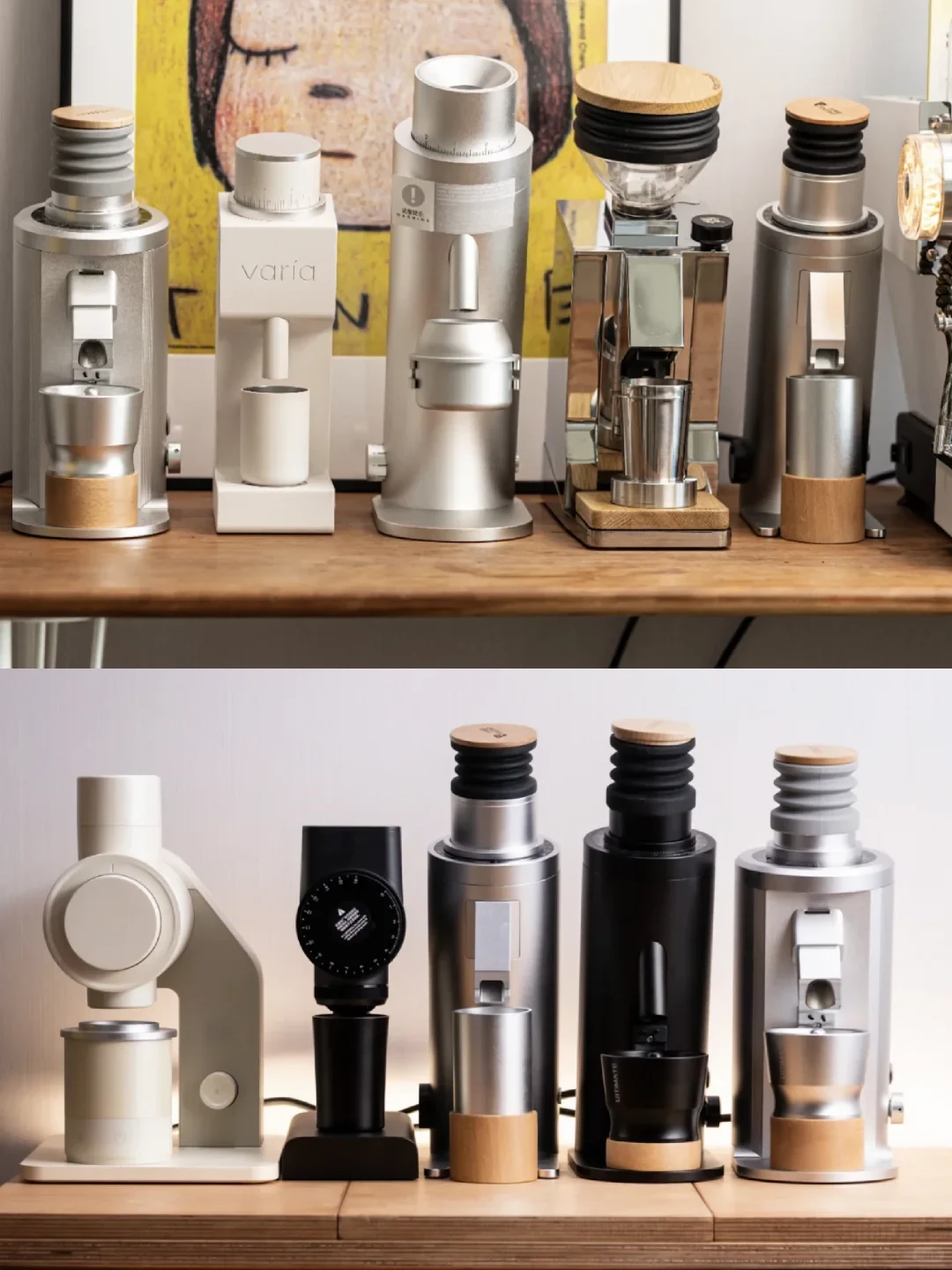
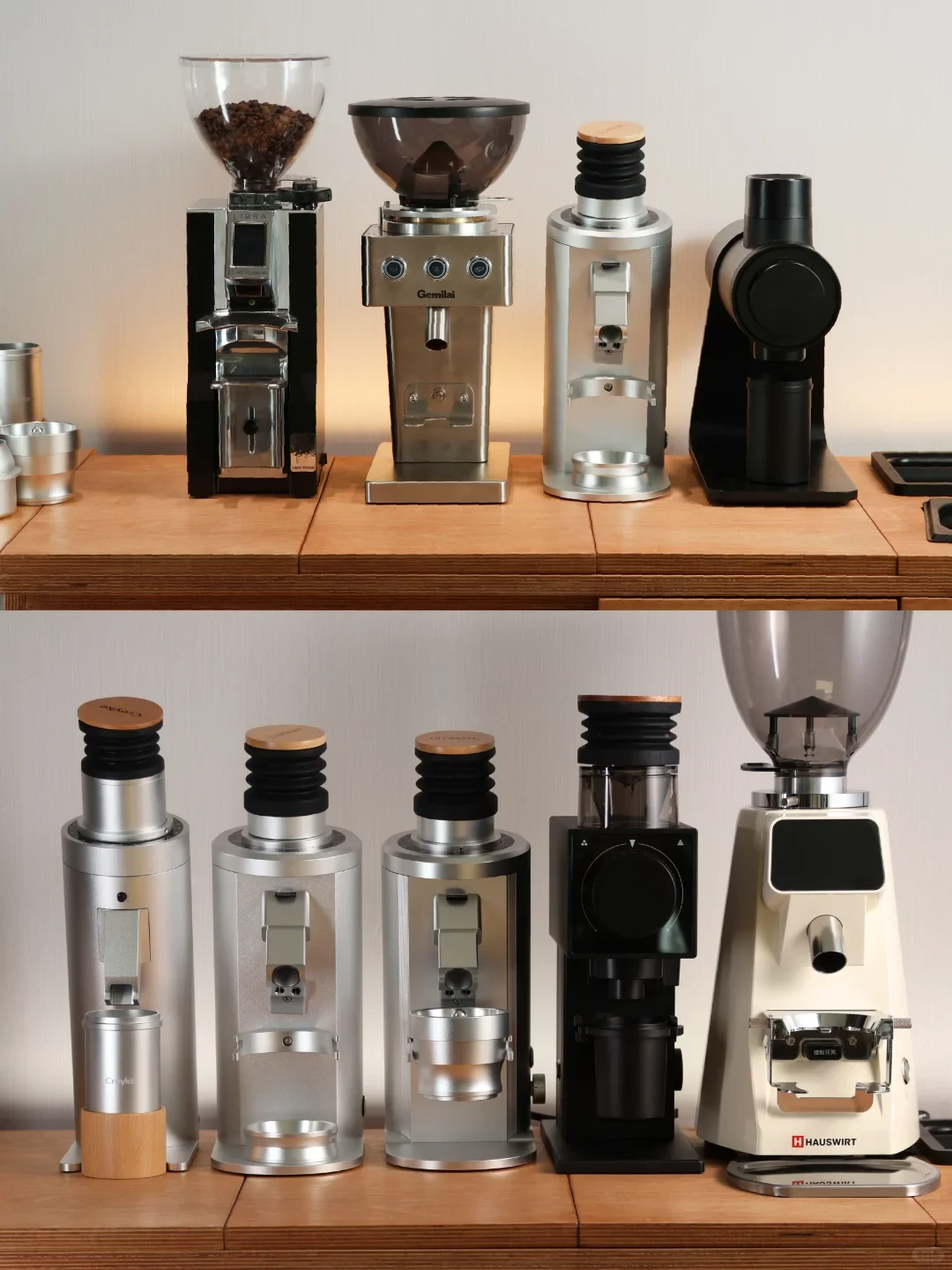
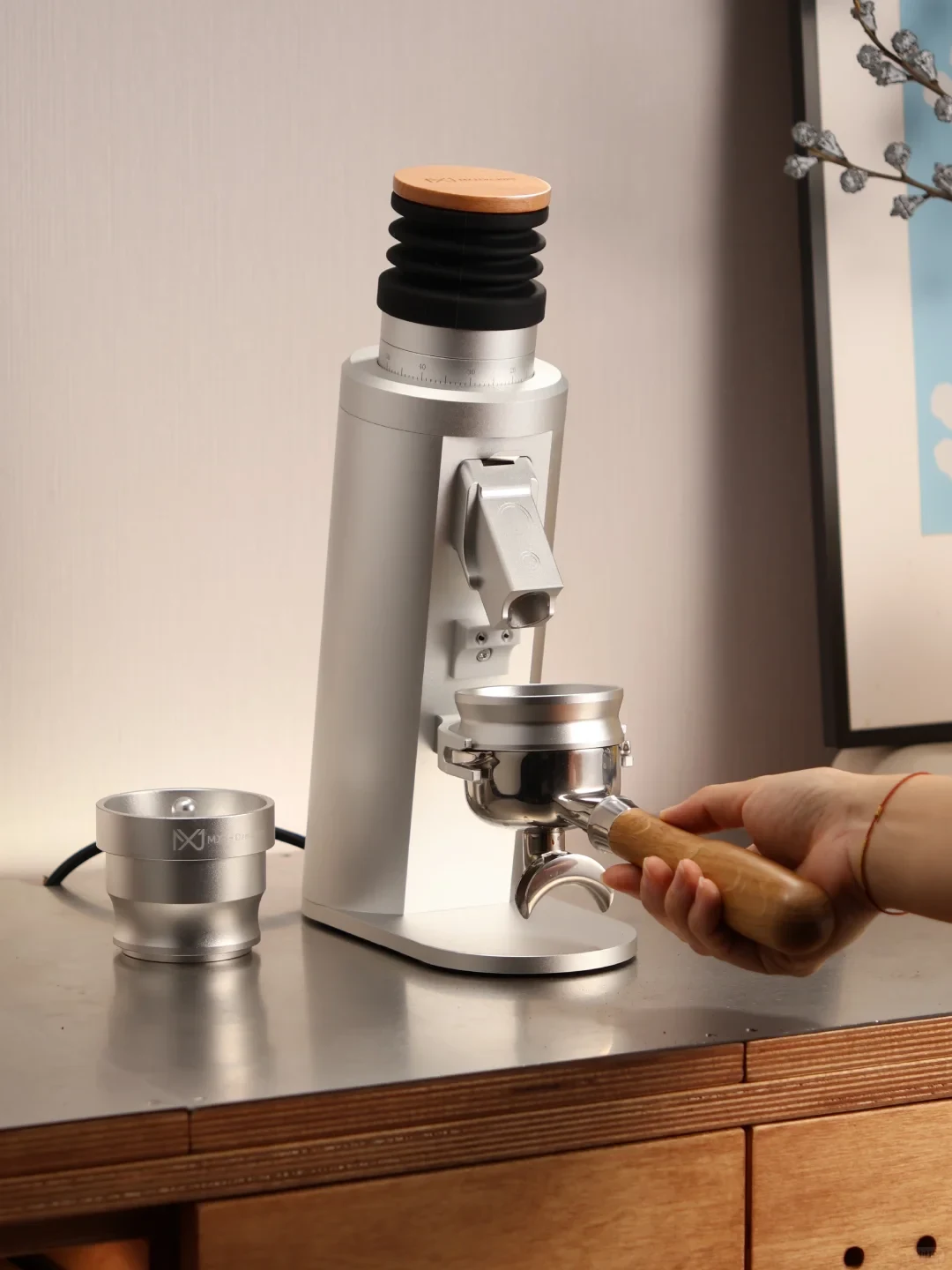
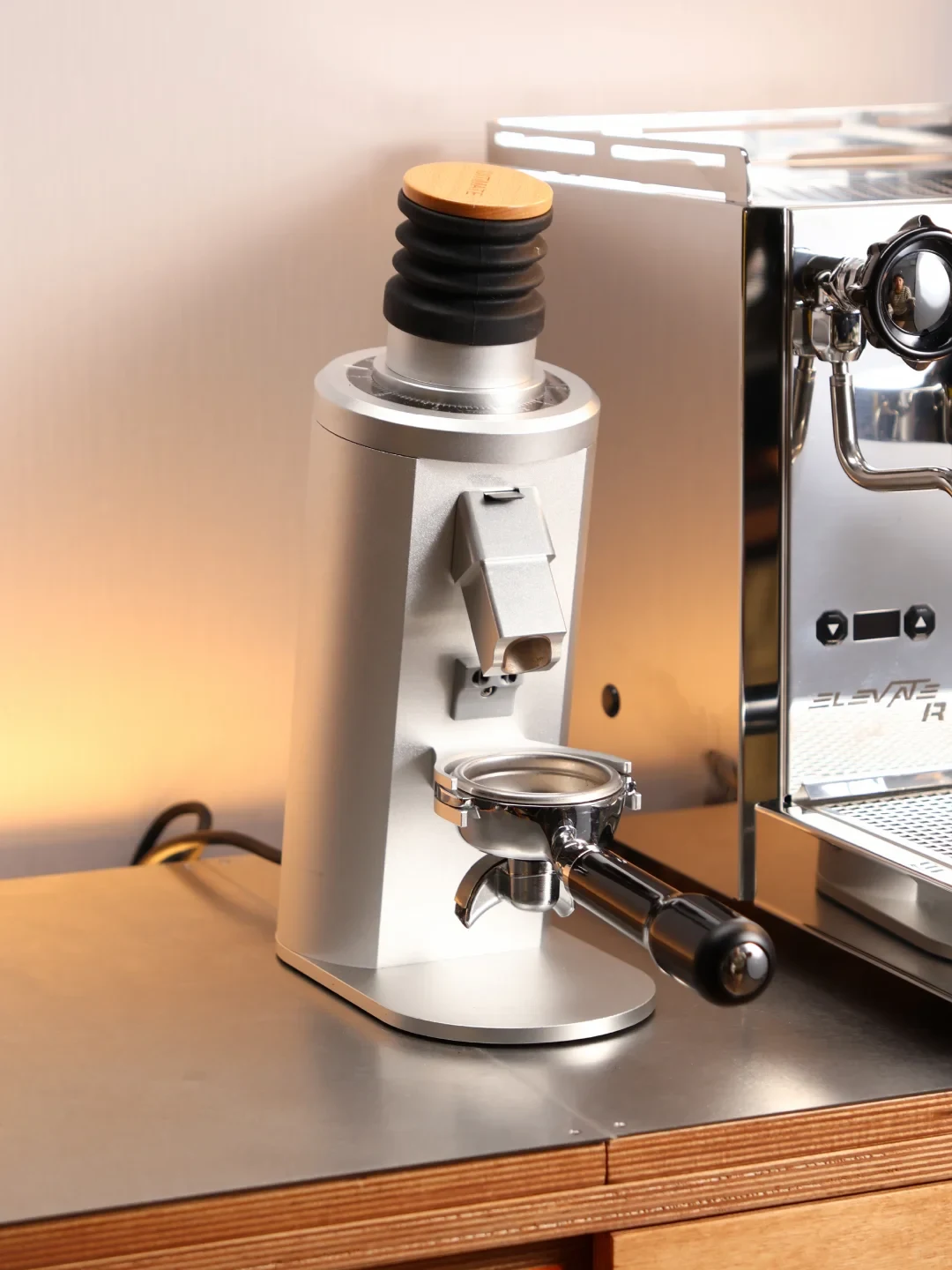
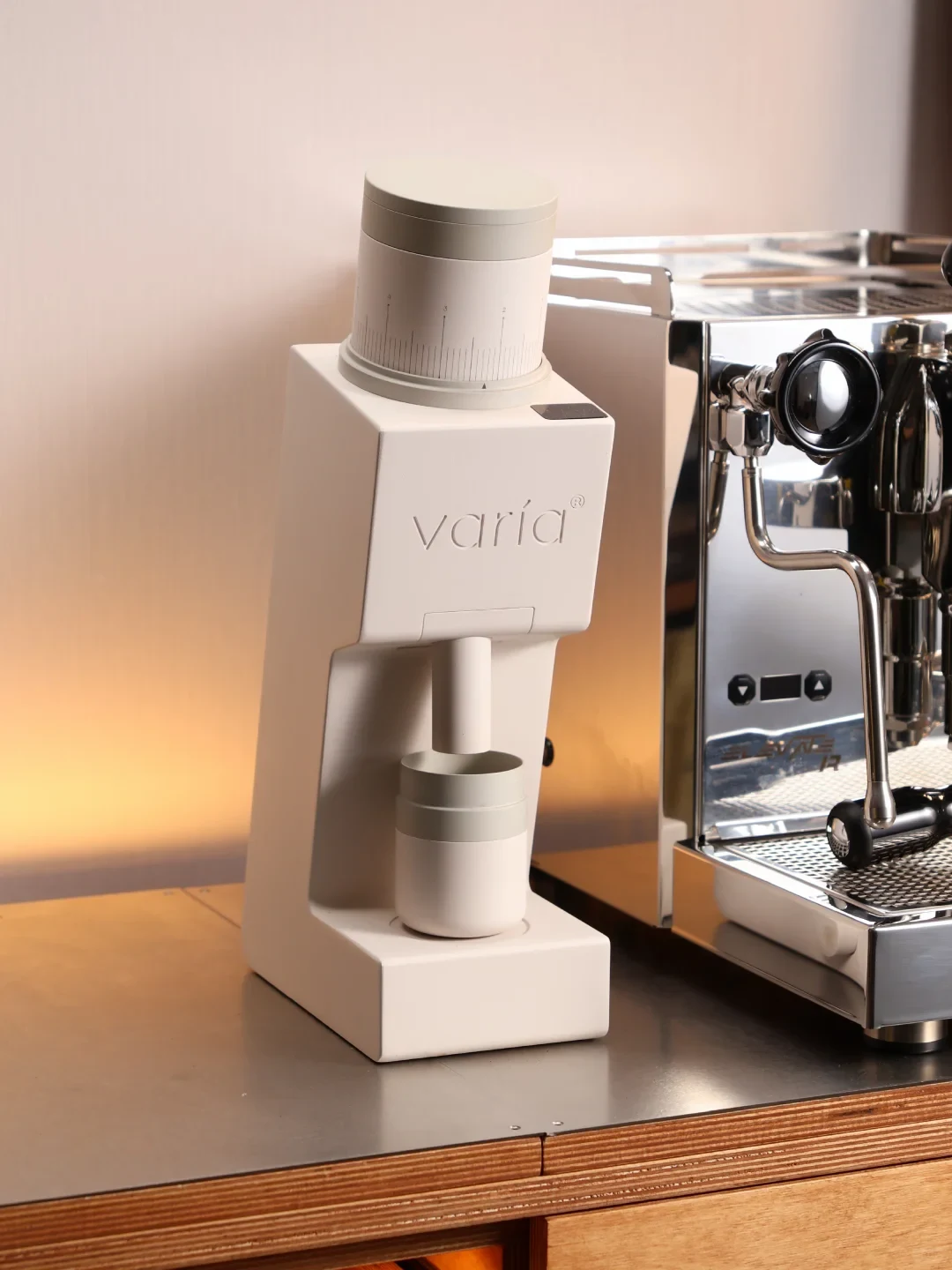
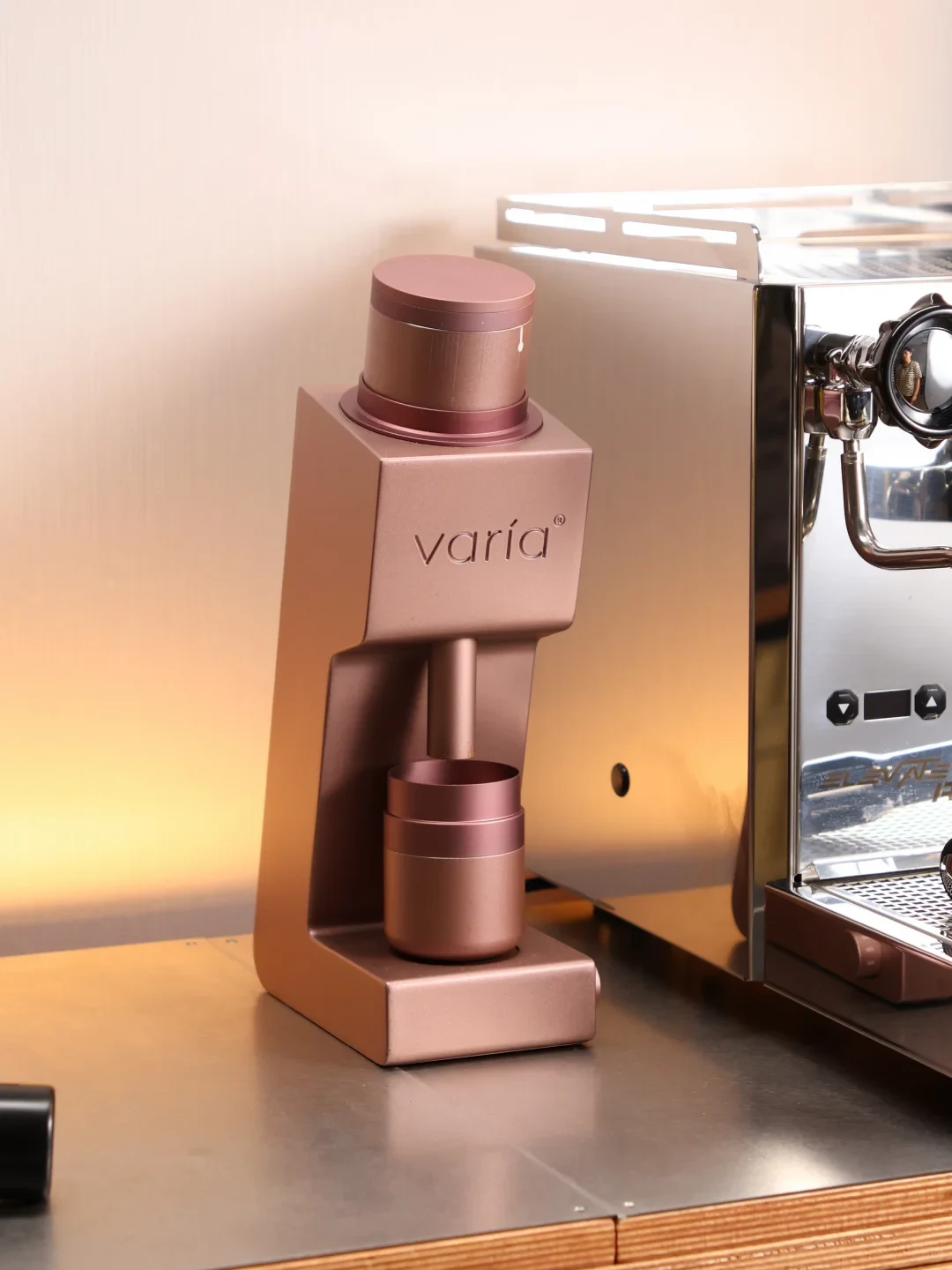
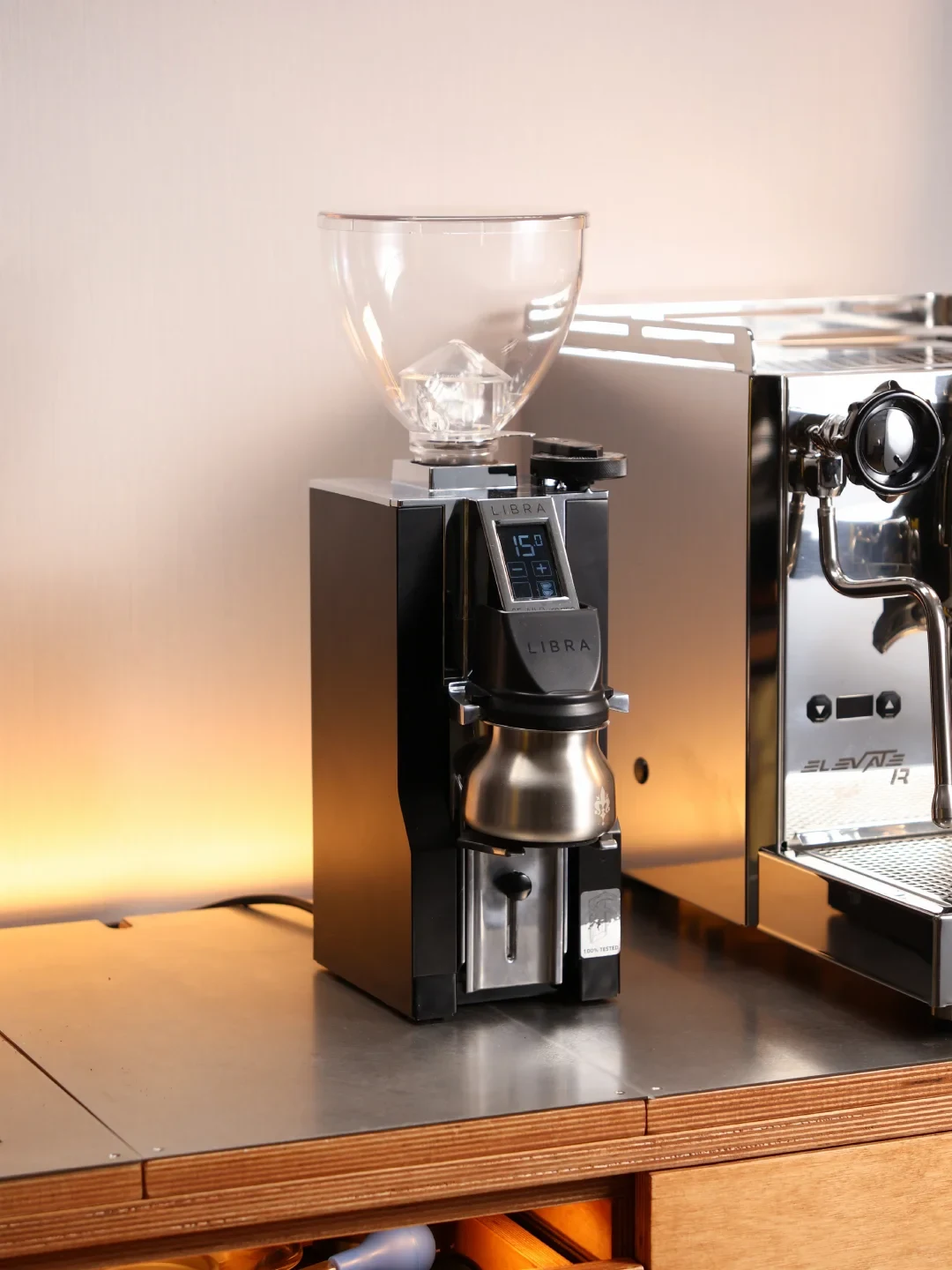
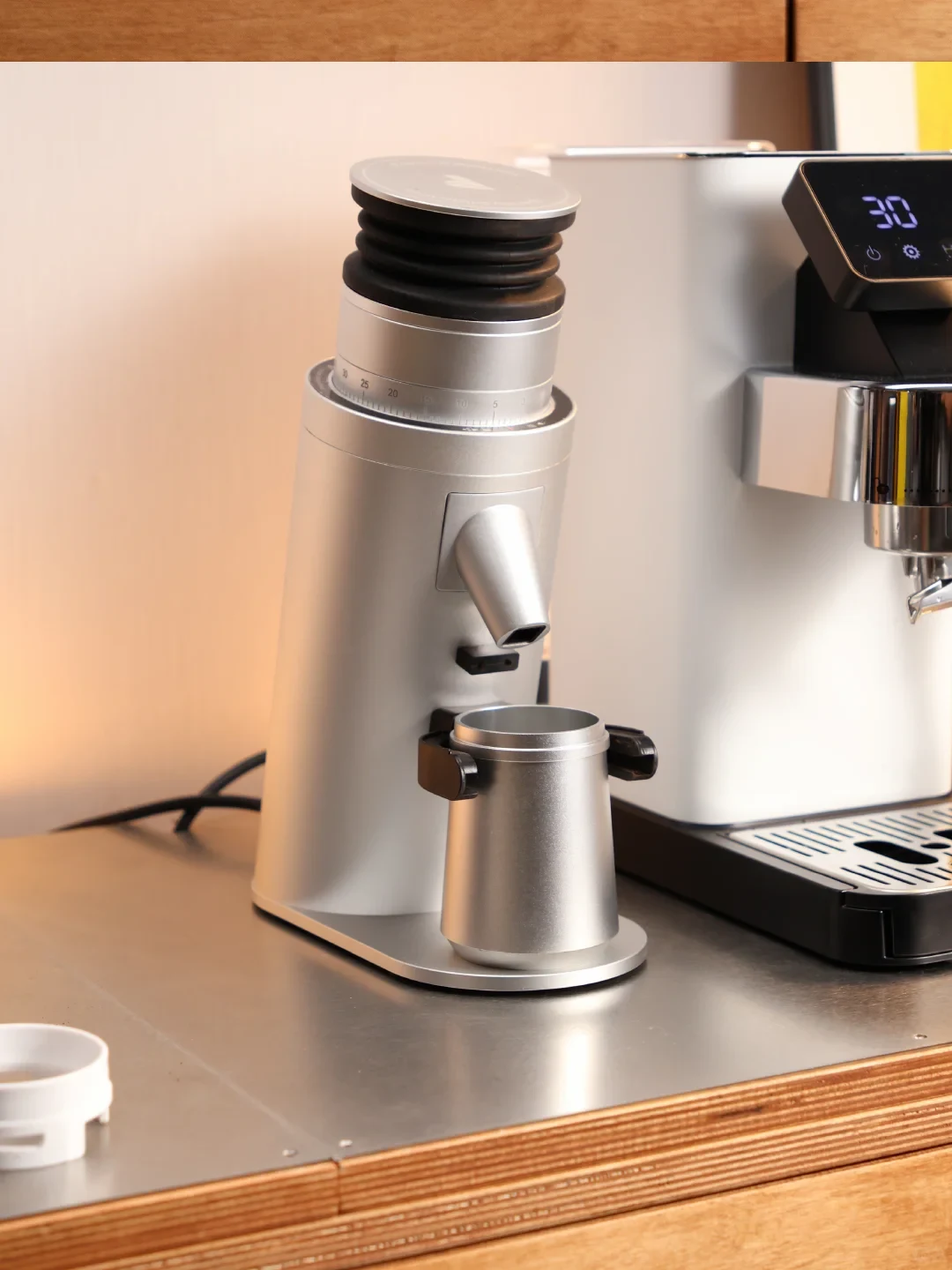
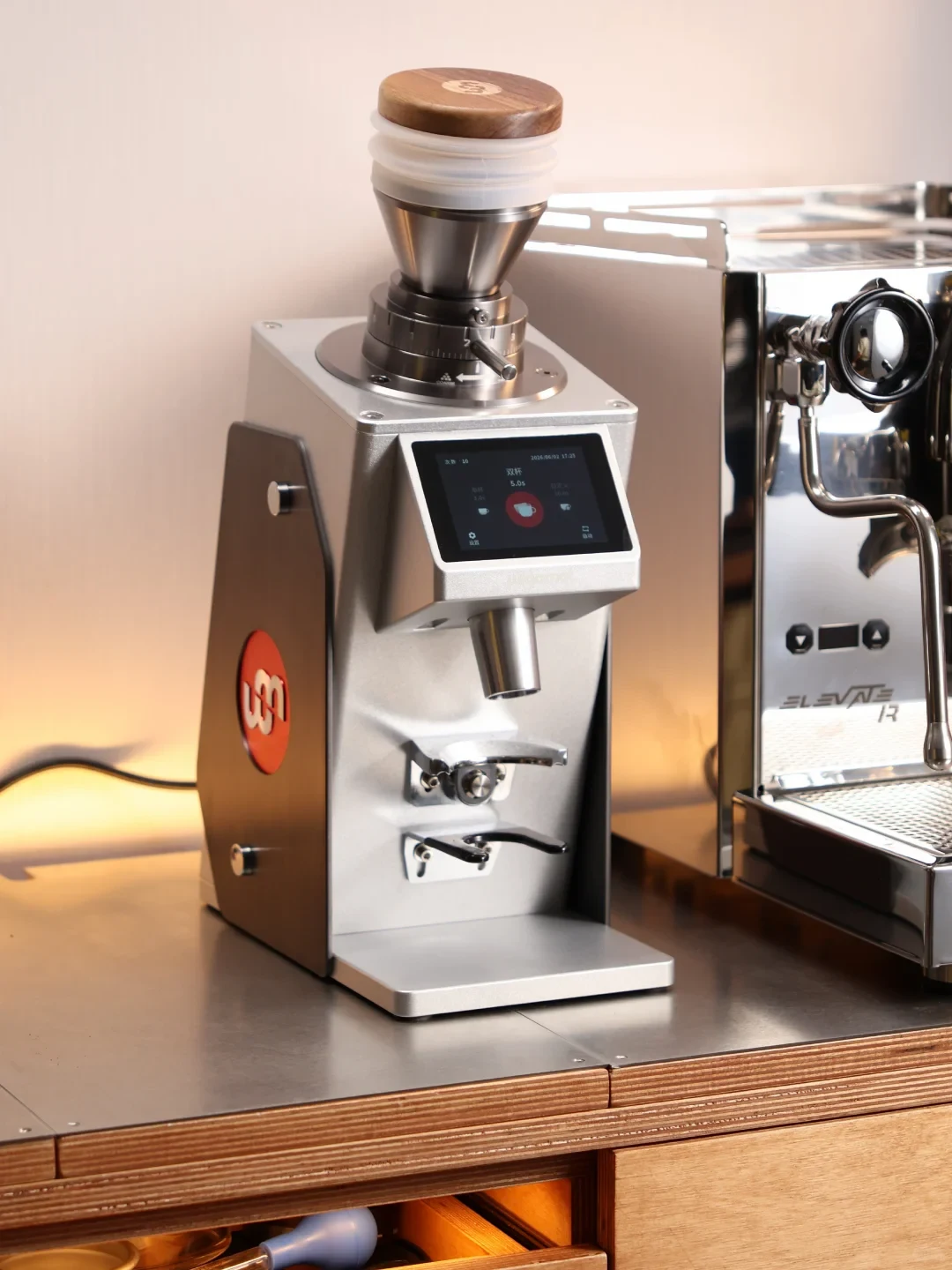
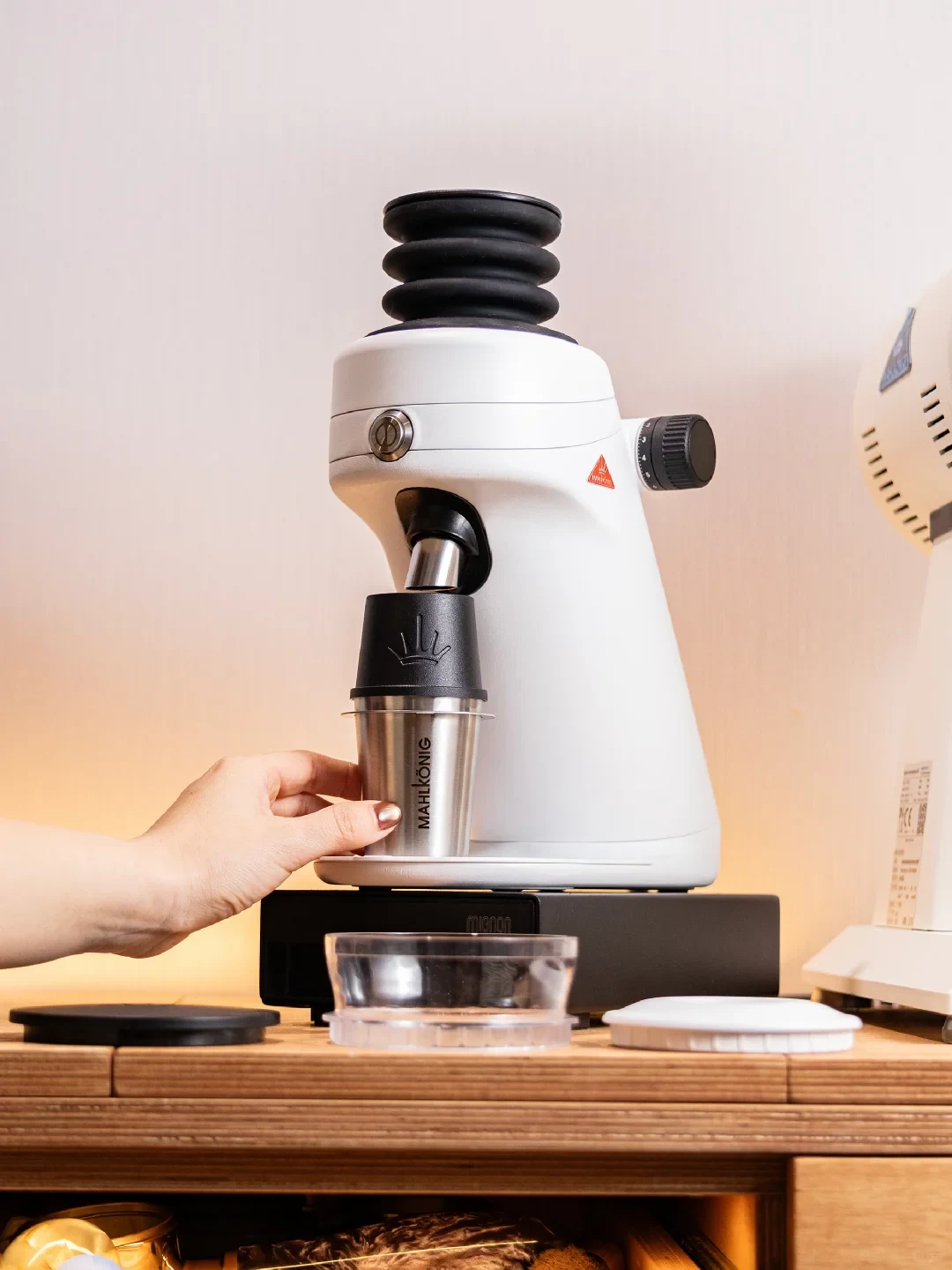
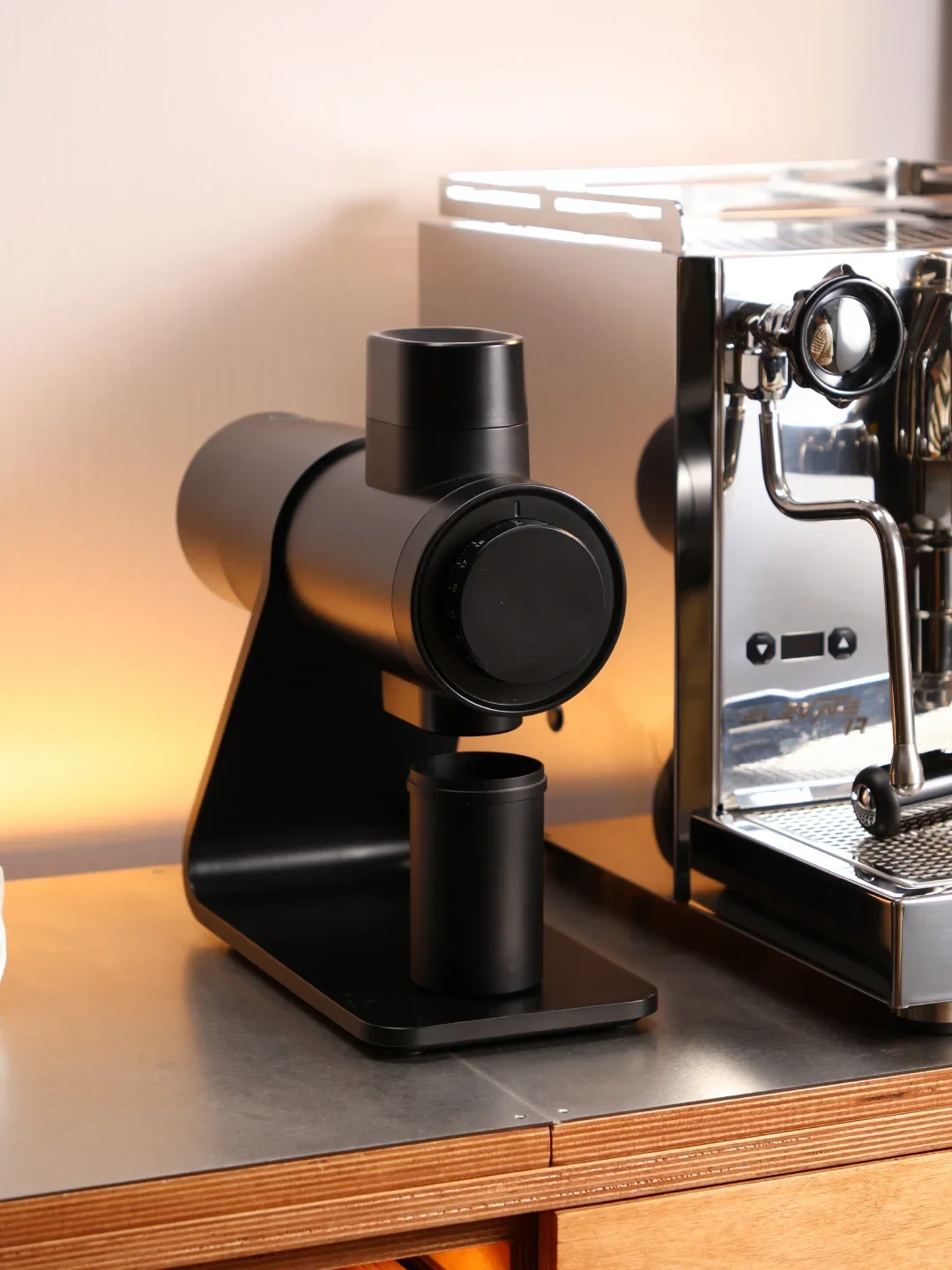
After being a blogger for so long, I took stock of the grinders I’ve used.
The good and the bad, domestic and imported, bought by me or provided through collaborations—I’ve included the ones I could find photos of. Some I used only a few times; others I owned for two or three years. Some cost one or two thousand yuan, others ten or twenty thousand.
If you’re looking for a suitable grinder, I’ll venture a few subjective suggestions.
For home use
- Stay within your means. A grinder doesn’t need to be too expensive; the returns diminish noticeably. The 5,000-yuan Motto80 and the 16,000-yuan EK don’t differ enough in flavor to justify the price gap, in my view. Without comparing them side by side, both make good coffee. For espresso-and-milk-drink fans, something under 3,000 yuan is already enough.
- Coffee is more about the experience it gives you than pure function. Besides making good coffee and being easy to use, a grinder can look good, feel well made, and have a refined tactile finish—all of that adds to the enjoyment. Making coffee should be a pleasure.
- About plasma: I’m sensitive to smells. When I make pour-over with beans I consider expensive—even so-called “one-yuan beans” already feel expensive to me—smelling the dry grounds matters a lot. I don’t recommend using a grinder with plasma for pour-over. I also wish manufacturers would let users turn the plasma function off.
- Choosing burr size: for everyday home use, 38 mm conical burrs or 55 mm and 60 mm flat burrs can all make traditional medium-dark espresso that tastes good to me. If you want to explore how different burrs change coffee flavor, starting with 64 mm flat burrs is a good option. There are many burrs on the market; if your budget has room, 80 mm or 98 mm can also be good choices. Still, stay within your means and know when to stop.
The happiness from upgrading equipment is only temporary, and new gear keeps appearing—there’s no end to it. Instead, explore the world of coffee, buy beans from more regions and processed in different ways, and enjoy drinking more.
That’s all.
Source: 吃桃子喝咖啡 · Xiaohongshu · 2026-10-20 · 当博主3年来,我用过的磨豆机,不完全统计. Search this Chinese title in Xiaohongshu to find the original post.
Before You Buy
Models in your region
The author compares a BOOKOO Motto80 with a Mahlkönig EK-series grinder, without identifying the EK variant or either burr setup. BOOKOO offers the Motto80 for the US, EU and UK with regional power and plug options. The other photographed grinders form the author’s equipment history, rather than separate tests in this post.
| Model in this review | Related regional model | What to know |
|---|---|---|
| BOOKOO Motto80 | BOOKOO Motto80 (US / EU / UK) | Official options include 100–120 V or 220–240 V power, US/EU/UK plugs, and Omni80 or SweetCore burrs. Match those choices to your supply and brewing preferences; the post does not identify the photographed unit’s electrical or burr configuration. |
- Model in this review
- BOOKOO Motto80
- Related regional model
- BOOKOO Motto80 (US / EU / UK)
- What to know
- Official options include 100–120 V or 220–240 V power, US/EU/UK plugs, and Omni80 or SweetCore burrs. Match those choices to your supply and brewing preferences; the post does not identify the photographed unit’s electrical or burr configuration.
Match the grinder to your budget and brew style
The author found little extra flavor value in moving from a 5,000-yuan Motto80 to a 16,000-yuan EK, and enjoyed both without a side-by-side comparison. These are the author’s China-market price examples and personal impressions; no EK variant, burr pairing or tasting protocol is supplied.
Before comparing grinders, identify the installed burrs as well as the machine. BOOKOO offers Omni80 and SweetCore options on the Motto80 page; the author does not say which was fitted.
For espresso with milk at home, the author considers a grinder under 3,000 yuan sufficient. Treat that as a spending priority from one user, rather than a current overseas price threshold.
Consider burr size and plasma in your brew routine
The author suggests 38 mm conical or 55–60 mm flat burrs for everyday medium-dark espresso, with 64 mm flat burrs for exploring other burr sets. Larger 80 mm and 98 mm options belong to a more flexible budget in this account; diameter alone was not tested as a performance variable.
The plasma comment is about a sensitivity to smells and the pleasure of smelling dry grounds. It is not a finding that the Motto80 has that feature or changes aroma, and no ozone or safety measurement was made. If an ionizer is relevant to a purchase, check the specific model and whether it can be disabled.
Spend on coffee, not only on upgrades
The author recommends exploring beans from different regions and processing methods as an alternative to repeated equipment upgrades. Some photographed machines were bought and some came through collaborations; use ranged from a few tries to two or three years.
Appearance, build and tactile feel also contributed to the author’s enjoyment. Those preferences explain part of the value judgment alongside flavor and ease of use.
Related Reading
Reviews & Guides · Kitchen & Dining
My Bincoo immersion dripper lost its steel ball during washing
I lost the valve ball while cleaning my Bincoo immersion dripper and bought five 14 mm spares. My receipt records the size; I didn’t report a sealing test.
Reviews & Guides · Kitchen & Dining
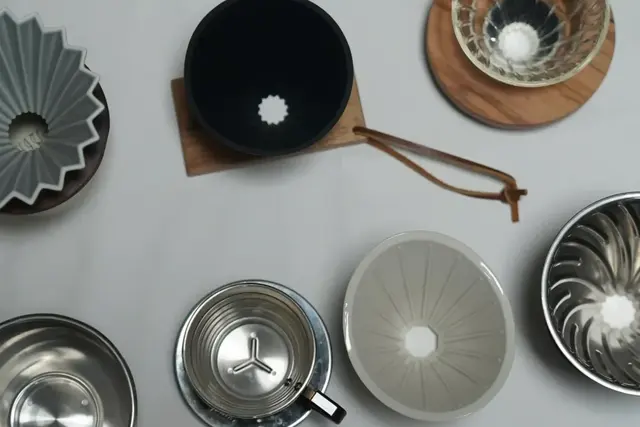
My 11-dripper comparison: why I used the Kalita Wave 155 and 185 least
I tried 11 pour-over drippers over time. I used my Kalita Wave 155 and 185 least because their papers lost shape during storage and rinsing.
Reviews & Guides · Kitchen & Dining
My four ceramic drippers: HARIO Alpha, V60, Shanwen 62 and Coffee Flower
I compared four ceramic drippers with washed Panama SL28. The Alpha felt weightier than my V60; I also compared Shanwen 62 and Coffee Flower.