
Reviews & Guides · Kitchen & Dining
De’Longhi ECO310 after a year: cleaning and using it more often
Reviewed: De'Longhi ECO310Regional reference: Icona ECO-310.BK (US)
I now flush the De’Longhi ECO310 before and after brewing, then wipe and brush it; after more than a year, I’ve had no handle ejections.
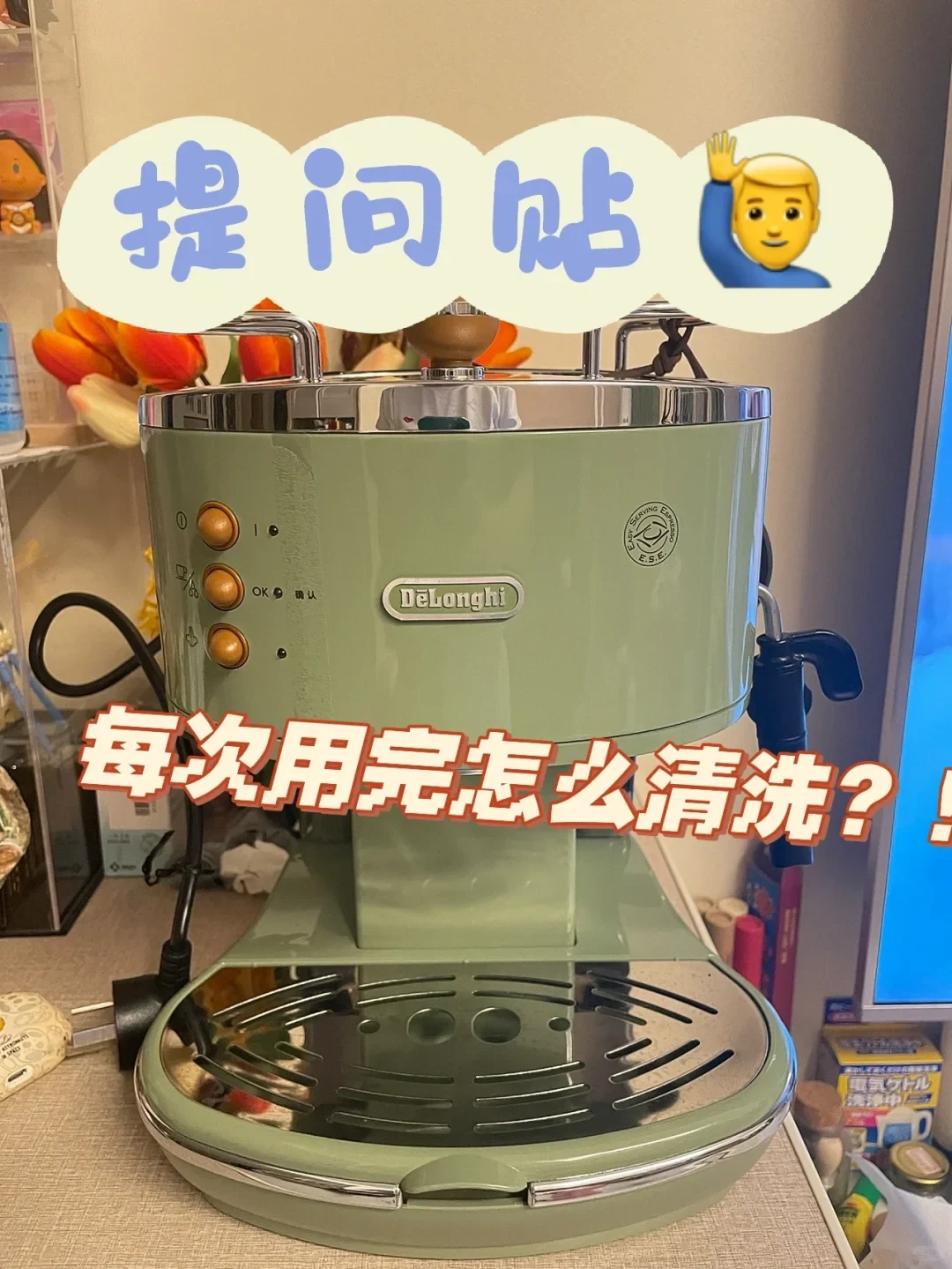
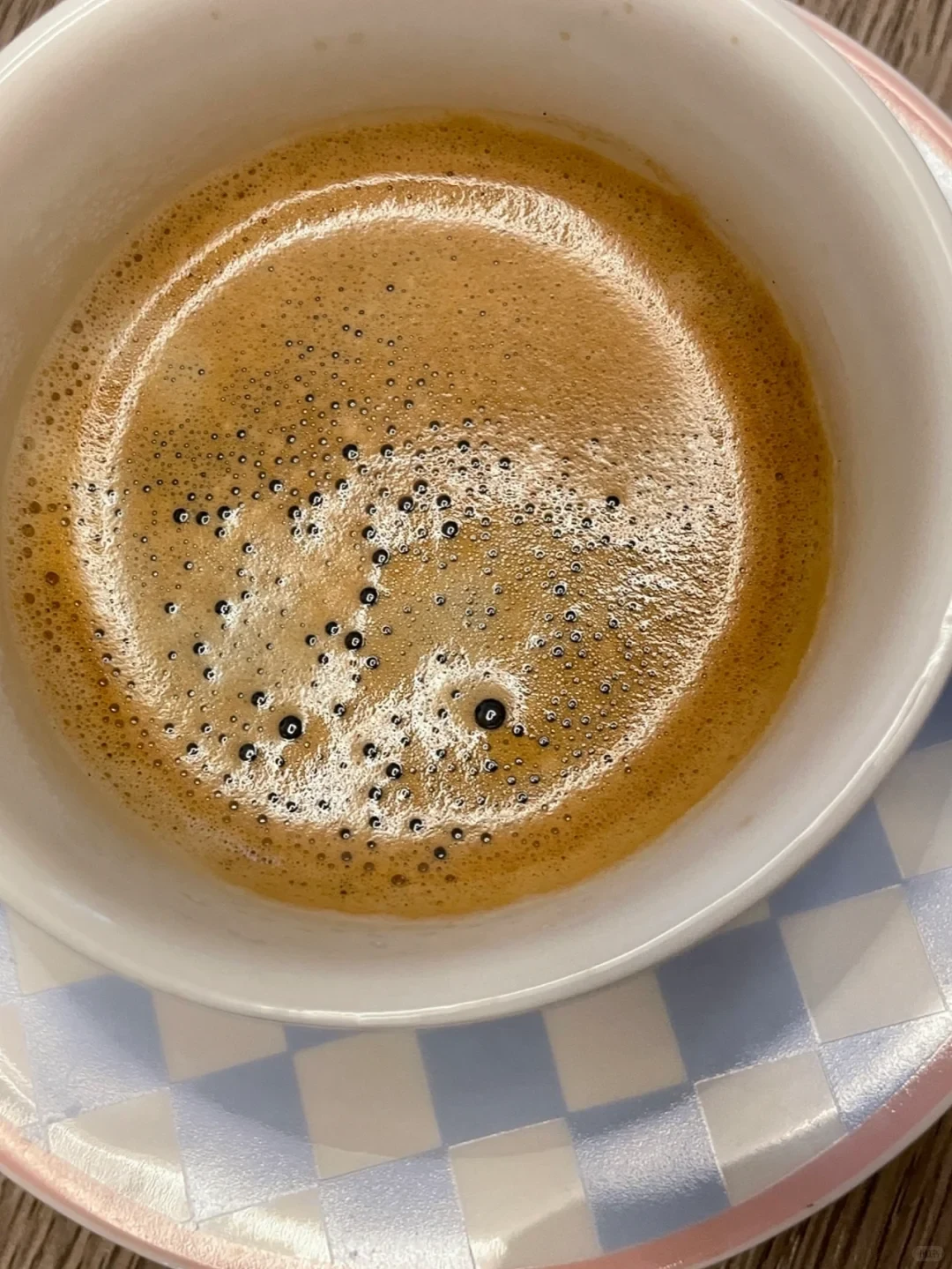
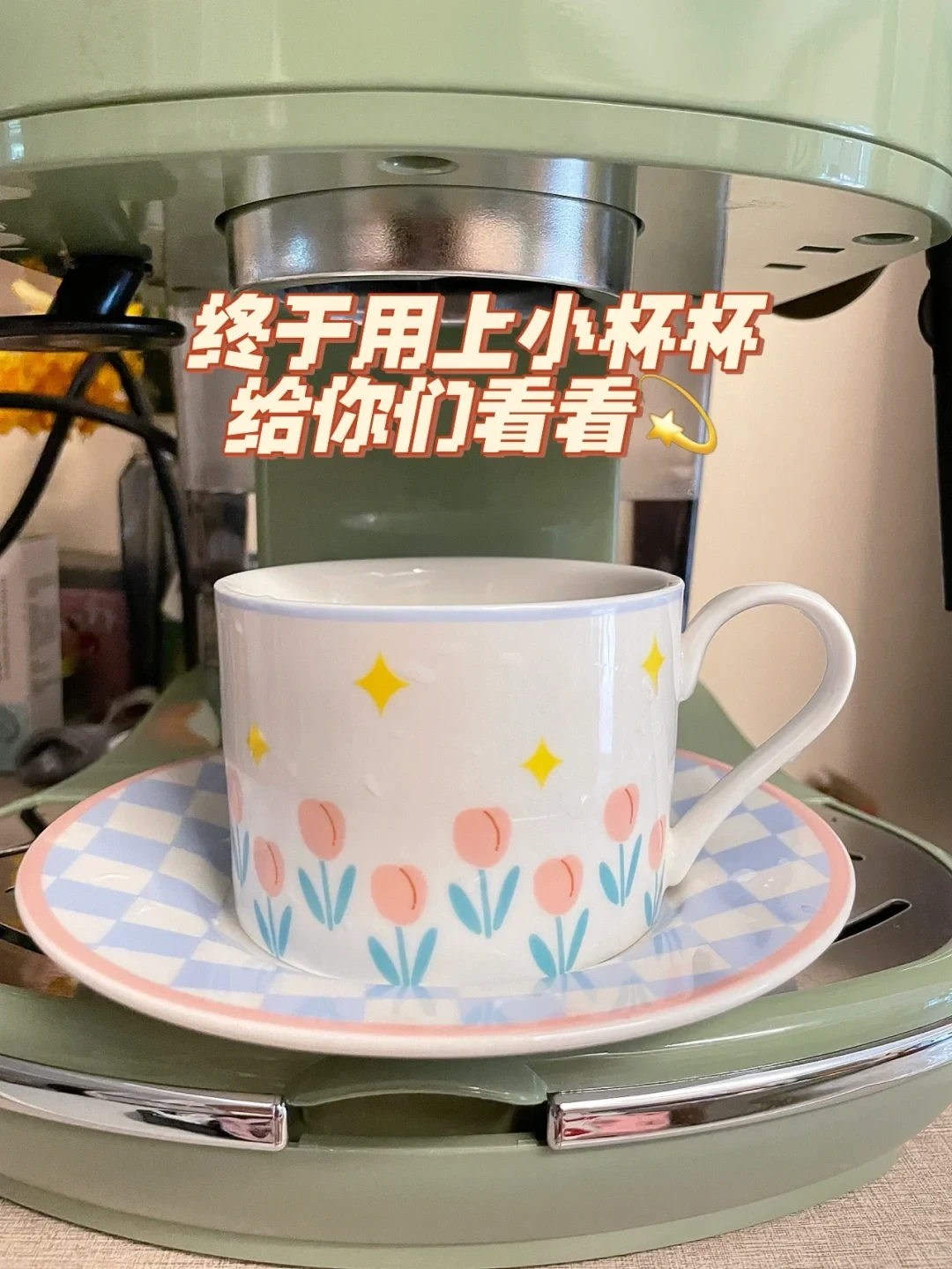
1. How should I clean the outlet after each shot?
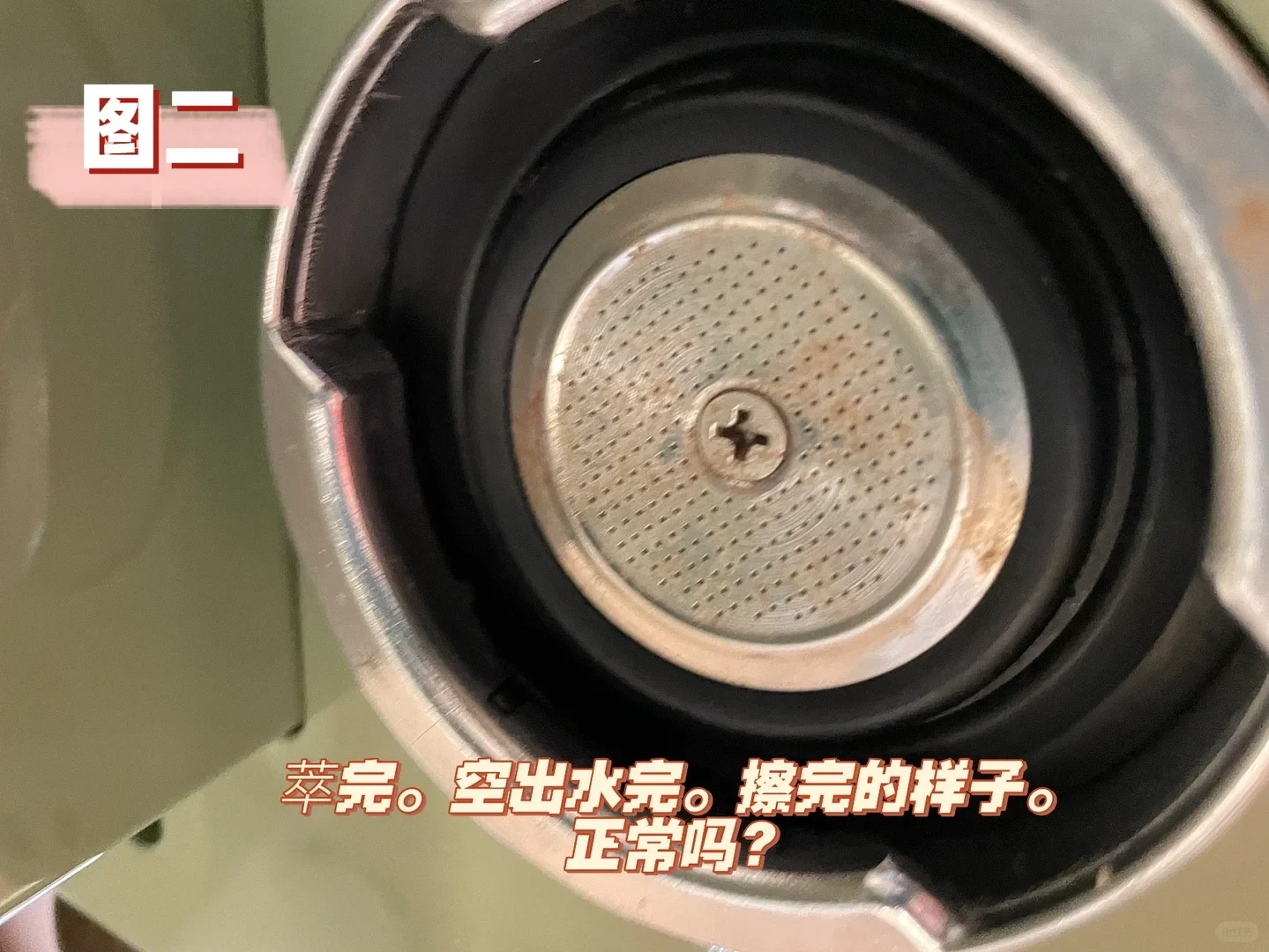
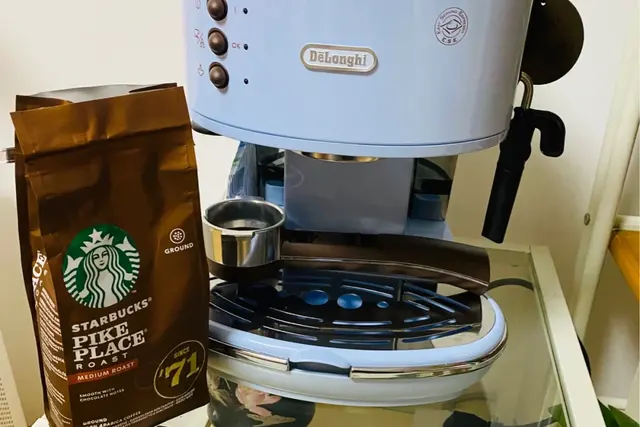
(For now, I wipe it clean with a cloth, but I’m worried that wiping may not be enough and the outlet could clog. Should I run some water through it? [Image 2])
(Update: I flush water through it before and after use, then wipe it with a cloth. I have a dedicated cleaning brush. The black part at the bottom of the basket rotates, so I can take the basket apart and wash each piece. Coffee grounds can get stuck in the screen; a brush can clear it.)
2. How should I clean it over the long term?
(I’ve seen people use a screen, remove screws for cleaning, or use cleaning products. Which method is easiest and effective?)
3. Does the screen need to be a particular size?
(Update: the screen for this machine is 51 mm.)
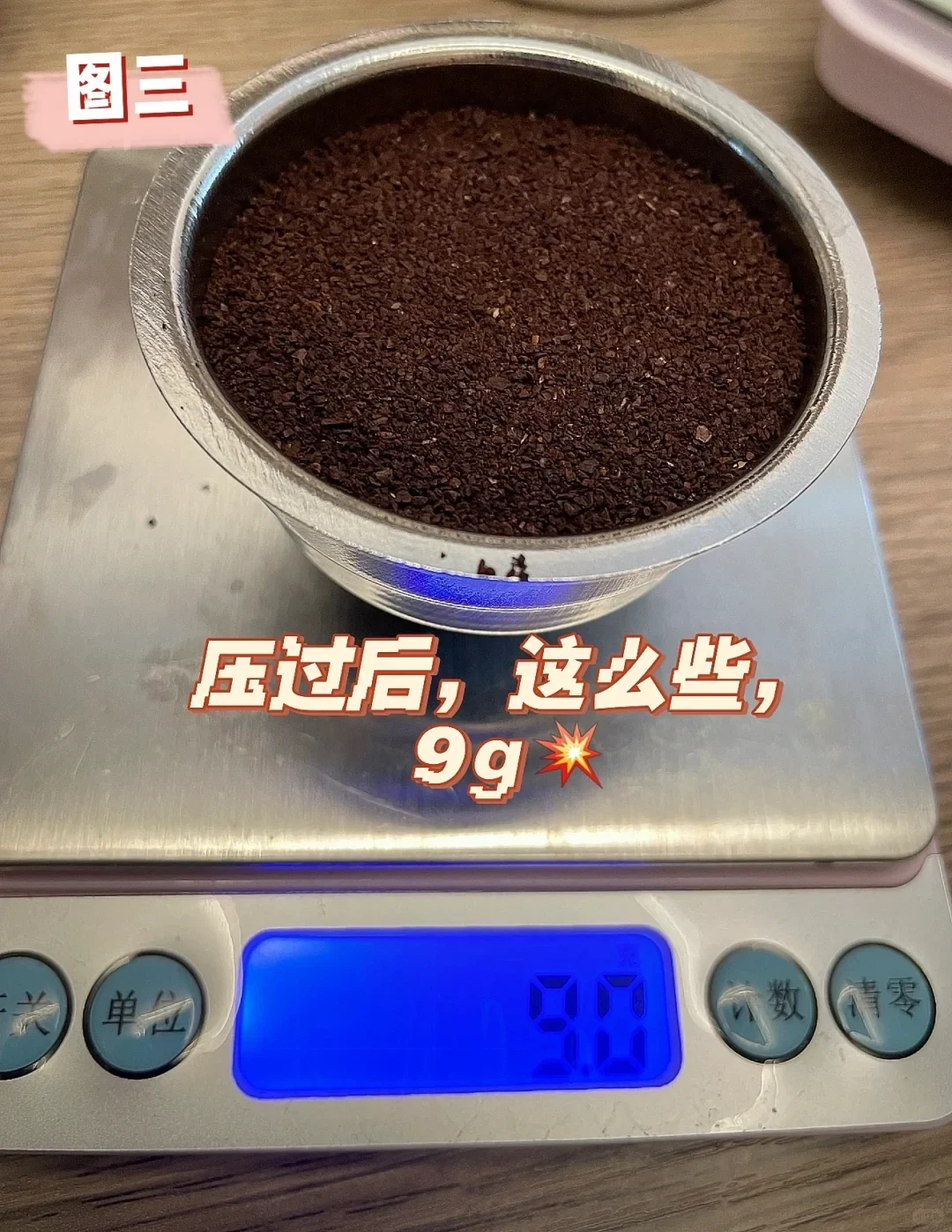
4. How many grams of coffee fit in the two supplied baskets, and what extraction time or yield is best?
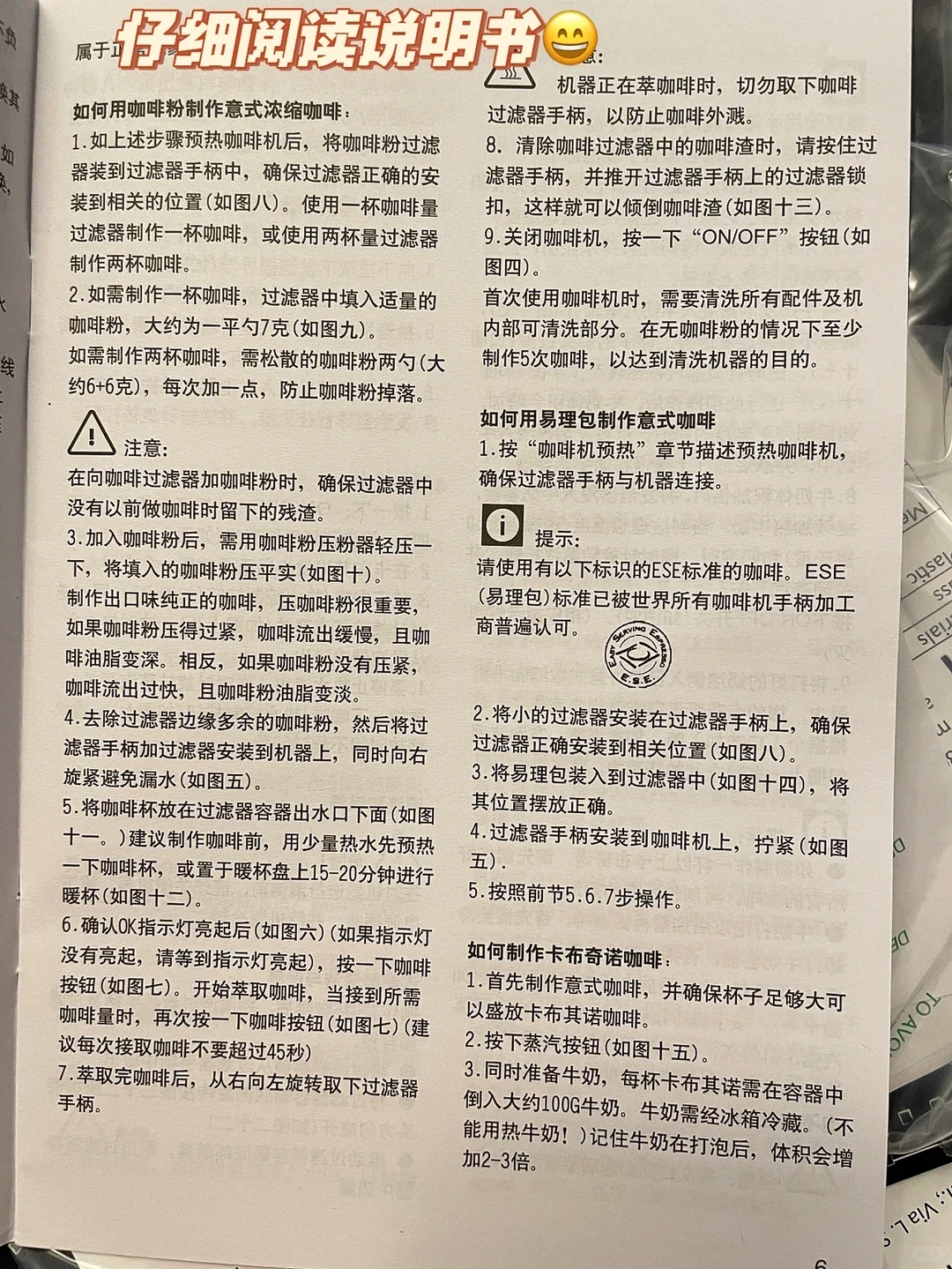
(The manual says 7 g for the single basket and 12 g for the double. In practice, I use about 10 g in the double basket. Experienced users suggest a 1:2 coffee-to-liquid ratio, so 10 g in the double basket would yield 20 g of coffee. This is just a reference; it depends on personal taste.)
(Read the manual! It’s quite detailed and even explains how to make cappuccino and hot water.)
5. I’ve seen lots of reports of the portafilter flying off, and they make me nervous. What should I watch out for to avoid that?
(Update: Don’t grind the coffee too finely. Watch the machine throughout extraction, and steady the handle promptly if it starts to loosen. I haven’t had the handle fly off; it isn’t common, so there’s no need to worry excessively.)
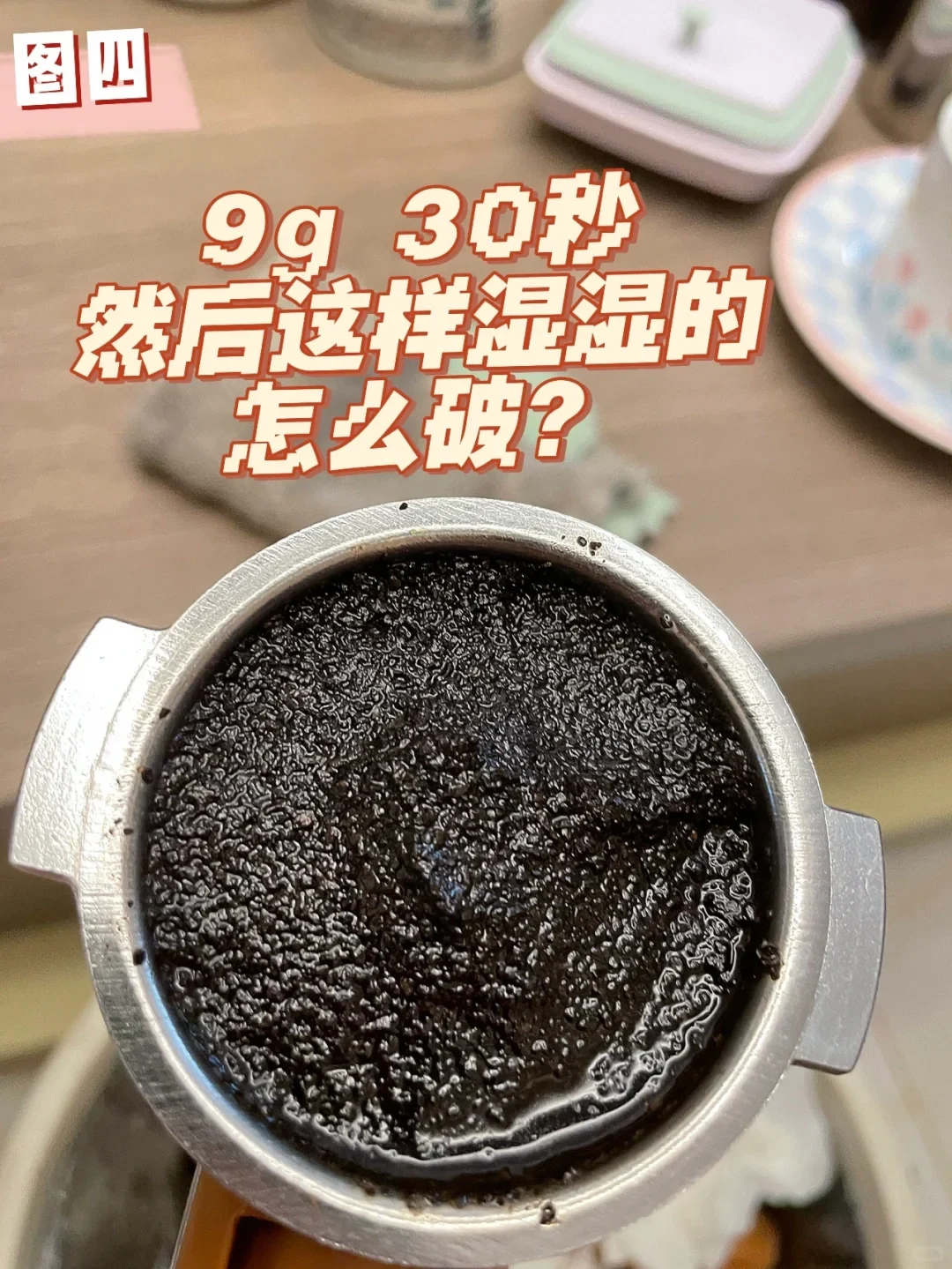
6. Is it normal for water to remain in the basket after extraction, with the coffee grounds not forming a puck? How can I fix it?
————————
Update after more than a year
1. Cleaning
Machine: I bought a screen. After most shots, I flush water through, wipe the machine with a cloth and give it a quick brush. It looks spotless, with no coffee residue left behind.
Basket: I rinse and brush it immediately after extraction. I take it apart once a week, and it stays very clean.
2. Use
I left it unused for a while. Later, I usually made espresso in the evening and added milk in the morning. Keeping it beside the sink was convenient, so I used it more often. But if you’re in a hurry, it’s better to go straight for a fully automatic machine.
3. The handle flying off
It has never happened. I firmly lock the handle into the centered position each time and follow the instructions; it has felt safe.
4. The coffee puck not forming
It was simply because I hadn’t used enough coffee. With enough grounds and a firm tamp, the puck forms easily.
Source: 自由的啊呜啊呜 · Xiaohongshu · 2022-08-07 · 第一次使用咖啡机! 德龙310提问贴! 感恩❤️. Search this Chinese title in Xiaohongshu to find the original post.
Before You Buy
Models in your region
An early list of cleaning and dose questions became a practical update more than a year later: a workable cleanup routine and a more convenient position beside the sink. The US Icona ECO-310.BK is the regional reference below.
| Model in this review | Related regional model | What to know |
|---|---|---|
| De’Longhi ECO310 | Icona ECO-310.BK (US) | The US reference lists a manual frother, ground-coffee/E.S.E. filter holder and stainless-steel boiler. The source gives no full regional suffix or verified replacement-screen model; check the local rating and accessories. |
- Model in this review
- De’Longhi ECO310
- Related regional model
- Icona ECO-310.BK (US)
- What to know
- The US reference lists a manual frother, ground-coffee/E.S.E. filter holder and stainless-steel boiler. The source gives no full regional suffix or verified replacement-screen model; check the local rating and accessories.
Cleaning after each shot
For the author’s ECO310, flushing water before and after use, wiping the machine and brushing the screen became a quick routine; after more than a year, the author said it left no coffee residue. The author also rinses and brushes the basket immediately after use and takes it apart weekly. These are personal practices, not a confirmed cleaning schedule for every regional version.
For the US ECO310 reference, the manual says to clean the frother after use and describes cleaning the filters and boiler outlet about every 300 coffees. That boiler-outlet procedure begins with the machine cool and disconnected from power. Follow the instructions for the exact regional machine rather than treating the author’s weekly basket disassembly as a manufacturer requirement.
Dose and tamping
The US supplied-filter instructions give about 7 g and 12 g, with even distribution and light tamping. The caption describes about 10 g and a suggested 20 g yield, while earlier image overlays show 9 g and a 30-second shot. These are different stages of the setup. The added 51 mm screen is not shown, so its exact type and replacement fit remain unverified.
A wet basket or loose puck does not by itself identify the cause. The author later found that using enough coffee and tamping firmly produced a puck in this setup, while the US manual lists dose, tamping, grind and coffee type among possible causes of light or fast crema. That troubleshooting guidance does not diagnose the author’s earlier wet-puck result.
Using and handling the portafilter
No handle ejection was reported over this period. That is different from evidence that the handle never loosened or that ejections are rare. The early suggestion to steady a loosening handle is not a tested remedy; stop extraction if it loosens. The manual says not to release the holder while dispensing.
A handle that does not lock securely calls for a check against the exact machine’s instructions before brewing. The account supplies no inspection or repair evidence for a loose holder.
Make room for the daily routine
Moving the machine beside the sink made washing up easier and encouraged more frequent use after a period of neglect. Preparing espresso the night before was another personal workaround; no comparison of stored and freshly brewed coffee is supplied.
The later preference for an automatic machine when time is short is a recommendation, not an account of an automatic model tested alongside the ECO310. The useful change here was adapting placement and timing to the household routine.
Related Reading
Reviews & Guides · Kitchen & Dining
De’Longhi ECO310 after two weeks: richer coffee, more cleanup
I found the De’Longhi ECO310 made coffee that tasted fuller than my pour-over, but its more involved routine and cleanup didn’t suit my fast mornings.
Reviews & Guides · Kitchen & Dining
De’Longhi ECO310: a leaking first unit and a working replacement
My first De’Longhi ECO310 leaked when I switched it on. The seller sent a replacement that worked normally, completing my move from a moka pot.
Reviews & Guides · Kitchen & Dining
De’Longhi ECO310 after a month: daily coffee, frothing and cleanup
Over a month of breakfast coffee with the De’Longhi ECO310: a quieter second startup, a handle that became easier to lock, milk froth and daily cleanup.