
Reviews & Guides · Kitchen & Dining
De’Longhi ECO310 after a month: daily coffee, frothing and cleanup
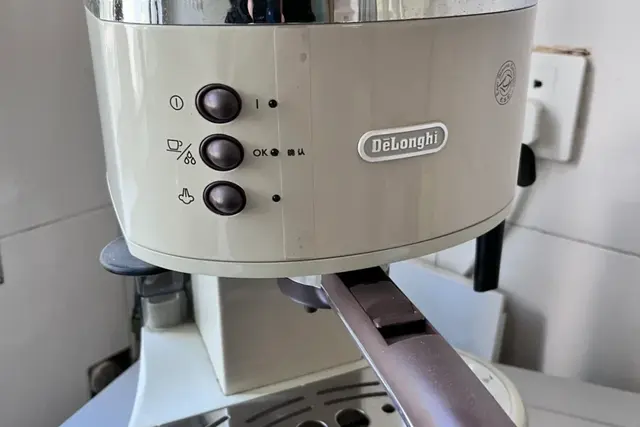
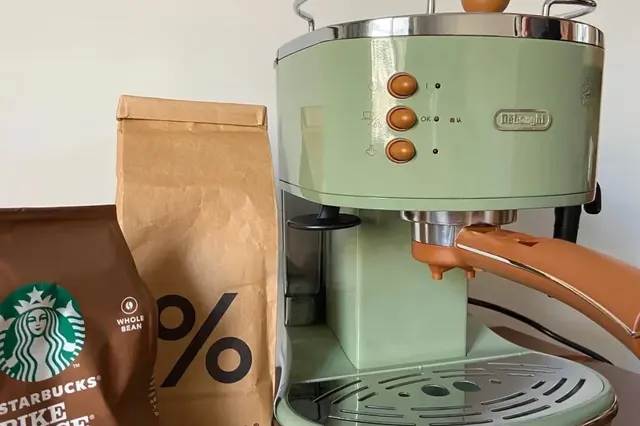
Reviewed: De'Longhi ECO310Regional reference: Icona ECO-310.BK (US)
Over a month of breakfast coffee with the De’Longhi ECO310: a quieter second startup, a handle that became easier to lock, milk froth and daily cleanup.
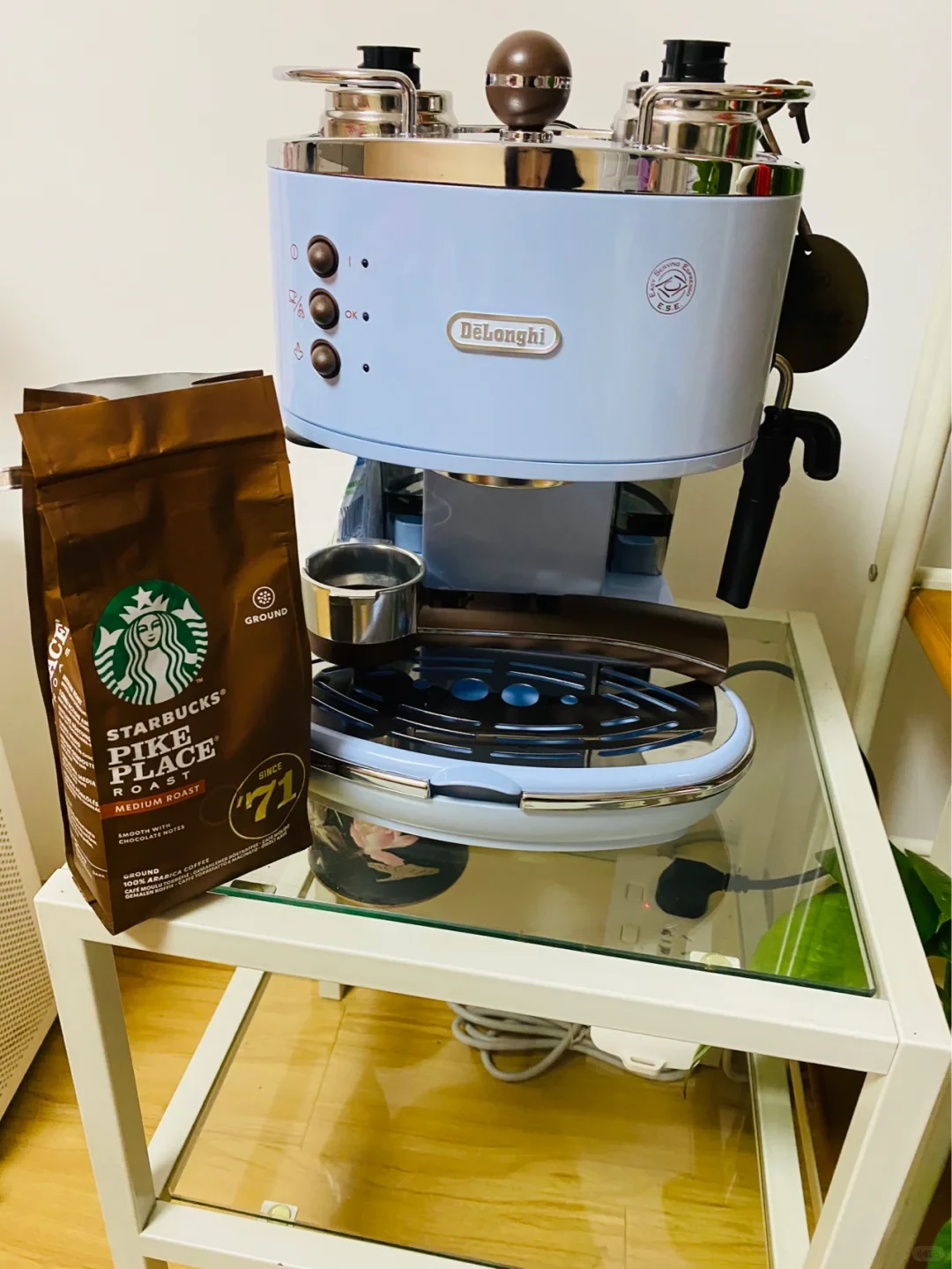
I bought this machine through Tmall Global.
A small hiccup nearly made me return it.
The first time I turned it on, it was incredibly loud—I thought it was broken. But from the second time onward, it was quieter.
At first, I had to use all my strength to lock in the handle. After using it for a while, it started to feel normal.
How I rate the machine
The coffee depends a lot on the grounds you choose, the grind size, and how you operate the machine. Once you’ve got those things down, you can enjoy a happy start to every morning. Get them wrong and the coffee can be horribly under- or over-extracted.
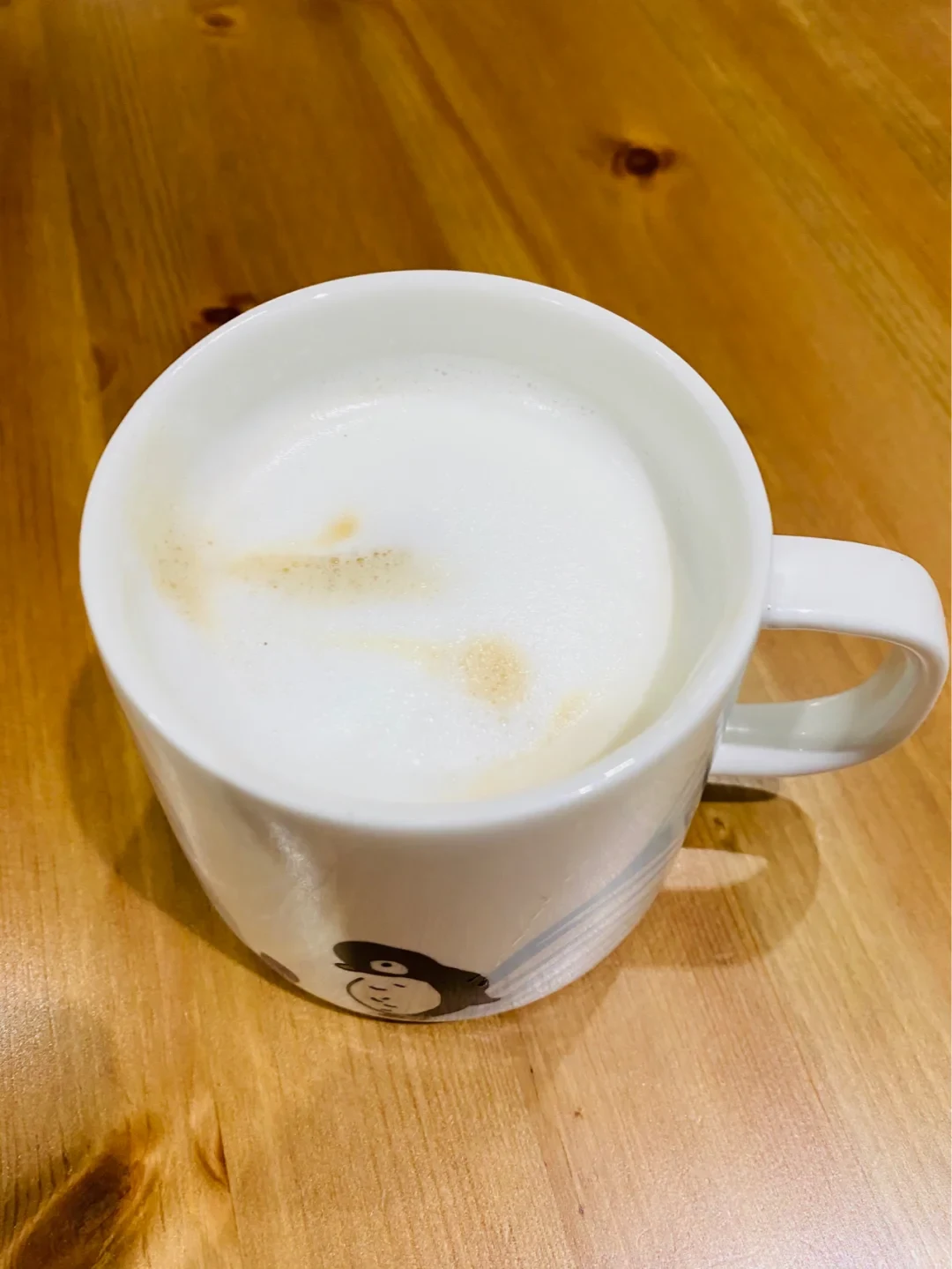
Milk froth: Pay attention to your technique. Don’t put the steam tip too close to the surface, or you’ll get big bubbles in no time. The froth in the third photo looks like this because I didn’t drink it right after making it; it was much finer when freshly prepared.
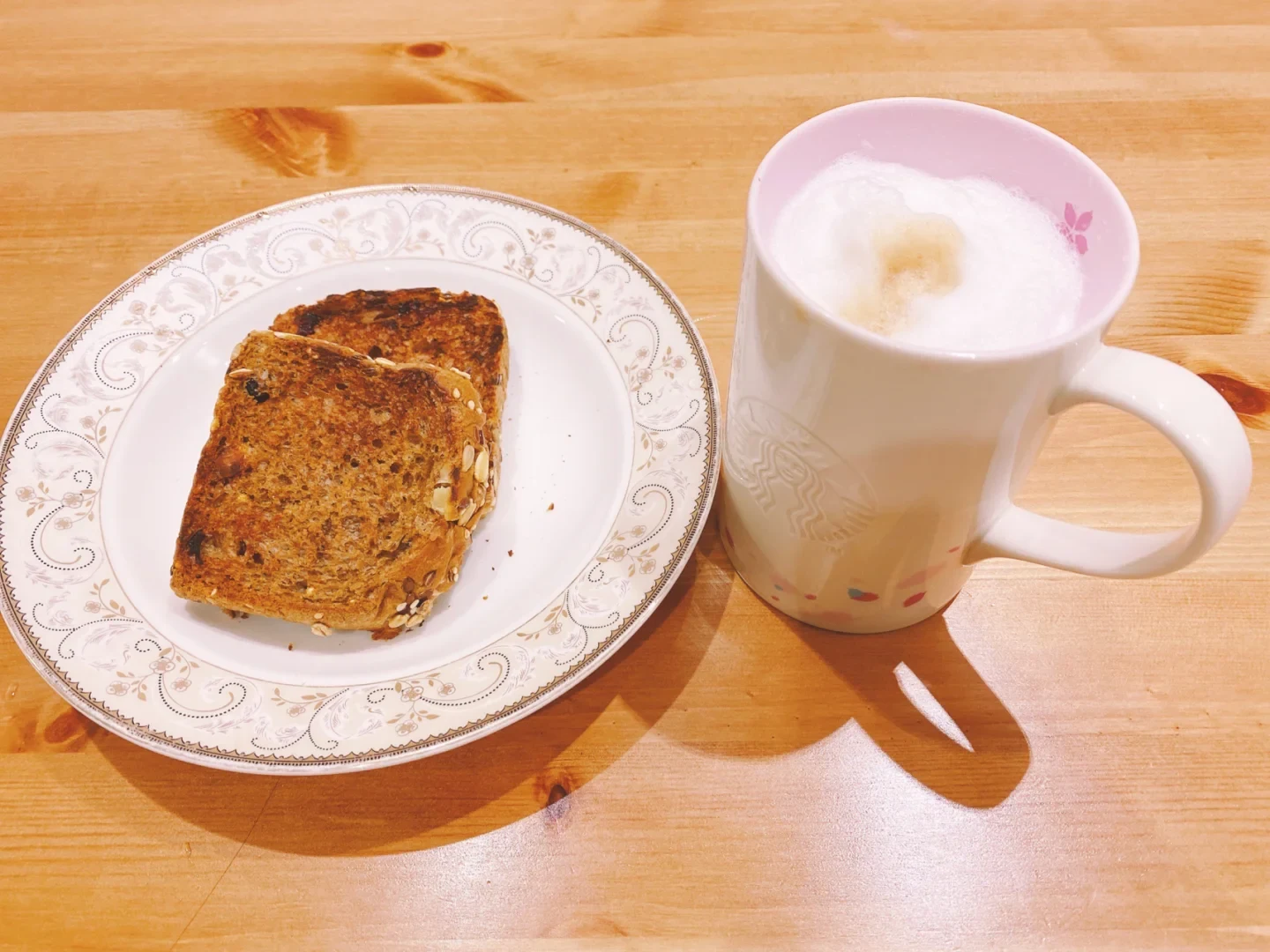
After more than a month, I’ve started eating breakfast at home every day for the first time in over 20 years. It feels genuinely wonderful—not having to commute to work half-asleep anymore.
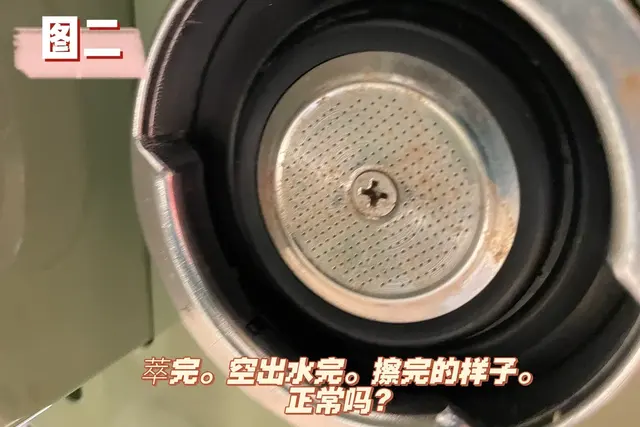
Cleaning: Rinse it promptly after each use and it’s quite easy to clean. I rinse it with water along with my cup after every coffee, and it comes clean. Don’t wait for it to cool down: by then, the residue has dried, and the longer you leave it, the harder it is to remove. Also remember to wipe away the grounds left above the outlet—careful, it can burn you. One last important point: remove the milk frother and rinse it with the rest of the parts. Cleaning everything promptly is easiest.
Overall, I’m very satisfied. The value, appearance and taste are all good, and the cleaning effort is acceptable.
If you’re not a coffee enthusiast, I’d still recommend buying it.
Source: kameari · Xiaohongshu · 2020-05-09 · 德龙ECO 310 早餐料理一级棒. Search this Chinese title in Xiaohongshu to find the original post.
Before You Buy
Models in your region
After more than a month of daily breakfast coffee, the initial noise and stiff handle had settled for this owner, and cleanup felt manageable. The US Icona ECO-310.BK is the regional reference below.
| Model in this review | Related regional model | What to know |
|---|---|---|
| De’Longhi ECO310 | Icona ECO-310.BK (US) | A US ECO310-family reference with a manual frother and ground-coffee/E.S.E. filter holder. The blue source unit’s full suffix and electrical rating are unspecified; check its own rating plate and supplied manual. |
- Model in this review
- De’Longhi ECO310
- Related regional model
- Icona ECO-310.BK (US)
- What to know
- A US ECO310-family reference with a manual frother and ground-coffee/E.S.E. filter holder. The blue source unit’s full suffix and electrical rating are unspecified; check its own rating plate and supplied manual.
Check the rating plate before buying
The US Icona ECO-310.BK is the regional ECO310 reference in this guide, but the owner’s account does not establish that the machine has the same suffix or electrical configuration. The US ECO310 manual specifies 120 V, 60 Hz, and 1100 W; check the rating plate on the actual machine before use, especially if it was imported.
Dial in the coffee and froth
Coffee choice, grind and technique affected the breakfast results. The foam was finer when fresh; the source specifically says the coarser appearance in photo 3 followed a delay before drinking it. That photo alone cannot establish a frothing limitation.
For the supplied filters, the US instructions specify about 7 g of coffee in the small filter for one coffee and about 12 g in the larger filter for two cups. They recommend distributing the grounds evenly and tamping lightly, so these directions offer a starting point rather than a verified recipe for the owner’s regional machine.
When making multiple cappuccinos, the US manual advises preparing the coffees before steaming milk, allowing the boiler to cool before switching from steam back to brewing, and washing the frother after use. These steps apply to the US regional reference; the owner’s account does not describe the machine’s exact controls or procedure.
Rinse promptly and clean safely
Prompt rinsing made cleanup manageable in this household, but the source also warns of being burned near the outlet and advises cleaning before cooling. Use the official handling instructions instead: switch off, unplug and let the appliance cool before cleaning or removing parts; clean the frother after use.
For the US ECO310, the manual describes cleaning the filters and boiler outlet about every 300 coffees; the boiler-outlet procedure begins with the machine cool and disconnected from the mains. The owner’s account covers routine rinsing, not this periodic maintenance, so it does not establish how often this specific regional version needs that procedure.
Treat the first-use hiccups as one owner’s experience
The owner found the first startup very loud and initially struggled to lock the filter handle in place; both seemed to improve after the owner used the machine for a while. That is their experience with one ECO310, not confirmation that startup noise or a tight handle will settle on every unit. The owner ultimately said they were satisfied after more than a month of daily breakfast coffee.
Related Reading
Reviews & Guides · Kitchen & Dining
De’Longhi ECO310 after two weeks: richer coffee, more cleanup
I found the De’Longhi ECO310 made coffee that tasted fuller than my pour-over, but its more involved routine and cleanup didn’t suit my fast mornings.
Reviews & Guides · Kitchen & Dining
De’Longhi ECO310: a leaking first unit and a working replacement
My first De’Longhi ECO310 leaked when I switched it on. The seller sent a replacement that worked normally, completing my move from a moka pot.
Reviews & Guides · Kitchen & Dining
De’Longhi ECO310 after a year: cleaning and using it more often
I now flush the De’Longhi ECO310 before and after brewing, then wipe and brush it; after more than a year, I’ve had no handle ejections.