
Reviews & Guides · Kitchen & Dining
De’Longhi ECO310: a smooth first cappuccino and easier cleanup
Reviewed: De'Longhi ECO310Regional reference: Icona ECO-310.BK (US)
I made a cappuccino with my secondhand De’Longhi ECO310; the steam worked well for me, and cleanup felt easier than with my moka pot or French press.
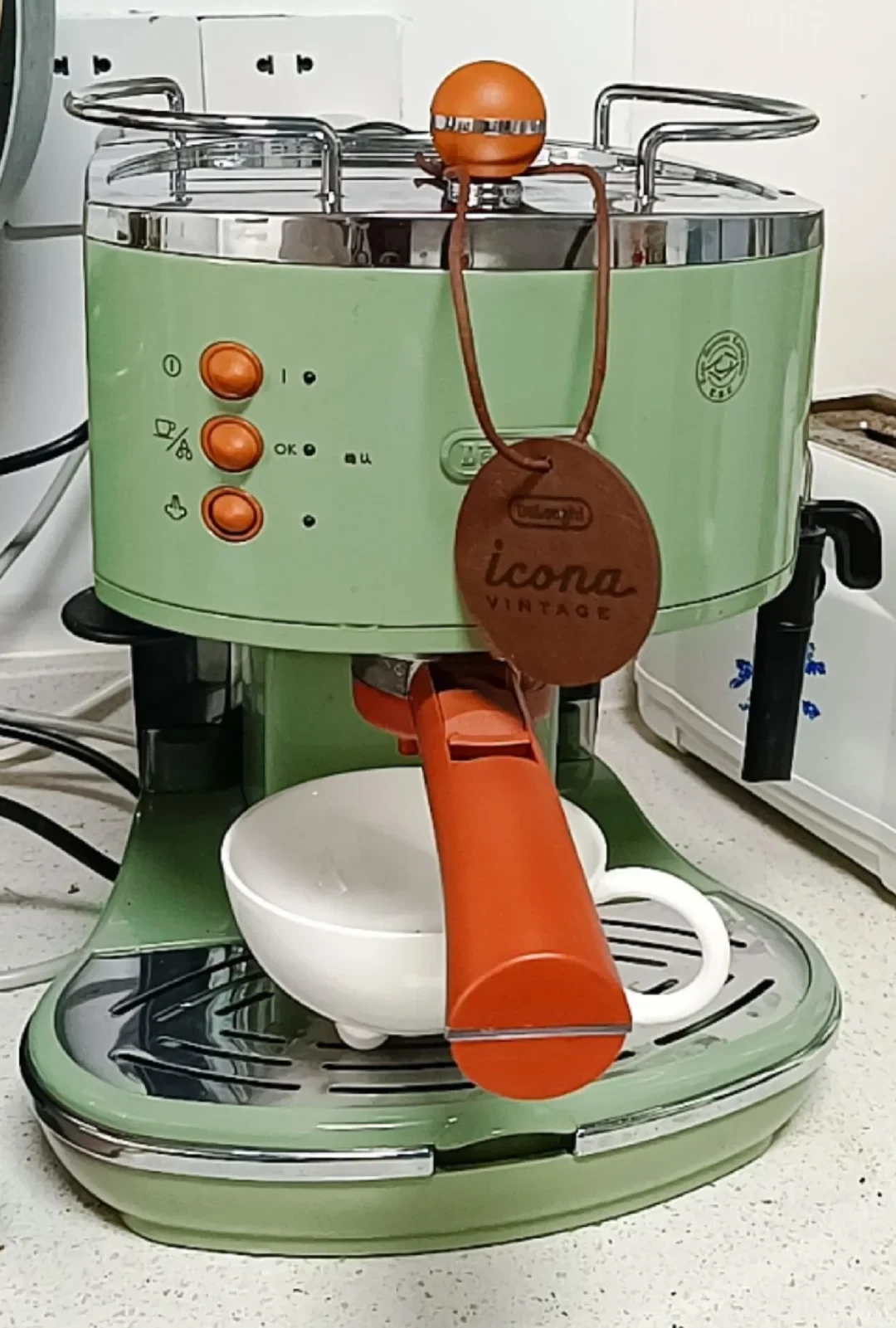
The model is a De’Longhi ECO310. Including shipping, it cost 360 yuan, and the previous owner also included a tamper.
I spent a week watching Xianyu before finding one that suited me. I saw lots of people saying they had bought one for just over 200 yuan, and a foreigner on Bilibili had bought one at a flea market for only 10 euros. I just wasn’t that lucky.
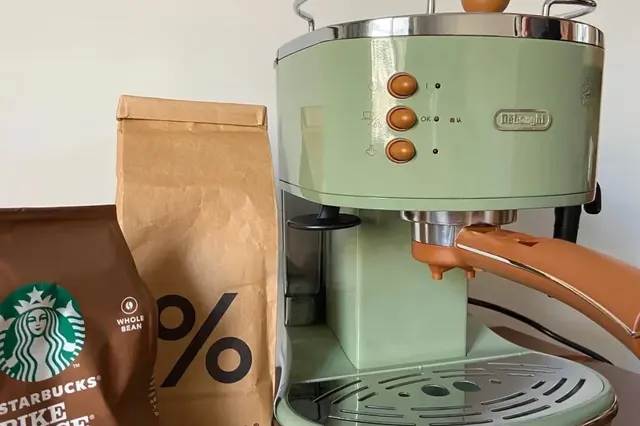
I was impressed as soon as I opened the package—it really looks good. I’d always thought the body was plastic, so I tested it with a fridge magnet and found that it was all metal.
The next morning, my wife said it looked good too.
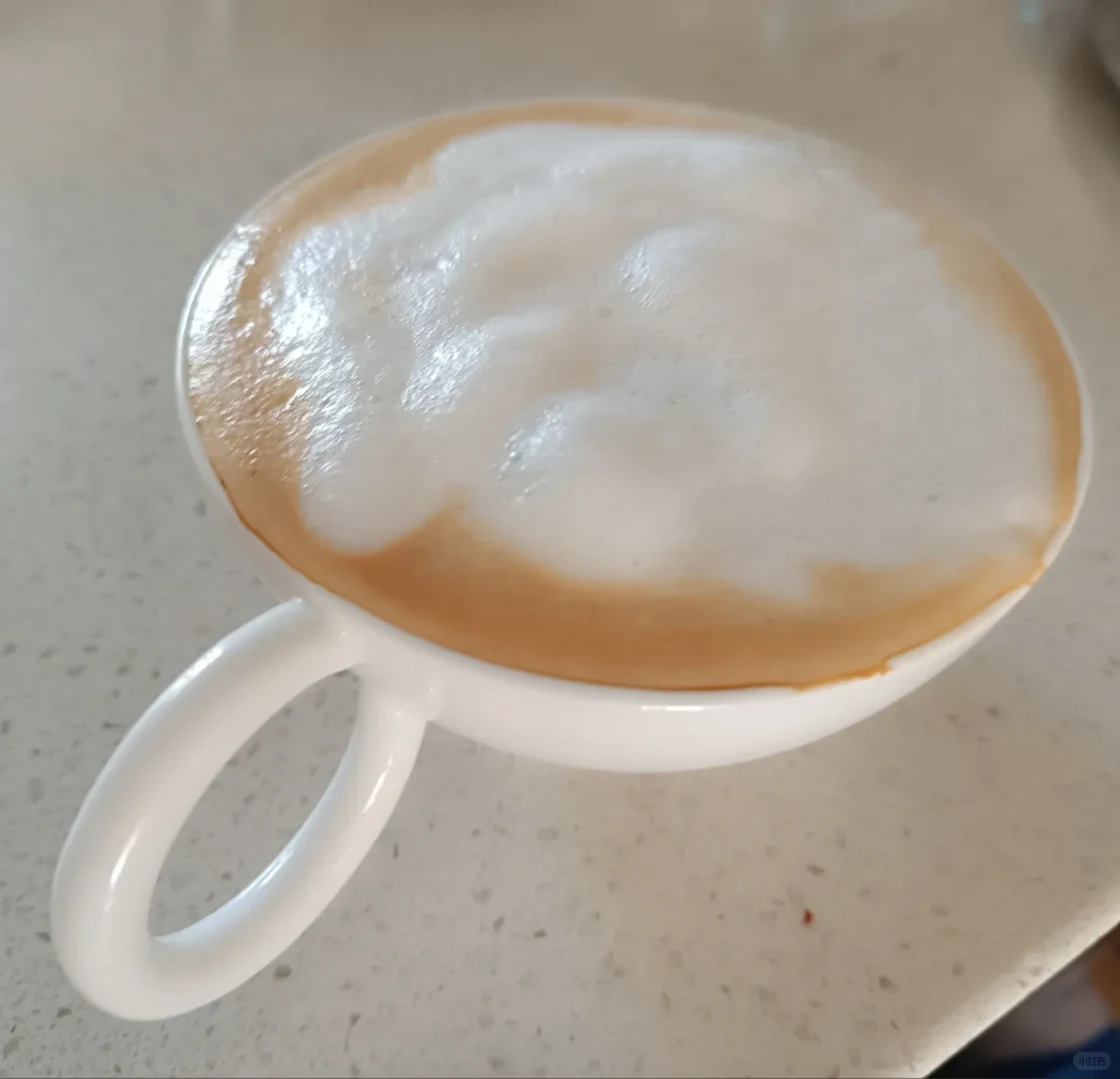
I made a cappuccino. I’d watched a tutorial beforehand; the machine’s functions are simple, and the process went smoothly. I’d seen lots of complaints that its steam wasn’t any good, but I found it fine.
There isn’t much to say about the taste—it just tasted like normal coffee.
Before buying the machine, I made a point of going to a café for the first time in ages and ordering a cup that cost more than 30 yuan. I couldn’t taste much difference.
The coffee was clearly different from what I make with a moka pot. This one wasn’t bitter.
I’d seriously considered getting a bottomless portafilter, but after tasting the coffee, I suddenly didn’t feel motivated to.
Tomorrow I’ll grind the coffee finer and see whether that makes any difference.
I’ve seen lots of people complain that cleaning the machine after use is a hassle. I have a dishwasher, so that isn’t a problem for me; besides, this is already easier to clean than a moka pot or French press.
I’m now glad I bought a cheap secondhand machine. I could easily have spent several times more without getting coffee that tasted noticeably different.
Including milk, each cup costs about 3 yuan. At one cup a day, it’ll pay for itself in less than a month.
Source: 星海 · Xiaohongshu · 2024-10-16 · 闲鱼上淘了一台二手咖啡机. Search this Chinese title in Xiaohongshu to find the original post.
Before You Buy
Models in your region
A secondhand purchase costing 360 yuan led to a satisfactory first cappuccino and less interest in buying a replacement handle. This is an early-use account; the US Icona ECO-310.BK is the regional reference below.
| Model in this review | Related regional model | What to know |
|---|---|---|
| De’Longhi ECO310 | Icona ECO-310.BK (US) | The green Icona Vintage source machine is identified as ECO310, without its complete suffix. The US Icona ECO-310.BK is a family reference with a manual frother and ground-coffee/E.S.E. holder; verify the actual used unit’s rating and accessories. |
- Model in this review
- De’Longhi ECO310
- Related regional model
- Icona ECO-310.BK (US)
- What to know
- The green Icona Vintage source machine is identified as ECO310, without its complete suffix. The US Icona ECO-310.BK is a family reference with a manual frother and ground-coffee/E.S.E. holder; verify the actual used unit’s rating and accessories.
Inspect the actual secondhand machine
The fridge magnet was the owner’s basis for calling the body all metal. Attraction at one spot does not establish the material of every panel or component. The photographs show the green Icona Vintage exterior, not an internal inspection or a complete model plate.
The linked US manual lists the ECO310 at 120 V, 60 Hz, and 1100 W. That rating does not establish the electrical requirements of the owner’s unit. Check the actual machine’s rating plate and confirm it is suitable for the local supply before use.
Use the frother and filters as the manual directs
For the US regional reference, the manual says to make the coffees before steaming milk when preparing several cappuccinos, allow the boiler to cool before switching from steam back to brewing, and wash the frother after use. The owner made one cappuccino successfully, but did not describe repeated drinks or test a full sequence.
The same manual specifies about 7 g of coffee for the small filter and about 12 g for the larger filter, with the coffee distributed evenly and tamped lightly. It says tamping too hard can slow the flow, while tamping too lightly can make it run fast. The owner planned to try a finer grind the following day, but did not report the result.
Plan for routine cleaning and hot surfaces
The owner found the ECO310 easier to clean than a moka pot or French press and said a dishwasher made cleanup no problem for this household. That is a personal comparison, not confirmation that the machine’s parts are dishwasher-safe. The US manual calls for cleaning the frother after use and describes periodic filter and boiler-outlet cleaning at about every 300 coffees.
For the US regional reference, the manual says to switch the machine off, unplug it, and let it cool before cleaning external parts. It also advises using handles and knobs rather than touching hot surfaces. Follow the instructions supplied for the actual regional version.
Treat the first-cup comparison as a personal result
The owner preferred the ECO310’s first cappuccino to coffee from a moka pot, describing the machine-made coffee as not bitter, and noticed little difference from a café cup costing more than 30 yuan. These were taste impressions from the drinks tried, not a controlled comparison or a guarantee of the same result with other coffee, grind settings, or recipes.
The owner’s one-cup-a-day payback estimate depends on the reported secondhand purchase and per-cup cost in that account. It is not a general cost estimate: local machine prices, coffee and milk costs, and how often the machine is used will change the calculation.
Related Reading
Reviews & Guides · Kitchen & Dining
De’Longhi ECO310 after two weeks: richer coffee, more cleanup
I found the De’Longhi ECO310 made coffee that tasted fuller than my pour-over, but its more involved routine and cleanup didn’t suit my fast mornings.
Reviews & Guides · Kitchen & Dining
De’Longhi ECO310: a leaking first unit and a working replacement
My first De’Longhi ECO310 leaked when I switched it on. The seller sent a replacement that worked normally, completing my move from a moka pot.
Reviews & Guides · Kitchen & Dining
De’Longhi ECO310 after a year: cleaning and using it more often
I now flush the De’Longhi ECO310 before and after brewing, then wipe and brush it; after more than a year, I’ve had no handle ejections.