
Reviews & Guides · Kitchen & Dining
My Hurom H-201 and HU-400WN-PLUS comparison: easier rinsing, but more drying
Reviewed: Hurom H-201, Hurom HU-400WN-PLUSRegional reference: Hurom H200 Easy Clean (US)
I compared my Hurom H-201 with my older HU-400WN-PLUS: the new strainer rinses more easily, but its many grooves hold water and need overnight drying.
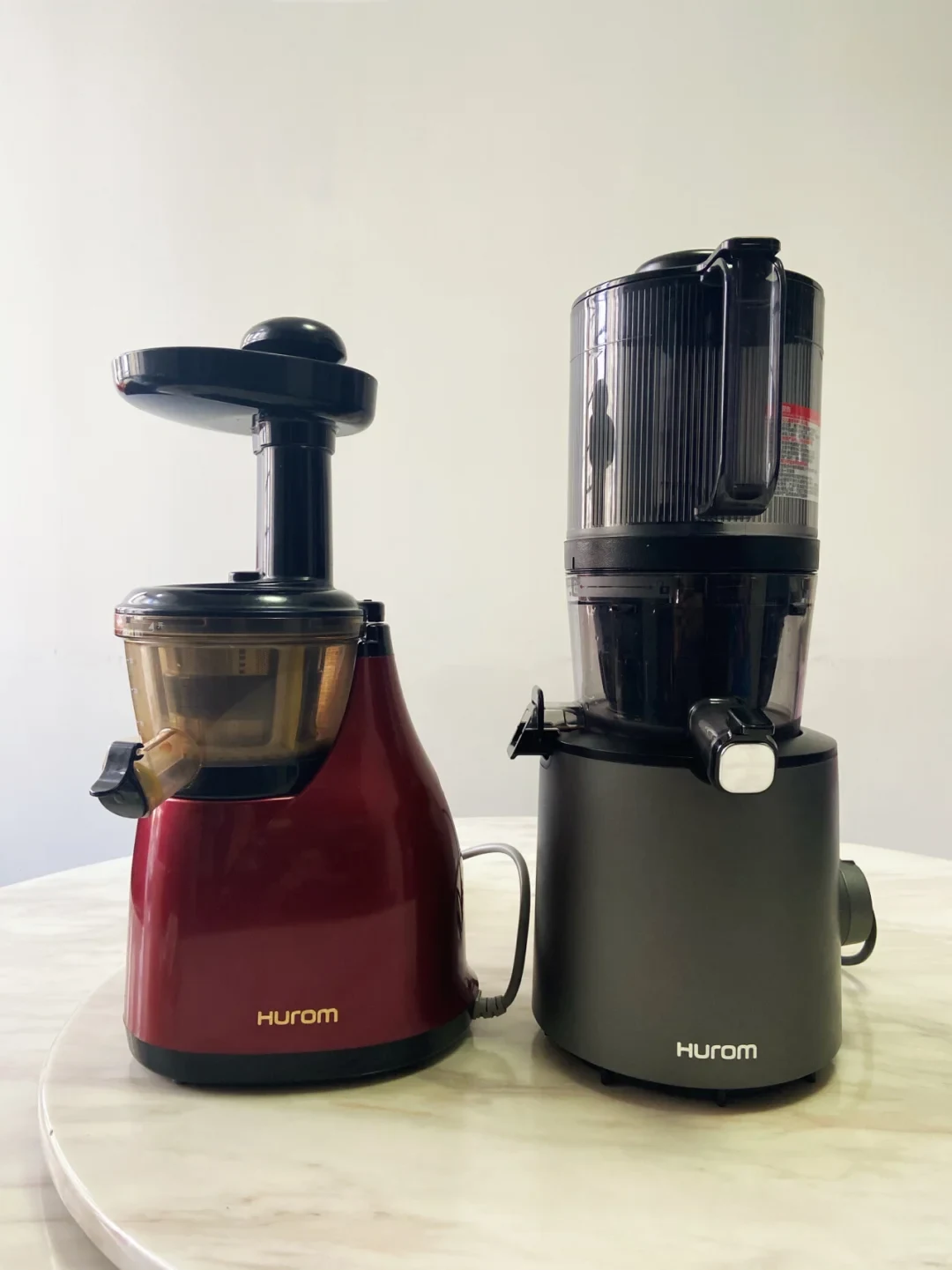
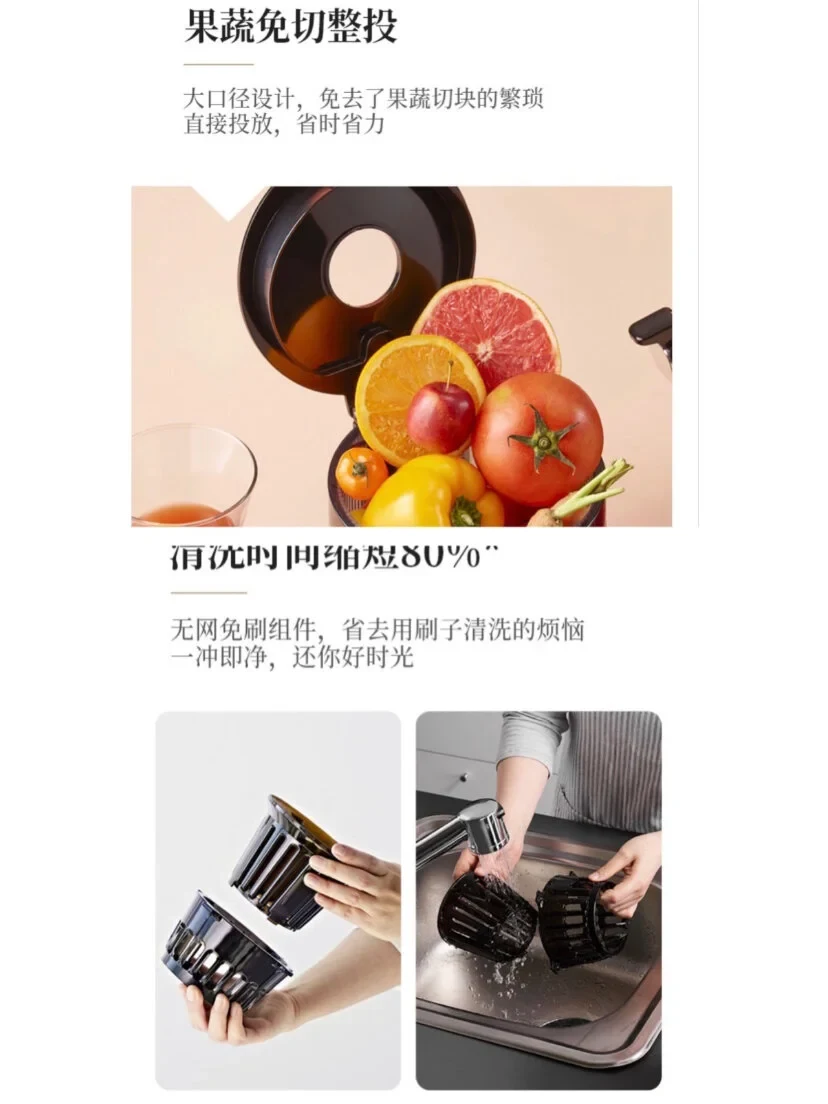
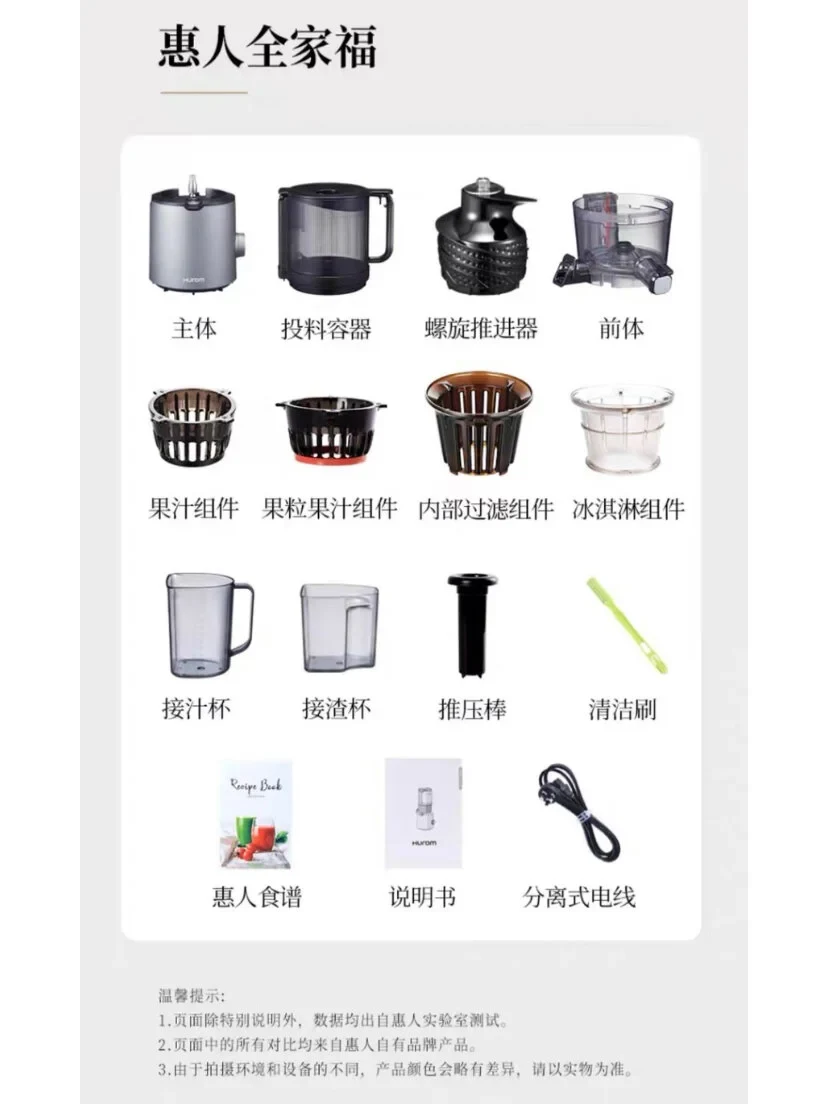
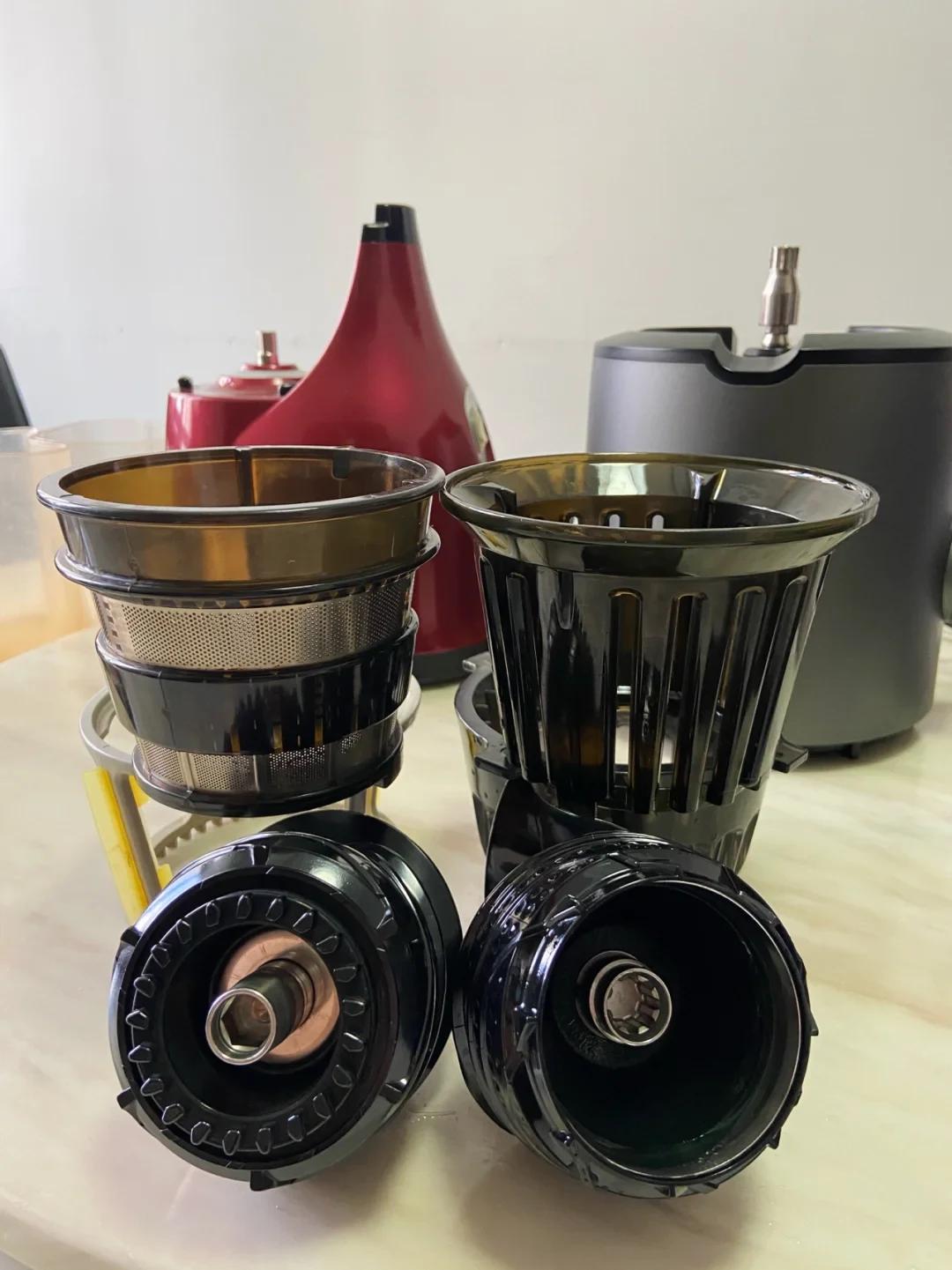
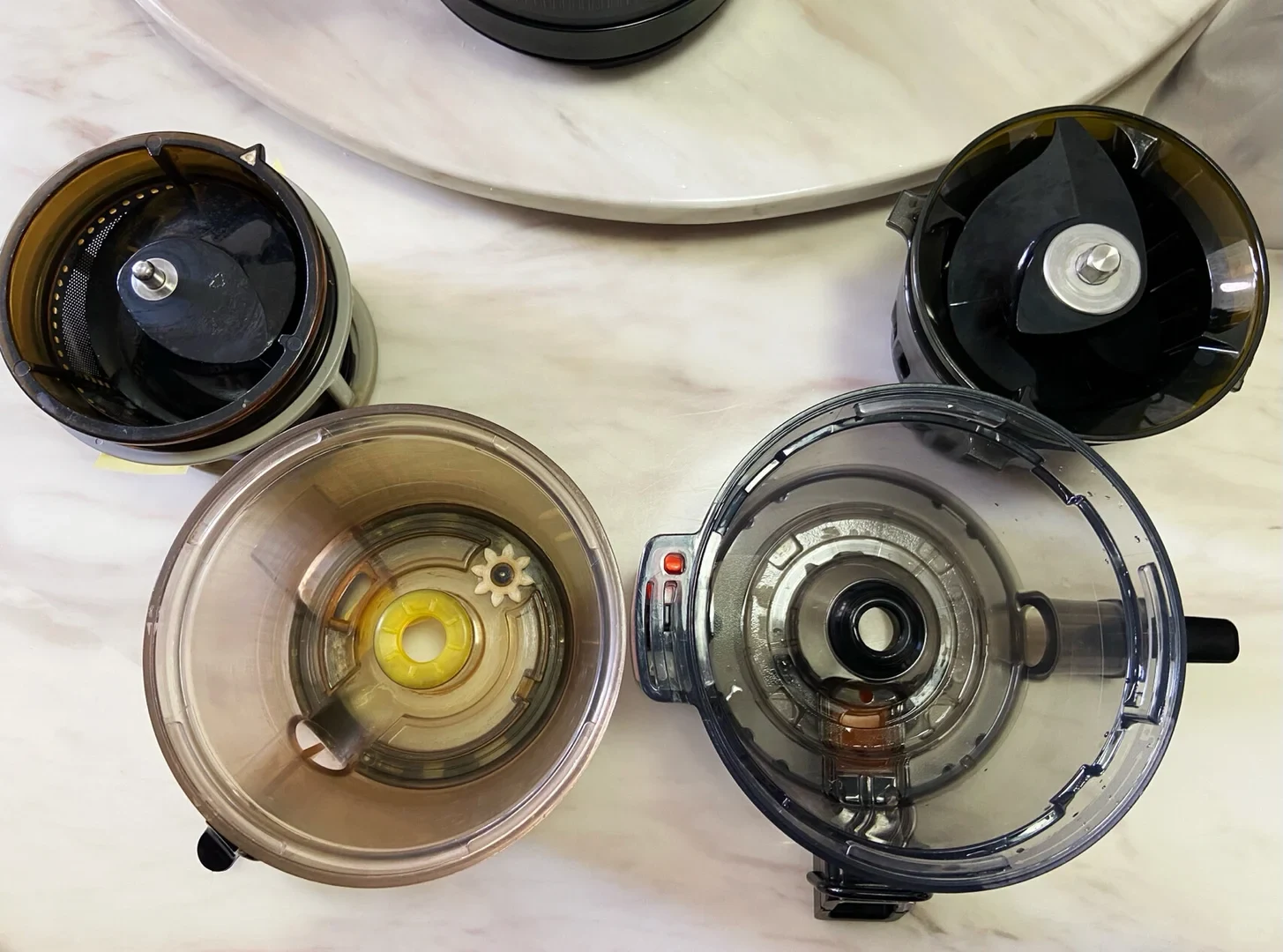
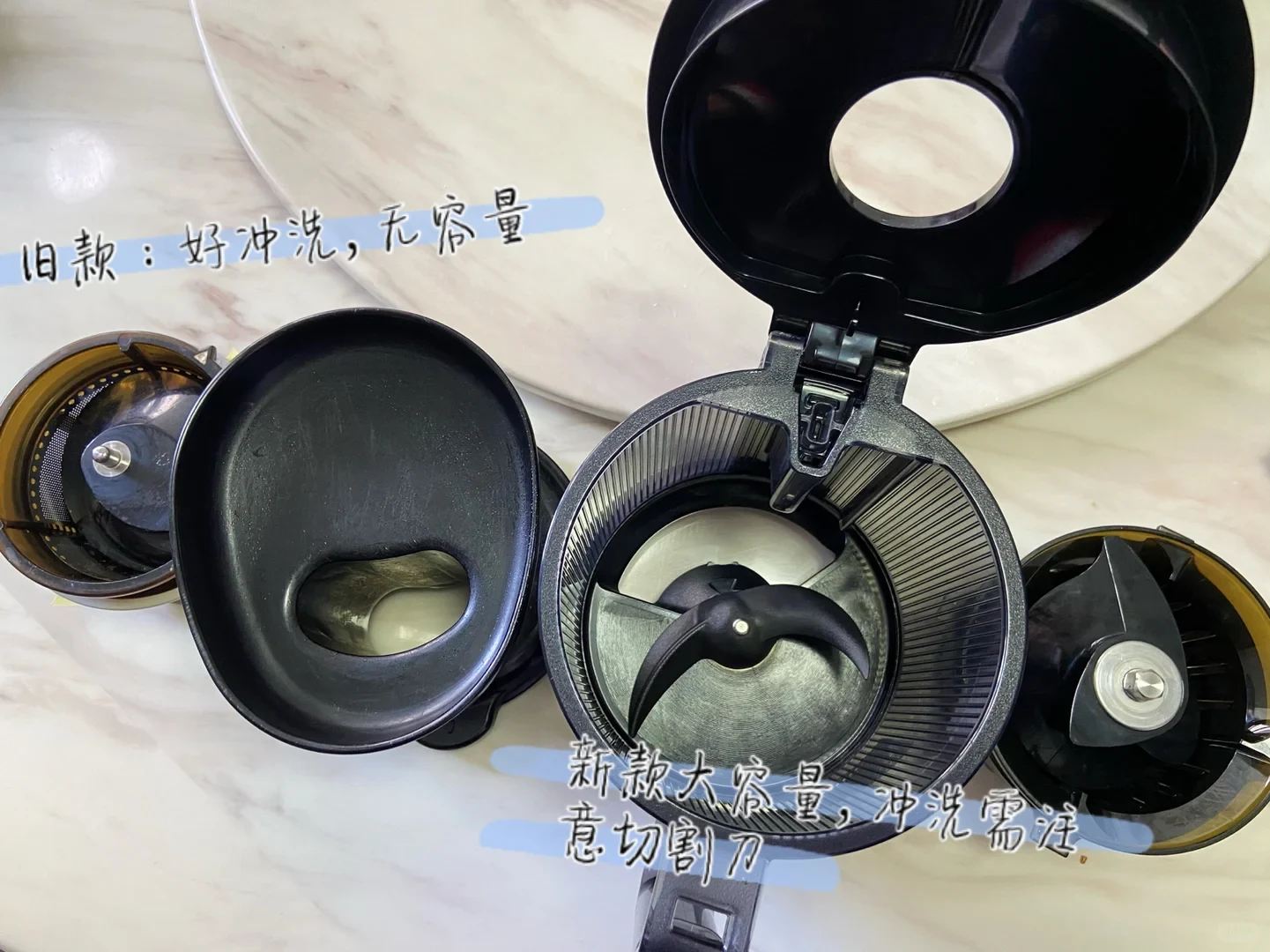
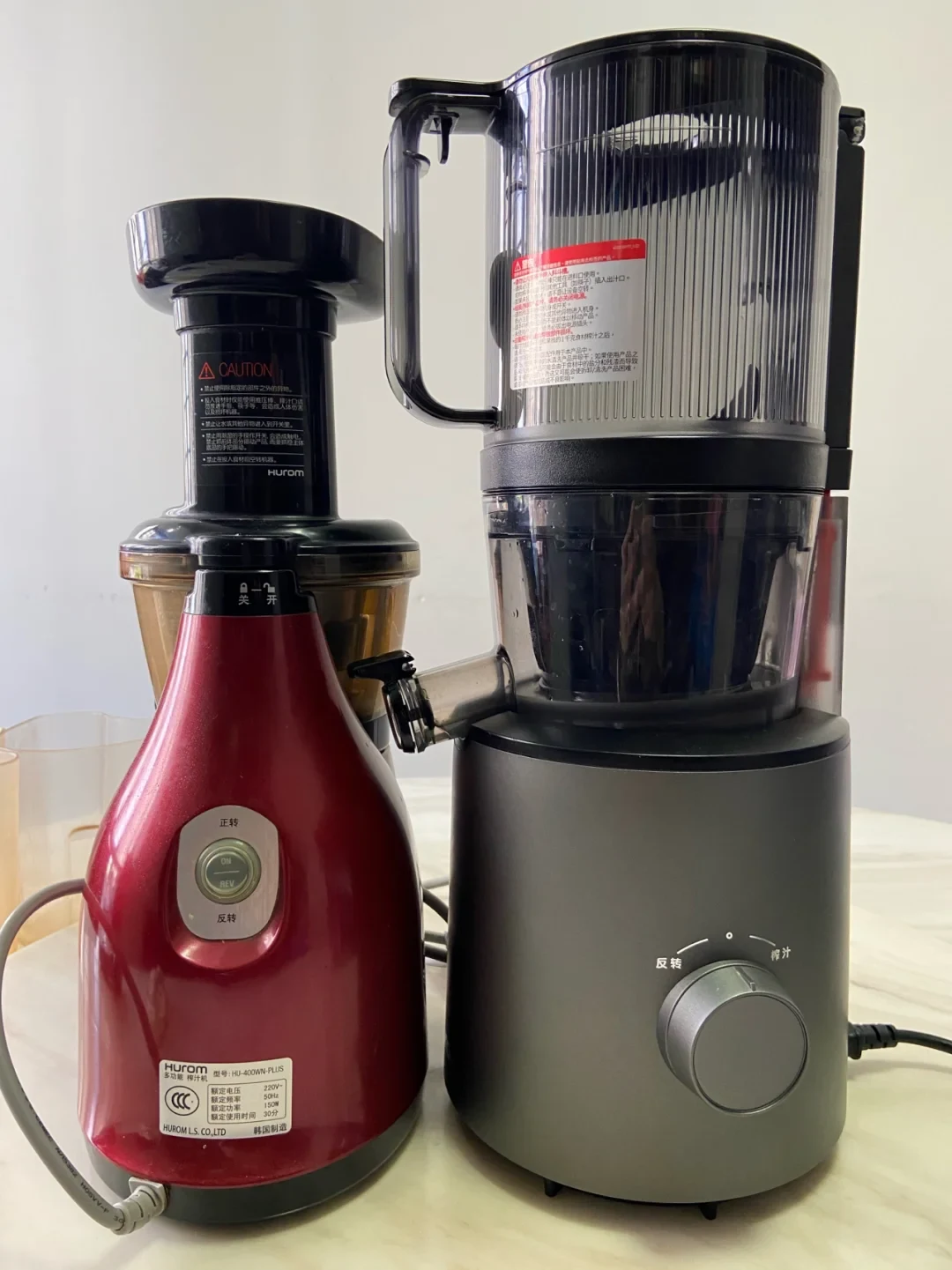
First, why I bought a new juicer: I’d used my old one for years and used it quite often, but cleaning it was a real chore. When I saw the new model and read reviews praising how easy it was to clean, the large-capacity hopper that supposedly let you add whole fruit and vegetables without cutting them was especially tempting.
Here’s a comparison of the old and new models.
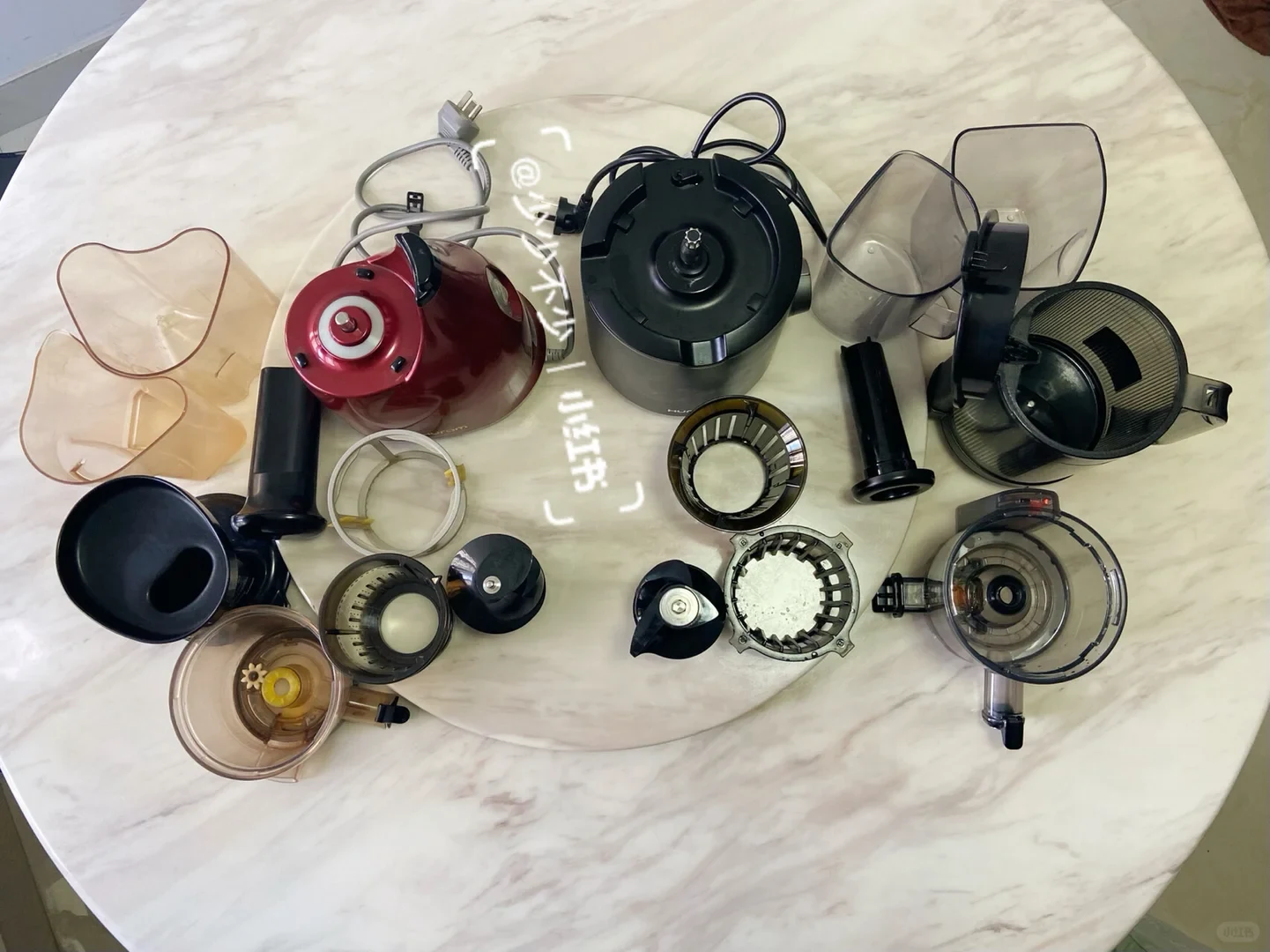
The red one on the left is my old model, which I’d used for years. The gray one on the right is the H-201, the 2011 new model. The disassembled parts are shown in photo 3. Each juicer also came with a coarse pulp filter, which I didn’t photograph. The new model also has an ice-cream filter, which is a new feature for grinding ingredients into ice cream.
How they felt to use
- The old model’s body is heavier and steadier. The new one shakes while grinding, although its manual says slight shaking is normal.
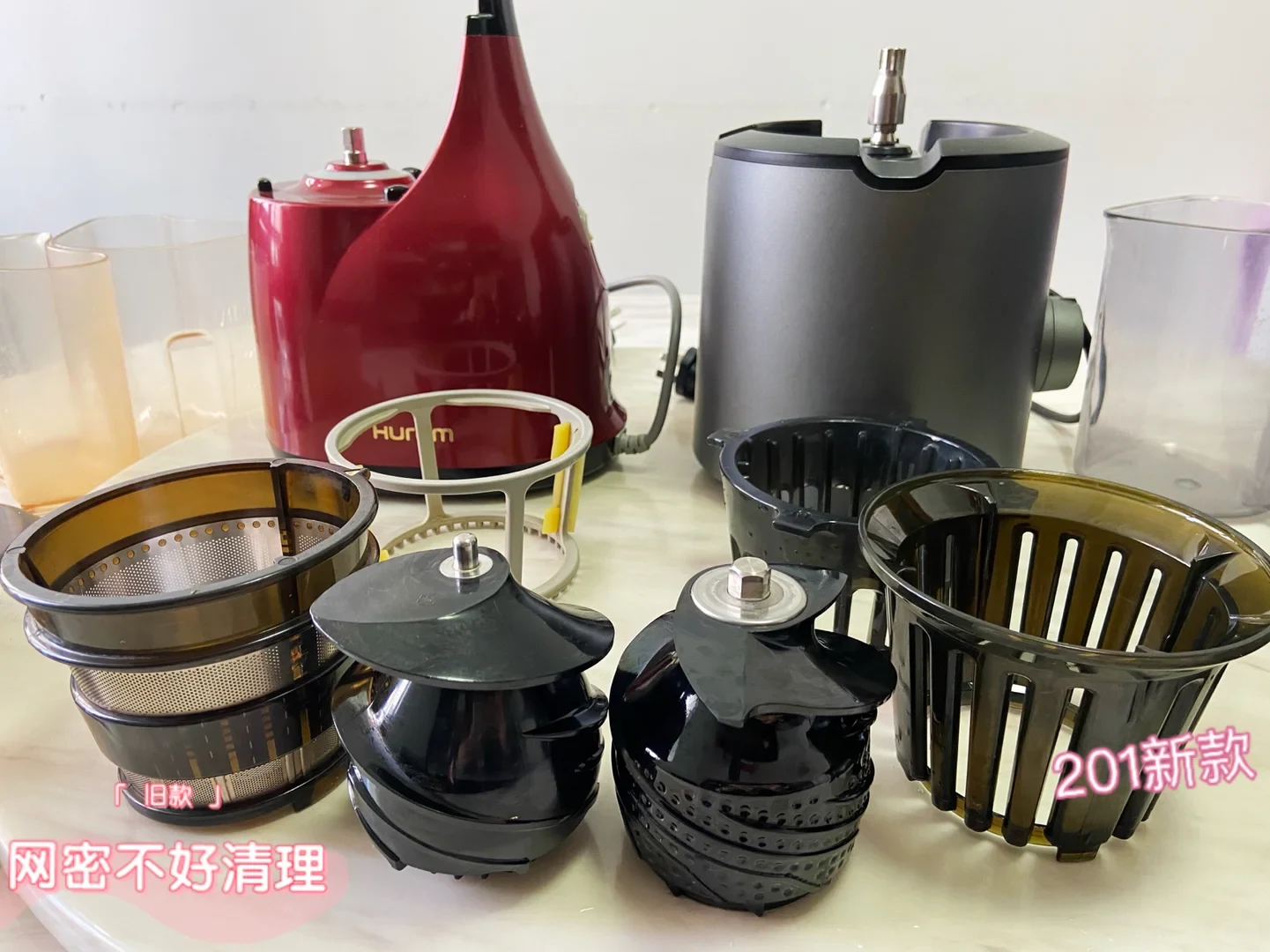
- The old model’s auger is more solid (photo 6); the new one has a larger hollow space inside. That means more fruit and vegetable residue collects in it after each use.
- There are a lot of parts to take apart. The new model isn’t as quick to rinse as the official website suggests. I no longer have to scrub a fine mesh filter, and the filter assembly is easier to rinse. But the larger hopper in photo 8 takes up the time I used to spend scrubbing the old mesh: sometimes residue gets stuck in the curved blade’s crevices, and I have to clean carefully around the cutting edge.
- With so many parts, drying them is a problem too. The new model has even more grooves that really hold water. When I’m feeling diligent, I wipe off the droplets with a dry cloth, then leave the parts out overnight to air-dry.
- Juice yield: I’d assumed the upgraded model would produce more juice. Later, I saw many online reviews saying the new model yielded less than the old one. In my own use, I didn’t notice an obvious difference.
- Re-juicing the pulp? Soft fruit is hard to juice, as most people know. The manual also recommends mixing soft and firm produce to make juicing easier. After juicing 1 kg of fruit and vegetables, the machine needs to be cleaned before continuing, to prevent sticking and clogging. So neither the old nor the new model is suited to re-juicing the extracted pulp.
- I mentioned recently that the new model’s parts had discolored and developed a fluorescent-green stain. I more or less figured out that residue from carrots or green vegetables had stuck to the auger and oxidized, causing the discoloration. After rinsing, I wiped the stained auger with a white cloth and could see an orange-yellow carrot-colored layer come off. I never noticed such vivid staining on the old model.
- Adding whole fruit and vegetables: the manual says to cut produce into suitable pieces to protect the machine and speed up juicing. It also says that grinding apple seeds can produce a mild toxin, so apples should be cut up and cored. So much for adding whole fruit and vegetables—the advertising was a letdown. I usually peel produce before juicing to avoid pesticide residue. The new model’s lid is thoughtfully designed, though: opening it while the machine is running automatically stops the machine to prevent injuries when adding ingredients. It runs again only after the lid is closed.
Overall, after using it for a while, the upgrade wasn’t as much of a convenience improvement as I’d imagined. Maybe spending the money just didn’t buy me the happiness I wanted. But I’ve bought it, so I’ll make the best of it. If you don’t have a slow juicer, it’s worth considering; if you already have an older one, you don’t necessarily need to upgrade. I hope this helps. Feel free to ask if you have questions.
Source: 少少不少 · Xiaohongshu · 2021-04-21 · 惠人老款原汁机和惠人最新款201原汁机对比. Search this Chinese title in Xiaohongshu to find the original post.
Before You Buy
Models in your region
The H-201 replaced this owner’s HU-400WN-PLUS. The US H200 Easy Clean offers a related self-feeding, grooved-strainer design, but an official regional equivalence to either Chinese model has not been established. The post is dated April 2021; its reference to a “2011 new model” is not a verified H-201 release date.
| Model in this review | Related regional model | What to know |
|---|---|---|
| Hurom H-201 and HU-400WN-PLUS | Hurom H200 Easy Clean (US) | The US H200 uses grooved inner and outer strainers, a self-feeding Hopper V2 and a nested pulp container. It is a related Easy Clean design; the hands-on findings here belong to the H-201. |
- Model in this review
- Hurom H-201 and HU-400WN-PLUS
- Related regional model
- Hurom H200 Easy Clean (US)
- What to know
- The US H200 uses grooved inner and outer strainers, a self-feeding Hopper V2 and a nested pulp container. It is a related Easy Clean design; the hands-on findings here belong to the H-201.
The H-201 reduces mesh scrubbing, not the whole cleanup
The H-201 saved this owner the chore of scrubbing fine mesh, but moved some of that work to crevices around the hopper’s curved blade. The side-by-side photographs also show why the larger opening does not mean fewer parts to dismantle.
The related US H200 also uses grooved strainers. Its manual still calls for running-water cleaning with a brush, opening the pulp-outlet cover and juice cap, and removing silicone packings for washing. An easier filter therefore leaves several other cleanup steps to plan for.
Allow time for parts to dry
The owner wipes water from the H-201’s grooves when feeling diligent and leaves its parts out overnight. The US H200 manual likewise requires complete air-drying, without prescribing an overnight duration. Space to leave dismantled parts out matters alongside the assembled machine’s footprint.
For the H200, prompt cleaning helps prevent pulp drying onto parts. Stop and unplug it before disassembly; wipe the motor base with a cloth and keep removable parts out of the dishwasher or dryer. Those are concrete care steps for the US reference model.
Compare the trade-offs, not just the advertised hopper
The HU-400WN-PLUS felt heavier and steadier to this owner; the H-201 shook slightly during grinding and collected more residue inside its hollow auger. The owner says the H-201 manual describes slight movement as normal. These observations explain why easier filter rinsing alone did not make the upgrade feel transformative.
Juice yield did not look obviously different in the owner’s use. No measured output comparison is supplied, so this account supports a cleanup and handling comparison rather than a yield ranking.
The H-201’s whole-produce advertising helped prompt the purchase, yet the owner still cut and peeled ingredients. The US H200 manual also calls for suitably sized pieces, cleaning after each 1 kg of produce and avoiding re-juicing extracted pulp. A self-feeding hopper reduces feeding work without removing preparation or between-batch care.
Related Reading
Reviews & Guides · Kitchen & Dining
My Bincoo immersion dripper lost its steel ball during washing
I lost the valve ball while cleaning my Bincoo immersion dripper and bought five 14 mm spares. My receipt records the size; I didn’t report a sealing test.
Reviews & Guides · Kitchen & Dining
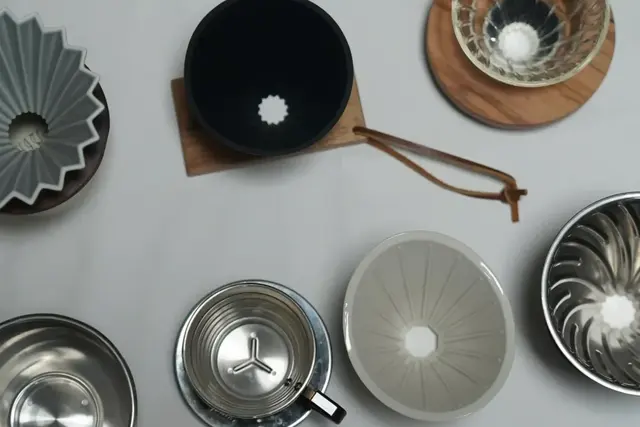
My 11-dripper comparison: why I used the Kalita Wave 155 and 185 least
I tried 11 pour-over drippers over time. I used my Kalita Wave 155 and 185 least because their papers lost shape during storage and rinsing.
Reviews & Guides · Kitchen & Dining
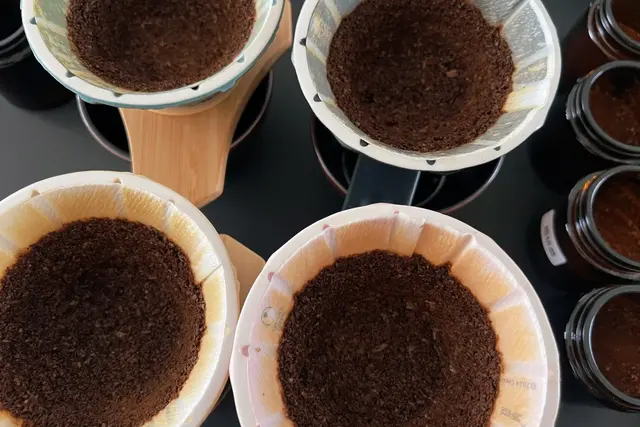
My four ceramic drippers: HARIO Alpha, V60, Shanwen 62 and Coffee Flower
I compared four ceramic drippers with washed Panama SL28. The Alpha felt weightier than my V60; I also compared Shanwen 62 and Coffee Flower.