
Reviews & Guides · Kitchen & Dining
I cupped four hand grinders with two Ethiopian coffees
Reviewed: 1Zpresso K-Ultra, 1Zpresso ZP6, Comandante C40, Kinu M47 (pour-over burr)Regional reference: 1Zpresso K-Ultra (United States); 1Zpresso ZP6 Special (United States); Comandante C40 family (Europe (Germany)); Kinu M47 range with Pour-Over Replacement Burr (United States)
I cupped four hand grinders with two Ethiopian coffees: the ZP6 stood out for layered flavor, while the Kinu M47 brought the strongest sweetness.
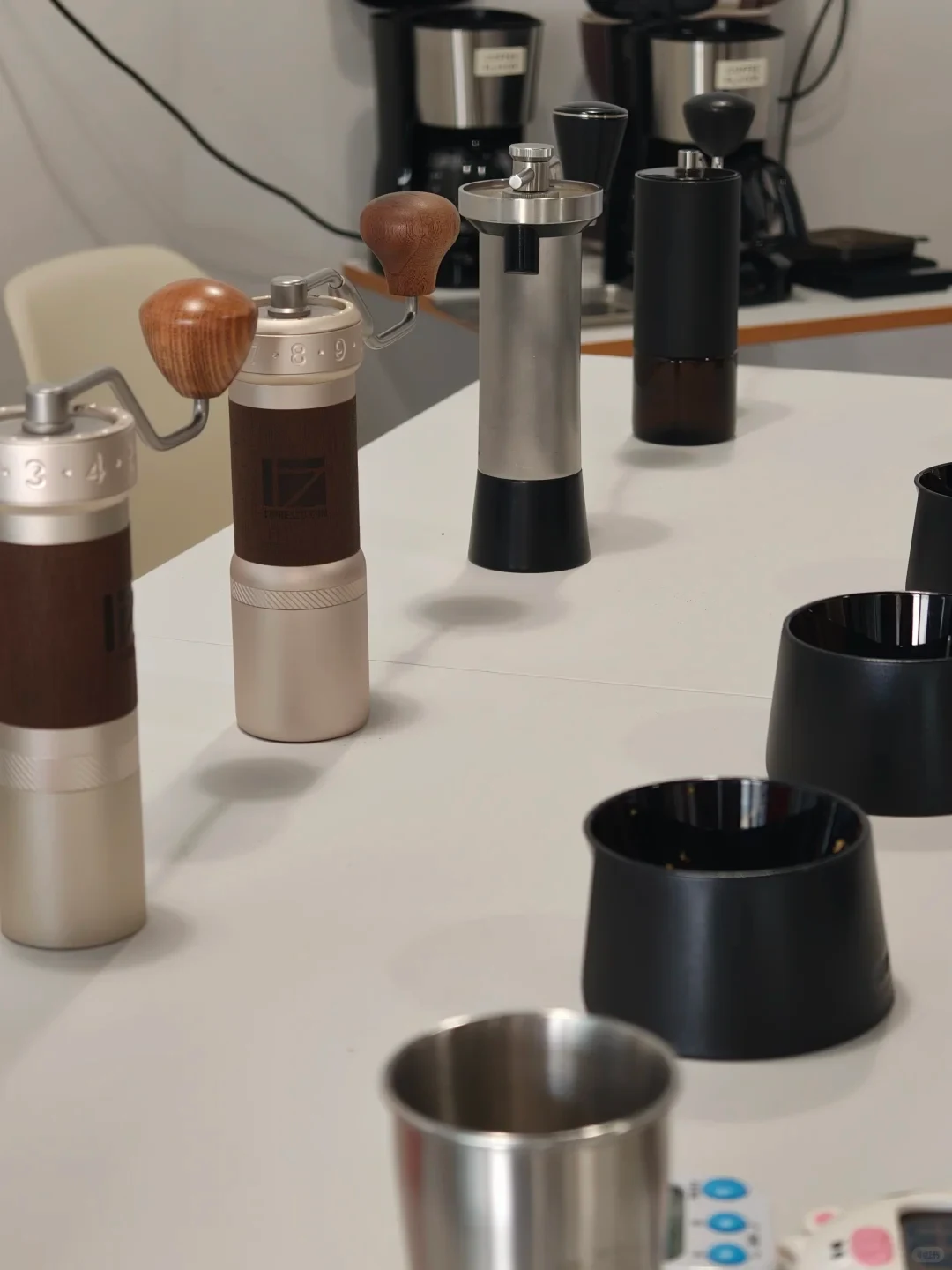
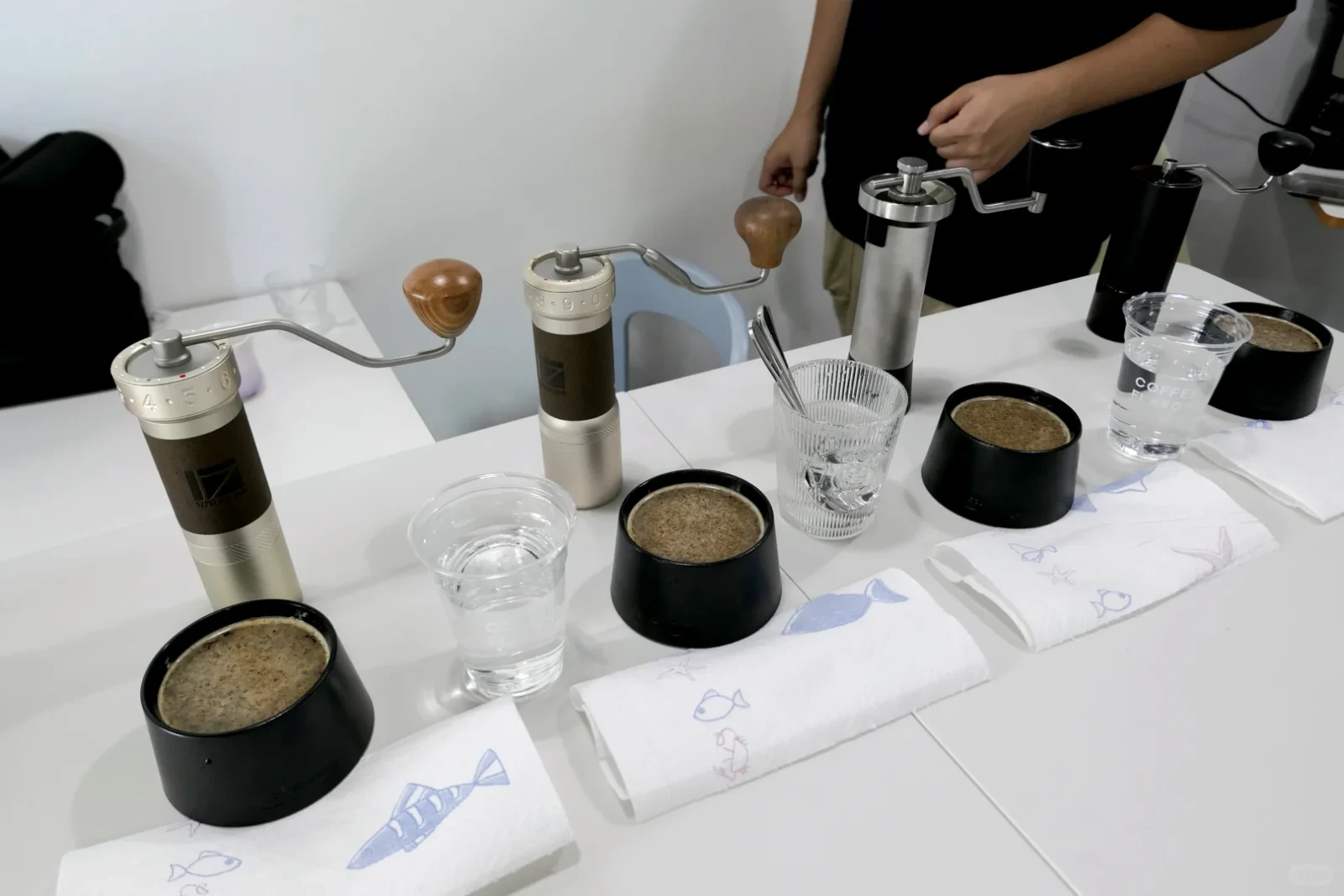
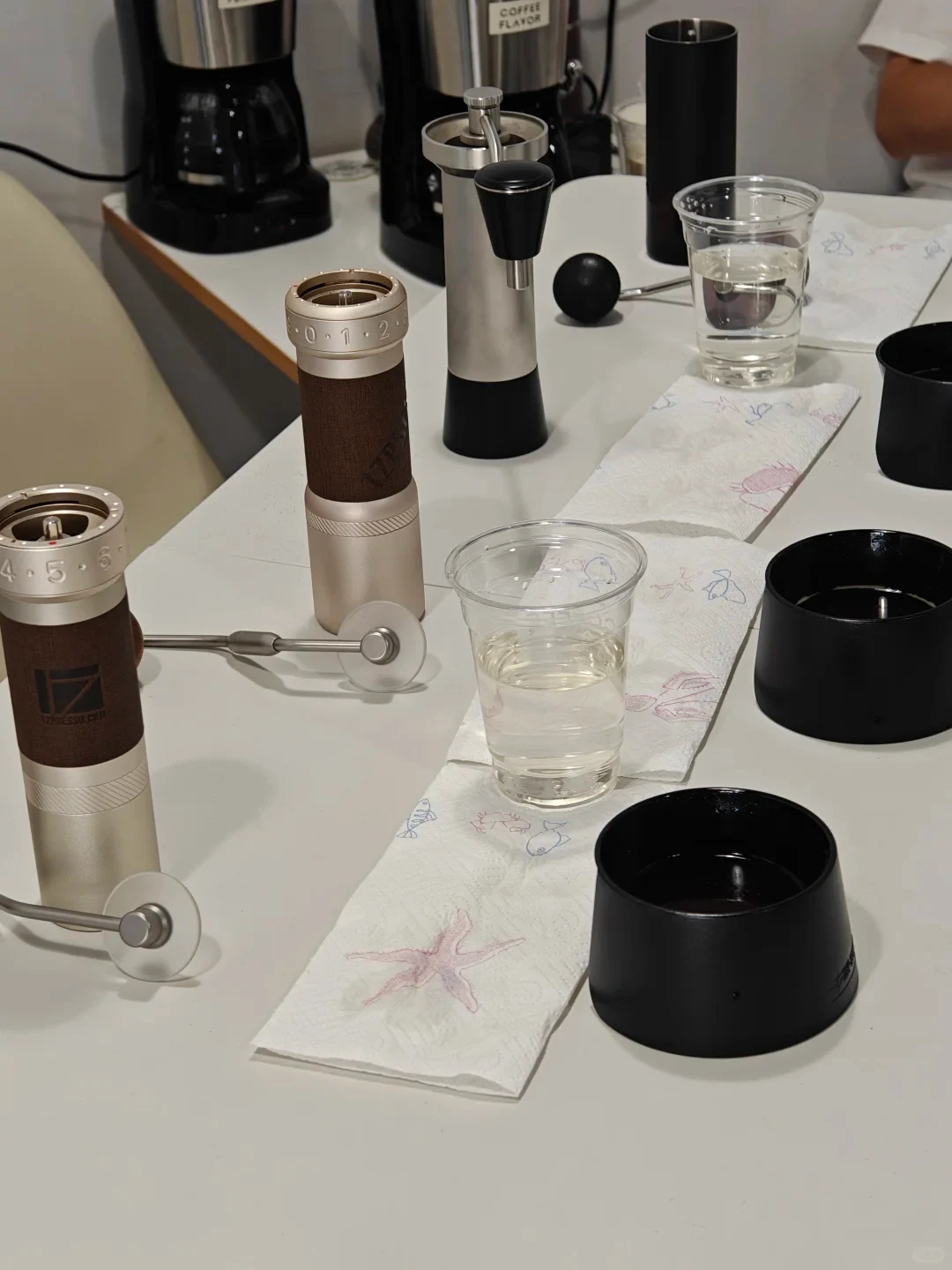
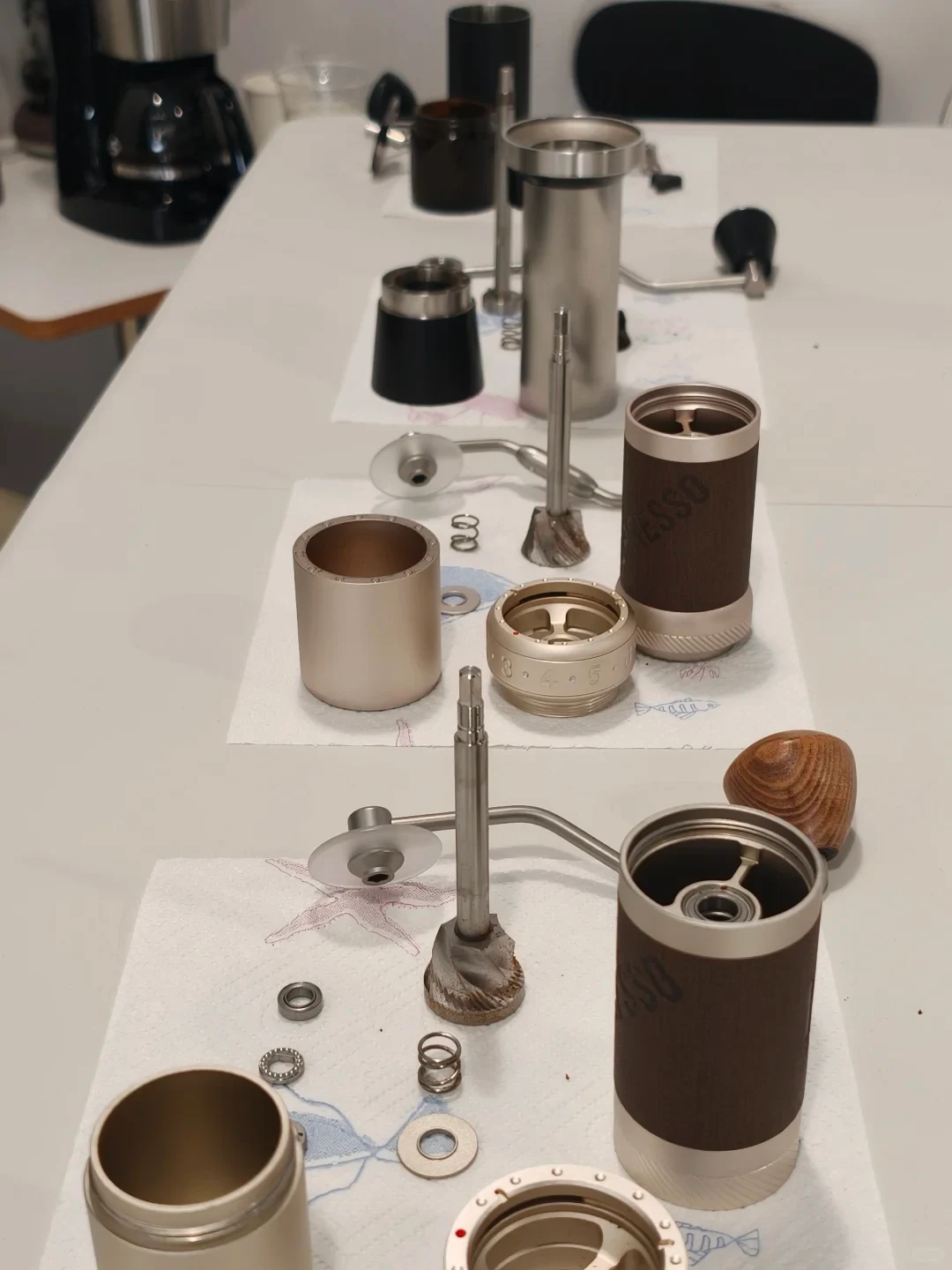
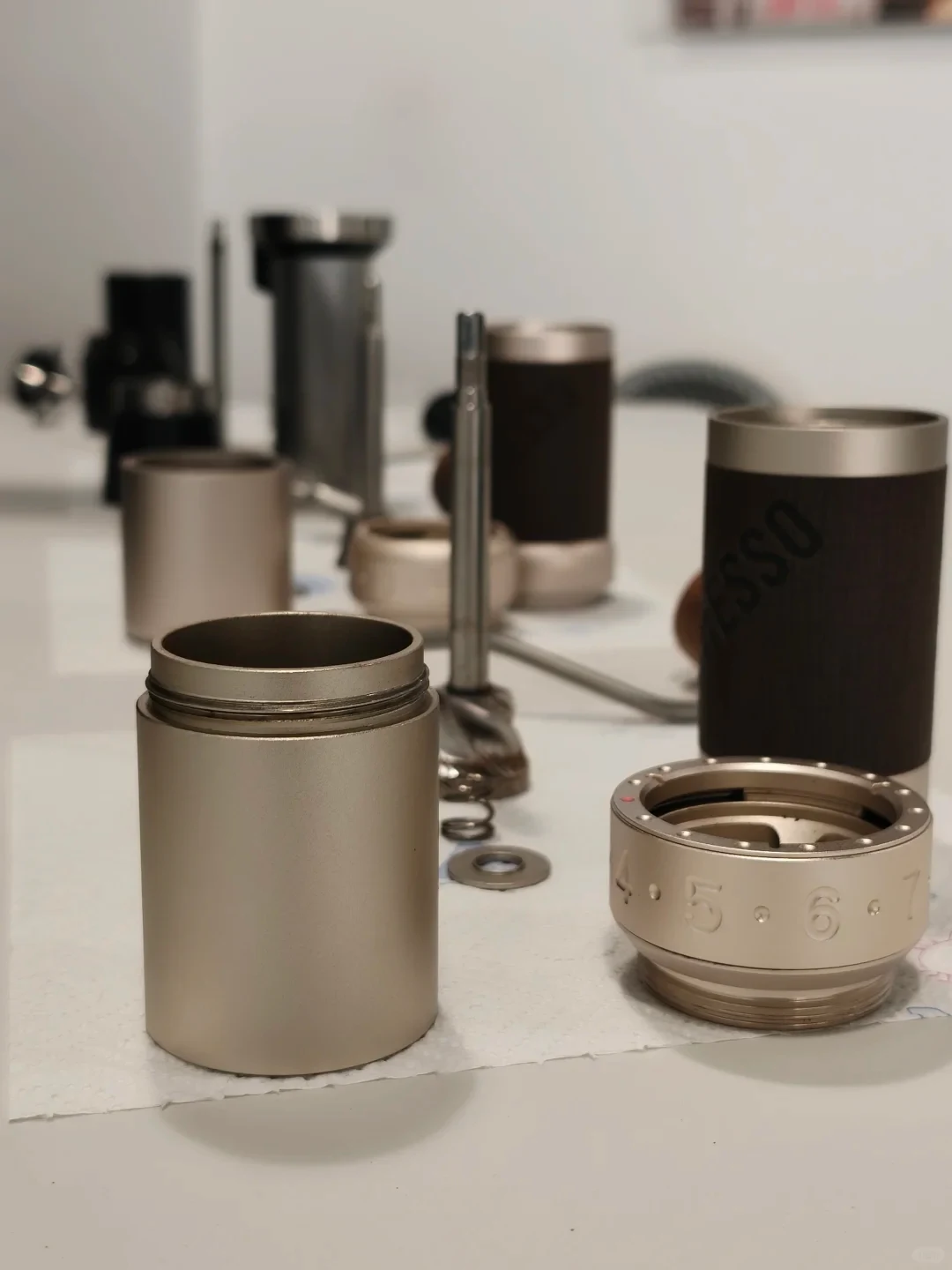
I cupped four manual coffee grinders
the 1Zpresso K-Ultra, used by the 2022 World Brewers Cup winner;
the 1Zpresso ZP6, a manual grinder used by the 2023 World Brewers Cup winner;
the Comandante C40, a grinder used by multiple champions, including the 2024 World Brewers Cup winner;
and the German Kinu M47 with its pour-over burr, jokingly tagged “fitness equipment” and “real gold fears no fire.” Special thanks to @闹腾小子 for bringing all four together.
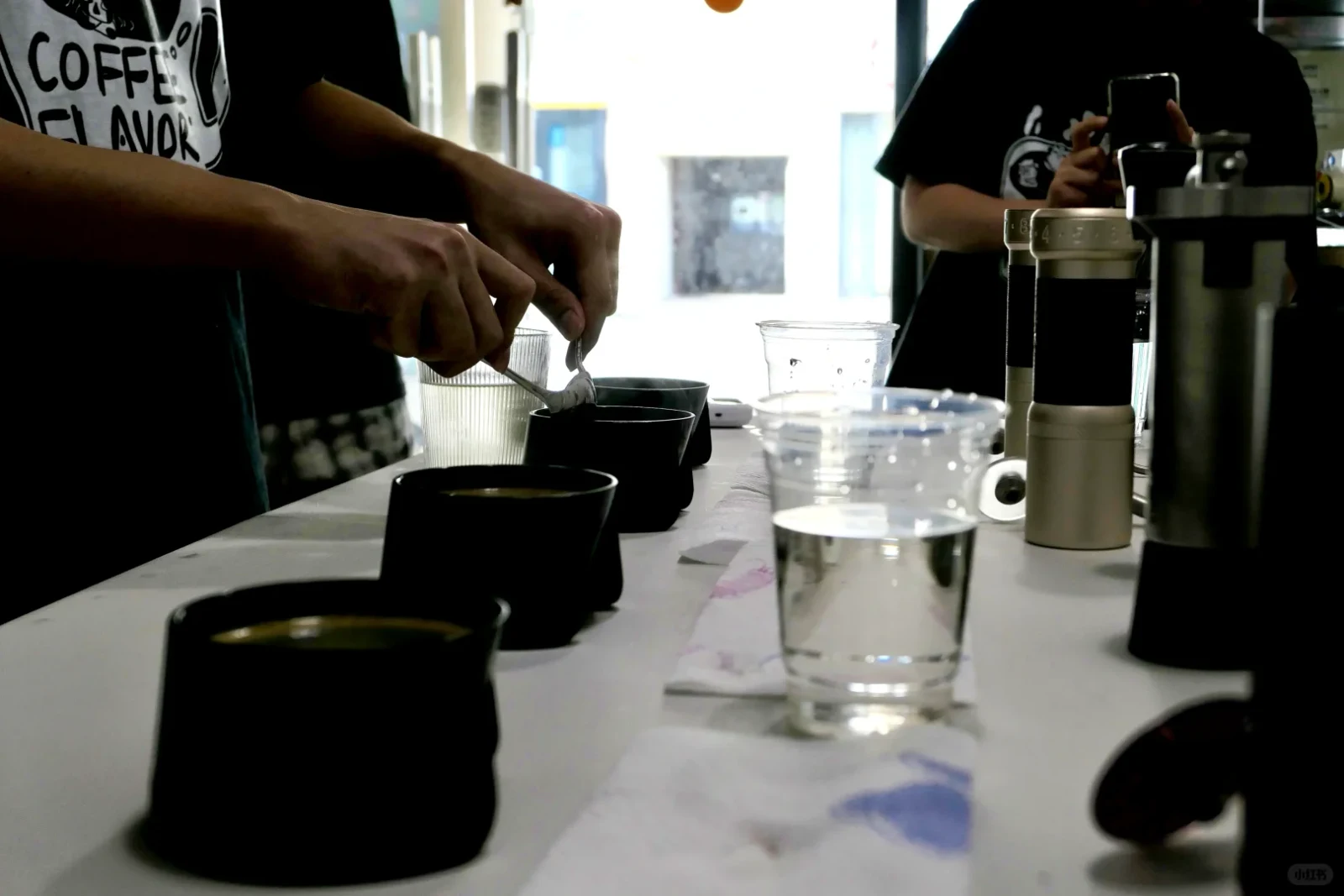
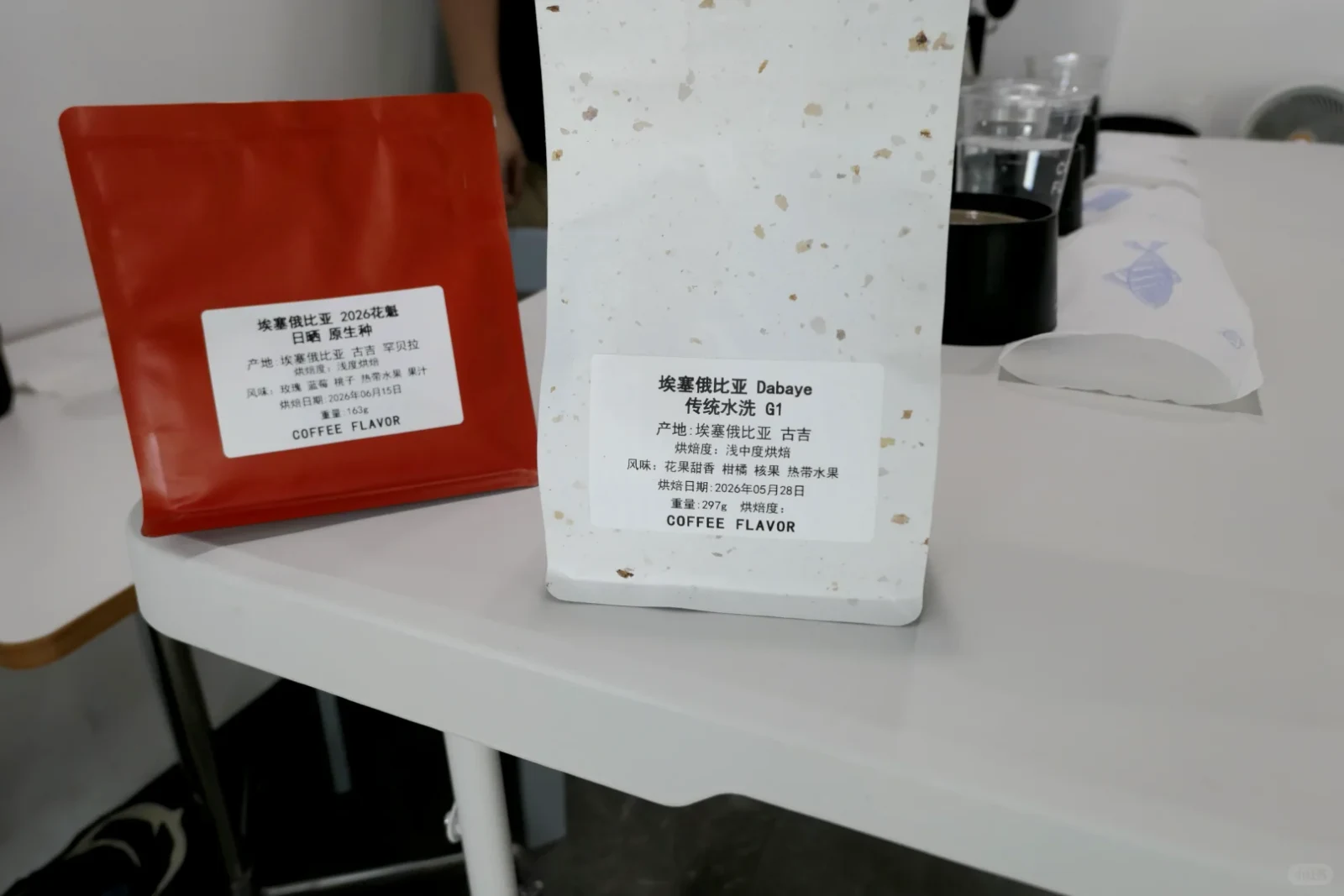
I split the cupping into natural-process and washed-coffee groups, using the same high-altitude Ethiopian coffees: 2026 Natural-process Huakui and Guji Washed G1. The coffee grounds had a color value of 85–90. Because the burr designs differ, I used each grinder’s usual setting for light-roast pour-over coffee. To reduce the effect of heat from grinding on flavor, I ground 8.5 g of coffee for each cupping.
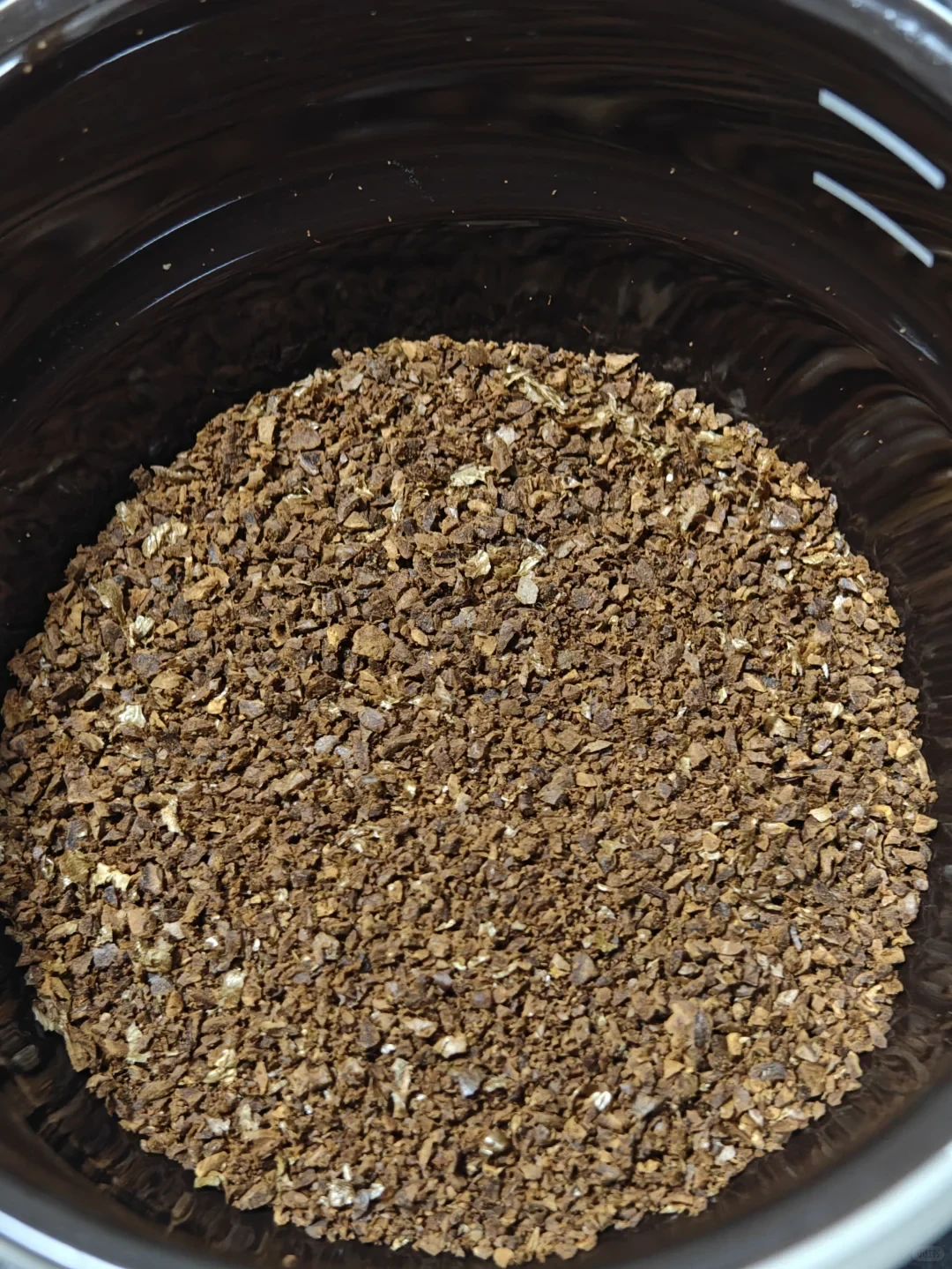
Looking at the grounds, I could see that the particles from both 1Zpresso grinders and the C40 were fairly uniform. The M47 had some very coarse particles, estimated by eye at three to five times the volume of most of its grounds and particles from the other grinders.
All the grinders except the Kinu M47 have a cover over the grinding chamber. Anyone who often brews BOP Panama coffee should watch for beans scattering while grinding—though, as a joke, a bean dropped on the floor can follow the “three-second rule.”
The dry grounds from all four grinders had clear floral and fruity aromas. The ZP6 and C40 smelled more intense.
The wet aroma was similar to the dry aroma.
The flavor profiles brought out a different character in each grinder.
Hot stage
With both the washed and natural-process coffees, the ZP6 gave me more layers of flavor than the other three grinders.
The K-Ultra was just a little less intense than the ZP6, but brought slightly more sweetness.
With the washed coffee, the C40 had excellent acidity. Its flavor intensity and layering were a little behind the two 1Zpresso grinders, but not by much.
The M47 seemed to specialize in sweetness. With both the natural-process and washed coffees, its sweetness was the easiest to notice among the four grinders. It made such a strong impression that, even after we mixed up the tasting order, everyone could easily identify the M47 cup.
As the coffees cooled
As extraction time increased, flavor intensity from both 1Zpresso grinders declined with both the washed and natural-process coffees, but sweetness increased and helped support the flavor. The ZP6 still had more layers than the K-Ultra, while the K-Ultra was sweeter than the ZP6.
With the C40, acidity increased and the quality of the acidity declined in the washed coffee, while the flavor became less layered. The natural-process coffee fell apart somewhat and tasted thin. The grind setting may have affected how the flavors came through; extraction may have been slightly insufficient.
The M47 kept the strongest sweetness with both coffees. Although the flavor faded at lower temperatures, it was still a pleasantly sweet cup. After swallowing, I could detect a retronasal floral and fruity aroma not far from the ZP6’s.
Overall, all four manual grinders in the roughly 1,000-yuan price tier performed well. Their different profiles leave plenty of room to adjust your everyday brewing, making them fun to experiment with.
I tested a limited number of times, over a limited period, and with a limited range of coffees, so these results are partial and should be treated as a reference. I’m not rating the grinders as good or bad.
Source: COFFEE FLAVOR专属锅炉工 · Xiaohongshu · 2026-06-25 · 近5年Wbrc冠军咖啡手摇磨简易横评. Search this Chinese title in Xiaohongshu to find the original post.
Before You Buy
Models in your region
The cupping covered four source-identified grinders: 1Zpresso K-Ultra, 1Zpresso ZP6, Comandante C40 and Kinu M47 with a pour-over burr. The US and European official listings below help identify regional products, but they do not establish every source grinder’s edition or validate the tasting results. References to championship equipment in the firsthand introduction are the author’s claims.
| Model in this review | Related regional model | What to know |
|---|---|---|
| 1Zpresso K-Ultra | 1Zpresso K-Ultra (United States) | The US listing identifies the same K-Ultra family. It specifies a 100-click external adjustment ring with 20 μm steps, but the cupping used the owner’s usual setting rather than a shared click setting. |
| 1Zpresso ZP6 | 1Zpresso ZP6 Special (United States) | The US listing is for the ZP6 Special, a regional family reference rather than a confirmed match for the source grinder’s edition. It specifies 48 mm hexagonal burrs and 90 external clicks at 22 μm per click. |
| Comandante C40 | Comandante C40 family (Europe (Germany)) | The German manufacturer lists a C40 family with separate Nitro Blade and Lab variants. The source identifies only a C40, so its generation and burr variant—and which listed version best matches the cupped grinder—remain unknown. |
| Kinu M47 (pour-over burr) | Kinu M47 range with Pour-Over Replacement Burr (United States) | Kinu’s US store lists a compatible pour-over replacement burr for all M47 models, but the source does not establish the grinder body version or burr generation. The current Gold Fusion coating should not be assumed to match the cupped burr. |
- Model in this review
- 1Zpresso K-Ultra
- Related regional model
- 1Zpresso K-Ultra (United States)
- What to know
- The US listing identifies the same K-Ultra family. It specifies a 100-click external adjustment ring with 20 μm steps, but the cupping used the owner’s usual setting rather than a shared click setting.
- Model in this review
- 1Zpresso ZP6
- Related regional model
- 1Zpresso ZP6 Special (United States)
- What to know
- The US listing is for the ZP6 Special, a regional family reference rather than a confirmed match for the source grinder’s edition. It specifies 48 mm hexagonal burrs and 90 external clicks at 22 μm per click.
- Model in this review
- Comandante C40
- Related regional model
- Comandante C40 family (Europe (Germany))
- What to know
- The German manufacturer lists a C40 family with separate Nitro Blade and Lab variants. The source identifies only a C40, so its generation and burr variant—and which listed version best matches the cupped grinder—remain unknown.
- Model in this review
- Kinu M47 (pour-over burr)
- Related regional model
- Kinu M47 range with Pour-Over Replacement Burr (United States)
- What to know
- Kinu’s US store lists a compatible pour-over replacement burr for all M47 models, but the source does not establish the grinder body version or burr generation. The current Gold Fusion coating should not be assumed to match the cupped burr.
Four grinders, two coffees, and individual grind settings
The owner compared the K-Ultra, ZP6, C40 and M47 using one natural-process and one washed Ethiopian coffee. Each grinder was set to the owner’s usual light-roast pour-over grind, with 8.5 g used for each cupping. Because the grind settings were not standardized, the tasting compares those particular preparations rather than isolating burr design alone.
The owner reported fairly uniform-looking grounds from the two 1Zpresso grinders and the C40. The M47 grounds included very coarse particles, described by visual estimate as three to five times the volume of most particles; this was not a measured particle-size comparison.
Flavor differences in this cupping
In the owner’s hot-stage tasting, the ZP6 produced the most flavor layers across both coffees. The K-Ultra was slightly less intense but a little sweeter. The C40 showed good acidity with the washed coffee, while the M47 stood out for perceived sweetness with both coffees, even when the tasting order was mixed up.
As the coffees cooled, the owner found that the 1Zpresso cups lost some intensity but gained sweetness; the ZP6 kept more flavor layers, and the K-Ultra remained sweeter. The C40’s washed cup became more acidic and less layered, while its natural-process cup tasted thin. The owner noted that the grind could have contributed to insufficient extraction.
The M47 remained the sweetest to the owner as the coffee cooled, though its flavor also faded. These findings apply to this cupping’s two coffees and preparation conditions; the owner cautioned that the number and duration of tests and the range of coffees were limited.
Related Reading
Reviews & Guides · Kitchen & Dining
My Bincoo immersion dripper lost its steel ball during washing
I lost the valve ball while cleaning my Bincoo immersion dripper and bought five 14 mm spares. My receipt records the size; I didn’t report a sealing test.
Reviews & Guides · Kitchen & Dining
My 11-dripper comparison: why I used the Kalita Wave 155 and 185 least
I tried 11 pour-over drippers over time. I used my Kalita Wave 155 and 185 least because their papers lost shape during storage and rinsing.
Reviews & Guides · Kitchen & Dining
My four ceramic drippers: HARIO Alpha, V60, Shanwen 62 and Coffee Flower
I compared four ceramic drippers with washed Panama SL28. The Alpha felt weightier than my V60; I also compared Shanwen 62 and Coffee Flower.