
Reviews & Guides · Kitchen & Dining
MAVO Phantox Pro: grinding 18.5 g for espresso in about 85 seconds
Reviewed: MAVO Phantox ProRegional reference: MAVO Phantox Pro (United States / international store)
I use my MAVO Phantox Pro across brew methods; grinding 18.5 g for espresso took about 1 minute 25 seconds, and my settings need bean-by-bean adjustment.
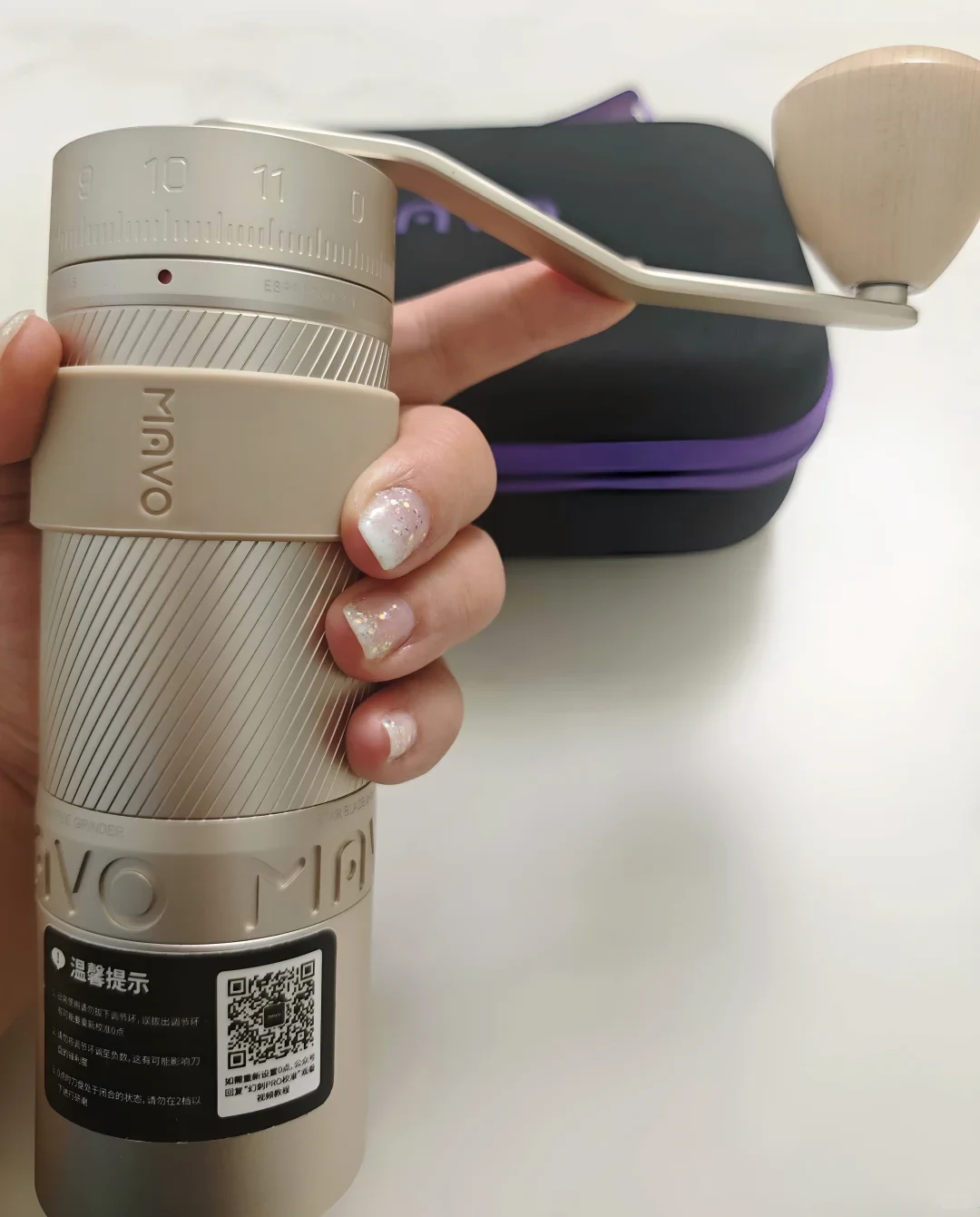
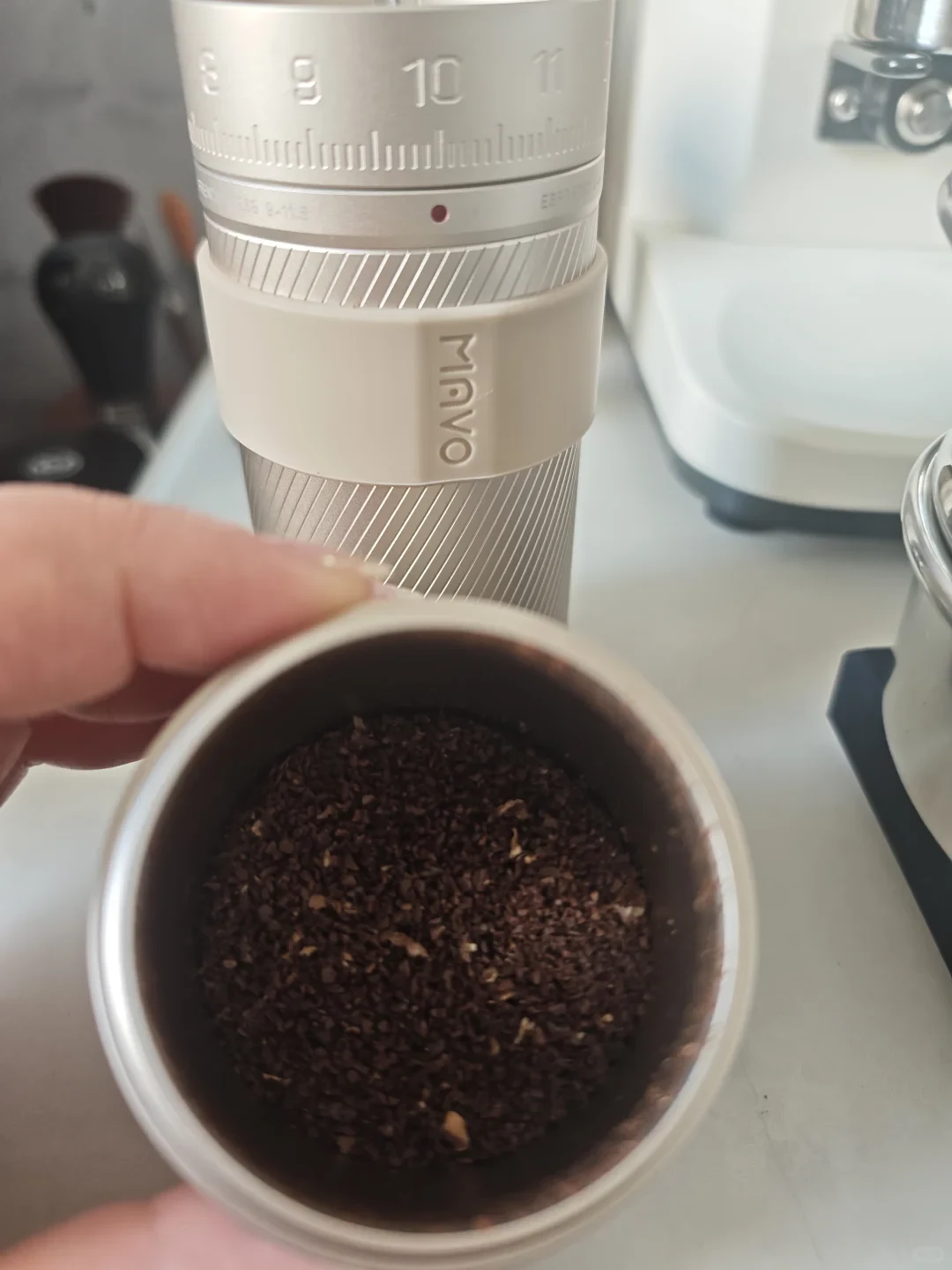
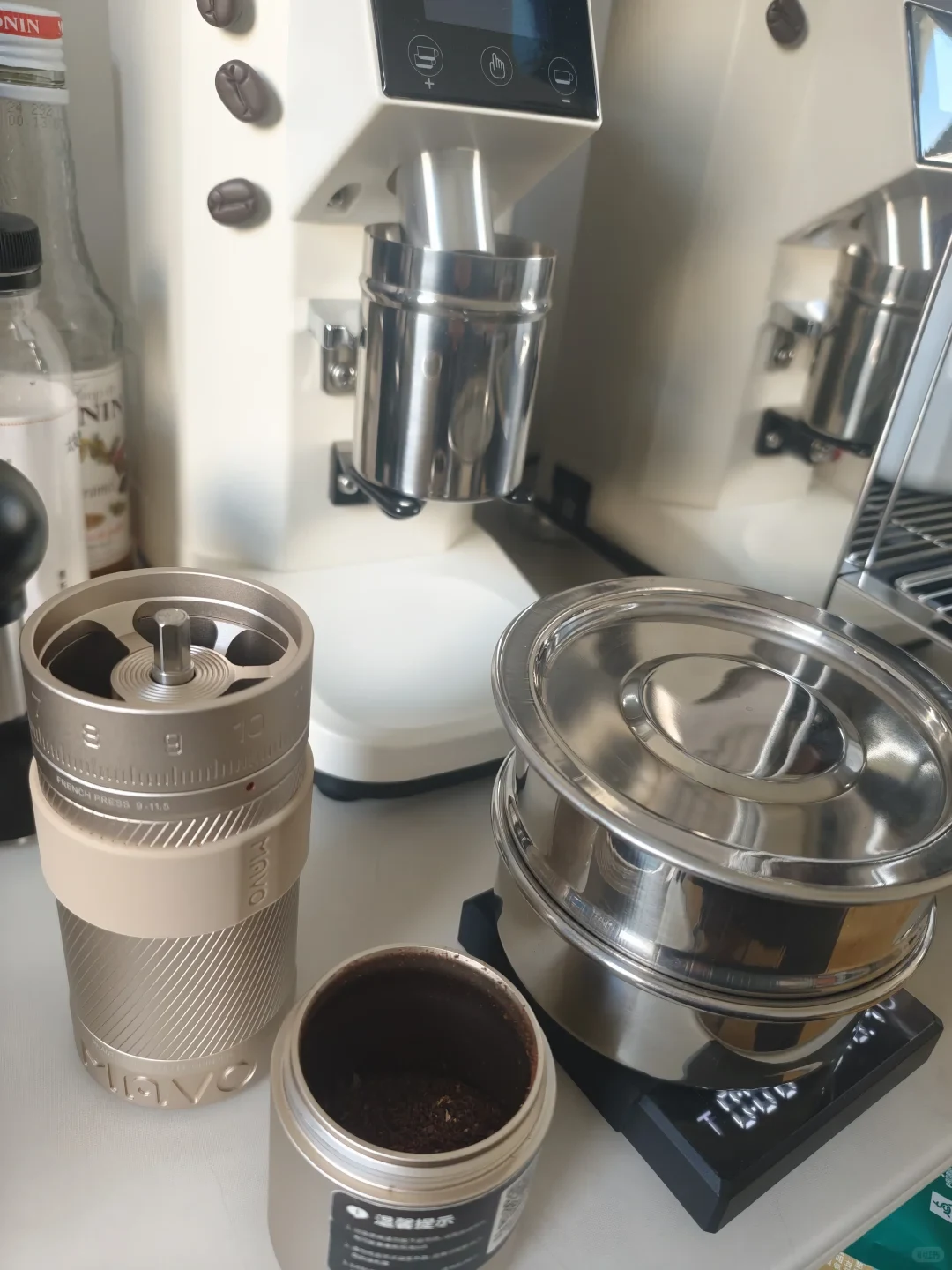
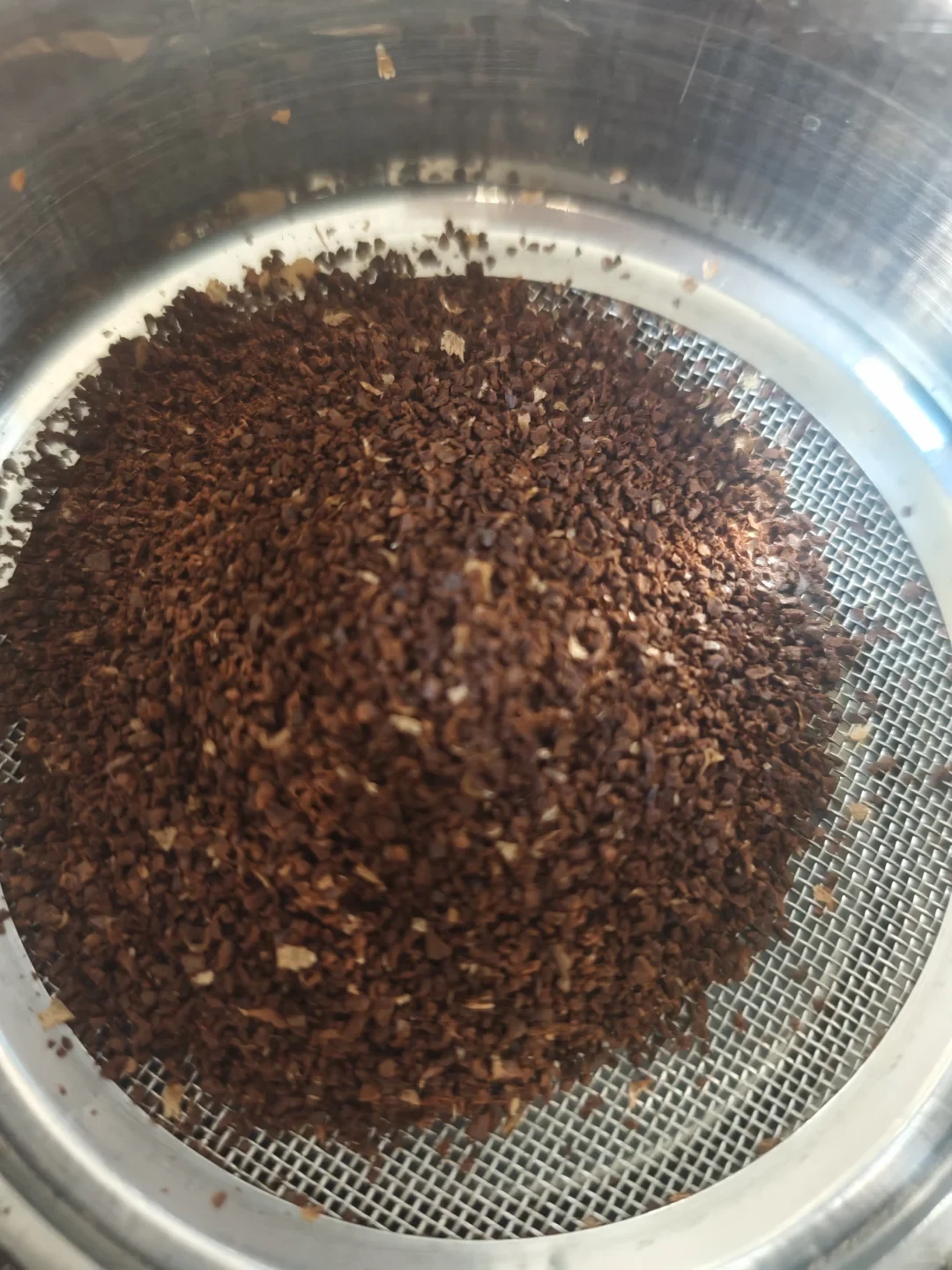
I’m sharing my results with the Phantox Pro: a substantial proportion of the grounds are fairly uniform in size, which can help extraction stay even and make the coffee taste clean and clear. Before testing, I had read feedback suggesting that this uniform particle distribution might produce especially clear flavors, but that they could feel “too concentrated.” People accustomed to the layered flavors that some very fine grounds can bring may find the cup a little less complex.
You can try to address that by blending grinds: grind most of the beans—for example, 15 g—at a coarser setting, such as 10 major marks, then add a small amount—for example, 1 g—ground finer, such as at 3 major marks. This deliberately adds more layers of flavor.
You can also add complexity by grinding everything a little finer.
Besides cupping, the Phantox Pro can handle several everyday brewing methods. These grind-setting references come from using my own Phantox Pro; use them as a starting point and adjust from there:
Espresso: I suggest starting at 3 major marks (30 minor marks). Grinding 18.5 g of beans took about 1 minute 25 seconds.
Pour-over: This is the method I use most often, and the setting needs to change with the roast and your brewing technique. In general, explore the range from 8 to 11 major marks (80–110 minor marks).
Cold brew: This calls for a coarser grind; a setting above 10 major marks is a typical starting point.
The zero point is set by gravity. I used the Schubert Rose Black Label medium-dark-roast blend. The beans people use, their roast levels, and the grinder settings all vary, so adjust to your taste.
At grind setting 8: fine grounds 8.3; coarse grounds 1.7.
At grind setting 8.5: fine grounds 7.5; coarse grounds 2.5 (cupping setting).
At grind setting 9: fine grounds 6.8; coarse grounds 3.2.
At grind setting 9.5: fine grounds 6.4; coarse grounds 3.6.
At grind setting 10: fine grounds 5.5; coarse grounds 4.5.
At grind setting 10.5: fine grounds 4.7; coarse grounds 5.3.
At grind setting 11: fine grounds 4; coarse grounds 6.
I recently got pour-over equipment. Please recommend and discuss some tasty everyday beans that you keep going back to!
Source: 王紫嫣 · Xiaohongshu · 2025-11-29 · ✨ 千元内手摇磨之王?MAVO幻刺Pro杯测结果. Search this Chinese title in Xiaohongshu to find the original post.
Before You Buy
Models in your region
The US/international-store MAVO Phantox Pro is identified by the manufacturer as the same model as the one in this owner account. The owner’s grind references and timing come from her own grinder and beans, so treat the settings as starting points rather than universal dial positions.
| Model in this review | Related regional model | What to know |
|---|---|---|
| MAVO Phantox Pro | MAVO Phantox Pro (United States / international store) | The official US/international-store listing identifies the same model used in the account. It specifies a 45 mm Starblade burr and an external adjustment ring with 120 clicks per revolution; the owner’s numbered settings are personal references, not universal prescriptions. |
- Model in this review
- MAVO Phantox Pro
- Related regional model
- MAVO Phantox Pro (United States / international store)
- What to know
- The official US/international-store listing identifies the same model used in the account. It specifies a 45 mm Starblade burr and an external adjustment ring with 120 clicks per revolution; the owner’s numbered settings are personal references, not universal prescriptions.
Use the grind settings as starting points
The Phantox Pro is listed for espresso through cold brew, with an external ring offering 120 clicks per revolution. That range supports the owner’s use across brewing methods, but the official listing does not give a universal dial setting for a particular bean or individual grinder. Her espresso starting point is 3 major marks (30 minor marks); her pour-over range is 8–11 major marks, and she suggests going above 10 for cold brew.
Bean, roast, and brewing technique affect where a setting works best. The owner specifically used a medium-dark-roast Schubert Rose Black Label blend and describes the zero point as gravity-based, so her dial references may not transfer directly to another coffee or grinder.
Interpret the espresso timing and particle figures in context
Grinding 18.5 g took the owner about 1 minute 25 seconds at her suggested espresso starting point of 3 major marks. This is a result from her own unit and setup, not a manufacturer-rated grind time; the available evidence does not establish how timing varies with other beans or grinders.
For settings 8 through 11, the owner records fine- and coarse-ground figures that shift from 8.3 and 1.7 at setting 8 to 4 and 6 at setting 11; she identifies 8.5 as her cupping setting. The source does not state the figures’ units or measurement method, so use them to follow her comparison across settings, not as verified percentages or a standardized particle-size test.
Adjust flavor and keep the grinder clean
If a cup tastes too concentrated or lacks the layers you want, the owner suggests either blending mostly coarser grounds with a small amount of finer grounds, or grinding the whole dose a little finer. These are flavor-adjustment ideas, not tested guarantees; she gives 15 g at 10 major marks plus 1 g at 3 major marks as an example blend.
For routine care, MAVO’s FAQ recommends brushing out retained grounds and wiping the body with a dry or slightly damp cloth. The manufacturer’s listed Phantox Pro has a 45 mm Starblade burr; the supplied care guidance does not specify a deeper cleaning schedule.
Related Reading
Reviews & Guides · Kitchen & Dining
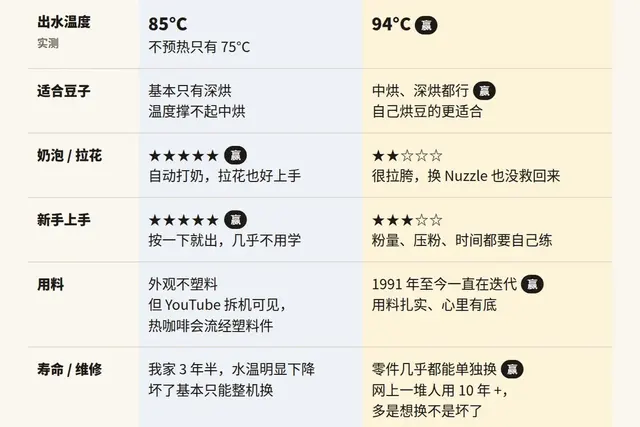
Breville Bambino after three and a half years: why I switched to Gaggia Classic E24
After three and a half years, my Bambino seemed to run cooler; I switched to a Gaggia Classic E24 for the beans we buy and roast at home.
Reviews & Guides · Kitchen & Dining
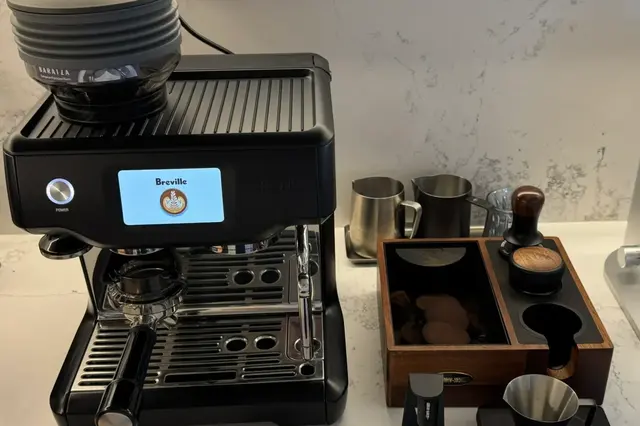
Gaggia Classic E24 daily routine: 18 g in, 36 g out
I make two coffees most mornings with my Gaggia Classic E24, weighing 18 g in and 36 g out. Pairing it with a Sculptor 064S helped me dial in.
Reviews & Guides · Kitchen & Dining
Gaggia Classic E24: 16-second shots and a changed temperature routine
I pulled roughly 26 g shots from 16 g of dark-roast coffee in my Gaggia Classic E24; a new flush routine seemed to slow them slightly, but I did not measure the change.