
Reviews & Guides · Kitchen & Dining
MAVO Phantox Pro after four pour-overs: clean cups, difficult light roasts
Reviewed: MAVO Phantox ProRegional reference: MAVO Phantox Pro (United States / international store)
I made four pour-overs with the MAVO Phantox Pro. A light roast was hard to grind, and I wanted more layers of flavor from the cups.
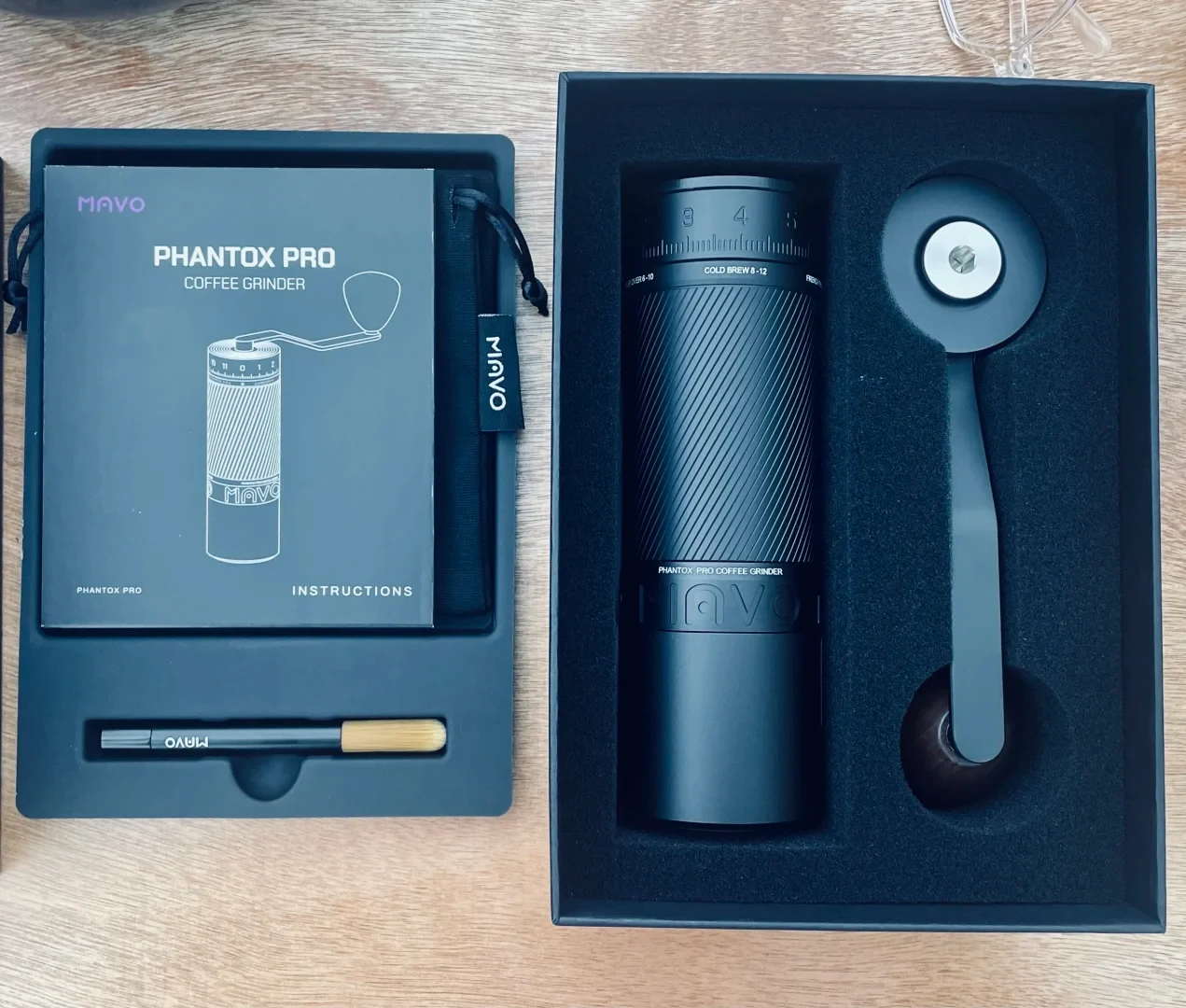
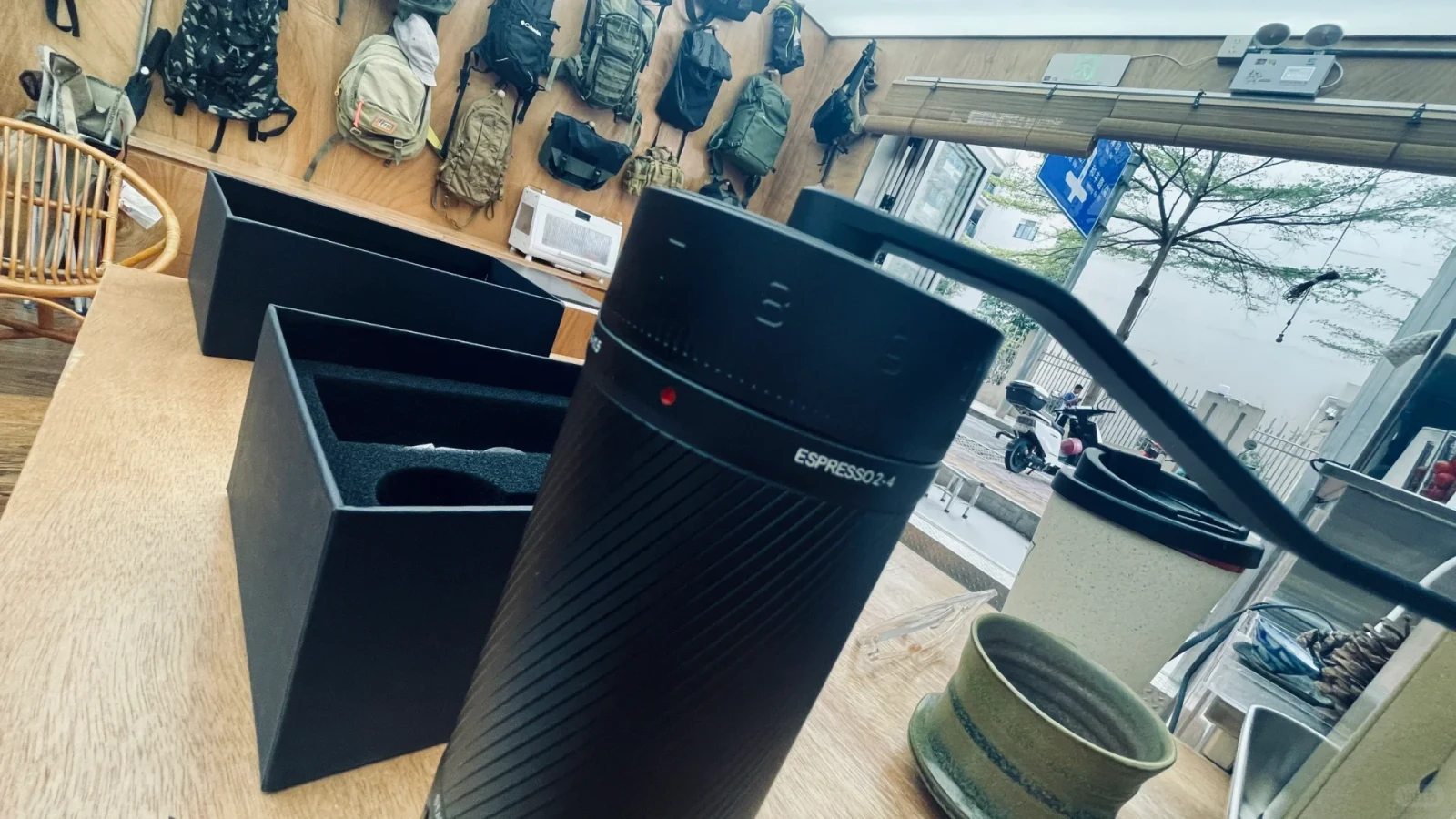
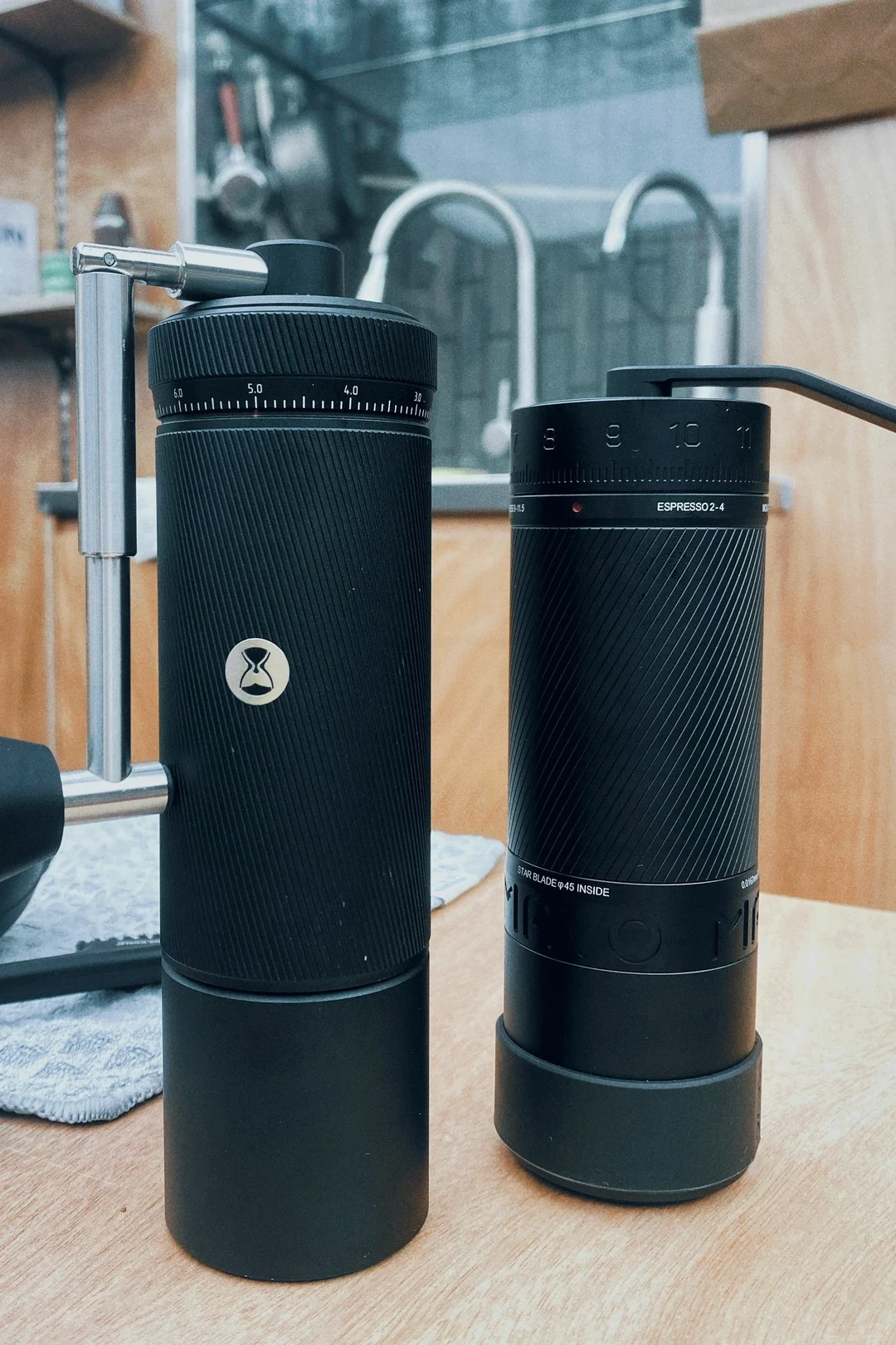
I bought the MAVO Phantox Pro during the Double 11 sale. Here are my overall impressions, using the TIMEMORE Chestnut S3 as a reference; I had used the S3 for nearly a year.
Pros: The build feels excellent, and the details are nice to look at. It is lighter than the S3, and the grind settings have a pronounced click-by-click feel. If choosing on looks alone, most of my friends would pick the Phantox. It produces few fines, and the coffee really does brew cleanly.
Cons: The handle’s leverage feels too short. At setting 6.8, grinding a light-roast Ethiopian natural-process Bansha coffee was already hard work. The coffee brewed too cleanly for me: the taste was soft but not thin, and the flavor seemed narrow. It took away much of the fun for me, and the few approaches I tried did not get the result I wanted. Here are the details.
For the first three brews, I used washed Alo coffee at 93°C, with 15 g of coffee and a 1:16 coffee-to-water ratio. I was lucky: the grinder arrived at zero near the zero mark, so I did not adjust the zero point.
Grind setting: 8.2; three-pour method with a V60 dripper.
It was neither astringent nor bitter, with a slight orange-juice quality. The mouthfeel was a bit like soft water, and I was not quite sure what I was drinking. It tasted unlike any pour-over I had tried before.
To raise extraction, I ground finer and tried an immersion-style method. Grind setting: 7.2; Infinite Cross dripper; three pours.
This was a little better than the previous cup.
A blended-grind approach: setting 7.2 for 14 g, plus 1 g at setting 2; Infinite Cross dripper; three pours.
This was a little better than the previous cup.
- I switched to Ethiopian natural-process Bansha coffee and adjusted the grind slightly: setting 6.8 for 14 g, plus 1 g at setting 1.8; Infinite Cross dripper; three pours.
It was drinkable. The natural-process coffee brewed with the character of a washed coffee: citrus notes, gentle and balanced acidity, and a soft mouthfeel.
In summary, it is not for me. I still prefer coffee that is richer and more varied. That does not mean the Phantox is bad or incapable; some friends liked this style. It just does not satisfy my preferences very well, and grinding finer really would be too difficult. It is not worth it for me.
I will see if I can sell it; otherwise, does anyone have a simple solution I could try?
Source: iHBH Cafe · Xiaohongshu · 2024-11-19 · 幻刺Pro开箱磨了四把后:还是随缘出了吧. Search this Chinese title in Xiaohongshu to find the original post.
Before You Buy
Models in your region
The account identifies the grinder as a MAVO Phantox Pro, matching the model in MAVO’s US/international listing. The owner’s four brews describe one unit and particular coffees and methods; they do not establish a universal grind setting or taste result.
| Model in this review | Related regional model | What to know |
|---|---|---|
| MAVO Phantox Pro | MAVO Phantox Pro (United States / international store) | The listed US/international Phantox Pro is the same model named in the owner’s account. MAVO specifies a 45 mm Starblade burr and an external ring with 120 clicks per revolution; the owner’s grind settings are specific to their unit and recipes. |
- Model in this review
- MAVO Phantox Pro
- Related regional model
- MAVO Phantox Pro (United States / international store)
- What to know
- The listed US/international Phantox Pro is the same model named in the owner’s account. MAVO specifies a 45 mm Starblade burr and an external ring with 120 clicks per revolution; the owner’s grind settings are specific to their unit and recipes.
What the four brews can tell you
The four trials suggest a preference trade-off, not a universal brewing result: this owner found the cups unusually clean and soft, with narrow flavor, while the final Ethiopian natural-process brew came out with a washed-coffee character. The first three used washed Alo coffee at 93°C and a 1:16 ratio; the fourth changed the beans, so the results do not isolate grind setting as the cause.
Treat the recorded settings as recipe notes rather than a starting-point chart. MAVO does not specify a universal dial setting for a given bean or grinder, and this account does not establish one; dialing in another Phantox Pro still requires adjustment for the coffee and brewing method.
Light-roast effort and grinder adjustment
Expect that finer grinding may feel demanding if your coffee and setting resemble this owner’s trial: they found Ethiopian natural-process Bansha difficult to grind at setting 6.8 and said going finer would be too hard for them. That is a report about one unit and coffee, not a measured force test or a general performance specification.
The owner did not adjust the zero point because their grinder arrived at zero near the zero mark. That describes this unit’s initial setup; MAVO’s listing does not provide a universal dial setting for beans or individual grinders, so do not assume another unit will share the same zero alignment or recipe settings.
Specifications and routine care
The listed Phantox Pro has a 45 mm Starblade burr and an external adjustment ring with 120 clicks per revolution; MAVO says it covers espresso through cold brew. These are manufacturer-listed features, not results measured in the owner’s four pour-over trials.
For routine care, MAVO’s FAQ calls for brushing out retained grounds and wiping the body with a dry or slightly damp cloth. The owner’s account does not describe a cleaning routine, so it offers no firsthand evidence about cleaning effort.
Related Reading
Reviews & Guides · Kitchen & Dining
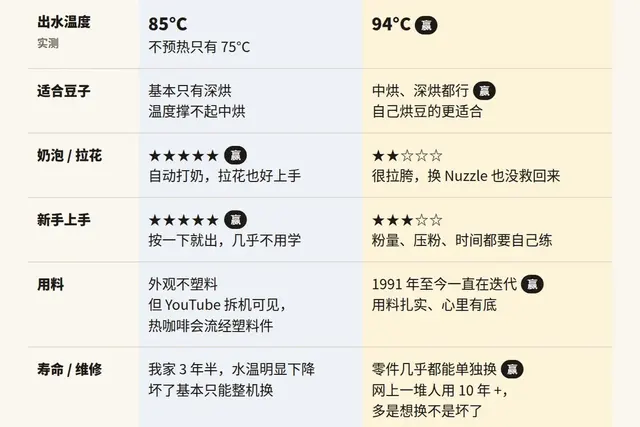
Breville Bambino after three and a half years: why I switched to Gaggia Classic E24
After three and a half years, my Bambino seemed to run cooler; I switched to a Gaggia Classic E24 for the beans we buy and roast at home.
Reviews & Guides · Kitchen & Dining
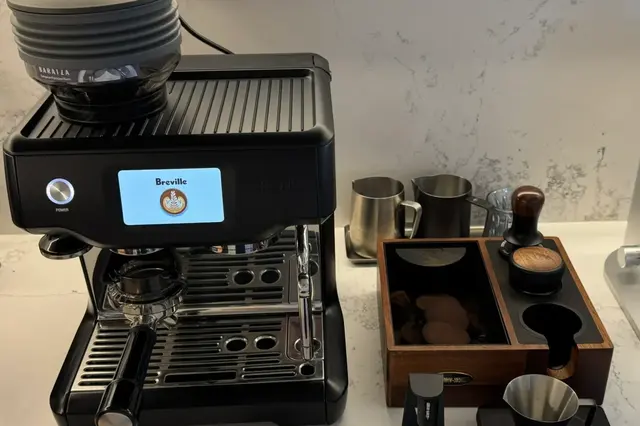
Gaggia Classic E24 daily routine: 18 g in, 36 g out
I make two coffees most mornings with my Gaggia Classic E24, weighing 18 g in and 36 g out. Pairing it with a Sculptor 064S helped me dial in.
Reviews & Guides · Kitchen & Dining
Gaggia Classic E24: 16-second shots and a changed temperature routine
I pulled roughly 26 g shots from 16 g of dark-roast coffee in my Gaggia Classic E24; a new flush routine seemed to slow them slightly, but I did not measure the change.