
PETKIT PURA X and PURA MAX: a six-cat owner's year-long comparison
Reviewed: PETKIT PURA X, PETKIT PURA MAXRegional reference: PETKIT PURA X P9901 (International English manual); PETKIT PURA MAX P9902 (International English manual)
I used the PETKIT PURA X for a year and the PURA MAX for two months with six cats; the MAX was roomier, but I missed the X's one-touch litter-emptying feature.
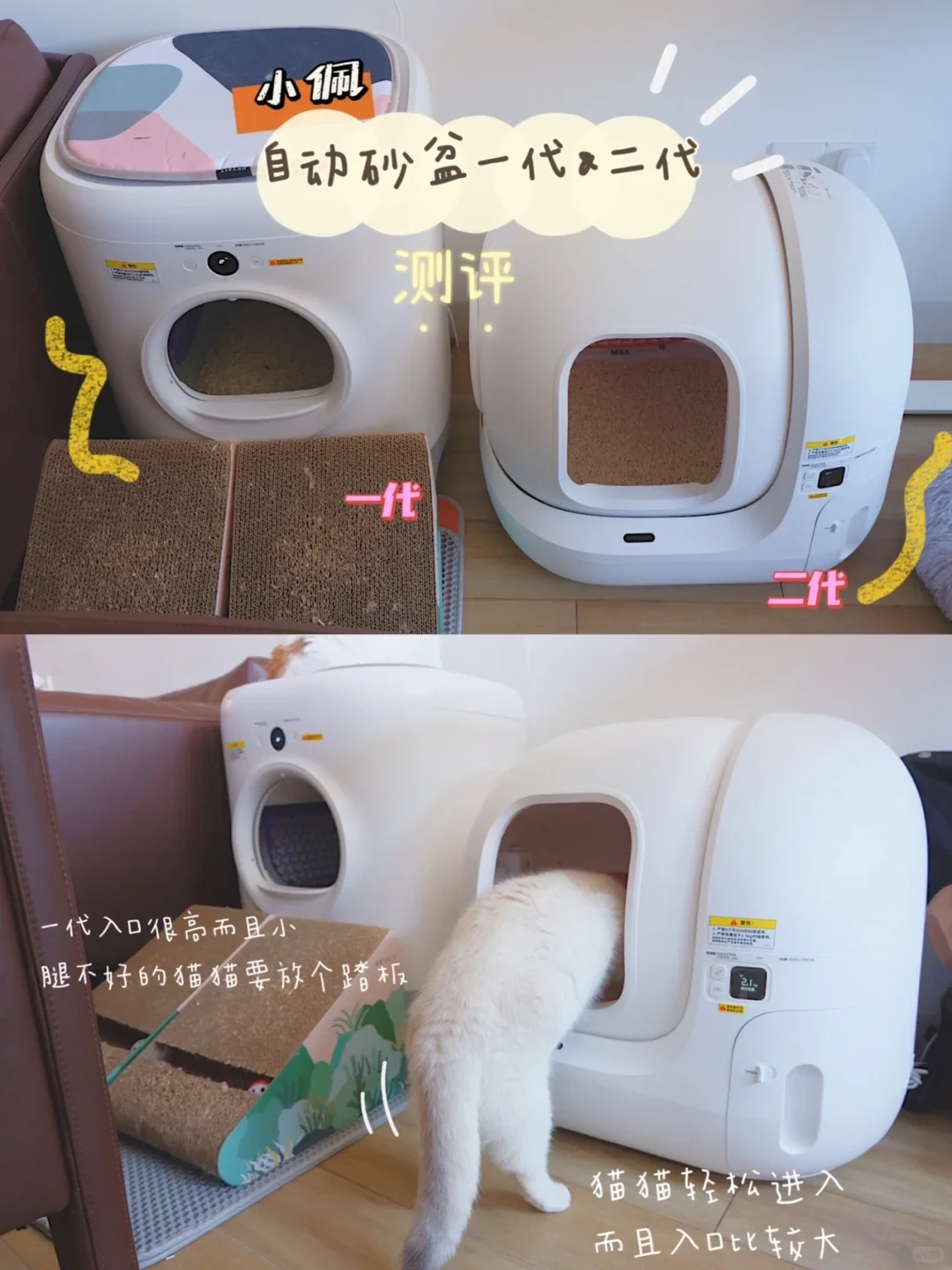
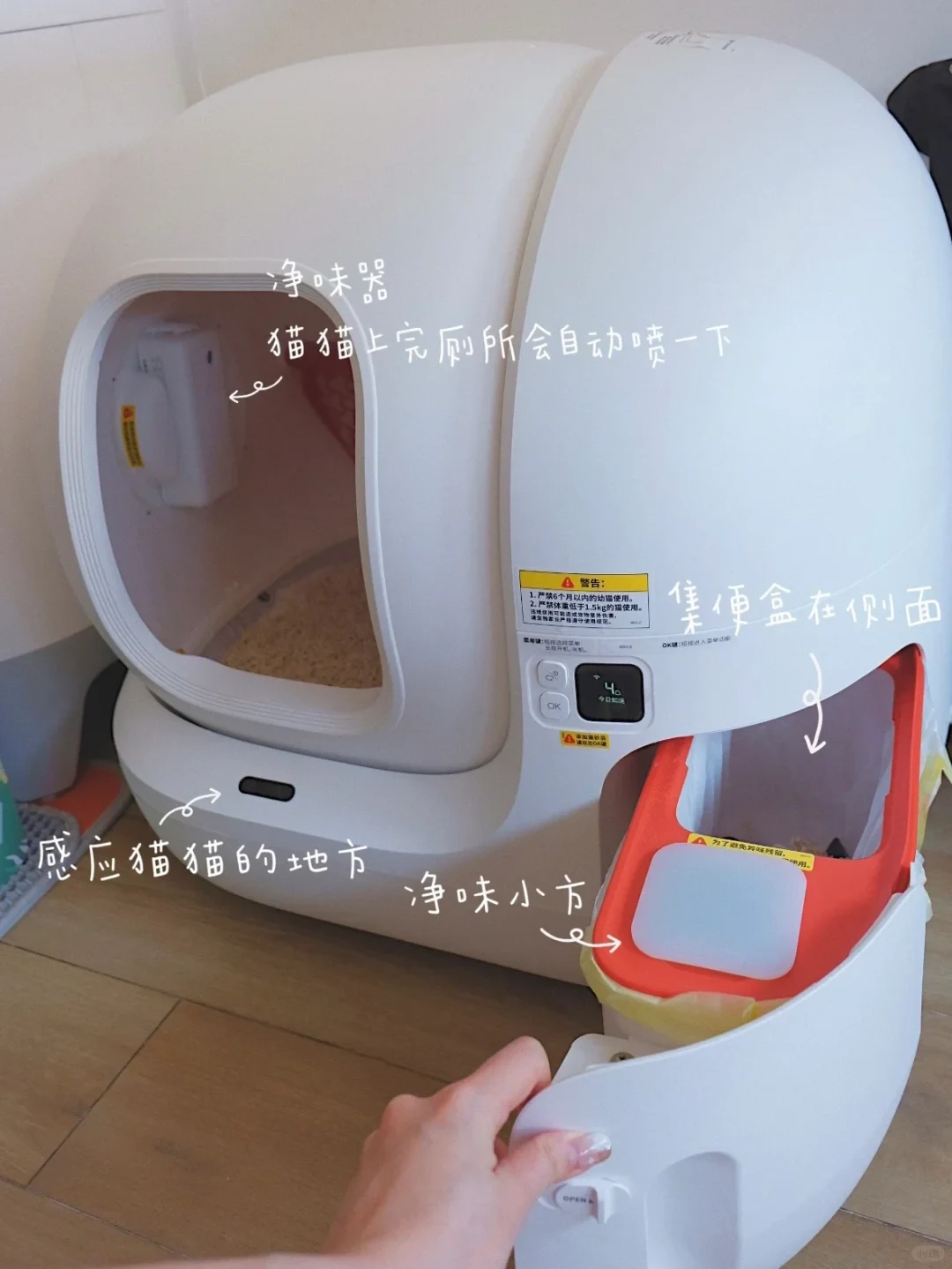
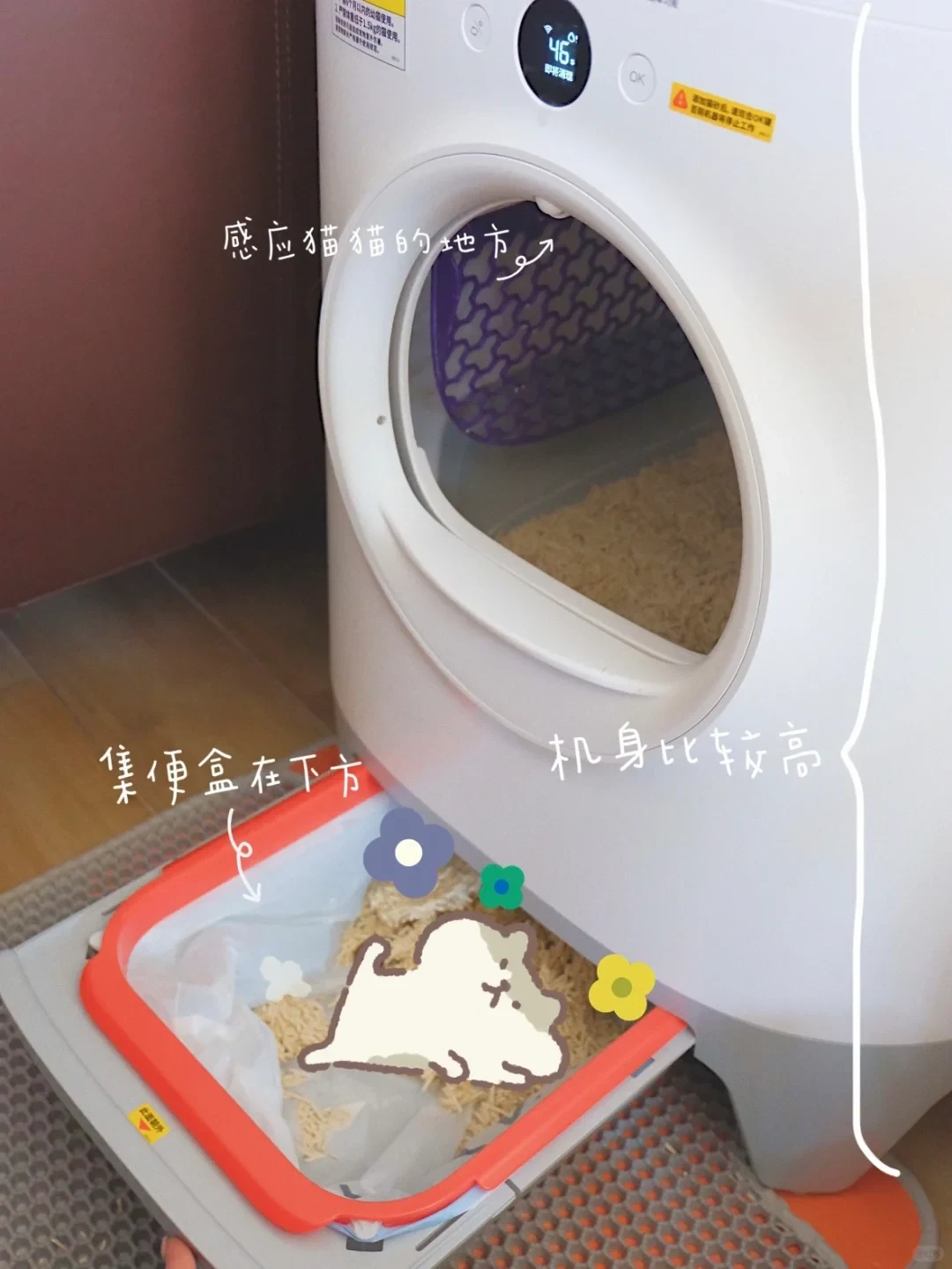
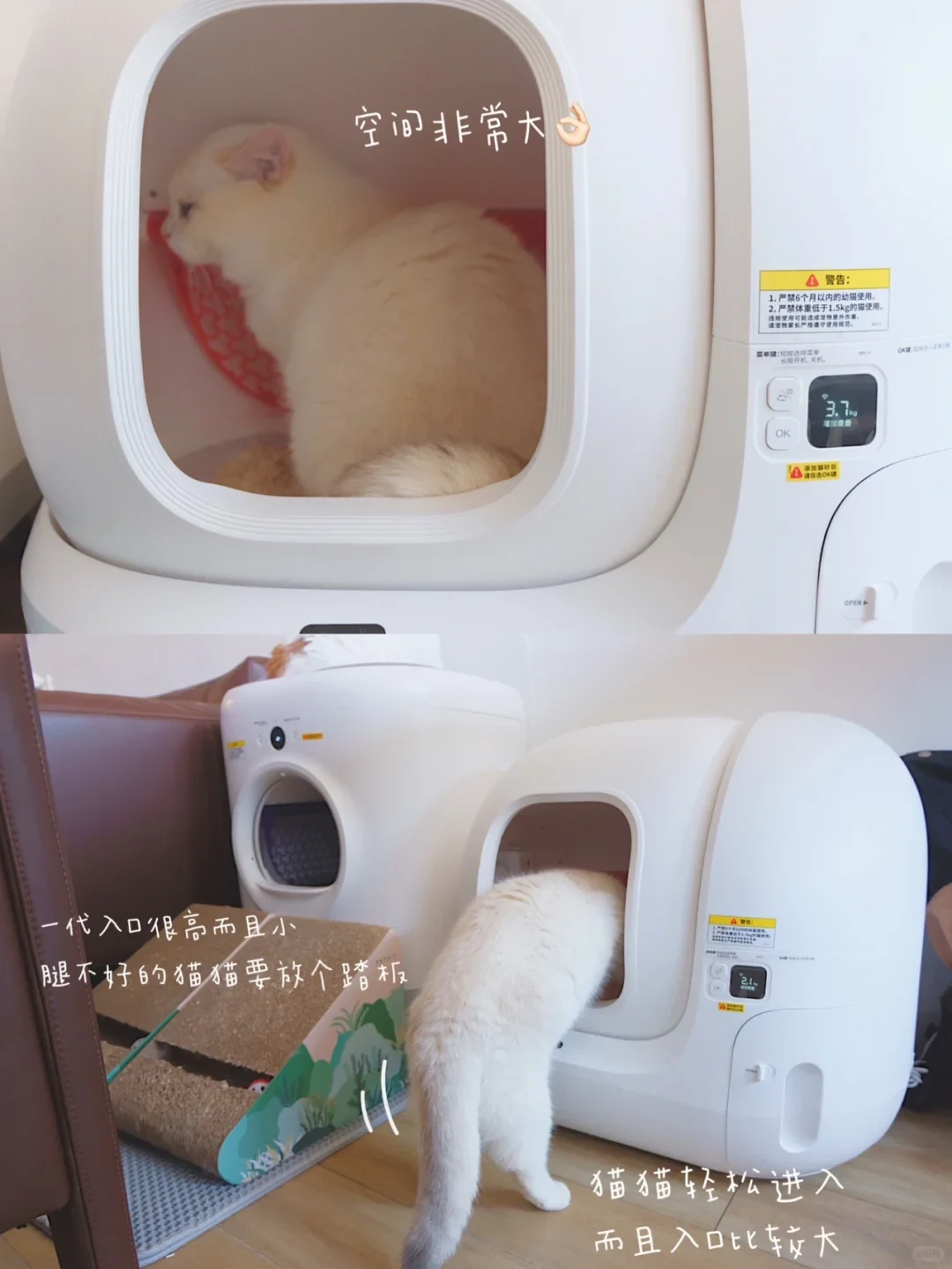
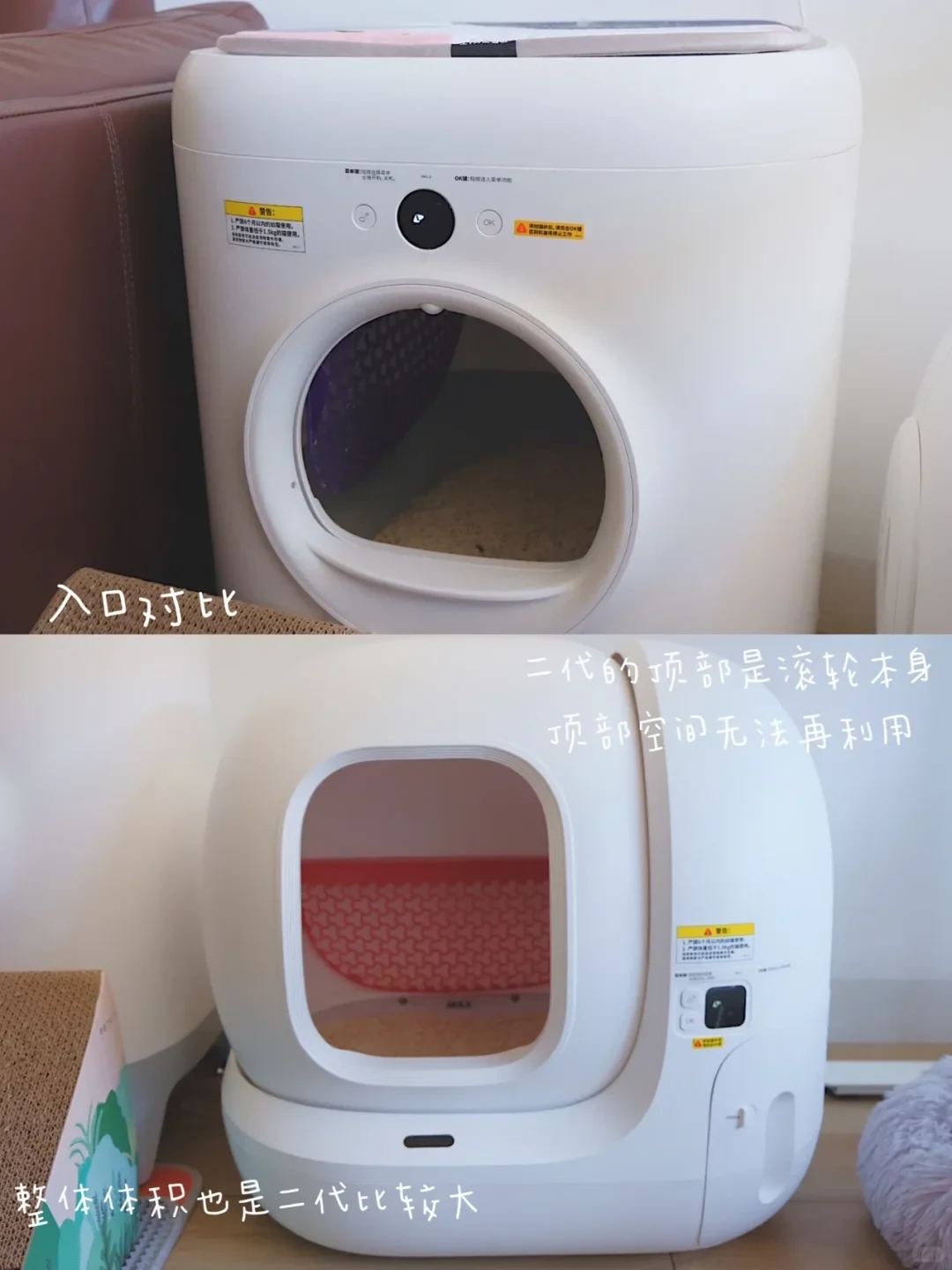
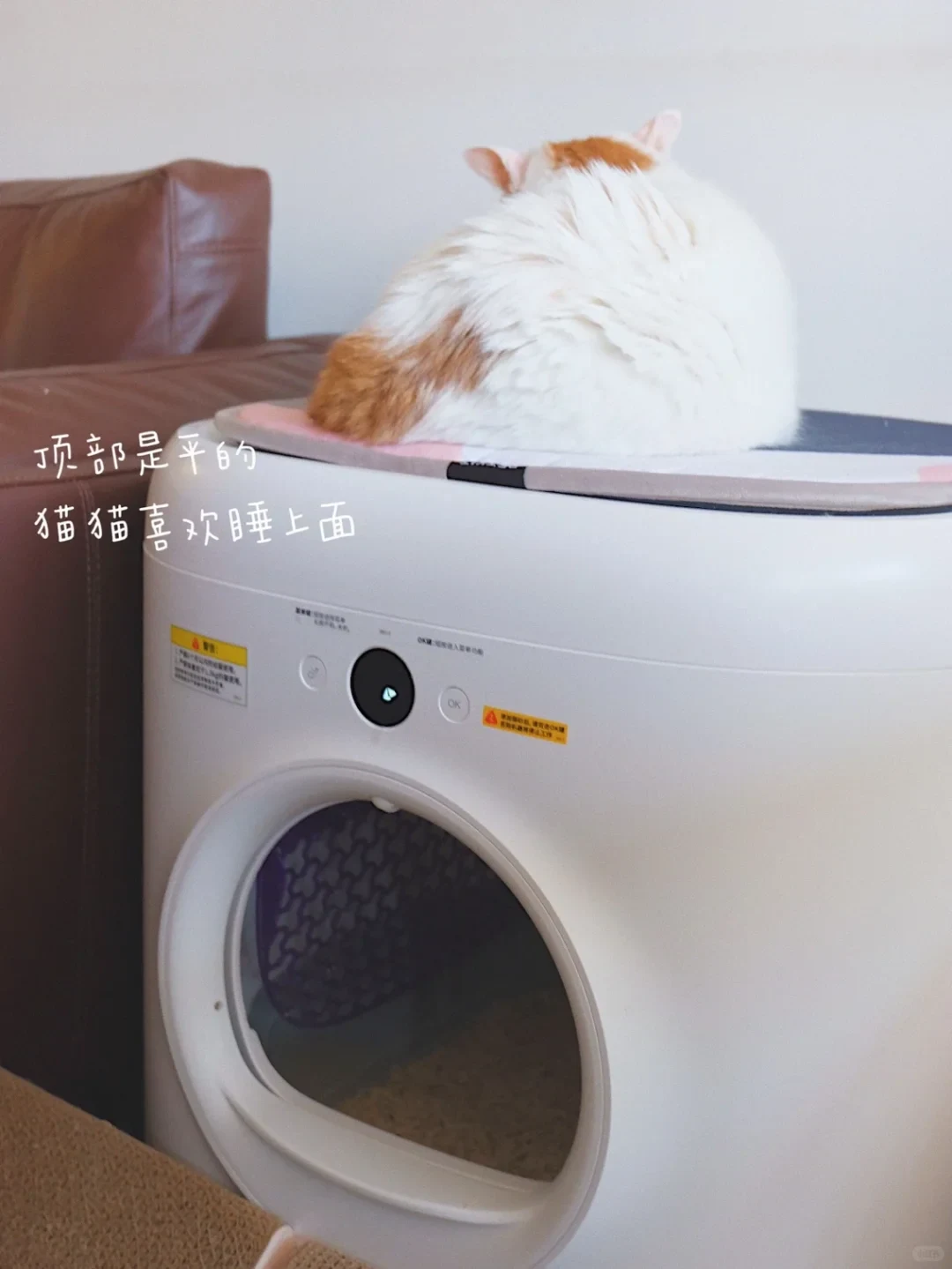
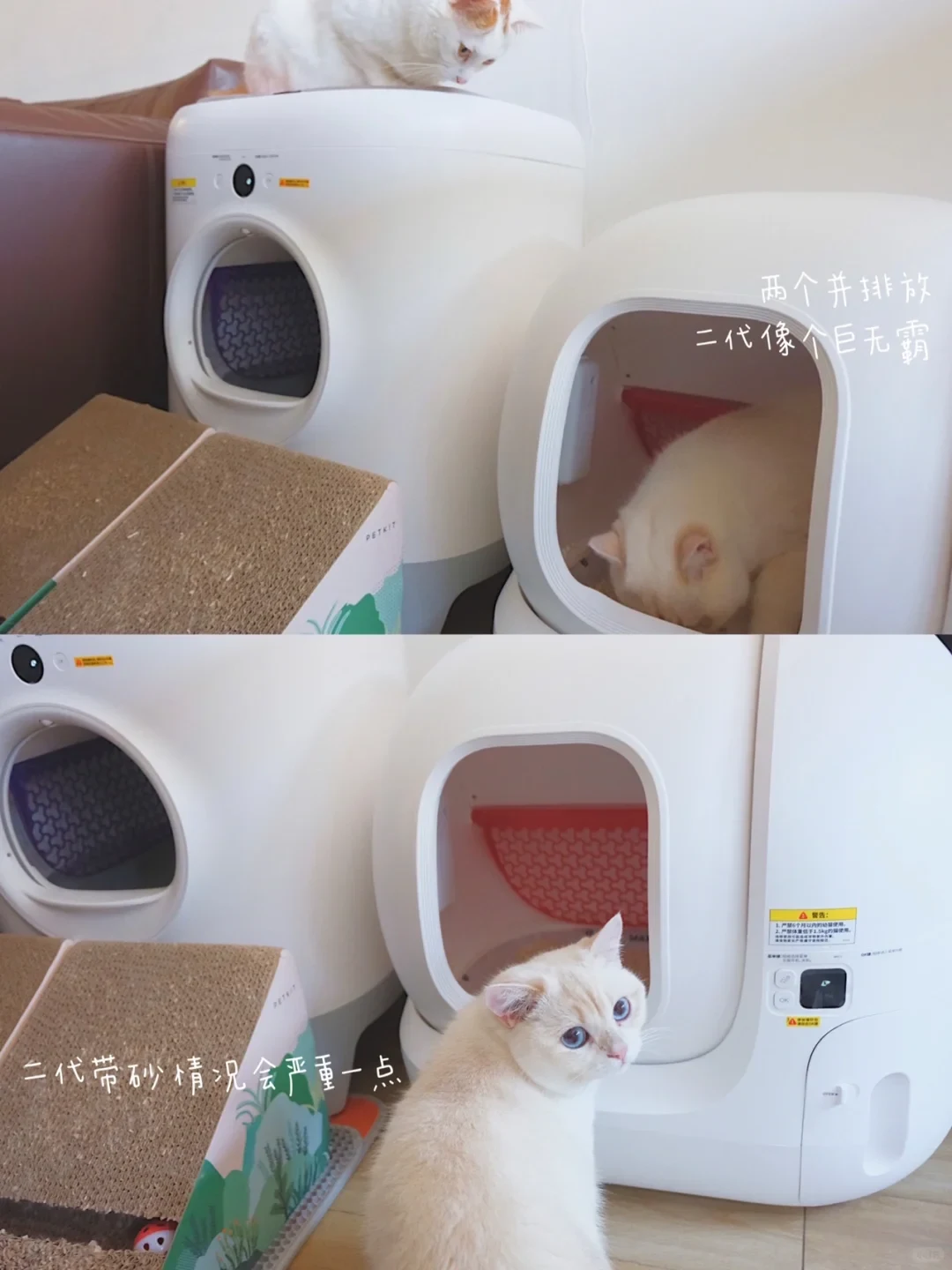
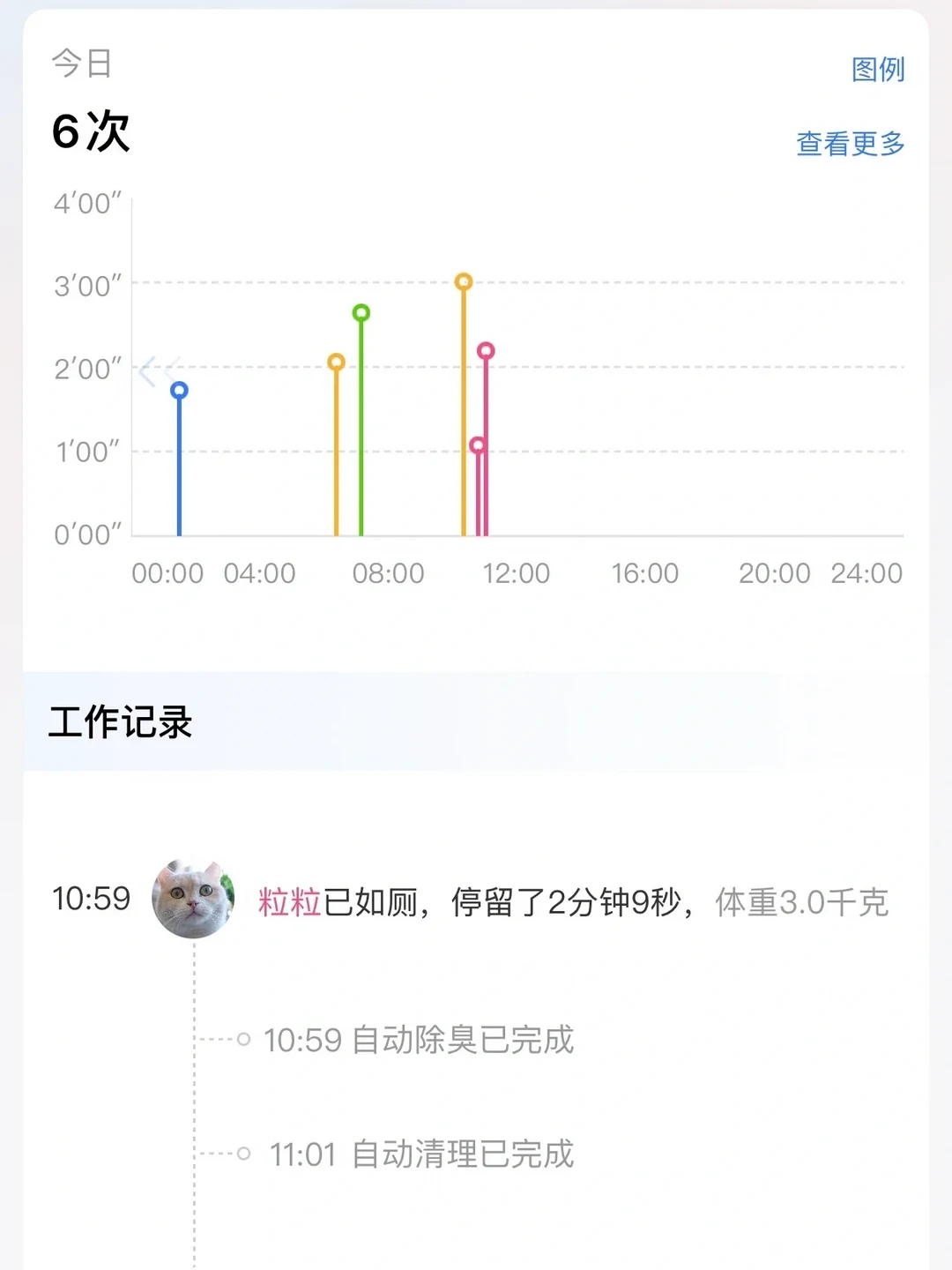
I used the first-generation PETKIT automatic litter box for one year and the second-generation one for two months. Here are my comparison notes.
Safety: The first-generation model has multiple sensors, including heat, infrared and weight sensors. It stops operating as soon as a cat comes near. However, if it is partway through a cycle, the entrance is still open; although it stops immediately, a cat could still get inside. That made me a little concerned, but I never saw this happen during my year of use. The second-generation model also has multiple sensors and stops when a cat approaches, but the entrance turns upward so the cat cannot go in. Even if a cat enters from above, the entrance remains open enough for it to get back out. I think the second-generation model is safer.
Odor control: The second-generation model is noticeably better. I paired it with a separately purchased deodorizer and deodorizing block, set deodorizing to run on a timer, and stopped noticing bad smells. It even often smelled fresh.
Entrance and interior space: The first-generation model has a smaller entrance and a smaller interior. The manufacturer says it is suitable for cats weighing up to 16 jin (8 kg). The second-generation model has more interior space, and the manufacturer says it is suitable for cats weighing up to 20 jin (10 kg). If you have a large Ragdoll, I would go straight for the second generation. The first-generation entrance is also quite high; cats with mobility issues or older cats definitely need a step.
Litter tracking: The first-generation model tracked a little less litter, but I still recommend using a litter-trapping mat.
Cleaning the units: Both can be taken apart for washing. But the second-generation model has its waste box at the side, so waste travels through a more winding path; when my cats had soft stools, the inside of the unit got dirty easily. The first-generation model has a more direct waste path, and its interior did not get dirty as easily. Both units need prompt cleaning and wiping: the flap gets dirty easily. You could also set cleaning to start after five minutes, so urine clumps have a little longer to dry.
Key feature: The first-generation model has a one-touch litter-emptying function. When I change all the litter, one press sends it straight into the waste box—so convenient! The second-generation model does not have this function. That is its biggest drawback for me.
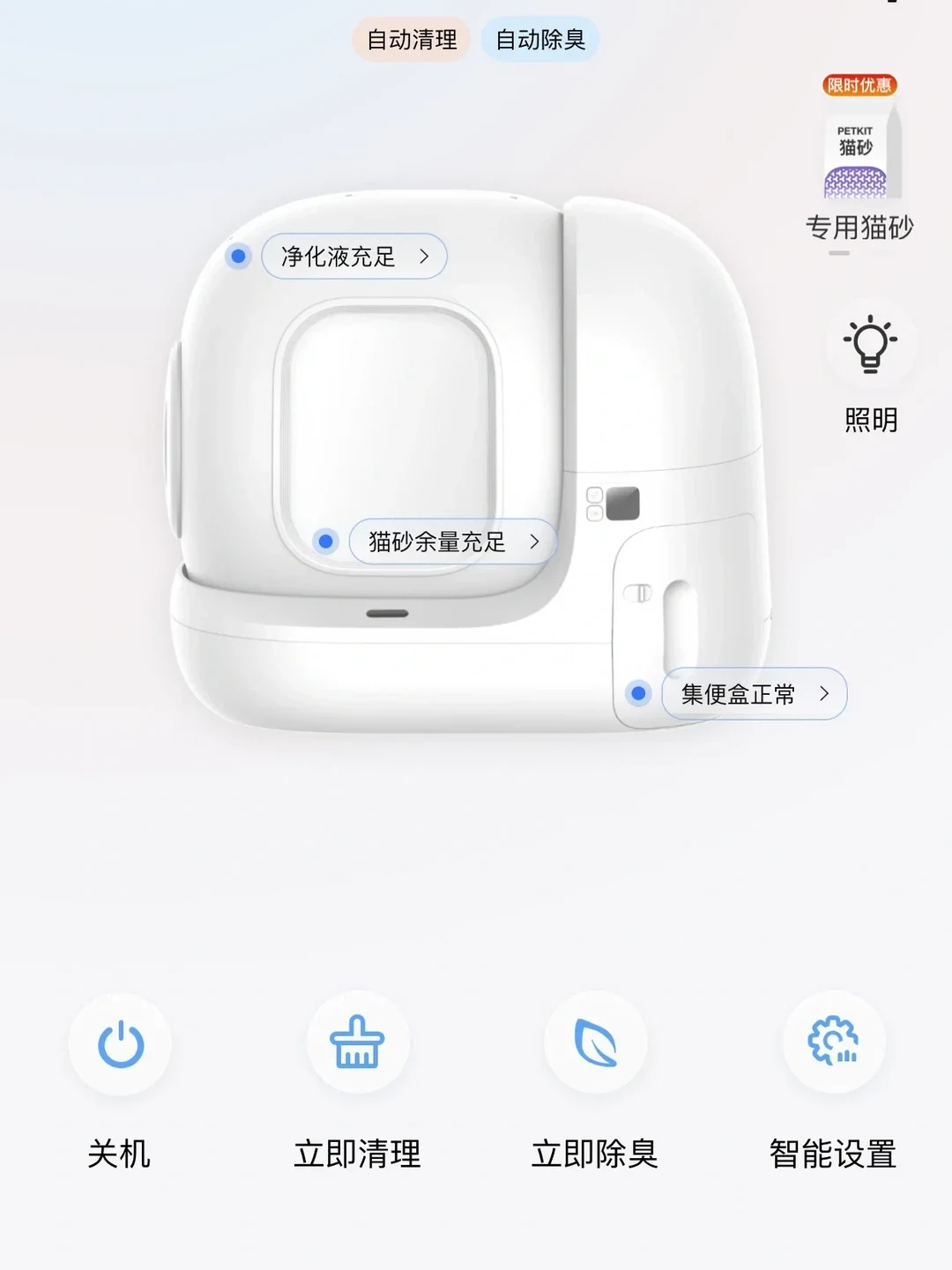
Both generations use the PETKIT app, which can recognize individual cats and makes monitoring and remote settings convenient. My six cats have had no particular problems using them so far, and the boxes really do save me effort. Leave a comment if you have any questions.
Source: Cathyzxf · Xiaohongshu · 2022-04-13 · 多猫家庭 | 小佩自动猫砂盆一二代测评🪜. Search this Chinese title in Xiaohongshu to find the original post.
Before You Buy
Models in your region
The source uses first- and second-generation labels, but the photos and described features identify the units as the PETKIT PURA X and the original PURA MAX. These are separate products, not regional names for the same model: the international English manuals identify them as PURA X P9901 and PURA MAX P9902. The owner's observations apply to her Chinese-market units and her use dates; check the rating plate and local manual before applying instructions to another unit.
| Model in this review | Related regional model | What to know |
|---|---|---|
| PETKIT PURA X | PETKIT PURA X P9901 (International English manual) | The international manual identifies the PURA X as P9901, a separate model from the PURA MAX. The owner’s one-year experience concerns her PURA X; confirm your unit’s rating plate and manual before applying its cleaning guidance. |
| PETKIT PURA MAX | PETKIT PURA MAX P9902 (International English manual) | The international manual identifies the original PURA MAX as P9902, distinct from the PURA X and later PuraMax 2. The owner’s two-month comparison concerns the original model; her report that it lacked litter emptying reflects her unit and the time of her post. |
- Model in this review
- PETKIT PURA X
- Related regional model
- PETKIT PURA X P9901 (International English manual)
- What to know
- The international manual identifies the PURA X as P9901, a separate model from the PURA MAX. The owner’s one-year experience concerns her PURA X; confirm your unit’s rating plate and manual before applying its cleaning guidance.
- Model in this review
- PETKIT PURA MAX
- Related regional model
- PETKIT PURA MAX P9902 (International English manual)
- What to know
- The international manual identifies the original PURA MAX as P9902, distinct from the PURA X and later PuraMax 2. The owner’s two-month comparison concerns the original model; her report that it lacked litter emptying reflects her unit and the time of her post.
Check the exact model before applying the comparison
PURA X and the original PURA MAX are different litter boxes, not first- and second-generation versions of one regional model. The international manuals identify them as P9901 and P9902 respectively; the later PuraMax 2 is also a separate product. The photos and feature descriptions support identifying the owner's units as PURA X and original PURA MAX, but her findings should not be transferred automatically to later versions.
The owner's comparison is specific to her units and conditions: one year with the PURA X and two months with the PURA MAX in a six-cat home. The manual excerpts do not establish that the two local-market units had identical accessories, software or configurations to all international-market versions, so check the product label and local documentation when those details affect a purchase.
Plan for daily cleaning and litter changes
The PURA X manual says to turn off and unplug the unit before cleaning; its main unit contains electrical components and must not be immersed or washed. The removable cylinder and waste drawer can be cleaned separately. The owner's advice to wipe dirty areas promptly reflects her household experience, while the manual provides the applicable safety boundary for cleaning.
Do not assume the owner's PURA MAX litter-emptying observation applies to every original PURA MAX. She found no such function on her unit at the time of her post, but the original PURA MAX manual includes a litter-remover workflow. Check the instructions for your exact unit before planning a full litter change around either method.
Match the entrance and cleaning path to your cats
A step may help a cat that struggles with a high entrance, while a roomier interior may matter for a larger cat. In this comparison, the owner found the PURA X smaller and its entrance higher, and described the PURA MAX as roomier; her cited weight limits were manufacturer claims, not measurements from her own testing. Check the specifications for the exact local model and consider your cat's mobility and body size.
The waste path can affect how much cleanup a soft-stool incident requires. The owner found the PURA MAX's more winding path harder to keep clean when her cats had soft stools, while the PURA X's more direct path stayed cleaner in her experience. This is a household observation, not a guarantee that either model will remain cleaner in every setup.
A litter-trapping mat is worth considering whichever unit you choose: the owner found the PURA X tracked litter somewhat less, but still recommended a mat. Her comparison does not establish how much litter either model will track with different litter types or floor layouts.
Treat sensor behavior and odor control as setup-specific
The owner's account is not a safety certification. She observed that both units stopped when a cat approached; she was more confident in the PURA MAX because its entrance turned upward during operation, while the PURA X entrance remained open during a pause. She did not observe a cat entering the PURA X mid-cycle during her year of use, so that potential access was a concern rather than an incident she experienced.
The owner's stronger odor-control result came from the PURA MAX paired with a separately purchased deodorizer and deodorizing block, with deodorizing scheduled to run. The comparison does not isolate the box's contribution from those add-ons, so buyers should not expect the same result from the litter box alone.
Consider the app across a multi-cat household
Both units used the PETKIT app for cat recognition, monitoring and remote settings in the owner's six-cat home, where she reported no particular problems. That is useful household experience, but it does not confirm compatibility or identical app features for every regional version or software release.
Related Reading
Reviews & Guides · Pet Care
PETKIT PURA X: mineral-litter sieve and odor control after setup
I used my PETKIT PURA X without deodorizing liquid while my cat was four months old, and bought a mineral-litter sieve separately.
Reviews & Guides · Pet Care
PETKIT PURA X and PURA MAX: large-clump jams and entry-height trade-offs
I compared two PETKIT automatic litter boxes: one handled large clumps more easily, while the other jammed and stopped during cleaning.
Reviews & Guides · Pet Care
PETKIT PURA X and PURA MAX: cleaning trade-offs after two years
I used the PETKIT PURA X for about two years and the PURA MAX for under one. Cleaning both was enough to send me back to manual scooping.