
PETKIT PURA X and PURA MAX: cleaning trade-offs after two years
Reviewed: PETKIT PURA X, PETKIT PURA MAXRegional reference: PETKIT PURA X P9901 (International English manual); PETKIT PURA MAX P9902 (International English manual)
I used the PETKIT PURA X for about two years and the PURA MAX for under one. Cleaning both was enough to send me back to manual scooping.
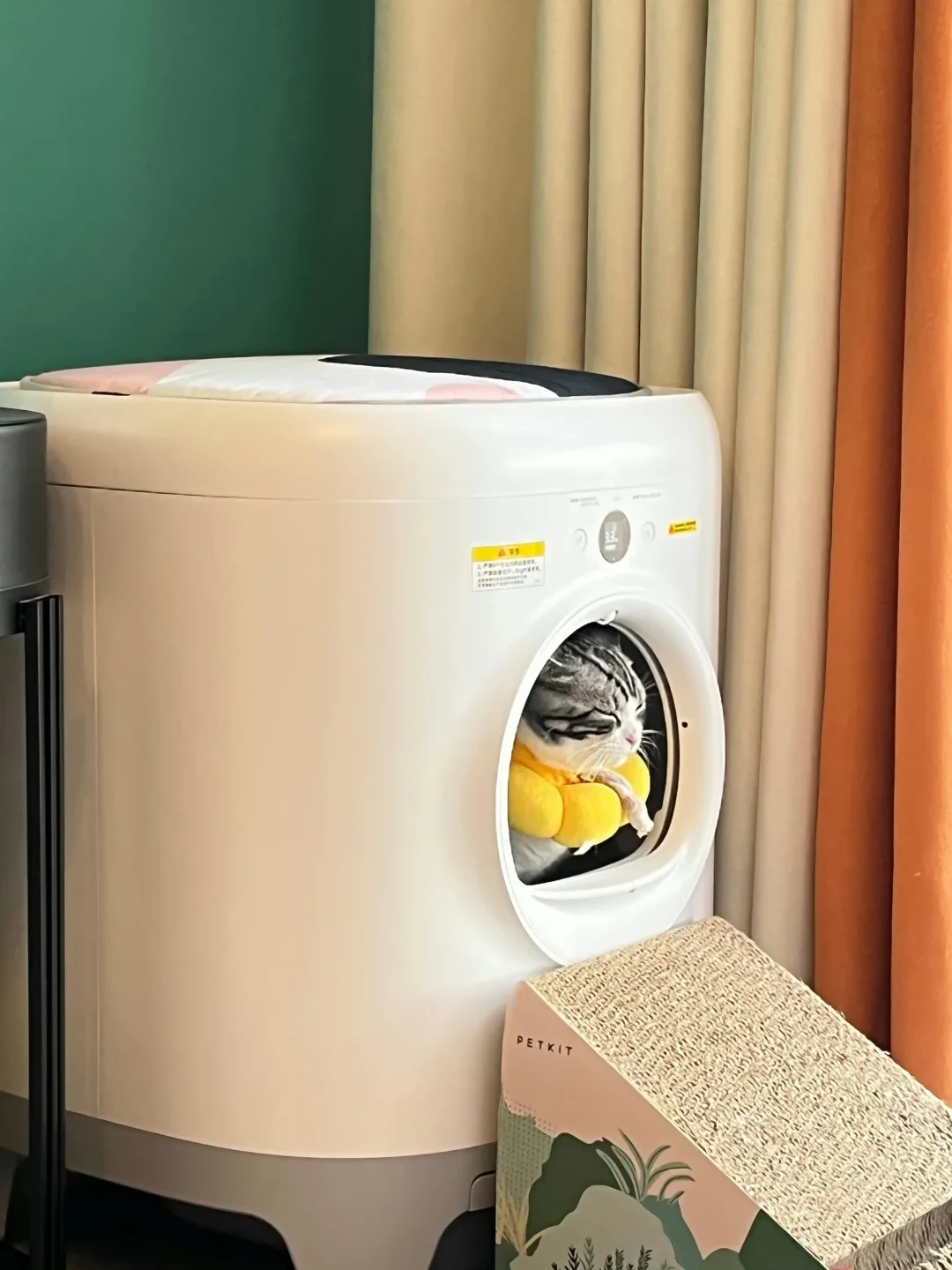
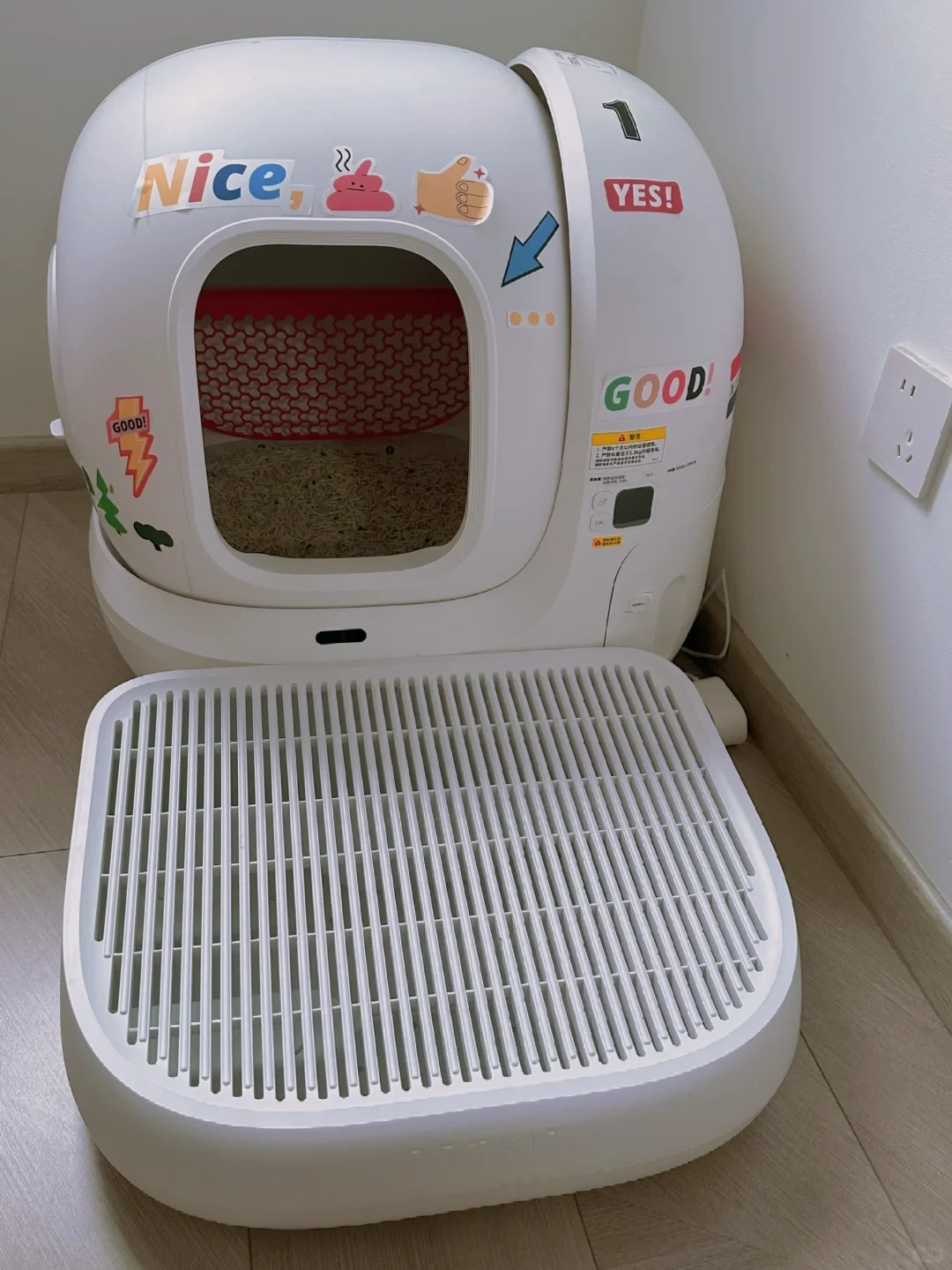
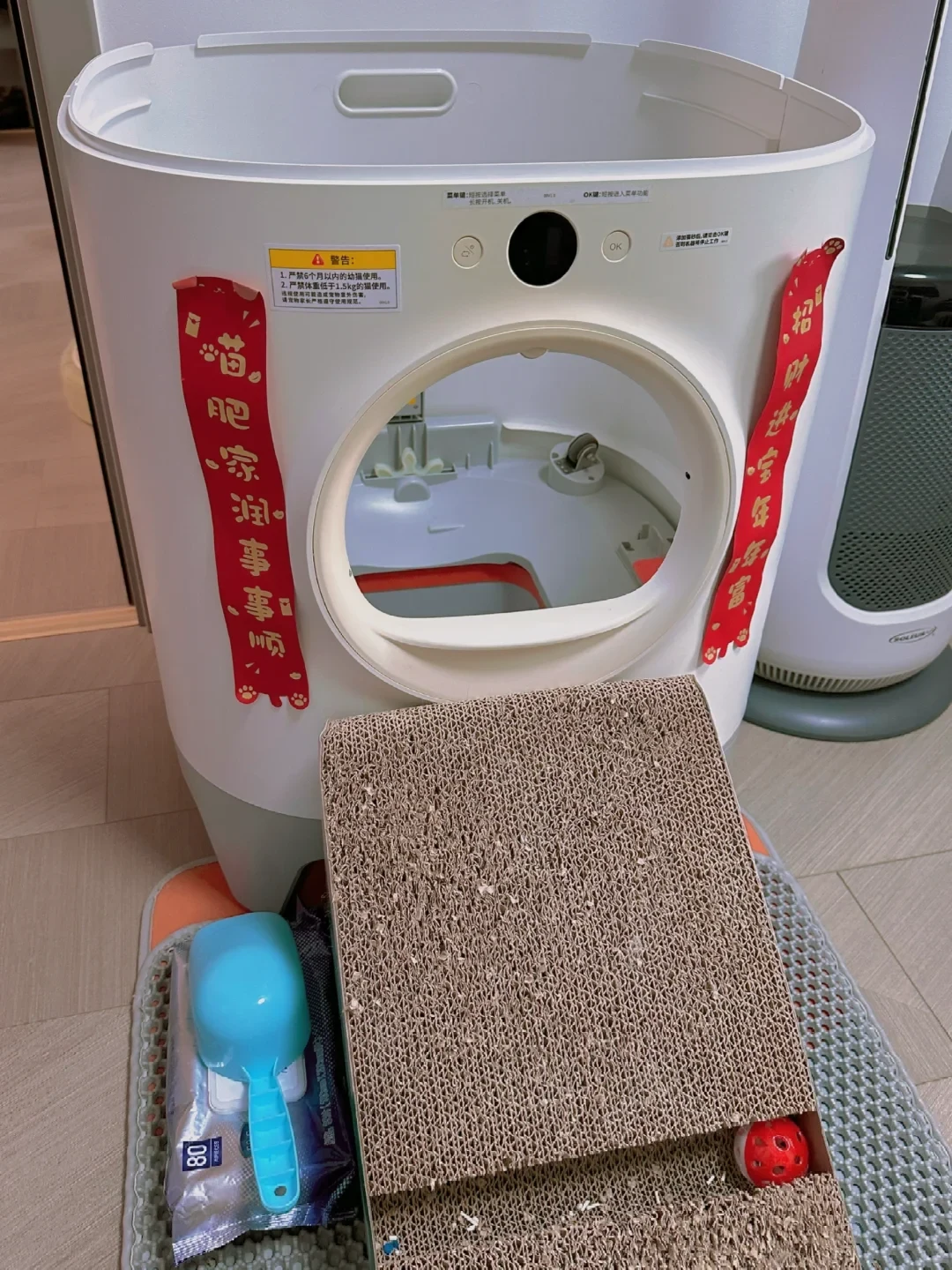
I bought the first-generation model about two years ago.
I used the second-generation model for less than a year.
I suppose that makes me a longtime customer!
Overall, I really don't recommend either one.
Here are my reasons
First generation:
When I bought it, there wasn't yet a three-proof liner; the original silicone liner was prone to getting smelly. After I moved, I replaced the drum with one that had a three-proof liner. That was better, but urine tended to stick to it, especially after washing. I think a replacement drum cost about 499 yuan, though I'm not certain; replacing the drum once a year seems manageable. On the first-generation model, the liner is attached to the drum with screws, so washing it means washing the drum too. That sounds like a hassle, but it was actually easier to clean than the second-generation model. It also has an automatic litter-emptying function, which is handy.
- Second generation:
- Urine leakage! Urine leakage! Urine leakage! This was the biggest problem. Every time I removed the drum, the mess was unbearable. This never happened with the first-generation model.
- It has no litter-emptying function, so I had to scoop the litter out by hand before cleaning.
- Maybe I was biased because I was used to the first-generation model, but I felt it didn't clean as thoroughly. The drum tilts backward to move the waste, and occasionally a piece of stool got stuck in a gap in the machine.
- I saw other bloggers say that the odor-control blocks could attract insects. I didn't use them, so I can't say from experience. This might be less of an issue in northern China than in the south.
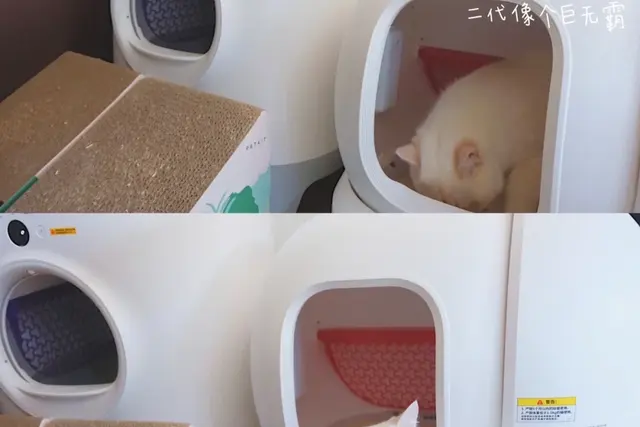
- Cleaning it was a real hassle. The second-generation liner can be removed, but I'm particular about cleanliness and wouldn't wash only the liner—especially with a cat who sometimes has soft stools. The inside of the drum could also get sticky and smelly, so I usually washed everything together. The second-generation machine has more components, including a cover and drum, and was much harder to clean than the first generation. With the first generation, I only had to take out the drum. It took more time and effort!
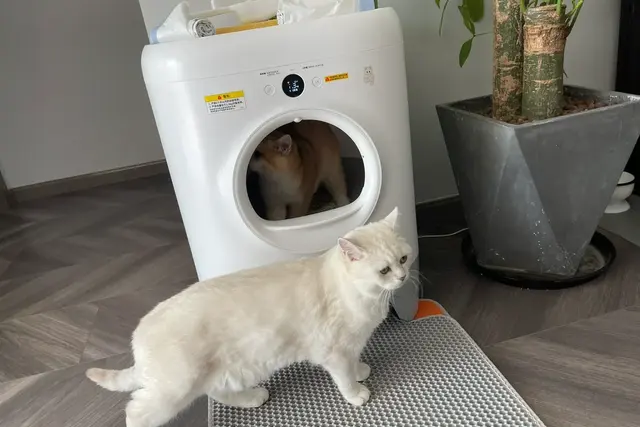
Litter-trapping mat: The plastic mat in picture two is easier to clean than the mesh mat in picture three, so I recommend the plastic one.
Scratching ramp: PETKIT's sloped scratching ramp works well as a step for my two short-legged cats. The first-generation litter-box entrance is a little high for them otherwise. The ramp does shed cardboard bits, but that's hard to avoid with cardboard scratchers.
In summary
Although I have two automatic litter boxes at home, I've gone back to scooping by hand. My husband only occasionally uses the automatic function. It can save a lazy person half the work, sure.
Hand-scooping doesn't take long, and I can remove the stool cleanly. Automatic scooping still misses some small urine clumps. Also, a cat with soft stools can leave mess stuck inside the machine. Even if it saves time on scooping, I still have to wipe down the litter box. When I think about it that way, scooping right away doesn't take much extra time.
Older-style litter boxes generally have a pan and a cover and are easy to wash. I don't have to psych myself up for a big cleaning job; I can wash one whenever I want. Cleaning the litter box promptly is also good for cats' health.
When either machine develops a fault, I'll replace it with a traditional litter box without hesitation!
All things considered, I don't recommend them—especially for anyone who's particular about cleanliness!
Source: 孙小小 · Xiaohongshu · 2024-08-09 · 小佩自动猫砂盆使用感受!超真实感受!. Search this Chinese title in Xiaohongshu to find the original post.
Before You Buy
Models in your region
The owner describes using a first-generation PETKIT unit for about two years and a second-generation one for under a year. Her account identifies them as the PURA X and original PURA MAX, respectively, but her reported cleaning and fault experiences apply to her own units, not every version. The international manuals identify the PURA X as P9901 and the original PURA MAX as P9902; they are distinct products, and the later PuraMax 2 is a separate model.
| Model in this review | Related regional model | What to know |
|---|---|---|
| PETKIT PURA X | PETKIT PURA X P9901 (International English manual) | The international manual identifies PURA X as P9901, with a removable cylinder and waste drawer. The owner’s roughly two-year experience with easier drum cleaning and occasional missed clumps applies to her unit. |
| PETKIT PURA MAX | PETKIT PURA MAX P9902 (International English manual) | The original international PURA MAX is P9902, a different model from PURA X; PuraMax 2 is separate again. The owner’s under-one-year cleaning and leakage observations concern her original-generation unit. |
- Model in this review
- PETKIT PURA X
- Related regional model
- PETKIT PURA X P9901 (International English manual)
- What to know
- The international manual identifies PURA X as P9901, with a removable cylinder and waste drawer. The owner’s roughly two-year experience with easier drum cleaning and occasional missed clumps applies to her unit.
- Model in this review
- PETKIT PURA MAX
- Related regional model
- PETKIT PURA MAX P9902 (International English manual)
- What to know
- The original international PURA MAX is P9902, a different model from PURA X; PuraMax 2 is separate again. The owner’s under-one-year cleaning and leakage observations concern her original-generation unit.
Cleaning the PURA X and PURA MAX
The PURA X manual describes a removable cylinder and waste drawer, and instructs users to switch off and unplug the unit before cleaning. The main unit contains electrical components and must not be immersed or washed. That maintenance guidance is distinct from the owner's personal comparison: she found the PURA X easier to clean because she only had to remove its drum, while she found the PURA MAX's cover, drum, and other components more laborious to wash together.
The owner's preference to wash the whole PURA MAX assembly reflected her cleanliness standards and the soft stools in her household; it is not a manufacturer cleaning requirement. Check the manual for the exact model before cleaning, because the supplied PURA X manual does not establish care instructions for the PURA MAX.
Emptying litter and checking for missed waste
The owner used the PURA X’s automatic litter-emptying function but scooped litter out of the original PURA MAX by hand before cleaning. The current original MAX manual describes a litter-remover workflow, so check the instructions and accessory for your unit. In this household, automatic scooping also left some small urine clumps behind; the occasional stool lodged in a gap concerned the MAX.
The owner's account says her PURA MAX leaked urine when she removed its drum, unlike her PURA X. The manuals supplied here do not confirm the cause or establish that leakage is typical, so check the specific unit and its manual rather than treating this incident as a general model characteristic.
Deciding whether automation saves time
An automatic litter box may reduce routine scooping, but the owner's two units did not eliminate hands-on work: she returned to manual scooping because she found it quick and more reliable for removing waste, while soft stools could still leave residue to wipe away. That is her household's trade-off, not a measured comparison of cleaning time or performance across models.
For owners who prioritize frequent, straightforward washing, the owner's experience favors a traditional pan-and-cover litter box; she said it was easy to wash whenever needed. Her sloped cardboard scratching ramp also served as a step for her two short-legged cats, though it shed cardboard bits. These are household-specific observations, not official product specifications.
Related Reading
Reviews & Guides · Pet Care
PETKIT PURA X: mineral-litter sieve and odor control after setup
I used my PETKIT PURA X without deodorizing liquid while my cat was four months old, and bought a mineral-litter sieve separately.
Reviews & Guides · Pet Care
PETKIT PURA X and PURA MAX: large-clump jams and entry-height trade-offs
I compared two PETKIT automatic litter boxes: one handled large clumps more easily, while the other jammed and stopped during cleaning.
Reviews & Guides · Pet Care
PETKIT PURA X and PURA MAX: a six-cat owner's year-long comparison
I used the PETKIT PURA X for a year and the PURA MAX for two months with six cats; the MAX was roomier, but I missed the X's one-touch litter-emptying feature.