
Reviews & Guides · Kitchen & Dining
My STAUB 16 cm Rice Cocotte and round cocottes: everyday meals and care
Reviewed: STAUB La Cocotte 16 cm Rice Cocotte Citron, STAUB La Cocotte round 22 cm White Truffle, STAUB La Cocotte round 24 cm DillRegional reference: STAUB La Cocotte 16 cm Rice Cocotte Citron 1029064 (UK); STAUB La Cocotte 22 cm round Cocotte White Truffle 40501-411-0 (UK); STAUB La Cocotte 24 cm round Cocotte White Truffle 40501-412-0 (UK)
I use a 16 cm STAUB Rice Cocotte for one-person meals and larger round cocottes for shared dishes, while preferring black enamel for everyday cooking.
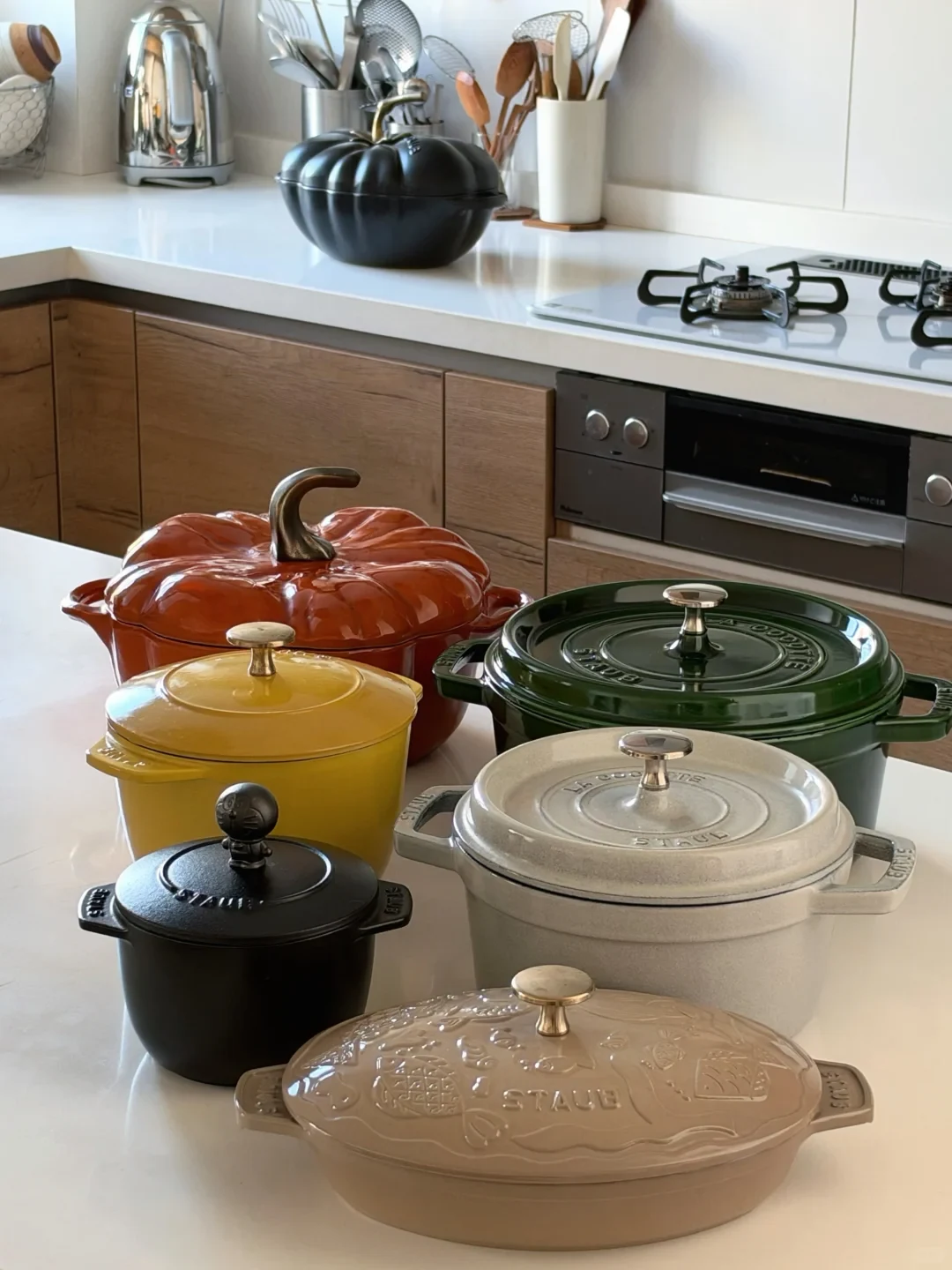
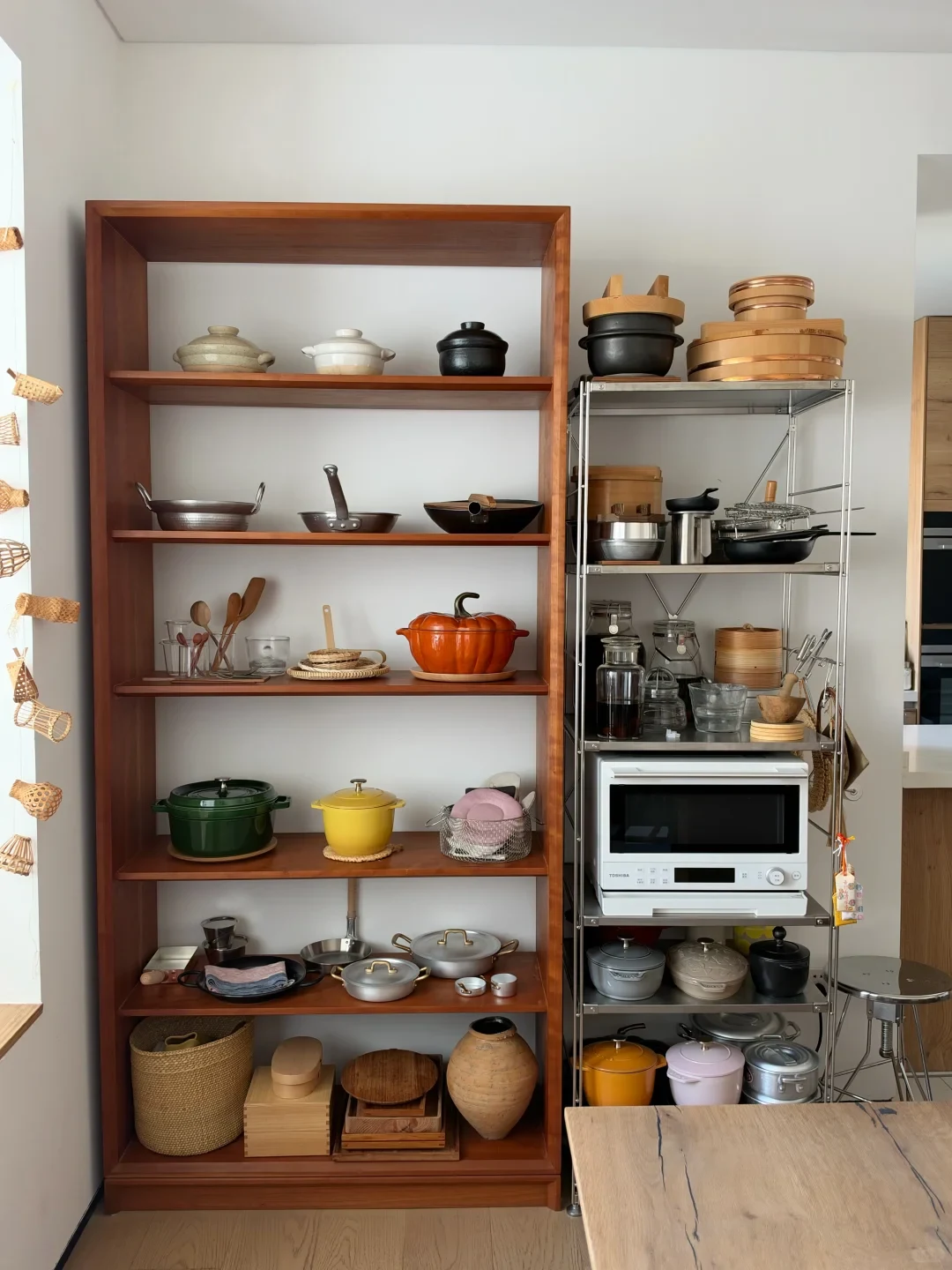
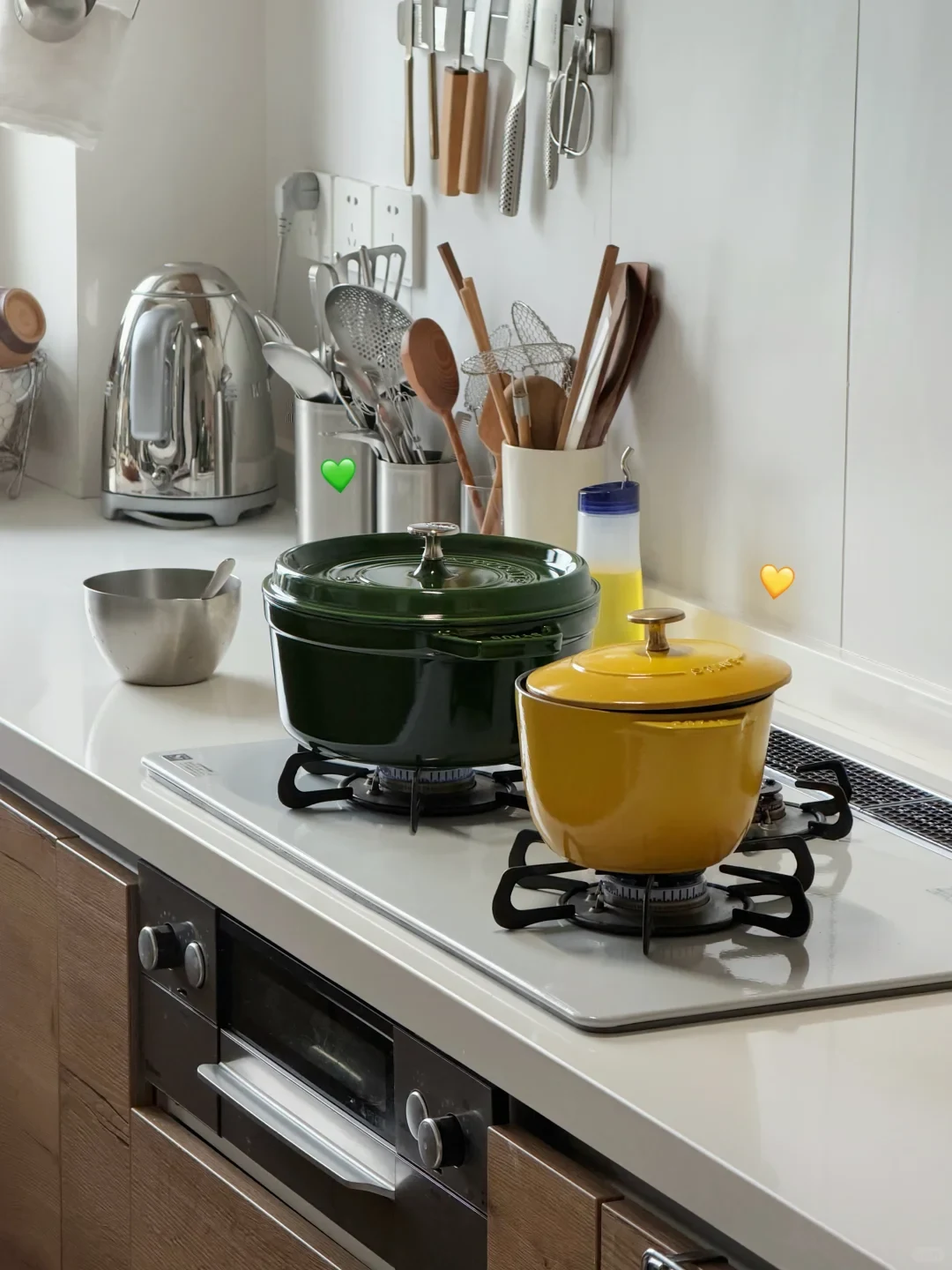

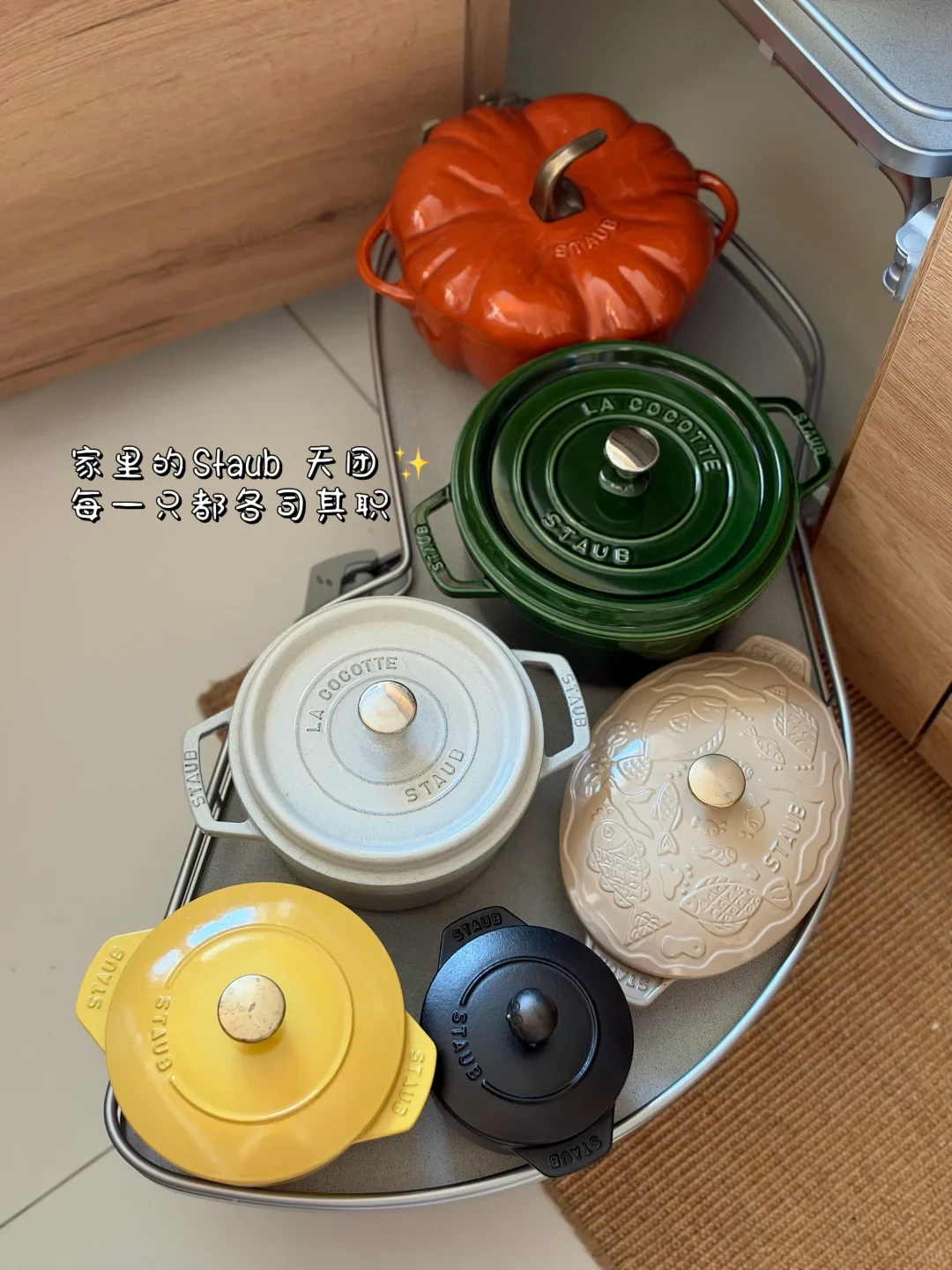
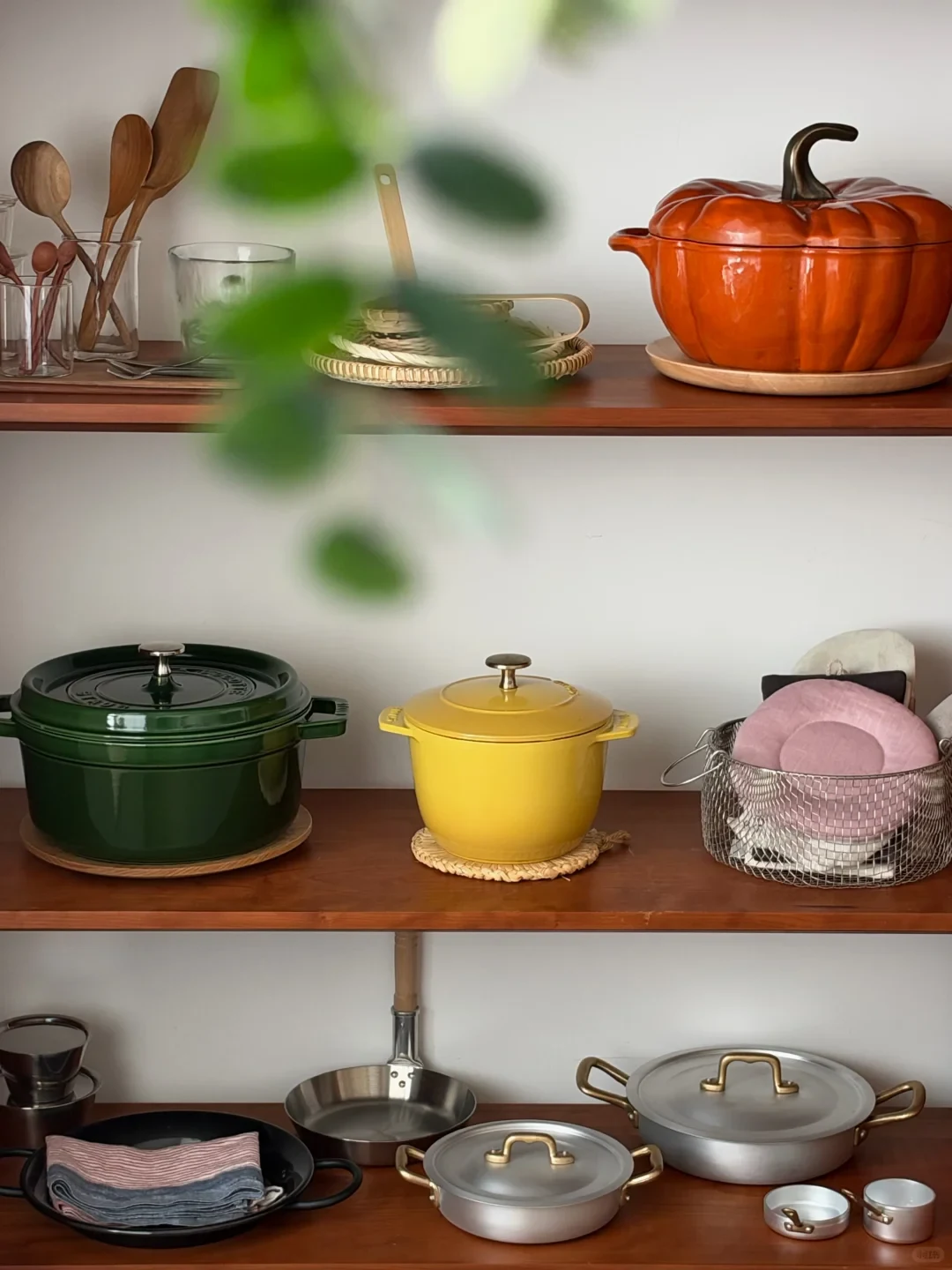
As someone with more than 100 pots,
enameled cookware is something I have been using more and more often in recent years.
I initially got into it because I was attracted by its appearance.
But after using it more, I found I could rely on it more and more!
Many people are still wondering whether it is actually easy to use.
Today, as a cookware enthusiast, I want to share my pot-selection experience, summed up from hundreds of uses. In terms of appearance, white enamel really is instantly appealing; but based on my own cooking habits, I prefer black enamel.
I usually cook dishes with a lot of oil and strong colors, so black enamel has been easier and more hard-wearing for me. Even after hundreds of uses, it has not given me much extra to worry about.
After trying a whole range,
the pots that have stayed in my kitchen and come out every day are STAUB pots! They are absolutely my ideal cookware for a lazy cook.
I have selected the three I use most often to share with you.
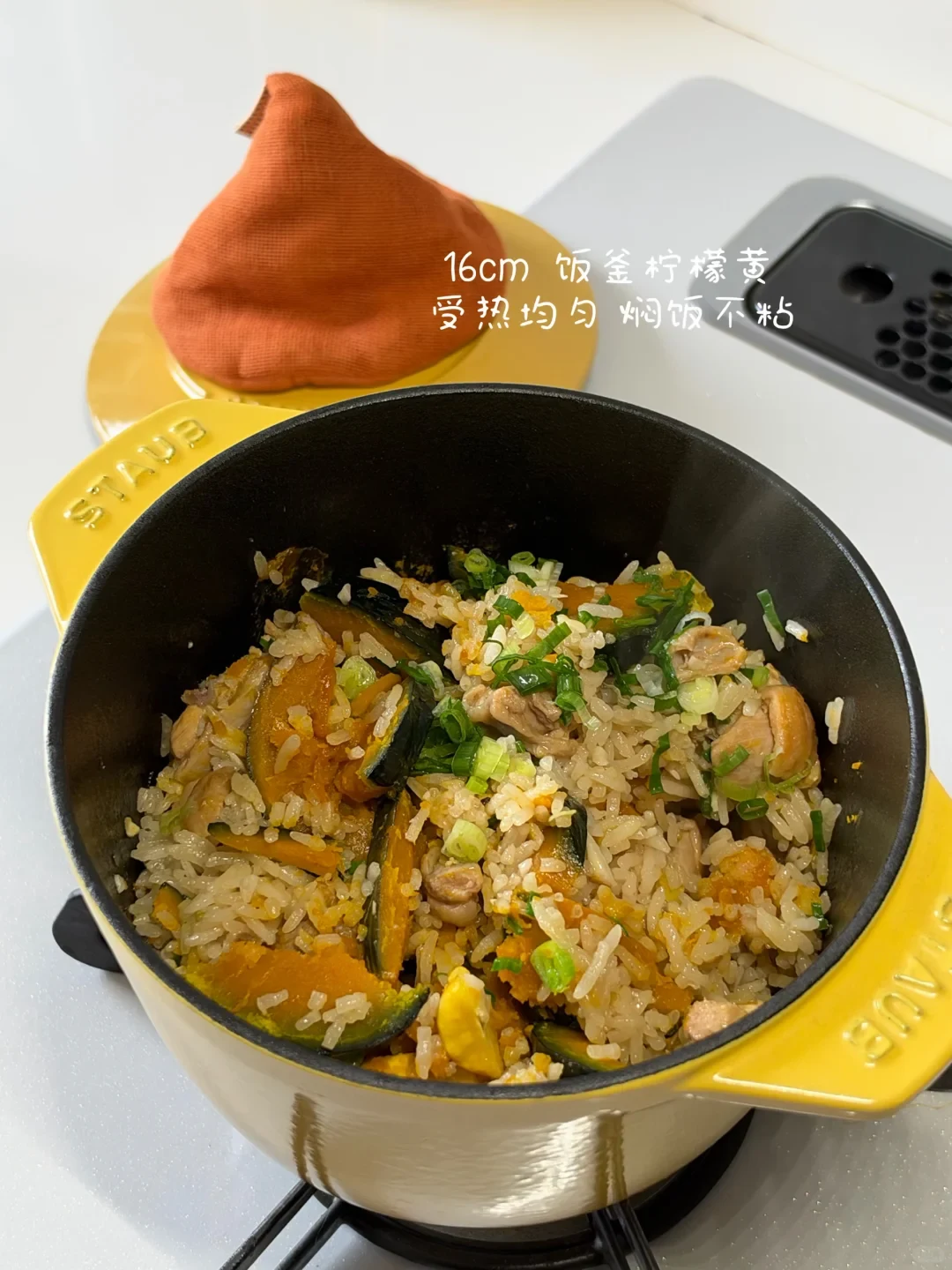
16 cm Citron Rice Cocotte | Pumpkin, chestnut and chicken mixed rice
I have almost collected every model in every color.
The rice cooked with gentle pressure has a rich aroma and a texture that a rice cooker cannot produce. I can cook everything in one pot, simmering the food and rice together, so the ingredients’ flavors soak directly into the rice instead of requiring separate steps.
I can take it straight to the table after cooking. It handles sweet soups in spring, multigrain porridge in summer, mixed rice in autumn and small hot stews in winter.
It is both a small one-person pot and a hardworking piece of cookware in my kitchen. Eating alone does not mean compromising; I can still take good care of myself.
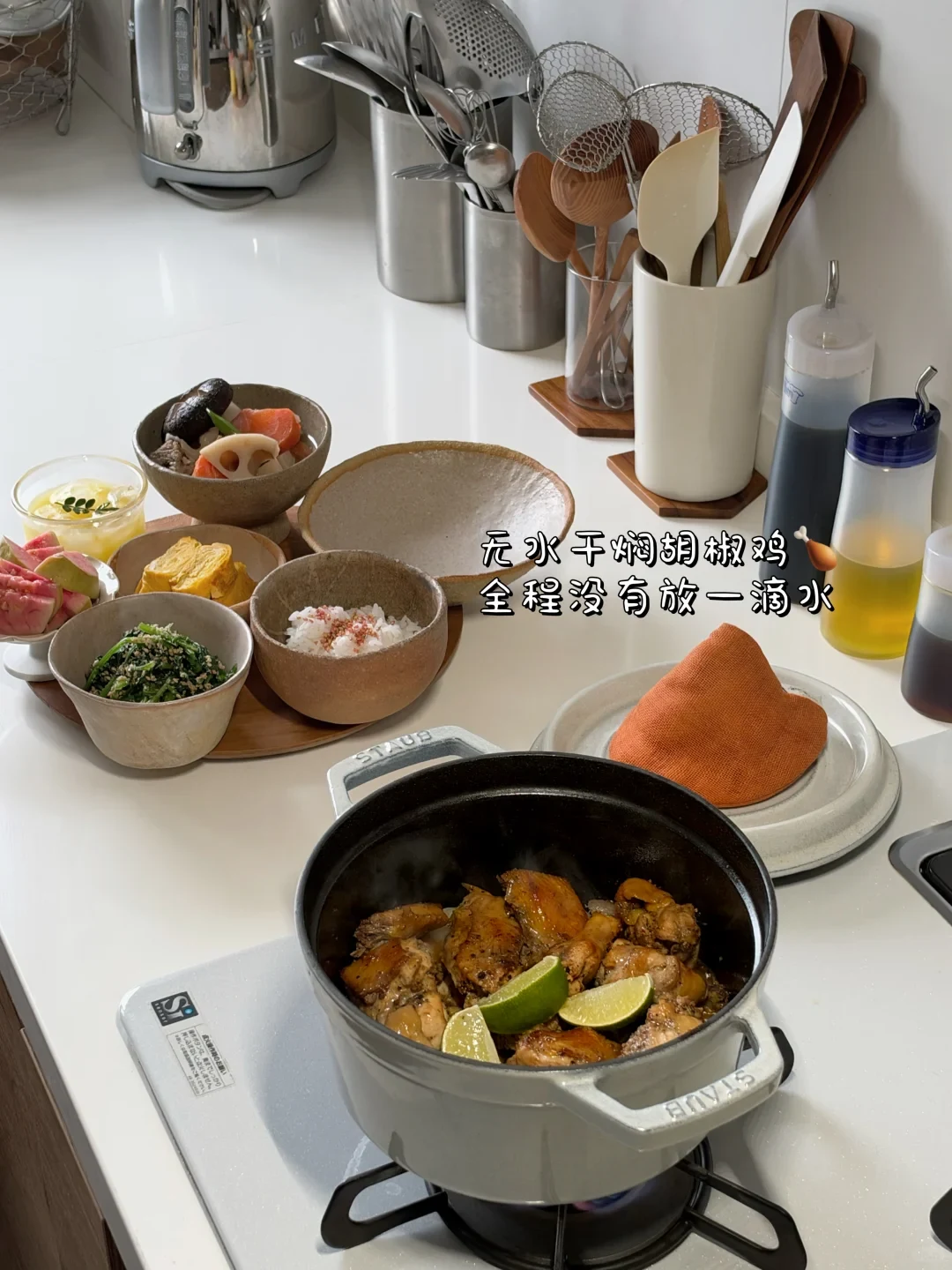
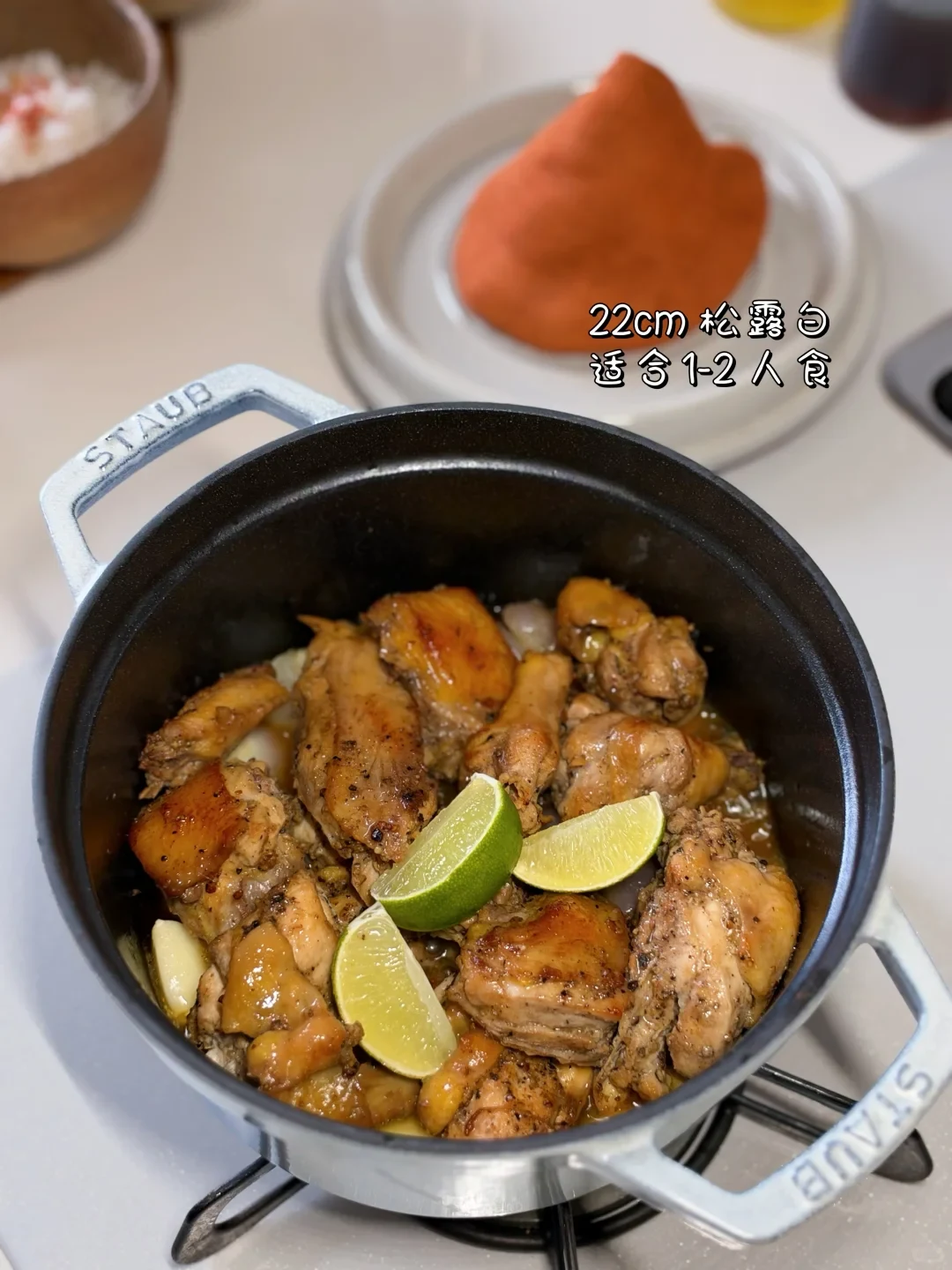
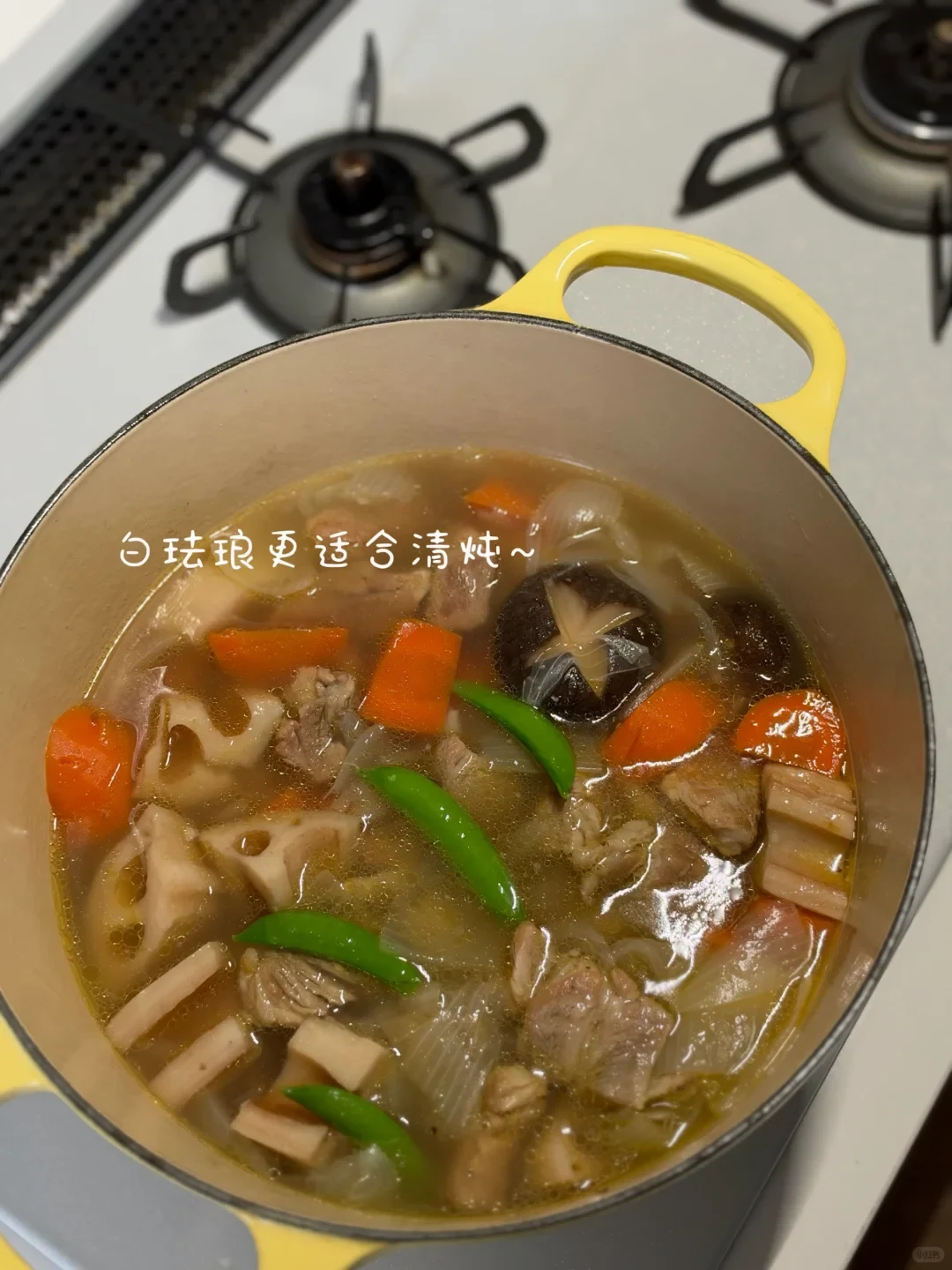
22 cm White Truffle | Pepper chicken cooked without added water
It is especially suitable for cooking without added water.
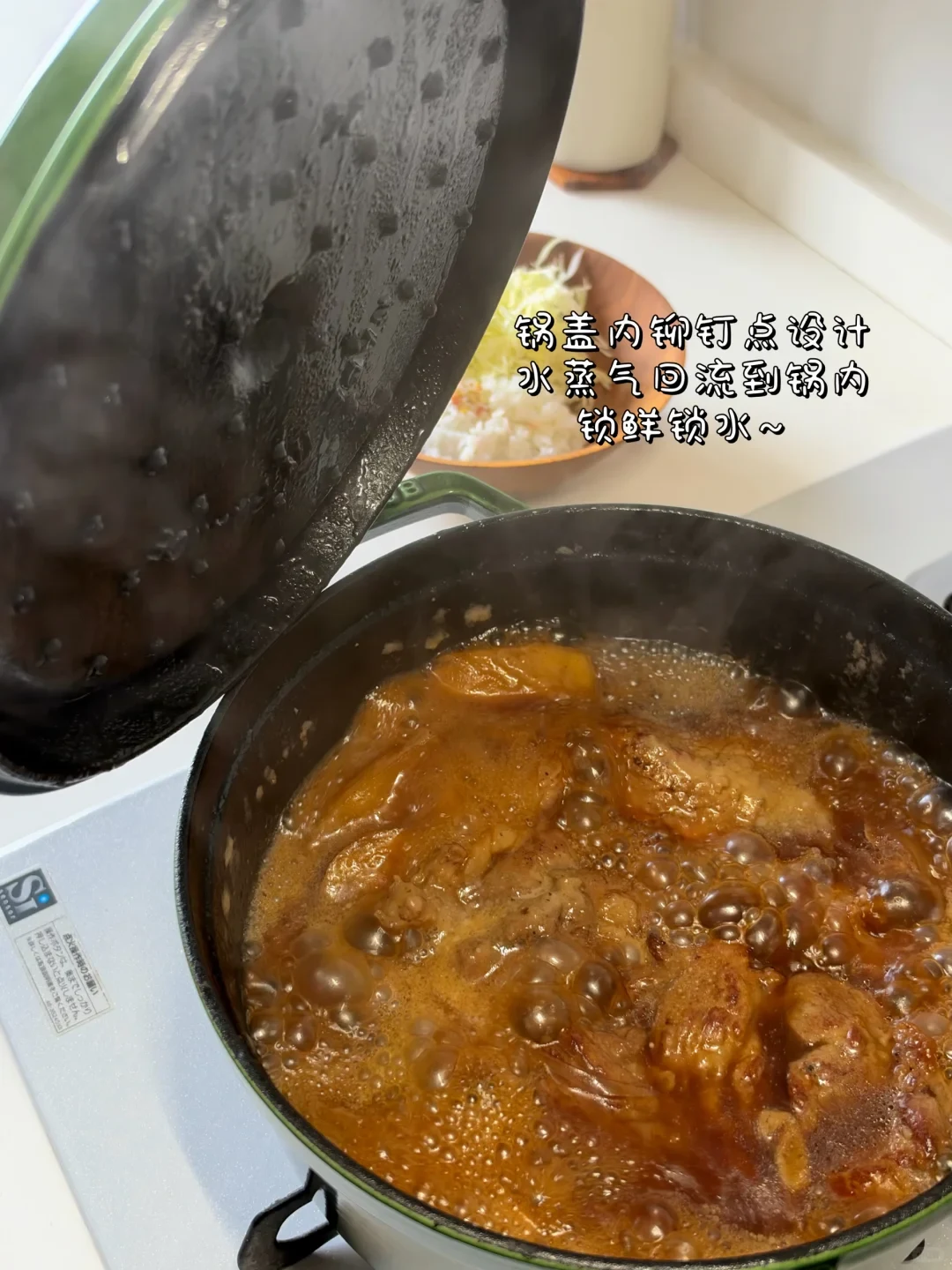
There is no need to add extra water: the dish cooks using only the juices from the vegetables and meat. It is also suitable for a calorie-conscious period. The raised drip points on the lid circulate and lock in freshness, preserving the ingredients’ original flavor; the chicken stays tender rather than dry.
The black enamel stores heat steadily, and low heat is enough to cook the food through.
The 22 cm size is ideal for one or two people: one person can eat their fill, and it is just right for two.
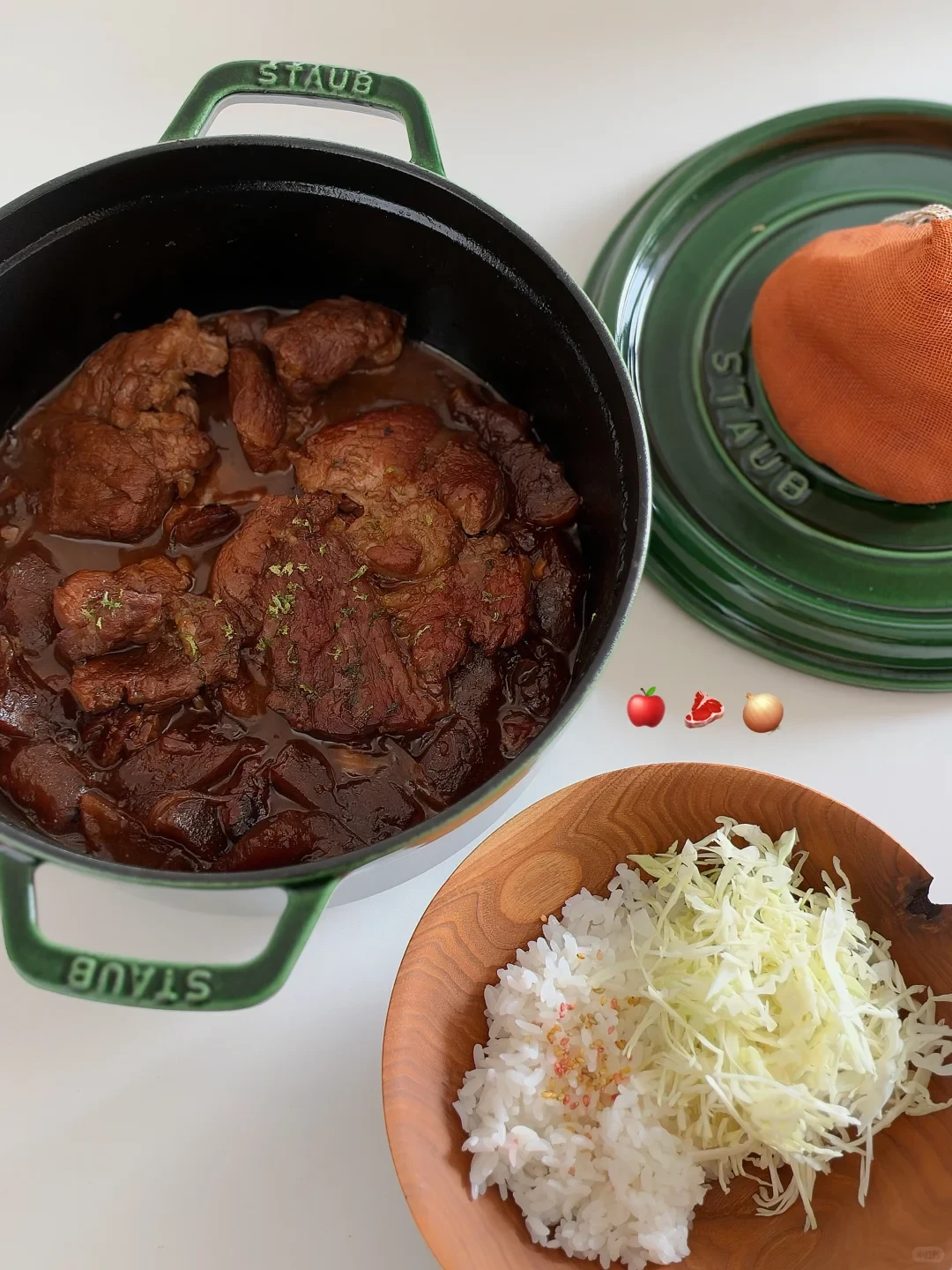
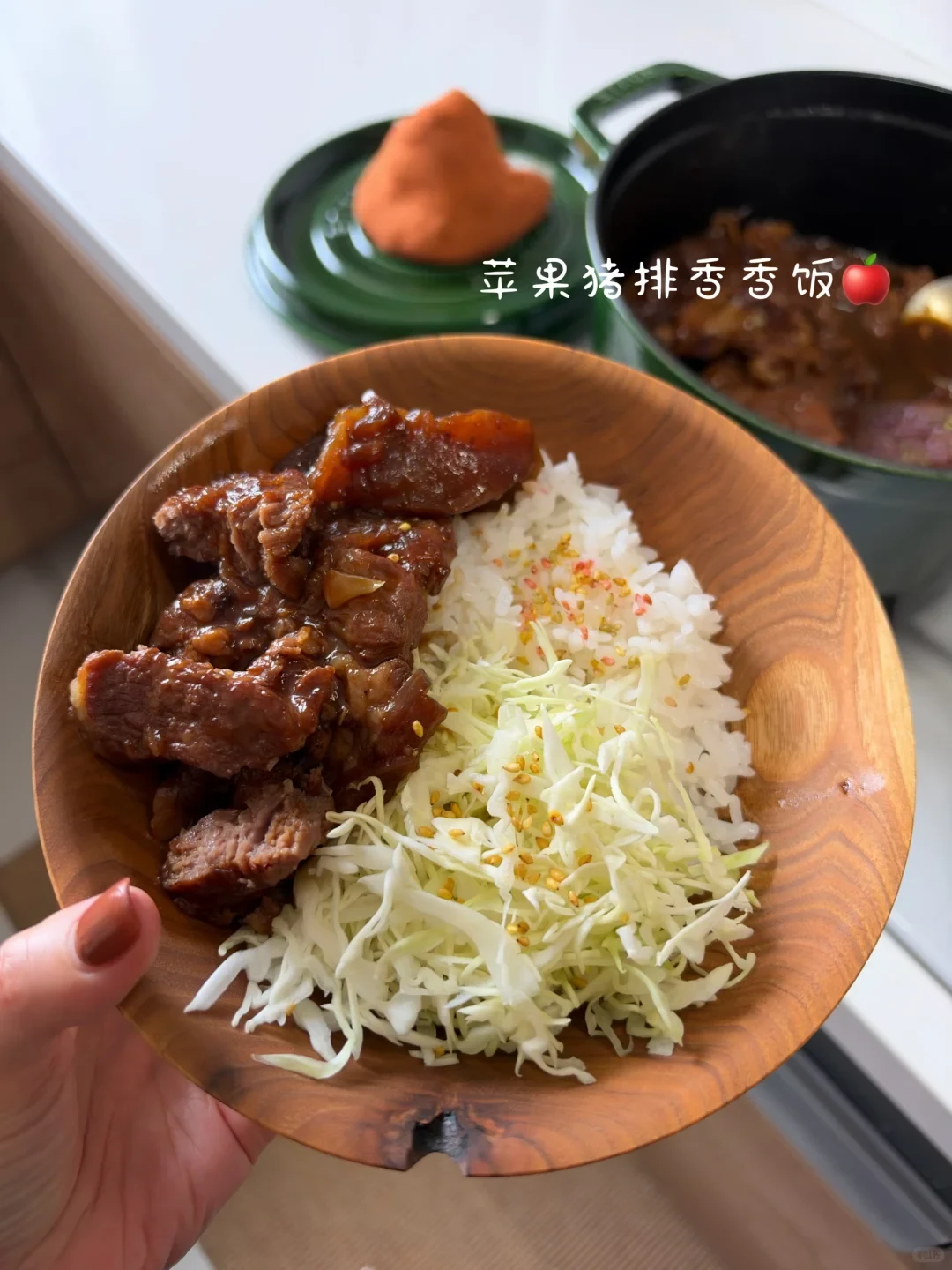
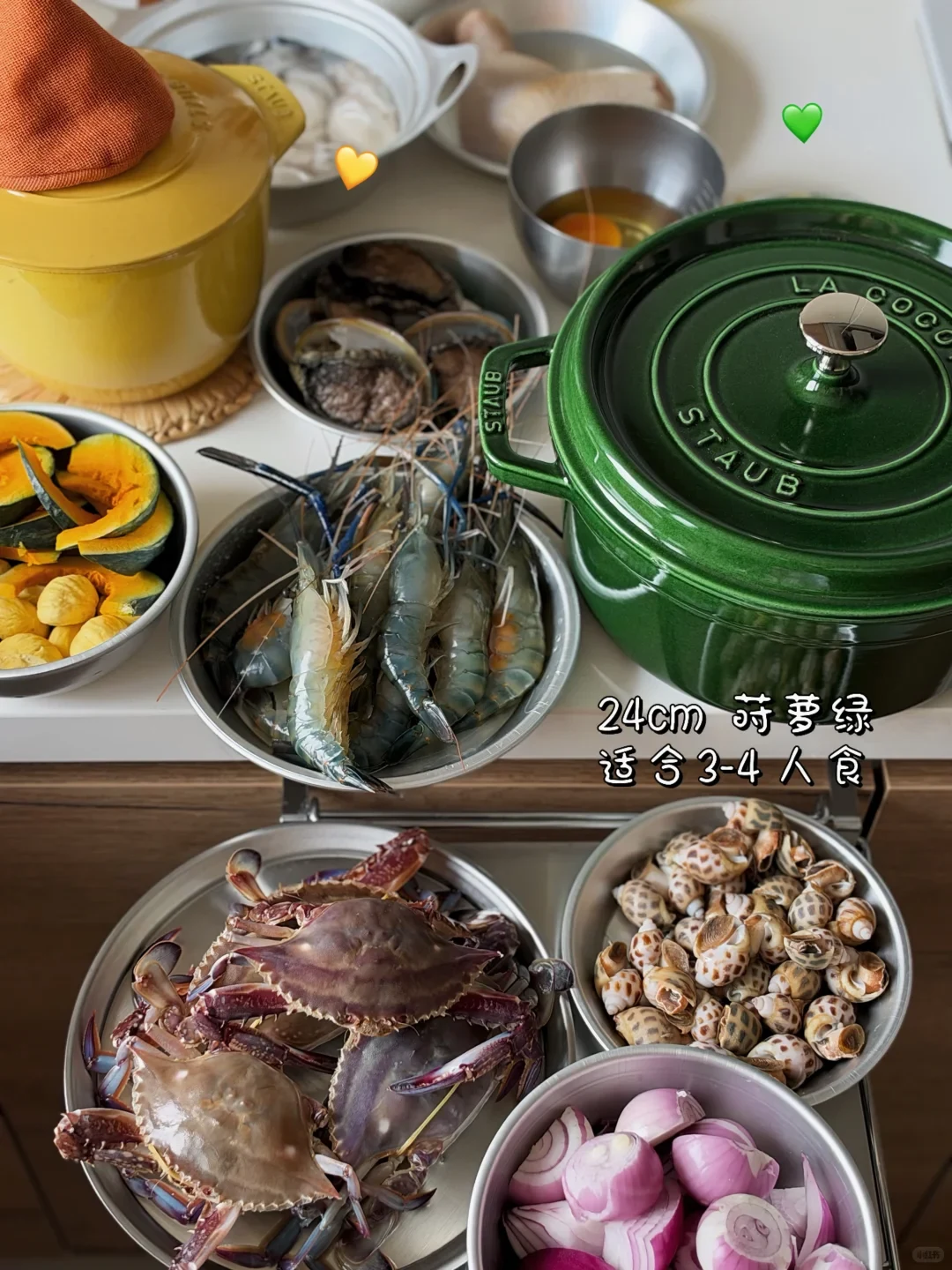
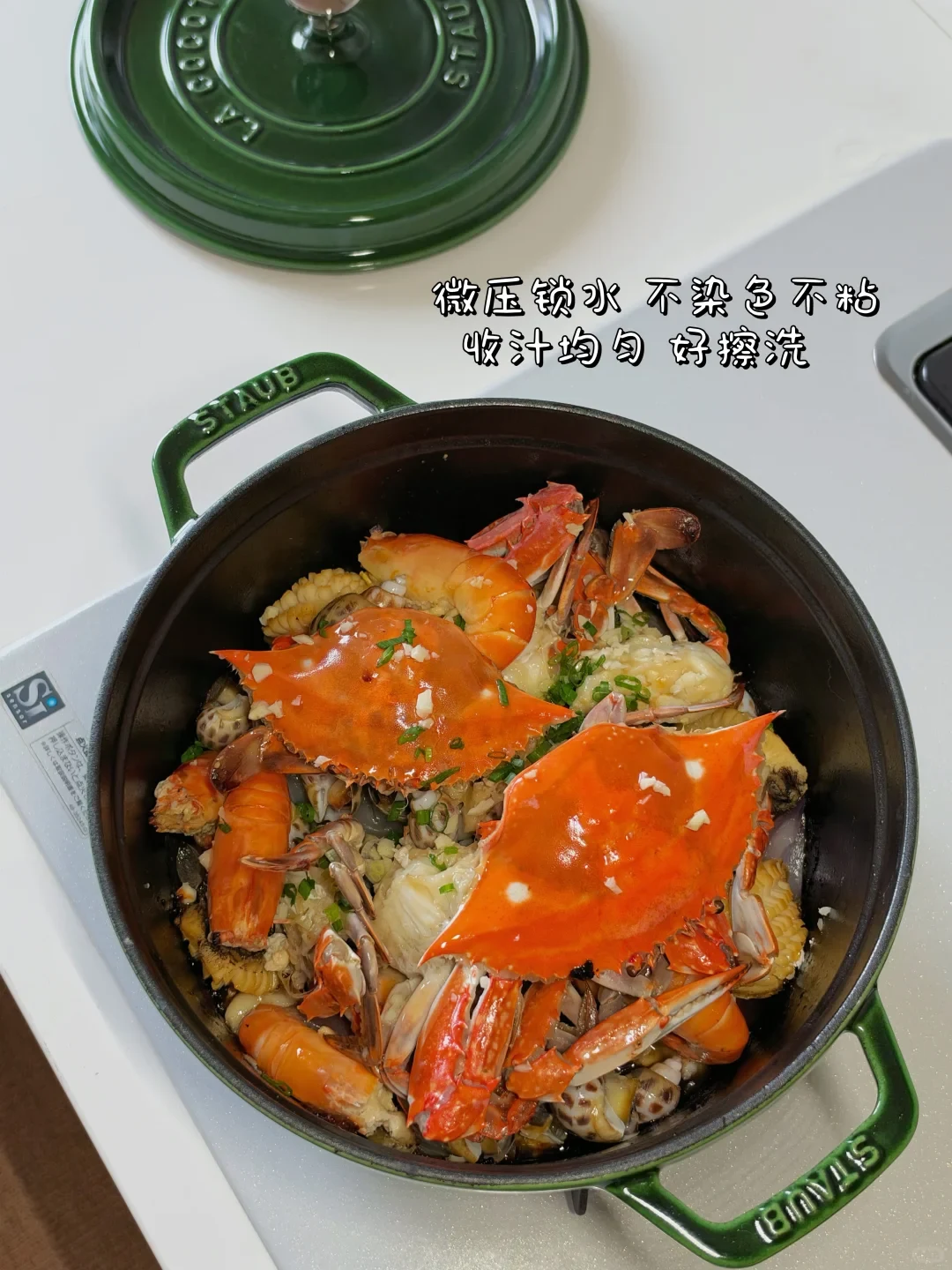
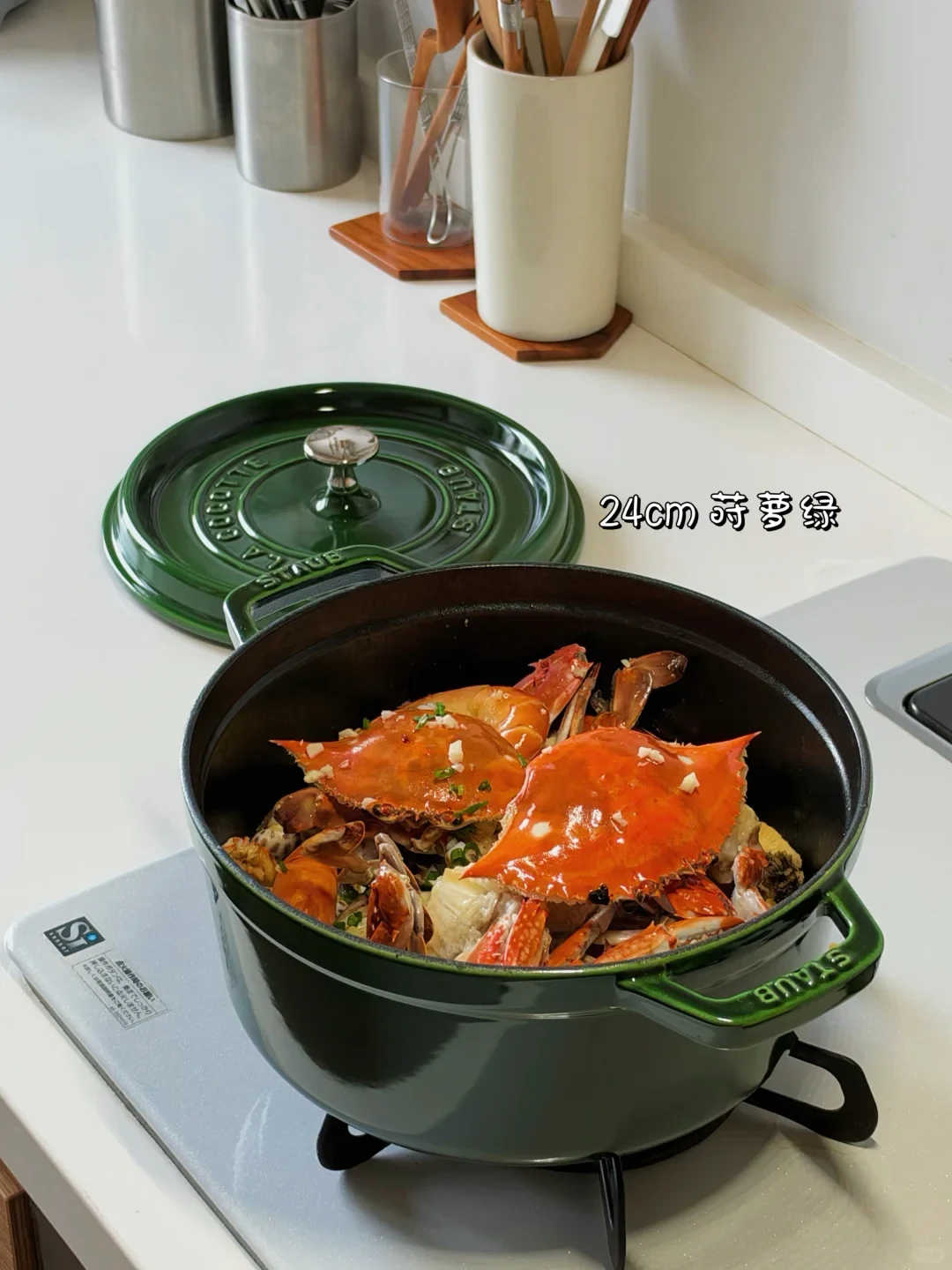
- 24 cm Dill Green | Apple-braised pork chops and seafood casserole
I really love the texture of this green and the refined, long-lasting look of its glaze.
The cast iron stores plenty of heat, distributes heat evenly and is less prone to localized scorching.
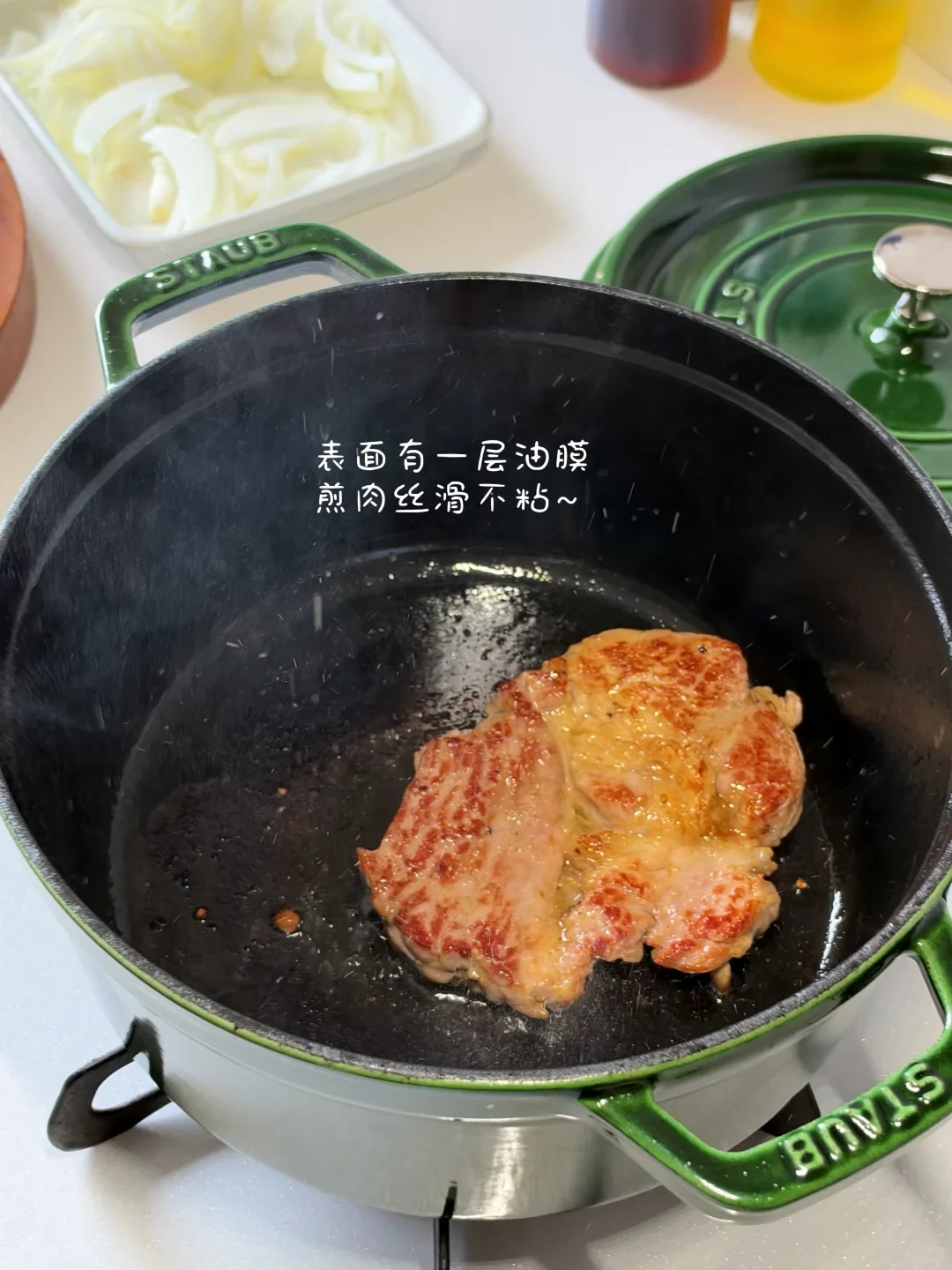
The black enamel interior develops an oil film with use, so ordinary searing of meat is less likely to stick.
The raised drip points on the inside of the lid are the key feature.
Steam rises, condenses and falls back evenly like light rain,
creating a cycle that keeps the juices and aromas inside, so the ingredients’ natural freshness is not lost.
The 24 cm opening gives the ingredients room to spread out, allowing the flavors to combine more fully.
It suits everyday meals for one to three people and is also large enough for an occasional small gathering.
It looks good while handling substantial cooking, so it is difficult to leave unused.
My long-term personal impression
Compared with white enamel, black enamel is much more hard-wearing for me.
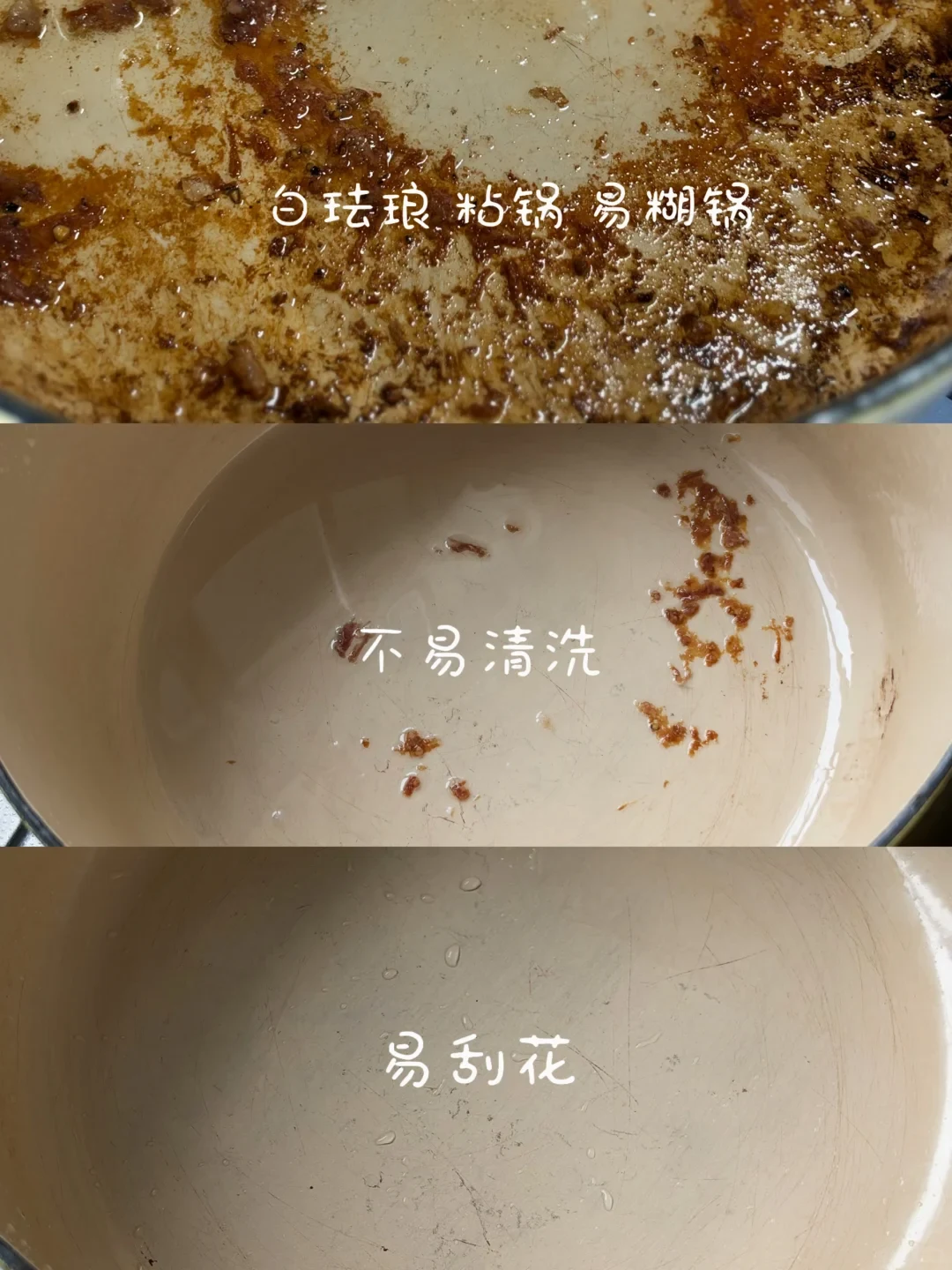
White enamel looks beautiful, but when I use it for mixed rice or long simmering, it is more likely to leave food stuck to the bottom and stains that are difficult to clean;
if it is cleaned incorrectly and the pot gets scratched, it is painful to look at.
Black enamel develops a natural oil film with use, and I find the risk of food sticking or scorching lower! STAUB pots can go into the dishwasher for everyday cleaning, which makes things much easier. Of course, I love all the colors, but for daily use, black enamel understands an everyday kitchen better.
Source: 王肉丝 · Xiaohongshu · 2026-10-16 · 锅具大户的长期主义. Search this Chinese title in Xiaohongshu to find the original post.
Before You Buy
Models in your region
The 16 cm Citron Rice Cocotte and 22 cm White Truffle round cocotte have corresponding UK versions. The UK 24 cm round cocotte below is the same family in White Truffle rather than the owner’s Dill green. The listings establish these product families and sizes, without identifying the owner’s individual item codes.
| Model in this review | Related regional model | What to know |
|---|---|---|
| STAUB La Cocotte 16 cm Rice Cocotte Citron | STAUB La Cocotte 16 cm Rice Cocotte Citron 1029064 (UK) | The UK 16 cm Citron Rice Cocotte has a listed capacity of 1.74 L, a Chistera drip lid and compatibility with all hobs, including induction. |
| STAUB La Cocotte round 22 cm White Truffle | STAUB La Cocotte 22 cm round Cocotte White Truffle 40501-411-0 (UK) | The UK 22 cm White Truffle round cocotte has a listed capacity of 2.60 L and a black matte enamel interior. |
| STAUB La Cocotte round 24 cm Dill | STAUB La Cocotte 24 cm round Cocotte White Truffle 40501-412-0 (UK) | Related UK 24 cm round cocotte in a different colour; its specification table lists 3.70 L. |
- Model in this review
- STAUB La Cocotte 16 cm Rice Cocotte Citron
- Related regional model
- STAUB La Cocotte 16 cm Rice Cocotte Citron 1029064 (UK)
- What to know
- The UK 16 cm Citron Rice Cocotte has a listed capacity of 1.74 L, a Chistera drip lid and compatibility with all hobs, including induction.
- Model in this review
- STAUB La Cocotte round 22 cm White Truffle
- Related regional model
- STAUB La Cocotte 22 cm round Cocotte White Truffle 40501-411-0 (UK)
- What to know
- The UK 22 cm White Truffle round cocotte has a listed capacity of 2.60 L and a black matte enamel interior.
- Model in this review
- STAUB La Cocotte round 24 cm Dill
- Related regional model
- STAUB La Cocotte 24 cm round Cocotte White Truffle 40501-412-0 (UK)
- What to know
- Related UK 24 cm round cocotte in a different colour; its specification table lists 3.70 L.
Choosing between the 16, 22 and 24 cm pots
The owner uses the 16 cm Rice Cocotte for one-person mixed rice and small seasonal dishes, the 22 cm round cocotte for one- or two-person meals, and the 24 cm pot for dishes spread across a wider cooking surface. Portions depend on the dish and appetite.
The UK specification tables list capacities of 1.74 L, 2.60 L and 3.70 L. The Rice Cocotte’s compact shape suits smaller batches; the wider round pots give larger ingredients more room. These are listed capacities rather than the owner’s measurements.
What the owner means by gentle-pressure and no-added-water cooking
The owner prefers the mixed rice from the 16 cm pot to rice made in an electric cooker, and reports tender pepper chicken cooked in the 22 cm pot using the ingredients’ juices without extra water. The post does not supply ingredient quantities, timings or temperature measurements.
These are lidded enamelled cast-iron pots. The owner’s description of gentle pressure does not establish pressure-cooker performance, and the no-added-water result applies to the dish described.
Black enamel, cleaning and everyday care
The owner prefers black enamel for oily, strongly coloured dishes after hundreds of uses, and finds food residue and staining on light enamel more troublesome. That is a personal comparison across the cookware used, rather than a controlled test of identical pots.
STAUB says seasoning is unnecessary. For stuck residue, its care guide recommends warm soapy water and a soft sponge, with soaking when needed. Handwashing is preferred even though the cookware is dishwasher-safe; the owner’s oil-film observation is not a reason to treat enamel like bare cast iron.
STAUB enamelled cast iron cookware (general care guide) · US
Related Reading
Reviews & Guides · Kitchen & Dining
My Bincoo immersion dripper lost its steel ball during washing
I lost the valve ball while cleaning my Bincoo immersion dripper and bought five 14 mm spares. My receipt records the size; I didn’t report a sealing test.
Reviews & Guides · Kitchen & Dining
My 11-dripper comparison: why I used the Kalita Wave 155 and 185 least
I tried 11 pour-over drippers over time. I used my Kalita Wave 155 and 185 least because their papers lost shape during storage and rinsing.
Reviews & Guides · Kitchen & Dining
My four ceramic drippers: HARIO Alpha, V60, Shanwen 62 and Coffee Flower
I compared four ceramic drippers with washed Panama SL28. The Alpha felt weightier than my V60; I also compared Shanwen 62 and Coffee Flower.