
Reviews & Guides · Kitchen & Dining
Vermicular, Staub, Le Creuset and Ito: four cast-iron pots compared
Reviewed: Staub Pumpkin Dutch Oven, Vermicular Oven Pot, Le Creuset 22 cm enameled Dutch ovenRegional reference: Vermicular Oven Pot (US); Staub Pumpkin Dutch Oven (US); Le Creuset Signature Round Dutch Oven (US)
I compared my Vermicular Oven Pot with Staub Pumpkin and Le Creuset Dutch ovens, including a 2L induction test that exposed differences in splashing.
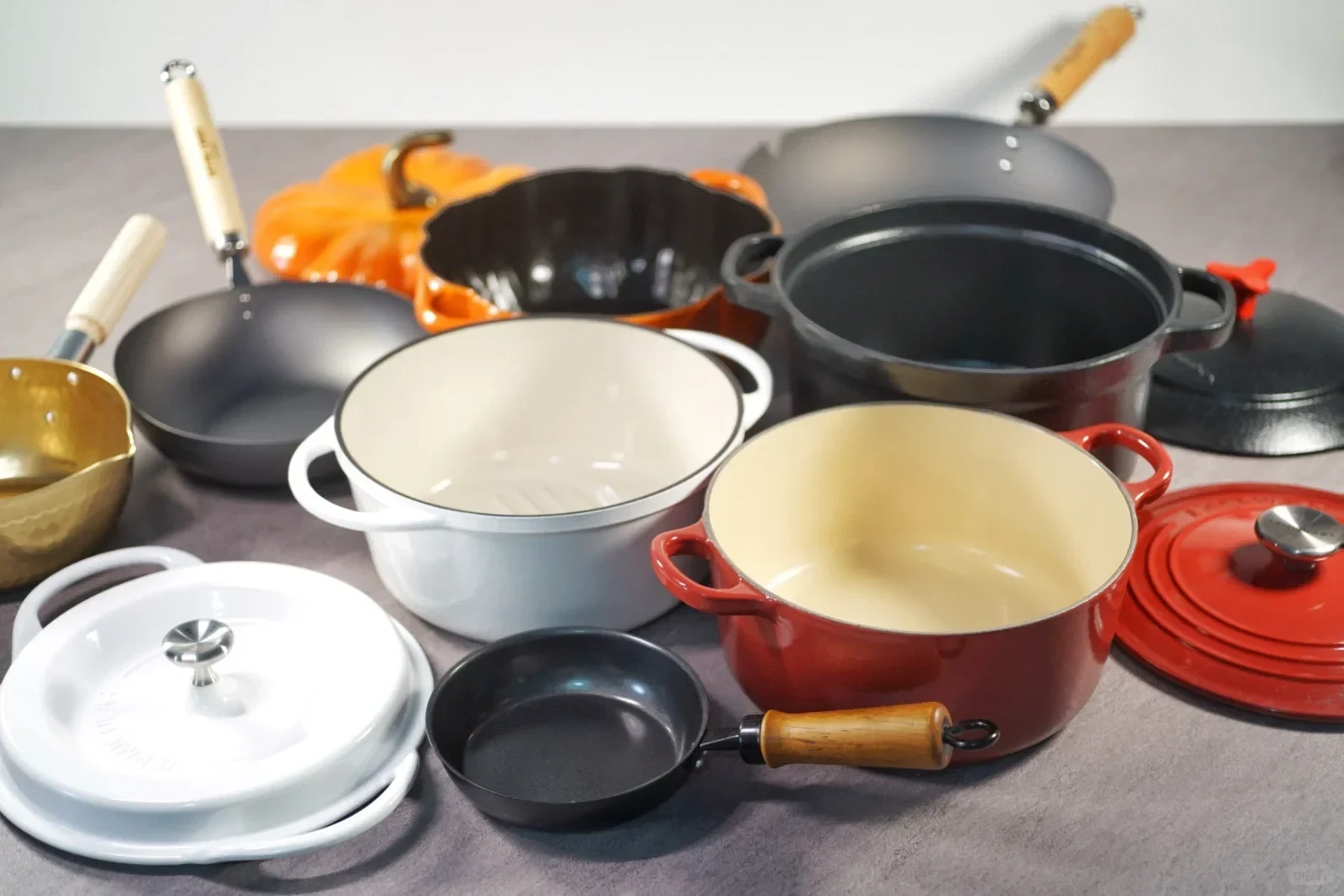
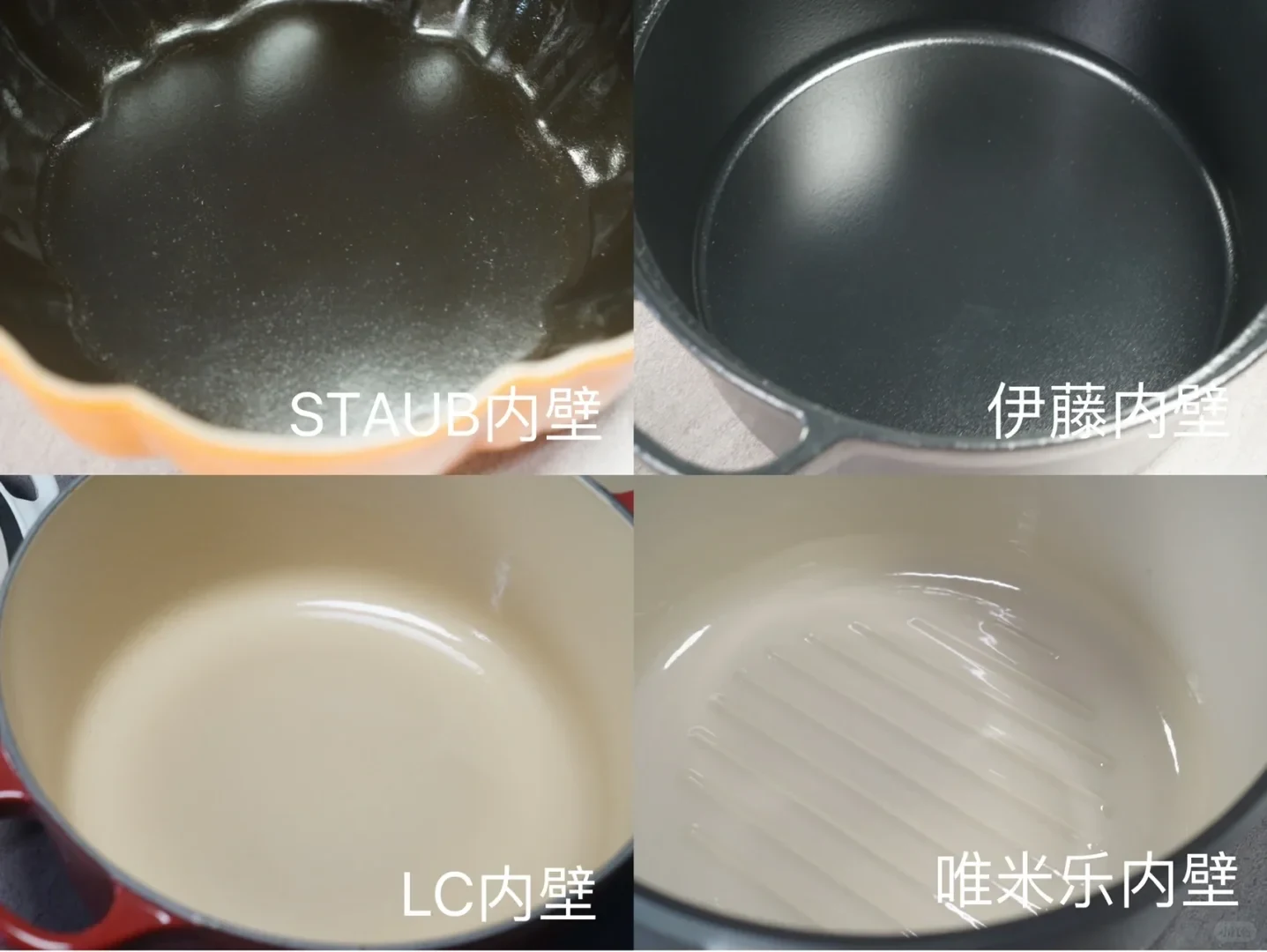
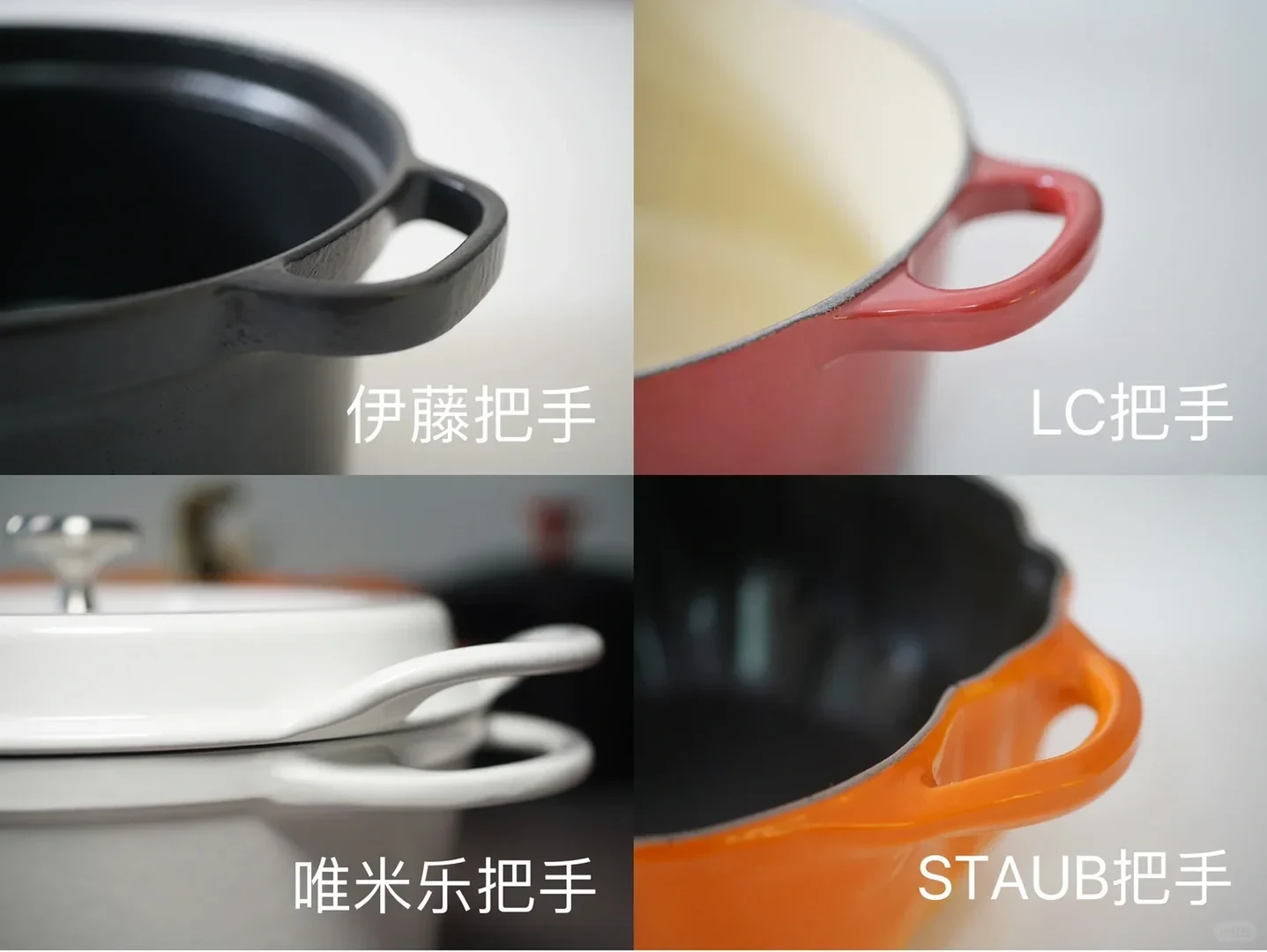
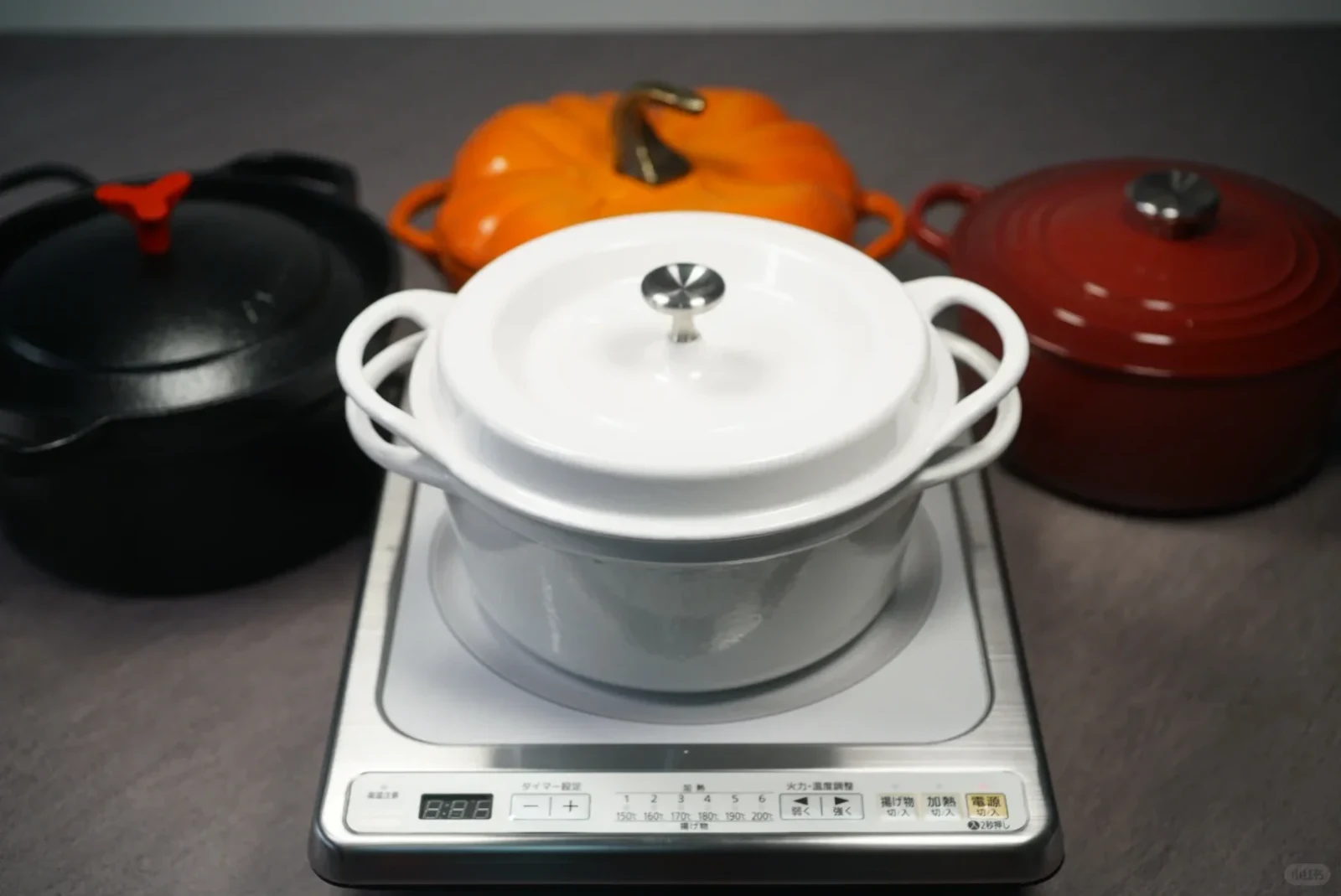
I have previously written many articles about enameled Dutch ovens, but they contained little practical experience. Today I am making a hands-on comparison of the four enameled Dutch ovens I use so that everyone can understand them better. The four are: ❶ Staub Pumpkin Dutch Oven (I also own a regular Staub model, but it is at another residence and inconvenient to retrieve; it has the same capacity and size as the Pumpkin) ❷ Ito Iron Works ❸ Vermicular ❹ Le Creuset.
All four are Dutch ovens with capacities of approximately 4L. Staub and LC use gray FC cast iron; Ito uses ductile FCD cast iron; and Vermicular uses FCV compacted graphite cast iron. Here is another small piece of general knowledge: the English name for vermicular cast iron is Compacted Vermicular, and Vermicular’s trademark is actually taken directly from the material name.
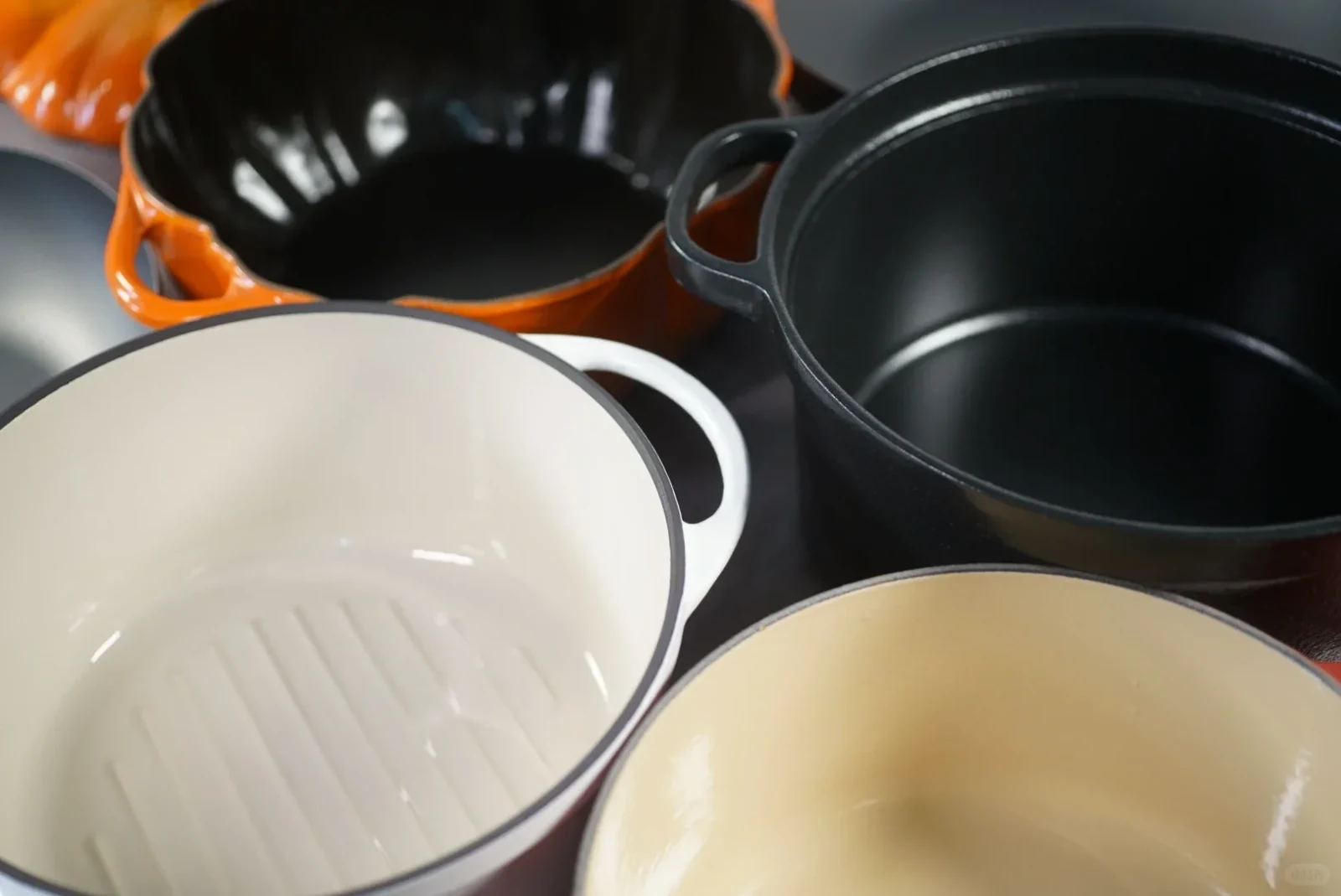
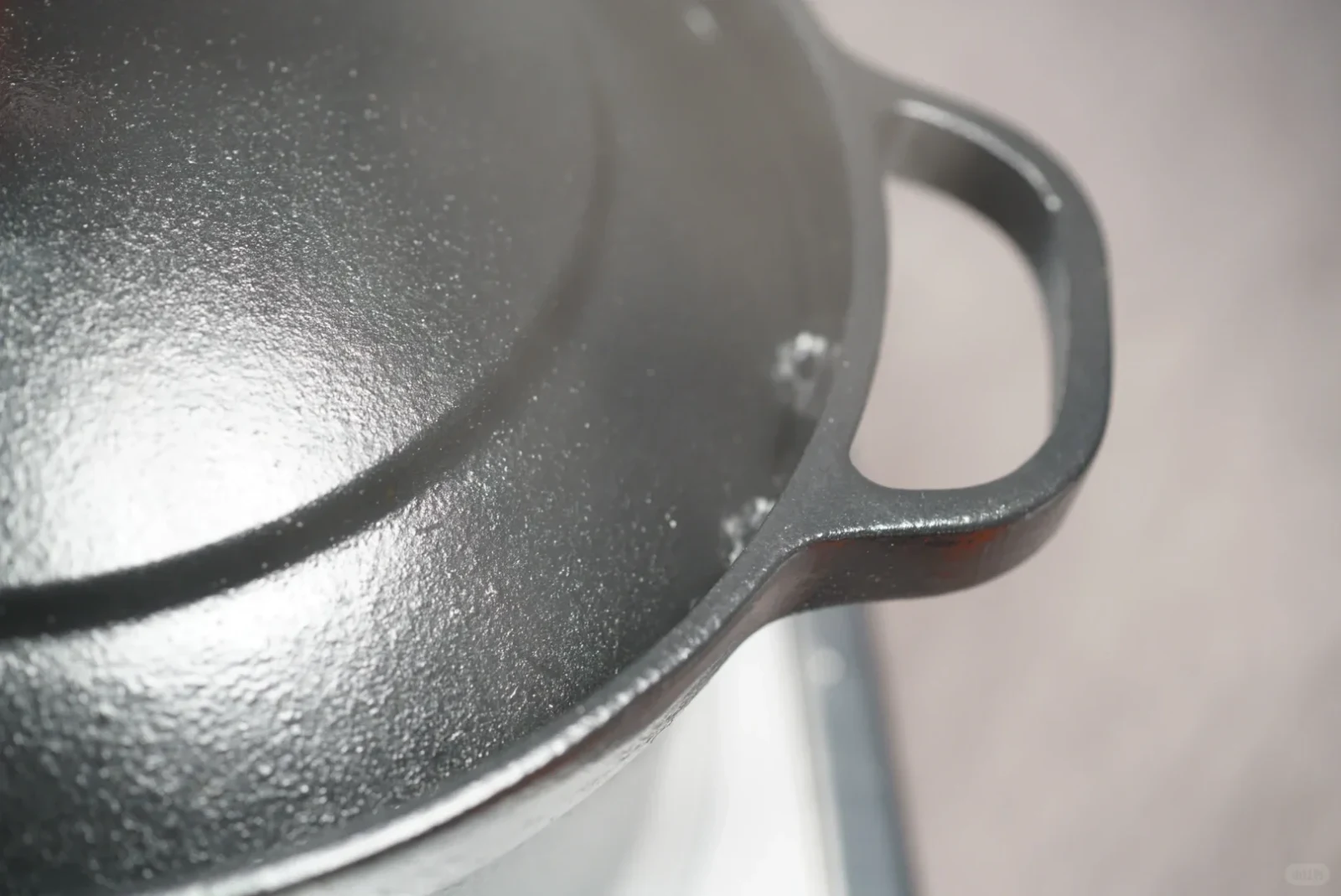
Although LC and Staub are finely made, they still look clearly less refined beside FCV and FCD cast iron. The latter two irons have better molten-metal flow and castability, so the Ito pot is very light, while Vermicular is refined down to a closing precision of 0.01mm, with a smooth, delicate feel rather than the gritty rubbing sensation of the other pots. The photographs show the specific results. Their weights are: Staub 5.3kg, Vermicular 4.2kg, LC 3.8kg, and Ito is the lightest at just 3.2kg.
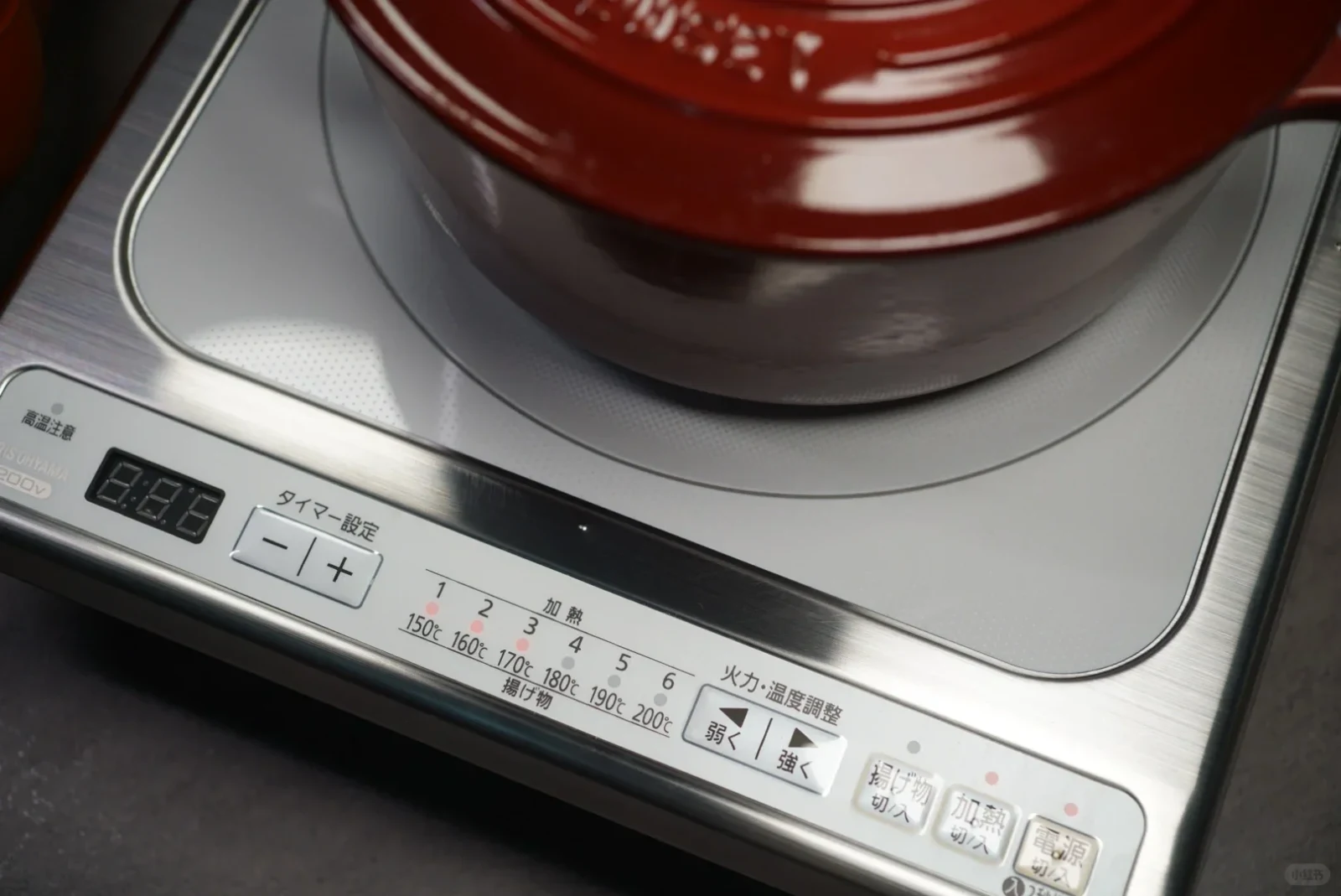
The key purpose of an enameled Dutch oven is to retain moisture during slow cooking. To demonstrate this, I specifically ran a test: I boiled 2L of water on an induction cooktop and watched for splashing at each setting. I did not use gas because an open flame cannot express power as directly or precisely. The first test failed because the first two settings on my induction cooktop used 400W pulsed heating, at which none of the pots splashed, while the third setting still used pulsed heating with a large step up to an instantaneous 1000W, causing violent boiling and splashing in every pot, so the results were meaningless. I therefore borrowed a cooktop capable of linear heating. LC and Ito did experience the splashing many online users describe at continuous 350W. Vermicular retained water best, followed by Staub: the former boiled continuously at 650W and the latter at 550W for 10 minutes without splashing. It seems that the 0.01mm finishing precision really does help? This should not only improve the flavor of dishes but also keep things cleaner, because splashed broth can stick to the outside wall and then burn, leaving black residue on the outer pot and cooktop.
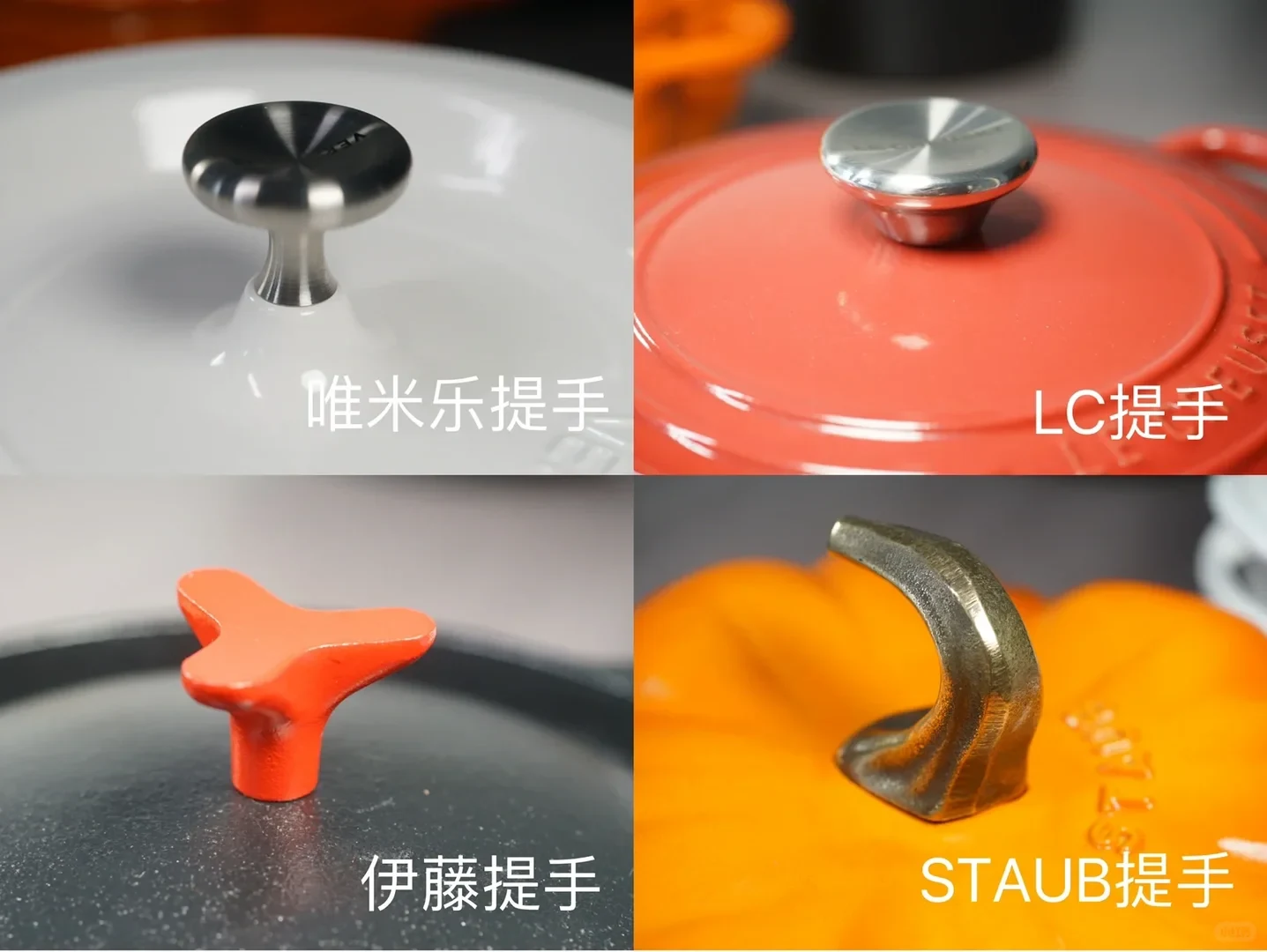
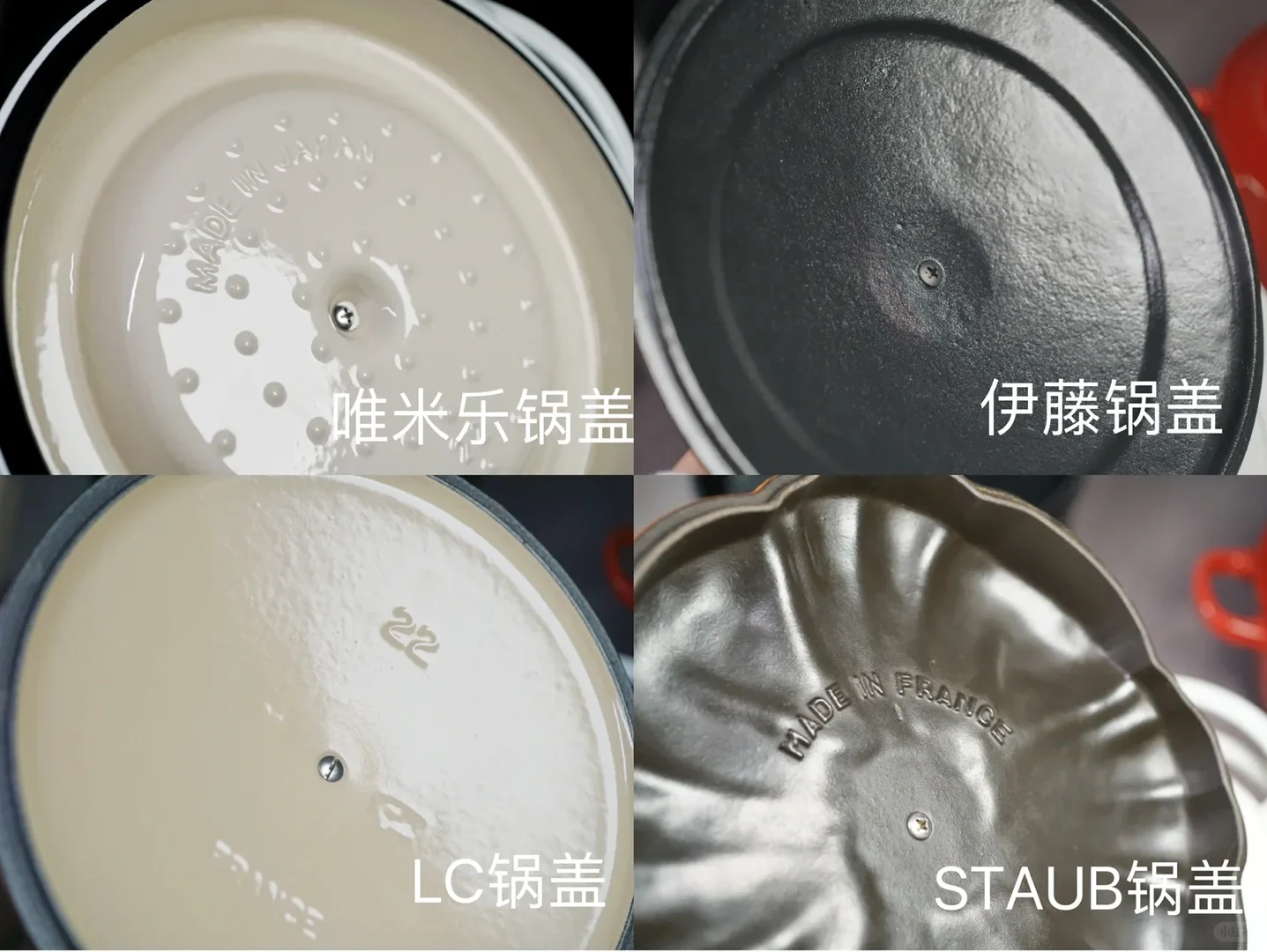
In the workmanship of the lid, side handles, and handle, Vermicular is more refined and has richer details. Its glaze is a pearl-white sprayed finish without any visible manufacturing marks, which should satisfy perfectionists. Staub and LC continue to combine careful and rustic details: the gradient colors, pinholes, and runs in the glaze depend on luck, while marks from the support rack remain. I have heard that these marks can also be used to identify genuine products. The Staub Pumpkin does not use the brand’s signature self-basting spikes, while Vermicular does; I have heard that these can accelerate the condensation cycle. Ito Iron Works is more plain and understated.
Recommendation: perfectionists should choose Vermicular and will definitely not be disappointed. Choose Staub if you do not mind the weight. If you already own LC and it performs well without splashing on your cooktop, continue using it; after all, it is considerably lighter than Staub. If it splashes, I suggest considering another brand or changing the cooktop. Ito Iron Works feels similar to LC in use, but is exceptionally light.
Source: 厨房梦想家 · Xiaohongshu · 2022-04-26 · 评价一下我用的四款铸铁珐琅炖锅. Search this Chinese title in Xiaohongshu to find the original post.
Before You Buy
Models in your region
The regional references below cover the original Vermicular Oven Pot, Staub Pumpkin Dutch Oven and today’s Le Creuset Signature Round Dutch Oven. The Le Creuset in the test is an older 22cm round pot; the current Signature model is buying context rather than a confirmed identification. The fourth pot, identified as 伊藤铁工 (Ito Iron Works), has no verified US or European counterpart in this comparison.
| Model in this review | Related regional model | What to know |
|---|---|---|
| Vermicular Oven Pot | Vermicular Oven Pot (US) | This is the same original Oven Pot family used by the owner, not the later 2.0 version. The US 22cm reference is 3.7qt and 4.2kg, closely matching the owner’s reported 4.2kg, although the exact source SKU is not recorded. |
| Staub Pumpkin Dutch Oven | Staub Pumpkin Dutch Oven (US) | This is the same Pumpkin Dutch Oven family used by the owner. The US reference is a 3.5qt enameled cast-iron model with induction compatibility and a 500°F oven limit; the owner’s orange pot has a stem knob, and its exact US SKU and capacity are not confirmed. |
| Le Creuset 22 cm enameled Dutch oven | Le Creuset Signature Round Dutch Oven (US) | The source pot is a red 22cm Le Creuset with an exact generation and SKU that remain unknown. The current US Signature Round Dutch Oven is related buying context, with a 4.5qt capacity and induction compatibility, not a confirmed identity match. |
- Model in this review
- Vermicular Oven Pot
- Related regional model
- Vermicular Oven Pot (US)
- What to know
- This is the same original Oven Pot family used by the owner, not the later 2.0 version. The US 22cm reference is 3.7qt and 4.2kg, closely matching the owner’s reported 4.2kg, although the exact source SKU is not recorded.
- Model in this review
- Staub Pumpkin Dutch Oven
- Related regional model
- Staub Pumpkin Dutch Oven (US)
- What to know
- This is the same Pumpkin Dutch Oven family used by the owner. The US reference is a 3.5qt enameled cast-iron model with induction compatibility and a 500°F oven limit; the owner’s orange pot has a stem knob, and its exact US SKU and capacity are not confirmed.
- Model in this review
- Le Creuset 22 cm enameled Dutch oven
- Related regional model
- Le Creuset Signature Round Dutch Oven (US)
- What to know
- The source pot is a red 22cm Le Creuset with an exact generation and SKU that remain unknown. The current US Signature Round Dutch Oven is related buying context, with a 4.5qt capacity and induction compatibility, not a confirmed identity match.
What the induction test actually shows
The owner’s comparison found no splashing from Vermicular at continuous 650W or Staub at continuous 550W for 10 minutes, while the Le Creuset pot splashed at continuous 350W. These are individual observations from different power settings, not a controlled ranking: the first cooktop used pulsed heating, and the account does not report measured water loss, food results, or pressure testing.
For a buyer, the useful takeaway is to check how a pot behaves on the specific induction hob rather than treating the wattage thresholds as universal. The owner’s first cooktop could not provide a meaningful comparison because its 400W pulsed settings caused no splashing and its third setting jumped to an instantaneous 1000W.
The US Vermicular Oven Pot is listed as compatible with all stovetops, including induction, and the manufacturer specifies a precision seal below 0.01mm. That specification supports the product’s design claim, but it does not independently verify the owner’s observed 650W result or prove that the seal alone caused it.
Weight and capacity need careful matching
The owner reported approximately 4L for all four pots, with weights of 5.3kg for Staub, 4.2kg for Vermicular, and 3.8kg for Le Creuset. The manufacturer’s US references are not identical: Vermicular’s 22cm reference is 3.7qt and 4.2kg, Staub’s Pumpkin reference is 3.5qt, and the current US Le Creuset Signature Round reference is 4.5qt.
In the owner’s figures, the Staub weighs 1.5kg more than the Le Creuset pot and 1.1kg more than Vermicular. That is a handling trade-off when lifting, washing or carrying a filled pot. Compare the weight and capacity of the version you choose; these differences describe the owner’s pots rather than a matched-size comparison of every current model.
Finishing, lids and cleaning implications
The owner preferred Vermicular’s smooth feel, pearl-white finish and detailed lid and handle work. The photographs show the lid undersides, interiors and handles side by side. The FC/FCD/FCV classifications and brand-name explanation are the owner’s account; the supplied manufacturer pages describe enameled cast iron and lid fit without verifying that material-grade comparison.
The source photo shows a smooth, sculpted underside on the Pumpkin lid, compared with raised bumps on Vermicular’s lid. That makes the actual lid design worth checking instead of assuming the Pumpkin has the same underside as a classic round Staub cocotte. The author’s splashing observation concerns this Pumpkin, not the ordinary Staub pot kept at another home.
For the US Vermicular Oven Pot, the manufacturer recommends hand-washing, drying the uncoated rims immediately, and avoiding metal tools and abrasives. Those care instructions apply to the cited US family reference; the source account itself does not report a long-term cleaning or enamel-durability test.
Which buyer might prefer each pot
The owner’s preference was clear: Vermicular for perfectionists, Staub for buyers who accept extra weight, and Le Creuset for existing owners whose pot behaves well on their induction hob. That recommendation reflects this owner’s handling and one water test, not a universal performance verdict.
Vermicular’s precise-fitting rim comes with a care detail: the contact area is uncoated and should be dried immediately after washing. Buyers attracted by its fit and finish should weigh that routine alongside the owner’s favorable handling impressions.
For Le Creuset owners, the author’s advice is to keep using a pot that already behaves well on your hob. The US Signature Round Dutch Oven supports induction, but its compatibility listing does not prescribe a universal wattage setting. Before replacing cookware because of splashing, compare the behavior at your own hob’s simmer settings.
Related Reading
Reviews & Guides · Kitchen & Dining
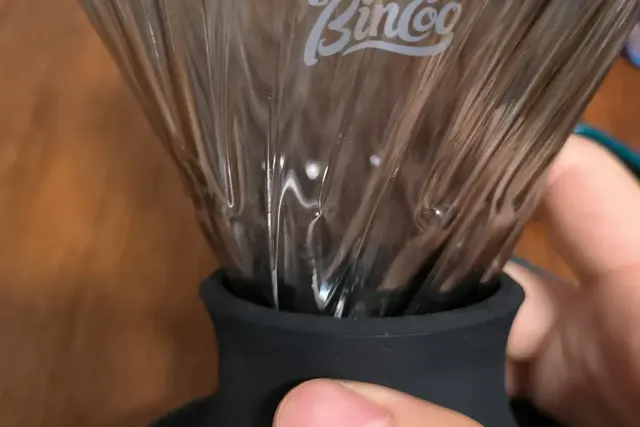
My Bincoo immersion dripper lost its steel ball during washing
I lost the valve ball while cleaning my Bincoo immersion dripper and bought five 14 mm spares. My receipt records the size; I didn’t report a sealing test.
Reviews & Guides · Kitchen & Dining
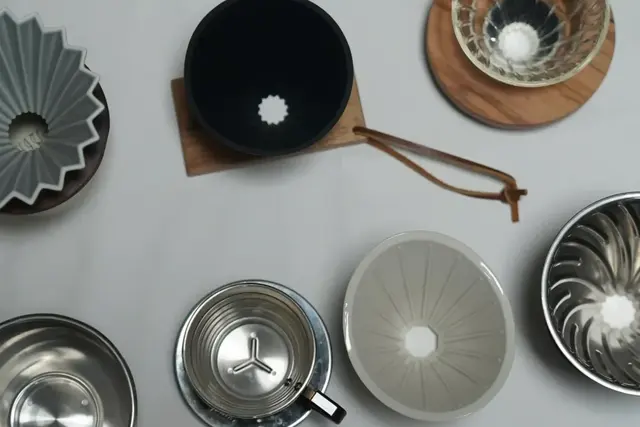
My 11-dripper comparison: why I used the Kalita Wave 155 and 185 least
I tried 11 pour-over drippers over time. I used my Kalita Wave 155 and 185 least because their papers lost shape during storage and rinsing.
Reviews & Guides · Kitchen & Dining
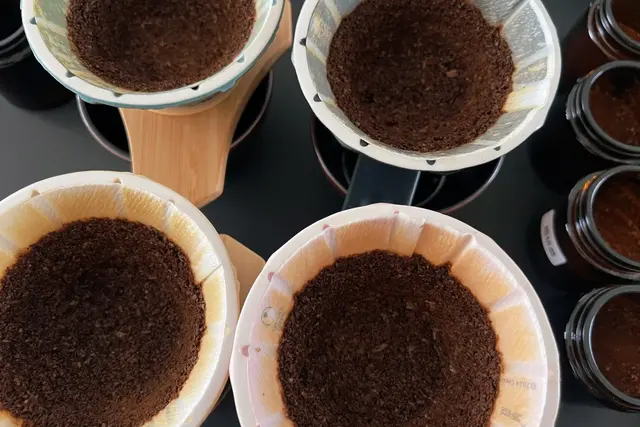
My four ceramic drippers: HARIO Alpha, V60, Shanwen 62 and Coffee Flower
I compared four ceramic drippers with washed Panama SL28. The Alpha felt weightier than my V60; I also compared Shanwen 62 and Coffee Flower.