
Reviews & Guides · Kitchen & Dining
My first seven days with the Westinghouse K40: three shots to get it right
Reviewed: Westinghouse K40Regional reference: Westinghouse WKCM2009 (Europe)
I needed three shots to get a good espresso from my Westinghouse K40. After that, medium-dark beans at grind setting 30 worked well, and the cleaning tool made burr cleanup easy.
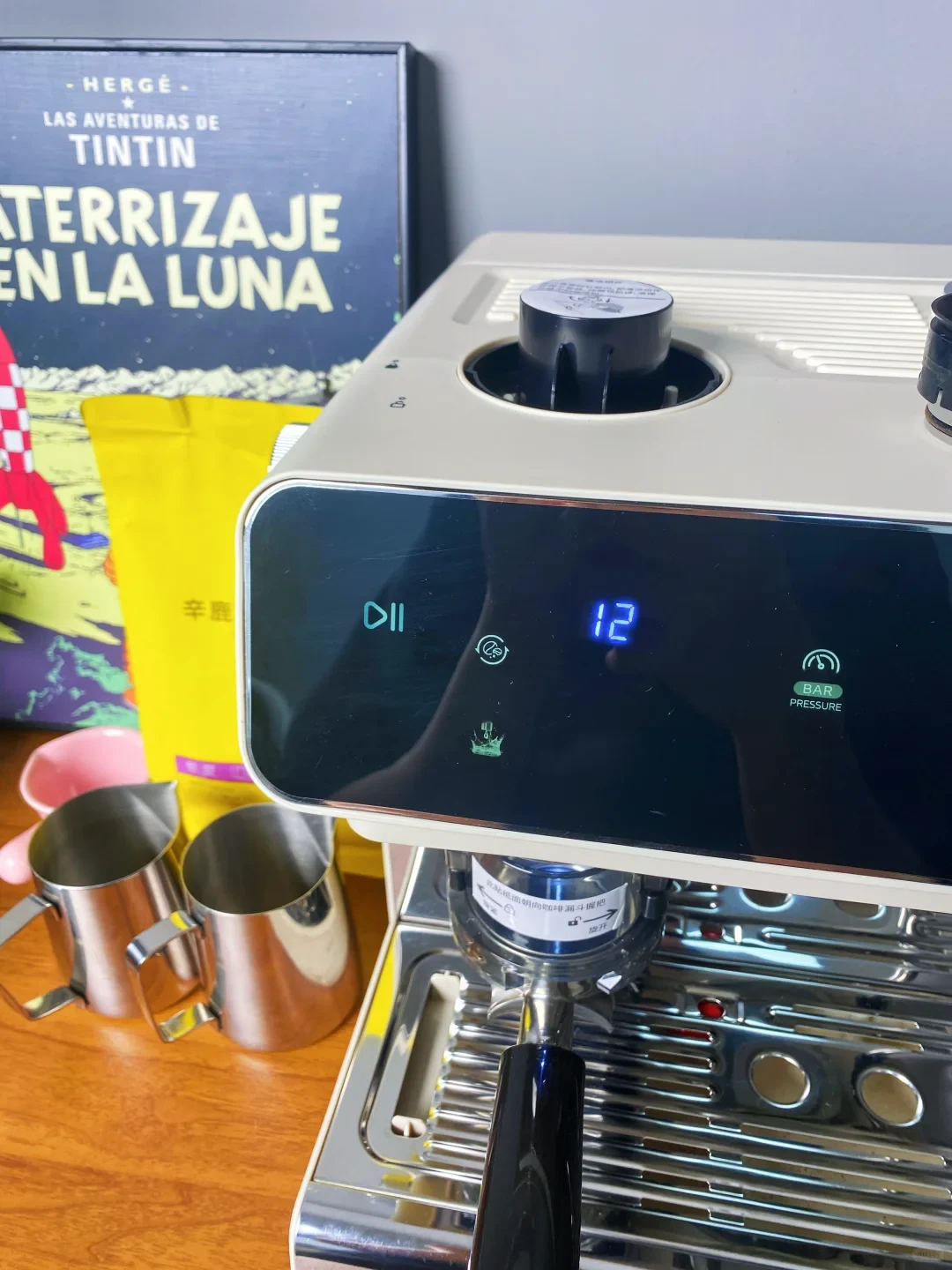
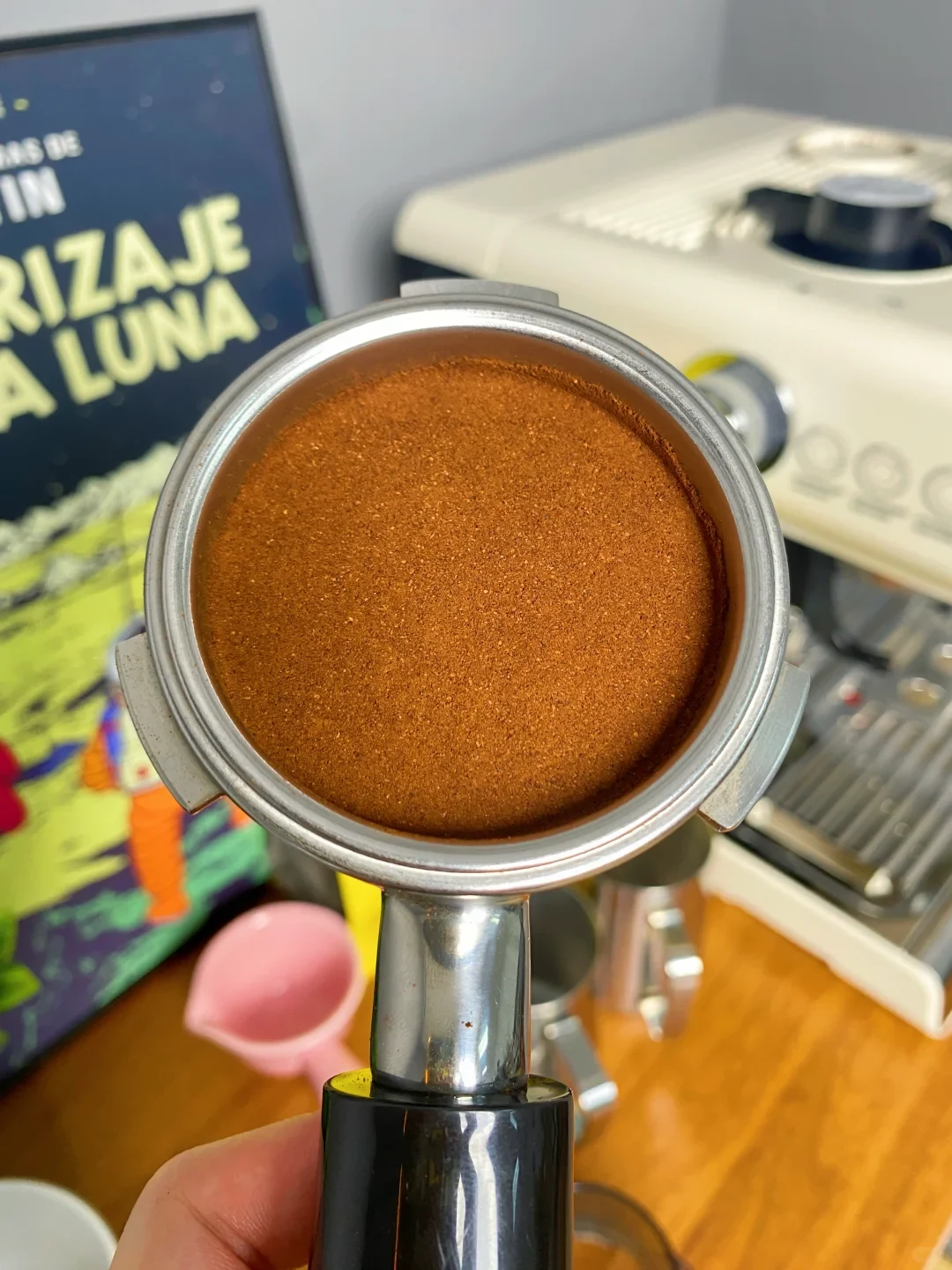
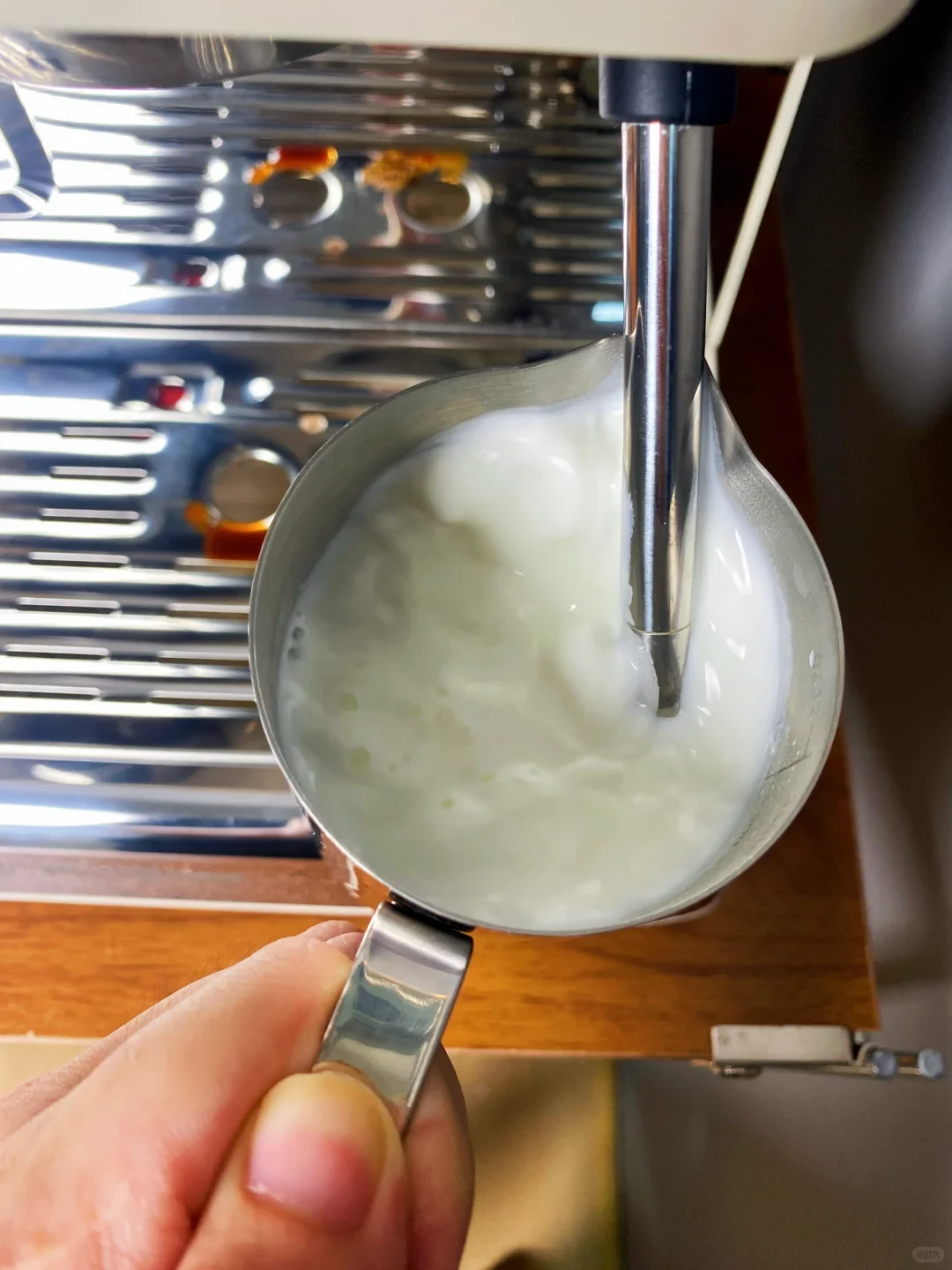
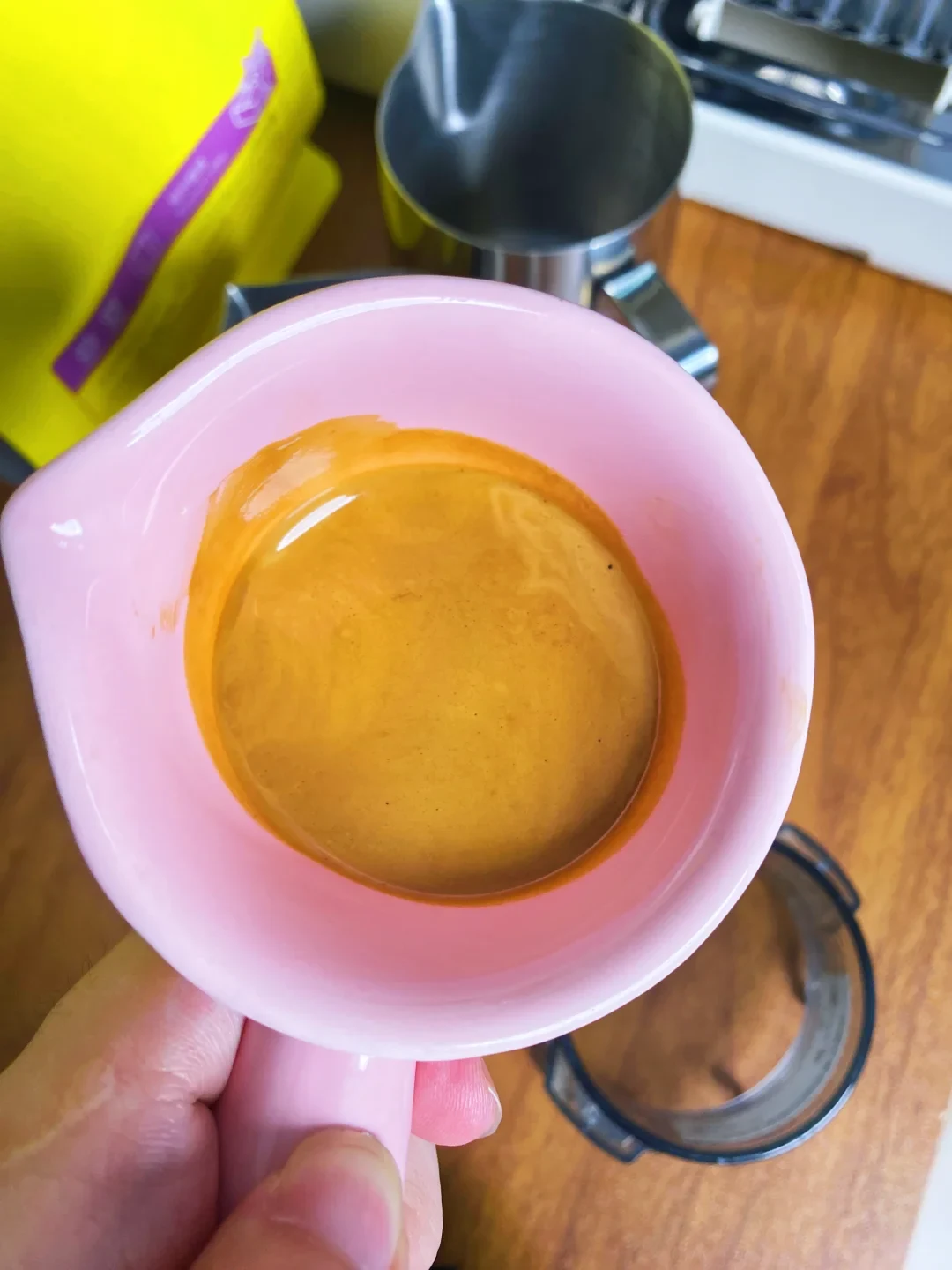

When researching espresso machines, I focused on the negative reviews. I saw many comments saying the Westinghouse K40’s touchscreen shows fingerprints easily and its knob feels a little stiff. I hesitated, but I cared more about cleaning and extraction, and those reviews did not seem to criticize either. I took a chance and bought it. After seven days, I had tried hot lattes, cold brew and Americanos, and decided to keep it. Here’s how it went.
Appearance and controls:
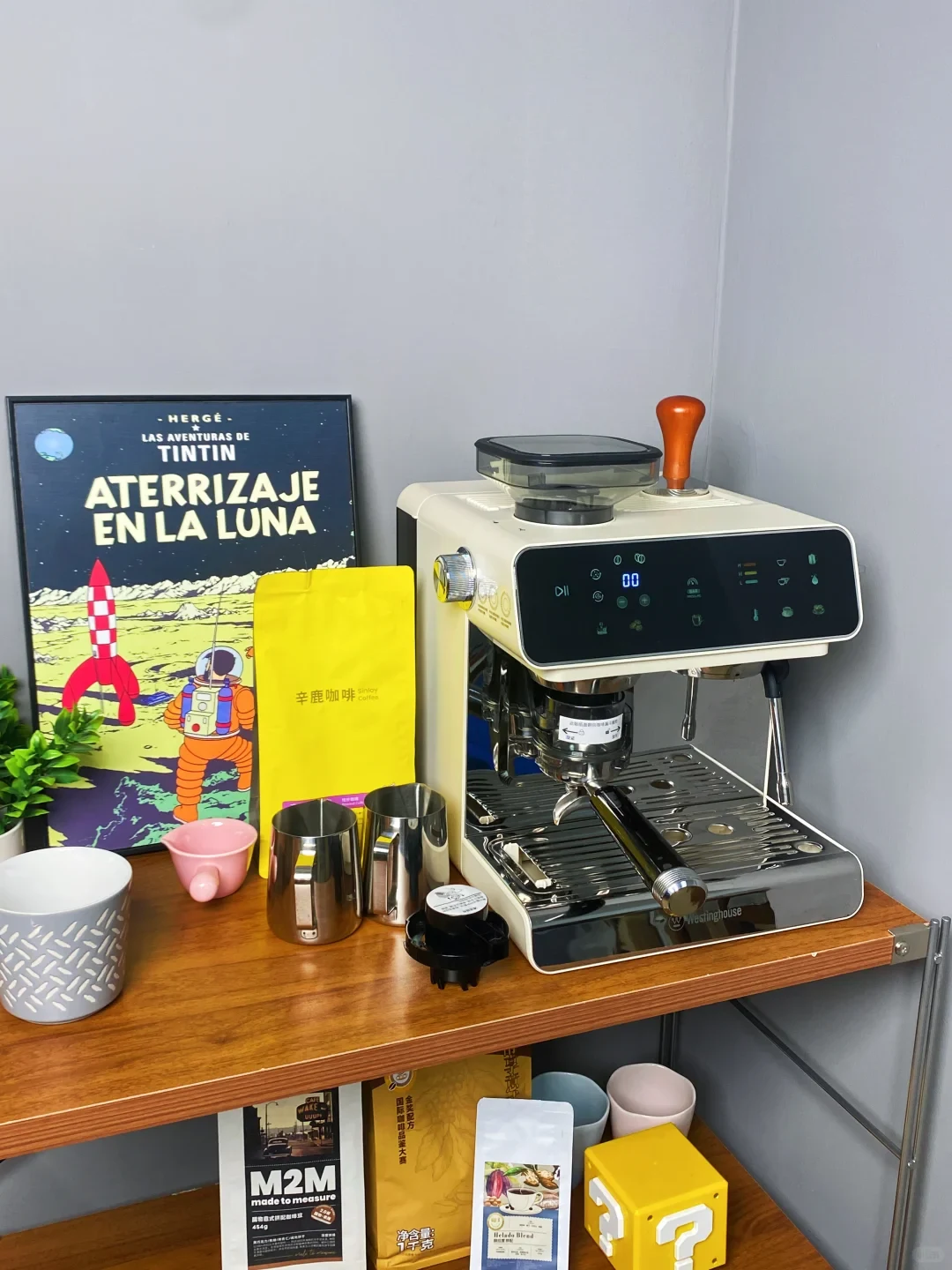
The machine has a neat, boxy look and a fairly large touchscreen. I can adjust things like extraction temperature, extraction time and pre-infusion time on the screen, and choose cold brew. There’s a lot to explore, but it wasn’t too hard to learn. I followed the operating video customer service sent me and felt familiar with it after half an hour.
Grinding and cleaning:
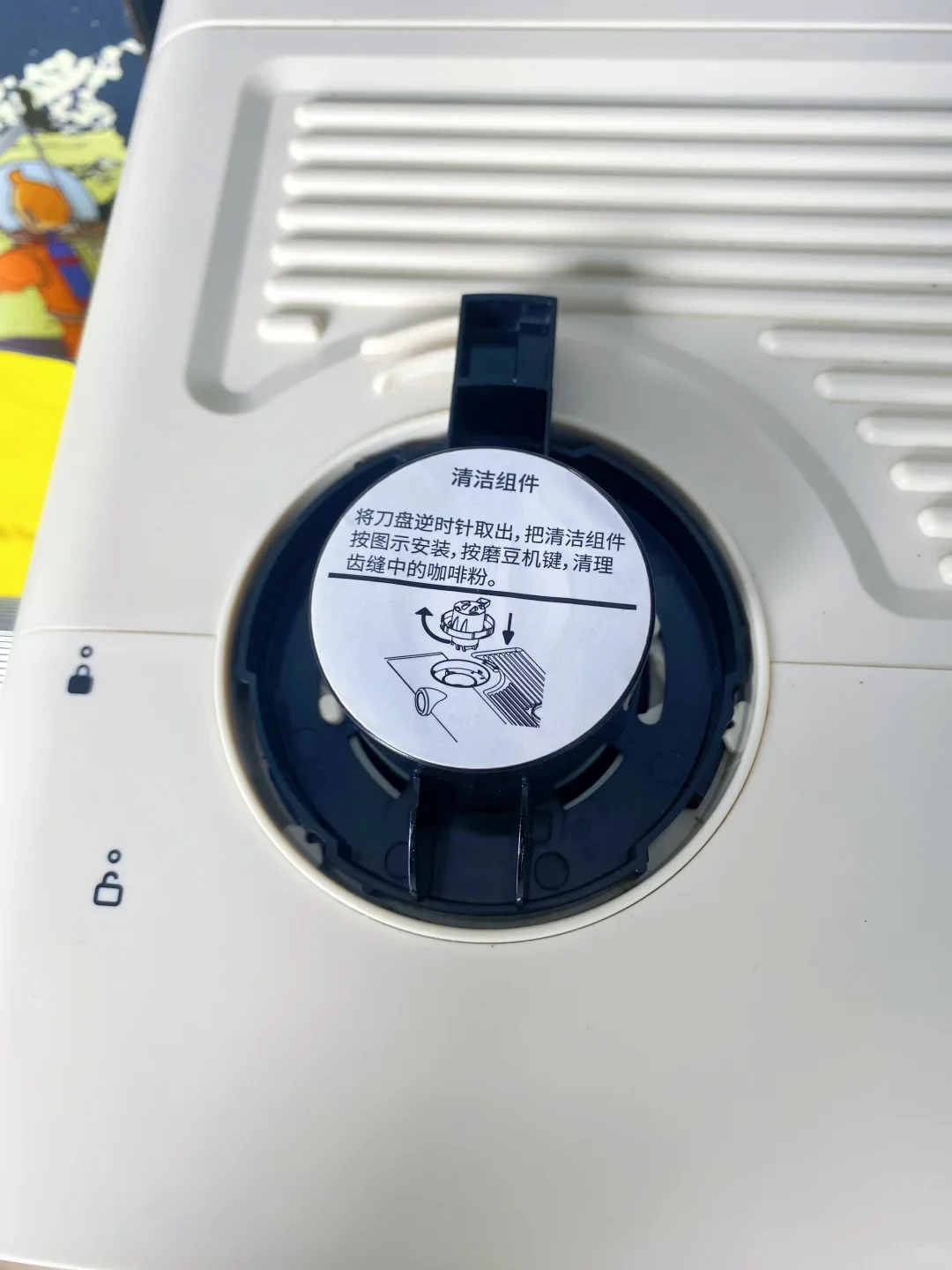
The grounds fall straight down, and I haven’t seen them scatter across the counter. I’m even happier with the cleaning tool: the bean hopper and upper burr can be removed, and once the tool is fitted, I can press a button to clean leftover grounds from the burrs. I tried it several times, and it did leave them clean. I don’t have to worry about grounds building up, clogging things or affecting the taste of the next coffee.
Extraction consistency:
It heats up quickly: I could start making coffee less than two minutes after switching it on. My first shot barely flowed because I hadn’t fitted the portafilter properly. The second flowed very thickly but not smoothly; maybe I had ground too fine and tamped too hard. The third was the first that came out reasonably well. With medium-dark beans, I used grind setting 30. Over the next few days, my extractions were consistent, and the crema was quite thick.
Accessories and after-sales service:
It came with a tamper, single and double filter baskets, a milk pitcher and a portafilter. I was a little disappointed that the portafilter has two spouts; I’d rather have a bottomless one because it looks better, so I’ll buy one separately later. It has a two-year warranty, which makes me feel more comfortable using it.
Overall, At 2.5k, I’m satisfied. It has what I need, extracts consistently and is easy to keep clean. I haven’t run into any major pitfalls, and it’s enough for home use.
Source: 小雯的小窝 · Xiaohongshu · 2026-08-26 · 翻遍差评才选的咖啡机,说下7天使用感. Search this Chinese title in Xiaohongshu to find the original post.
Before You Buy
Models in your region
The source machine is a Westinghouse K40. The European catalogue names a related portafilter-and-steam machine, WKCM2009, with a different ground-coffee and manual-milk setup. It provides a same-brand regional reference; the source K40’s grinder and cleaning tool remain distinct.
| Model in this review | Related regional model | What to know |
|---|---|---|
| Westinghouse K40 | Westinghouse WKCM2009 (Europe) | The European WKCM2009 is a related portafilter-and-steam machine, not a verified regional version of the K40. Its 2019 European listing describes a ground-coffee filter holder and milk frothing, but does not establish a K40-equivalent integrated grinder or cleaning tool. The K40 owner’s grind setting and cleaning experience therefore should not be assumed to apply to it. |
- Model in this review
- Westinghouse K40
- Related regional model
- Westinghouse WKCM2009 (Europe)
- What to know
- The European WKCM2009 is a related portafilter-and-steam machine, not a verified regional version of the K40. Its 2019 European listing describes a ground-coffee filter holder and milk frothing, but does not establish a K40-equivalent integrated grinder or cleaning tool. The K40 owner’s grind setting and cleaning experience therefore should not be assumed to apply to it.
Getting past the first two failed shots
The owner attributes the first poor-flow shot to a badly fitted portafilter, and suspects grind and tamping in the second. The third was reasonably successful; setting 30 with medium-dark beans then worked consistently over the following days. The missing dose, yield and shot time matter if trying to reproduce that recipe: a numbered grind setting alone does not describe the whole extraction.
What the two photographed labels refer to
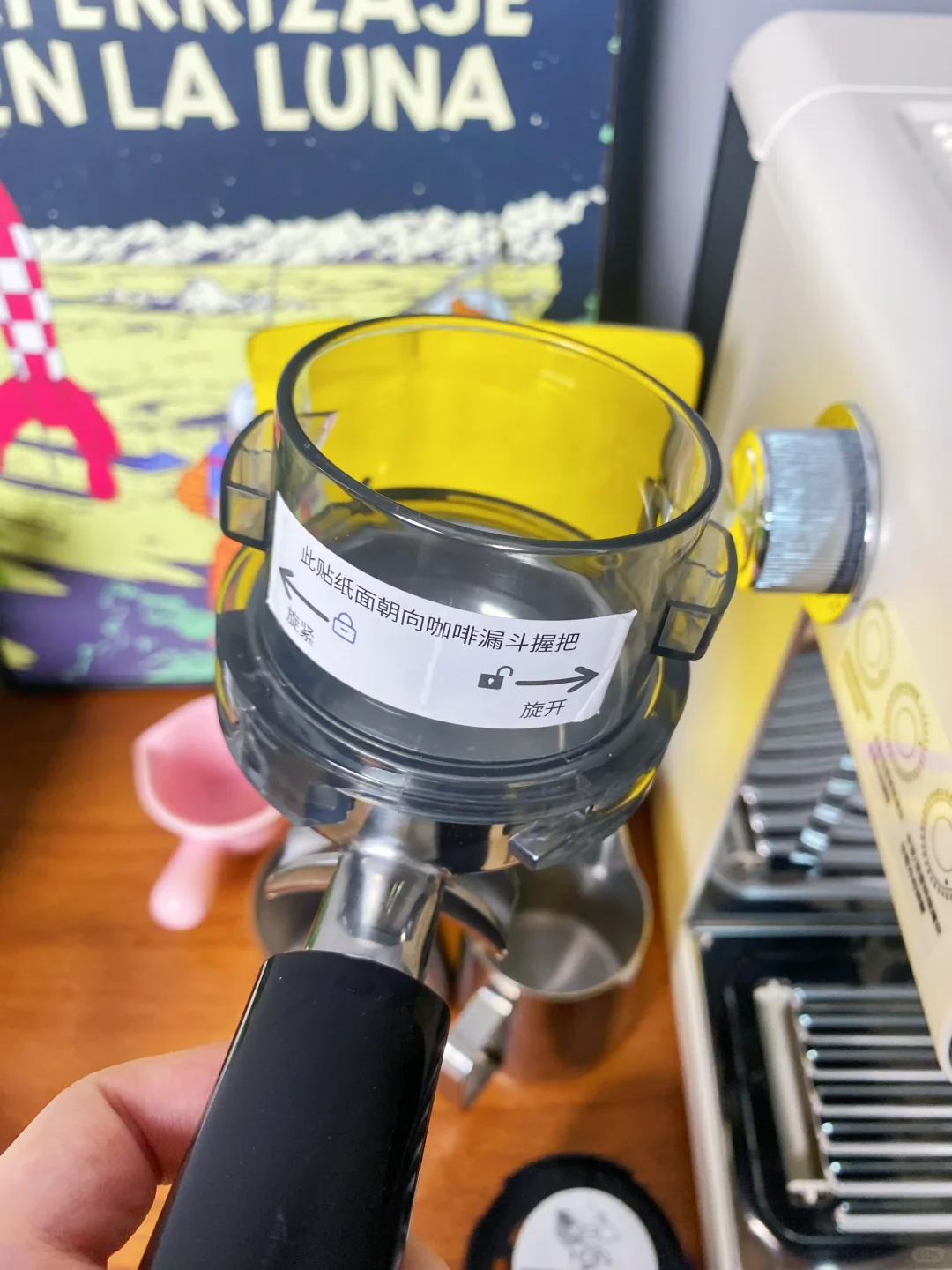
Original photo2 shows the dosing ring on the portafilter: its sticker faces the handle and marks twist-to-tighten and twist-to-open directions. That ring is separate from fitting the portafilter to the brew head. In original photo3, the cleaning-tool label says to turn the burr counterclockwise to remove it, fit the component as illustrated, then press the grinder button to clear grounds from the burr gaps.
Those labels document the source K40 accessories. The related European WKCM2009 catalogue lists washable drip-tray and filter-holder parts, rather than a corresponding grinder-cleaning system. The WKCM2009’s 2019 electrical ratings describe the European catalogue product; the two-year warranty mentioned with the K40 purchase is a separate market-specific term.
Related Reading
Reviews & Guides · Kitchen & Dining
Westinghouse juicer: I tried frozen-fruit dessert, but juice is why I use it
I tried frozen-fruit dessert in my Westinghouse juicer after customer service suggested it. I mainly use it for juice, though, and mango pulp took a rinse and a cloth.
Reviews & Guides · Kitchen & Dining
Westinghouse Y52: easier pulp-outlet cleaning and whole-fruit juicing
I replaced my hard-to-clean juicer with the Westinghouse Y52. Its hinged pulp outlet rinses clean more easily, and I can juice whole apples and tomatoes.
Reviews & Guides · Kitchen & Dining
Westinghouse K16: removable grinder parts made cleaning easier
I switched from a hard-to-clean automatic machine to the Westinghouse K16; its removable hopper and burr make routine grinder cleaning easier.