
Reviews & Guides · Kitchen & Dining
Westinghouse K40: from beans to cleanup in under 10 minutes
Reviewed: Westinghouse K40Regional reference: Westinghouse WKCM2009 (Europe)
My Westinghouse K40 is ready after I brush my teeth, and my bean-to-cleanup routine takes under 10 minutes. I enjoy adjusting shots and making lattes.
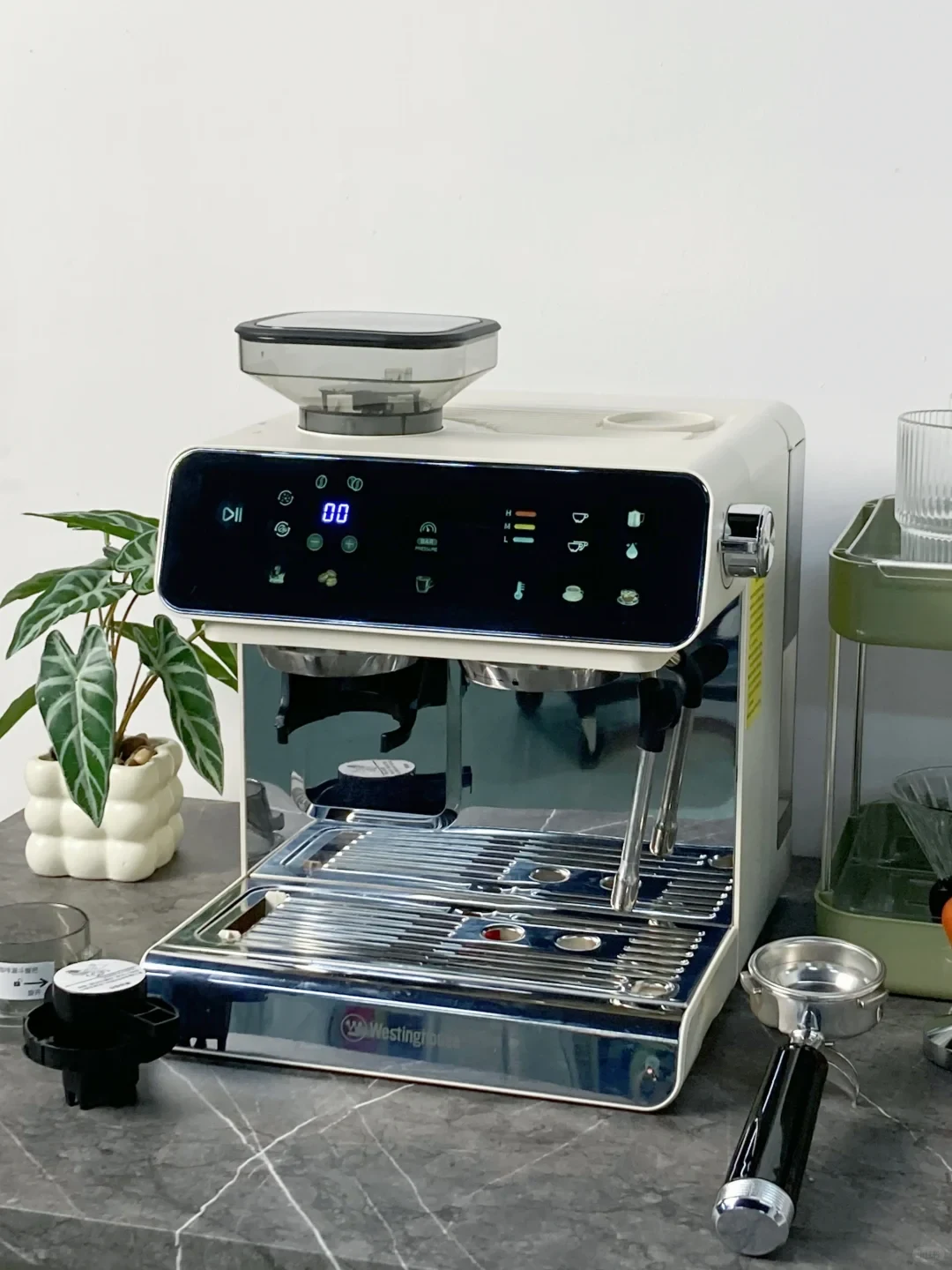
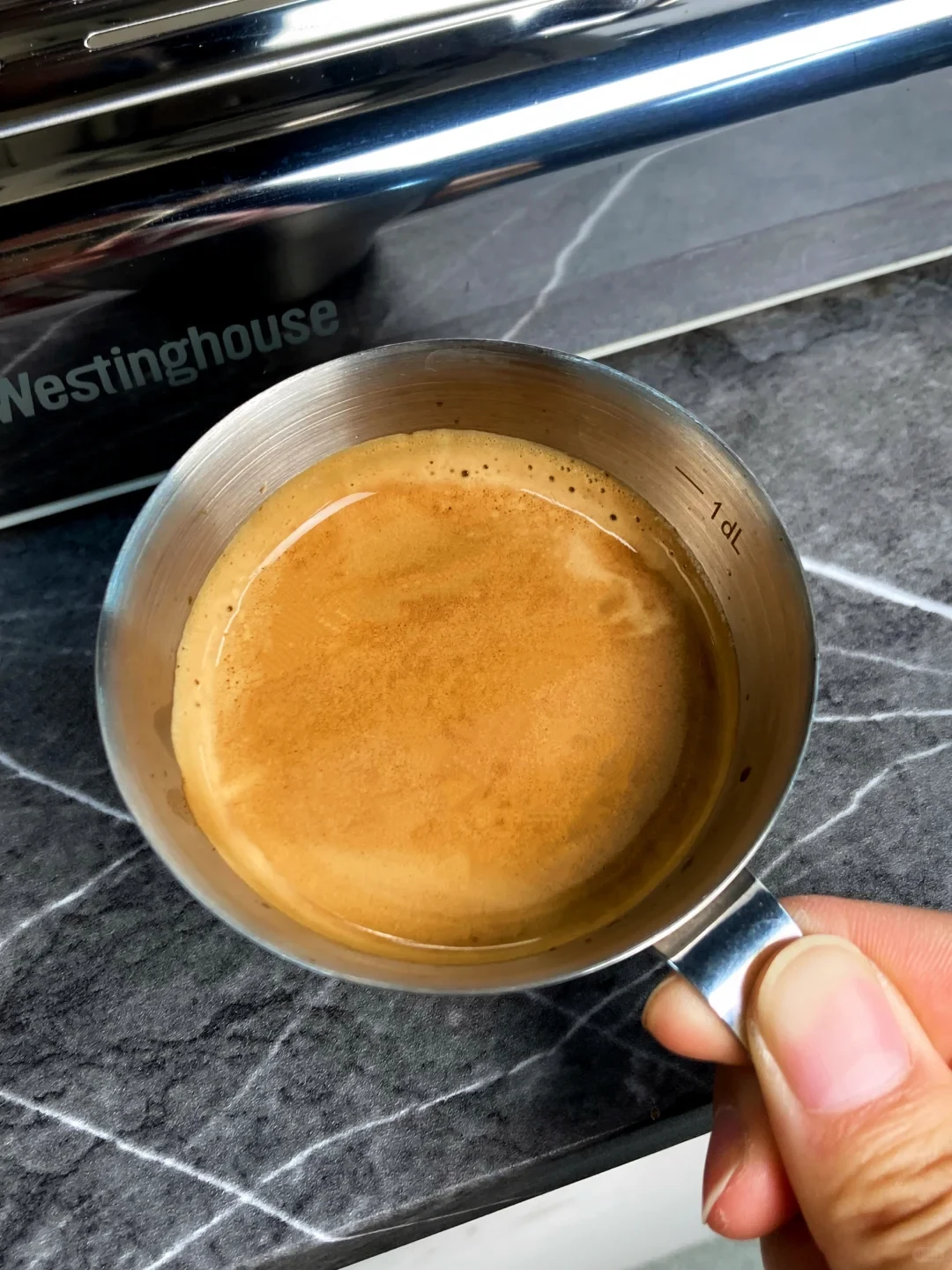
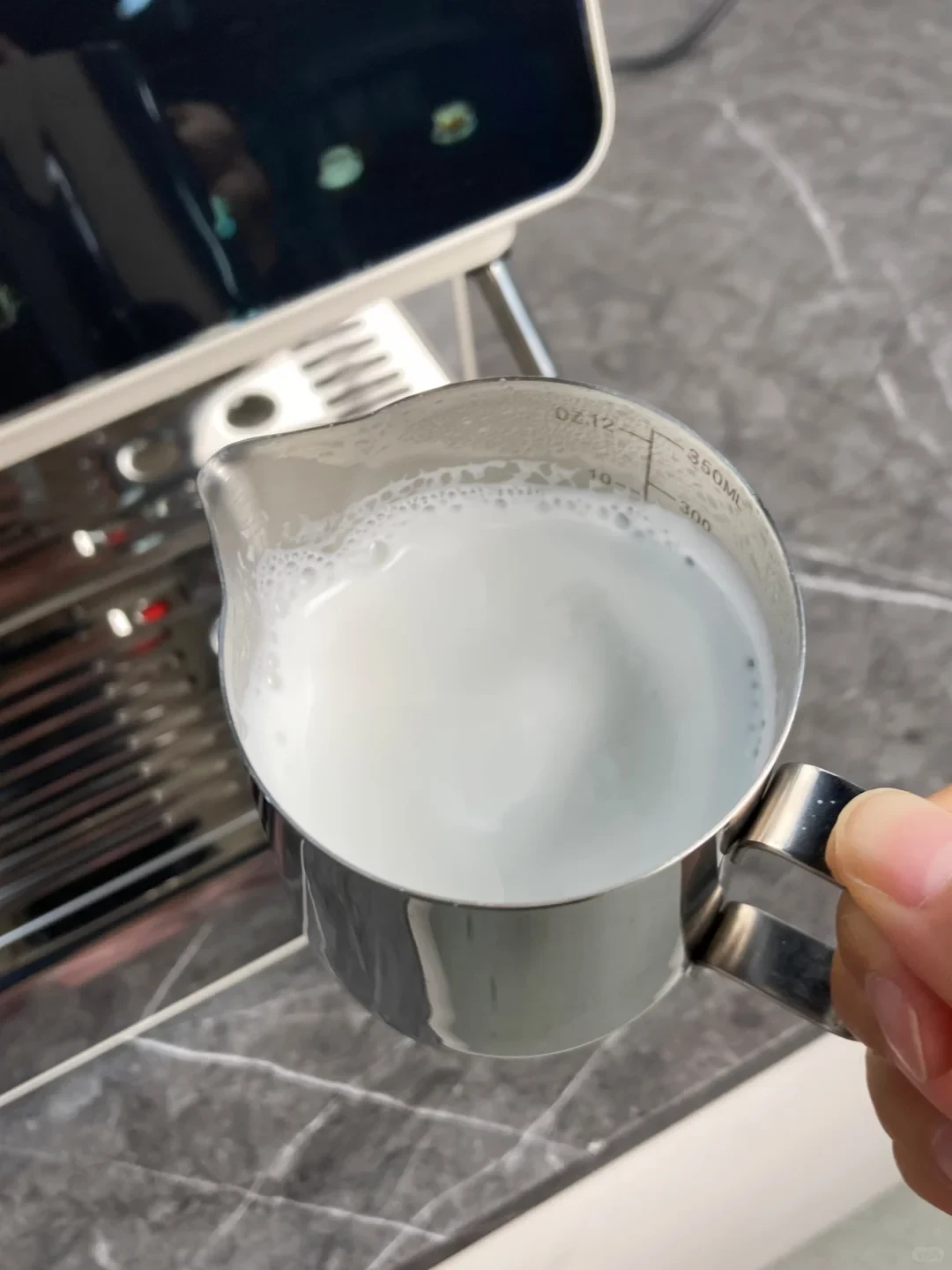
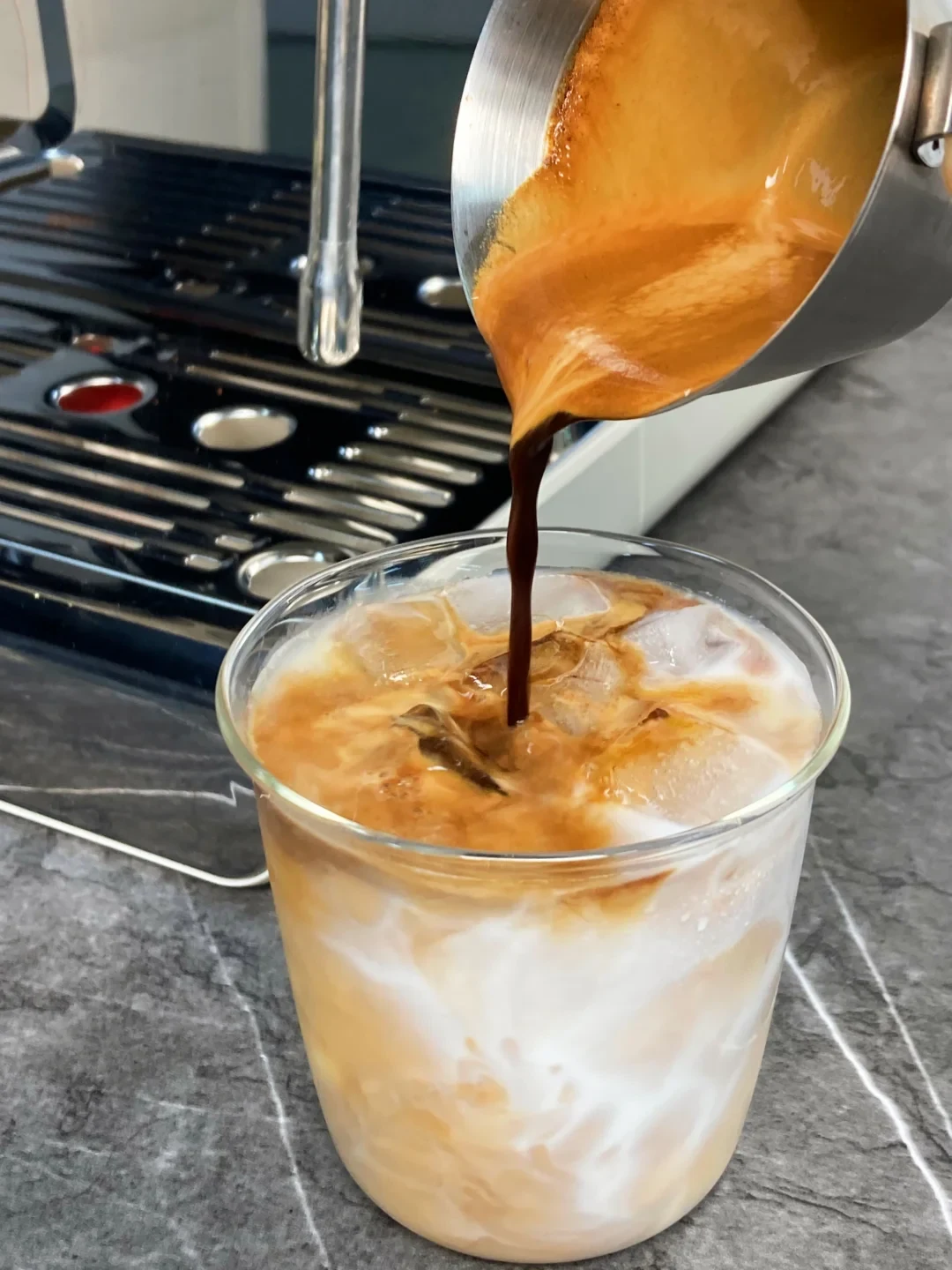
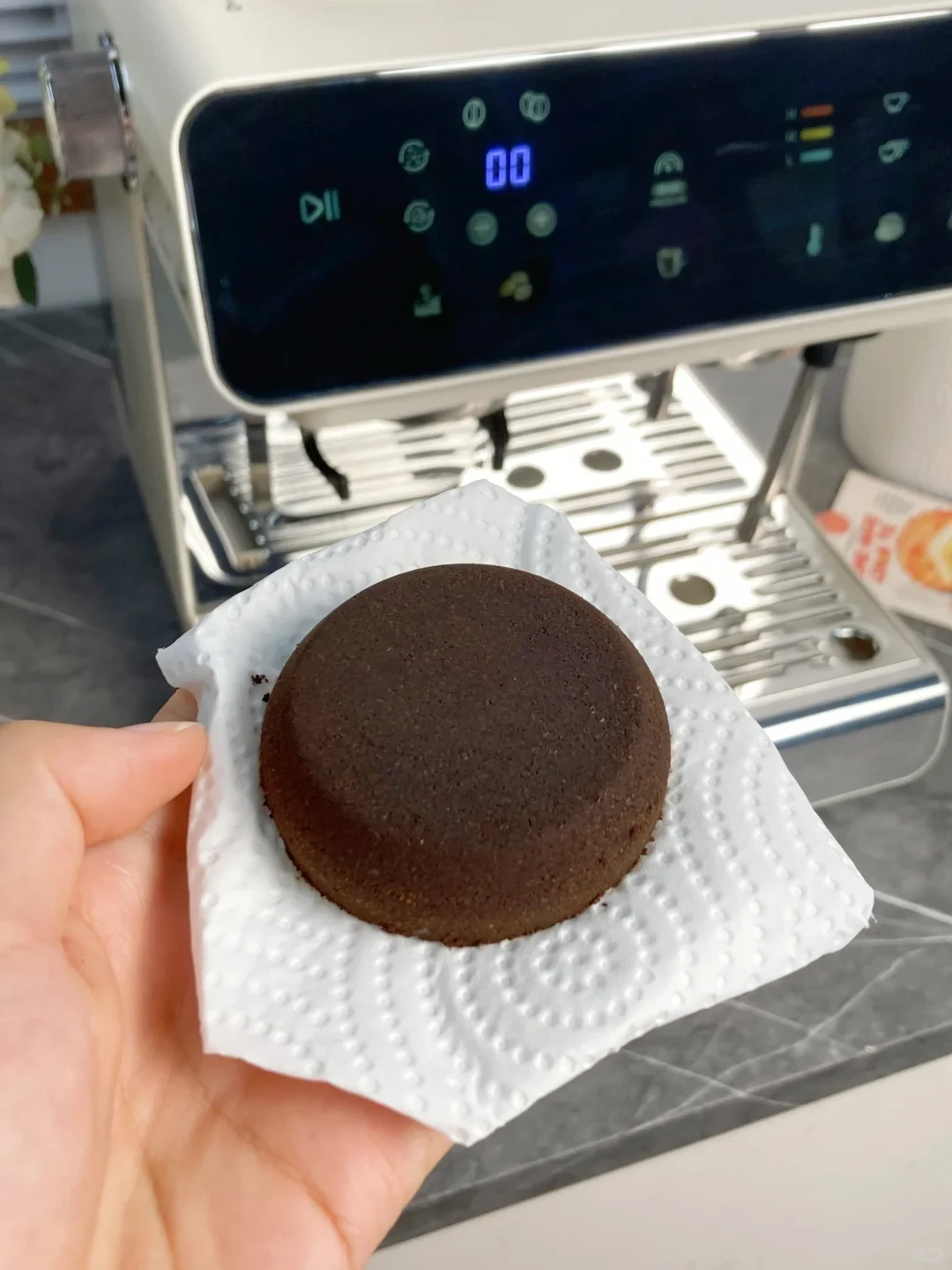
Before buying, I read a lot of coffee-machine comparisons and spent a long time wavering between a semi-automatic and a fully automatic machine. In the end, I chose the Westinghouse K40 semi-automatic, mainly because I wanted to make the drinks myself. A fully automatic machine seemed like it would be less fun.
Why I chose this one: it combines a grinder and espresso machine, so I didn’t need to buy a separate grinder. It has dual pumps and dual heaters, an OPV, cold-brew capability, and a one-touch burr-cleaning component. For the price, I thought it had a pretty complete set of features, so I bought it.
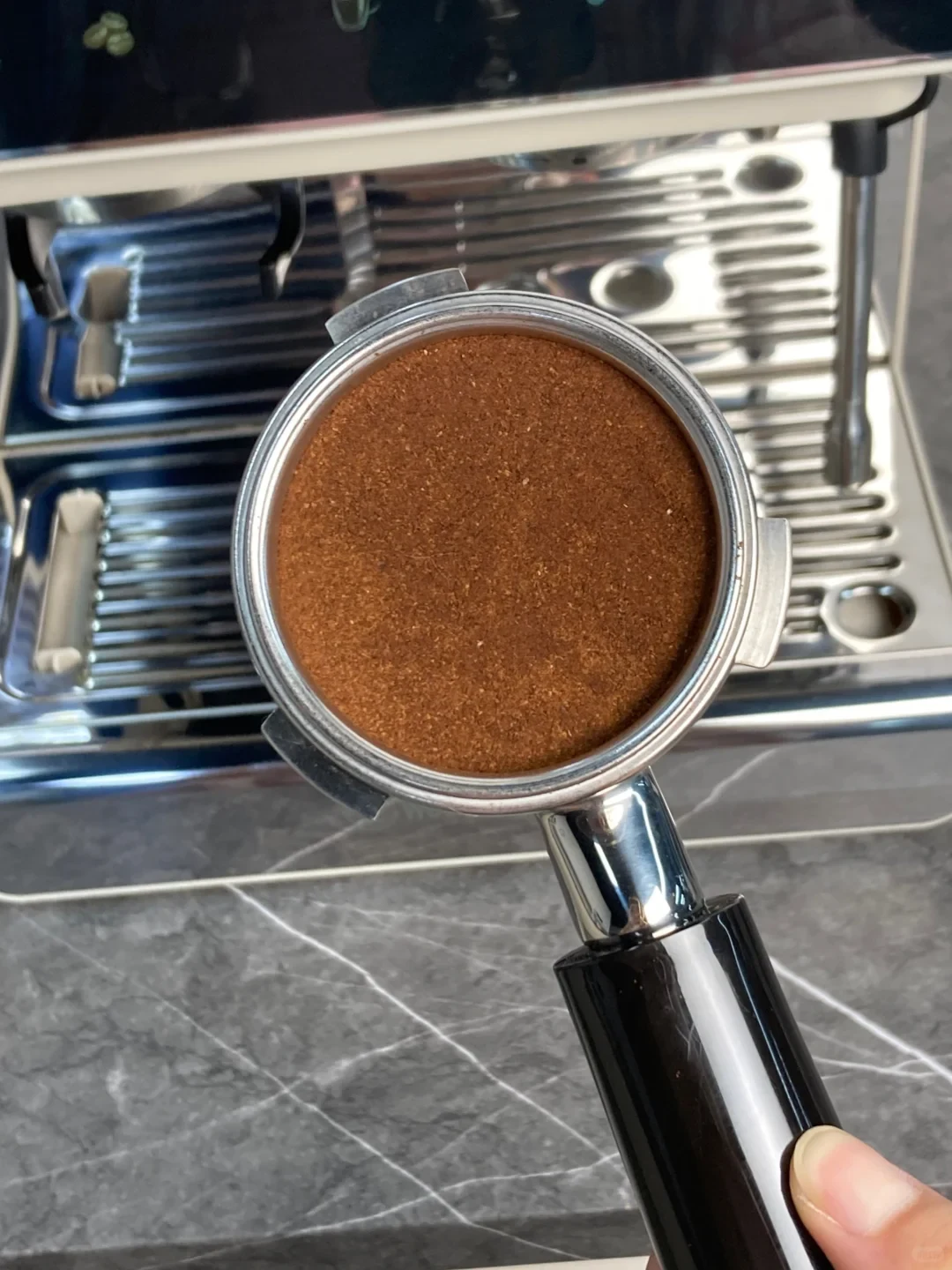
How do I put it? When I was buying it, lots of people said semi-automatic machines were complicated and hard to use, and so on. But after using it for the past few months, I’ve found it pretty great; I haven’t felt that it’s especially complicated. In the morning, I switch it on when I get up, and it’s preheated by the time I’ve brushed my teeth. Weighing the beans, grinding, distributing and tamping the grounds, locking in the portafilter, pulling the shot, and cleaning up all take less than 10 minutes.
As for extraction, this machine has been consistent for me. It heats up quickly, and I can usually pull three or four espressos in a row without much variation; the crema and taste are good and don’t keep changing. I use beans from a local roaster with fresh milk, and the lattes I make taste richer than Luckin’s to me, and about as good as the specialty coffees I’ve had that cost 20–30 yuan a cup. There are quite a few adjustable settings, including extraction temperature, extraction time, and pre-infusion. It’s fun to try different beans and explore their flavors.
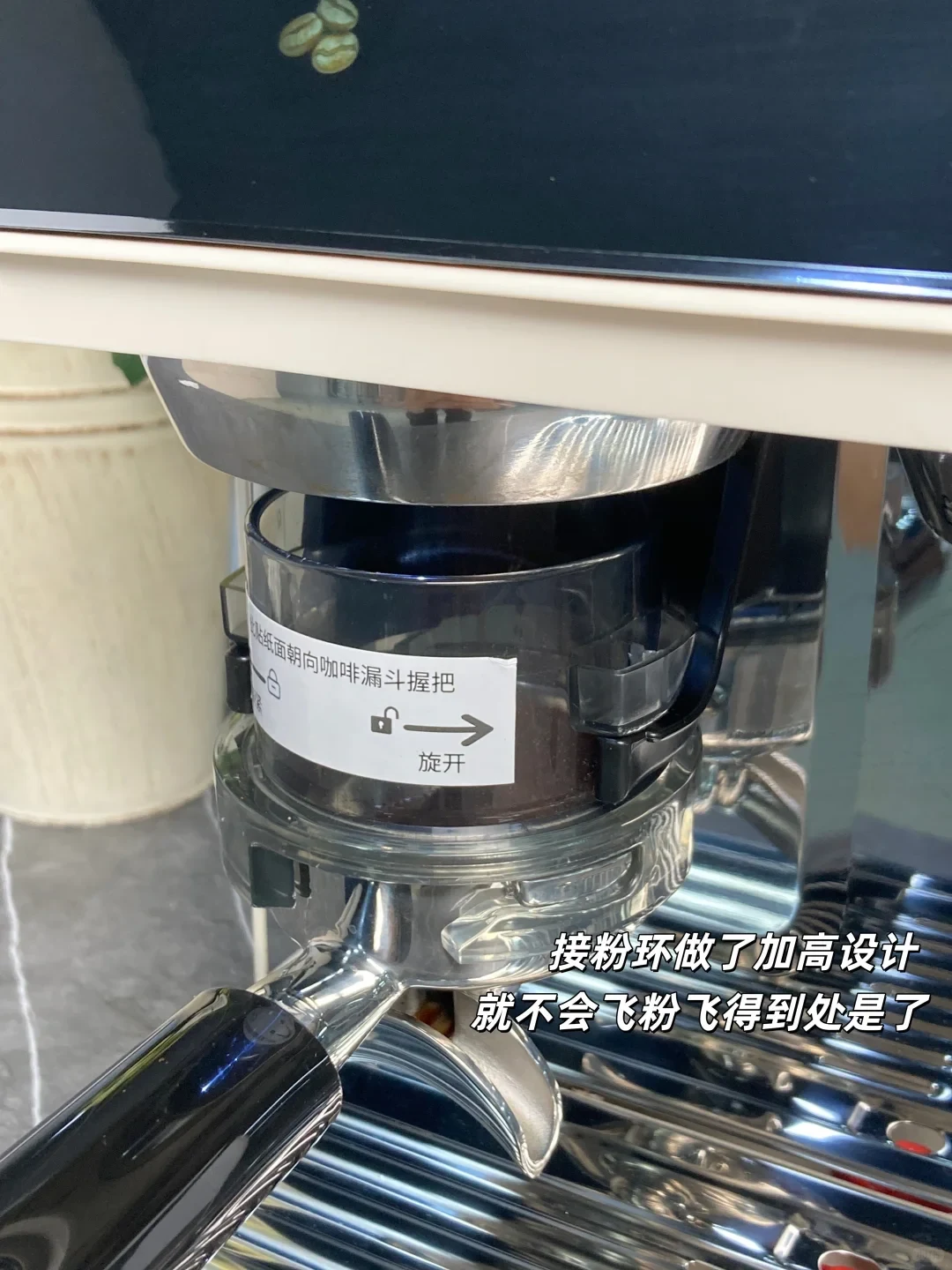
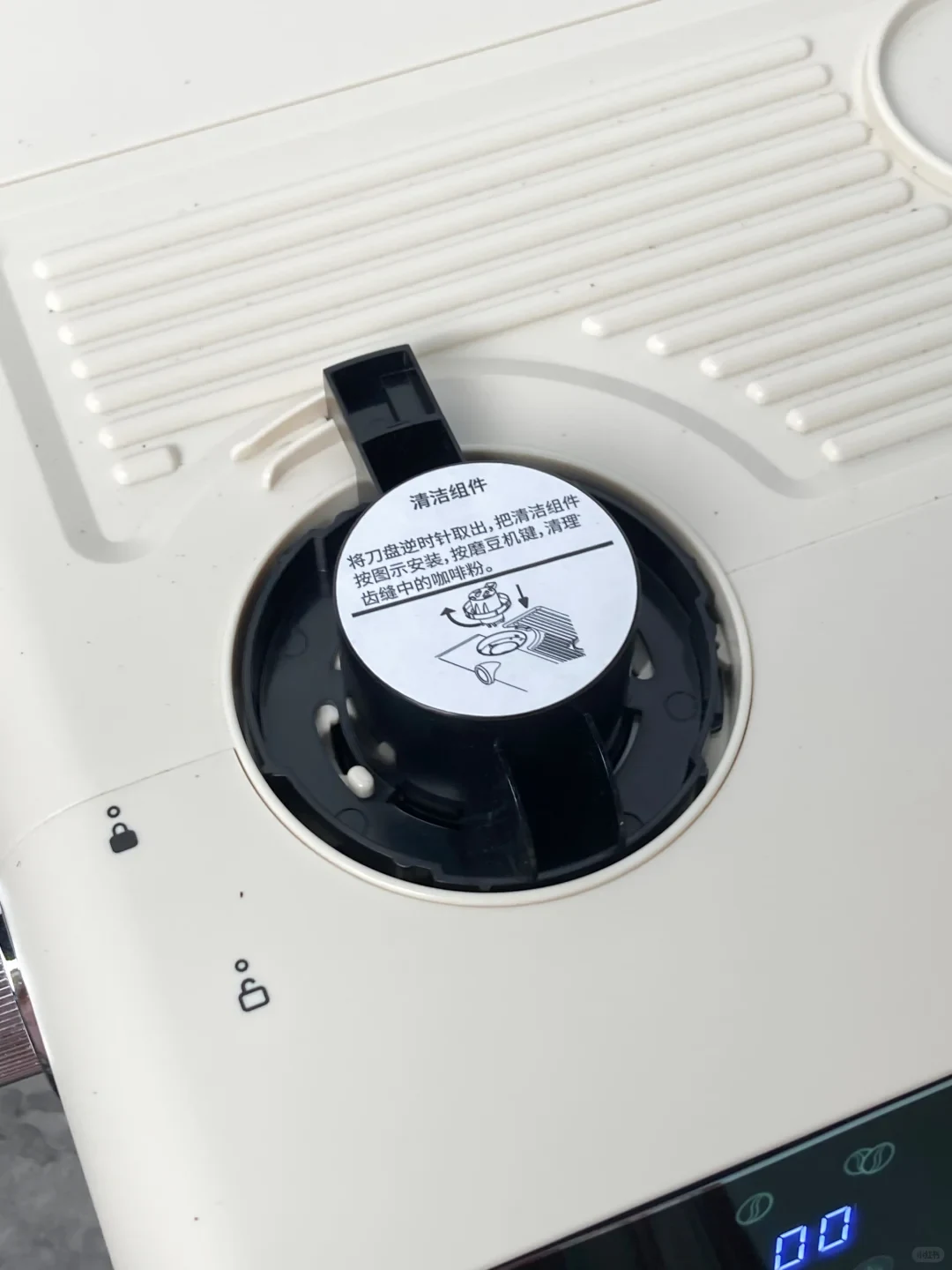
One thing I really like is that it comes with a grinder-cleaning component. After removing the bean hopper, I don’t have to take the burrs off myself: I fit the cleaning component and the machine clears out the leftover grounds. It won’t get clogged easily with use, and it’s easier to maintain, with no hard-to-reach spots.
Now, before work, I pull two espressos to take with me, and after work I make another cup at home. For me, it’s a real mood stabilizer. Making espresso myself is pretty relaxing, and seeing my little coffee corner makes me happy. I genuinely think a semi-automatic coffee machine is the way to go; it’s much more fun to experiment with.
Of course, these are just my personal impressions from using it. If you have one, let’s chat—I’m open to being challenged.
Source: 请叫我饭大大俞 · Xiaohongshu · 2026-04-30 · 放弃全自动买了半自动,用后心情很复杂. Search this Chinese title in Xiaohongshu to find the original post.
Before You Buy
Models in your region
The owner uses a Westinghouse K40 with an integrated grinder. The European WKCM2009 is a related portafilter-and-steam machine from Westinghouse’s 2019 catalogue, with no integrated grinder listed.
| Model in this review | Related regional model | What to know |
|---|---|---|
| Westinghouse K40 | Westinghouse WKCM2009 (Europe) | The WKCM2009 is a different Westinghouse design with milk frothing and adjustable steam. Its 2019 European listing gives a 1.5 L tank and 220–240 V power, and lists no integrated grinder. The K40’s grinder-cleaning component, controls and morning routine do not transfer to it. |
- Model in this review
- Westinghouse K40
- Related regional model
- Westinghouse WKCM2009 (Europe)
- What to know
- The WKCM2009 is a different Westinghouse design with milk frothing and adjustable steam. Its 2019 European listing gives a 1.5 L tank and 220–240 V power, and lists no integrated grinder. The K40’s grinder-cleaning component, controls and morning routine do not transfer to it.
The K40’s morning workflow
After several months with the K40, the owner says it is ready by the time they finish brushing their teeth and that weighing beans, grinding, tamping, pulling a shot, and cleaning up take under 10 minutes. They also report that three or four consecutive shots are usually steady. These are personal observations; the account does not provide measured heat-up times or a controlled extraction test.
The owner chose a semi-automatic machine for the hands-on process and says adjusting extraction temperature, time, and pre-infusion makes experimenting with different beans enjoyable. Their comparison of homemade lattes with café drinks reflects their own beans, milk, and taste, not a general performance guarantee.
K40 burr removal and cleaning tools
For K40 grinder cleaning, follow the instructions for the exact machine. The photographed label depicts removing the burr counterclockwise, fitting the cleaning component and running the grinder. It does not support leaving the burr installed, despite that description in the account.
Easy cleaning and resistance to clogging were positive impressions from this use. There is no documented long-term clog test or basis for treating the machine as maintenance-free.
The European WKCM2009 is related, not a verified K40 alternative
Westinghouse’s 2019 European catalogue lists the WKCM2009 as a portafilter espresso machine with a 1.5 L removable water tank, milk frothing, and adjustable steam. It specifies 1050 W and 220–240 V for that European model. The listing does not identify it as a K40, and it lists no integrated grinder, so its specifications do not establish the K40’s configuration or power requirements.
The same catalogue lists a washable drip tray, stainless-steel filter, and aluminum filter holder for the WKCM2009. Those care details apply to that model only; that list does not cover the K40’s grinder-cleaning component. The catalogue is from 2019 and does not confirm current stock or support availability.
Related Reading
Reviews & Guides · Kitchen & Dining
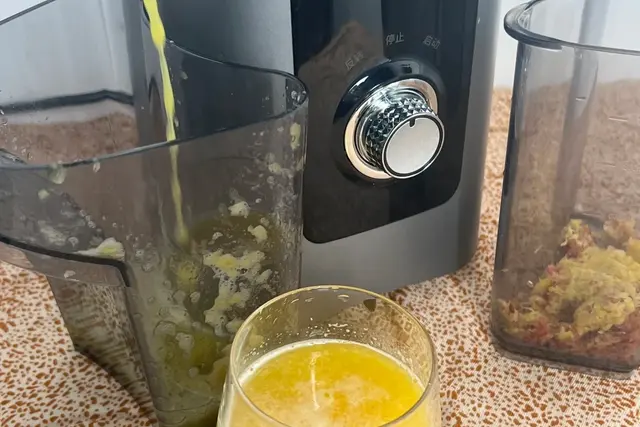
Westinghouse juicer: I tried frozen-fruit dessert, but juice is why I use it
I tried frozen-fruit dessert in my Westinghouse juicer after customer service suggested it. I mainly use it for juice, though, and mango pulp took a rinse and a cloth.
Reviews & Guides · Kitchen & Dining
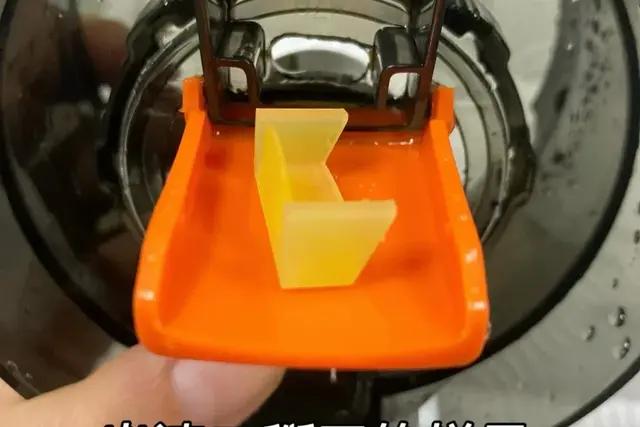
Westinghouse Y52: easier pulp-outlet cleaning and whole-fruit juicing
I replaced my hard-to-clean juicer with the Westinghouse Y52. Its hinged pulp outlet rinses clean more easily, and I can juice whole apples and tomatoes.
Reviews & Guides · Kitchen & Dining
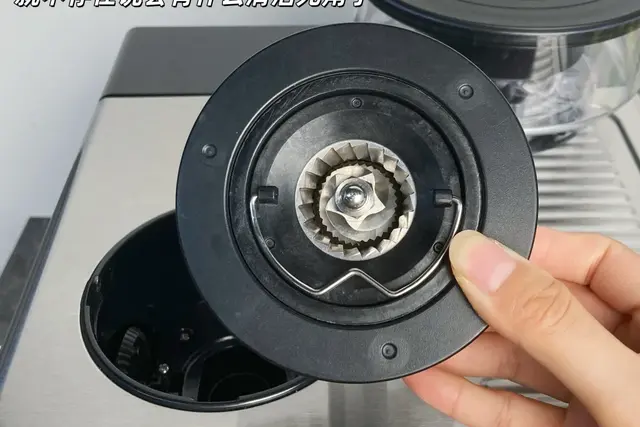
Westinghouse K16: removable grinder parts made cleaning easier
I switched from a hard-to-clean automatic machine to the Westinghouse K16; its removable hopper and burr make routine grinder cleaning easier.