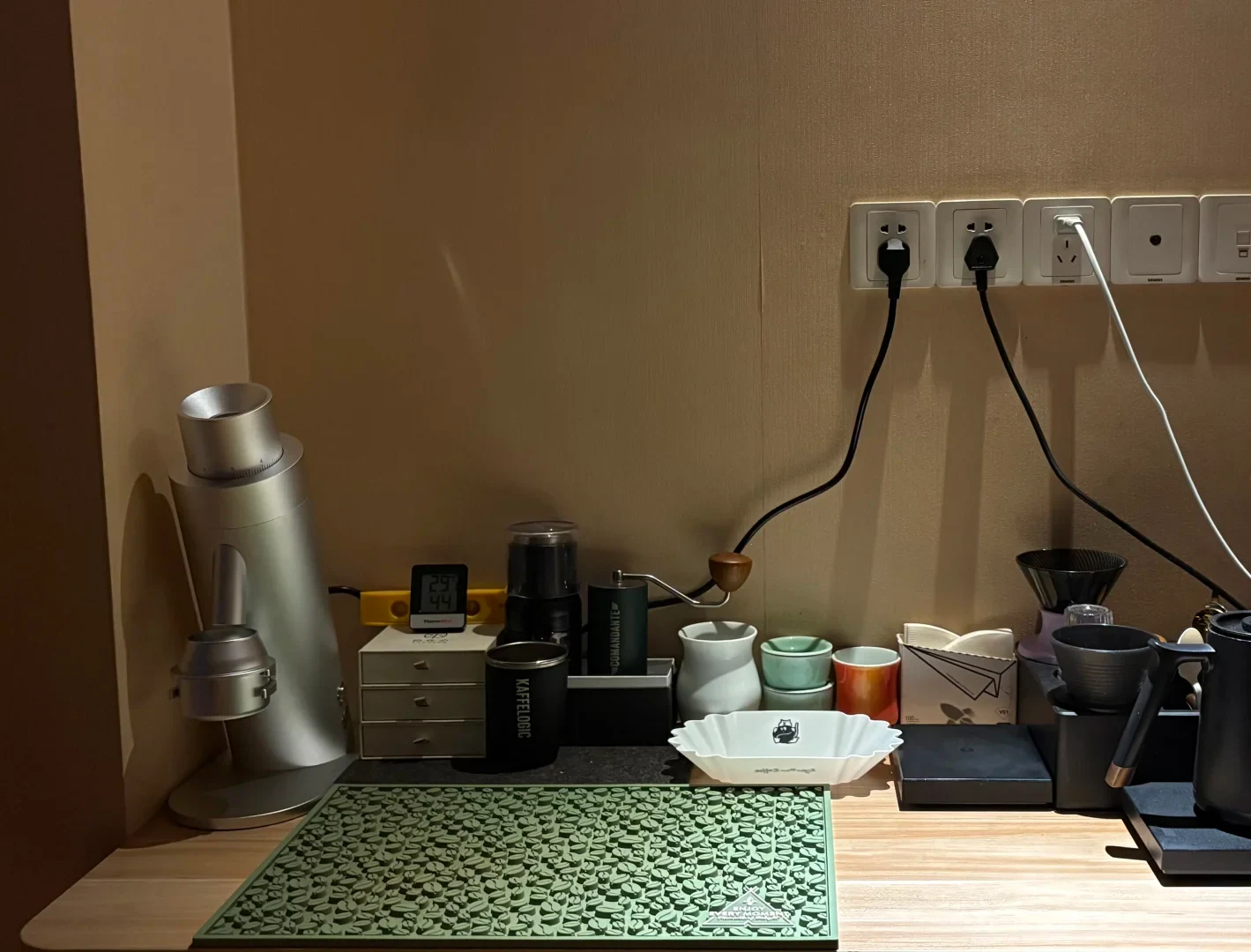
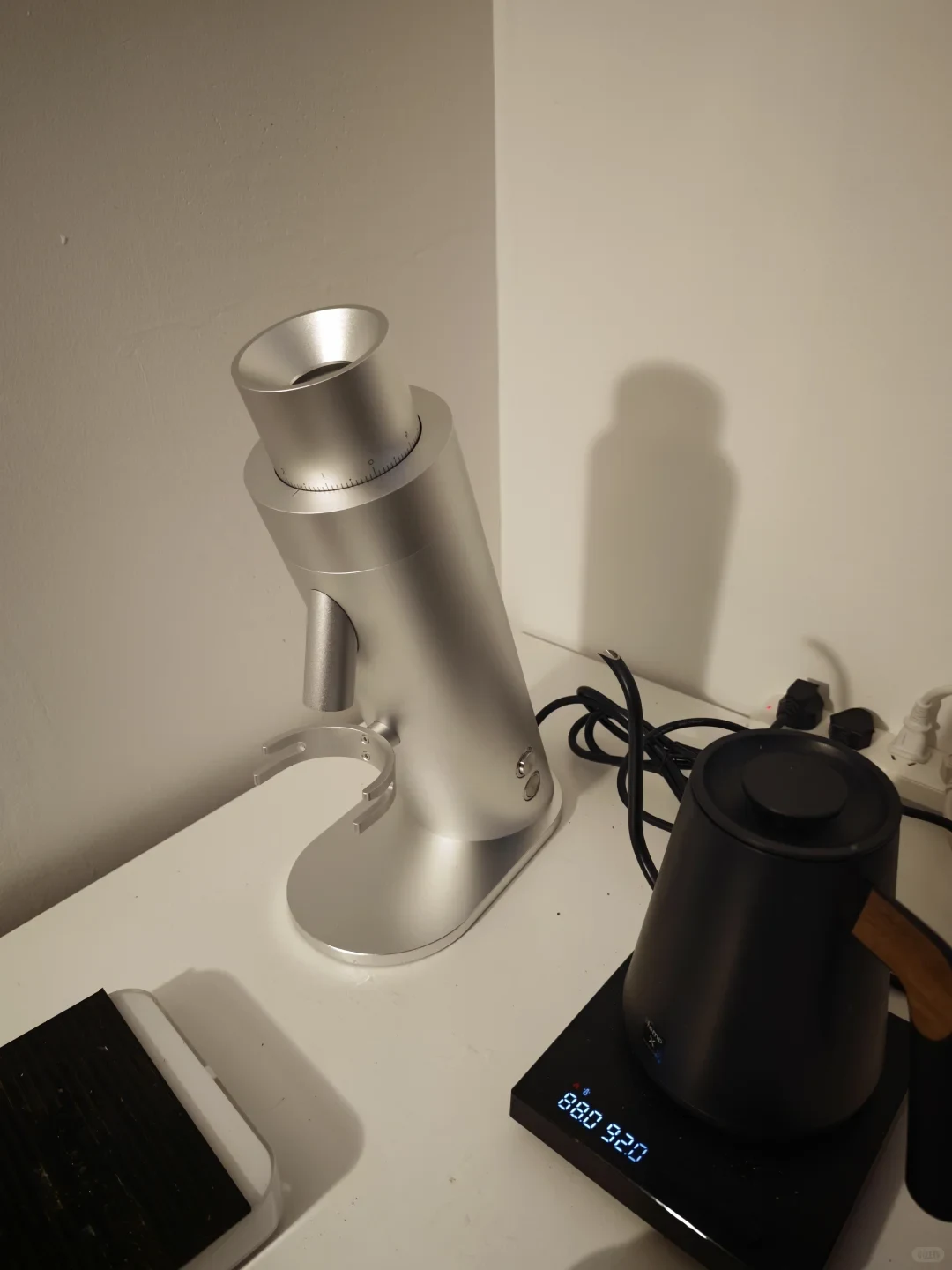
Less hand-grinding effort for light roasts
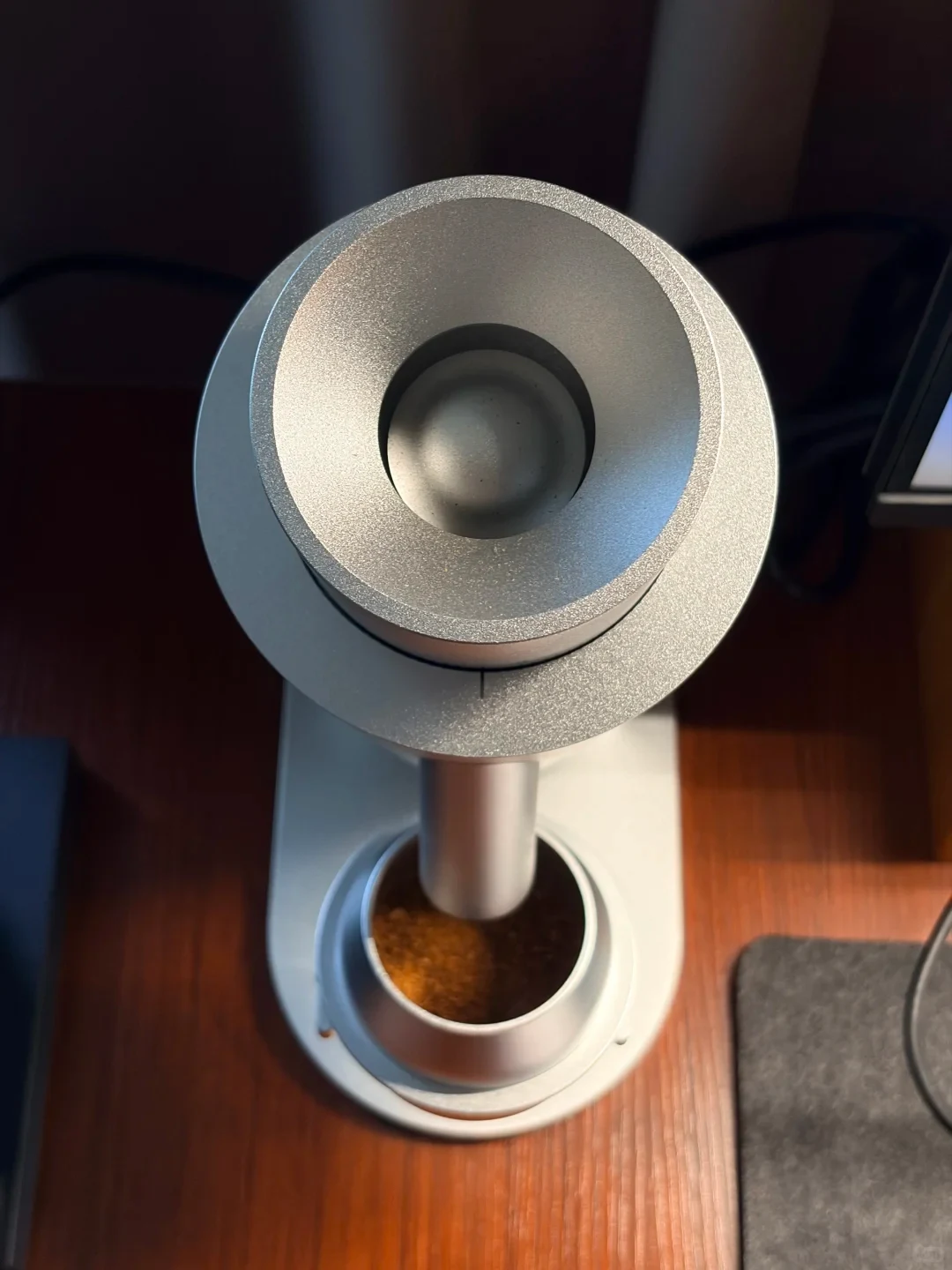
After more than two months, a former C40 user valued electric grinding for very light coffee that had strained their wrist. They preferred the P80’s cleaner-tasting filter cups. [1]

OPTION-O · Coffee grinder
| Regional reference | Markets | Model in the reports |
|---|---|---|
| OPTION-O LAGOM P80 · Voltage option required | 100–120 V markets, 220–240 V markets | LAGOM P80 |
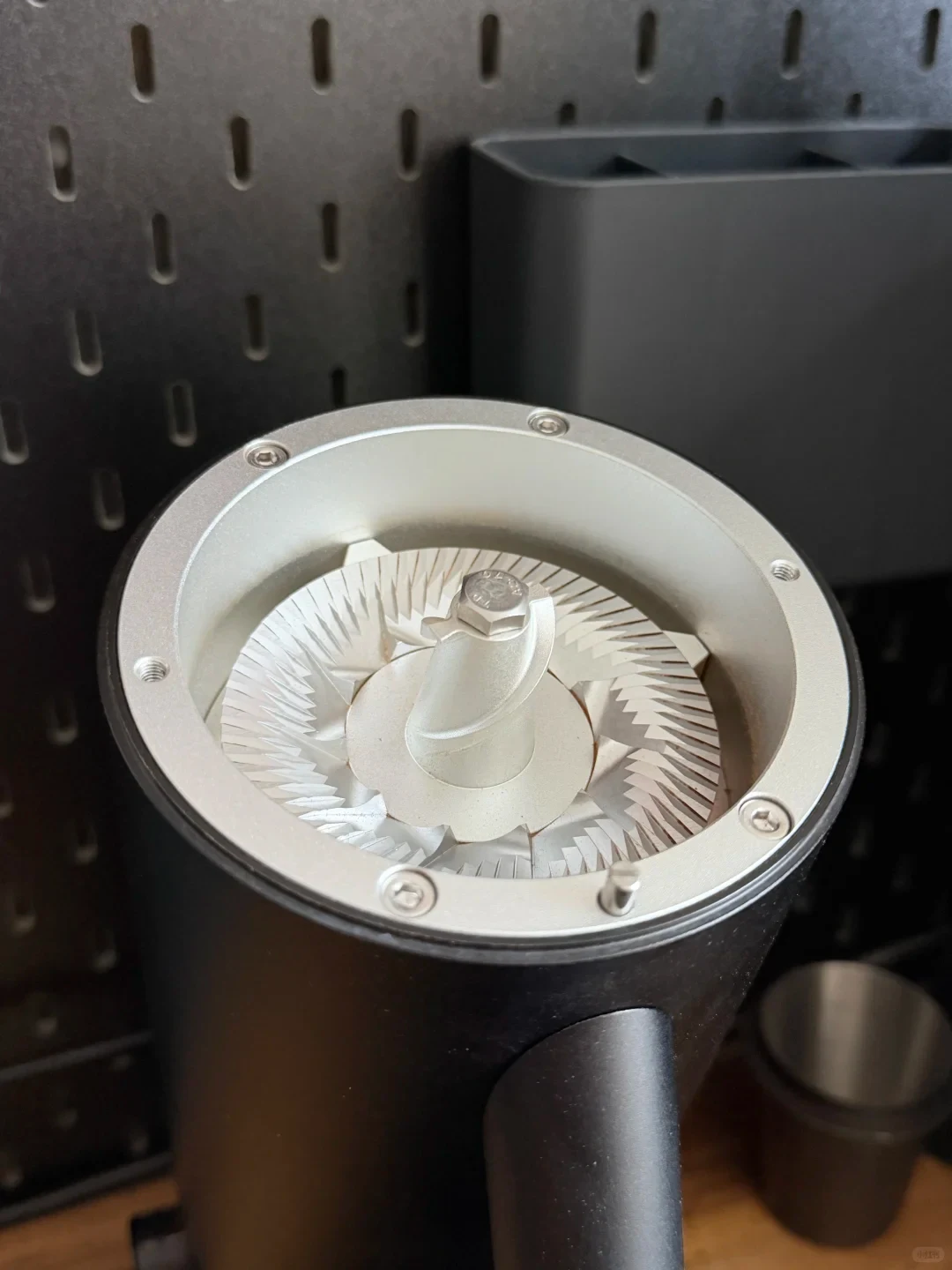
Electric grinding and easy cleaning access appealed to light-roast users. Filter flavour depends on beans and setup; one 20 g Nordic-light batch stalled at 300 RPM but ground normally at 600 RPM.
After more than two months, a former C40 user valued electric grinding for very light coffee that had strained their wrist. They preferred the P80’s cleaner-tasting filter cups. [1]
Owners described quick upper access and magnetic components. At a first six-month cleaning, one espresso user found fines around the edges and could reach the burr area without a difficult dismantling process. [2][1]
With 15 g of the same Geisha, one owner found the P80 at 900 RPM brighter and more juice-like than a C40 at 24 clicks. The C40 tasted sweeter and fuller to them. [3]
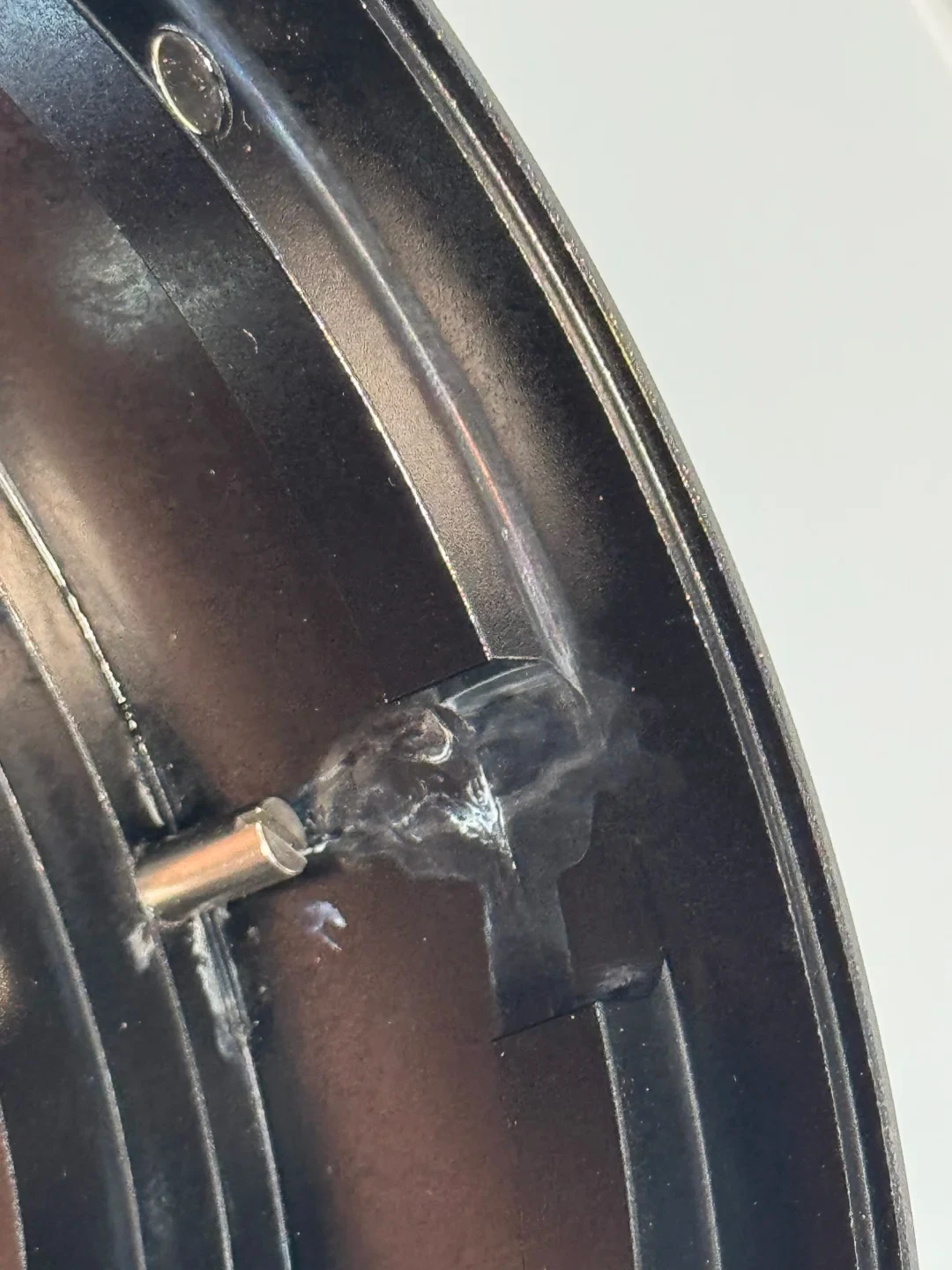
An early owner reported chipped paint, rough edges and beans left when grinding stopped. The replacement had better edge finishing, and the owner said the automatic grinding problem was resolved. [4]
At 600 RPM with a slow feeder, a stock-burr P80 placed between a Pietro and ZP6 in one blind comparison. The user had changed several factors and could not isolate the reason for improvement. [5]
A 20 g Nordic-light batch stalled twice at 300 RPM before finishing. The same user reported no stalling at 600 RPM, including finer grinding; the burr version was unstated. [6]
A small-cafe owner preferred returning to their P80 after a three-day GDS trial, but found the P80’s brighter flat-burr cup less forgiving than the GDS 102 mm flat burr. [7]
Before replacement, one owner found rough edges, paint loss and pale residue beneath the cover, and wanted clearer instructions. The residue was not chemically identified. [4]
A six-month owner found the supplied hex tool awkwardly short. Another user liked cleaning access but was wary of replacing burrs themselves; cleaning access and a burr swap are separate tasks. [2][1]
A first-day owner liked balanced, sweet cups with gentler acidity, while a Geisha comparison favoured brightness but noted slight cooling astringency. Beans, settings and the comparison grinder differ. [8][3]
Six months · Two to three daily espresso grinds
Small cafe · Three days with GDS · Returned to P80
20 g Nordic-light roast · 300 versus 600 RPM
Blind filter comparison · 600 RPM and slow feeder
First filter comparison · 15 g Geisha · C40 at 24 clicks
First day · Filter at 1,500 RPM · Espresso at 900 RPM
Two days · Finish and early-stop issues · Replacement update
Over two months · Very light roast · Replaced hand grinding