
Reviews & Guides · Kitchen & Dining
Why I went back to the LAGOM P80 after three days with the GDS
Reviewed: OPTION-O LAGOM GDS, OPTION-O LAGOM P80Regional reference: OPTION-O LAGOM P80 (United States and international)
I tried the LAGOM GDS for three days in my small cafe. Its noise and grounds crossover bothered me, and I preferred my P80’s brighter pour-over cups.
What I liked
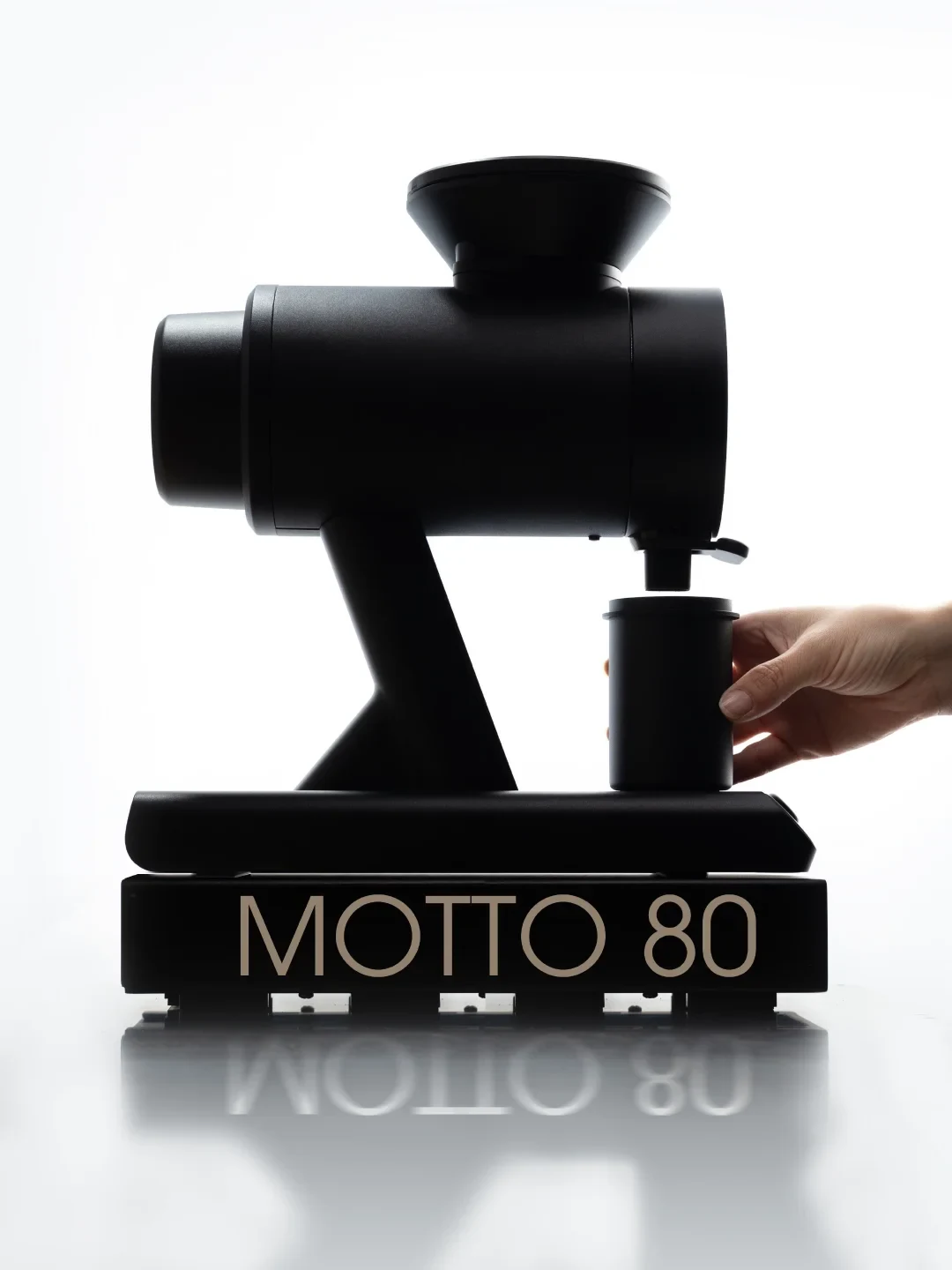
- I really like its retro design. Even when it is not in use, it makes a great display piece, which is why I deliberated for so long over whether to sell it.
- Although its flat burr is an older 102, my pour-over tests found it highly adaptable to different beans—in other words, it is not fussy about beans. Its general flavor profile is balanced, gentle, and easy to drink.
- The settings are now displayed as burr spacing, which is more scientific.
What did not suit me
- After using the conical burr, I found it more suited to medium-dark espresso: it produces more fines, a sweeter style, fuller body, and a thicker texture. My cafe currently serves only light-roast pour-over and very high-extraction brews. Forcing it into that work brought more downsides, and the acidity had little detail, so I barely used it. If I chose again, I would pick the dual-flat-burr version.
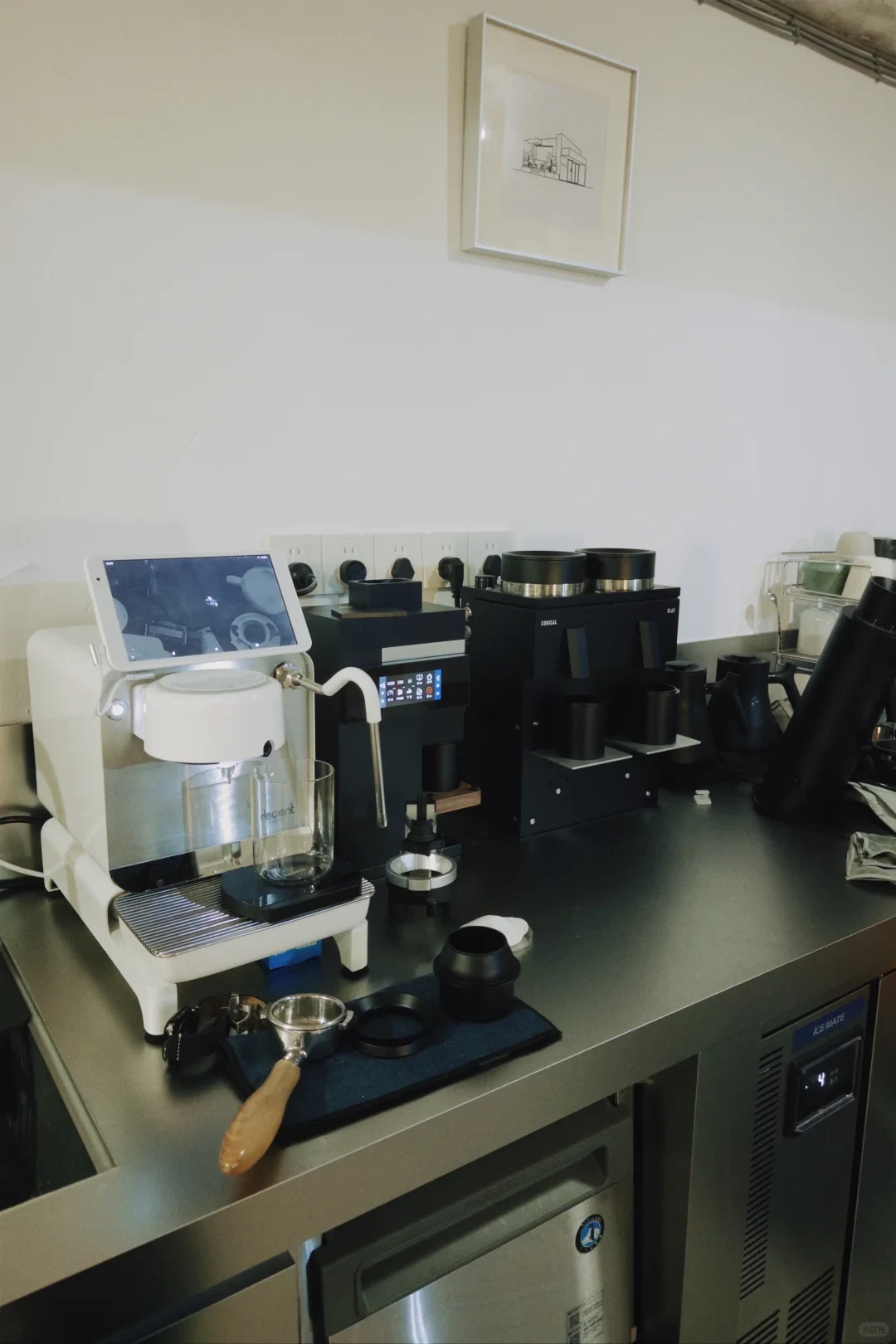
- It is genuinely quite loud. My cafe is small, and starting the grinder makes a startling amount of noise, especially when it spins out the grounds at the end, which can disturb customers.
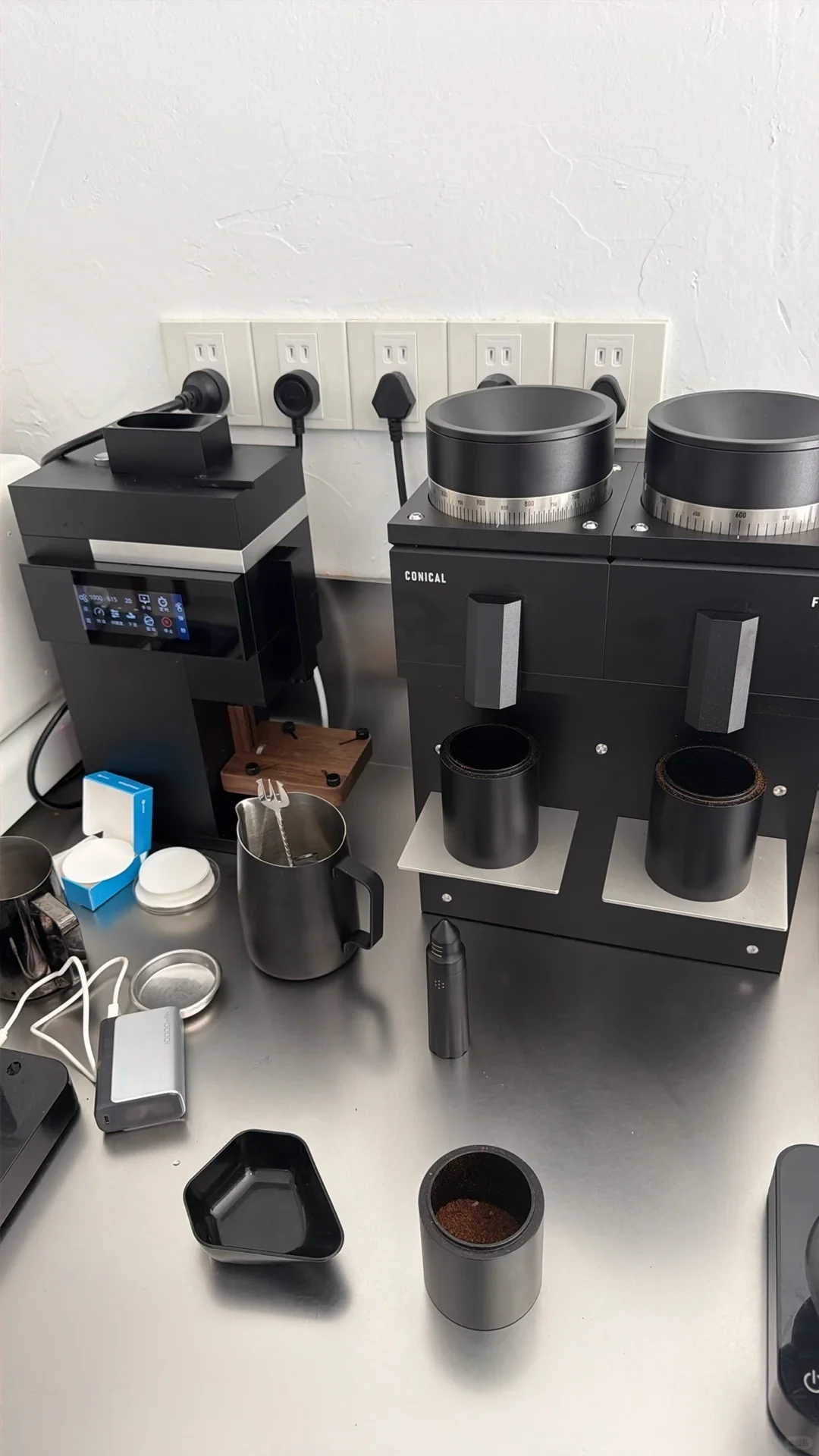
- The left-right burr layout leaves some grounds behind: after grinding on the left, a little comes out on the right. It is not much, but if you are particular about it, you may keep activating the spin-out, which brings back the noise issue above. Overall, it was not hassle-free for me.
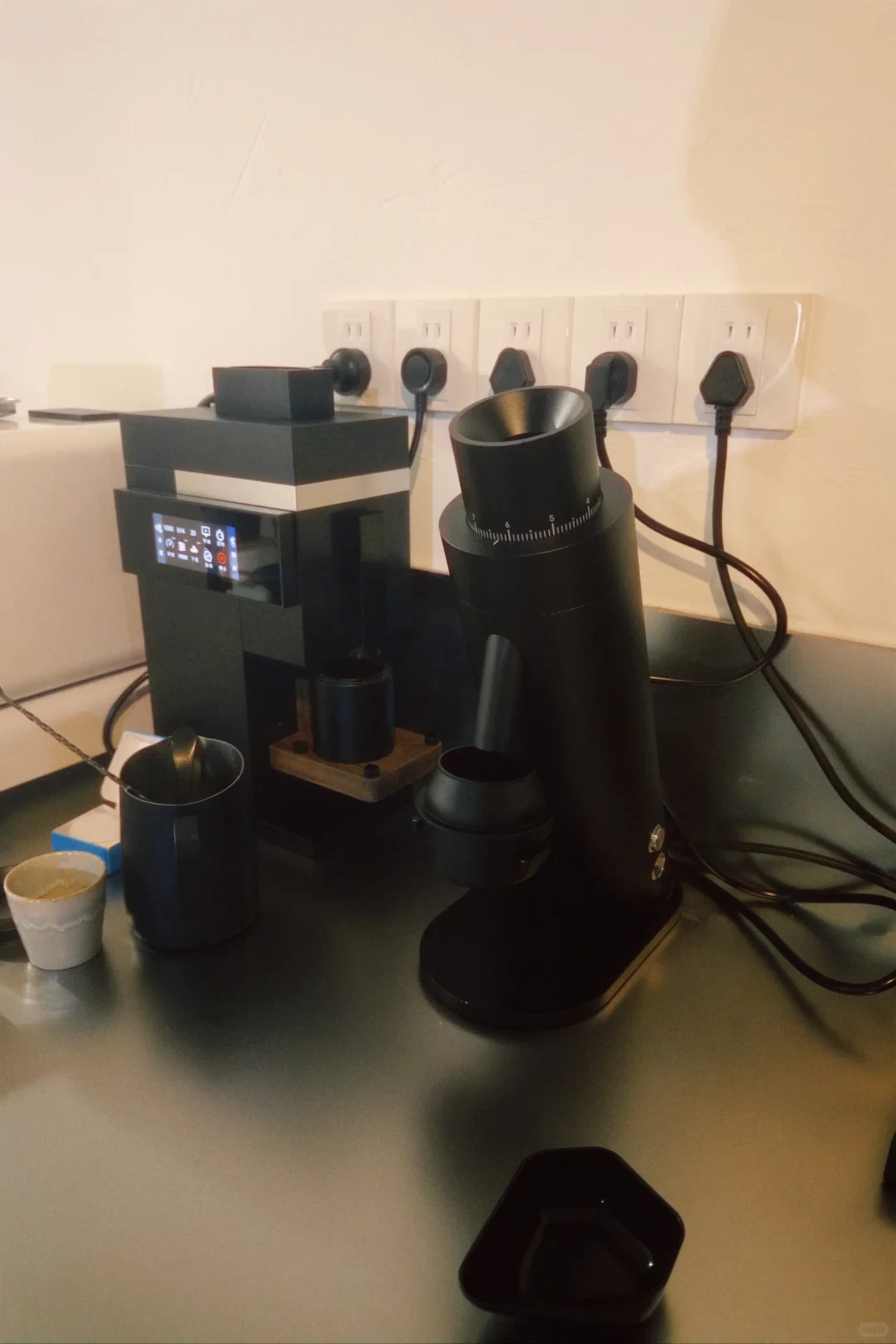
- The flat burr handles different beans well and gives everyday beans a boost, but its flavor character is not bright enough for me. I prefer the pour-over coffee from my P80. Put simply, given a range of beans, the 102 burr can make an 80-point cup but struggles to reach 90; the acidity can lack brightness. The P80 can reach 90, but it is less forgiving than the 102. It comes down to what you value.
That is the gist of my three days with it. In the end, I went back to my P80 and sold the GDS to a friend, very reluctantly. I hope more burr options become available in the future.
Source: 大文玩咖啡 · Xiaohongshu · 2026-11-02 · LAGOM GDS 3天的使用分享(已出). Search this Chinese title in Xiaohongshu to find the original post.
Before You Buy
Models in your region
The GDS trial and the P80 comparison describe two different OPTION-O grinders. The P80 reference below identifies the model the author returned to; the account’s GDS burr arrangement should be read as its own configuration.
| Model in this review | Related regional model | What to know |
|---|---|---|
| OPTION-O LAGOM P80 | OPTION-O LAGOM P80 (United States and international) | This is the author’s pour-over comparison grinder and the model covered by the official regional evidence. OPTION-O lists 80 mm Mizen burrs; the exact burr setup and electrical version of an individual unit must be checked separately. |
- Model in this review
- OPTION-O LAGOM P80
- Related regional model
- OPTION-O LAGOM P80 (United States and international)
- What to know
- This is the author’s pour-over comparison grinder and the model covered by the official regional evidence. OPTION-O lists 80 mm Mizen burrs; the exact burr setup and electrical version of an individual unit must be checked separately.
Match the burr profile to the drinks you serve
The GDS’s burr choice matters more than its appearance if your cafe menu is narrow. In this three-day trial, the author found the conical burr better suited to medium-dark espresso, with sweeter, fuller, thicker cups, while the cafe’s light-roast pour-over and very high-extraction brews made that setup a poor fit. The author would choose the dual-flat-burr version for that menu, but the supplied evidence does not establish its specifications.
The author found the GDS’s 102 flat burr adaptable across beans and forgiving, but less able to bring out bright acidity than the P80 in pour-over. Those are comparative impressions from this cafe, not measured or universal results; choose according to whether bean flexibility or brighter flavor character matters more to your drinks.
Account for grinder noise and grounds left behind
In a small cafe, the GDS’s noise may affect where and when you grind. The author found the sound particularly disruptive during the final spin-out, which they used to clear a small amount of grounds that shifted from the left side to the right. This is one cafe’s observation, not a manufacturer noise measurement or a quantified retention test.
The P80’s official specifications include a magnetic blind-burr mounting system and an integrated upper assembly for cleaning. These features describe the listed P80; the evidence does not establish that the GDS shares them or confirm the retention behavior of either individual grinder.
Check the P80 configuration before buying
The P80 is listed with 80 mm Mizen burrs, stepped speed control from 300 to 1,700 RPM, and a grinder-body weight of 8.1 kg. OPTION-O offers 100–120 V and 220–240 V electrical versions. Confirm the burr setup and voltage of the specific unit before purchase; the author's favorable pour-over comparison does not verify either configuration.
Related Reading
Reviews & Guides · Kitchen & Dining
Breville Bambino after three and a half years: why I switched to Gaggia Classic E24
After three and a half years, my Bambino seemed to run cooler; I switched to a Gaggia Classic E24 for the beans we buy and roast at home.
Reviews & Guides · Kitchen & Dining
Gaggia Classic E24 daily routine: 18 g in, 36 g out
I make two coffees most mornings with my Gaggia Classic E24, weighing 18 g in and 36 g out. Pairing it with a Sculptor 064S helped me dial in.
Reviews & Guides · Kitchen & Dining
Gaggia Classic E24: 16-second shots and a changed temperature routine
I pulled roughly 26 g shots from 16 g of dark-roast coffee in my Gaggia Classic E24; a new flush routine seemed to slow them slightly, but I did not measure the change.