
Reviews & Guides · Kitchen & Dining
LAGOM P80’s first pour: brighter fruit than the Comandante C40
Reviewed: OPTION-O LAGOM P80, Comandante C40Regional reference: OPTION-O LAGOM P80 (United States and international)
I compared my new LAGOM P80 with a Comandante C40 using the same Geisha coffee. The P80 tasted brighter and juicier, though slightly astringent as it cooled.
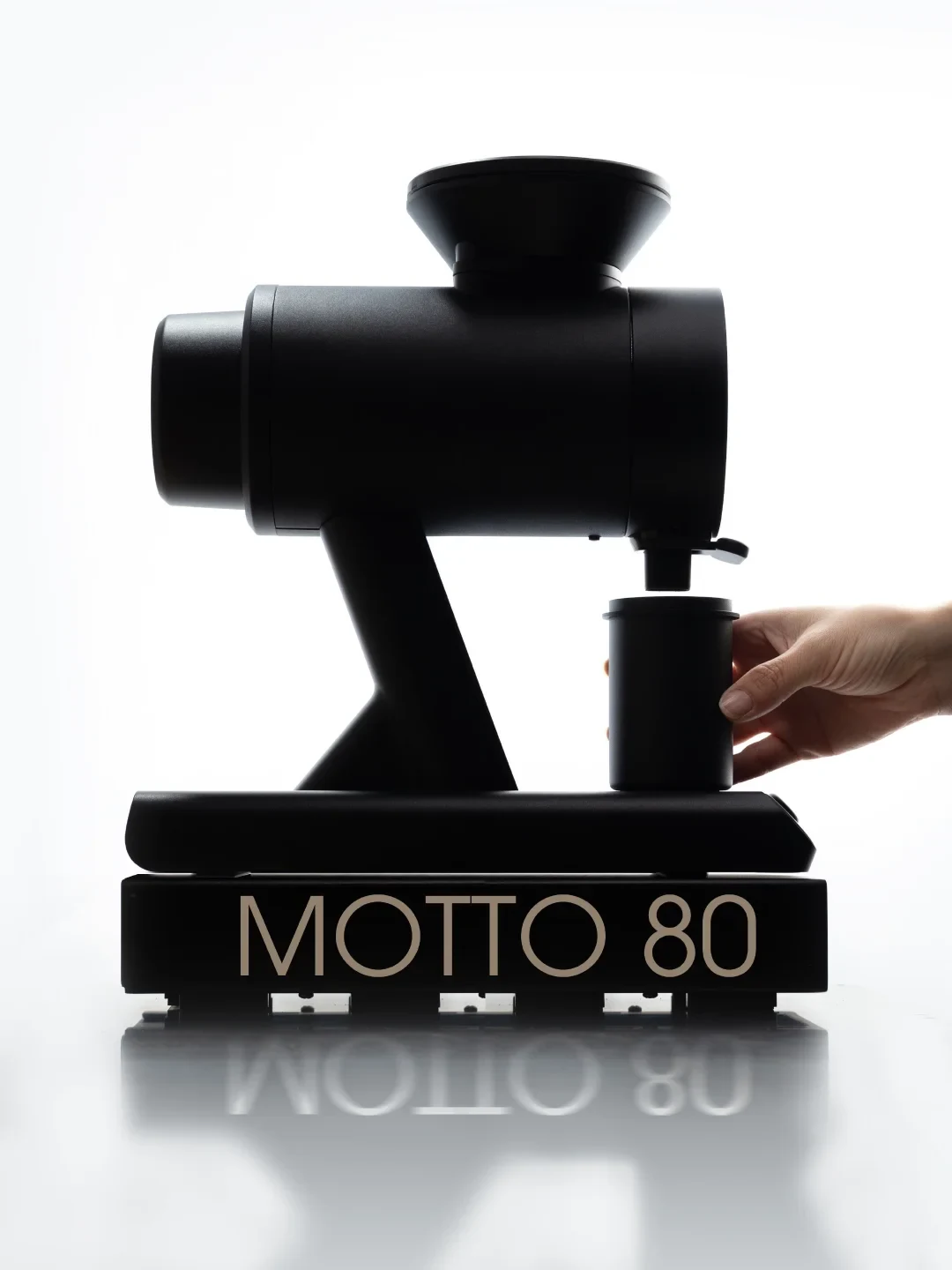
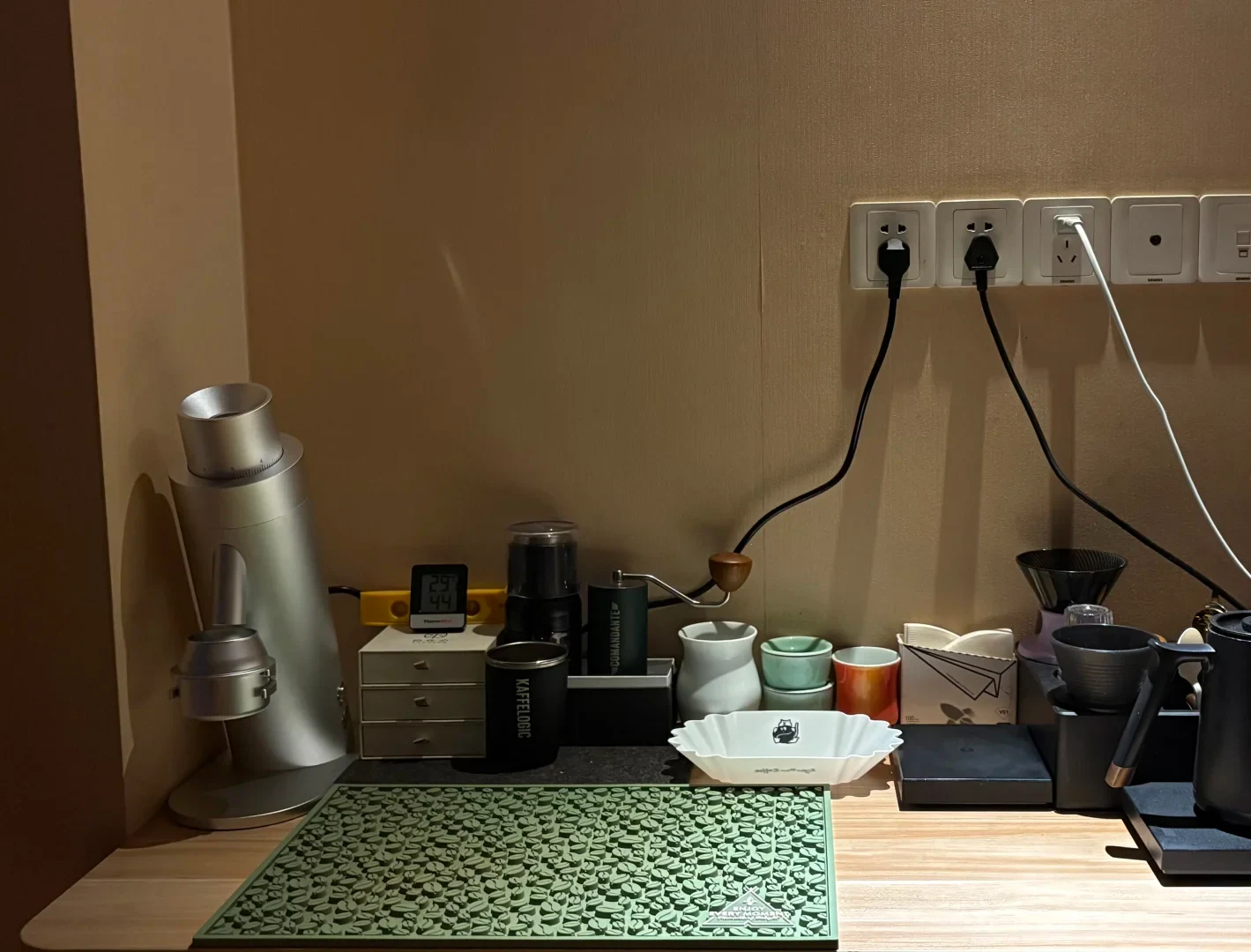
My new toy arrived today, so I compared its first pour with the C40.
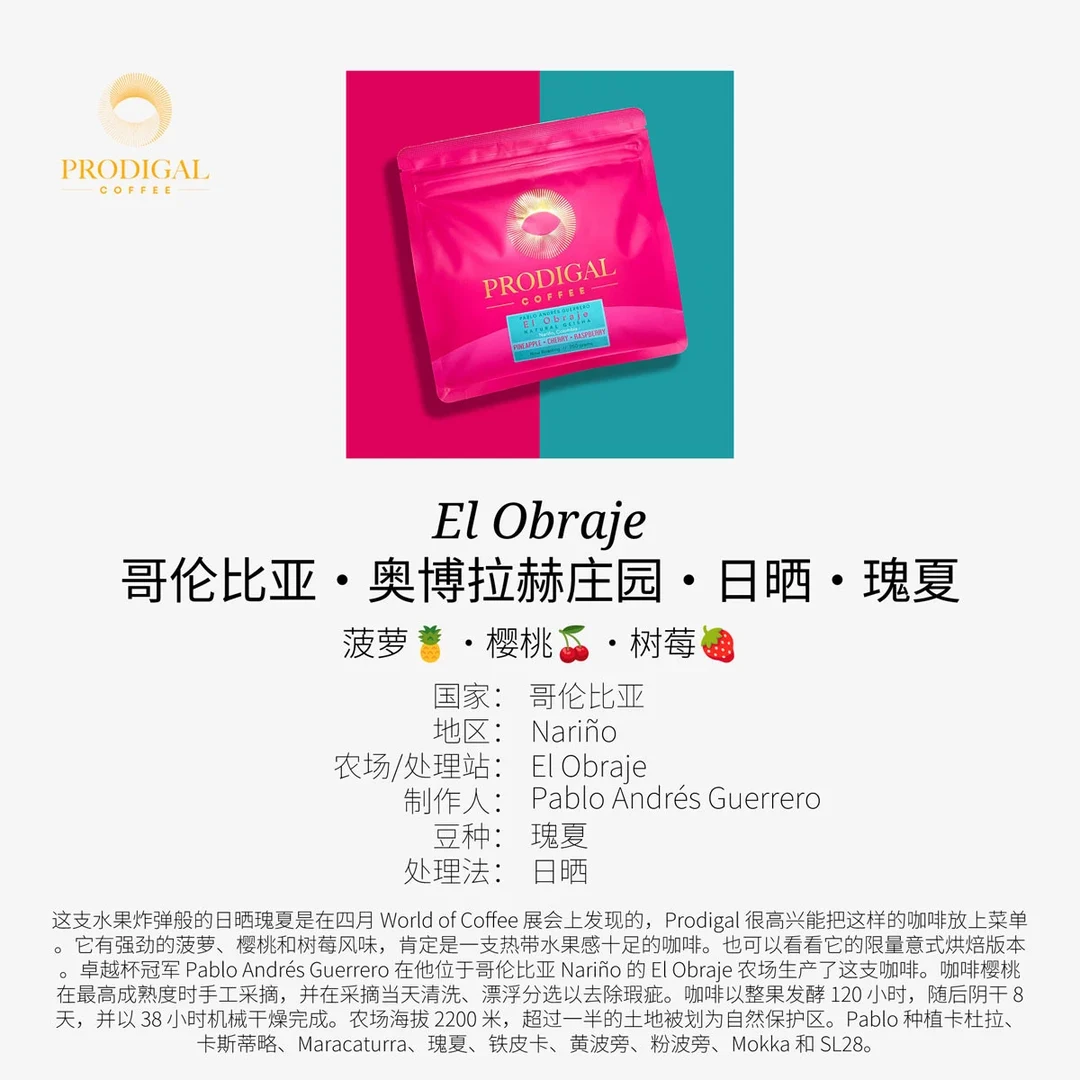
Coffee: 15 g of Prodigal Colombia El Obraje Estate natural-process Geisha.
Water: Changbaishan mineral water at 92°C.
Brewing setup: Hario Neo with Sanyo AC1 filter paper.
Pouring recipe: At 0 seconds, pour 50 g and let it bloom for 30 seconds. Pour in circles to 150 g in the second stage, then let it drain naturally. Pour to 225 g with a final center pour; the brew finished at 1:45.
C40 grind setting: 24.
P80 grind setting: 5.5, at 900 RPM.
The flavors were very different. The C40 cup had cranberry, a subtle lime aroma, and tropical fruit. It was round and full-bodied, with good structure and moderate sweetness.
The P80 cup felt light and bright from the first sip. By comparison, the C40 even seemed a little dull. The flavors were clearer: cranberry juice and melon, with a livelier, juicier character, more pronounced acidity and aroma, and sweetness that came across as fruit juice. It was a little astringent at a lower temperature. I think I could brew more aggressively to improve how it tastes as it cools.
Overall, the flat burrs had a clear advantage: the P80’s juiciness and acidity were lovely, and its flavors seemed more complete and easier to identify. The C40 had a little more body and sweetness. I’ve long felt the C40 performs poorly as the coffee cools, when it becomes hard to make the cup taste good. The P80 kept its flavor character at lower temperatures. I’m quite happy with it as my first one. Next, I’ll compare the flavors and strength at different speeds and grind settings.
Source: Mads · Xiaohongshu · 2026-08-05 · 不严谨对比Lagom p80 和 C40. Search this Chinese title in Xiaohongshu to find the original post.
Before You Buy
Models in your region
LAGOM P80 is the electric grinder in this comparison; Comandante C40 is the hand grinder. The P80 has regional electrical options, while the first-brew observations refer to Mads’s own setup.
| Model in this review | Related regional model | What to know |
|---|---|---|
| OPTION-O LAGOM P80 | OPTION-O LAGOM P80 (United States and international) | The source-used P80 matches the official United States and international listing. The listing specifies 80 mm Mizen burrs and 300–1700 RPM stepped speed control; the burr setup and voltage version of Mads’s individual unit are not identified. |
- Model in this review
- OPTION-O LAGOM P80
- Related regional model
- OPTION-O LAGOM P80 (United States and international)
- What to know
- The source-used P80 matches the official United States and international listing. The listing specifies 80 mm Mizen burrs and 300–1700 RPM stepped speed control; the burr setup and voltage version of Mads’s individual unit are not identified.
What the first-pour comparison can tell you
Mads found the P80 cup brighter and juicier, while the C40 cup had more body and sweetness. The reported recipe uses 15 g coffee, 92°C water, Hario Neo and Sanyo AC1 paper, but grind settings differ and no matched particle-size measurement was reported.
The P80’s slight astringency as the cup cooled was part of this pour, not a general performance finding. Mads suggested trying a more aggressive brew and planned further comparisons at different speeds and grind settings; those follow-up results are not included here.
P80 specifications and setup to check
The official LAGOM P80 listing specifies 80 mm Mizen burrs, a magnetic blind-burr mounting system, an integrated upper assembly for cleaning, and stepped speed control from 300 to 1700 RPM. These are listed product features; Mads’s first-pour account does not evaluate cleaning or measure grinder performance.
Check the P80’s voltage option and burr setup for the individual unit before buying: the listing offers 100–120 V or 220–240 V versions, but Mads’s account does not identify which voltage or burr configuration his grinder has. The manufacturer’s claims about noise and retention are not owner measurements in this comparison.
Related Reading
Reviews & Guides · Kitchen & Dining
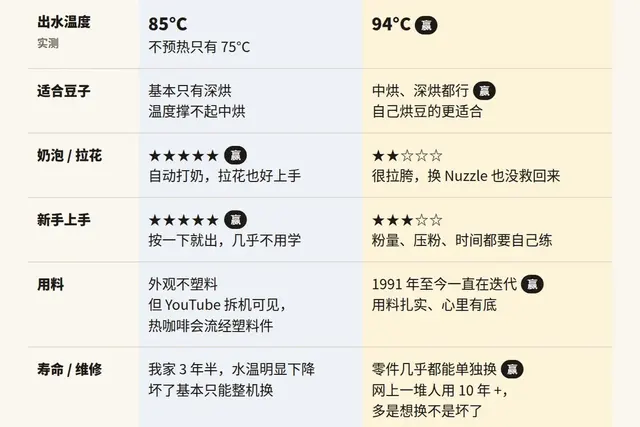
Breville Bambino after three and a half years: why I switched to Gaggia Classic E24
After three and a half years, my Bambino seemed to run cooler; I switched to a Gaggia Classic E24 for the beans we buy and roast at home.
Reviews & Guides · Kitchen & Dining
Gaggia Classic E24 daily routine: 18 g in, 36 g out
I make two coffees most mornings with my Gaggia Classic E24, weighing 18 g in and 36 g out. Pairing it with a Sculptor 064S helped me dial in.
Reviews & Guides · Kitchen & Dining
Gaggia Classic E24: 16-second shots and a changed temperature routine
I pulled roughly 26 g shots from 16 g of dark-roast coffee in my Gaggia Classic E24; a new flush routine seemed to slow them slightly, but I did not measure the change.